The most recent full-year estimate from Guttmacher reports that 5,359,550 pregnancies occurred in the United States in 2020.(1) Using NHANES data (1999–2014), Jun et al. report that 64.4% of pregnant women used a prenatal supplement.(2)
Adaptogens are herbs and natural substances used to support the body's ability to adapt to stress and maintain internal balance. But adaptogens pregnancy safety is a different question: pregnancy is a high-caution setting, and “natural” does not automatically mean safe for pregnant women.
If you are pregnant (or breastfeeding) and want to know whether adaptogens like rhodiola, ashwagandha and ginseng are safe to use, and which ones you should avoid, then here's your answer:
The conservative approach is to avoid adaptogens during pregnancy unless your healthcare provider specifically recommends otherwise.
Why the caution? Adaptogens may affect hormones, stress signaling, blood pressure, immune responses, or other physiological systems that change during pregnancy. Pregnancy-specific safety data are limited, so this is not the time to self-experiment with herbs or supplements.
Key Takeaways
- Adaptogens are mainly discussed for non-pregnant adults. They are traditionally described as helping restore normal physiological functioning under stress, but pregnancy requires a more conservative safety standard.
- Why the caution? Adaptogens may interact with stress hormone signaling, blood pressure, immune function, or hormone pathways—areas that should not be casually manipulated during pregnancy.
- Evidence gap: High-quality pregnancy-specific safety trials are limited, so absence of evidence should not be mistaken for evidence of safety.
- Best practice: Talk to your OB-GYN or midwife about evidence-supported options for nausea, sleep, mood, and energy.
Disclaimer
This article is provided for educational purposes only and is not medical advice. Pregnancy and breastfeeding are high-caution settings for herbal medicines, dietary supplements, conventional medications, and other medications. Do not assume an herb is safe simply because it is described as “natural,” “beneficial,” or “non toxic.” Pregnant women should discuss any supplement with a doctor or other qualified healthcare provider before use. Potential negative effects and damaging effects can be difficult to predict when pregnancy-specific safety research is limited, especially when the goal is protecting maternal health and baby's brain development.
Adaptogen Pregnancy Safety: An Introduction
Adaptogens are a class of botanicals (and some adaptogen mushrooms) traditionally used to help the body adapt to physical and emotional stress, promoting steadier energy, mood, and performance.
Adaptogens are often described as “normalizing” because the concept is to support normal physiological functioning rather than simply push one pathway up or down. That natural and beneficial process is part of how adaptogens work in traditional and modern wellness contexts—but it does not establish pregnancy safety.
Common adaptogens work to help with:
- Stress and fatigue support: Some adaptogens have been studied for perceived stress, energy, and fatigue in non-pregnant adults. Read more: stim-free energy formulas
- Metabolic support: Modest assistance with blood sugar balance, appetite/craving, or weight-management behaviors in specific contexts.
- Cognition under stress: Better attention, vigilance, and mental endurance during demanding tasks or sleep restriction (varies by herb and dose). Find out more about brain-boosting nootropics
- Mood & sleep: Certain adaptogens have been studied for mood, stress, and sleep outcomes in non-pregnant populations.
- Exercise performance: Small but meaningful benefits for perceived exertion, recovery, and (in some cases) endurance capacity in stressful situations. Explore adaptogen herbs for athletes
- Immune function: Some adaptogens have been studied for effects on the immune system and immune responses.
- Inflammation modulation: Some adaptogens have been investigated for anti inflammatory activity and immune signaling.
Check out our List of Adaptogens article
How Adaptogen Activities May Affect Pregnancy
Pregnancy is a highly regulated state that requires a delicate balance. Many adaptogens act on pathways that are crucial during gestation, which is why most experts advise caution or avoidance. Key mechanisms include:
- Stress-axis signaling (cortisol levels): Adaptogens are often studied for moderating hormones related to stress. Both estrogen and cortisol play important roles in pregnancy physiology, so altering stress or hormone signaling without medical guidance is not a sensible goal.
- Nervous system effects: Some adaptogens are studied for pathways involving neurotransmitters and the nervous system. That is one reason pregnancy is not an appropriate time to experiment with multi-system herbs for mood, arousal, or sleep.
- Endocrine interactions: Some adaptogens touch thyroid hormone and sex-hormone pathways or binding proteins; hormone shifts in pregnancy are tightly choreographed and sensitive to disruption.
- Immune modulation: Adaptogens may influence immune responses; pregnancy already involves major immune adaptations. Discover ultramodern immune support supplements
- Metabolic actions: Some adaptogens are studied for blood sugar and metabolic signaling, another reason not to self-treat during pregnancy.
- Vascular effects: Impacts on blood pressure, heart rate, or nitric-oxide pathways may conflict with pregnancy’s cardiovascular demands.
- Uterine smooth muscle: Certain botanicals may affect uterine muscle function, potentially raising concerns about contractions or labor timing.
Key Takeaway: Adaptogens can be valuable for stress and performance in non-pregnant adults, but their multi-system actions overlap with important pregnancy pathways. Because pregnancy-specific safety evidence is limited, avoid adaptogens unless your healthcare provider specifically approves them.
What About “Adrenal Fatigue” or Overstimulation?
Terms such as adrenal fatigue or “experiencing adrenal over stimulation” are sometimes used online when people feel exhausted, wired, or overwhelmed. Pregnancy fatigue, high levels of stress, and sleepless nights are not reasons to self-prescribe adaptogens. If symptoms are persistent or severe, discuss them with your healthcare provider rather than trying to reduce stress hormones or cortisol levels with an herbal supplement.
Adaptogens, Nootropics, Pregnancy and Breastfeeding
Adaptogens are only one category within the broader world of nootropics and brain supplements. Pregnancy changes the safety calculation for all of them. A compound that may support focus, stress resilience, or energy in a healthy non-pregnant adult may not have adequate safety data for pregnancy.
For a broader discussion beyond adaptogens, see our guide to nootropics during pregnancy. The same principle applies: do not assume a supplement is pregnancy-safe simply because it is sold over the counter or derived from herbs.
Breastfeeding is a separate safety stage. Even as hormones return toward pre pregnancy levels after delivery, new moms may still need to consider whether supplement ingredients or their metabolites can reach breast milk. For that topic, see our guide to nootropics while breastfeeding.
Food-First Support During Pregnancy and Breastfeeding
For tired or overwhelmed parents dealing with low energy and sleepless nights, it can be tempting to reach for an adaptogen. A safer starting point is to discuss basics with your care team: enough food, a healthy diet built around whole foods, hydration, sleep support where possible, and appropriate prenatal or postnatal nutrition. Relying heavily on sugary foods and empty carbs can also make energy feel less steady, but supplements should not be used to compensate for an inadequate diet.
This article does not recommend adaptogens for pregnancy or breastfeeding. If you are struggling with fatigue, stress, blood sugar concerns, mood, or well being, ask your doctor or healthcare provider what is appropriate for your situation.
Adaptogens Used in Traditional Herbalism
Caution
This section is included for historical and educational context only. It is not a list of recommended adaptogens for pregnancy or breastfeeding. Other herbs sometimes discussed as adaptogens, including holy basil, should not be self-prescribed during pregnancy simply because they have a long history of traditional use.
Ashwagandha (Withania somnifera)

Ashwagandha has a long history in Ayurvedic medicine and is widely discussed as an adaptogen for stress. In non-pregnant adults, a systematic review and meta-analysis has examined ashwagandha supplementation for stress and anxiety outcomes.(3)
Context in Pregnancy. The current reference set does not establish pregnancy safety for ashwagandha. Because pregnancy-specific safety evidence is limited, the conservative approach is to avoid it unless a clinician who knows your history specifically approves its use.
Panax Ginseng (Asian/Korean Ginseng)

Panax ginseng, also called Asian ginseng, has a long history in Chinese medicine and other East Asian herbal medicines. Modern research has examined Panax ginseng and ginseng plant extract preparations for cognitive function in non-pregnant adults.(4)
Context in Pregnancy. The current references do not establish pregnancy safety for Panax ginseng. The first trimester is not an appropriate time to experiment with an herbal supplement that lacks adequate pregnancy-specific safety data; discuss any proposed use with your healthcare provider.
Eleuthero (Eleutherococcus senticosus; “Siberian Ginseng”)

Eleuthero is used in Russian and Chinese herbal traditions and is reviewed for its phytochemistry and adaptogenic potential.(5) It is not a true ginseng despite the common name “Siberian ginseng.”
Context in Pregnancy. The current reference base does not establish eleuthero safety in pregnant or breastfeeding women. That evidence gap is a reason for caution rather than a reason to assume safety.
Rhodiola rosea (Golden/Arctic Root)

Rhodiola rosea has a long history of traditional use and has also been evaluated in randomized clinical trials for several stress- and performance-related outcomes in non-pregnant adults.(6)
Context in Pregnancy. The current reference set does not establish rhodiola safety during pregnancy or breastfeeding. Without pregnancy-specific safety evidence, avoid self-prescribing it and discuss any proposed use with your healthcare provider.
Did you know? While not advisable for pregnancy, rhodiola may have a role in women's herbal menopause. It has been investigated as an adaptogen for helping with perimenopause and menopause.
Schisandra chinensis (“Five-Flavor Berry”)

Schisandra chinensis has a history in East Asian and Russian herbal traditions and has been reviewed for its phytochemistry and potential health applications.(7)
Context in Pregnancy. The current reference set does not establish schisandra safety during pregnancy. Because pregnancy-specific safety data are limited, it should not be self-prescribed during pregnancy.
Frequently Asked Questions
Are adaptogens safe during pregnancy?
The conservative approach is to avoid adaptogens during pregnancy unless your healthcare provider specifically approves them. Pregnancy-specific safety data are limited for many adaptogenic herbs, so uncertainty should not be treated as proof of safety.
Can you take rhodiola while pregnant?
Rhodiola lacks established pregnancy safety in the evidence used for this article. Avoid self-prescribing it while pregnant or trying to conceive, and ask your OB-GYN or midwife about safer ways to address stress or fatigue.
Can you take rhodiola while breastfeeding?
Breastfeeding safety is separate from pregnancy safety, and the evidence used here does not establish rhodiola as safe during lactation. Do not self-prescribe it while breastfeeding; review any supplement with your doctor or other healthcare provider.
Are nootropics safe during pregnancy?
Nootropics are a broad category, so they should not all be treated as equivalent. During pregnancy, however, do not start a nootropic supplement without reviewing its ingredients and safety with your healthcare provider. See our dedicated nootropics and pregnancy guide for the broader topic.
What happens if you take ashwagandha while pregnant?
Ashwagandha does not have established pregnancy safety in the evidence used for this article. Do not self-prescribe it while pregnant; talk to your healthcare provider about appropriate options for stress, sleep, or fatigue.
Is schisandra safe during pregnancy?
Schisandra does not have established pregnancy safety in the evidence used here. Because pregnancy-specific safety data are limited, avoid self-prescribing it and consult your OB-GYN about appropriate alternatives.
Is eleuthero safe during pregnancy?
Eleuthero, also called Siberian ginseng, does not have established pregnancy safety in the current evidence base. Avoid self-prescribing it during pregnancy and consult your healthcare provider before considering any herbal supplement.
Mind Lab Pro® During Pregnancy or Breastfeeding
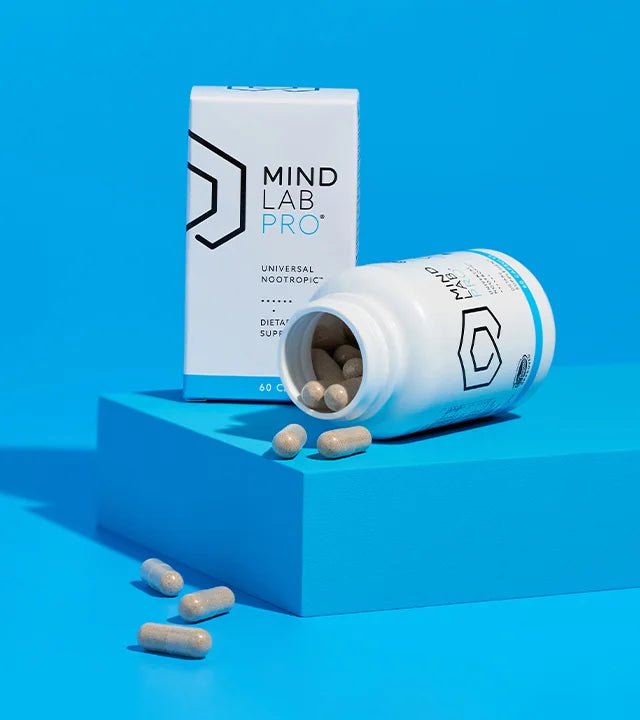
Mind Lab Pro® is a multi-ingredient nootropic supplement, but this article does not establish the safety of the complete formula during pregnancy or breastfeeding. Pregnant or breastfeeding women should not assume that a nootropic stack is appropriate simply because individual ingredients are natural or commonly used by healthy adults.
If you are considering Mind Lab Pro® or any other nootropic during pregnancy, review the full ingredient list with your healthcare provider first. The same caution applies during breastfeeding; see our nootropics and breastfeeding guide for additional context.
Final Thoughts on Adaptogen Pregnancy Risks
Adaptogens such as Ashwagandha, Panax Ginseng, Eleuthero, Rhodiola, and Schisandra have long histories in traditional herbal medicine and modern research interest for stress, fatigue, and performance in non-pregnant adults.
But are adaptogens safe? Safety depends on the specific herb, dose, person, and context. Pregnancy and breastfeeding require a much higher standard of evidence, and the current article does not establish pregnancy safety for the adaptogens discussed here.
If you are pregnant, planning to conceive, or breastfeeding, avoid self-prescribing adaptogens and work with your healthcare provider on evidence-based options for stress, energy, sleep, and overall well being.
References
- Guttmacher Institute. Pregnancy Trends in the United States. March 2025. Link
- Jun S, Gahche JJ, Potischman N, Dwyer JT, Guenther PM, Sauder KA, et al. Dietary supplement use and its micronutrient contribution during pregnancy and lactation in the United States. Obstet Gynecol. 2020;135(3). Link
- Akhgarjand C, Asoudeh F, Bagheri A, Kalantar Z, Vahabi Z, Shab-Bidar S, Rezvani H, Djafarian K. Does Ashwagandha supplementation have a beneficial effect on the management of anxiety and stress? A systematic review and meta-analysis of randomized controlled trials. Phytother Res. 2022 Nov;36(11):4115-4124. doi:10.1002/ptr.7598. Link
- Zeng M, et al. Effects of Ginseng on Cognitive Function: A Systematic Review and Meta-Analysis. Phytother Res. 2024 Dec;38(12):6023-6034. doi:10.1002/ptr.8359. Link
- Patyra A, Kołtun-Jasion M. Eleutherococcus root: a comprehensive review of its phytochemistry and pharmacological potential in the context of its adaptogenic effect. Front Pharmacol. 2025. Link
- Hung SK, Perry R, Ernst E. The effectiveness and efficacy of Rhodiola rosea L.: a systematic review of randomized clinical trials. Phytomedicine. 2011 Feb 15;18(4):235-244. doi:10.1016/j.phymed.2010.08.014. Link
- Nowak A, Zakłos-Szyda M, Błasiak J, Nowak A, Zhang Z, Zhang B. Potential of Schisandra chinensis (Turcz.) Baill. in Human Health and Nutrition: A Review of Current Knowledge and Therapeutic Perspectives. Nutrients. 2019 Feb 4;11(2):333. doi:10.3390/nu11020333. Link