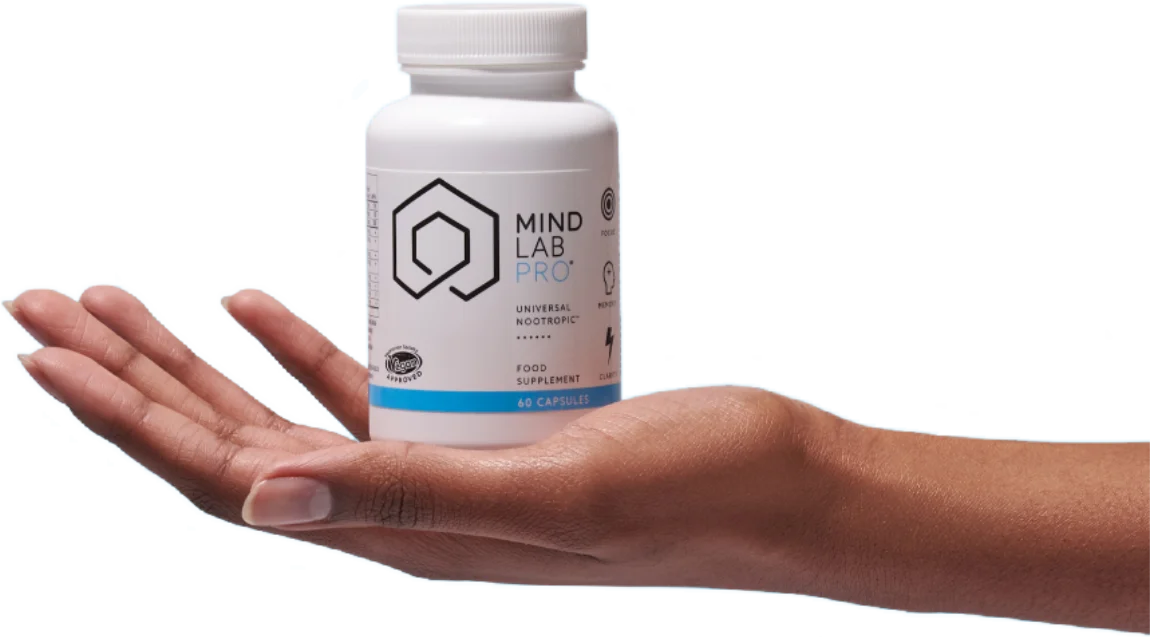


Are nootropics safe while breastfeeding? In most cases, the safest answer is: avoid nootropic supplements and smart drugs unless your healthcare provider specifically approves them for your situation.
That can be frustrating for new mothers dealing with sleepless nights, mental fog, decision making fatigue, and the pressure to feel like themselves again. But breastfeeding changes the safety equation because compounds that enter the mother's body may also reach breast milk and create infant exposure.
Supplement use during pregnancy is common. One nationally representative U.S. analysis reported that prenatal dietary supplements were used by about 75% of pregnant women, which shows how normal supplements can feel during this life stage. But “commonly used” is not the same as “appropriate for every supplement,” especially when the nursing infant is part of the risk-benefit picture.
Key Takeaways
- Most nootropics are discouraged while breastfeeding because research and safety data in breastfeeding mothers and nursing infants is very limited.
- Breastfeeding women should not assume that natural nootropics, adaptogens, herbs, mushrooms or smart drugs are safe just because they are sold as dietary supplements.
- Some supplements in general may be appropriate during pregnancy or breastfeeding, especially essential nutrients such as folic acid, iron, iodine, vitamin D, DHA or B vitamins—but only when matched to need and approved by a healthcare provider.
- Synthetic nootropics, high doses, multi-ingredient blends, stimulant products, energy drinks and poorly labeled supplements are higher-risk choices during pregnancy and breast feeding.
- Natural ways to support brain health during the postpartum period include quality sleep when possible, nutrition, hydration, gentle movement, medical screening, social support and clinician-guided nutrient repletion.
Potentially appropriate nootropics (and other supplements) while breastfeeding
Nootropics:
- Caffeine is one of the few nootropics with clear breastfeeding guidance but must be monitored and maintained in low-to-moderate intake range.
- Omega-3 (DHA): may support infant and maternal cognitive health when dietary intake is low.
- B vitamins: Support energy metabolism, nervous system and mood regulation, especially when deficiency risk exists.
Other supplements:
- Vitamin D: often discussed in pregnancy and breastfeeding because many people fall short; needs may not be met through diet and sun exposure alone.
- Prenatal or postnatal multivitamins: often used to support essential nutrients, but product quality and nutrient levels vary.
- Iron: may be needed when deficiency, anemia or blood loss is present, but can cause side effects and should be guided by labs.
Disclaimer
This article is for educational purposes only and is not medical advice. Pregnancy and breastfeeding are high-safety-priority periods, and dietary supplements, herbs, adaptogens, natural nootropics and smart drugs are usually discouraged unless approved by a qualified healthcare provider. Supplements do not diagnose, treat, cure or prevent disease. If you are pregnant, trying to conceive, in the third trimester, breastfeeding, pumping, taking medications, managing postpartum depression or anxiety, or caring for a premature or medically fragile baby, speak with healthcare professionals before using any nootropic, supplement or medication.
Breastfeeding and Nootropics: Why the Risk Is Different
Nootropics are compounds used to support mental performance, cognitive clarity, memory, focus, mental clarity, brain function or overall cognitive function. Read more about what nootropics are.
Breastfeeding changes the discussion because the question is not only, “Does this help cognition in the mother?” The question becomes: “What reaches breast milk, how much reaches the baby, and what could it do to the nursing infant?”
The site LactMed exists for this reason: it reviews drugs and chemicals that breastfeeding mothers may be exposed to, including milk levels, infant blood levels, and possible risks.(1)
The NCCIH (National Center for Complementary and Integrative Health) makes another key point: many dietary supplements have not been tested in pregnant women, nursing mohers or children, and what is listed on a supplement label may not always match what is in the product.(2)
Did you know? A supplement can be “natural” and still be inappropriate during breastfeeding. It doesn't matter if the compound comes from a plant, mushroom or amino acid. The real issue is dose, purity, infant exposure, maternal health, medications, milk transfer and missing safety data.
This is why nootropic use while breastfeeding should be approached with extreme caution. A mother's brain health and maternal health are important—but so is minimizing risks to both the mother and baby. We're digging into this topic in detail in this guide. Let's get to it!
Why Nootropics Are Usually Discouraged While Breastfeeding and Pregnancy

Most nootropics are discouraged during breastfeeding for several overlapping reasons.
Limited lactation safety data:Limited research is the biggest issue. Many nootropics have human studies in adults, but not in breastfeeding mothers. That makes it hard to gauge risk, even when the ingredient seems safe in non-pregnant adults.
Infant physiology is different: A nursing infant is not a small adult. Babies have developing liver, kidney, gut, brain and nervous system function. A compound that feels OK for the mother may have different (and possibly negative) effects in the infant.
Multi-ingredient blends are hard to evaluate: Many nootropic formulas include several ingredients. During breastfeeding, that creates a safety puzzle. Even if one ingredient looks lower risk, the full formula may not have an established safety profile.
The postpartum period already strains the nervous system: New mothers often face poor sleep, hormonal shifts, physical recovery, blood loss, breastfeeding, changed nutrition, stress and emotional load. This often needs medical support, not nootropics.
Read about mushrooms for hormonal support.
Are Any Nootropics Safe for Pregnancy or Breastfeeding?
There is no “safe nootropic” list for pregnancy or breastfeeding. The safest approach is to treat nootropics as “not recommended unless cleared by a healthcare provider.” This includes both natural nootropics and synthetic compounds. That said, some of the lowest-risk nootropics for breastfeeding include:
Caffeine

Caffeine is one nootropic with the clear breastfeeding guidance. CDC states that caffeine passes from the mother to the infant in small amounts through breast milk, but usually does not adversely affect infants... as long as mothers consume low to moderate amounts.
CDC describes low to moderate caffeine intake as about 300 mg or less per day, or roughly 2 to 3 cups of coffee.(3)
LactMed further reports that caffeine shows up in breast milk, typically peaking about one hour after consumption, and notes that high intake in breastfeeding moms may cause infant irritability and poor sleep.(4)
Moderate caffeine intake may be OK for many breastfeeding mothers (and their babies), but it still requires individual judgment. Also, remember to count all sources: caffeine is in coffee, green tea, black tea, chocolate, energy drinks, pre-workout products, caffeine pills and even some medications.
Omega-3 Fatty Acids (DHA)

Omega-3s, especially DHA, have nootropic properties that appear to be safe and beneficial for breastfeeding mothers. DHA is a fatty acid in the brain. Maternal intake influences DHA levels in breast milk. For breastfeeding mothers who eat little fatty fish, a purified fish oil (or even better, algae-sourced) DHA supplement may help support mom's omega-3 status and infant DHA exposure.
In a randomized trial, maternal DHA supplementation with 400 mg/day from early pregnancy through six months postpartum significantly increased DHA in breast milk and infant circulating DHA status.(5)
Did you know? Some low-quality fish oil supplements may contain trace heavy metals, PCBs and toxins. Breastfeeding mothers may want to look for vegan-friendly Omega-3 supplements, which are instead sourced from marine algae. Discover today's top vegan Omega-3 supplements.
Choline & Sunflower Lecithin

Choline and lecithin are closely related. Choline is a nutrient with nootropic properties that help cell membranes and acetylcholine, a neurotransmitter linked with memory and attention. Lactation increases choline needs because choline is actively supplied in breast milk. Sunflower lecithin is a phospholipid source often used by breastfeeding mothers, especially for plugged ducts. It supplies choline.
In a controlled feeding study, lactating women consuming choline intakes above standard recommendations had higher breast milk choline-related metabolites, suggesting maternal choline intake can influence choline delivery through milk.(6) This positions choline as a relevant breastfeeding nutrient, but not as a classic nootropic during lactation.
Read about the top nootropic choline sources.
B-Complex Vitamins

B-complex vitamins have nootropic benefits but are more accurately regarded as essential nutrients for overall health. They support energy metabolism, nervous system function, red blood cell formation, and neurotransmitter-related processes and much more.
During breastfeeding, maternal B-vitamin intake can affect the amount of several B vitamins in breast milk, especially thiamin, riboflavin, vitamin B6, and vitamin B12.
For nursing mothers, a standard prenatal, postnatal, or moderate-dose B-complex may be reasonable when diet is not providing enough (such as in women who follow a vegan diet) or fatigue is high. However, caution should be taken with high-dose B-vitamin formulas.
A review on B vitamins in breast milk reported that maternal supplementation during lactation can rapidly increase milk concentrations of thiamin, riboflavin, and vitamin B6, while vitamin B12 response may be smaller.(7) This supports B-complex supplements as an essential nutrient-status tool for breastfeeding mothers, not as a direct cognitive enhancer.
Pregnancy and lactation safety data are limited for most nootropics. For more context on this broader issue, see this guide to adaptogens and pregnancy.
The conservative position is simple: do not use adaptogens, medicinal mushrooms or cognitive herbs while breastfeeding unless your healthcare provider has reviewed the exact product, dose, timing, medical history and infant risk factors.
Discover today's top nootropics for women.
What About Other Supplements While Breastfeeding?
Yes—some supplements in general can be appropriate during pregnancy or breastfeeding. NIH Office of Dietary Supplements notes that prenatal supplements may be especially key for meeting needs for folate or folic acid, iron, iodine and vitamin D during pregnancy.(8)
Overalll, pregnancy and breastfeeding are periods of increased nutritional need for women.(9) Some nutrients to consider during prenatal and postnatal times:
Vitamin D
Vitamin D is not a nootropic, but it is key for maternal health and infant health. Breast milk is often low in vitamin D unless the mom is getting enough, which is why infant vitamin D supplementation is commonly recommended.
In a randomized controlled trial, lactating mothers taking 6,400 IU/day of vitamin D3 safely increased breast milk vitamin D enough to meet the nursing infant’s vitamin D needs, offering a potential alternative to direct infant supplementation (under medical supervision).(8)
Iron
Iron is not a focus supplement, but iron deficiency can contribute to fatigue, low energy, poor concentration, weakness, and reduced resilience during the postpartum period. Breastfeeding itself does not usually create large iron losses, but pregnancy, delivery blood loss, low dietary intake, or postpartum anemia can make iron support important.
In a randomized study of lactating women, postpartum iron-containing prenatal supplementation improved several iron-status biomarkers compared with placebo.(9)
Cautious, precise dosing is advisable. A U.S. analysis of pregnant and lactating women found that dietary supplements contributed to nutrient intakes, but also contributed to intakes above recommended levels for some nutrients.(10) “More” is not automatically better.
Natural Ways to Support Brain Health While Breastfeeding
For nursing mothers, the safest cognitive support plan usually starts with basics that support both the mother and infant.
- Prioritize sleep recovery where possible: quality sleep may be fragmented, but even protected naps and shared nighttime support can help cognitive clarity.
- Eat enough food: breastfeeding increases energy demands, and under-eating can worsen fatigue and mental fog.
- Focus on protein and essential nutrients: amino acid intake, iron status, vitamin D, B vitamins, iodine and DHA can all affect maternal health.
- Hydrate consistently: dehydration can worsen headaches, fatigue and cognitive performance.
- Use caffeine thoughtfully: moderate caffeine intake may be reasonable for some breastfeeding mothers, but timing and infant response matter.
- Screen for medical causes: postpartum thyroid issues, anemia, mood disorders and nutrient deficiencies can all affect brain function.
- Ask for help: social support is not a luxury. It can directly affect sleep, stress, milk production, well being and decision making.
The goal is not to ignore brain health. The goal is to support brain health in ways that are appropriate for the postpartum period and safer for both the mother and baby.
FAQ
Are nootropics safe while breastfeeding?
Most nootropics are not recommended while breastfeeding unless a healthcare provider specifically approves them. The main concern is limited safety data for breastfeeding mothers, breast milk transfer, infant exposure and possible adverse effects in the nursing infant.
Can I take natural nootropics while breastfeeding?
Do not assume natural nootropics are safe while breastfeeding. Herbs, mushrooms, adaptogens and natural compounds can still affect the mother’s body, breast milk, milk production, infant sleep, infant behavior or medications. Ask a healthcare provider before using them.
Is caffeine safe while breastfeeding?
Moderate caffeine intake may be acceptable for many breastfeeding mothers. CDC describes low to moderate intake as about 300 mg or less per day. However, infant monitoring is important because some babies may become irritable, jittery or wakeful when maternal caffeine intake is high.
Can I take L-theanine while breastfeeding?
L-theanine has limited breastfeeding-specific safety data. Even though it is found in tea and is often used with caffeine, supplement doses should be discussed with a healthcare provider before use during breastfeeding.
Are smart drugs safe during pregnancy or breastfeeding?
Smart drugs, prescription stimulants, synthetic nootropics and gray-market compounds should not be used during pregnancy or breastfeeding unless prescribed or specifically approved by a qualified clinician. These compounds require individualized medical risk assessment.
What supplements are generally safe for breastfeeding women?
Some nutrient supplements may be appropriate, such as prenatal or postnatal vitamins, vitamin D, iodine, iron, DHA, folate or B vitamins. But “generally safe” depends on dose, need, labs, diet, medications and health status. Ask a healthcare provider for guidance.
What should I do for postpartum brain fog?
Start with sleep support, food, hydration, gentle movement, medical screening and clinician-guided nutrients. Postpartum mental fog can be related to sleep disturbances, anemia, thyroid changes, mood disorders, stress, under-eating or nutrient gaps. Nootropics should not be the first solution.
Summary
The conclusion nootropics users may not want to hear is also the safest one: most nootropics are discouraged while breastfeeding unless a healthcare provider approves them.
Breastfeeding mothers often want cognitive support for good reasons. The postpartum period can bring sleepless nights, mental fog, stress, mood shifts and demanding infant care. But limited research, possible breast milk transfer, infant exposure, product-quality concerns and missing long term safety data make casual nootropic use a poor fit during this stage.
If you are breastfeeding and considering nootropics, bring the exact product label to your healthcare provider. Ask about the ingredient list, dose, timing, medications, baby’s age, infant monitoring and safer alternatives. During this life stage, the smartest cognitive strategy is not the strongest nootropic. It is the safest support plan for both the mother and baby.
References
- National Library of Medicine. LactMed: Drugs and Lactation Database. NCBI Bookshelf. Updated 2026. Link
- National Center for Complementary and Integrative Health. Dietary and herbal supplements. National Institutes of Health. Link
- National Library of Medicine. Caffeine. LactMed: Drugs and Lactation Database. Updated 2026. Link
- X McCreedy, A., Bird, S., Brown, L. J., & Shaw, T. (2018). Effects of maternal caffeine consumption on the breastfed child: A systematic review. Swiss Medical Weekly, 148, w14665. Link
- Khandelwal, S., et al. (2023). Docosahexaenoic acid supplementation in lactating women and infant DHA status. Nutrients. Link
- Davenport, C., Yan, J., Taesuwan, S., Shields, K., West, A. A., Jiang, X., Perry, C. A., Malysheva, O. V., Stabler, S. P., Allen, R. H., Caudill, M. A. (2015). Choline intakes exceeding recommendations during human lactation improve breast milk choline content by increasing PEMT pathway metabolites. The Journal of Nutrition, 145(8), 1743–1749. Link
- Allen, L. H. (2012). B vitamins in breast milk: Relative importance of maternal status and intake, and effects on infant status and function. Advances in Nutrition, 3(3), 362–369. Link
- Hollis, B. W., Wagner, C. L., Howard, C. R., Ebeling, M., Shary, J. R., Smith, P. G., Taylor, S. N., Morella, K., Lawrence, R. A., & Hulsey, T. C. (2015). Maternal versus infant vitamin D supplementation during lactation: A randomized controlled trial. Pediatrics, 136(4), 625–634. Link
- Jorgensen, J. M., et al. (2016). Effect of iron supplementation during lactation on maternal iron status and oxidative stress: A randomized controlled trial. Maternal & Child Nutrition, 13(4), e12394. Link