

Boost brainpower, gut health and overall wellness with the Best Prebiotic Supplement
The gut-brain connection is real. Science and mainstream culture are increasingly in agreement that a healthy gut microbiome -- the colony of "good bacteria" that resides in the gut, also called the gut microbiota -- can support mood and enhance brain health.
Probiotic foods and supplements have always been the go-to when it comes to enhancing microbiome health. But now, prebiotic supplements have emerged as a potentially better way to boost your "second brain" in the gut.
Prebiotics are a type of fiber that are selectively used by beneficial gut microbes (probiotics). "Feeding" the colony of "good bacteria" in the gut with prebiotic may benefit overall health.
Fiber (including prebiotic fiber) is one of the biggest “nutrient gaps” in the U.S.: the Dietary Guidelines for Americans (2020–2025) report that more than 90% of women and 97% of men don’t meet recommended fiber intakes.(1)
Many people turn to fiber products to help close the gap—In the 2022 IFIC Food & Health Survey, among consumers actively trying to improve their gut health, 33% reported using fiber/prebiotic dietary supplements, linking gut health to fiber supplementation.(2)
If you’re looking for a current, trustworthy shortlist of the best prebiotics in 2026—plus quick guidance on which type best supports your gut health goals (regularity, comfort, and microbiome support) so you can choose and buy confidently—then this guide is for you. Let's get to it!
Key Takeaways
- The gut-brain connection matters: supporting a healthier microbiome may influence mood, stress resilience, and cognitive performance—not just digestion.
- Prebiotics are a subset of fiber that selectively feed beneficial gut microbes (probiotics). Instead of “adding” bacteria like a probiotic, prebiotics nourish the good bacteria you already have.
- Many people are under-fueled on fiber: the Dietary Guidelines report >90% of women and 97% of men don’t meet recommended fiber intakes.
- IFIC reported 33% of gut-health-focused consumers use fiber/prebiotic supplements—often for digestion/regularity support.
- Prebiotics can be more reliable than probiotics in supplement form because live probiotic strains are fragile and may not survive heat, storage, or stomach acid—while prebiotic fibers are more stable and still ferment in the colon.
- Beyond gut comfort, prebiotic fiber may support immune function, blood sugar balance, nutrient absorption (e.g., minerals), metabolic health, cholesterol/heart health, and weight management via fullness and blood-sugar support.
- Soluble vs. insoluble fiber: both matter, but soluble fibers are often the most “prebiotic” because they ferment more readily and feed beneficial bacteria.
- Top prebiotic foods include chicory root, garlic, onions, leeks, asparagus, oats, bananas, apples and other fiber-rich plants—but a supplement can help if your diet falls short.
- For supplements, Inulin-FOS from chicory root is positioned as a top choice due to its resilience through digestion and fermentation benefits; the article highlights Orafti® Synergy1 as a patented, research-backed Inulin-FOS form.
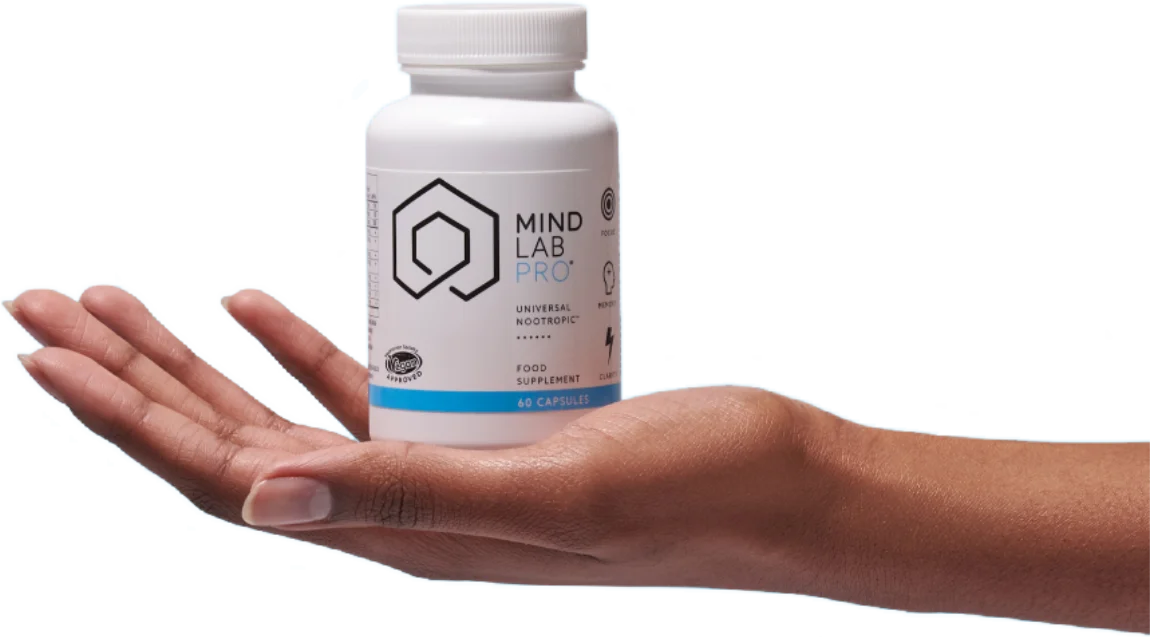
- For a more complete gut-brain strategy, consider “stacking” prebiotics with nootropics—pairing Performance Lab® Prebiotic with Mind Lab Pro® for top-down (brain) + bottom-up (gut) support.
Best Prebiotics in 2026
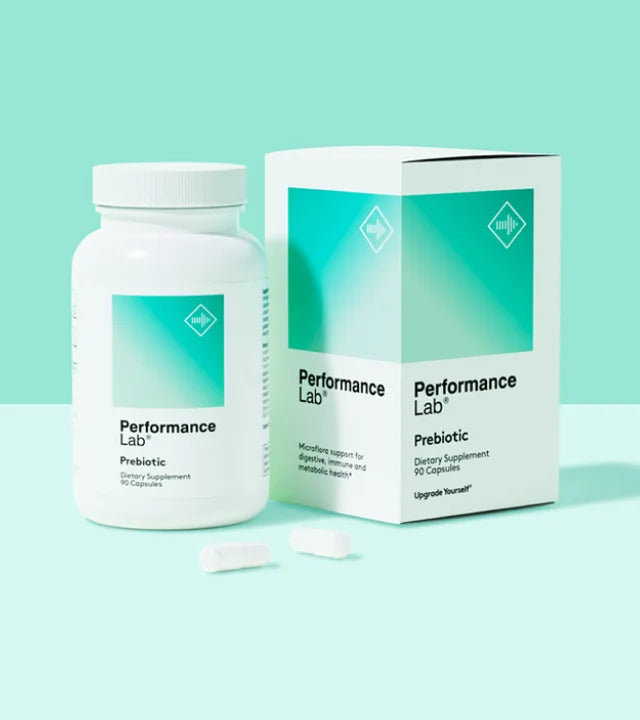
Performance Lab® Prebiotic is #1. It uses a research-backed prebiotic fiber blend (Orafti® Synergy1 Inulin-FOS) sourced from chicory root and delivers it in a clean, vegan NutriCaps® capsule infused with more prebiotics (fermented tapioca/pullulan). Performance Lab® Prebiotic is designed for gut comfort and consistent daily use—without the “extra junk” you see in many fiber products.
Disclaimer
This article is for educational purposes only and is not medical advice. Always consult a qualified healthcare professional before using prebiotic or probiotic supplements—especially if you are pregnant or nursing, have a medical condition (including IBS, IBD, SIBO, immune disorders, or a history of GI surgery), or take prescription medications. Fiber/prebiotic supplements can cause gas, bloating, or changes in bowel habits; start with a low dose, increase gradually, and drink plenty of water. Stop use and seek medical guidance if you develop severe pain, persistent diarrhea/constipation, blood in stool, or worsening symptoms. Supplements are not drugs and are not intended to diagnose, treat, cure, or prevent any disease.
What are Probiotics?

Probiotic foods and supplements boost the microbiome. And now, in addition to probiotics' well-documented benefits for digestive health, irritable bowel syndrome, immune performance and more, benefits for cognition and mental health are emerging.
As a result, probiotics are prized as performance-boosting nootropics (brain boosters) among athletes, academics, busy professionals and other driven individuals.
Probiotics (good bacteria) work by changing the microflora colony balance so that good bacteria outnumber and outcompete the bad bacteria and harmful microbes that can lead to various states of ill health.
A probiotic supplement may supply billions of viable probiotics in each serving. Further, multi strain probiotics supplement may be customized with different types of good bacteria, thereby providing broader support for the digestive system.
What Are Prebiotics?

Probiotics have always been the go-to supplements for boosting the microbiome. But now, the benefits of prebiotics are coming to light, driving the popularity of the best prebiotic supplements and prebiotic foods.
When consumed from foods (like the red cabbage pictured) or supplements, prebiotic fiber will pass through the small intestine undigested, resisting stomach acid, to undergo fermentation in the large intestine.(3) The fermentation of prebiotic fibers in the colon feeds the life-essential microbiota of the gut, including beneficial bacteria such as probiotics.
By nourishing these beneficial gut bacteria colonies in the large intestine, prebiotic fibers in foods and the best prebiotic supplements can help boost the activity of probiotics in the digestive system.(4) This in turn contributes to a more balanced microbiome associated with healthier digestion, nutrient absorption, improved metabolic activity, more robust immune performance and so on.
What's the Difference between Prebiotics and Probiotics?
Roughly speaking, probiotics are beneficial bacteria, whereas prebiotics feed beneficial bacteria. More specifically:
- Probiotics are live colonies of gut-healthy bacteria that naturally produced through the fermentation of foods like yogurt, tapioca, sauerkraut, pickles, kimchi, kefir, and more;
- Prebiotics are natural fibers in foods and supplements that don't digest in the small intestine. Instead, this resistant starch undergoes fermentation in the large intestine to feed the live colonies of gut-healthy bacteria (i.e., probiotics) already present in the gut.
Prebiotics and probiotics come in many different forms. While there many types of probiotics, most probiotic strains come from two groups: Lactobacillus and Bifidobacterium.
Prebiotic foods and dietary supplement products also supply a range of fibers. We'll discuss the best of these, Inulin-FOS from chicory, below.
Key Point
Prebiotics and probiotics work together. But even the best probiotic supplement tends to be more unpredictable and unreliable than prebiotic supplements. This is partly because probiotics are fragile. They must arrive in the colon intact in order to be viable.
But oftentimes, probiotic bacteria in supplement form can be killed off by heat, light, cheap capsules, and other factors. In these instances, taking a probiotic supplement won't do much for health, because the beneficial bacteria are dead on arrival.
Instead of introducing new probiotic cultures to the gut, prebiotic supplements work by nourishing the existing probiotic colonies already in your body. In this way, the prebiotic supplement may present a more stable and reliable means of boosting your microbiome.
Benefits of Prebiotic Supplements
Probiotics and prebiotics both promote overall health. But in addition to greater stability, another advantage that prebiotic supplements have over a probiotic supplement: Prebiotic fiber is more versatile, offering many health benefits beyond the gut.
Prebiotic supplements nourish probiotics and contribute to your daily intake of dietary fibers, which unlocks a whole new range of health benefits. Let's take a closer look at the microbiome and fiber-related benefits attributed to prebiotic supplements.
Better Digestive Performance
Maintaining the health of your intestinal tract enhances digestive performance, particularly when it comes to non-digestible foods, such as prebiotic fibers.(5)
This benefit is partly due to prebiotics boosting the probiotic bacteria that help with digestive enzymes. Optimizing enzymes in the gut microbiome enables foods to broken down more efficiently, as well as helping nutrients be liberated and absorbed from foods more easily.
A thriving colony of good bacteria in the gut also helps support gut health and ease symptoms of irritable bowel syndrome.(6) A recurrent digestive issue marked by abdominal pain and irregularity, irritable bowel syndrome has been attributed to imbalance in gut between good bacteria and bad bacteria. Some IBS symptoms may improve with prebiotic supplementation.
As a source of fiber, prebiotic supplements can also promote fiber-related digestive system benefits. For example, prebiotic fiber can absorb water and form a gel that sweeps the colon while promoting smooth and regular bowel movements. In the realm of digestive system wellness, prebiotic fiber also helps maintain colon health.
Stronger Resistance to Pathogens
When your microbiome is thriving with beneficial bacteria, they can outcompete the "bad bacteria" as well as strengthening the gut lining against bad bacteria.
The net result? Researchers suggest that prebiotics may help to boost immune health by reinforcing a key immune barrier (the gut lining), helping to seal up a leaky gut while inhibiting pathogens in the digestive tract.(7)
Improved Immune Health
Prebiotic supplements and foods may help to optimize the immune system overall. In addition to pathogen fighting prowess, a healthy microbiome is associated with robust production and performance of immune system cells, including macrophages and lymphocytes.
Inflammation is part of the immune system. Prebiotics may also be anti-inflammatory. Researchers suggest they raise levels of natural anti-inflammatory immune cells while reducing activity of pro-inflammatory cells.(8)
As part of their far-ranging support for immune health, prebiotics have been suggested to promote a balanced immune response that may help with inflammatory bowel disease.(9)
Enhanced Nutritional Status
Bifidobacterium and other lactic-acid producing gut flora may assist with nutritional status by promoting a favorable acidic environment and healthy digestion performance for optimal absorption of essential minerals, such as calcium, magnesium, iron, and zinc.
This bioactivity may indirectly support brain-boosting nootropic effects and whole-body performance: Bifidobacterium also helps synthesize B-vitamins and vitamin K within the GI tract, which in turn support various cognitive and physical bio-functions and health benefits.(10)
Prebiotic supplements that encourage robust growth of Bifidobacterium can indirectly help your overall nutritional status, building a strong foundation for whole-body health.
Performance Lab® NutriGenesis Multi
The world's most advanced multivitamin formula.
Shop Now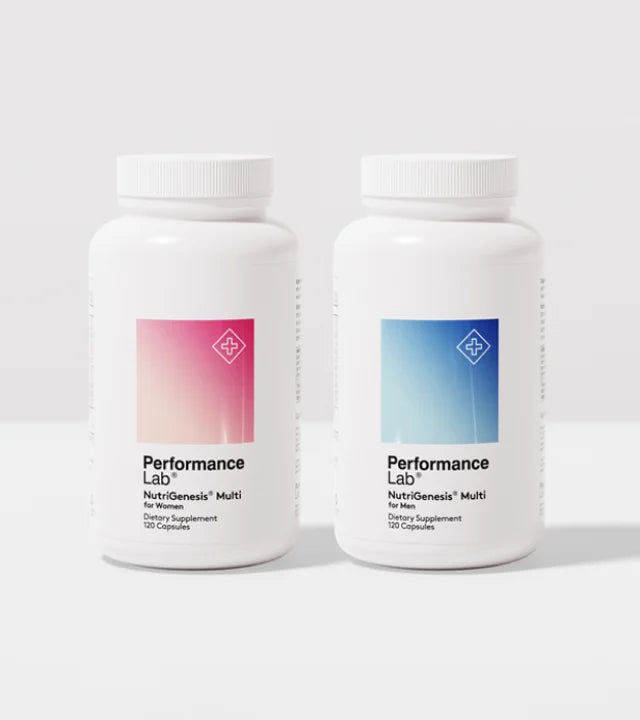
Heart Health
Soluble prebiotic fiber, especially Inulin-FOS fiber found in foods like chicory and the best prebiotic supplements, in particular is associated with healthy and balanced blood cholesterol levels, as well as overall cardiovascular health.(11)
Increasing dietary fiber is the best way to realize heart health benefits, but incorporating a prebiotic supplement is an easy way to help contribute to your total daily fiber intake.
Cognitive Performance
Researchers cite ever-increasing evidence that the composition and health of the microbiome can influence the brain and behavior, especially in the context of mental performance.(12) Scientists have further theorized that changing the composition of the microbiome may actually improve cognitive function.
Taking a prebiotic supplement can nourish the beneficial bacteria in your gut that are associated with sharp cognitive performance. Stacking a prebiotic with nootropic (brain-boosting) nutrients can yield even greater mental performance benefits. But more on that in a minute.
Weight Management
Prebiotic adds to the fiber intake that supports healthy weight. Prebiotics have been suggested to stimulate hormones associated with feeling "full" as well as regulating blood sugar, which helps appetite control and overall healthy weight management.(13)
Related Post: Nootropics for Weight Loss
The Top Prebiotic Food Sources

Here, we've listed a few of the top prebiotic food sources you can consume to get more dietary fiber, nourish the good bacteria in your gut, and naturally improve your digestive wellness.
Some of the top prebiotic rich foods found in a healthy diet include:
- Chicory Root
- Jerusalem Artichokes
- Dandelion Greens
- Garlic
- Onions
- Leeks
- Asparagus
- Apples
- Bananas
- Oats
- Barley
- Konjac Root
- Burdock Root
- Yacon Root
What's the Difference: Soluble vs. Insoluble Fiber?
Many of the aforementioned prebiotic foods are high in both soluble and insoluble fibers - the two basic types of dietary fiber known for supporting overall digestive health.
- Soluble fiber easily dissolves in water to create a gel-like substance that feeds beneficial probiotics, optimizes nutrient absorption and supports healthy digestion.
- Insoluble fiber is an acid resistant starch that does not dissolve in water and, thus, passes through the GI tract undigested, promoting a healthy bowel movement along the way.
Take note: both soluble and insoluble fibers seem to help with digestive performance, gut health issues, weight management and some chronic diseases. However, soluble dietary fibers, in particular, appear to most effectively feed and promote healthy gut bacteria.
Best Prebiotics for More Brainpower
The best prebiotic supplements use Orafti® Synergy1 Inulin-FOS to selectively feed Bifidobacterium probiotic strains.
There are a lot of supplements and foods that supply prebiotic fiber. But which is the best for boosting bacteria in your gut?
Inulin-FOS is the top Prebiotic source
Inulin-FOS (FructoOligoSaccharides) fiber from chicory root stands out as the most effective prebiotic fiber supplement, and is also backed by a number of well-designed studies demonstrating its support for optimal health.
Inulin-FOS is resilient. Unlike probiotic supplements, inulin-FOS may better survive the stomach acids unharmed. It reaches the large intestine to feed the probiotic bacteria in your gut and deliver the best microbiome benefits, including for irritable bowel syndrome, peak immune function, optimal gut health and more.
Once in the digestive tract, fermentation of inulin-FOS produces lactic acid that reduces gut pH, thereby limiting growth of bad gut bacteria strains, such as Candida albicans and E. coli, while also protecting the intestinal lining that plays a key barrier role in the immune system.
Orafti® Synergy1 is the most effective Inulin-FOS dietary fiber found in supplements
One patented form of Inulin-FOS called Orafti® Synergy1 is the most potent and research backed prebiotic ingredient found in supplements.
The Orafti® Synergy1 form specifically has been shown to boost absorption of both magnesium and calcium, as well as supporting weight loss in many natural ways.(14)
And the best Orafti® Synergy1-powered prebiotic supplement to stack with nootropics is Performance Lab® Prebiotic, a powerful gut wellness supplement with the cleanest formula design that makes it easy to increase prebiotic intake.
Best Prebiotic in 2026: Performance Lab® Prebiotic

Performance Lab® Prebiotic is the highest quality prebiotic supplement on the market. Each serving supplies 2 grams of Orafti® Synergy1 prebiotic dietary fiber, from 100% chicory root. Let's take a deeper look at Performance Lab Prebiotic's formula:
The Supplement Facts for Performance Lab® Prebiotic include the following:
- Total Carbohydrates: 2g
- Fiber: 7g
- Orafti® Synergy1 (Inulin-FOS): (FructoOligoSaccharides from Chicory Root [Cichorium intybus]) 2g
Having a clean formula is important to all types of health and fitness supplements. However, for prebiotics, it's doubly important.
Considering how artificial additives and synthetic chemicals may not only dampen a formula's bioavailability but they may also clog up your digestive tract. And clogging up the digestive tract is incredibly counterproductive when it comes to supplementing prebiotics.
Like all Performance Lab® products, Performance Lab® Prebiotic is clean inside and out. Delivering only all-natural, cleanly sourced ingredients in all-natural, additive-free NutriCaps® capsules.
Constructed out of fermented tapioca (pullulan), NutriCaps® are uniquely probiotic-cultured capsules - and nothing else - giving Performance Lab® Prebiotic a bit of a synbiotic (probiotic + prebiotic) edge over other prebiotic supplements.
Altogether, this prebiotic supplement is:
- gut-friendly
- vegan-friendly
- eco-friendly
- and just all-around friendly for all health enthusiasts of all dietary lifestyles.
Who takes Performance Lab® Prebiotic?
Similar to a multivitamin supplement, Performance Lab® Prebiotic work for everyone.
Again, unlike probiotic supplements, prebiotics feed all types of beneficial gut bacteria, whereas probiotics supply a specific bacterial strain that might not match your gut biome.
With that in mind, anyone dissatisfied with standard probiotic supplements or who are seeking a healthy way to optimize their diet, Performance Lab® Prebiotic is a smart daily option that's safe for long-term use.
How to take Performance Lab® Prebiotic
The directions for Performance Lab® Prebiotic suggest that:
For best results, take 3 capsules with your first meal of the day and 3 capsules with your second meal. Always take Prebiotic with at least 8 oz. of water.
Summary
Prebiotics are one of the simplest “high-leverage” upgrades you can make for gut health in 2026—because instead of trying to add fragile live bacteria like a probiotic, you’re feeding the beneficial microbes you already have with targeted, fermentable fiber.
With most Americans falling short on daily fiber intake, a well-chosen prebiotic can help support regularity and gut comfort while also reinforcing broader benefits tied to the microbiome, including immune resilience, metabolic support, and even aspects of mood and cognition through the gut-brain axis.
If you want the most reliable, clean prebiotic supplement option, Performance Lab® Prebiotic stands out for its research-backed Orafti® Synergy1 Inulin-FOS from chicory root and its minimalist, additive-free delivery in vegan NutriCaps®—making it an easy daily foundation you can also stack with nootropics like Mind Lab Pro® for a more complete gut + brain performance strategy.
References
- U.S. Department of Agriculture and U.S. Department of Health and Human Services. Dietary Guidelines for Americans, 2020–2025. 9th ed. December 2020. Link
- International Food Information Council (IFIC). 2022 Food & Health Survey Report. May 2022. Link
- Cunningham M, Azcarate-Peril MA, Barnard A, et al. Shaping the future of probiotics and prebiotics. Trends Microbiol. 2021. PMCID: PMC6463098. Link
- Gibson GR, Hutkins R, Sanders ME, et al. Expert consensus document: The International Scientific Association for Probiotics and Prebiotics (ISAPP) consensus statement on the definition and scope of prebiotics. Nat Rev Gastroenterol Hepatol. 2017. PMCID: PMC4808900. Link
- Slavin J. Fiber and prebiotics: mechanisms and health benefits. Nutrients. 2013. PMID: 28165863. Link
- Ford AC, Lacy BE, Talley NJ. Irritable bowel syndrome. N Engl J Med. 2017. PMCID: PMC6039952. Link
- Roberfroid M, Gibson GR, Hoyles L, et al. Prebiotic effects: metabolic and health benefits. Br J Nutr. 2010. PMID: 15877892. Link
- Niewold P, de Groot R, et al. Prebiotics and immune modulation. Br J Nutr. 2016. PMID: 27704207. Link
- Rooks MG, Garrett WS. Gut microbiota, metabolites and host immunity. Nat Rev Immunol. 2016. PMCID: PMC5148622. Link
- LeBlanc JG, Milani C, de Giori GS, et al. Bacteria as vitamin suppliers to their host: a gut microbiota perspective. Curr Opin Biotechnol. 2013. PMCID: PMC5847071. Link
- Reynolds A, Mann J, Cummings J, et al. Carbohydrate quality and human health: a series of systematic reviews and meta-analyses. Lancet. 2019. PMCID: PMC8401746. Link
- Cryan JF, Dinan TG. Mind-altering microorganisms: the impact of the gut microbiota on brain and behaviour. Nat Rev Neurosci. 2012. PMID: 27793221. Link
- Delzenne NM, Knudsen C, Beaumont M, et al. The gut microbiota and metabolic health: prebiotics and beyond. Nat Rev Endocrinol. 2019. PMCID: PMC6470608. Link
- Whelan K, Efthymiou E, Judd PA, et al. Prebiotic inulin-type fructans and body weight: evidence from clinical studies. Gastroenterology. 2017. Link