

Looking for nootropics that can help with weight loss? You're in luck. These nutritional supplements can add new layers of support for any weight loss program -- including helping with appetite control, metabolic performance, motivation, mood and more.
Nootropics can complement traditional "fat burner" pills -- just without stimulation, crazy jitters or other side effects. Or, they can even replace fat burners for those who are sensitive side effects -- swapping harsh fat-burning jitters with smooth cognitive support.
In this article, we reveal the best nootropics for fat loss, how they work, how to take them and more. Let's get to it!
Key Takeaways
- Nootropics don’t directly “burn fat” — they support the brain functions that drive fat loss: focus, appetite control, motivation, stress control, and better decision-making.
- If you’re looking for weight-loss nootropics (not generic fat burners), prioritize ingredients that help with appetite regulation, metabolism support, and follow-through rather than harsh stimulants.
- Most “diet pill” failures come from side effects: jitters, anxiety, poor sleep, and rebound hunger; nootropics offer smoother cognitive support.
- Nootropics that support drive, motivation and mental clarity can improve consistency throughout your weight loss regimen.
- Low energy and fatigue are common weight-loss derailleurs — supporting alertness and sleep quality can reduce “crash snacking” and missed workouts.
- Stress and mood swings don’t just feel bad; they can make it harder to shed pounds. Stress-buffering nootropics may help.
- Better memory can support appetite control by keeping goals “online” during food decisions, reinforcing long-term outcomes over short-term cravings.
- Some options support training performance and recovery by helping manage oxidative stress, motivation and energy.
- Best approach: use a stim-free, research-driven stack alongside protein-forward meals, daily movement, strength training, and sleep — the supplements amplify the plan, they don’t replace it.
- Nootropics mentioned in this article: Citicoline (Cognizin®), Bacopa monnieri, L-Tyrosine / N-Acetyl L-Tyrosine (NALT), Rhodiola rosea, L-Theanine, Phosphatidylserine (PS), Caffeine, MCT Oil, Prebiotics (inulin/oligofructose), 5-HTP (5-Hydroxytryptophan)
Best nootropic supplement for weight loss in 2026
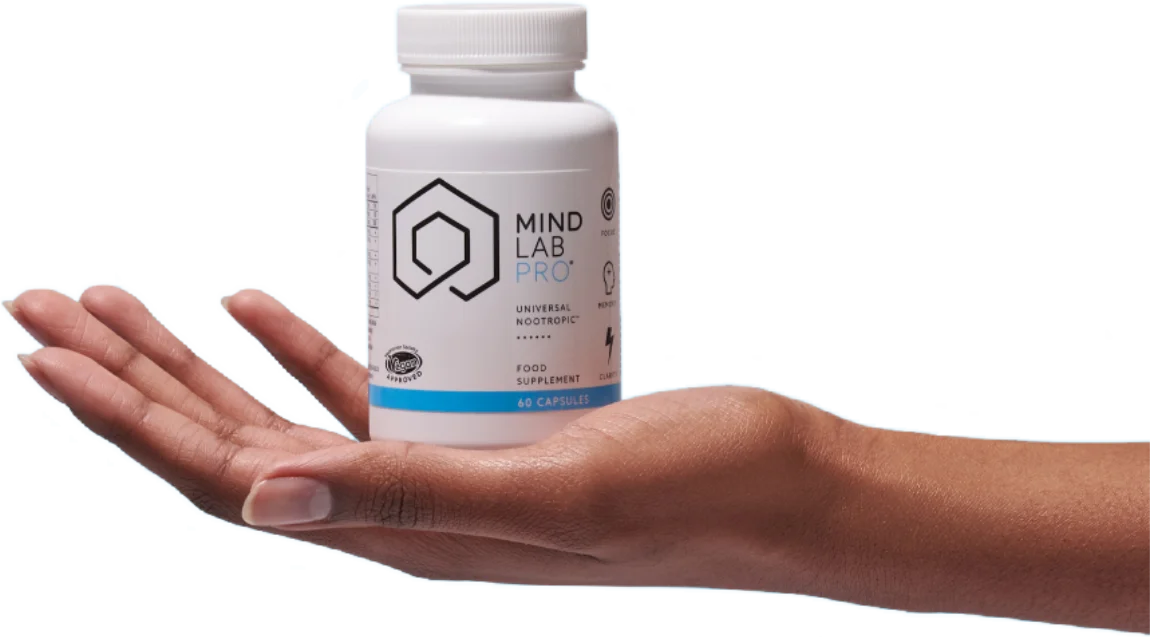
Mind Lab Pro® (MLP®) is today's top nootropic stack for everything, including for supporting weight loss. Its 11 ingredients are backed by 145+ human clinical trials, its unique formula is backed by 3 human research studies, and it has a 10-year legacy of helping thousands of repeat customers. MLP® supplies several of the top nootropics for reducing body fat percentage in one advanced formula.
Disclaimer: This article is for educational purposes only and is not medical advice. Nootropics and supplements are not a substitute for a balanced diet, regular exercise, adequate sleep, or professional healthcare. Individual responses vary, and “weight-loss” effects—if any—are typically modest and depend on overall lifestyle and calorie intake.
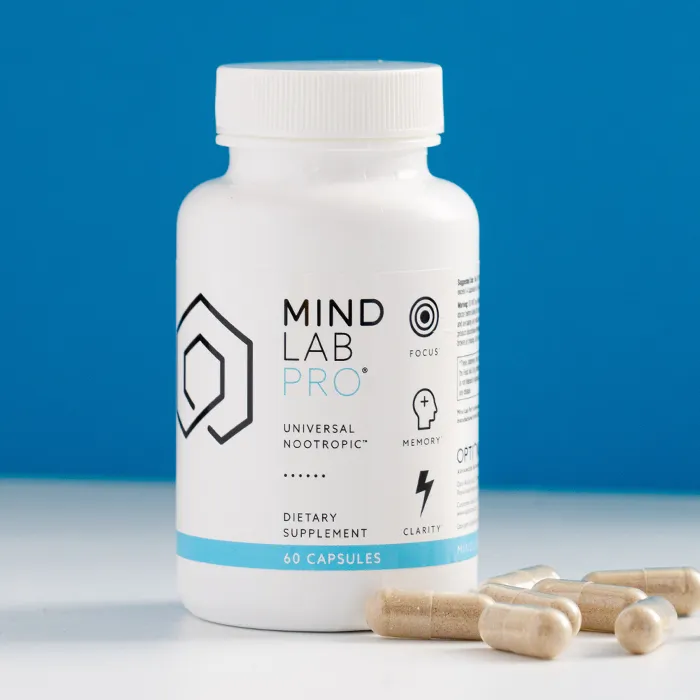
Mind Lab Pro® supplies the best weight loss nootropics in one formula.
Of all dietary supplements on the market, Mind Lab Pro® is the most powerful nootropic formula for weight loss. This stack is designed to enhance focus, motivation, mood, energy, and cognitive performance, making it an effective supplement for weight loss support. Buy Mind Lab Pro® Now
How Does Cognition Affect Weight Loss?
When it comes down to it, we can't lose weight if our brain's not in it.
We need motivation, concentration, balanced mood, energy, memory and less stress in order to hone in on our weight loss goals.
Brain-boosting natural nootropics are useful and effective supplements for leveraging cognitive function and mental performance to excel at just about everything -- including weight loss.
If you've never linked them before, you may be surprised at the powerful ways in which cognitive performance can influence weight loss...
Lack of Motivation can Limit Weight Loss Success
When we set weight loss goals for ourselves, we can't complete them without motivation. For instance, we may set a goal to eat 1,000 calories per day for two weeks while working out four days per week. But sometimes, we just can't get motivated and stay motivated to stick with our goals.
Scientific research confirms the importance of motivation for weight loss. For example, one study concludes:
"...an intervention designed to enhance motivation for weight loss produced significantly greater weight loss than a standard behavioral weight loss intervention."(1)
So, how does motivation work in the brain? Well, it requires dopamine secretion for one. When we feel unmotivated, we may just need more dopamine to get going.
Similarly, nootropic supplements can initiate the production of dopamine in the brain to kickstart motivation for weight loss goals, potentially supporting your diet in a novel way.
Self-Determination Theory
Self-determination theory describes our human need to have competence, autonomy and relatedness for adequate motivation.(2)
In other words, humans like to have a sense of control over what we're doing (autonomy). We like to feel like we're doing things because we want to, not because someone or something other than our self is making us do it. We also like to know what we're doing (competence) and understand how it relates to our goals (relatedness).
For example, if we only want to lose weight to make ourselves look good for others, we may not be able to maintain motivation. However, motivation may come easier if we want to lose weight to enhance our overall health and well-being.
Best nootropic makes the Easy Button award. Helped energy, focus, etc. Great job!! No side effects.Dennis W.
Fatigue Makes it Hard to Lose Weight
If we want to maintain any type of motivation, however, we may have to fight fatigue.
Chronic fatigue and daytime sleepiness have been linked to obesity in certain studies.(3) In the brain, fatigue and sleepiness can be characterized by various chemical imbalances including cortisol, melatonin and dopamine imbalances.
Luckily, fighting these imbalances to increase energy may help initiate weight loss. We think it may do so indirectly by improving focus, mood, memory and more, which help us diet and exercise more productively. But we need more research to see how it really works in the brain.
Nootropics for sleep may be especially helpful for fighting fatigue. After all, when we improve sleep quality, we have more energy and enhance cognitive function, right?
Read on to discover how energized focus can ramp up your weight loss potential even more...
Improves focus, alertness and concentration. My foggy brain is gone, I feel mentally more alert. The fatigue has lifted.Mahesh G.
Sharpening Focus can Help us Lose Weight
Focus is another essential cognitive resource necessary for maximum weight loss. After all, if we can't focus, we may fail to complete workouts, eat right and achieve weight loss goals.
For example, focusing problems, including attention deficit disorder (ADHD) have been linked to obesity in several studies.(4,5) However, we need more research to conclude whether improving focus actually affects weight loss ability.
Regardless, if we want to focus better for weight loss, we should know how concentration works in the brain. Actually, it's linked to several different brain processes.
For instance, focus is linked to alpha wave activity and a balance of certain brain chemicals. Specifically, inhibiting and thus balancing excitatory neurons like cortisol and dopamine may help us concentrate better. Luckily, brain supplements for weight loss can help us do so. More on the best ones in a moment...
Reducing Stress and Balancing Mood Helps Weight Loss
We all have different stressors and biological processes that can impact our mood. Unfortunately, stress and mood imbalance can reduce motivation and harm our ability to focus.
And as we mentioned above, enhanced motivation and focus can increase efficiency during exercise and daily dieting. Hence why reducing stress and balancing mood can improve these cognitive processes and help with weight loss.
Specifically, the release of the stress hormone cortisol can affect our entire demeanor, ultimately reducing our motivation and mental willpower to complete our weight loss goals.(6) However, studies show that counteracting stress can reduce weight gain among obese women and men.
Thus, inhibiting this hormone and other excitatory chemicals may help us achieve weight loss goals faster.
Has helped me immensely with improving my mental focus and also with keeping me calm in times of stress.Manesh G.
Enhancing Memory May Help Curb Hunger
While it may sound surprising, improving memory can also help with weight loss. It's true.
Research on memory and weight loss show memory is vital for appetite control and thus, vital for weight loss.(7)
It allows us to store and retrieve goal-related outcomes while making food-related weight-loss decisions. In other words, it helps us remember why we want to avoid certain foods.
Oxidative Stress, Free-Radicals and Workout Recovery
Oxidative stress is the imbalance between "free radical production and the endogenous antioxidant defense system."(8)
Free radicals, then, are molecules with odd numbers of electrons that can damage the muscles and disrupt fat metabolism. Their release is caused by physical and mental stress.
You see, intense exercise can cause physical and mental stress, which can cause the release of too many free radicals. This can increase oxidative stress, causing possible damage to the cells and preventing fat loss.
However, reducing oxidative stress may help us maintain a balance between the stress hormone cortisol, free radicals and antioxidants in the brain and body during exercise. In other words, it may help speed up workout results for weight loss.
It has enabled me to concentrate more and remember more things than before using it.David Z.
Best Nootropics for Weight Loss in 2026

Nootropics for losing weight address focus, energy, motivation, mood balance and stress-reduction, which we all need to achieve our weight loss goals.
Some brain supplements have even shown to impact weight loss specifically. Below, we'll list the best choices for supporting weight loss and why they may work.
Citicoline (Cognizin ®)

The powerful nootropic citicoline might help enhance memory and control appetite for weight loss. For example, one study suggests it may help with weight loss by curbing hunger.(9)
Other studies explain how citicolin can elevate dopamine production, which may have a positive impact on motivation for weight loss goals.(10)
In addition, citicoline has shown promise for enhancing overall cognition including memory in those with memory issues. And, sharpening cognition can help with weight loss, as we discussed above.
Overall, citicoline looks promising as a supplement that optimizes cognition and curbs hunger for maximum weight loss. But we would prefer more research to solidify this hypothesis.
More on Mind Lab Pro® Citicoline
Bacopa Monnieri

This Ayurvedic herb supplement has shown to enhance focus, learning and memory, so it may also indirectly help us focus on our weight loss goals.(11,12) Actually, Bacopa Monnieri has a ton of research behind it and has been used in traditional herbalism for thousands of years.
For example, Bacopa Monnieri extract has shown to initiate antioxidant effects that protect against damage from free radicals while manipulating acetylcholine levels. Thus, it may help reduce oxidative stress and increase exercise productivity. However, we do need more research to solidify its effects on weight loss specifically.
More on Mind Lab Pro® Bacopa Monnieri
L-Tyrosine

L-Tyrosine is an amino acid and precursor for dopamine, the brain chemical we need for motivation. And N-Acetyl L-Tyrosine or NALT is a premium form of L-Tyrosine that's easier for the brain to absorb.
All in all, L-Tyrosine may be an effective nootropic for weight loss. Research shows it can improve focus, working memory and sharpen overall cognition while mediating stress, which may be helpful. One study suggests it can especially improve cognition and physical performance during stressful situations.(13)
As we mentioned above, L-Tyrosine also turns into the motivation chemical dopamine in the brain. Thus, it may help maximize productivity and motivation for us to achieve our weight loss goals. However, we need more research on L-Tyrosine for weight loss specifically to prove this.
More on Mind Lab Pro® N-Acetyl L-Tyrosine
Rhodiola Rosea

Rhodiola rosea is an herbal anti-stress supplement. It has shown to influence physical and mental behaviors caused by chronic stress in various animal and in vitro studies.
In addition, one human study tested 56 healthy physicians on their night shifts and confirmed the positive effects of Rhodiola rosea. It ended up reversing fatigue under stress for the physicians after three periods of 2 weeks of testing.(14)
As a result, Rhodiola rosea may mediate stress to optimize weight loss indirectly during stressful exercise. However, we'd like to see more research on the subject.
More on Mind Lab Pro® Rhodiola Rosea
Note: Both Bacopa and Rhodiola are adaptogen herbs known for maintaining inner balance and strengthening stress resistance. Discover the top adaptogens for helping with weight loss
L-Theanine

L-Theanine is an amino acid found in tea. It has shown to manipulate alpha waves in the brain to induce a sense of tranquil concentration (perfect for meditation and exercise).
Since L-Theanine is often combined with caffeine, it can be hard to tell whether it optimizes cognition on its own. However, one electroencephalograph (EEG) study tested healthy, young people who were using L-Theanine as a supplement.(15)
The results concluded L-Theanine increased mental alertness while also increasing alpha wave activity for enhanced attention. And another study shows it can help us maintain concentration throughout long, hard tasks.(16)
As such, L-Theanine may help us relax and focus to carry out weight loss techniques including meditation and exercise. However, we would like to see more research on it as a nootropic for weight loss, specifically.
More on Mind Lab Pro® L-Theanine
Phosphatidylserine (PS)

Phosphatidylserine is a stress-buffering, memory enhancing supplement with a ton of research behind it. One small study specifically shows it can buffer cortisol and prevent free-radical damage during exercise.
In the study, 10 healthy men ingested 600 mg of either phosphatidylserine or a placebo each day for 10 days. Researchers took blood samples when the men were resting, then again throughout a 15-minute cycle of intense exercise.(17)
Ultimately, the study concluded PS can help fight "exercise-induced stress and prevent physiological deterioration" from intense exercise. In other words, it may help with exercise productivity for weight loss.
In addition, various studies show PS can enhance memory. One explicitly shows it supports the formation of short-term memories and the consolidation of long-term memories while promoting memory recall, learning and focus.(18)
So phosphatidylserine may help increase focus, memory and, thus, the odds of slipping into flow state during exercise. This may all help with weight-loss indirectly.
More on Mind Lab Pro® Phosphatidylserine
Caffeine

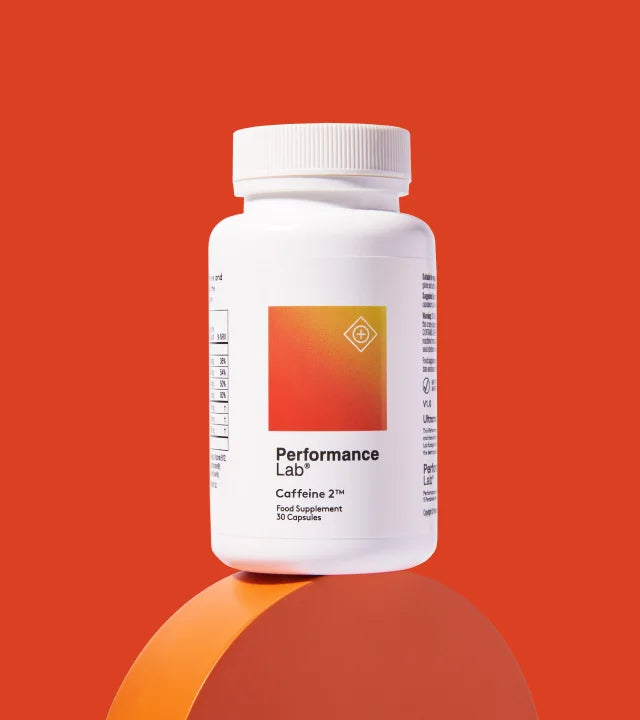
Caffeine is one of the most widely used “fat-loss helpers” because it can support weight loss through a few overlapping mechanisms: it acts as a central nervous system stimulant, which can increase mental alertness and boost energy for training output, and it also promotes thermogenesis (energy metabolism, in other words helping you burn calories) and fat oxidation—especially right after dosing. Many people also notice a mild appetite-suppressing effect, which can make calorie control easier in real life, even if the physiology is only part of the story.
Clinical evidence suggests caffeine can modestly help with weight management. In one study, researchers found that oral caffeine (100, 200, and 400 mg) increased energy expenditure (calorie burning) in a dose-dependent manner over a 3-hour period in healthy volunteers.(19)
And in a systematic review and dose–response meta-analysis of 13 randomized controlled trials (606 participants), researchers concluded caffeine intake was associated with reductions in body weight, BMI, and fat mass, with a dose-response pattern suggesting larger reductions at higher intakes. Remember though: higher doses can backfire via anxiety, sleep disruption, and blood pressure effects—so “more” isn’t always better.(20)
Great stuff! I won't take caffeine without the L-theanine. This is the perfect blend and also has added B vitamins!Cindy S
MCT Oil

MCT oil (medium-chain triglyceride oil) is often used for weight loss because it’s metabolized differently than most dietary fats. Unlike long-chain fats, MCTs (especially C8 and C10) are absorbed and delivered to the liver more rapidly, where they’re more likely to be burned for energy instead of stored. This can modestly support fat loss by increasing energy expenditure and fat oxidation, and some people also find MCT oil helps with satiety (feeling full), which can make calorie control easier over time.
Human research suggests MCT oil can help—but the effect is usually modest, not dramatic. In a 16-week randomized controlled trial in overweight men and women, replacing part of dietary fat with 18–24 g/day of MCT oil (vs olive oil) as part of a structured weight-loss program led to greater weight loss, with the MCT group finishing about 1.67 kg lower at the endpoint and showing favorable changes in fat mass measures.(21)
A broader meta-analysis of randomized trials also found that swapping long-chain fats for MCTs produced small but significant reductions in body weight and waist circumference, reinforcing the idea that MCTs can be a helpful “edge” inside an overall calorie-controlled diet.(22)
Discover today's cleanest and best-rated MCT Oil Product made from Organic Coconuts
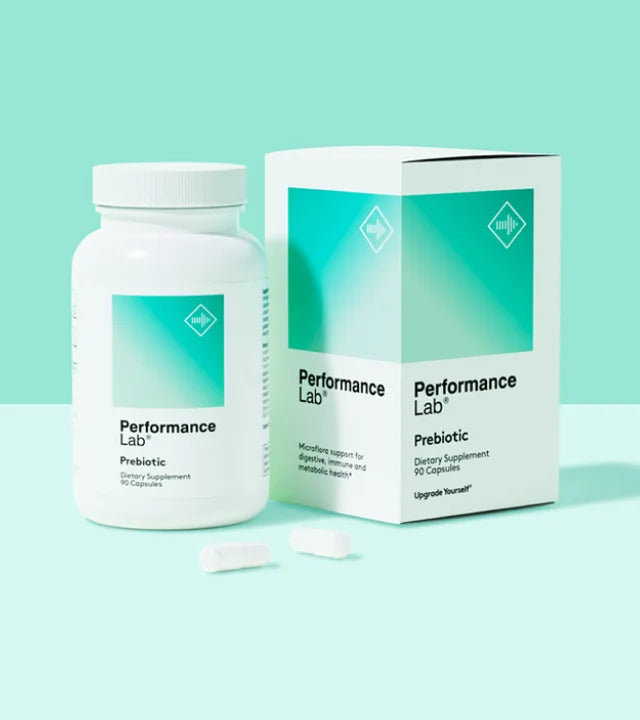
Prebiotics

Prebiotics (like inulin and oligofructose) are types of fiber can act like a “nootropic for weight loss” because they support the gut–brain axis—the signaling loop between your microbiome, appetite hormones, inflammation, and cravings.
Prebiotics aren’t stimulants or classic fat-burners; instead, they feed beneficial gut bacteria, which can influence satiety signals (how full you feel), steadier blood sugar, and even stress-related eating patterns. In real life, this tends to show up as less snackiness, better appetite control, and easier adherence to a calorie deficit. They also absorb water and swell in the gut, promoting feelings of "fullness."
Human trials suggest the effect can be measurable. In a randomized, double-blind, placebo-controlled trial in overweight and obese adults, 21 g/day oligofructose for 12 weeks led to a ~1.03 kg weight loss, while the placebo group gained ~0.45 kg—and the weight change coincided with lower ghrelin (a hunger hormone) and higher peptide YY (PYY) (a satiety hormone), alongside reduced self-reported calorie intake.(23)
5-HTP (5-Hydroxytryptophan)

5-HTP (5-Hydroxytryptophan) is a serotonin precursor that’s often used as a “nootropic for weight loss” because it may support appetite control, satiety, and carbohydrate cravings—which can make dieting feel less mentally punishing. Serotonin signaling is closely tied to feelings of fullness and food reward, so boosting serotonin availability may help some people feel satisfied sooner and snack less (especially on carb-heavy foods).
Human studies suggest the effect may be helpful. In a double-blind, placebo-controlled trial in obese adults, researchers found that 5-HTP (900 mg/day) produced significant weight loss and was associated with reduced carbohydrate intake and a consistent presence of early satiety, both with and without a prescribed low-calorie diet.(24)
Best Nootropic Stack for Supporting Weight Loss
Mind Lab Pro®

A stimulant-free brain supplement, Mind Lab Pro® is the ideal nootropic to enhance brain function in many different ways, including supporting human cognition related to weight loss. Let's check out the 1the 11 cognitive enhancers in this formula:
- Citicoline, 250 mg
- Phosphatidylserine (PS), 100 mg
- Bacopa monnieri, 150 mg (full-spectrum extract, 24% bacosides with 9 bioactives)
- Organic Lion's Mane Mushroom, 500 mg (fruit and mycelium)
- Maritime Pine Bark Extract, 75 mg: (Standardized to 95% proanthocyanidins)
- N-Acetyl L-Tyrosine, 175 mg
- L-Theanine, 100 mg
- Rhodiola rosea, 50 mg (Standardized extract: 3% rosavins and 1% salidrosides)
- NutriGenesis® B-Vitamins: Vitamin B6 (2.5 mg), Vitamin B9 (100 mcg), Vitamin B12 (7.5 mcg)
MLP's ultramodern 11-in-1 approach boosts whole-brain performance. As a result, it can promote brain function in ways that dieters are seeking: Motivation, resolve, clarity, stress resistance, energy levels, mental fatigue resistance, brain health, mood, focus and more.
Mind Lab Pro® has research-backed benefits.
MLP is a leading nootropic in part because it has been backed by randomized controlled trials at the University of Leeds in UK, demonstrating a range of beneficial cognitive effects:
- Study 1: MLP for 30 days was linked to significant improvements (compared to placebo) in information processing speed.(25)
- Study 2: MLP for 30 days was linked to improved performance across all memory functions tested (versus placebo group), especially immediate and delayed recall memory.(26)
-
Study 3: MLP for 60 days appeared to help the brain's different regions work together more efficiently and cohesively.(27)
Frequently Asked Questions
Do nootropics cause weight loss?
No. Nootropics do not directly cause fat loss. They can support the brain functions that help you stick to the habits that drive weight change, including appetite control, stress control, motivation, sleep quality, and better day-to-day decision-making.
Which nootropics are most relevant for weight loss and appetite control?
The most relevant options are the ones that support follow-through, stress resilience, and appetite regulation rather than harsh stimulation. That usually means a foundation of focus and motivation support, stress-buffering ingredients, and sleep support when fatigue is driving cravings. For a deeper look at the stress and fatigue angle, see nootropics for stress and burnout and nootropics for sleep.
Can I use nootropics while in a calorie deficit?
Often yes. A calorie deficit can increase fatigue, irritability, and rebound cravings, so a stim-free nootropic strategy can be helpful. Start low, add one new supplement at a time, and prioritize sleep so the deficit does not turn into late-night snacking and skipped workouts.
Who should avoid weight-loss nootropics or appetite supplements?
Anyone who is pregnant or nursing, under 18, managing a medical condition, or taking prescription medications should talk with a clinician before using supplements for weight loss or appetite control. Stimulants, serotonin-support supplements, and multi-ingredient stacks can also be riskier for people who are sensitive to anxiety, sleep disruption, or blood pressure changes.
What are the best nootropics for appetite control?
The most reliable appetite control comes from the basics, including protein-forward meals, fiber, hydration, and sleep. Nootropics can support appetite control indirectly by improving stress resilience and decision-making, and some options can support satiety signaling through the gut brain axis. If cravings and stress eating are a problem, start with stress and sleep support. See nootropics for sleep and nootropics for motivation.
Does L-theanine suppress appetite?
L-theanine is not a direct appetite suppressant. It is better known for supporting calm focus, relaxed alertness, and stress control, which can make it easier to avoid stress-driven snacking and impulse eating. It also pairs well with caffeine to reduce jitters that can backfire into rebound hunger later. Learn more here: L-theanine and best caffeine plus L-theanine stack.
Does L-tyrosine suppress appetite?
L-tyrosine is not an appetite suppressant in the classic sense. It is mainly used to support mental performance and motivation under stress because it is a precursor for catecholamine brain chemicals linked to drive and focus. The practical value for weight loss is improved follow-through when fatigue or stress makes you want to quit, not direct hunger blocking. Learn more here: N-acetyl L-tyrosine.
What vitamins curb appetite?
Vitamins are not appetite suppressants, but correcting nutrient gaps can reduce fatigue, low mood, and brain fog that make cravings harder to manage. B vitamins and vitamin D are common gaps that can affect energy and mood, and minerals like magnesium can influence sleep and stress resilience, which strongly affects appetite. For a practical guide, see best vitamins and minerals for brain health.
Which fat-loss supplements support focus and clean energy without jitters?
If you want fat-loss support without the typical stimulant blowback, focus on low-to-moderate caffeine strategies, or go stim-free and support mental energy through brain-energizing nootropics. Many people get smoother performance by combining caffeine with L-theanine, or by using nootropics that support motivation and mental clarity without relying on heavy stimulation. See nootropics vs coffee and nootropics for energy.
How do I choose a fat-loss supplement that will not wreck sleep or cause crashes?
Choose transparent labels that list exact dosages, avoid megadose stimulant formulas, and prioritize options that support adherence instead of trying to force fat loss through intense stimulation. If sleep is fragile, avoid late-day caffeine and watch for hidden stimulants in blends. For sleep-friendly strategies, see best sleep supplements.
Does Avantera Elevate help you lose weight?
Results depend on the exact ingredients and dosages, not the brand name. If a formula uses proprietary blends or does not clearly disclose dosages, it is difficult to predict outcomes or compare it fairly. A smarter approach is to evaluate whether the product supports the main drivers of weight loss adherence, including appetite control, motivation, stress resilience, and sleep quality, and then compare it against fully transparent formulas.
Summary
Weight loss isn't easy, but nootropic supplements and smart pills may be a genius move to make it easier. Ultimately, enhancing cognition with the right nootropics may help us work out and diet more efficiently. Which leads to fewer abdominal fat related health risks, and supporting all the other health benefits associated with a healthy weight.
For more information on how cognition affects the exercise that should be part of any weight loss regimen, check out our guide on nootropics for working out.
References
- Webber K.H. et al. The effect of a motivational intervention on weight loss is moderated by level of baseline controlled motivation. Int J Behav Nutr Phys Act. 2010; 7: 4. Link
- Ryan RM, Deci EL. Self-determination theory and the facilitation of intrinsic motivation, social development, and well-being. Am Psychol. 2000 Jan;55(1):68-78. Link
- Vgontzas AN et al. Obesity-related sleepiness and fatigue: the role of the stress system and cytokines. Ann N Y Acad Sci. 2006 Nov;1083:329-44. Link
- Cortese S and Tessari L. Attention-Deficit/Hyperactivity Disorder (ADHD) and Obesity: Update 2016. Curr Psychiatry Rep. 2017; 19(1): 4. Link
- Racicka E. [Correlations between attention deficit hyperactivity disorder and obesity - a systematic review of the literature]. Psychiatr Pol. 2013 Jan-Feb;47(1):89-102. Link
- Van der Valk ES et al. Stress and Obesity: Are There More Susceptible Individuals? Curr Obes Rep. 2018; 7(2): 193–203. Link
- Higgs S and Spetter MS. Cognitive Control of Eating: the Role of Memory in Appetite and Weight Gain. Curr Obes Rep. 2018; 7(1): 50–59. Link
- Yavari A et al. Exercise-Induced Oxidative Stress and Dietary Antioxidants. Asian J Sports Med. 2015 Mar; 6(1): e24898. Link
- Killgore WD, Ross AJ, Kamiya T, Kawada Y, Renshaw PF, Yurgelun-Todd DA. Citicoline affects appetite and cortico-limbic responses to images of high-calorie foods. Int J Eat Disord. 2010 Jan;43(1):6-13. Link
- Secades JJ and Lorenzo JL. Citicoline: pharmacological and clinical review, 2006 update. Methods Find Exp Clin Pharmacol. 2006 Sep;28 Suppl B:1-56. Link
- Dave UP et al. An open-label study to elucidate the effects of standardized Bacopa monnieri extract in the management of symptoms of attention-deficit hyperactivity disorder in children. Adv Mind Body Med. 2014 Spring;28(2):10-5. Link
- Kumar N et al. Efficacy of Standardized Extract of Bacopa monnieri (Bacognize®) on Cognitive Functions of Medical Students: A Six-Week, Randomized Placebo-Controlled Trial. Evid Based Complement Alternat Med. 2016. Link
- Jongkees BJ et al. Effect of tyrosine supplementation on clinical and healthy populations under stress or cognitive demands--A review. J Psychiatr Res. 2015 Nov;70:50-7. Link
- Darbinyan V, Kteyan A, Panossian A, Gabrielian E, Wikman G, Wagner H. Rhodiola rosea in stress induced fatigue--a double blind cross-over study of a standardized extract SHR-5 with a repeated low-dose regimen on the mental performance of healthy physicians during night duty. Phytomedicine. 2000 Oct;7(5):365-71. Link
- Nobre, A. C., Rao, A., & Owen, G. N. (2008). L-theanine, a natural constituent in tea, and its effect on mental state. Asia Pacific Journal of Clinical Nutrition, 17(Suppl 1), 167–168. https://pubmed.ncbi.nlm.nih.gov/18296328/
- Gomez-Ramirez, M., Kelly, S. P., Montesi, J. L., & Foxe, J. J. (2009). The effects of L-theanine on alpha-band oscillatory brain activity during a visuo-spatial attention task. Brain Topography, 22(1), 44–51. https://doi.org/10.1007/s10548-008-0068-z
- Starks MA, Starks SL, Kingsley M, Purpura M, Jäger R. The effects of phosphatidylserine on endocrine response to moderate intensity exercise. J Int Soc Sports Nutr. 2008 Jul 28;5:11. doi: 10.1186/1550-2783-5-11.
- Glade MJ and Smith K. Phosphatidylserine and the human brain. Nutrition. 2015 Jun;31(6):781-6. Link
- Astrup, A., Toubro, S., Cannon, S., Hein, P., Breum, L., & Madsen, J. (1990). Caffeine: A double-blind, placebo-controlled study of its thermogenic, metabolic, and cardiovascular effects in healthy volunteers. The American Journal of Clinical Nutrition, 51(5), 759–767. Link
- Tabrizi, R., Saneei, P., Lankarani, K. B., Akbari, M., Kolahdooz, F., Esmaillzadeh, A., & Asemi, Z. (2019). The effects of caffeine intake on weight loss: A systematic review and dose-response meta-analysis of randomized controlled trials. Critical Reviews in Food Science and Nutrition, 59(16), 2688–2696. Link
- St-Onge, M.-P., & Bosarge, A. (2008). Weight-loss diet that includes consumption of medium-chain triacylglycerol oil leads to a greater rate of weight and fat mass loss than does olive oil. The American Journal of Clinical Nutrition, 87(3), 621–626. Link
- Mumme, K., & Stonehouse, W. (2015). Effects of medium-chain triglycerides on weight loss and body composition: A meta-analysis of randomized controlled trials. Journal of the Academy of Nutrition and Dietetics, 115(2), 249–263. Link
- Parnell, J. A., & Reimer, R. A. (2009). Weight loss during oligofructose supplementation is associated with decreased ghrelin and increased peptide YY in overweight and obese adults. The American Journal of Clinical Nutrition, 89(6), 1751–1759. Link
- Cangiano, C., Ceci, F., Cascino, A., Del Ben, M., Laviano, A., Muscaritoli, M., Antonucci, F., & Rossi-Fanelli, F. (1992). Eating behavior and adherence to dietary prescriptions in obese adult subjects treated with 5-hydroxytryptophan. The American Journal of Clinical Nutrition, 56(5), 863–867. Link
- Utley A, Gonzalez Y, Imboden CA. The Efficacy of A Nootropic Supplement on Information Processing in Adults: A Double Blind, Placebo Controlled Study. Biomed J Sci & Tech Res 49(1)-2023. BJSTR. MS.ID.007746. Link
- Abbott-Imboden C., Gonzalez Y., Utley A. (2023).Efficacy of the nootropic supplement Mind Lab Pro on memory in adults: Double blind, placebo-controlled study. Human Psychopharmacology: Clinical and Experimental, e2872. Link
- O’Reilly, D., Bolam, J., Delis, I., & Utley, A. (2025). Effect of a Plant-Based Nootropic Supplement on Perceptual Decision-Making and Brain Network Interdependencies: A Randomised, Double-Blinded, and Placebo-Controlled Study. Brain Sciences, 15(3), 226. Link