"Memory pills" launched the brain-boosting nootropic revolution, as seniors sought to ward off various age-related memory issues. Nootropics for memory remain popular among the 55+ crowd -- but today, the memory pill demographic is evolving.
Nootropics for memory are now emerging as dynamic performance-enhancing dietary supplements – helping with academics, socializing, working, competing and life in general. When memory falters, as many people experience, it can have far-reaching impact on quality of life.
CDC BRFSS data (2015–2016) suggest that about 11.2% of U.S. adults age 45+ report cognitive decline that includes memory loss. Of those, about 50.6% report functional limitations due to poor memory. 81.1% report giving up household activities/chores while 73.3% say it interferes with work/volunteering/social activities. Despite these challenges, only 45.4% of people with cognitive report discussing memory with a healthcare professional.
Taking brain-boosting nootropics for memory (under the supervision of your doctor) may help. If you're looking for a trustworthy, up-to-date shortlist of the best nootropics for memory—plus clear guidance on which ingredients actually support recall, learning, and working memory, and how to choose and use them safely—you're in the right place.
This guide discusses the best nootropics for memory—short-term, long-range, and everything in between—and how to take them for maximum effect. Let's get to it!
Key Takeaways
- Nootropics are cognitive enhancers—compounds that support mental functions (including memory) through pathways like neurotransmitters, brain energy, stress resilience, circulation, and neuroprotection.
- “Memory pills” started as a healthy-aging trend, but today nootropics for memory are used by a wider audience—students, professionals, and anyone who wants to stay sharp in daily life.
- Memory issues are common and can affect quality of life, especially in people age 45+.
- For many, memory changes spill into real-world functional limitations, including professional performance, household and social activities.
- Despite the impact, relatively few people reporting cognitive decline discuss memory concerns with a healthcare professional—medical evaluation is important.
- Memory isn’t one thing: short-term memory is the brief “scratch pad” (often ~15–30 seconds), working memory holds and manipulates information in real time, and long-term memory stores information for the long haul.
- Because memory has multiple layers (working/short-term vs. long-term learning/recall), the best approach is to match ingredients to the outcome you want—recall, learning, or working-memory performance under pressure.
Disclaimer
This article is for educational purposes only and is not medical advice. Memory problems can be serious and may signal an underlying issue that needs professional evaluation. Talk to a qualified healthcare professional before trying any nootropic or “memory supplement.” Memory symptoms can be associated with conditions such as Alzheimer’s disease and other dementias, mild cognitive impairment (MCI), stroke/TIA, thyroid disorders, vitamin B12 deficiency, sleep apnea, depression/anxiety, medication side effects and other neurological or metabolic problems; supplements are not a substitute for diagnosis or treatment. Always consult your doctor before using nootropics. Your doctor's plan may include prescription drugs that must be monitored closely when taken with nootropics. Nootropic supplements are not drugs and are not intended to diagnose, treat, cure, or prevent any disease.
What is Memory?

Memory is a multifaceted learning process that allows us to store new information and access stored information.(1)
At its root, the term memory comes from the Latin memoria, meaning "mindful"and memor, "remembering." But this definition is deceptively simple. Like other cognitive functions, memory isn't just one thing. Let's take a quick look at the two main types of memory.
Main Types of Memory
1) Working / Short-Term Memory (In-the-moment “mental workspace”)
Short-term memory and working memory are closely related and often used interchangeably in everyday language. The practical difference between short-term and working memory is that short-term memory is more about holding information briefly, while working memory is about holding + manipulating it to solve a problem or complete a task.
Short-term memory is limited-capacity: it can hold a small amount of information for a brief period (roughly 15–30 seconds) so it can be used immediately before it’s forgotten or transferred to long-term memory. We use short-term memory, specifically, for everyday things, for example:
- Remembering a new phone number just long enough to dial it
- Holding a Wi-Fi password in mind while you type it in
- Recalling someone’s name seconds after an introduction
- Remembering a 1–2 item grocery list until you grab them
- Keeping a parking spot number in mind until you reach the car
- Remembering a brief instruction you were just told
Working memory: If information is deemed valuable enough, sensory memory sends it on to working memory. Working memory can manipulate the information in the present and can retain around seven pieces of information at a time. Working memory stores information throughout several different brain locations, depending on the type of information, and it can last for up to 30 seconds with memory rehearsal. Some examples of uses for working memory:
- Doing mental math (tip, splitting a bill, estimating totals while shopping)
- Following multi-step directions while you’re actively navigating
- Cooking while tracking steps/timers and adjusting as you go
- Reading esand holding the main point while you interpret the next lines
- Replying in conversation while keeping question and your answer in mind
- Copying and comparing info across screens (code, address, etc.)
2) Long-Term Memory (Episodic + Semantic)
For most people, long-term memory is what they mean when they say “I want a better memory.” Long-term memory is the brain’s durable storage system—where information can be retained for hours, days, years, or even a lifetime. Unlike short-term memory’s quick “scratch pad,” long-term memory is built through encoding (taking in information), consolidation (stabilizing it over time), and retrieval (accessing it later). It splits into two useful buckets:
- Episodic memory: personal experiences and events (what happened, where, and when).
- Semantic memory: facts, knowledge, and meaning (names, concepts, vocabulary, general information).
Long-term is the memory type most associated with learning and retention—turning new information into something you can recall later, and building a reliable “knowledge base” over time. In everyday life, long-term memory shows up in moments like:
- Remembering a conversation you had last week and what you agreed to.
- Recalling a childhood event, vacation, or meaningful life milestone.
- Knowing and accessing stored vocabulary, concepts, and general facts.
- Retaining what you studied for an exam so you can use it months later.
- Remembering people’s names, faces, and how you know them.
- Learning a new subject (language, history, music theory) and building a “knowledge base” that sticks.
- Applying lessons from past mistakes—remembering what worked and what didn’t.
Because long-term memory depends heavily on consolidation, it’s especially influenced by fundamentals like sleep quality, stress levels, and consistent repetition.

“I wasn't remembering where I put things, or tiny details of something I had read.”
Read more: Ultramodern sleep supplements
For that reason, nootropics positioned for long-term memory are often used as “daily drivers”—supporting learning, retention, and recall over time rather than delivering an instant effect.
Quick Summary: Working/Short-Term Memory vs Long-Term Memory vs Recall
- Working/short-term memory is your in-the-moment workspace (hold + use info now).
- Long-term memory is your storage system (episodic experiences + semantic facts/knowledge).
- Recall is the act of retrieving stored information, usually from long-term memory banks, but sometimes from short-term.
Bonus: Procedural Memory (skills & habits)
Procedural memory is a third class of memory: “how-to” memory. It refers to skills and habits you can perform automatically after practice. It’s what lets you type without thinking about each key, drive a familiar route, play an instrument, or execute a routine at the gym. This kind of memory is often very durable because it’s built through repetition and training. It tends to feel less like “remembering” and more like “just being able to do it.”
Next up, let's take a closer look at the nootropics that may help with these different types of memory.
Short-Term / Working Memory: Key Nootropics & Nutrients
Because working memory is sensitive to distraction, stress, and fatigue, the most useful nootropics here tend to support attention control, neurotransmitter balance, and “calm alertness”—not just memory in isolation.
- Bacopa monnieri: While best known for longer-range memory/learning, it can still belong here because it supports learning processes over time.
- L-theanine + caffeine: A practical “calm focus” pairing for attention control and clarity; also associated with working memory support.
- Phosphatidylserine (PS): One of the best nootropics for memory; has been linked to short-term memory support but is more highly regarded for long-range memory in older adults.
- L-Tyrosine: A precursor to neurotransmitters dopamine and norepinephrine that may help preserve working-memory performance under stressors like sleep loss, cold exposure, or heavy multitasking.
- Citicoline (Cognizin®,CDP-choline): Nootropic multitasker often positioned for attention, mental energy, and working memory performance.
- Omega-3s: "Good" fats in brain cell membranes; helps boost brain health overall, with some trials suggesting working memory reaction time support.
- Pine bark extract (antioxidant polyphenols): Support cerebral circulation, suggested in some research to support spatial working memory.
Long-Range Memory: Key Nootropics & Nutrients
The best “long-range” nootropics tend to support neuroprotection, stress resilience, and the biological foundations of memory—often with benefits that build gradually rather than immediately.
- Phosphatidylserine (PS): Commonly discussed for age-related memory support and overall cognitive function, particularly in midlife/older adults.
- Bacopa monnieri: One of the strongest fits for long-range learning and retention; typically needs 8–12 weeks of consistent use to work.
- Omega-3s (DHA especially): Supports long-range cognitive health, especially when intake is low; may support long-range memory performance when taken consistently.
- Citicoline: Often positioned for memory + brain health via membrane support and mental energy pathways over time.
- B-vitamins (B6/B9/B12): Most relevant when homocysteine is elevated or status is low; supportive “foundation” nutrients rather than quick effects.
- Pine bark extract (antioxidant polyphenols): Supplies high cell-protective antioxidant activity that may promote healthy long-range cognitive functions including memory.
Next up, let's go into more detail on the background of these memory-supportive nootropics.
Best Nootropics for Memory & Recall in 2026
Bacopa Monnieri

The "Herb of Grace" holds a sacred place in the Ayurvedic health system.
Traditionally used for diverse cognitive goals, Bacopa monnieri is a natural nootropic that may be most famous for its memory benefits. Competitively driven students and professionals have caught on to Bacopa's safe, well-researched results for memory and learning, with some communities flat-out referring to the herb as the "Student's Nootropic."
As an adaptogen, Bacopa seems to possess significant stress reduction effects, which students and professionals may find appealing. However, as a memory aid, Bacopa's cognitive benefits provide more long-term advantages in terms of mental performance and brain health.
How does Bacopa monnieri improve memory? Admittedly, Bacopa's diverse range of bio-activities makes it difficult to pinpoint exactly which bio-effect results in better memory. However, researchers have identified a list of possible mechanisms that may explain Bacopa's influence on memory enhancement:
- Increased Acetylcholine - Bacopa may reduce acetylcholinesterase activity, helping protect acetylcholine levels against enzymatic breakdown.
- Healthy Brain Structure - Bacopa has been suggested to help protect healthy brain structure, potentially improving memory affected by age-related decline.
- Improved Antioxidant Activity - Bacopa seems to alleviate oxidative free radical damage in the brain, protecting against neurodegeneration.
One study found that Bacopa may be effective for learning rate and memory consolidation suggesting, "B. monniera may improve higher order cognitive processes that are critically dependent on the input of information from our environment such as learning and memory."(2)
Bacopa has also been suggested in research to assist with both immediate recall and delayed recall memory:
In a study that included 81 healthy adults over age 55, Bacopa Monnieri supplementation for 12 weeks significantly improved verbal learning, memory acquisition, and delayed recall memory.(3)

Another study found Bacopa improved cognition on key measures: participants showed significantly better delayed word recall (AVLT) and improved Stroop performance versus placebo. Stress-related outcomes also moved in a favorable direction (lower depression/anxiety scores and heart rate over time).(4)

Bacopa supplies dozens of different active compounds, but its memory benefits seem to come from its bioactive bacosides.
Many brain health supplements with bacopa -- even if they are otherwise quality botanical extracts -- may supply only a couple of different bacosides. Look for broad-range bacosides for the best benefits.
Citicoline (Cognizin®, CDP Choline)

CDP Choline, or Citicoline, operates as a two-in-one nootropic compound, binding together two key cognitive enhancing nutrients:
- Choline - a precursor molecule to neurotransmitter acetylcholine and brain cell membrane phospholipids.
- Cytidine - a precursor to nucleotide uridine, a powerful standalone nootropic that may significantly enhance synaptic plasticity and brain energy.
And it's this latter compound that makes Citicoline arguably the best cholinergic nootropic compound on the market. Even outperforming the popular choline donor alpha-GPC for improved memory and overall brain health.
As a memory enhancer, Citicoline draws its power from both choline and cytidine. Choline assists with acetylcholine-related memory concerns, potentially improving memory status affected by age. And cytidine enhances neural connectivity, brain energy, and memory recall.
By operating first and foremast as an energy nootropic, Citicoline improves brain metabolism for all-around higher cognitive performance.
- A group of studies suggests that Citicoline appears to improve memory in older people with memory deficits, especially free recall. Researchers suggested Citicoline may partly help memory by "acting on mechanisms of brain neurotropism and cerebrovascular regulation."(5)
Other choline donors may assist with acetylcholine activity, but Cognizin® Citicoline takes it one significant step further, benefiting both the cholinergic memory structures and overall brain health.
Phosphatidylserine (PS)

Without brain cell membranes, there would be no brain cells. All of the inner organelles and compounds that make up a neuron would simply float into a gushy brain soup of other unrestrained organelles - which is why we need phospholipids like Phosphatidylserine (PS) to help keep everything in order.
PS is likely the most studied nootropic for memory, and one of the best nootropics for memory overall.
Due to a gradual loss in natural PS numbers, brain cell membrane integrity declines as we age. And if it seems like your brain gets "leaky" as you age, with thoughts and memories suddenly free-falling into outer space, well...that's almost exactly what's happening. A decrease in PS may lead to a decrease in brain power, resulting in weak memory and learning capacity.
Supplementing with PS may help improve memory retention and other cognitive functions impaired by age.
By keeping brain cell membranes fluid and flexible, PS optimizes cell-to-cell communication to keep your thinking fresh and sharp. As a result, PS unleashes whole-brain benefits from memory to mood and learning to focus and concentrate. And this nootropic has plenty of research, from clinical studies to far-reaching reviews, to back it up:
Researchers have suggested PS may improve:(6)
- formation and storage of short-term memories
- consolidation of long-term memories
- memory retention
- memory retrieval (also known as recall).
In addition, a double-blind, randomized, controlled human study of 78 elderly people with mild cognitive impairment showed that memory increased significantly among the group given PS, with no change in the placebo group. Researchers concluded, "Six months of PS supplementation could improve the memory functions of the elderly with memory complaints." (7)
Most phosphatidylserine research centers on age-related cognitive decline. And phosphatidylserine may significantly improve cognitive conditions related to aging.
B-Complex Vitamins (B6, B9, B12)

Vitamin B6 (folate) assists myelin sheath formation, the membrane that surrounds neurons and helps facilitate neural communication.
The myelin sheath is important to memory because it speeds up electrical impulses that fuel information sharing throughout the brain, allowing you to recall short-term memories faster and retain them longer.
Another way B6 can boost short term memory is by lowering homocysteine levels. Homocysteine is a non-protein amino acid that occurs naturally in all humans.
Vitamin B6 helps regulate homocysteine levels in the blood-brain barrier.
At normal levels it doesn’t harm memory, but high levels of homocysteine are linked to brain-blood blockages and poor memory, including chronic short-term memory loss.
- In a 2014 study, serum homocysteine levels were correlated with behavioral and psychological symptoms in Alzheimer’s disease.(8)
The body does not store folate, so increasing your daily B6 intake can keep homocysteine in check and boost short-term memory function.
Research has also found a correlation between B6 and information storage – and important mechanism in prolonging short-term memory.
- A placebo-controlled study of 76 men aged 70–79 years suggested better memory retention in men who took B6 supplementation compared to placebo; researchers concluded, “vitamin B-6 supplementation improves storage of information modestly but significantly.”(9)
And B6 increases levels of brain chemicals like serotonin in the brain. Many people know that serotonin is a natural mood booster, but having adequate serotonin levels in the brain is also important for processing short-term memory.
Vitamin B9 (folate/folic acid) has some evidence supporting memory, but it’s mixed.
B9 seems most promising for memory in people with low folate and/or elevated homocysteine, rather than well-nourished adults.
One well-known randomized clinical trial (FACIT) found that 800 μg/day folic acid for 3 years in older adults with elevated homocysteine improved several cognitive outcomes versus placebo (including memory-related performance).(10)
Practical takeaway: B9 may be supportive when correcting low folate or high homocysteine (often alongside B12/B6), rather than a guaranteed “memory booster” for everyone.
Vitamin B12 deficiency is closely linked to memory problems and low brain energy.
Low B12 is a major culprit behind age-related cognitive decline. But even young people can have low B12 levels, especially those eating a vegetarian or vegan diet. The body doesn't make B12, so we have to get it from food sources or supplements.
Most of the B12 we get from food comes from animal-based sources. As we age, our stomach acid loses some ability to absorb B12 into the body. And the body doesn't store B12 for very long, so we need to ingest it regularly.
Vitamin B12 helps maintain healthy brain function by increasing brain blood circulation and balancing homocysteine levels. High homocysteine levels can contribute to cognitive decline, including severe memory loss.
- A large, long-term study monitored the effects of low B12 levels 1648 individuals, ranging from young to old, over a period of ten years. At the end of the study, results showed, "Low vitamin B-12 status was associated with more rapid cognitive decline." The study's results prompted a suggestion for future studies on B12's effect on dementia.(11)
Plus, B12 protects the brain by producing myelin, the sheath that supports and optimizes neural communication between neurons throughout the entire brain. And since memory is essentially information, better neural communication means better memory.
B-vitamin “homocysteine-lowering” trials in mild cognitive impairment (MCI) used folic acid as part of a B-vitamin combo (with B12 + B6). These studies are often discussed as supportive for brain-health outcomes (and sometimes cognition), but they don’t isolate folate alone.
Vitamins B6 + B9 + B12 in Combination
Vitamins B6, B9 and B12 have been studied in combination, with some evidence suggesting they work better together. For example, in one analysis, researchers linked Vitamin B9 supplementation (.5 mg) with a 25% reduction in blood homocysteine levels; adding B12 (.5 mcg) reduced homocysteine an additional 7%.(12)
N-Acetyl L-Tyrosine

N-Acetyl L-Tyrosine (NALT) is a more bio-available form of l-tyrosine, allowing more supplement absorption than other forms of tyrosine.
L-tyrosine is produced in the body, but chronic issues like stress, sleep deprivation, and thyroid problems can deplete tyrosine levels.
NALT helps protect cognitive function by providing a buffer between neurotransmitters that support memory and stress hormones that can wear them out over time.
N-Acetyl L-Tyrosine may be particularly good for boosting working memory under pressure.
NALT provides the tyrosine needed to protect catecholamine brain chemicals needed for memory and focus.(13)
- Studies show that tyrosine improves performance under stressful conditions. One study indicates that l-tyrosine may help memory for complicated performance requirements. Results suggest that "supplemental tyrosine may be appropriate for maintaining performance when mild to severe decrements are anticipated."(14)
Other studies have produced the same results, providing ample evidence for NALT's effectiveness as a supplement for renewing cognitive resources needed to promote working memory.(15)
Read more: N-Acetyl L-Tyrosine
L-Theanine + Caffeine

Theanine (the calming amino acid from tea) pairs naturally with caffeine to create a “calm mental alertness” that’s well suited to short-term and working-memory tasks. While caffeine blocks adenosine to heighten vigilance, L-theanine helps smooth jitteriness and supports focused attention while fighting mental fatigue. A combination caffeine + L-theanine supplement may make it easier to hold and manipulate information without getting derailed by distractions.
In a randomized, double-blind, placebo-controlled crossover trial, healthy adults received 100 mg L-theanine plus 50 mg caffeine. Researchers reported that at the 60 minute mark, the L-Theanine + Caffeine combo improved attention-switching speed and accuracy and reduced susceptibility to distraction on a memory task versus caffeine alone or placebo; benefits on distractibility persisted at 90 minutes. This pattern suggests potential to support cognitive function for brief, high-focus work that taxes short-term/working memory.(16)
Discover the top-rated caffeine pill with L-Theanine
Performance Lab® Caffeine 2
Smooth energy. Clarity. Focus. No jitters. No burnout. No crash.
Shop Now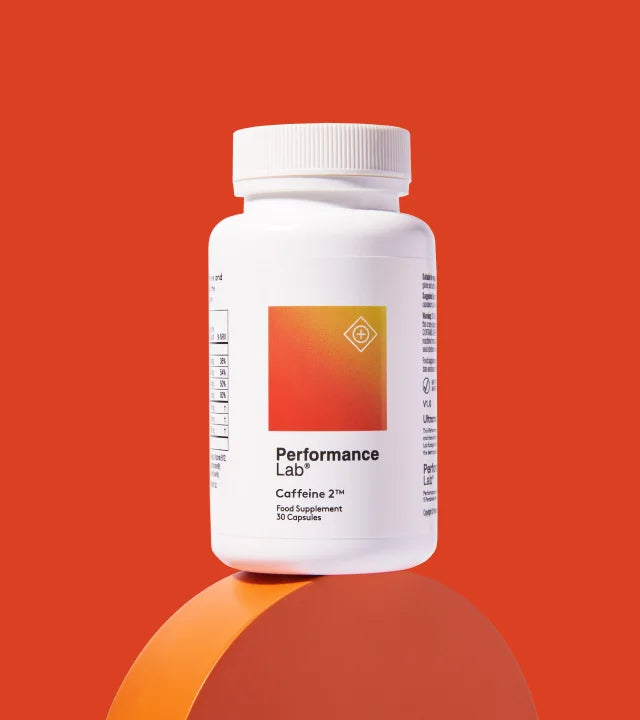
Omega-3 (DHA)

Omega-3 fatty acids are the "good fats" that help to optimize health in many ways, including in the brain. The two Omega-3s associated with brain health are eciosapentaenoic acid (EPA) and docosahexaenoic acid (DHA), the omega-3 fat most concentrated in nerve cells' membranes in the brain, supports synaptic signaling and membrane fluidity -- the very foundations for short-term/working memory.
DHA also plays a role in promoting neuroplasticity and protecting brain cells against cognitive decline, further supporting memory and overall cognition.
In a 6-month, randomized, double-blind, placebo-controlled trial of 176 healthy adults (18–45) with low dietary DHA, daily 1.16 g DHA improved reaction times for episodic and working-memory tasks versus placebo; episodic memory gains were most evident in women, while working-memory speed improved notably in men -- evidence that DHA may sharpen short-term/working-memory performance in everyday settings.(17)
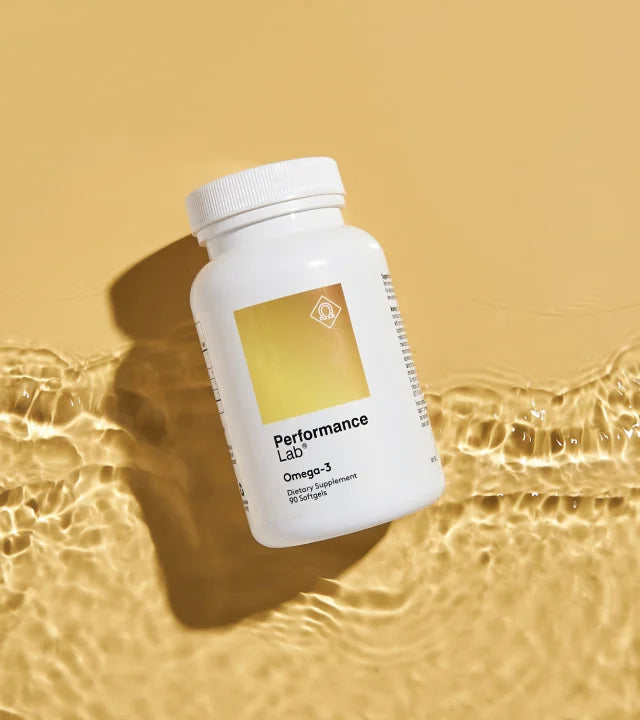
While Omega-3s are traditionally consumed in fish oil supplements, today's leading formulas often source EPA and DHA from clean marine algae instead.
Get ultramodern, eco-friendly and vegan Omega-3 fatty acids
Maritime Pine Bark Extract

French maritime pine bark extract (most commonly branded as Pycnogenol®) is a nootropic with high antioxidant activity and circulation benefits that are suggested to support healthy brain function. Pine bark extract also has some early human evidence suggesting it may support working memory in older adults—especially tasks that require holding and manipulating information in real time.
In a double-blind, placebo-controlled clinical trial, 101 cognitively healthy adults aged 60–85 took Pycnogenol® 150 mg/day or placebo for 3 months. Compared with placebo, the Pycnogenol® group showed statistically significant improvements in spatial working memory and the quality of numeric working memory. The same trial also reported a reduction in an oxidative stress marker, which the authors discussed as a potential link to the cognitive changes observed.(18)
If maritime pine bark extract helps memory, the best-supported “signal” is in working memory performance in older adults after consistent daily use over multiple weeks—not as an immediate, same-day memory booster.
Read more: Maritime Pine Bark Extract
Best Nootropic Supplement for Memory: Mind Lab Pro®

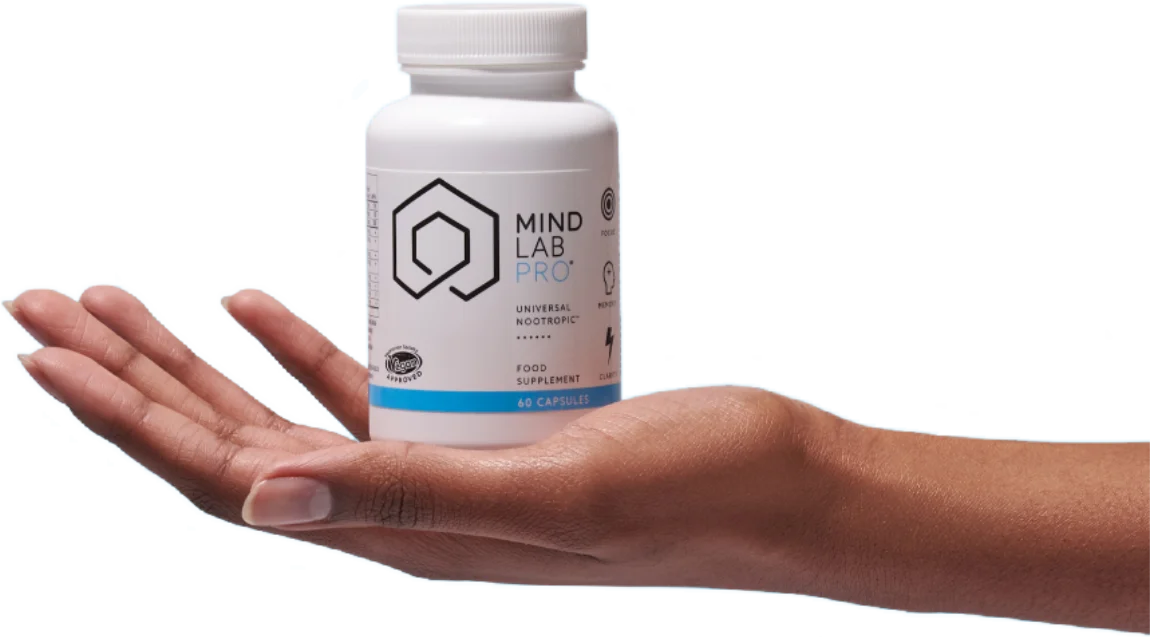
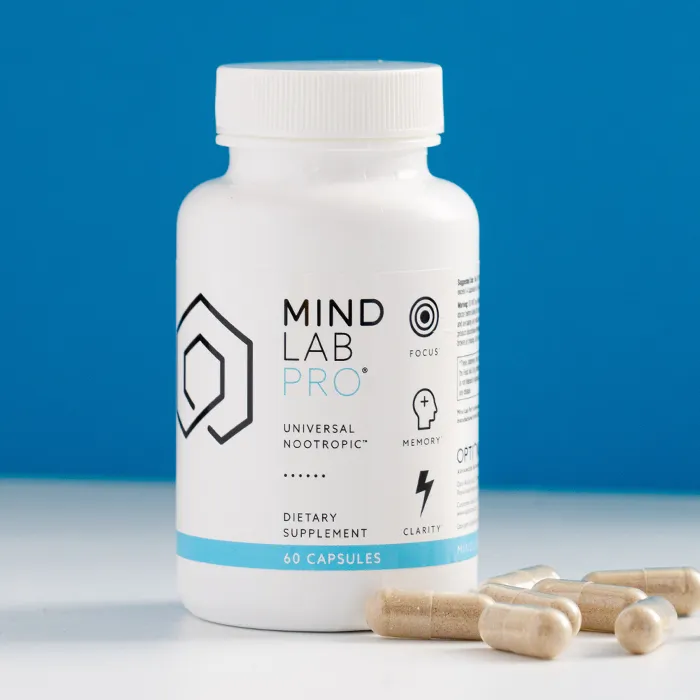
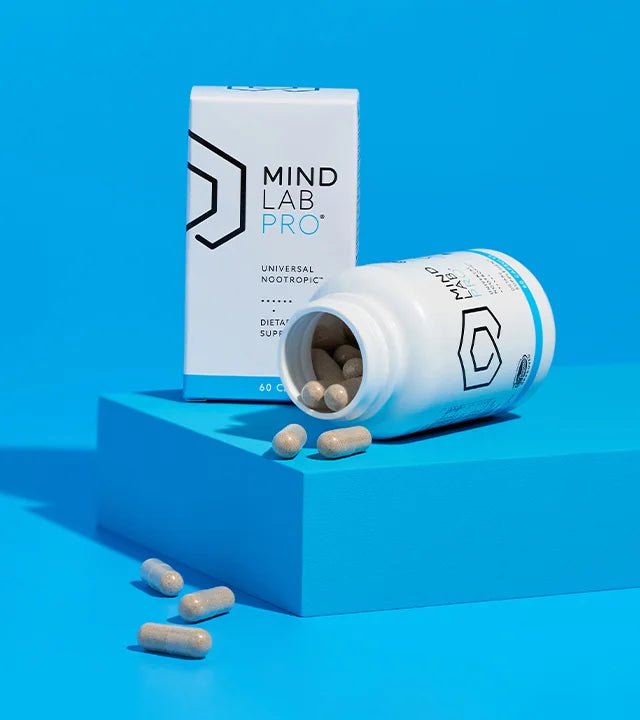
Mind Lab Pro® (MLP®) is today's top nootropic supplement. It includes 11 research-backed nootropics, carefully curated and combined to unleash peak brain power while nourishing overall brain health. MLP includes most of the top nootropics for memory we've discussed in this article.
Mind Lab Pro® Ingredients: Citicoline (CDP Choline) dosage 250mg per serving, Phosphatidylserine (PS) 100mg (from sunflower lecithin), Bacopa monnieri 150mg (24% bacosides), Organic Lion's Mane Mushroom 500mg (fruit and mycelium), Maritime Pine Bark Extract 75mg (95% proanthocyanidins), N-Acetyl L-Tyrosine 175mg, L-Theanine 100mg per serving, Rhodiola rosea 50mg (3% rosavins and 1% salidrosides), NutriGenesis® Vitamin B6 (2.5 mg), Vitamin B9 (100 mcg), Vitamin B12 (7.5 mcg)
MLP's ultramodern design helps several brain functions, working to boost focus, mental clarity, energy, attention, mood, mental health, motivation and many other cognitive abilities. And yes, MLP includes several of the best nootropic nutrients for short-term memory enhancement, specifically. It has also been shown to improve memory in well-designed human research.
Top Nootropic for Memory Recall
Part of Mind Lab Pro®'s full-spectrum memory boost is unique support for recall memory: a type of memory retrieval that involves accessing information without the help of any cues. Essentially, it's the process of pulling a memory from storage entirely on your own. It is considered one of the most difficult forms of memory retrieval.
Mind Lab Pro® is a research-backed nootropic stack.
Unlike many other brain supplements that claim cognitive benefits, Mind Lab Pro really works according to science. It has improved cognitive function in three well-designed randomized clinical trials (human), including one study focusing on memory specifically:
- Study 1: 30 days of MLP supplementation appeared to significantly improve information processing speed (compared to placebo).(19)
- Study 2: 30 days of MLP enhances performance across all memory functions tested (versus placebo), especially immediate and delayed recall memory.(20)
- Study 3: 60 days of MLP was shown to help the brain's different regions to work together as a team more efficiently.(21)
More research on MLP is currently underway. Let's go into more detail on the MLP study that zeroed in on memory, specifically.
Mind Lab Pro® and Memory: Human Clinical Evidence
Mind Lab Pro® is backed by one of the most relevant clinical research studies to date on a pre-made OTC nootropic stack for memory. This study, published in Human Psychopharmacology: Clinical and Experimental, evaluated Mind Lab Pro® specifically for memory performance in healthy adults.
The Mind Lab Pro Study on Memory
Abbott-Imboden, Gonzalez, and Utley (2023) conducted a double-blind, placebo-controlled study in 49 healthy adults aged 20–68. Participants were assigned to receive either Mind Lab Pro® or a placebo for 30 days. The primary outcome was memory performance assessed using a standardized neuropsychological battery, the Wechsler Memory Scale–Fourth Edition (WMS-IV, UK)—a widely used tool for assessing multiple real-world memory domains.
What the Researchers Measured (Memory Domains)
Rather than focusing on a single “memory score,” the WMS-IV evaluates several distinct memory systems. In this trial, researchers assessed improvements across domains including:
- Auditory memory (learning and recalling spoken information)
- Visual memory (remembering visual patterns or images)
- Working memory (holding and manipulating information in real time)
- Immediate recall (short-delay learning/recall)
- Delayed recall (retaining information over a longer interval)
Main Findings (Memory Improvements After 30 Days)
After 30 days of supplementation, the Mind Lab Pro® group showed improvements across multiple WMS-IV memory domains compared with placebo. Notably, the study reported sizeable gains in recall-related outcomes, including approximately ~28% improvement in immediate recall and ~26% improvement in delayed recall. In other words, participants not only performed better on “right now” learning tasks, but also showed stronger retention when tested later—an especially relevant signal for an article about long-term memory support.
Why This Matters for “Nootropics for Memory”
Many nootropics are studied primarily for attention, reaction time, or subjective “clarity.” This trial is notable because it:
- Used a double-blind, placebo-controlled design (reduces expectation effects)
- Tested memory with a validated clinical instrument (WMS-IV)
- Captured multiple “real” memory domains, including working memory, immediate recall, and delayed recall
- Showed improvements within a practical timeframe (30 days)
Based on this study, Mind Lab Pro® has controlled human evidence suggesting it may support memory performance across several domains—especially immediate and delayed recall—when used consistently for about one month. As with any nootropic, individual response can vary, but this is one of the more directly memory-relevant clinical studies available for a multi-ingredient stack.
Read the full story on Mind Lab Pro clinical studies
Frequently Asked Questions
What are the best nootropics for memory?
The best nootropics for memory are cognitive enhancers that support recall, learning, and working memory through pathways like neurotransmitters, brain energy, and neuroprotection. Mind Lab Pro® stands out as a top choice, featuring 11 research-backed ingredients shown to enhance multiple memory domains, making it ideal for students, professionals, and seniors alike.
What is the best memory supplement for older adults?
For seniors experiencing age-related memory issues, nootropics have evolved from simple memory pills to comprehensive brain-health formulas that address the functional limitations affecting 50.6% of adults 45+ with cognitive decline. Look for supplements with multiple pathways of support, as memory challenges can impact daily activities like managing medications, paying bills, and social interactions.
What is the best nootropic supplement stack for improving focus and memory in high-pressure work environments?
For high-pressure work situations, you need a nootropic stack that targets both working memory, the active system for real-time information processing, and stress resilience. Mind Lab Pro® offers an 11-in-1 formula that's stimulant-free and plant-based, supporting focus, clarity, and memory without the jitters that can worsen performance under pressure.
What are nootropics?
Nootropics are cognitive enhancers that support mental functions including memory, focus, and clarity through various brain pathways. They work by optimizing neurotransmitters, brain energy, stress resilience, circulation, and neuroprotection, making them valuable tools for anyone from students to seniors looking to maintain or enhance cognitive performance.
What is good for memory retention?
Effective memory retention requires supporting both short-term memory, the brief scratch pad lasting 15-30 seconds, and long-term learning processes. Quality nootropic supplements can enhance these different memory layers through ingredients that boost brain energy, protect neurons, and optimize neurotransmitter function.
What is the best drug to improve memory?
While prescription drugs exist for memory issues, natural nootropic supplements offer a safer approach for cognitive enhancement, especially since only 45.4% of people with memory concerns discuss them with healthcare professionals. Before considering any memory supplement or drug, consult your doctor for proper evaluation, particularly if you're experiencing new or worsening symptoms.
Where can you buy nootropic supplements for memory loss?
When shopping for memory nootropics, prioritize reputable brands that offer research-backed formulas with transparent ingredient lists and quality certifications. Mind Lab Pro® is available directly from the manufacturer, ensuring product authenticity and freshness while providing an 11-ingredient stack specifically designed to support multiple aspects of memory function.
FINAL THOUGHTS
Memory isn’t one single function—it’s a learning process that helps us store new information and access stored information. It includes short-term/active memory (the “in-the-moment” scratch pad) and long-term memory (stored information over time).
If you want a practical way to choose supplements, match your goal to the memory type:
-
For quick recall and “in-the-moment” performance (short-term / working memory): prioritize ingredients that support attention, neurotransmitters, and stress resilience—because short-term memory is brief (often ~15–30 seconds) and sensitive to distraction and pressure.
-
For learning and retention (long-term memory): prioritize daily, long-view ingredients and fundamentals that support brain health over time (sleep, diet, exercise), because long-term memory depends on repeated encoding and consolidation.
Nootropics may support short-term memory via multiple pathways—including brain energy, neurotransmitters, nerve growth factor, cerebral blood flow, and stress resistance—so the best approach is often a balanced stack rather than a single “magic” ingredient.
References
- Okano H, Hirano T, Balaban E. Learning and Memory. PNAS. 7 Nov 2000. 97(23) 12403-12404. Link
- Stough C, et al. The chronic effects of an extract of Bacopa monniera (Brahmi) on cognitive function in healthy human subjects. Psychopharmacology (Berl). 2001 Aug;156(4):481–484. Link
- Morgan A, Stevens J. Does Bacopa monnieri improve memory performance in older persons? Results of a randomized, placebo-controlled, double-blind trial. J Altern Complement Med. 2010 Jul;16(7):753-759. doi:10.1089/acm.2009.0342. Link
- Calabrese C, Gregory WL, Leo M, Kraemer D, Bone K, Oken B. Effects of a standardized Bacopa monnieri extract on cognitive performance, anxiety, and depression in the elderly: a randomized, double-blind, placebo-controlled trial. J Altern Complement Med. 2008 Jul;14(6):707-713. doi:10.1089/acm.2008.0018.Link
- Alvarez XA, et al. Citicoline improves memory performance in elderly subjects. Methods and Findings in Experimental and Clinical Pharmacology. 01 Apr 1997. 19(3):201–210. Link
- Glade MJ, Smith K. Phosphatidylserine and the human brain. Nutrition. 2015 Jun;31(6):781-786. Link
- Kato-Kataoka A, et al. Soybean-Derived Phosphatidylserine Improves Memory Function of the Elderly Japanese Subjects with Memory Complaints. J Clin Biochem Nutr. 2010 Nov;47(3):246–255. Link
- Kim H, Lee KJ. Serum homocysteine levels are correlated with behavioral and psychological symptoms of Alzheimer’s disease. Neuropsychiatr Dis Treat. 2014 Oct 3;10:1887–1896. Link
- Deijen JB, van der Beek EJ, Orlebeke JF, van den Berg H. Vitamin B-6 supplementation in elderly men: effects on mood, memory, performance and mental effort. Psychopharmacology (Berl). 1992;109(4):489–496. Link
- Durga J, van Boxtel MPJ, Schouten EG, Kok FJ, Jolles J, Katan MB, Verhoef P. Effect of 3-year folic acid supplementation on cognitive function in older adults in the FACIT trial: a randomised, double blind, controlled trial. The Lancet. 2007;369(9557):208-216. Link
- Clarke R, et al. Low vitamin B-12 status and risk of cognitive decline in older adults. The American Journal of Clinical Nutrition. Volume 86, Issue 5, 1 Nov 2007, Pages 1384–1391. Link
- Homocysteine Lowering Trialists' Collaboration. Lowering blood homocysteine with folic acid based supplements: meta-analysis of randomised trials. BMJ. 1998 Mar 21; 316(7135): 894-898. Link
- Jongkees BJ, Hommel B, Colzato LS. People are different: tyrosine's modulating effect on cognitive control in healthy humans may depend on individual differences related to dopamine function. Front Psychol. 2014;5:1101. Link
- Thomas JR, Lockwood PA, Singh A, Deuster PA. Tyrosine improves working memory in a multitasking environment. Pharmacol Biochem Behav. 1999 Nov;64(3):495–500. Link
- Colzato LS, Jongkees BJ, Sellaro R, Hommel B. Working memory reloaded: tyrosine repletes updating in the N-back task. Front Behav Neurosci. 2013 Dec 16;7:200. Link
- Owen GN, Parnell H, De Bruin EA, Rycroft JA. (2008). The combined effects of L-theanine and caffeine on cognitive performance and mood. Nutritional Neuroscience, 11(4), 193–198. Link
- Stonehouse W, Conlon CA, Podd J, Hill SR, Minihane A-M, Haskell C, Kennedy D. (2013). DHA supplementation improved both memory and reaction time in healthy young adults: A randomized controlled trial. The American Journal of Clinical Nutrition, 97(5), 1134–1143. Link
- Ryan J, Croft K, Mori T, Wesnes K, Spong J, Downey L, Kure C, Lloyd J, Stough C. An examination of the effects of the antioxidant Pycnogenol on cognitive performance, serum lipid profile, endocrinological and oxidative stress biomarkers in an elderly population. J Psychopharmacol. 2008 Jul;22(5):553-562. Link
- Utley A, Gonzalez Y, Imboden CA. The Efficacy of A Nootropic Supplement on Information Processing in Adults: A Double Blind, Placebo Controlled Study. Biomed J Sci & Tech Res 49(1)-2023. BJSTR. MS.ID.007746. Link
- Abbott-Imboden C., Gonzalez Y., Utley A. (2023). Efficacy of the nootropic supplement Mind Lab Pro on memory in adults: Double blind, placebo-controlled study. Human Psychopharmacology: Clinical and Experimental, e2872. Link
- O’Reilly D., Bolam J., Delis I., & Utley A. (2025). Effect of a Plant-Based Nootropic Supplement on Perceptual Decision-Making and Brain Network Interdependencies: A Randomised, Double-Blinded, and Placebo-Controlled Study. Brain Sciences, 15(3), 226. Link