Tabs open. Deadline looming. Focus slipping. If you want help achieving reliable, jitter-free concentration that lasts, you are certainly not alone.
Focus and concentration problems are increasingly common: according to a report summarized by Science News (2025), a 2023 analysis found that more than 7% of U.S. adults (without depression) reported “serious difficulty concentrating, remembering, or making decisions,” up from just over 5% a decade earlier.
At the same time, attention is constantly being pulled in the workplace—according to Microsoft WorkLab (2025), employees using Microsoft 365 are interrupted every 2 minutes on average by a meeting, email, or notification.
If you are looking for the best supplements for focus and concentration to support mental clarity and sustained attention for work or studying, this guide covers evidence-backed nootropics, nutrients, vitamins, minerals, and fatty acids.
We are about to explore evidence-backed nutrients and supplements that can help support focus and concentration—ranging from targeted nootropic ingredients to essential vitamins, minerals, and fatty acids. Let's get to it!
Key Takeaways
- Focus vs. concentration: focus = directing attention; concentration = sustaining it over time.
- Best-supported nutrients: Citicoline, N-Acetyl-L-Tyrosine, L-Theanine (± caffeine), Phosphatidylserine, Maritime Pine Bark, Rhodiola, plus essentials like B-complex, Vitamin D, and Omega-3s.
- Multi-pathway approach: broader stacks can combine support for brain energy, neurotransmitters, blood flow, brain waves, protection, and renewal rather than relying on one ingredient.
- Use smart: follow label directions, manage caffeine carefully, and introduce new dietary supplements one at a time so you can judge your response.
Individual nutrients for concentration and focus:
- N-Acetyl-L-Tyrosine (NALT): A bioavailable form of L-Tyrosine, NALT supports the production of brain chemicals needed for mental alertness, focus, and stress resilience.
- Citicoline: A compound that supports brain energy and enhances the production of neurotransmitters, citicoline has been associated with improved attention and mental clarity.
- L-Theanine: An amino acid found in tea, L-theanine promotes relaxation without drowsiness and may enhance attention and working memory, particularly when combined with caffeine.
- Maritime Pine Bark Extract: Supplies a potent antioxidant complex and enhances circulation to the brain; shown in early research to potentially help sharpen attention.
- Phosphatidylserine: A key component of brain cell membranes, phosphatidylserine has been shown to support cognitive functions, including memory and attention.
- Rhodiola Rosea: An adaptogen studied for mental fatigue, stress resilience, and cognitive performance under demanding conditions.
- Essential Vitamins & Minerals: B-Complex, Vitamin C, Vitamin D and magnesium may all play a role in supporting healthy focus and concentration.
- Caffeine: Known for its ability to enhance alertness and focus, caffeine is a common ingredient in many focus supplements. It is often combined with L-theanine to enhance its benefits and reduce potential side effects.
- Omega-3 Fatty Acids: Omega 3 fatty acids, particularly EPA and DHA, are important structural nutrients for brain and nervous system function and have been studied for cognitive health.
Best Supplements for Focus & Concentration to Buy in 2026
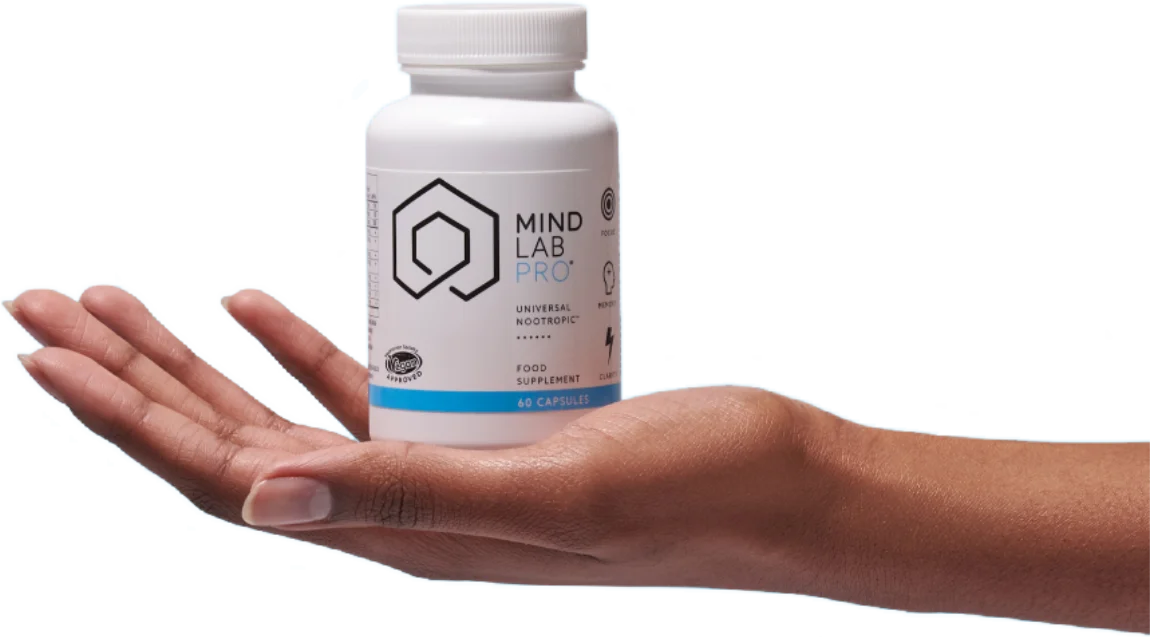
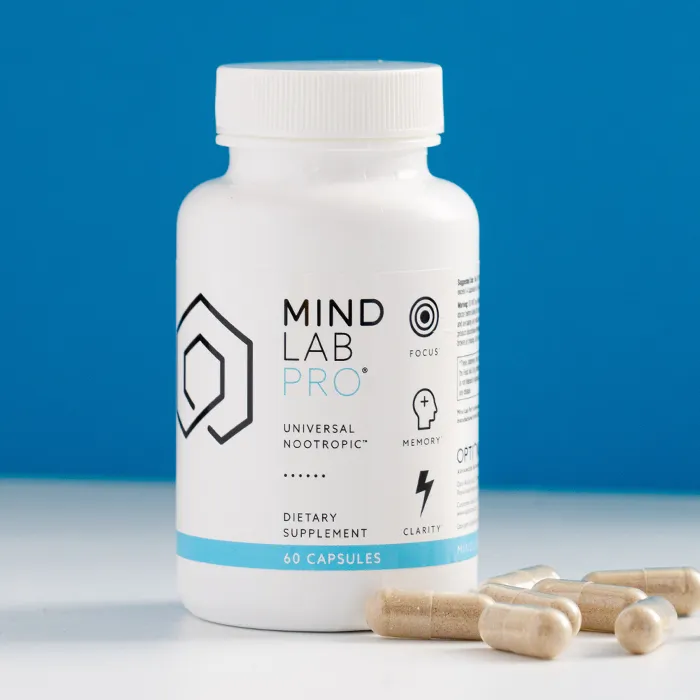
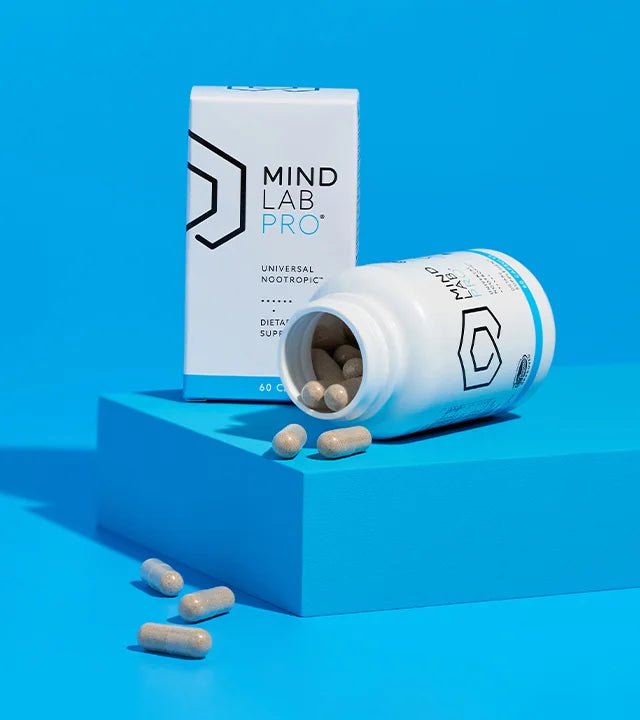
- Mind Lab Pro®. This multi-ingredient nootropic stack is designed to support several cognitive pathways involved in focus, attention, memory, mood, stress resilience, and learning. Learn more about Mind Lab Pro benefits and ingredients
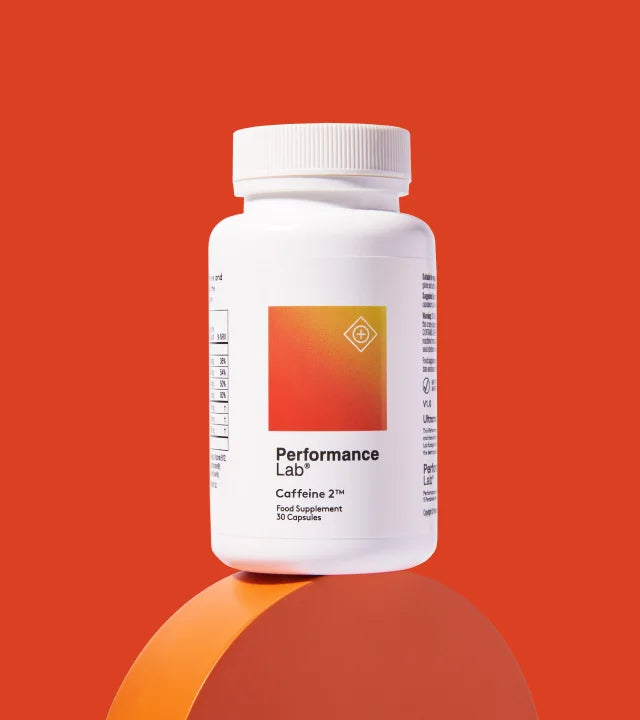
- Caffeine 2: A "smart caffeine pill" that combines low-dose caffeine with L-Theanine, L-Tyrosine and B-Vitamins, for a smoother stimulant-based cognitive lift than caffeine alone. Learn More about Caffeine 2
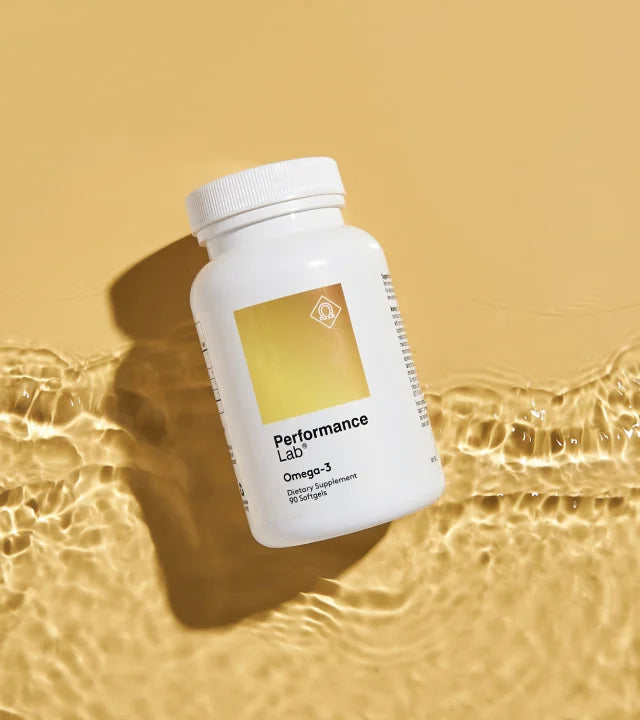
- Performance Lab® Omega-3: This advanced formula supplies Omega-3 fatty acids from vegan eco-friendly algae, delivering fish oil's cognitive support without the fishy business. Learn More About Performance Lab Omega-3
Disclaimer
This article is for educational purposes only and is not medical advice. If you’re considering nootropics for focus and concentration, consult a qualified healthcare professional first—especially if you have ADHD, anxiety, high blood pressure, heart conditions, sleep issues, or a history of sensitivity to stimulants, or if you take any prescription medications (including "smart drugs"). Supplements are not drugs, they are not intended to diagnose, treat, cure, or prevent specific diseases, cognitive impairment, mild cognitive impairment, dementia, or memory loss. High doses can increase side-effect risk, so use supplements only with dosing appropriate to your individual needs and seek professional guidance when warranted. Stop use and seek medical advice if you experience side effects such as palpitations, increased anxiety, headaches, or sleep disruption.
Choose Your Path: Focus vs. Concentration
Focus and concentration are closely related, but they are not the same. In this guide, we use:
- Focus as a mental function related to directing attention to a task and staying locked in while filtering distractions.
- Concentration to mean sustaining attention over time and resisting interruptions--shunning distractions so your attention can stay on a single point of interest.
If you want a specialist guide that goes deeper into one goal, use the dedicated pages below:
- Best Nootropics for Focus — for sustained attention on a task and getting “in the zone.”
- Nootropics for Concentration — for distraction resistance and staying on track when your mind wants to wander.
Rule of thumb: If your problem is “I can’t start or lock in,” start with focus. If your problem is “I keep getting pulled off task,” start with concentration.
Top Nootropics for Focus and Concentration
The market for brain boosting supplements is more diverse than ever, offering myriad options for improving aspects of human cognition — including concentration and focus — in many different ways.
What do we mean by concentration and focus?
In the context of cognitive performance, focus refers to making a choice to target one's attention to a specific and immediate task or topic. Concentration is a little deeper, referring to a state of being fully present in your focus, without exerting effort to do so, and sustaining that mind-set for a longer duration.(1)
Concentration, focus and attention are related, though not quite interchangeable. All are crucial for peak mental performance. And all are united by the brain bioactivities that drive them.
So what do you need to achieve a focused, peak-performing mental state?
- Brain energy - High performance mental processing places high power demands on the brain
- Brain chemicals - Namely, the catecholamines: dopamine, epinephrine and norepinephrine
- Blood flow to brain - Delivers energizing oxygen and neuronutrients that support focus
- Brain waves - The Alpha brain wave frequency is associated with clear, focused thinking
- Overall brain health - Cognitive impairment takes a big toll on overall mental clarity
So what does this mean in practice?
Let's now dive into some of the nootropics found in brain supplements that promote these pathways and more, helping to support brain health and improve mental focus.
It has enabled me to concentrate more and remember more things than before using it.David Z.
Best Individual Nutrients for Focus & Concentration
Following are some of the individual best supplements for focus and concentration, as well as for many other aspects of cognitive function. Evidence quality varies: this article includes randomized clinical trials, double-blind studies, observational research, and systematic review evidence. A supplement that performs well in one clinical study does not automatically improve cognition in the general population.
N-Acetyl-L-Tyrosine

N-Acetyl-L-Tyrosine is one of the amino acids that regulates brain chemicals you need for optimal cognitive function. Specifically, it serves as a raw material for the creation of catecholamine brain chemicals that drive dynamic, performance-oriented thinking including focus: Dopamine, epinephrine and norepinephrine.
Here's the challenge: Intense thinking burns through catecholamine brain chemicals faster. Low catecholamine levels are linked to brain fog, slow processing and distractibility.
That is where L-Tyrosine comes in. Its role as a catecholamine precursor may help support cognitive performance when stressors would otherwise impair concentration.
Researchers in clinical trials have reported that N-Acetyl L-tyrosine may improve cognitive performance, including working memory and mood, in challenging scenarios such as being:
- Dunked in cold water (2)
- Blasted with loud (90 decibel) noises (3)
- Sleep deprived with mental fatigue (4)
- Bombarded with multitasking (5)
These studies suggest tyrosine may be most relevant when stress, distraction, sleep loss, or multitasking places extra demand on cognitive performance.
Citicoline

Citicoline (Cytidine 5'-diphosphocholine or CDP-choline) is a top brain-boosting nootropic with versatile benefits that appear promising for focus, as well as for healthy brain function overall.
It works in a few different ways; for focus, citicoline supports phospholipid synthesis, brain cells, and neurotransmitter pathways involved in cognitive function. Its metabolites are used by the brain after normal absorption and transport across the blood brain barrier. Read more about dopamine support.
Clinical evidence supports citicoline's potential for the brain. Some that may be relevant to concentration suggest citicoline may help to:
- Enhance vigilance and visual working memory, while helping to protect brain cells from oxidative stress. (6)
- Improve sustained attention, cognitive effort and reaction times in adults when consumed as a beverage combined with caffeine.(7)
- A clinical study in adolescent males with attention problems reported changes in motor speed and attention measures.(8) Children and adolescents should use dietary supplements only under the direction of a qualified healthcare professional.
While we are just touching on dynamic brain functions in this article, citicoline may have many other brain benefits, including for cognitive decline. Read more about citicoline here.
L-Theanine

Found in green tea and top brain supplements, L-theanine is a soothing nootropic amino acid that may help to sharpen focus and attention via a unique pathway: Brain waves. L-theanine raises alpha brainwave frequencies (8-14 Hz), which in turn are linked to relaxed, clear-headed thinking.
This “wakeful relaxation” profile is why L-theanine is commonly used for calm, clear-headed focus rather than stimulation alone.
Researchers have reported that Alpha frequency brain waves play an important role in critical aspects of attention.(9)
In one randomized controlled trial, researchers reported that L-theanine supplementation appears to play a general role in attentional processing, and may regulate the processes that sustain attention over a longer time when performing difficult tasks.(10)
If you use caffeine for focus and concentration, L-theanine may be useful in combination. A double-blind study evaluated caffeine and L theanine both alone and together for cognition, mood, and cerebral blood flow.(11)
Maritime Pine Bark Extract

Maritime Pine Bark Extract is a substance rich with antioxidant properties that has been studied for its potential to help with attentional aspects of focus. It supplies proanthocyanidins, which are a type of cell-protective antioxidant (in the polyphenol class) that support healthy brain aging.
One placebo-controlled, double-blind study of children with attention problems, researchers reported that pine bark extract was associated with a significant reduction in symptoms of inattention and impulsivity.(12) (**children must only take dietary supplements under the direction of a doctor)
Some clinical studies suggest this substance may encourage healthy blood flow similar to ginkgo biloba. Both ginkgo biloba and maritime pine bark extracts are considered vasodilators that relax blood vessels.(13,14) In addition, research on polyphenols has explored pathways related to BDNF, or brain derived neurotrophic factor, a signaling protein involved in brain plasticity.
Phosphatidylserine

Phosphatidylserine (PS) is a structural phospholipid in brain cell membranes that has been studied for memory, short term memory, episodic memory, attention, and broader brain function. It is often discussed alongside ginkgo biloba in the brain-supplement category; see our guide to nootropics for memory.
PS is a multitasking nootropic found in the best brain supplements. It supports human brain cell regeneration and plasticity, while also maintaining brain cells' fluid structure. It also helps support brain function by orchestrating brain cell membranes' many dynamic functions.
Research reviews have examined PS for cognitive performance, including memory and attention.(15) The evidence does not mean PS will enhance memory or improve memory for every healthy user.
One meta analysis pooling four pediatric studies reported an effect on inattention symptoms.(16) This does not establish phosphatidylserine as a treatment for ADHD, and children should take dietary supplements only under the direction of a qualified healthcare professional.
Rhodiola Rosea

Stress can undermine focus. Rhodiola rosea is an adaptogen studied for mental fatigue, stress resilience, and mental performance under demanding conditions.
To be a little more specific, researchers have defined adaptogens as herbs that promote improved cognitive function because they "increase tolerance to mental exhaustion and enhance attention and mental endurance in situations of decreased performance."(17)
In one open-label study of 101 adults with life-stress symptoms, researchers reported improvements over time in concentration, mood, fatigue, and other measures.(18) Because the study did not include a placebo group, the results should be interpreted cautiously.
Rhodiola remains a popular supplement for stress-related mental fatigue, but results depend on the extract, dose, population, and study design. More research is needed before broad claims about cognitive enhancement are warranted.
Essential Vitamins and Minerals

Essential vitamins and minerals play a crucial role in supporting brain health, mental skills and overall cognitive function. Some important brain vitamins and minerals for general brain function:
- B Complex - Vitamins B6, B9 and B12: B vitamins support normal metabolism and nervous system function. A systematic review and meta-analysis has examined B-vitamin supplementation in relation to cognitive decline and incident dementia.(19) Vitamin B supplements may be useful when intake or status is inadequate, but they are not treatments for cognitive impairment or dementia.
- Vitamin C: Research has examined vitamin C status in relation to cognition and attention.(20)
- Vitamin D: Low vitamin D status has been studied in relation to cognitive impairment and dementia, particularly in older adults.(21) That association does not establish vitamin D as a treatment for cognitive decline.
- Magnesium - This mineral is required for hundreds of biological reactions within the body, and is required for brain cells to produce energy.(22)
By incorporating these essential vitamins and minerals into your daily routine, whether from brain supplements, multivitamins or dietary changes, you can support optimal brain health and cognitive function, and possibly even improved focus.
Diet, Lifestyle and Focus
Brain health supplements work best as one part of a healthy lifestyle—not as a replacement for enough sleep, regular activity, and a healthy diet. Food-first sources can supply many of the same nutrients discussed here: fatty fish provides omega 3 fatty acids including DHA (docosahexaenoic acid), while nuts, seeds, and vegetable oils can contribute vitamin E. A daily multivitamin or certain supplements may help fill nutritional gaps, but they cannot compensate for chronically poor sleep or diet.
Eating patterns such as the MIND diet are often discussed in relation to cognitive health and aging brains. Needs also differ across middle aged adults, older adults, older subjects enrolled in clinical research, and the general population. Findings associated with a lower risk of cognitive decline in one population should not automatically be interpreted as a focus benefit for healthy adults.
The only multi I’ve used and noticed more energy and better overall wellbeing!Jerrold N
Caffeine

Caffeine is a stimulant rather than a non-stimulant nootropic, but it remains a popular supplement ingredient for alertness and focus. Its effects are dose-dependent, and high doses can increase unwanted stimulation.
Some research suggests caffeine's potential to enhance mental focus. In one cross sectional survey of over 9000 healthy adults, researchers reported a dose-dependent improvement in all aspects of cognition that were tested, including verbal memory, reaction time, and visio-spatial reasoning — suggesting a trend to improved performance.(23)
Remember that caffeine's beneficial effects may be enhanced when it is combined with L-Theanine and some other nutrients. For more information, read our full breakdown on the best caffeine pills on the market.
Great stuff! I won't take caffeine without the L-theanine. This is the perfect blend and also has added B vitamins!Cindy S
Omega-3 fatty acids

Omega 3 fatty acids are structural nutrients for cell membranes and nervous system function. DHA, or docosahexaenoic acid, is especially concentrated in neural tissue. Omega 3s are therefore relevant to overall brain health, although that does not mean supplementation will improve cognitive function in every healthy adult.
In the context of focus, a critical review examined omega-3 fatty acids in ADHD research and concluded that results depend on the population and study design.(24) This evidence should not be used to position omega-3s as treatment for ADHD.
Love this product! Easy to swallow capsule with no aftertaste.Sarah A
Best Nootropics for Focus & Concentration in 2026
Mind Lab Pro®

Mind Lab Pro® combines ingredients intended to support several different brain pathways relevant to focus and concentration, including brain energy, neurotransmitter activity, blood flow, stress resilience, and long-range cognitive health.
As a result, Mind Lab Pro® nootropics work to promote all types of cognitive benefits, including for:
- Memory, recall, and learning
- Focus, concentration and attention
- Mood balance and stress resistance
- Motivation and inner drive
- Clearing brain fog, promoting clarity
- Increased alertness
- Information processing speed
- Mental energy levels
- Multitasking and cognitive performance under pressure
- Long-range support for healthy brain function and cognitive health
- Overall cognitive benefits and flow state
Mind Lab Pro® Supplies Multiple Nootropics for Focus and Concentration
Let's take a look at the full list of Mind Lab Pro®'s 11 natural nootropics:
- Citicoline 250 mg
- Phosphatidylserine, 100 mg (Sharp-PS® Green)
- Bacopa monnieri, 150 mg (as full spectrum extract, 24% bacosides, 9 bioactives)
- Organic Lion’s Mane Mushroom, 500 mg (full spectrum lion's mane mushroom extract from fruiting bodies, including hericenones and erinacines)
- Rhodiola rosea, 50 mg (3% rosavins, 1% salidrosides)
- L-Theanine, 100 mg (Suntheanine®)
- L-Tyrosine, 175 mg (N-Acetyl L-Tyrosine)
- Maritime Pine Bark Extract, 75 mg (95% proanthocyanidins)
- Vitamins B6 2.5 mg, B9 100 mcg, B12 7.5 mcg (NutriGenesis®)
Read more about these ingredients here
This is a high-quality product that I just keep circling around and coming back to. I have tried many others. This has a great balance of ingredients that help my focus.Doralyn B.
Mind Lab Pro® is Backed By Research.
Mind Lab Pro® has been evaluated in human studies examining information processing, memory, and perceptual decision-making.
In this research, it improved cognitive performance across several key markers.
- In one study, researchers reported that subjects taking Mind Lab Pro for 30 days experienced significant improvements (when compared to those taking placebo) in performing information processing tasks involving simple reaction time (SRT), choice reaction time (CRT) and anticipation.(25)
- A second study found that healthy people taking Mind Lab Pro demonstrated significant improvements across all memory functions that were tested, including auditory, visual, visual working, immediate and delayed recall memory.(26)
- Study #3 (O’Reilly et al., 2025) was a randomized placebo controlled study using a double-blind, 60-day design (n=32) with a rapid perceptual decision task plus EEG. Behavioral performance was not faster or more accurate than placebo, while EEG measures showed greater network interdependence, especially in delta-band coordination.(27)
More research is currently underway.
These studies evaluate the complete formula rather than proving that every ingredient independently improves cognition. Other research on the individual ingredients uses different doses, populations, and outcome measures, so results should be interpreted in the context of each trial design.
Prefer a complete formula over guesswork?
Additional Top Brain Supplement Picks to Consider
The makers of Mind Lab Pro® nootropic stack supplement also make the Performance Lab® line, which includes additional high-quality brain supplements to consider:
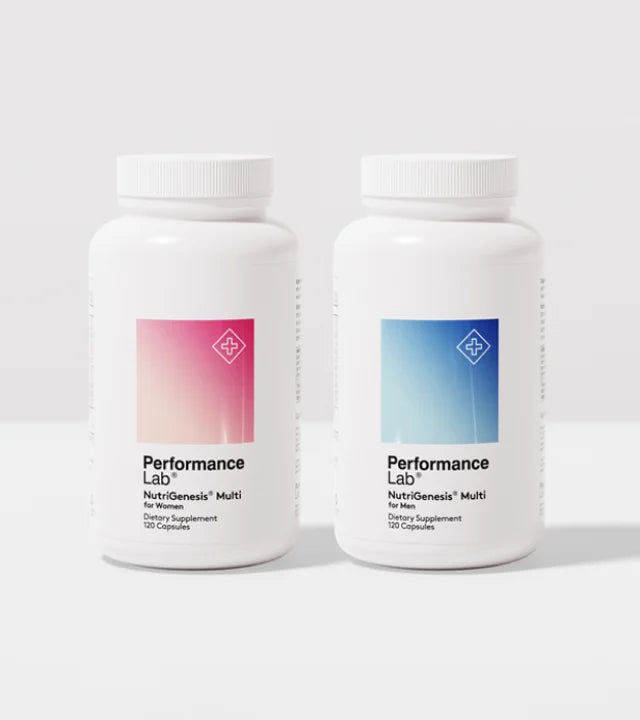
Performance Lab® NutriGenesis® Multi: Supplies foundational vitamins and minerals that support general nutritional status and brain function
Performance Lab® Omega-3: Supplies vegan Omega-3 fatty acids from life’s™OMEGA Algal Oil, 2000 mg. Supplies DHA-rich algal omega-3s for general brain and cell-membrane support.
Performance Lab® Energy: Nourishes cells' mitochondria power plants, ramping up the energy you need for sustained concentration and sharp focus. Includes Acetyl-L-Carnitine, R-Lipoic Acid, Coenzyme Q10, PQQ and more.
Performance Lab® Caffeine 2: Low-dose caffeine 2 NutriGenesis® B-vitamins, L-Theanine, L-Tyrosine. Supports calmer energy and alertness plus stim recovery.
Frequently Asked Questions
How does Mind Lab Pro compare to Alpha Brain for focus and concentration?
Both are branded nootropic stacks, but this article evaluates the Mind Lab Pro® ingredient and research profile rather than making a head-to-head efficacy claim. Mind Lab Pro® uses a stimulant-free, multi-pathway approach built around ingredients such as Citicoline, L-Theanine, Phosphatidylserine, and Maritime Pine Bark.

“After a couple of weeks, I noticed my mind felt calmer and clearer.”
What are the best supplements for focus and concentration in 2026?
The best evidence-based supplements for focus include Citicoline, N-Acetyl-L-Tyrosine, L-Theanine, Phosphatidylserine, Maritime Pine Bark, Rhodiola, B-complex vitamins, Vitamin D, and Omega-3s. Comprehensive stacks that address multiple brain pathways, including energy, neurotransmitters, blood flow, and protection, tend to provide more consistent results than single ingredients. Explore our guide to nootropics for studying for targeted recommendations.
Is Mind Lab Pro better than Thesis for concentration support?
“Better” depends on your goals, tolerance, and the current formulas being compared. This article supports Mind Lab Pro® as a stimulant-free multi-ingredient option for focus, memory, and stress-related cognitive demands, but it does not provide a direct clinical comparison with Thesis.
How can I choose a supplement that supports concentration under stress?
Look for supplements containing adaptogenic ingredients like Rhodiola and stress-supporting nutrients like L-Theanine, which can help maintain focus during pressure-filled situations. The best formulas combine these with brain energy enhancers like Citicoline and neurotransmitter precursors like N-Acetyl-L-Tyrosine for comprehensive stress-performance support. Read more about nootropics for anxiety and stress management.
What's the difference between Mind Lab Pro and Qualia Mind?
Mind Lab Pro® is positioned as a stimulant-free multi-ingredient stack for broad cognitive support. This article does not provide a direct clinical comparison with Qualia Mind, so the stronger choice depends on the current labels, stimulant preferences, and individual goals.
What ingredients are in Mind Lab Pro's 2026 formula?
Mind Lab Pro contains evidence-backed nootropics including Citicoline for brain energy, N-Acetyl-L-Tyrosine for neurotransmitter support, L-Theanine for calm focus, Phosphatidylserine for memory, and Maritime Pine Bark for blood flow, among others. This stimulant-free stack is designed to support multiple brain pathways, including energy, neurotransmitters, blood flow, brain waves, and renewal, for comprehensive cognitive enhancement. Learn about individual nootropic ingredients and their benefits.
How does Mind Lab Pro compare to Performance Lab Mind?
Both are positioned as stimulant-free cognitive-support products from the same company, but this article is focused on Mind Lab Pro®. Because product formulas can change, compare the current ingredient panels before deciding which approach better fits your needs.
Mind Lab Pro® for Focus and Concentration
For readers who prefer a single multi-ingredient option, Mind Lab Pro® combines several of the focus-support nutrients discussed above in one stimulant-free formula. The article’s existing human studies evaluate the complete formula for information processing, memory, and perceptual decision-making rather than proving that any one ingredient is responsible for the results.(25)(26)(27)
That makes Mind Lab Pro® a practical fit for people seeking broad support for focus, concentration, mental clarity, memory, and cognitive performance without relying on caffeine as the main mechanism.
Summary
The best supplements for focus and concentration depend on the cause of the problem and the evidence behind the ingredient. Citicoline, tyrosine, L-theanine, phosphatidylserine, Rhodiola, selected vitamins and minerals, caffeine, and omega-3s all have different roles and different evidence profiles.
Supplements work best alongside a healthy diet, enough sleep, stress management, and other healthy lifestyle basics. Mind Lab Pro® offers a stimulant-free multi-ingredient approach for readers who prefer broad cognitive support in one formula rather than building a stack ingredient by ingredient.
References
- Sörqvist, P., Dahlström, Ö., Karlsson, T., & Rönnberg, J. (2016). Concentration: The Neural Underpinnings of How Cognitive Load Shields Against Distraction. Frontiers in Human Neuroscience, 10, 221. Link
- Mahoney, C. R., Castellani, J., Kramer, F. M., Young, A., & Lieberman, H. R. (2007). Tyrosine supplementation mitigates working memory decrements during cold exposure. Physiology & Behavior, 92(4), 575-582. Link
- Deijen, J. B., & Orlebeke, J. F. (1994). Effect of tyrosine on cognitive function and blood pressure under stress. Brain Research Bulletin, 33(3), 319-323. Link
- Neri, D. F., Wiegmann, D., Stanny, R. R., Shappell, S. A., McCardie, A., & McKay, D. L. (1995). The effects of tyrosine on cognitive performance during extended wakefulness. Aviation, Space, and Environmental Medicine, 66(4), 313-319. Link
- Thomas, J. R., Lockwood, P. A., Singh, A., & Deuster, P. A. (1999). Tyrosine improves working memory in a multitasking environment. Pharmacology Biochemistry and Behavior, 64(3), 495-500. Link
- Al-Kuraishy, H. M., & Al-Gareeb, A. I. (2020). Citicoline Improves Human Vigilance and Visual Working Memory: The Role of Neuronal Activation and Oxidative Stress. Basic and Clinical Neuroscience, 11(4), 423-432. Link
- Bruce, S. E., Werner, K. B., Preston, B. F., & Baker, L. M. (2014). Improvements in concentration, working memory and sustained attention following consumption of a natural citicoline-caffeine beverage. International Journal of Food Sciences and Nutrition, 65(8), 1003-1007. Link
- McGlade, E., Agoston, A. M., DiMuzio, J., Kizaki, M., Nakazaki, E., Kamiya, T., & Yurgelun-Todd, D. (2019). The Effect of Citicoline Supplementation on Motor Speed and Attention in Adolescent Males. Journal of Attention Disorders, 23(2), 121-134. Link
- Nobre, A., Rao, A., & Owen, G. (2008). L-theanine, a natural constituent in tea, and its effect on mental state. Asia Pacific Journal of Clinical Nutrition, 17(Suppl 1), 167-168. Link
- Gomez-Ramirez, M., Kelly, S. P., Montesi, J. L., & Foxe, J. J. (2009). The effects of L-theanine on alpha-band oscillatory brain activity during a visuo-spatial attention task. Brain Topography, 22(1), 44-51. Link
- Dodd, F. L., Kennedy, D. O., Riby, L. M., & Haskell-Ramsay, C. F. (2015). A double-blind, placebo-controlled study evaluating the effects of caffeine and L-theanine both alone and in combination on cerebral blood flow, cognition and mood. Psychopharmacology, 232(14), 2563-2576. Link
- Hsu, C. D., Hsieh, L. H., Chen, Y. L., Lin, I. C., Chen, Y. R., Chen, C. C., Shirakawa, H., & Yang, S. C. (2021). Complementary effects of pine bark extract supplementation on inattention, impulsivity, and antioxidative status in children with attention-deficit hyperactivity disorder: A double-blinded randomized placebo-controlled cross-over study. Phytotherapy Research, 35(6), 3226-3235. Link
- Cesarone, M. R., Di Renzo, A., Errichi, S., Schönlau, F., Wilmer, J. L., & Blumenfeld, J. (2008). Improvement in circulation and in cardiovascular risk factors with a proprietary isotonic bioflavonoid formula OPC-3.
- Vauzour, D., Vafeiadou, K., Rodriguez-Mateos, A., Rendeiro, C., & Spencer, J. P. (2008). The neuroprotective potential of flavonoids: A multiplicity of effects. Genes & Nutrition, 3(3-4), 115–126. https://doi.org/10.1007/s12263-008-0091-4 Link
- Glade, M. J., & Smith, K. (2015). Phosphatidylserine and the human brain. Nutrition, 31(6), 781–786. https://doi.org/10.1016/j.nut.2014.10.014 Link
- Bruton, A., Nauman, J., Hanes, D., Gard, M., & Senders, A. (2021). Phosphatidylserine for the treatment of pediatric attention-deficit/hyperactivity disorder: A systematic review and meta-analysis. Journal of Alternative and Complementary Medicine, 27(4), 312–322. https://doi.org/10.1089/acm.2020.0432 Link
- Panossian, A., & Wikman, G. (2009). Evidence-based efficacy of adaptogens in fatigue, and molecular mechanisms related to their stress-protective activity. Current Clinical Pharmacology, 4(3), 198–219. https://doi.org/10.2174/157488409789375311 Link
- Edwards, D., Heufelder, A., & Zimmermann, A. (2012). Therapeutic effects and safety of Rhodiola rosea extract WS® 1375 in subjects with life-stress symptoms--results of an open-label study. Phytotherapy Research, 26(8), 1220–1225. https://doi.org/10.1002/ptr.3712 Link
- Wang, Z., Zhu, W., Xing, Y., Jia, J., & Tang, Y. (2022). B vitamins and prevention of cognitive decline and incident dementia: A systematic review and meta-analysis. Nutrition Reviews, 80(4), 931–949. https://doi.org/10.1093/nutrit/nuab057 Link
- Travica, N., Ried, K., Sali, A., Hudson, I., Scholey, A., & Pipingas, A. (2019). Plasma vitamin C concentrations and cognitive function: A cross-sectional study. Frontiers in Aging Neuroscience, 11, 72. https://doi.org/10.3389/fnagi.2019.00072 Link
- Sultan, S., Taimuri, U., Basnan, S. A., Ai-Orabi, W. K., Awadallah, A., Almowald, F., Hazazi, A. (2020). Low vitamin D and its association with cognitive impairment and dementia. Journal of Aging Research, 2020, 6097820. https://doi.org/10.1155/2020/6097820 Link
- Fiorentini, D., Cappadone, C., Farruggia, G., & Prata, C. (2021). Magnesium: Biochemistry, nutrition, detection, and social impact of diseases linked to its deficiency. Nutrients, 13(4), 1136. https://doi.org/10.3390/nu13041136 Link
- Jarvis, M. J. (1993). Does caffeine intake enhance absolute levels of cognitive performance? Psychopharmacology, 110(1-2), 45–52. https://doi.org/10.1007/BF02246949 Link
- Königs, A., & Kiliaan, A. J. (2016). Critical appraisal of omega-3 fatty acids in attention-deficit/hyperactivity disorder treatment. Neuropsychiatric Disease and Treatment, 12, 1869–1882. https://doi.org/10.2147/NDT.S68652 Link
- Utley, A., Gonzalez, Y., & Imboden, C. A. (2023). The Efficacy of A Nootropic Supplement on Information Processing in Adults: A Double Blind, Placebo Controlled Study. Biomed J Sci & Tech Res, 49(1), BJSTR.MS.ID.007746. Link
- Abbott-Imboden, C., Gonzalez, Y., & Utley, A. (2023). Efficacy of the nootropic supplement Mind Lab Pro on memory in adults: Double blind, placebo-controlled study. Human Psychopharmacology: Clinical and Experimental, e2872. Link
- O’Reilly, D., Bolam, J., Delis, I., & Utley, A. (2025). Neural mechanisms of cognitive enhancement with a nootropic supplement. Brain Sciences, 15(3), 226. Link