
Caffeine pills vs. energy drinks: which is the smarter “energy” play — and which one quietly wrecks your sleep, focus, and mood the next day?
Most people use caffeine consumption for the same reason: performance. In a 2024 IFIC Spotlight Survey, 88% of respondents reported caffeine intake, and among caffeine users, 8 in 10 said they consume it every day.(1)
But “caffeine” isn’t one thing. The delivery method changes everything: dose precision, speed, side effects, sugar load, and how likely you are to overshoot your ideal amount.
If you clicked this article, you’re probably trying to decide between two real-world options: caffeine pills (precise, portable, “clean”), and energy drinks (convenient, flavored, often stacked with extras). Below is a practical breakdown of how they compare — plus a smarter way to use caffeine that improves the experience rather than turning it into a jittery cycle. Let's get to it!
Key Takeaways
- Caffeine pills give you the cleanest control: precise dosing, no sugar, and fewer “hidden ingredients,” all without drinking coffee.
- Energy drinks can be convenient, but they’re easier to overdo and often come with extra variables (sweeteners, acids, proprietary blends, multiple caffeine sources).
- The FDA notes that many “energy drinks” range from 54–328 mg caffeine per 16 oz, which can turn “one drink” into a high dose fast.
- For most healthy adults, staying under 400 mg/day of total caffeine is a practical upper limit; sensitivity varies widely.
- If caffeine makes you wired, anxious, or scattered, the fix is often lower dose + better stack (especially caffeine + L-theanine), not “more caffeine.”
- If you want the “best caffeine pill” style option, Performance Lab® Caffeine 2™ is built around low-dose caffeine plus the classic synergy ingredients (L-theanine + tyrosine).
- Mind Lab Pro® is a stimulant-free nootropic that pairs well with caffeine because it supports calm focus, memory, and resilience without adding more stimulation.
- Pre Lab Pro® is the best caffeinated pre-workout: sports nutrition augmented with nootropics to enhance alertness, provide a physical boost, and unlock caffeine performance benefits with fewer jitters.
Disclaimer
This article is for educational purposes only and is not medical advice. Consult a qualified healthcare provider before using caffeine pills, energy drinks, or any dietary supplement—especially if you have high blood pressure, a history of cardiovascular events, heart palpitations, anxiety, sleep disorders, GERD, are pregnant/nursing, take certain medications, or are planning surgery. Caffeine is generally safe, but can affect heart rate, blood pressure, anxiety, and sleep. Stopping caffeine abruptly may lead to withdrawal symptoms. Supplement products are not drugs and are not intended to diagnose, treat, cure, or prevent any disease.
Why Do People Take Caffeine Pills and Energy Drinks?
People take caffeine pills and energy drinks for the same core reason: For a central nervous system stimulant that helps you stay awake, but also provides fast, reliable boosts for mental alertness and physical performance.
They’re trying to feel more awake, push through fatigue, sharpen focus, and get more output—whether that’s a long workday, studying, a morning commute, or a hard training session.
The caffeine pill is a popularly consumed dietary supplement that appeals to people who want a clean, precise dose without sugar or mystery ingredients. Energy drinks, on the other hand, appeal to people who want convenience, taste, and an instant “switch-on” ritual.
The tradeoff is that both can become a slippery slope if you use them to cover up poor sleep or chronic stress, because the short-term boost can quietly tax your next day’s energy and mood.
Caffeine Pills vs Energy Drinks: What’s the Real Difference?
They differ significantly. The main difference is control vs. complexity.
- Caffeine pills offer a “dose delivery system.” You get a known amount of pure caffeine, often as synthetic caffeine, sometimes from natural sources (coffee beans, guarana). Some will complement caffeine with nootropics or other compounds. You can adjust your dose with precision, to find optimal levels for a clean energy boost.
- Energy drinks are a “package.” You get a caffeine boost. You get a sense of refreshment. But unlike other caffeinated drinks you also get flavor systems, acids, sweeteners (or sugar), sometimes herbal stimulants, vitamins, and proprietary blends with most energy drinks.
And there’s a second difference most people don’t think about: how easily you accidentally overshoot. The FDA notes that many “energy beverages” contain 54–328 mg caffeine per 16 oz.(2) That’s a wide spread. If you’re sensitive—or stacking coffee + an energy drink—you can get into “too much” territory fast, not to mention ramping up your caffeine tolerance fast.
Caffeine Pills: Pros and Cons
Pros: Clean, precise, and predictable
- Precise dosing: Caffeine content is exact in pills; you can use 50 mg, 100 mg, 200 mg intentionally instead of guessing.
- No sugar load: No “energy rollercoaster” from sweetened drinks.
- Portable: Easy to use for travel, early meetings, gym sessions, or long drives.
- Stack-friendly: Easier to combine with L-theanine or other calming-focus support when you want “smooth energy.”
Read about today's top caffeine pills
Cons: Easier to take too much (if you’re careless)
- High-dose pills can hit hard: If you jump straight to 200 mg+, you may trigger anxiety, jitters, and sleep disruption.
- No natural “sip brake”: With a drink, you can slow down. With a capsule, you’ve committed.
- Not always “smoother”: The smoothness depends on dose, timing, and what you stack with it—not the pill format itself.
Great stuff! I won't take caffeine without the L-theanine. This is the perfect blend and also has added B vitamins!Cindy S
Energy Drinks: Pros and Cons
Pros: Convenience + ritual
- Immediate availability: Gas station, convenience store, vending machine.
- Taste + ritual: People enjoy the flavor and the “I’m on” feeling.
- Sometimes includes extras: Some formulas include B-vitamins or amino acids (varies a lot by brand).
Cons: Harder to control, easier to overdo
- Wide caffeine range: Again, many products on the energy drink market supply between 54–328 mg per 16 oz.(2) Unless you read labels, you’re guessing at how many milligrams of caffeine you are consuming.
- “Stacked caffeine” problem: Some include multiple caffeine sources (inc. other stimulants like like guarana), which can make the stimulant effects feel sharper.
- Often paired with added sugar or sweeteners: Even when sugar-free, the flavor system of some caffeinated drinks for energy can be harsh for some people (GI issues, reflux, etc.), and add extra calories.
- More variables = more unpredictability: Energy drink consumption effects aren't always predictable. You may feel great one day and jittery the next, even at the “same” can size.
Which One Is Better?
Here’s the practical truth: for most people, caffeine pills are the better tool if your goal is consistent performance without extra baggage—because precision wins.
Energy drinks are “fun and fast,” but they’re also the format that most often leads to accidental high dosing, sleep disruption, and that classic cycle: tired → more caffeine → worse sleep → more caffeine. This vicious cycle can add up to negative side effects and unwanted health effects.
If you still prefer energy drinks, the smartest move is to treat them like a measured caffeine dose: read the label, know your total daily intake, and avoid late-day use.
How to Use Caffeine Without Paying the Price

The real goal isn’t maximum stimulation. It’s maximum usable performance. That means: enough caffeine to improve focus and drive and enhance exercise performance... without crossing into "too much caffeine" territory, which can be jittery, anxious, distracted, or sleep-wrecked.
1) Stay under the “too much” threshold
The FDA notes that for most healthy adults, 400 mg/day is a practical upper limit.(2) Many people do best far below that—especially if sleep and anxiety are sensitive variables. (for reference, A typical cup of coffee, about 8 oz, has about 95 mg of caffeine).
2) Stop early enough to protect sleep
Caffeine half-life varies, but the rule is simple: if you’re using caffeine late in the day and your sleep is worse, you’re trading tomorrow’s focus for today’s stimulation. If your goal is mental performance, sleep is part of the stack.
3) If caffeine makes you jittery, smooth it out
The best-known “smoothing” ingredient is L-theanine from green tea or black tea leaves. Multiple placebo-controlled studies support the idea that caffeine + L-theanine can improve attention/task performance and promote a more controlled alertness profile versus caffeine alone in certain contexts.(3)(4)
If you want a deeper guide to the stack, see: Best Caffeine + L-Theanine Stack.
Common Use Cases: What to Choose for Your Situation
For work focus (meetings, writing, deep work)
Caffeine pill + optional L-theanine is usually cleaner and more predictable than an energy drink. You want controlled alertness, not “amped.”
For the gym
Either can work, but energy drinks make it easier to overshoot. A lower-dose caffeine pill can be a smarter “pre-workout caffeine” move if you’re sensitive.
For long drives
Pills win on portability and precision. Energy drinks win on availability—but the sugar/acid load can be rough over long sessions.
For caffeine-sensitive people
Start low (often 50 mg). If you get jitters, don’t assume you “need to quit caffeine.” You may simply need a lower dose, earlier timing, and L-theanine support.
Mind Lab Pro®: The Best “Caffeine Companion” Nootropic Stack

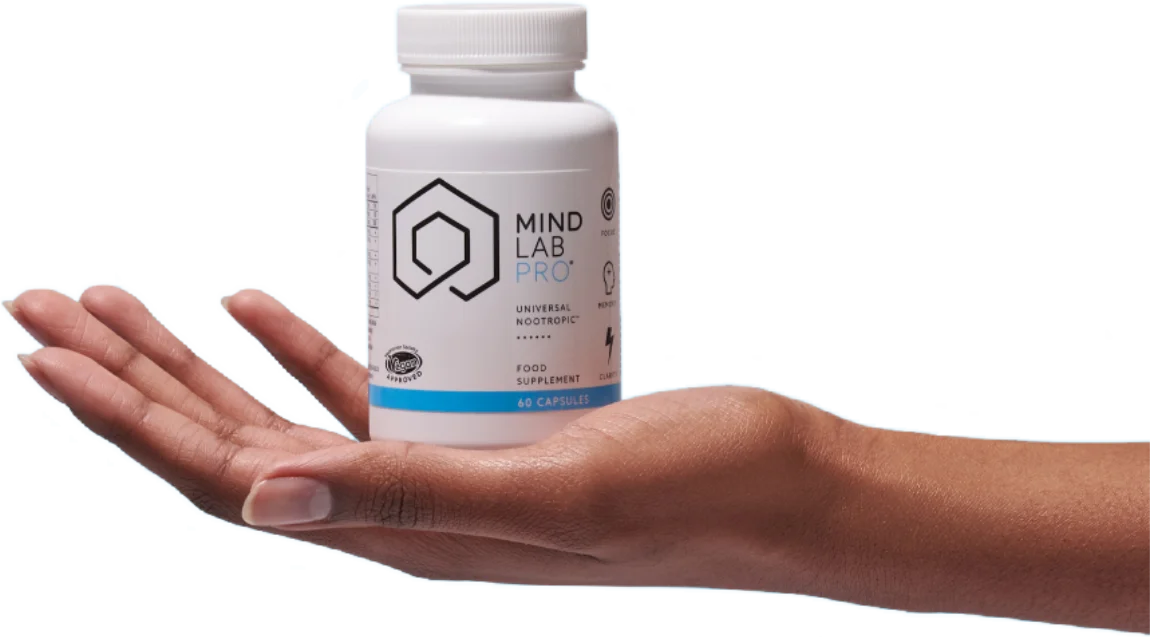
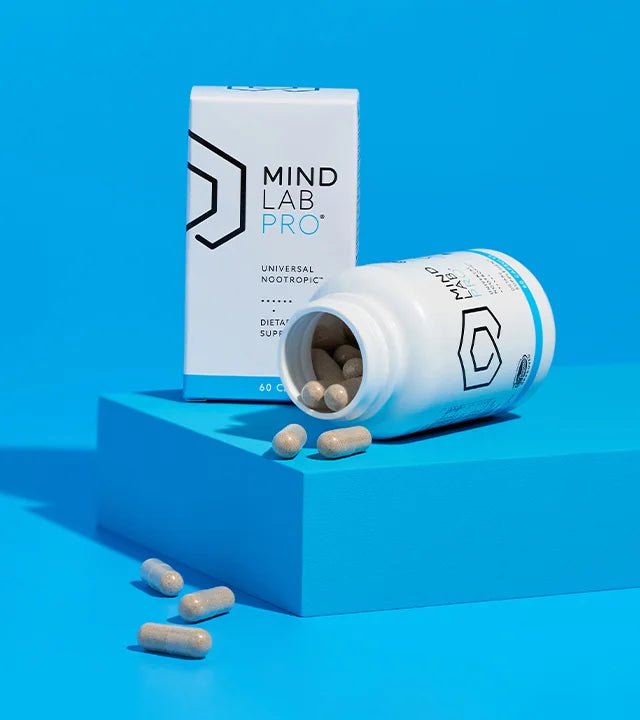
If you like caffeine but hate the downsides (jitters, scattered focus, tension, anxiety, crashes), the missing piece is often non-stimulant cognitive support. Mind Lab Pro® is a stimulant-free nootropic stack that complements caffeine well because it supports calm focus, memory, and resilience without adding more stimulation.
Mind Lab Pro® Ingredients (per serving): Citicoline (as Cognizin®) 250mg, Phosphatidylserine (from sunflower lecithin) 100mg, Bacopa monnieri 150mg (24% bacosides), Organic Lion’s Mane Mushroom 500mg (mycelium + fruit), Maritime Pine Bark Extract 75mg (95% proanthocyanidins), N-Acetyl L-Tyrosine 175mg, L-Theanine 100mg, Rhodiola rosea 50mg (3% rosavins, 1% salidrosides), NutriGenesis® Vitamin B6 2.5mg, Vitamin B9 100mcg, Vitamin B12 7.5mcg.(5)
Caffeine provides the “go” signal. Mind Lab Pro® helps you make that “go” signal more usable—supporting clarity, steadier attention, stress resilience, and memory support without turning the stack into a stimulant overload.
Mind Lab Pro® has also been evaluated as a finished formula in multiple double-blind, placebo-controlled human studies (processing speed, memory performance, and EEG network measures).(5)(6)(7)
More research on MLP is currently underway. Read more: Mind Lab Pro® studies
Best Caffeine Pill: Performance Lab® Caffeine 2™

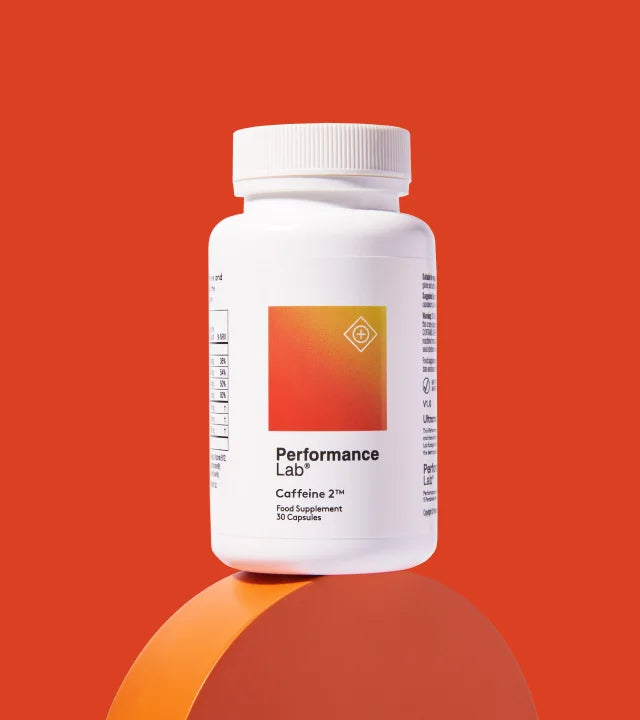
If you want the cleanest “caffeine pill” option (instead of an energy drink), Performance Lab® Caffeine 2™ is built around a smarter strategy: low-dose caffeine plus the classic synergy ingredients that make caffeine feel better—especially L-theanine and L-tyrosine.
Too many caffeine pills supply caffeine, only. The magic in this caffeine pill is its complementary nootropics that help caffeine work even better.
Performance Lab® Caffeine 2™ Ingredients (per serving): Natural Caffeine (from Coffea robusta seeds) 50mg, L-Theanine 100mg, L-Tyrosine 250mg, plus a NutriGenesis® B-Complex (including B2, B6, folate, and B12).(9)
Why it beats most caffeine pills: it’s easier to control (50 mg per cap), easier to stack (you can scale up gradually), and the supporting ingredients are designed to reduce the classic caffeine problems: jitters, tension, and that “wired but scattered” feeling. For anyone comparing caffeine pills vs energy drinks, this is the cleaner, more predictable “pill route.”
Performance Lab® Caffeine 2
Smooth energy. Clarity. Focus. No jitters. No burnout. No crash.
Shop Now
Best Pre-Workout (Instead of an Energy Drink): Performance Lab® Pre Lab Pro®

If your “energy drink” use is really about gym performance—focus, intensity, endurance, and that locked-in training mindset—Pre Lab Pro® is the cleaner, more purpose-built alternative. Instead of blasting you with caffeine megadoses (and the jitter/crash that often follows), it uses a moderate stimulant dose and stacks it with nootropics for working out, plus a strong nitric-oxide support core for blood flow and training output.
Leading all pre-workout supplements: Unlike mega-stim pre-worokouts and additive-laden energy drinks, Pre Lab Pro® is transparent dosing, moderate caffeine, and a formula designed for performance without derailing the rest of your day.
Pre Lab Pro® Ingredients (per serving): Natural Caffeine (from Coffea robusta seeds) 80mg, L-Theanine (from Green Tea) 160mg, L-Tyrosine 400mg, Setria® for Sport [L-Citrulline, L-Glutathione (Setria®)] 2200mg, Red Beet Powder (Beta Vulgaris L – root) 1500mg, Himalayan Pink Salt 500mg.(10)
Key Takeaway: you get the “go” signal from caffeine, the smoother focus profile from the caffeine + L-theanine pairing, and added intensity support from tyrosine—while the citrulline + beet stack supports circulation and endurance. If you’re comparing pills vs drinks because you want cleaner energy, this is the “train hard, stay functional” option.

Summary
Caffeine pills usually win on precision, cleanliness, and consistency. Energy drinks win on convenience, but they’re easier to overdo and come with more variables — especially since many energy drinks range from 54–328 mg caffeine per 16 oz.(2) If you want the best of both worlds, use caffeine intentionally: pick a dose you tolerate, stop early enough to protect sleep, and consider smoothing stacks like caffeine + L-theanine.(3)
For a smarter routine, pair caffeine with a non-stimulant cognitive stack like Mind Lab Pro® (to make caffeine feel cleaner and more usable), and use a low-dose, well-designed caffeine capsule like Performance Lab® Caffeine 2™ when you want the convenience of a caffeine pill without the chaos of an energy drink.
References
- International Food Information Council. (2024). IFIC Spotlight Survey: Caffeine. Link
- U.S. Food and Drug Administration. (2024). Spilling the beans: How much caffeine is too much? FDA Consumer Updates. Link
- Haskell, C. F., Kennedy, D. O., Milne, A. L., Wesnes, K. A., & Scholey, A. B. (2008). The effects of L-theanine, caffeine and their combination on cognition and mood. Biological Psychology, 77(2), 113–122. Link
- Owen, G. N., Parnell, H., De Bruin, E. A., & Rycroft, J. A. (2008). The combined effects of L-theanine and caffeine on cognitive performance and mood. Nutritional Neuroscience, 11(4), 193–198. Link
- Utley, A., Gonzalez, Y., & Imboden, C. A. (2023). The efficacy of a nootropic supplement on information processing in adults: A double blind, placebo controlled study. Biomed J Sci & Tech Res, 49(1). Link
- Abbott-Imboden, C., Gonzalez, Y., & Utley, A. (2023). Efficacy of the nootropic supplement Mind Lab Pro on memory in adults: Double blind, placebo-controlled study. Human Psychopharmacology: Clinical and Experimental, e2872. Link
- O’Reilly, D., Bolam, J., Delis, I., & Utley, A. (2025). Effect of a plant-based nootropic supplement on perceptual decision-making and brain network interdependencies: A randomised, double-blinded, and placebo-controlled study. Brain Sciences, 15(3), 226. Link
*These statements have not been evaluated by the Food and Drug Administration. This product is not intended to diagnose, treat, cure, or prevent any disease.