

Can you take Lion’s Mane before bed—and will it help sleep, disrupt sleep, or simply support the brain overnight? This guide answers the real intent behind the question: when nighttime dosing makes sense, when morning is a better fit, and how to decide based on your personal response. You’ll learn how Lion’s Mane tends to feel for different people (calming vs. alerting), what to consider if you’re sensitive to supplements, and simple timing strategies to get the benefits without sacrificing sleep quality.
Yes, and there are many reasons you should take Lion’s Mane before bed if you want to reap the benefits of a natural sleep aid. However, you can also take lion’s mane at other times of the day too.
So, how does lion’s mane work as a sleep aid?
What are the other benefits of lion’s mane?
Where can you find lion’s mane?
Read on to find out!
Key Takeaways
-
Yes, you can take Lion’s Mane before sleep — it may even support relaxation and act as a natural sleep aid, though it's also suitable for daytime use.
-
Supports cognitive and emotional wellness — research suggests benefits for memory, focus, mood, anxiety, and mild cognitive decline.
-
May promote nerve growth factor (NGF) and BDNF activity — these mechanisms help support brain cell regeneration, neuroplasticity, and long-term brain health.
-
Generally, well tolerated — most studies do not report sedation as a side effect, though a small number of users experienced mild issues (e.g. digestive discomfort, nausea, skin rash).
-
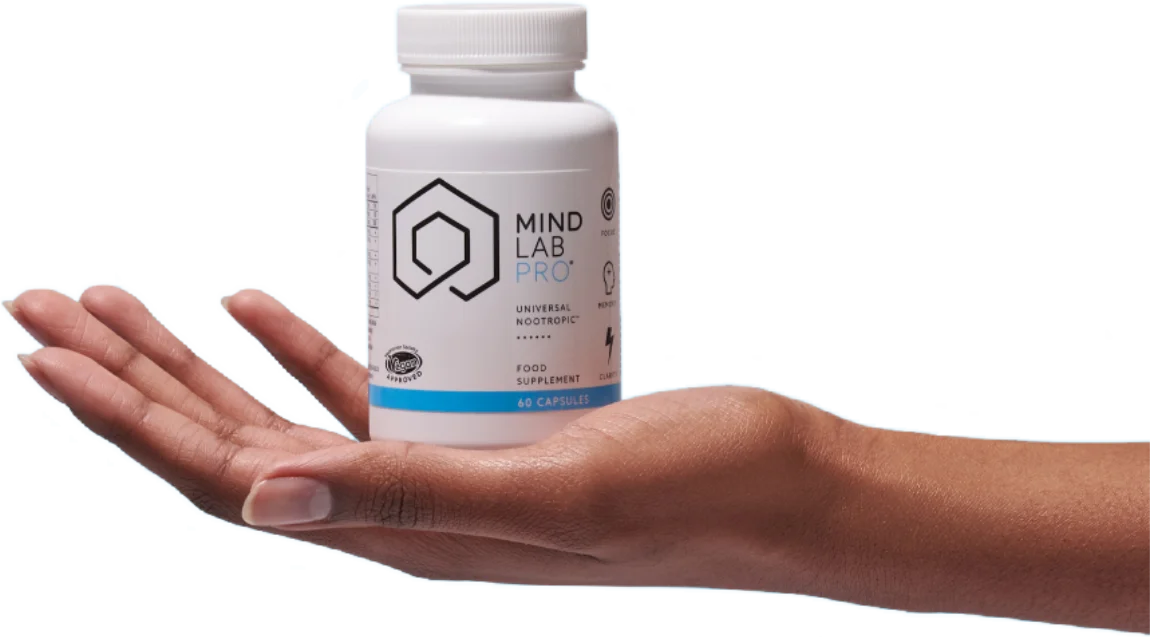
Consider a nootropic stack — if you're seeking cognitive energy along with Lion’s Mane benefits, a premium all-in-one formula (such as Mind Lab Pro) provides energizing support to offset potential drowsiness.
What is Lion’s Mane?
Lion’s Mane, also known as Yamabushitake, is an edible mushroom belonging to the tooth fungus group. Lion’s mane can be identified by its long white spines, resembling an actual lion’s mane!
This extraordinary mushroom is harvested for traditional Chinese medicine and cuisine, as it’s widely known to have beneficial effects on the body thanks to its bioactive compounds. It's not surprising that Lion's Mane Mushroom is commonly used in the most effective nootropic supplements.
Some of the many health benefits include:
- Improving cognitive function
- Anti-inflammatory and antioxidant properties
- Anti-depressant and anxiolytic properties
- Protecting against digestive ulcers
You can consume lion’s mane in raw and cooked form (popularly as a tea or coffee), or as a supplement in powder, capsule, or liquid form. Lion’s mane is actually a popular ingredient in nootropic formulas due to its powerful effects on the brain!
I was skeptical at first, but I can say that I feel sharper and more clear minded than as long as I can remember.John Y
Can You Take Lion’s Mane Before Bed?
Sleep problems are very common nowadays, and it’s no surprise seeing as screen time, caffeine consumption, and everyday stress are all on the rise! We have all suffered an evening of restlessness and poor sleep, which is normal to experience from time to time.
However, longer stretches of poor sleep can have negative effects on our everyday life and health such as:
- Feeling fatigued
- Experiencing brain fog
- Lacking focus and concentration
- Mood swings
- Increased risk of chronic diseases
- Shortening our life expectancy
As new research on lion’s mane emerges, it’s becoming evident that it may be a useful sleep aid for many reasons, thus supporting the idea of taking lion’s mane before bed.
Support calm, clear days—and restful nights
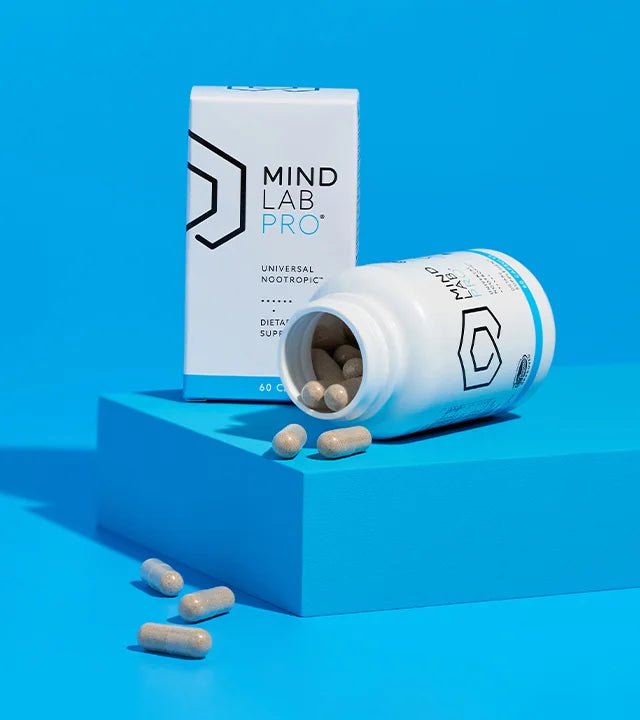
Mind Lab Pro® delivers 500 mg Lion’s Mane per serving in a clean, non-stim stack that’s caffeine-free.
Lion’s Mane Before Bed: An Effective Adaptogen

Mushrooms are known to have adaptogenic properties, particularly lion’s mane - the all-natural brain booster! Adaptogens are substances that work to counteract the effects of stress in the body.
As we know, stress can have many physical effects on your body, including harming your immune and endocrine systems1, which can often have a knock-on effect on our sleep quality.
Lion’s mane adaptogenic properties can help offset these physical changes, alongside easing symptoms of mild anxiety and depression2, and regulating our neuroendocrine systems.
Due to these positive effects, consuming lion’s mane may be a great addition to your pre-bedtime routine, particularly if stress and anxiety is hindering your sleep!
Supporting Nerve Growth Factor (NGF)
You'll find active nootropics called hericenones and erinacines in lion's mane, which stimulates the synthesis of nerve growth factor (NGF). In turn, this promotes overall brain health.3
NGF is part of the family of neurotrophins, which are responsible for the growth, survival, and developmental plasticity of target neurons.4
It’s been shown that NGF is involved in the modulation of naturally-occurring sleep and wakefulness 5, indicating that lion’s mane may help us dial in our sleep-wake cycle!
Combatting Delayed Sleep Phase Syndrome
Those who suffer with delayed sleep phase syndrome (DSPS) may find themselves falling asleep unusually late and experiencing difficulties with waking up the following morning due to poor signaling from their internal clock.
One study has noted that lion’s mane may serve as a functional food in the prevention and treatment of delayed sleep phase syndrome by advancing the sleep-wake cycle.6
Does Lion’s Mane Have Any Side Effects?
There have been no major side effects of lion’s mane reported, however it’s best to avoid it if you have an allergy to mushrooms. As always, we recommend consulting your doctor before taking any new supplement!
Try Mind Lab Pro® for Balanced Sleep and Daytime Focus
Mind Lab Pro® features 500 mg of organic, full‑spectrum Lion’s Mane (mycelium + fruiting body) in each serving, delivering active compounds like hericenones and erinacines for both deep sleep support and daytime cognitive performance.
It’s also caffeine‑free, stimulant‑free, and backed by multiple clinical studies showing improved memory, recall, and mental clarity.
Plus, Mind Lab Pro® is the only nootropic formula with independent human trial data showing measurable improvements in memory, recall, and information processing.
How to Try It
-
Take 2 NutriCaps® (~500 mg Lion's Mane) of Mind Lab Pro® in the evening.
-
Observe how it affects your sleep over several nights.
-
For daytime cognitive focus, shift to morning or afternoon use as needed.
Frequently Asked Questions
Does Lion’s Mane help with sleep?
For many people, Lion’s Mane can support better sleep indirectly by helping the body handle stress and by supporting emotional balance. If your sleep tends to suffer when you are anxious, mentally overactive, or run down, Lion’s Mane may help you wind down more easily and feel more restored. That said, the experience is personal, some people find it calming at night, while others prefer it earlier in the day.
When should I take Lion’s Mane for sleep, and how long before bed?
A simple starting point is to take Lion’s Mane in the evening as part of your pre-bed routine and keep the timing consistent for several nights so you can judge your response. If you want a clearer read, take it at the same time each night for a week, then adjust earlier if it feels too activating or closer to bedtime if it feels relaxing. If you are using a formula that includes Lion’s Mane, follow the product’s serving guidance, for example Mind Lab Pro includes 500 mg Lion’s Mane per serving and is designed to be caffeine-free for flexible timing. Learn more about the formula here: Mind Lab Pro.
Does Lion’s Mane keep you awake at night?
It can for some people, especially if you are sensitive to supplements or if Lion’s Mane feels more alerting than calming in your body. If you notice restlessness, a racing mind, or lighter sleep after nighttime use, move your dose to morning or early afternoon. If nighttime dosing feels calming and does not affect sleep quality, it can be a good fit for your routine.
Does Lion’s Mane make you sleepy?
Some people feel a gentle calming or wind-down effect from Lion’s Mane, which can make it feel like a natural sleep aid. Others do not feel sleepy at all and simply notice steadier mood or clearer thinking. If you feel drowsy, consider taking it only in the evening, or choose a balanced, non-stim nootropic stack if you want cognitive support without feeling weighed down. For a broader look at effective nootropic options, see the most effective nootropic supplements.
Can Lion’s Mane cause insomnia?
Most people tolerate Lion’s Mane well, but a small group of users may find it disrupts sleep, usually because it feels mentally energizing rather than relaxing. If you suspect it is affecting sleep, stop nighttime use and switch to daytime dosing. If you are combining Lion’s Mane with caffeine, pre-workouts, or other stimulating ingredients, simplify your stack first so you can identify what is really driving the insomnia-like effect.
How much Lion’s Mane should I take before bed?
The best dose depends on the product form and your sensitivity. A practical approach is to start with the lowest suggested serving on your label for a few nights, then adjust slowly based on how you sleep and feel the next day. In this article’s example protocol, Mind Lab Pro provides 500 mg Lion’s Mane per serving and suggests trying an evening serving for several nights, then shifting earlier if you prefer it for daytime focus. You can see the serving details here: Mind Lab Pro.
Is it OK to take Lion’s Mane at night every day?
Many people take Lion’s Mane daily and do well with it, including at night, as long as it supports their sleep instead of disrupting it. The key is consistency and self-testing: keep your dose and timing stable for a week, monitor sleep quality and next-day energy, and adjust only one variable at a time. If you have a medical condition, take prescription medications, or have a mushroom allergy, check with a clinician before adding it to your nightly routine.
Is Lion’s Mane good for anxiety-related sleep issues?
It may help, especially when stress and anxious feelings are the main reason you cannot fall asleep or stay asleep. Lion’s Mane is discussed here as an adaptogen-like mushroom that can support stress resilience and emotional wellness, which can make bedtime feel easier for some people. If anxiety is severe, persistent, or worsening, it is smart to treat Lion’s Mane as supportive, not as a replacement for professional care.
FINAL THOUGHTS
It appears the benefits of lion’s mane aren’t unique to our waking life! The advantages of taking lion’s mane before bed are becoming increasingly apparent, so we definitely recommend trying it out for yourself if you’re looking for an aid to help you wind down and get a better night’s sleep!
References
- Panossian A, Wikman G. Effects of Adaptogens on the Central Nervous System and the Molecular Mechanisms Associated with Their Stress-Protective Activity. Pharmaceuticals (Basel). 2010;3(1):188-224. Published 2010 Jan 19. doi:10.3390/ph3010188
- https://examine.com/supplements/lionsmane/
- Aloe L, Rocco ML, Balzamino BO, Micera A. Nerve Growth Factor: A Focus on Neuroscience and Therapy. Curr Neuropharmacol. 2015;13(3):294-303.
- Ramos OV, Torterolo P, Lim V, Chase MH, Sampogna S, Yamuy J. The role of mesopontine NGF in sleep and wakefulness. Brain Res. 2011;1413:9-23.
- Furuta S, Kuwahara R, Hiraki E, Ohnuki K, Yasuo S, Shimizu K. Hericium erinaceus extracts alter behavioral rhythm in mice. Biomed Res. 2016;37(4):227-32.