According to a 2024 report from the Centers for Disease Control and Prevention, approximately half of U.S. adults with a current ADHD diagnosis first received that diagnosis at age 18 or older, highlighting how often attention problems continue—or are only first identified—well into adulthood.
With attention deficit hyperactivity disorder affecting so many adults, it is not surprising that people are exploring natural ways to support focus, mental energy and everyday cognitive performance.
That brings us to Rhodiola rosea for ADHD. This legendary adaptogenic herb is best known for helping the mind and body perform under stress. It has also been studied for mental fatigue, concentration, processing speed and work capacity—all functions that can become more difficult for people with attention problems.
While Rhodiola rosea has not been shown to treat ADHD, it still may help people who struggle with attention. Its possible value is more indirect: supporting clearer thinking, mental stamina and stress-regulated attention when pressure or fatigue would normally drag cognitive performance down. This guide explains the evidence, limitations, safety and practical considerations. Let’s get to it.
Key Takeaways
- Rhodiola is an adaptogenic herb traditionally used to increase resilience to physical and mental stress.
- Rhodiola rosea has not been clinically established as an ADHD treatment and should not replace prescribed medication or professional care.
- Its main ADHD-adjacent strengths are support for mental energy, fatigue resistance, concentration and cognitive performance under pressure.
- Human studies have linked standardized Rhodiola extracts with improvements in fatigue-related mental performance, including concentration and speed of perception.
- Quality extracts typically identify Rhodiola rosea and standardize the root for rosavins and salidroside.
- Mind Lab Pro includes Rhodiola alongside ten complementary nootropics for broader support of focus, memory, mental energy and stress resilience.
Disclaimer
This article is for educational purposes only and is not medical advice. ADHD is a medical condition that should be evaluated and managed by qualified healthcare professionals. Any ADHD management protocol must be designed and supervised by a doctor. If your symptoms are interfering with daily functioning, seek immediate treatment from your doctor. Rhodiola rosea and other dietary supplements are not intended to diagnose, treat, cure or prevent ADHD or any disease. Consult your healthcare provider before taking Rhodiola if you use ADHD medication, antidepressants, stimulants or other prescriptions; have emotional dysregulation, bipolar disorder or another psychiatric condition or other mental disorders; have kidney or liver disease, blood pressure or blood sugar concerns; current substance use disorder; unstable chronic illness; significant neurological disease or are pregnant or breastfeeding.
What Is ADHD?

In adults, ADHD often shows up as difficulty sustaining attention, organizing tasks, following through, managing time, regulating impulses and staying emotionally steady under pressure.
These challenges are not simply a lack of discipline or effort. ADHD affects brain systems that help regulate attention, motivation, vigilance and executive function, including dopamine and norepinephrine signaling.
Evidence-based ADHD support may include prescribed medication, behavioral therapy, coaching, sleep support, exercise and nutrition. Nootropics and supplements may sometimes be explored as complementary support, but they are not substitutes for proper diagnosis or treatment.
According to the Diagnostic and Statistical Manual (DSM) used in psychiatry: ADHD is a neurodevelopmental disorder marked by a persistent pattern of inattention and/or hyperactivity-impulsivity that interferes with functioning or development. Symptoms must be persistent, impairing, present in more than one setting, and not better explained by another disorder.
For a more in-depth discussion, check out our guide to nootropics for ADHD.
What Is Rhodiola Rosea?
Rhodiola rosea is a perennial flowering plant that grows naturally in cold, mountainous regions of Europe, Asia and parts of North America. It is also known as golden root, rose root, roseroot, Arctic root and Siberian golden root.
The valuable part of the plant is hidden underground. Rhodiola’s thick golden-colored root contains active compounds including rosavins, rosarin, rosin, salidroside and tyrosol.
Rhodiola has a long history as a medicinal herb. Communities in Russia, Scandinavia and other northern regions used the root to increase endurance, resist fatigue and remain productive in harsh climates. Historical accounts also describe its use among soldiers, laborers, athletes and people performing under demanding physical or mental conditions.
Rhodiola is now classified as an adaptogen: an herb used to strengthen the body’s capacity to adapt to physical, psychological and environmental stress.
Check out our full list of adaptogen herbs.
Did you know? Rhodiola rosea was traditionally used by workers in Russia and Scandinavia to sustain energy and productivity through long days in cold, demanding environments.
For a complete overview of the herb, see this guide to Rhodiola rosea benefits, side effects and supplementation.
Why Is Rhodiola Rosea a Legendary Nootropic?

Rhodiola is a versatile, performance-driven nootropic. Its reputation comes from helping people maintain sharp thinking and energized physical performance in the face of stress, fatigue, sleep loss or demanding workloads.
That makes Rhodiola intriguing for students, professionals, athletes, shift workers and anyone who needs sustained cognitive performance under pressure.
Rhodiola is not a typical stimulant. It does not work exactly like caffeine or prescribed ADHD medication. Instead, it is believed to help balance stress responses while supporting brain chemicals and energy pathways involved in cognition.
These are useful cognitive benefits, but they should not be confused with proven ADHD symptom reduction.
How Rhodiola Rosea May Support the Brain
Rhodiola appears to affect several biological systems that are relevant to stress resistance, mental energy and cognitive performance.
Stress-Response Support
Stress can disrupt attention, working memory and decision-making. Rhodiola is believed to influence both short-term and long-term stress-response systems. Part of this mechanism involves blunting stress hormones like cortisol.
By helping the body adapt to stress, Rhodiola may reduce the brain fog associated with pressure, mental overload and fatigue. This is one reason its effects may be most noticeable during demanding conditions rather than during ordinary, low-stress days.
Discover top nootropics for stress and burnout.
Neurotransmitter Support
Rhodiola has been studied for possible effects on neurotransmitters like dopamine, norepinephrine and serotonin. These brain chemicals influence attention, motivation, processing speed, mood and memory.
Because dopamine and norepinephrine are also central to ADHD, this possible neurotransmitter function effect seems relevant. But it does not come close to definitive clinical evidence that Rhodiola improves ADHD.
Mental Energy and Fatigue Resistance
Rhodiola’s strongest cognitive evidence may relate to mental performance during fatigue. Stress and poor sleep can slow reaction times, reduce concentration and make attention more difficult to sustain.
Studies have investigated Rhodiola among night-shift physicians, students during examinations and other people under intense cognitive strain. The findings suggest that standardized extracts may help preserve mental work capacity when fatigue would otherwise diminish it.
Read more about nootropics for mental energy.
Antioxidant and Neuroprotective Activity
Rhodiola and its active constituents also show beneficial antioxidant properties and inflammation-modulating activity in preclinical research. These effects may help support brain cells against stress-related damage and contribute to long-term brain health.
Most of this neuroprotective evidence comes from laboratory and animal research, so it should not be interpreted as proof of clinical benefits for helping with ADHD or neurological disease.
Can Rhodiola Rosea Help ADHD?
There is not enough direct evidence to say that Rhodiola rosea helps ADHD. It has not been established as an effective aid for inattention, hyperactivity or impulsivity in adults or children with ADHD.
However, Rhodiola may offer indirect support for some attention-adjacent functions, especially when stress or mental fatigue makes concentration more difficult.
Its most plausible areas of relevance include:
Its most relevant nootropic potential benefits include:
- Reducing feelings of mental and physical fatigue
- Supporting alertness during demanding tasks
- Maintaining concentration under stress
- Supporting processing speed and mental work capacity
- Promoting clear thinking under pressure
-
Supporting mood and motivation during periods of strain
- Calming effects in the face of adversity
Anyone who has struggled with attention issues may recognize the advantages these Rhodiola benefits may confer. Rhodiola research does not establish an ADHD benefit, although its effects may indirectly help to manage ADHD symptoms.
Rhodiola Research That May Be Relevant to Attention
Rhodiola has been the subject of many randomized controlled trials. The studies below are relevant because they examine mental fatigue, concentration, cognitive processing and performance under stress.
Rhodiola and Mental Performance During Night Duty
In a double-blind crossover study, 56 healthy physicians working night shifts received a standardized Rhodiola rosea extract or placebo. Researchers measured cognitive functions affected by fatigue, including concentration, short-term memory, calculation and speed of audiovisual perception.
The Rhodiola group showed significant improvements on a fatigue-related mental-performance index during the supplementation period. The researchers reported that the extract may reduce fatigue under stressful conditions without significant side effects.(1)
What it may mean for ADHD: This study did not involve people with ADHD. It suggests that Rhodiola may help maintain cognitive performance when fatigue and stress impair concentration.
Rhodiola and Mental Work Capacity
In a randomized trial, researchers compared two doses of standardized Rhodiola rosea extract with placebo and control group with no supplements at all. Participants completed tests of mental work capacity after a single dose.
Both Rhodiola doses improved a fatigue-related performance index, and the lower dose performed at least as well as the higher dose. The findings seem to support the traditional view that Rhodiola may improve mental performance under demanding conditions.(2)
What it may mean for ADHD: The study supports mental-energy and performance benefits, but it does not show that Rhodiola reduces core ADHD symptoms.
Rhodiola During Examination Stress
A double-blind, placebo-controlled pilot study examined standardized Rhodiola extract in students experiencing fatigue during an examination period. Compared with placebo, the Rhodiola group showed improvements in mental fatigue, physical fitness, psychomotor performance and general well-being.(3)
What it may mean for ADHD: Examination stress can worsen distraction and mental exhaustion. Rhodiola may help protect performance during these temporary stressors, although this cannot be generalized to ADHD treatment.
Read more about nootropics for exams.
Rhodiola, Stress and Cognitive Performance
A clinical review of Rhodiola research concluded that the herb may help reduce stress-related fatigue and support cognitive performance, particularly in people exposed to demanding mental or physical conditions. Studies commonly used standardized extracts in ranges of approximately 200 to 600 mg daily.(4)
What it may mean for ADHD: The evidence fits an indirect role: helping the brain function more effectively under stress rather than directly correcting ADHD neurobiology.
For more ways to support cognitive attention, see this guide to nootropics for attention and focus.
Rhodiola Rosea Dosage

There is no established Rhodiola dosage for ADHD because it has not been clinically validated for that purpose. Human studies of mental fatigue and cognitive performance have commonly used standardized extracts in the range of 100 to 600 mg per day. Examples from research include:
- Low repeated doses during stressful night-shift work
- Single doses of standardized extract for mental work capacity
- Repeated low-dose supplementation during examinations
- Approximately 200–600 mg daily dose in broader stress and fatigue research
Note: Dosage cannot be evaluated by milligrams alone. A smaller amount of a concentrated extract may supply more active compounds than a larger amount of unstandardized root powder. Standardized extracts provide more precise levels of Rhodiola's key active compounds, especially rosavins and salidrosides.
How to Choose a Good Rhodiola Rosea Supplement
The quality of Rhodiola supplements can vary significantly. Look for Rhodiola rosea; there are other species, but rosea is the one you want. Standardized is best: A commonly used quality benchmark is standardization to approximately 3% rosavins and 1% salidroside. This reflects the naturally occurring ratio associated with Rhodiola rosea and many standardized research extracts.
Frequently Asked Questions
Does Rhodiola rosea help ADHD?
Rhodiola has not been proven to treat ADHD or reduce its core symptoms. Its research suggests possible support for mental fatigue, stress resilience, concentration and cognitive performance under pressure, which may be indirectly relevant to attention.
Can Rhodiola replace ADHD medication?
No. Rhodiola should not replace prescribed medication, behavioral therapy or professional ADHD care. Talk with your healthcare provider before adding it to an existing treatment plan.
Is Rhodiola a stimulant?
Rhodiola is an adaptogen, not a conventional stimulant. Some people experience an energizing or activating effect, but it does not work in the same way as caffeine or stimulant medication.
Can Rhodiola be taken with ADHD medication?
There is not enough information to assume that every combination is safe. Consult the healthcare professional who manages your medication before combining Rhodiola with stimulants, atomoxetine, antidepressants or other psychoactive drugs.
What time of day should Rhodiola be taken?
Rhodiola is commonly taken in the morning or earlier in the day because it may increase alertness. Taking it close to bedtime may interfere with sleep in sensitive users.
How long does Rhodiola take to work?
Some research has examined acute effects after a single dose, while other studies used repeated supplementation over several days or weeks. Response time depends on the extract, dose, individual and intended benefit.
What should a quality Rhodiola extract contain?
Look for Rhodiola rosea root extract with transparent dosing and standardization. A common benchmark is at least 3% rosavins and 1% salidroside.
Mind Lab Pro®: Rhodiola as Part of a Broader Attention Strategy

Rhodiola rosea has not been shown to help ADHD directly. Its value is more likely to come from supporting mental energy, stress resilience and cognitive performance when fatigue or pressure makes attention more difficult.
But attention depends on more than stress resistance. It also involves brain energy production, neurotransmitter production, working memory, cerebral circulation, calm concentration and healthy brain-cell communication. This is where a multi-ingredient stack may offer broader support than Rhodiola alone.
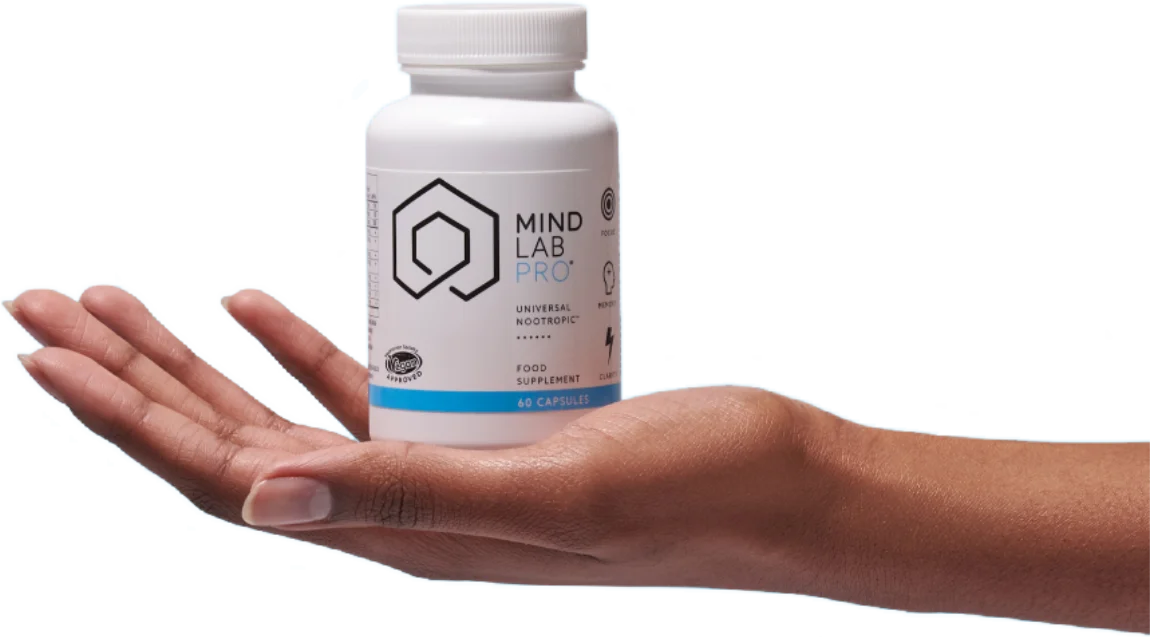
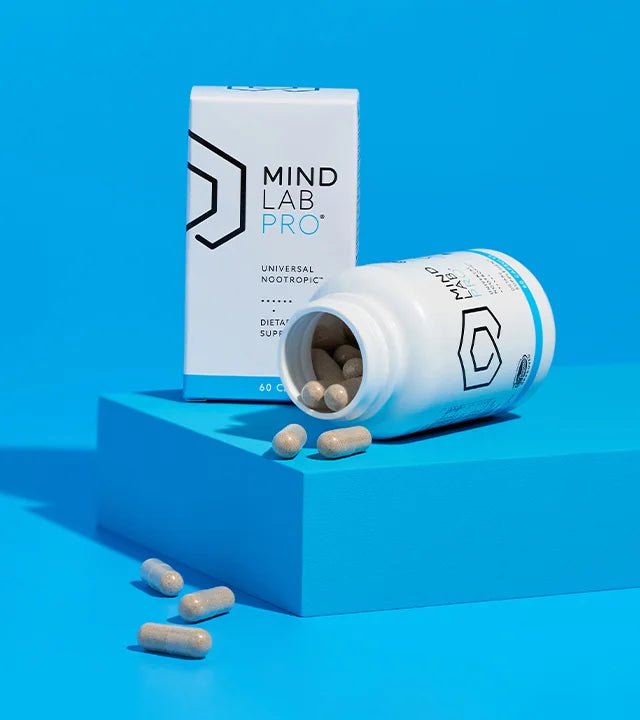
Mind Lab Pro® is a caffeine-free, vegan-friendly nootropic formula that combines Rhodiola rosea with ten complementary nootropics for whole-brain performance and overall brain health.
Mind Lab Pro includes:
- Citicoline — 250 mg
- Phosphatidylserine — 100 mg from sunflower lecithin
- Bacopa Monnieri — 150 mg full-spectrum extract standardized to 24% bacosides with nine bioactives
- Organic Lion’s Mane Mushroom — 500 mg from fruit and mycelium
- Rhodiola Rosea — 50 mg standardized to 3% rosavins and 1% salidroside
- N-Acetyl L-Tyrosine — 175 mg
- L-Theanine — 100 mg
- Maritime Pine Bark Extract — 75 mg standardized to 95% proanthocyanidins
- NutriGenesis® Vitamin B6 — 2.5 mg
- NutriGenesis® Vitamin B9 — 100 mcg
- NutriGenesis® Vitamin B12 — 7.5 mcg
Rhodiola contributes stress-regulated mental energy. Citicoline supports brain energy, attention and cell-membrane health. N-Acetyl L-Tyrosine supplies a precursor for cognition-critical catecholamines. L-Theanine supports calm focus, while Phosphatidylserine and Bacopa support memory and brain-cell communication.
The formula is not an ADHD treatment. It is designed to support cognitive functions that overlap with attention-related goals, including focus, processing speed, working memory, mental clarity and performance under pressure.
Mind Lab Pro Research: Information Processing
In a double-blind, placebo-controlled study, adults took Mind Lab Pro or placebo for 30 days and completed tests of simple reaction time, choice reaction time and anticipation. The Mind Lab Pro group showed significant improvements in these information-processing measures, suggesting potential support for processing speed, quick decision-making and mental agility.(5)
Mind Lab Pro Research: Memory
In a second double-blind, placebo-controlled study, healthy adults took Mind Lab Pro for four weeks. Researchers reported improvements across all memory areas assessed with the Wechsler Memory Scale, including auditory memory, visual memory, visual working memory, immediate recall and delayed recall.(6)
Mind Lab Pro Research: Brain-Network Communication
A third human study used EEG brain mapping to investigate neural activity during perceptual decision-making. Researchers reported enhanced communication and coordination between brain regions after Mind Lab Pro supplementation, suggesting a possible neural basis for broader cognitive-performance effects.(7)
Read more on MLP research studies.
Summary: Should You Take Rhodiola Rosea for ADHD?
Although it has a long history in herbal medicine, Rhodiola rosea has not been shown to be an effective treatment for ADHD, reduce hyperactivity or replace prescribed ADHD medication. Direct ADHD-specific clinical evidence is lacking. Proper treatment for ADHD must be administered by a healthcare professional.
What Rhodiola does have is a long history as an adaptogen and human research suggesting support for mental performance during stress and fatigue. Studies have shown promise for improving focus, concentration, speed of perception, mental work capacity and fatigue-related cognitive performance. This may translate into support to help manage symptoms related to attention.
Rhodiola is potentially useful as indirect support for attention-adjacent functions. Especially when mental fatigue, pressure or stress makes it harder to focus. It should still be approached as a cognitive-support herb, not an ADHD solution.
Anyone with ADHD, psychiatric concerns or prescription medication use should discuss Rhodiola with a qualified healthcare professional before taking it. And remember lifestyle changes as well; regular exercise and balanced diet can help overall well being, including cognitive functions like attention.
References
- Darbinyan, V., Kteyan, A., Panossian, A., Gabrielian, E., Wikman, G., & Wagner, H. (2000). Rhodiola rosea in stress induced fatigue—a double blind cross-over study of a standardized extract SHR-5 with a repeated low-dose regimen on the mental performance of healthy physicians during night duty. Phytomedicine, 7(5), 365–371. Link
- Shevtsov, V. A., Zholus, B. I., Shervarly, V. I., Vol’skij, V. B., Korovin, Y. P., Khristich, M. P., Roslyakova, N. A., & Wikman, G. (2003). A randomized trial of two different doses of a SHR-5 Rhodiola rosea extract versus placebo and control of capacity for mental work. Phytomedicine, 10(2–3), 95–105. Link
- Spasov, A. A., Wikman, G. K., Mandrikov, V. B., Mironova, I. A., & Neumoin, V. V. (2000). A double-blind, placebo-controlled pilot study of the stimulating and adaptogenic effect of Rhodiola rosea SHR-5 extract on the fatigue of students caused by stress during an examination period. Phytomedicine, 7(2), 85–89. Link
- Anghelescu, I. G., Edwards, D., Seifritz, E., & Kasper, S. (2018). Stress management and the role of Rhodiola rosea: A review. International Journal of Psychiatry in Clinical Practice, 22(4), 242–252. Link
- Utley, A., Gonzalez, Y., & Imboden, C. A. (2023). The efficacy of a nootropic supplement on information processing in adults: A double blind, placebo controlled study. Biomedical Journal of Scientific & Technical Research, 49(1). Link
- Abbott-Imboden, C., Gonzalez, Y., & Utley, A. (2023). Efficacy of the nootropic supplement Mind Lab Pro on memory in adults: Double blind, placebo-controlled study. Human Psychopharmacology: Clinical and Experimental, e2872. Link
- O’Reilly, D., Bolam, J., Delis, I., & Utley, A. (2025). Neural mechanisms of cognitive enhancement with a nootropic supplement. Brain Sciences, 15(3), 226. Link