

Working memory is the brain’s “mental workspace”—the system that lets you hold information in mind and use it in real time (for example, keeping track of steps while cooking, doing mental math, or following a conversation while planning what to say next).(1)
When this system is weak, life can feel harder than it should: you lose your train of thought, forget what you were about to do, and struggle to keep multiple pieces of information “online” long enough to complete a task.
Working memory deficits are linked to certain cognitive health concerns. For example, research suggests that in younger populations with attention issues, roughly two-thirds show impairment in at least one central-executive working memory domain.(2) Even if you don’t have attention problems, the same “working memory struggle” pattern can show up with stress, poor sleep, depression, anxiety, burnout, medication side effects, or simply cognitive overload.
If you clicked this practical guide, you’re probably trying to answer a practical question: “Is what I’m experiencing a working memory deficit—and what can I do about it?” Below, you’ll learn what working memory deficits feel like, what causes them, how they affect daily life, and lifestyle strategies that can noticeably improve working memory performance over time. Let's get to it!
Key Takeaways
- Working memory is your brain’s real-time “scratchpad” for holding and using information; deficits often feel like losing your place mid-task or forgetting steps as you go.
- Common drivers include sleep deprivation, chronic stress, depression/anxiety, attention issues, overload/multitasking.
- Working memory deficits show up most in daily life as distraction, errors, slow task completion, and mental fatigue—not necessarily “forgetting old memories.”
- The highest-impact lifestyle fixes include sleep, exercise, stress reduction, single-tasking, and external systems (notes, checklists, reminders).
- Nootropic supplements including L-Theanine, Caffeine, Citicoline and others have shown potential in research for helping to improve working memory.
- Working memory can improve with targeted practice and better conditions—but if symptoms are persistent or worsening, it’s worth discussing with a clinician.
Disclaimer
This article is for educational purposes only and is not medical advice. If you have persistent or worsening memory/thinking problems, new neurological symptoms, or concerns about ADHD, depression/anxiety, sleep disorders, head injury, or medication side effects, consult a qualified healthcare professional. Supplements are not drugs and are not intended to diagnose, treat, cure, or prevent any disease; use supplements only under a doctor’s guidance and tailor choices to your personal health history.
What is a working memory deficit?
Working memory is often described as a system that provides temporary storage and active manipulation of information so you can complete complex tasks—like reasoning, learning, problem-solving, reading comprehension, and decision-making.
A working memory deficit means that this “workspace” has less capacity, less stability, or less control than it should. The result isn’t always forgetfulness; it’s more like your mind can’t reliably hold pieces of information together long enough to execute.
It may help to separate working memory from related concepts:
- Short-term memory is brief holding (seconds) without much manipulation.
- Working memory is brief holding plus using/manipulating (the real-time workspace).
- Long-term memory is when you remember information and store it for later (hours to years).
What does a working memory deficit feel like?

People often describe working memory deficits as “my brain drops things” as it works to process information. Common experiences of poor working memory include:
- Losing your train of thought; putting information together mid-sentence gets challenging.
- Forgetting the next step in tasks with verbal instructions or multi step directions (or even in familiar tasks).
- Reading difficulties, such as reading the same paragraph twice because the meaning doesn’t “hold.”
- Difficulty following fast conversations; having a hard time keeping up in social settings or meetings with lots of moving parts.
- Mental fatigue from tasks that used to feel easy (planning, organizing, switching contexts, ability to solve problems).
- More careless errors—not because you don’t know what to do, but because the details slip.

“Before then I would blank out and just forget. I'd be mid-sentence. Just forgot what I was saying.”
A key emotional marker is frustration: you may know you’re capable, but you can’t consistently access your full performance because your “workspace” keeps collapsing due to weak working memory.
How working memory deficits impact daily life
Understanding working memory reveals the hidden engine behind competence. When it’s weak, the impact shows up in multiple areas:
- Work performance: slower task completion, difficulty juggling priorities, more re-checking and re-reading, trouble staying organized, more mental effort required.
- Relationships: zoning out, losing track of words someone said, forgetting instructions or plans in the moment.
- Health habits: forgetting steps in routines, inconsistent follow-through, difficulty sticking to plans when distractions hit.
- Learning: harder studying, weaker comprehension, and lower retention because attention and working memory are tightly linked.
What causes working memory deficits?
Sleep deprivation and irregular sleep
Sleep loss is one of the fastest ways to weaken working memory. Research reviews consistently show that sleep deprivation causes broad impaired working memory issues, likely because attention control and executive networks become less efficient.(3) If your sleep is short, inconsistent, or fragmented, your working memory often pays the price.
Chronic stress, burnout, and cognitive overload
Working memory is limited even on a great day. Chronic stress and constant context switching consume that limited capacity. When your brain is repeatedly “spending” working memory on worry, pressure, and multitasking, there’s less left for the task in front of you. Read more: Nootropics for Stress
Depression and anxiety
Depression is associated with measurable working memory deficits in research using tasks like the n-back, especially as cognitive load increases.(4) Anxiety can also reduce working memory capacity—often by diverting attentional resources toward threat monitoring, worry, or rumination. Read more: Nootropics for depression
ADHD and executive function differences
Working memory impairment is extremely common in attention issues like ADHD, and many experts view it as a core driver of ADHD-related difficulties (organization, follow-through, distractibility). In one large analysis of working components of working memory, roughly two-thirds of youth with ADHD showed impairment in at least one central-executive working memory domain.(2) Read more: Nootropics for ADHD
Medical factors and medications
Working memory can be affected by thyroid issues, anemia, sleep apnea, chronic inflammation, concussion or traumatic brain injury, and medication side effects (including some antihistamines, sedatives, and certain psychiatric medications). If working memory problems are new, sudden, or progressively worsening, that’s a reason to talk with a clinician. Always talk to your doctor before starting any dietary supplements, including nootropics.
Lifestyle tips that can improve working memory
1) Treat sleep like a cognitive intervention
If you improve only one variable, improve rest. Aim for a consistent sleep window and protect the first 60–90 minutes before bed (lower light, fewer screens, less cognitive arousal). Because sleep deprivation reliably harms working memory, better sleep is often the quickest “working memory upgrade” you can actually sustain.(3) Read more: Top Sleep Supplements
2) Reduce multitasking and build “single-task” blocks
Working memory collapses when you force it to constantly reload. Create short, protected focus blocks (even 20–30 minutes) and do one thing at a time. If you must multitask, batch similar tasks together to reduce context switching.
3) Externalize working memory
This is the most underrated strategy: stop forcing your brain to hold everything. Use checklists, simple notes, templates, and reminders. External tools aren’t “cheating”—they’re compensating for a limited workspace so your brain can do higher-level thinking.
4) Train attention like a muscle
Mindfulness, breath training, and “attention reps” (reading without checking your phone, single-task chores, timed focus sessions) strengthen the control systems that keep working memory stable. Even small daily practice can improve your ability to hold a mental thread without dropping it.
5) Move your body (because cognition is physical)
Regular exercise supports brain blood flow, mood, sleep quality, and stress resilience—indirectly improving working memory by improving the conditions working memory depends on. If you want a simple rule: move daily, and include some intensity a few times per week if your health allows.
6) Simplify inputs: fewer open loops
Working memory deficits get worse when your life is full of “open tabs”: unfinished tasks, unclear priorities, and constant notifications. End each day by writing tomorrow’s top 3 priorities and closing as many open loops as possible. Less mental clutter = more working memory capacity available.
For additional learning-focused strategies, you may find these helpful: Nootropics for learning, Nootropics for exams, and Neuroplasticity and learning.
Nootropics for Working Memory

Nootropics are dietary supplements that help brain health and function. The following nootropics have human evidence suggesting they may support working-memory performance, especially under high cognitive demand or mental fatigue.
- L-Theanine + Caffeine: In a randomized, placebo-controlled crossover study, this classic nootropic stack (250 mg L-theanine + 150 mg caffeine) improved numeric working memory reaction time versus placebo, alongside other cognition/mood benefits.(5)
- L-Theanine (alone): In a double-blind, randomized, placebo-controlled study in middle-aged and older adults, L-theanine supplementation improved working memory outcomes versus placebo.(6)
- Creatine Monohydrate: In a double-blind, placebo-controlled crossover trial in young adult vegetarians, 5 g/day creatine for 6 weeks significantly improved working memory (backward digit span) versus placebo.(7)
- L-Tyrosine: In a controlled study using an N-back task, L-tyrosine was shown to support working-memory “updating” (a core working memory function) compared with placebo.(8)
- Omega-3 (DHA): In a 6-month randomized controlled trial in healthy adults with low dietary DHA, 1.16 g DHA/day improved reaction time on working-memory tasks versus placebo.(9)
- Bacopa monnieri: A meta-analysis of randomized controlled trials found bacopa extract can improve cognition—especially speed of attention, which is closely linked to working memory performance.(10)
- Citicoline (CDP-Choline): In a controlled trial using a citicoline-containing beverage, researchers reported improvements in concentration, working memory, and sustained attention in healthy adults.(11)
If you’re curious about broader memory performance tips, especially when it comes to dietary supplements, check out our overarching guide: Nootropics for memory.
Mind Lab Pro® and Working Memory Deficit

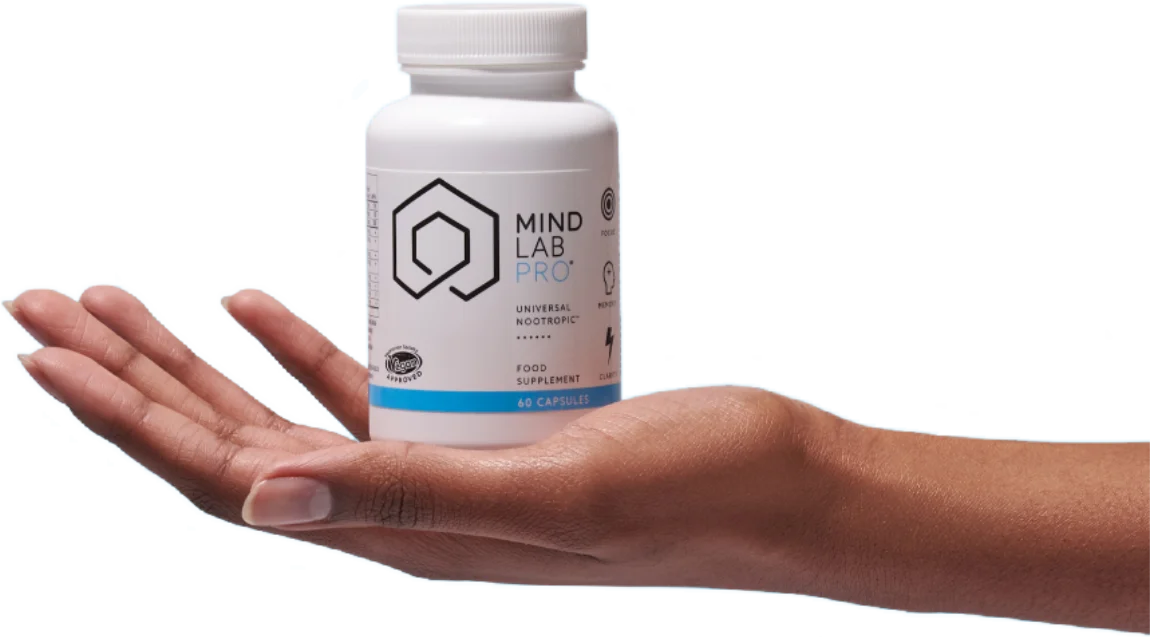
While lifestyle strategies should be your foundation, some people also explore nootropic supplements for cognitive support, including for working memory Mind Lab Pro® is today's top nootropic for overall cognition. Its formula includes several nootropics for working memory we mentioned above:
Mind Lab Pro® Ingredients (per serving): Citicoline (CDP Choline) 250mg, Phosphatidylserine (from sunflower lecithin) 100mg, Bacopa monnieri 150mg (24% bacosides), Organic Lion’s Mane Mushroom 500mg (fruit and mycelium), Maritime Pine Bark Extract 75mg (95% proanthocyanidins), N-Acetyl L-Tyrosine 175mg, L-Theanine 100mg, Rhodiola rosea 50mg (3% rosavins, 1% salidrosides), NutriGenesis® Vitamin B6 2.5mg, Vitamin B9 100mcg, Vitamin B12 7.5mcg.
Mind Lab Pro® is notable because the finished formula (not just individual ingredients) has been studied in multiple placebo-controlled human trials. One of those trials highlighted its potential for helping a working memory deficit.
- Study 1 (processing speed): In a double-blind, placebo-controlled study in healthy adults, 30 days of Mind Lab Pro® was associated with improvements on reaction-time and anticipation measures versus placebo.(12)
- Study 2 (memory, including working memory): In a double-blind, placebo-controlled study over 4 weeks, Mind Lab Pro® was associated with improvements across multiple memory domains on a standardized battery, including visual working memory alongside other memory outcomes.(13) In the context of working memory deficit, this is the most directly relevant Mind Lab Pro study because working memory was explicitly assessed.
- Study 3 (EEG network effects): In a 60-day randomized, double-blind, placebo-controlled study, Mind Lab Pro® did not improve speed/accuracy on the behavioral decision task versus placebo, but was associated with EEG network changes interpreted as increased network coordination/efficiency.(14)
More research studies on Mind Lab Pro® are currently underway.
“It basically took my memories and neatly filed them in the cabinet to my mind. And it was easy for me to access and recall after that.”
FINAL THOUGHTS
A working memory deficit is not a character flaw—it’s a capacity and control problem in the brain’s real-time workspace. It often feels like losing your place, dropping steps, and getting mentally exhausted by tasks that require holding multiple pieces of important information at once. The biggest drivers are usually sleep, stress, mood, ADHD/executive function differences, and overload.
The best improvements often come from unsexy basics: better sleep, less multitasking, external systems (notes/checklists), consistent movement, and attention training. Supplements, especially nootropic cognitive enhancers, may help some people, but they work best when they’re built on top of strong lifestyle foundations.
References
- Baddeley, A. (1992). Working memory. Science, 255(5044), 556–559. Link
- Fosco, W. D., White, C. N., & Hawk, L. W. (2020). Which “working” components of working memory aren’t working in youth with ADHD? Journal of Abnormal Child Psychology, 48(5), 647–660. Link
- Frenda, S. J., & Fenn, K. M. (2016). The effect of sleep deprivation on working memory. Journal of Applied Research in Memory and Cognition, 5(2), 97–103. Link
- Nikolin, S., Tan, E. J., Chong, B., & Loo, C. K. (2021). An investigation of working memory deficits in depression: A meta-analysis of n-back task performance. Journal of Affective Disorders, 284, 396–405. Link
- Haskell, C. F., Kennedy, D. O., Milne, A. L., Wesnes, K. A., & Scholey, A. B. (2008). The effects of L-theanine, caffeine and their combination on cognition and mood. Biological Psychology, 77(2), 113–122. Link
- Baba, Y., Inagaki, S., Nakagawa, S., Kaneko, T., & Takihara, T. (2021). Effects of L-theanine on cognitive function in middle-aged and older subjects: A randomized placebo-controlled study. Nutrients, 13(7), 2367. Link
- Rae, C., Digney, A. L., McEwan, S. R., & Bates, T. C. (2003). Oral creatine monohydrate supplementation improves brain performance: A double-blind, placebo-controlled, cross-over trial. Proceedings of the Royal Society B, 270(1529), 2147–2150. Link
- Colzato, L. S., Jongkees, B. J., Sellaro, R., & Hommel, B. (2013). Working memory reloaded: Tyrosine repletes updating in the N-back task. Frontiers in Behavioral Neuroscience, 7, 200. Link
- Stonehouse, W., Conlon, C. A., Podd, J., Hill, S. R., Minihane, A.-M., Haskell, C., & Kennedy, D. (2013). DHA supplementation improved both memory and reaction time in healthy young adults: A randomized controlled trial. The American Journal of Clinical Nutrition, 97(5), 1134–1143. Link
- Kongkeaw, C., Dilokthornsakul, P., Thanarangsarit, P., Limpeanchob, N., & Scholfield, C. N. (2014). Meta-analysis of randomized controlled trials on cognitive effects of Bacopa monnieri extract. Journal of Ethnopharmacology, 151(1), 528–535. Link
- Bruce, S. E., Werner, K. B., Preston, B. F., Baker, L. M., & Altshuler, J. (2014). Improvements in concentration, working memory and sustained attention following consumption of a natural citicoline-caffeine beverage. International Journal of Food Sciences and Nutrition, 65(8), 1003–1007. Link
- Utley, A., Gonzalez, Y., & Imboden, C. A. (2023). The efficacy of a nootropic supplement on information processing in adults: A double blind, placebo controlled study. Biomed J Sci & Tech Res, 49(1), 40297–40305. Link
- Abbott-Imboden, C., Gonzalez, Y., & Utley, A. (2023). Efficacy of the nootropic supplement Mind Lab Pro on memory in adults: Double blind, placebo-controlled study. Human Psychopharmacology: Clinical and Experimental, e2872. Link
- O’Reilly, D., Bolam, J., Delis, I., & Utley, A. (2025). Effect of a plant-based nootropic supplement on perceptual decision-making and brain network interdependencies: A randomised, double-blinded, and placebo-controlled study. Brain Sciences, 15(3), 226. Link
*These statements have not been evaluated by the Food and Drug Administration. This product is not intended to diagnose, treat, cure, or prevent any disease.