Serotonin boosting herbs are botanicals that may support serotonin-related pathways involved in mood, stress response, sleep, appetite and emotional balance. Serotonin is a chemical messenger that helps nerve cells communicate in the brain and throughout the body.
According to the National Institute of Mental Health, an estimated 21 million U.S. adults had at least one major depressive episode in 2021, representing 8.3% of all U.S. adults. If you’re searching for herbs to boost serotonin naturally, you’re probably looking for help in this area and more: natural support for mood, stress resilience, calm focus, sleep-wake rhythm or mental health.
Low serotonin does not explain every mood concern, and herbal supplements cannot replace medical care. Regardless, many people are interested in natural ways to increase serotonin levels naturally, support optimal serotonin levels, and complement a broader treatment plan under the guidance of a healthcare provider. We're covering all the top options for herbal serotonin support in this guide. Let's get to it!
Key Takeaways
- Serotonin is a neurotransmitter and chemical messenger involved in mood, sleep, appetite, bowel function, sexual desire, stress response and more.
- Serotonin boosting herbs may influence serotonin levels indirectly by affecting serotonin receptors, serotonin reuptake, inflammation, stress hormones, gut health, or the amino acid pathways used for serotonin production.
- St. John’s wort is the most direct serotonin-related herb, but it also has the highest interaction risk, especially with selective serotonin reuptake inhibitors (SSRI) and serotonin norepinephrine reuptake inhibitors.
- Saffron, rhodiola, ashwagandha, curcumin, kanna and Griffonia may also support serotonin-related pathways, but evidence strength and safety profiles vary.
- Serotonin syndrome is the main safety concern. Combining serotonin-affecting herbal supplements with antidepressants, 5-HTP, tryptophan, certain pain medications or other serotonergic drugs can be dangerous.
- Herbs are not a substitute for mental health care. Persistent mood disorders, post traumatic stress disorder, severe symptoms or worsening mental health issues require professional support.
Disclaimer
This article is for educational purposes only and is not medical advice. Serotonin boosting herbs and other supplements do not diagnose, treat, cure or prevent depression, anxiety, post traumatic stress disorder, mood disorders, mental disorders or any medical condition. Do not combine St. John’s wort, 5-HTP, Griffonia, tryptophan, SAM-e, or other serotonin-affecting supplements with selective serotonin reuptake inhibitors, serotonin norepinephrine reuptake inhibitors, MAO inhibitors, migraine medications, certain pain medications, dextromethorphan, or other serotonergic drugs unless directed by a qualified healthcare provider. Too much serotonin can cause serotonin syndrome, a potentially life-threatening condition requiring urgent medical attention.
What Is Serotonin?

Serotonin is a neurotransmitter: a chemical messenger used by nerve cells in the human brain and nervous system. It is often associated with mood and emotional well being, but serotonin plays a role in many bodily functions beyond mental health.
Serotonin helps regulate:
- Mood and emotional health
- Sleep-wake cycle
- Appetite and food intake
- Bowel function and gut motility
- Nausea
- Stress response
- Sexual desire
- Blood clotting
- Wound healing
- Bone health
- Memory, learning and brain function
Most of the body’s serotonin is produced outside the brain, especially in the gut. The body’s serotonin system is closely connected to gut health, the gut brain connection, immune signaling, diet, physical activity, sleep and stress responses.(1)
Serotonin production begins with the essential amino acid tryptophan. Because the body cannot make this essential amino acid on its own, it must come from food. Tryptophan rich foods include turkey, eggs, dairy, fish, poultry, soy foods, nuts, seeds and legumes. Tryptophan is converted into 5-hydroxytryptophan, or 5-HTP, and then into serotonin. Serotonin can also be converted into melatonin, a hormone involved in sleep timing.(2)
That pathway is one reason people look for ways to increase serotonin naturally through food, lifestyle, light therapy, sun exposure, vitamin D status, physical activity, stress reduction and certain supplements.
What Happens When Serotonin Is Too Low or Too High?
Low serotonin levels are often linked to mood disorders, emotional well-being, sleep problems, appetite changes, stress sensitivity and mental health issues. However, serotonin biology is complex. Not every mood concern is caused by low serotonin, and there is no simple at-home test that tells you whether your brain has “enough serotonin.”
Too much serotonin is also a serious concern. Excess serotonergic activity can cause serotonin syndrome, also called serotonin toxicity. Serotonin syndrome can have a range of uncomfortable symptoms and can be life-threatening. It usually occurs after combining serotonergic medications, drugs or supplements.(3)
Common serotonin-disrupting factors may include:
- Chronic stress
- Poor sleep
- Low natural sunlight exposure
- Low physical activity
- Poor diet or low tryptophan intake
- Gut health problems
- Medication effects
- Alcohol or substance use
- Inflammation and oxidative stress
- Low vitamin D levels or poor overall nutrient status
- Genetics and individual serotonin receptor sensitivity
In conventional medicine, serotonin pathways are targeted by drugs such as selective serotonin reuptake inhibitors and serotonin norepinephrine reuptake inhibitors. These medications should only be managed with a doctor. Herbal remedies and dietary supplements should never be used to replace prescribed treatment or mixed into a treatment plan without medical guidance.
Herbs for Serotonin
The best serotonin boosting herbs do not all work the same way. Some appear to influence serotonin reuptake (when a brain cell re-absorbs serotonin after releasing it, resetting the system). Some affect serotonin receptors. Some may support the stress responses, the gut brain connection or the essential amino acid tryptophan. Others contain compounds that are converted into serotonin building blocks.
Following are some of the highest-regarded herbs for serotonin. But keep in mind, evidence varies.
St. John’s Wort

St. John’s wort is the most famous serotonin-related herb. Traditionally used for mood support, St. John’s wort contains compounds such as hyperforin and hypericin. Hyperforin appears to be especially important for its effects on neurotransmitter signaling.
St. John’s wort may affect serotonin by inhibiting reuptake of serotonin, dopamine and norepinephrine, potentially keeping these brain chemicals active in the brain for longer. This is why it is often compared to antidepressant drugs in research discussions. It's also why St. John’s wort has major safety and interaction concerns (it interacts with many different classes of pharmaceutical drugs).(4)
In a systematic review and meta-analysis of clinical studies, St. John’s wort showed benefit in mild-to-moderate depression and appeared broadly comparable to selective serotonin reuptake inhibitors in the included trials. However, this does not mean it is safe for everyone.(5)
Safety note: St. John’s wort should not be combined with SSRIs, SNRIs, MAO inhibitors, 5-HTP, tryptophan, SAM-e, certain migraine drugs or other serotonin-affecting compounds unless supervised by a qualified healthcare provider. It is one of the highest-risk herbal supplements for drug interactions.
Saffron

Saffron is the dried red stigma of Crocus sativus. Best known as a culinary spice, saffron has also been studied for mood, appetite control and sleep issues. Its key compounds include crocin, crocetin and safranal. Saffron may be especially appealing for people who want a gentle, food-derived botanical with mood-support research.
Saffron may affect serotonin through several pathways. Research suggests it may influence serotonin, dopamine and norepinephrine signaling; reduce oxidative stress; support inflammatory balance; and affect stress-related brain chemistry. Some data also suggests saffron may influence serotonin reuptake, though exactly how it works is not yet known.(6)
In a meta-analysis of randomized trials, saffron appeared to improve depressive symptoms compared with placebo, and even showed some similar effects to certain prescribed antidepressants in the included studies. Many trials used around 30 mg daily of saffron extract. These findings are promising, but they do not make saffron a substitute for mental health treatment.(7)
Did you know? Beyond mood and sleep, saffron is regarded as a helpful herb for eye health and vision performance. Read the full story on saffron's various benefits.
Rhodiola Rosea

Rhodiola rosea is an adaptogenic herb traditionally used to help with fatigue, stress resilience, stamina and mental + physical performance under pressure. Its key active compounds are rosavins and salidroside.
Rhodiola is not a simple serotonin booster. Instead, it may support serotonin-related pathways by modulating the stress response and influencing neurotransmitters. Some research also suggests Rhodiola may affect enzymes involved in neurotransmitter breakdown, but more human research is needed.(8)
In a 12-week proof-of-concept trial, adults with mild-to-moderate major depressive disorder were randomized to Rhodiola rosea, sertraline (an antidepressant medication) or placebo. Rhodiola produced less improvement than sertraline but was associated with fewer adverse events and better tolerability. This seems to suggest Rhodiola might be a potentially useful stress-mood herb.(9)
Rhodiola may be most relevant for people whose serotonin-related concerns overlap with fatigue, stress response, low motivation and mental performance under pressure. Because it can feel energizing for some people, it is often taken earlier in the day.
Ashwagandha

Ashwagandha is another adaptogen herb used in Ayurveda for stress resilience, sleep, vitality and emotional balance. Its key compounds include withanolides.
Ashwagandha may affect serotonin indirectly. It supports mental and emotional health by helping regulate the stress response, including the hypothalamic-pituitary-adrenal axis (HPA axis), cortisol signaling and sympathetic nervous system activity. Reviews also suggest it may influence GABA and serotonin-related pathways.(10)
In one randomized clinical study, a standardized ashwagandha root extract improved stress and anxiety measures, reduced cortisol and increased serotonin compared with placebo. This suggests ashwagandha may help support serotonin-related emotional health partly by reducing stress impact rather than directly increasing serotonin.(11)
Ashwagandha may be best suited for people whose mood and serotonin concerns overlap with chronic stress, poor sleep, tension or burnout. However, it's not for everyone. Like all dietary supplements and herbs, it must be discussed with a doctor first.
Turmeric and Curcumin

Turmeric is the golden culinary spice from Curcuma longa. Its best-known active compound, curcumin, has been studied for inflammation, oxidative stress, brain health and mood.
Curcumin may offer indirect serotonin support. Its potential serotonin relevance may involve inflammatory balance, antioxidant support, BDNF and neuroplasticity support, and help with neurotransmitter signaling. Preclinical studies suggest curcumin may influence serotonin and dopamine levels in brain tissue, but human effects are not yet shown.(12)
In a review of curcumin clinical trials for depression or depressive symptoms, researchers reported potential mood-support effects, especially when curcumin was used as a complementary strategy.(13)
Curcumin may be most useful when serotonin-related concerns overlap with inflammation, stress, metabolic health issues, gut health issues or general brain health problems.
Griffonia Simplicifolia

Griffonia simplicifolia is a West African plant best known because its seeds naturally contain 5-hydroxytryptophan, or 5-HTP. Unlike many herbs that indirectly affect serotonin receptors or reuptake, 5-HTP sits directly in the serotonin production pathway.
The body makes 5-HTP from the essential amino acid tryptophan. It can then convert 5-HTP into serotonin, and later into melatonin. Because 5-HTP can cross the blood brain barrier, Griffonia-derived 5-HTP supplements are often marketed for mood, sleep, appetite, food intake and emotional well being.(14)
Read more about 5-HTP vs L-Tryptophan.
A review of 5-HTP described its role as a serotonin and melatonin precursor and discussed preclinical and clinical evidence for health applications. However, the authors also emphasized that 5-HTP’s biology is powerful and dose-sensitive. It should be treated more cautiously than an ordinary herb tea or wellness botanical.(14)
Read more about 5-HTP on our list of nootropics.
Safety note: Griffonia and 5-HTP carry meaningful serotonin syndrome risk when combined with SSRIs, SNRIs, MAO inhibitors, St. John’s wort, tryptophan, SAM-e, certain pain medications, dextromethorphan or other serotonergic compounds. Do not combine these without clinician guidance.(15)
Kanna / Sceletium Tortuosum

Kanna, or Sceletium tortuosum, is a South African succulent traditionally used for mood, stress and emotional resilience. Modern extracts are often standardized to alkaloids such as mesembrine.
Kanna may act as a serotonin reuptake inhibitor and phosphodiesterase-4 inhibitor. That makes kanna one of the more direct serotonin-affecting herbal supplements, though the research base is much smaller than for St. John’s wort.(16)
In one study, healthy participants took a single 25 mg dose of a standardized Sceletium tortuosum extract. Researchers reported reduced amygdala reactivity during anxiety-related processing, suggesting quick effects on stress-response brain circuits. This is an interesting human brain-imaging study, but not proof that kanna treats anxiety or mood disorders.(16)
Other Natural Ways to Support Serotonin
Herbal supplements are only one part of serotonin support. For many people, the safest foundation is lifestyle and nutrition.
- Eat tryptophan rich foods: The essential amino acid tryptophan is required to produce serotonin.
- Get natural sunlight: Sun exposure and bright outdoor light help regulate circadian rhythm and mood-related biology.
- Consider vitamin D status: Vitamin D levels may be relevant to mood and nervous-system health, though vitamin D is not a direct serotonin herb.
- Use physical activity: Regular exercise is one of the best-supported ways to support mood, stress response and brain function.
- Support gut health: The gut brain connection is central to the body’s serotonin system. Read about gut-enhancing prebiotic fiber supplements.
- Reduce stress: Chronic stress can disrupt neurotransmitter balance, sleep, appetite and emotional health.
- Limit alcohol and highly processed foods: These can interfere with sleep, gut health, nutrient status and mood regulation.
For more on natural cognitive support, see what nootropics are, the broader benefits of nootropics, and this guide to nootropics that actually work.
Mind Lab Pro®: Clean Nootropic Support for Mood, Stress and Brain Chemistry

Serotonin boosting herbs can be useful to study, but the strongest everyday brain-support strategy is usually broader than pushing one neurotransmitter. Mental and emotional health depends on serotonin, dopamine, norepinephrine, acetylcholine, GABA, cortisol, brain energy, sleep, gut health and many other systems working together.
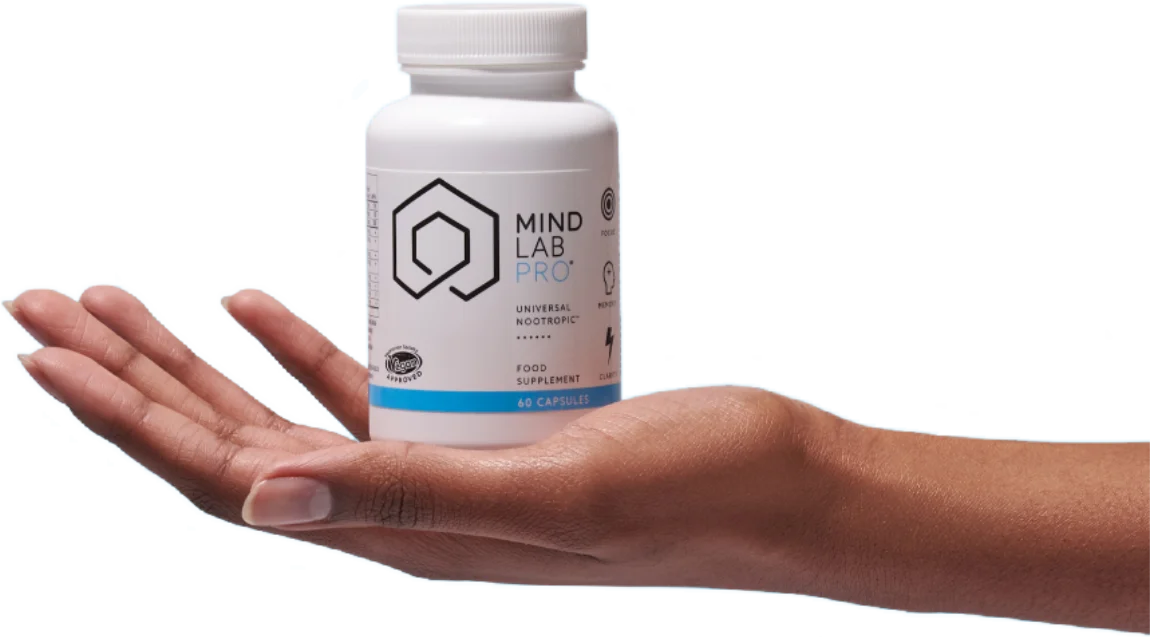
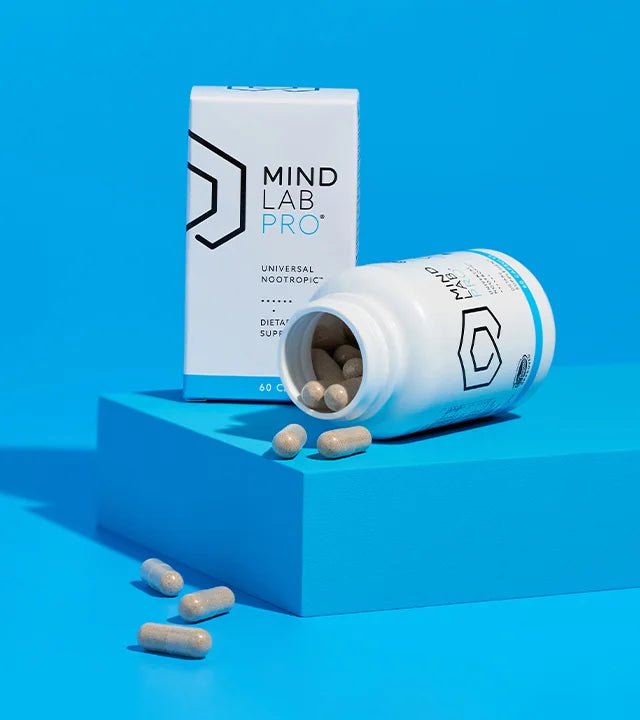
Mind Lab Pro is an industry-leading, research-backed nootropic stack designed to support multiple brain pathways at once. It is not a serotonin booster, not an antidepressant and not a treatment for mood disorders. Instead, it supports healthy cognitive performance, stress resilience, mental clarity, focus, memory, mood and brain energy through a broad-spectrum formula.
Its 11-ingredient formula includes:
- Cognizin® Citicoline — 250 mg: supports acetylcholine synthesis, phospholipid production, attention and brain energy.
- Phosphatidylserine — 100 mg: supports brain-cell membranes, signaling and stress-related cognitive performance.
- Bacopa Monnieri — 150 mg: standardized to 24% bacosides for memory and learning support.
- Organic Lion’s Mane Mushroom — 500 mg: supports neurotrophic and brain-health pathways.
- Rhodiola Rosea — 50 mg: standardized to 3% rosavins and 1% salidrosides for stress resilience and mental performance under pressure.
- N-Acetyl L-Tyrosine — 175 mg: supports dopamine and norepinephrine precursor pathways.
- L-Theanine — 100 mg: supports calm focus and relaxed alertness.
- Maritime Pine Bark Extract — 75 mg: standardized to 95% proanthocyanidins for antioxidant and circulation support.
- Vitamin B6 — 2.5 mg: supports neurotransmitter synthesis and brain-energy metabolism.
- Vitamin B9 — 100 mcg: supports methylation and healthy brain chemistry.
- Vitamin B12 — 7.5 mcg: supports nervous-system health and energy metabolism.
Rhodiola is the formula’s most relevant herb for serotonin-related readers because it may support stress resilience and monoamine neurotransmitter balance. Bacopa and Lion’s Mane may support mood-adjacent brain-health pathways, while L-theanine supports calm focus and tyrosine supports dopamine and norepinephrine pathways. B vitamins help maintain normal neurotransmitter and energy metabolism.
Mind Lab Pro has also been studied in humans.
In a double-blind, placebo-controlled study, adults taking Mind Lab Pro for 30 days improved on information-processing measures including simple reaction time, choice reaction time and anticipation.(17)
In a separate double-blind, placebo-controlled study, healthy adults taking Mind Lab Pro for four weeks improved across several memory domains, including auditory memory, visual memory, working memory, immediate recall and delayed recall.(18)
A third randomized, double-blind, placebo-controlled study used EEG-based brain-network analysis during perceptual decision-making. Researchers reported changes suggesting improved brain-network cohesion and energetic efficiency. But measurable cognitive taks benefits were not found.(19)
Read the full story on Mind Lab Pro research.
For readers exploring neurotransmitters and mood-support nootropics, Mind Lab Pro offers a cleaner approach than stacking multiple serotonin boosting herbs on top of medications or other supplements. It supports overall brain function without relying on St. John’s wort, Griffonia, 5-HTP or other high-interaction serotonergic botanicals.
For more mood-focused education, see this guide to nootropics for happiness.
Frequently Asked Questions
What are the best serotonin support herbs?
The most direct serotonin-related herbs and botanicals include St. John’s wort, saffron, Griffonia simplicifolia, kanna, rhodiola, ashwagandha and turmeric/curcumin. They work differently, and some carry significant interaction risks.
Can herbs boost serotonin levels naturally?
Some herbs may affect serotonin naturally by influencing serotonin reuptake, serotonin receptors, tryptophan metabolism, stress response, inflammation or gut brain signaling. However, “boosting serotonin” is not always desirable, and too much serotonin can be dangerous.
What is the safest serotonin herb?
There is no universally safest herb for serotonin. Saffron and rhodiola may be gentler for some people than St. John’s wort or 5-HTP, but safety depends on medications, health history, dose, product quality and individual sensitivity.
Which serotonin herbs should not be mixed with antidepressants?
St. John’s wort, Griffonia, 5-HTP, tryptophan, SAM-e and kanna are especially concerning with SSRIs, SNRIs, MAO inhibitors and other serotonergic medications. Combining these can increase serotonin syndrome risk.
What is serotonin syndrome?
Serotonin syndrome is a potentially life-threatening condition caused by too much serotonergic activity. Symptoms may include agitation, sweating, diarrhea, tremor, rapid heart rate, high fever, confusion, muscle rigidity, seizures or loss of consciousness.
Can low serotonin cause depression?
Serotonin plays a role in mood, but depression and mood disorders are complex. Low serotonin is not the only cause. Genetics, stress, inflammation, sleep, hormones, trauma, nutrition, gut health and life circumstances can all contribute.
Can I increase serotonin without supplements?
Yes. Natural sunlight, physical activity, sleep regularity, stress reduction, gut health, balanced meals and tryptophan rich foods can all support serotonin-related systems without adding herbal supplement interaction risks.
Summary
Serotonin boosting herbs may support mood, stress response, sleep, appetite, emotional well-being and brain function, but they require careful thinking. Serotonin is not simply a “more is better” neurotransmitter. Too little may be associated with mental and emotional health concerns, but too much can contribute to serotonin syndrome.
St. John’s wort is the most direct serotonin-related herb, but it also has the greatest interaction risk. Saffron has promising mood-support research and may influence serotonin and other neurotransmitters. Rhodiola and ashwagandha may support serotonin-related emotional health partly through stress-response pathways. Curcumin may help through inflammation, oxidative stress and monoamine signaling. Griffonia provides 5-HTP, a direct serotonin precursor, while kanna may affect serotonin reuptake and stress-response brain circuits.
These herbs should not be used as stand-alone alternatives for mood disorders, mental health issues or persistent symptoms. They also should not be stacked casually with antidepressants, selective serotonin reuptake inhibitors, serotonin norepinephrine reuptake inhibitors, MAO inhibitors, migraine medications, pain medications or other serotonergic supplements.
For many people, the smarter strategy is broader brain support: good sleep, physical activity, natural sunlight, tryptophan rich foods, vitamin D sufficiency, gut health and stress reduction. When supplements fit, choose evidence-aware, well-formulated products and involve a healthcare provider if serotonin, mood or medication safety is part of the picture.
References
- Bakshi, A., & Tadi, P. (2022). Biochemistry, serotonin. StatPearls. Link
- Maffei, M. E. (2020). 5-Hydroxytryptophan (5-HTP): Natural occurrence, analysis, biosynthesis, biotechnology, physiology and toxicology. International Journal of Molecular Sciences, 22(1), 181. Link
- Simon, L. V., Torrico, T. J., & Keenaghan, M. (2024). Serotonin syndrome. StatPearls. Link
- Peterson, B., & Nguyen, H. (2023). St. John’s wort. StatPearls. Link
- Ng, Q. X., Venkatanarayanan, N., & Ho, C. Y. X. (2017). Clinical use of Hypericum perforatum (St John’s wort) in depression: A meta-analysis. Journal of Affective Disorders, 210, 211–221. Link
- Hausenblas, H. A., Saha, D., Dubyak, P. J., & Anton, S. D. (2013). Saffron (Crocus sativus L.) and major depressive disorder: A meta-analysis of randomized clinical trials. Journal of Integrative Medicine, 11(6), 377–383. Link
- Yang, X., Chen, X., Fu, Y., Luo, Q., Du, L., Qiu, H., & Yang, X. (2018). Comparative efficacy and safety of Crocus sativus L. for treating mild to moderate depression in adults: A meta-analysis of randomized controlled trials. Neuropsychiatric Disease and Treatment, 14, 1297–1305. Link
- Amsterdam, J. D., & Panossian, A. G. (2016). Rhodiola rosea L. as a putative botanical antidepressant. Phytomedicine, 23(7), 770–783. Link
- Mao, J. J., Xie, S. X., Zee, J., Soeller, I., Li, Q. S., Rockwell, K., & Amsterdam, J. D. (2015). Rhodiola rosea versus sertraline for major depressive disorder: A randomized placebo-controlled trial. Phytomedicine, 22(3), 394–399. Link
- Speers, A. B., Cabey, K. A., Soumyanath, A., & Wright, K. M. (2021). Effects of Withania somnifera (ashwagandha) on stress and the stress-related neuropsychiatric disorders anxiety, depression, and insomnia. Current Neuropharmacology, 19(9), 1468–1495. Link
- Majeed, M., Majeed, S., Nagabhushanam, K., & Mundkur, L. (2023). A standardized ashwagandha root extract alleviates stress, anxiety and improves sleep quality by modulating stress hormones and serotonin. Journal of Clinical Medicine Research. Link
- Ramaholimihaso, T., Bouazzaoui, F., & Kaladjian, A. (2020). Curcumin in depression: Potential mechanisms of action and current evidence. Frontiers in Psychiatry, 11, 572533. Link
- Lopresti, A. L. (2022). Potential role of curcumin for the treatment of major depressive disorder. CNS Drugs, 36, 123–141. Link
- Turner, E. H., Loftis, J. M., & Blackwell, A. D. (2006). Serotonin a la carte: Supplementation with the serotonin precursor 5-hydroxytryptophan. Pharmacology & Therapeutics, 109(3), 325–338. Link
- National Capital Poison Center. (n.d.). 5-HTP safety concerns. Poison Control. Link
- Terburg, D., Syal, S., Rosenberger, L. A., Heany, S., Stein, D. J., & van Honk, J. (2013). Acute effects of Sceletium tortuosum (Zembrin), a dual 5-HT reuptake and PDE4 inhibitor, in the human amygdala and its connection to the hypothalamus. Neuropsychopharmacology, 38(13), 2708–2716. Link
- Utley, A., Gonzalez, Y., & Imboden, C. A. (2023). The efficacy of a nootropic supplement on information processing in adults: A double blind, placebo-controlled study. Biomedical Journal of Scientific & Technical Research, 49(1). Link
- Abbott-Imboden, C., Gonzalez, Y., & Utley, A. (2023). Efficacy of the nootropic supplement Mind Lab Pro on memory in adults: Double blind, placebo-controlled study. Human Psychopharmacology: Clinical and Experimental, 38(5), e2872. Link
- O’Reilly, D., Bolam, J., Delis, I., & Utley, A. (2025). Effect of a plant-based nootropic supplement on perceptual decision-making and brain network interdependencies: A randomised, double-blinded and placebo-controlled study. Brain Sciences, 15(3), 226. Link