L tyrosine ADHD is a tempting search because the logic sounds simple: ADHD involves attention, motivation, dopamine, and norepinephrine — and L-tyrosine helps the body make dopamine and norepinephrine. So does taking L-tyrosine help ADHD?
The answer is: maybe in some indirect ways, but probably not the way you hope. L-tyrosine is not an ADHD treatment. It is not a replacement for ADHD medications, therapy, coaching, sleep support, diagnosis, or a real treatment plan.
Still, the curiosity around L-yrosine for ADHD is understandable. CDC data shows about 1 in 16 U.S. adults (6.0%) — roughly 15.5 million people — had a current ADHD diagnosis in 2023. Many people are looking for “better focus” and more: They are trying to promote motivation, mental balance, consistent energy and stress regulation.
So how might L-Tyrosine fit in this picture? We're about to explain what tyrosine is, how it relates to dopamine and norepinephrine, what the research actually says, how it differs from N-acetyl L-tyrosine, and when tyrosine may or may not make sense for ADHD-style focus struggles. Let's get to it!
Key Takeaways
- L-tyrosine is not an ADHD treatment. Direct ADHD research is limited, and one small child study found no significant improvements.
- Tyrosine is a raw material for dopamine and norepinephrine, which are related to attention, but taking more does not guarantee better ADHD symptoms.
- L-Tyrosine looks more like "performance under stress" support than daily ADHD support. Research is strongest around cognitive function under stress, fatigue, cold, sleep loss, or heavy mental demand.
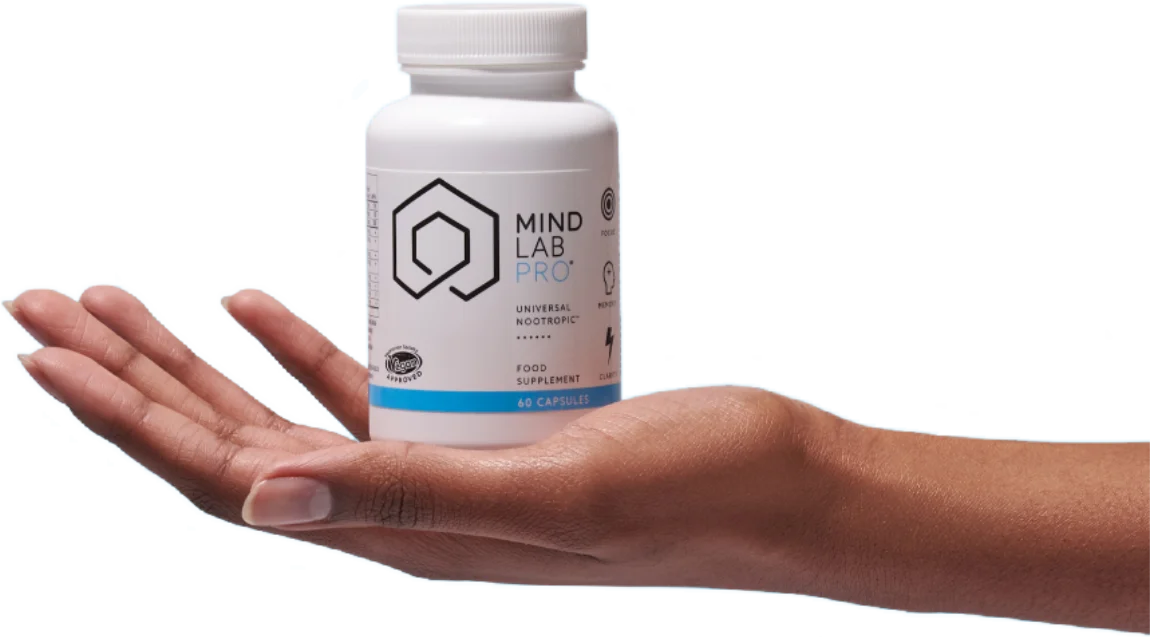
- N-acetyl L-tyrosine is a formula-friendly form. It is used in nootropic stacks such as Mind Lab Pro, but it should not be assumed to work better for ADHD.
- Medication safety is key. Ask a healthcare professional before taking tyrosine; especially if you take with ADHD medications, stimulants, antidepressants, thyroid hormones, L-DOPA, MAOIs, or blood pressure medication.
Disclaimer
This article is for educational purposes only and is not medical advice. ADHD is a neurodevelopmental disorder that should be diagnosed and managed by qualified healthcare professionals. L-tyrosine, N-acetyl L-tyrosine, caffeine, Mind Lab Pro, Performance Lab Caffeine 2, and other nutritional supplements are not intended to diagnose, treat, cure, or prevent ADHD, anxiety, depression, thyroid disorders, sleep disorders, or any medical condition. Talk with your doctor before taking L-tyrosine if you use ADHD medication, stimulants, antidepressants, thyroid hormones, L-DOPA, MAOIs, blood pressure medication, or other prescription medications. Design an effective ADHD treatment plan under the direction of your doctor.
What Is ADHD?

ADHD stands for attention deficit hyperactivity disorder. It is a disorder that affects attention, impulse control, activity level, emotional regulation, and executive function. Executive function is the set of mental skills that encompasses and directs all these aspects of cognition towards a goal.
If you're reading this article, you likely already know what ADHD feels like and how it can interfere with life. You're looking for support.
Before we dig into L-Tyrosine, you may want to check out our guides on nootropics and ADHD. It covers amino acid supplements, caffeine, omega-3s, magnesium, citicoline, and other support options.
What Is L-Tyrosine?
L-tyrosine is an amino acid. Your body can make it from another amino acid called phenylalanine. You also get tyrosine from protein-rich foods.
The reason tyrosine gets attention in nootropics is pretty straightforward: it is a precursor to catecholamines, a class of neurotransmitters that includes dopamine, norepinephrine, and epinephrine. The brain "burns through" catecholamines during high-intensity cognition, chaos, multitasking, and other internal and external stressors.
Basically, L-tyrosine helps supply raw material for brain chemicals involved in alertness, motivation, reward, stress response, and mental performance.
For more background, see this overview of amino acids for focus and attention.
Why L-Tyrosine is Associated with Attention
The potential of L-tyrosine for ADHD specifically comes down to dopamine and norepinephrine.
These neurotransmitters are involved in:
- attention
- motivation
- working memory
-
mental energy
- alertness
- stress response
- staying on-task
Many ADHD medications affect dopamine and norepinephrine signaling. That makes people wonder whether taking the raw material for these neurotransmitters could help improve attention or motivation.
But this position is theoretical, only. The brain is not a machine. You can't just add tyrosine and force the brain to make more dopamine exactly where and when you need it. Neurotransmitter production is far more complex than that, influenced by variables including enzymes, feedback loops, genetics, sleep, stress, and a lot more.
A more reasonable position: Tyrosine may help support cognitive performance when stress or fatigue strains catecholamine systems.
L-Tyrosine Research

The evidence on L-tyrosine is not all the same. There is a small amount of direct ADHD research, but it is weak. The better evidence is about stress, fatigue, and cognitive performance in healthy adults or specialized settings.
ADHD Research: Small and Weak
Study summary: In a small single-blind study, researchers gave oral tyrosine to seven children with attention deficit disorder with hyperactivity. The idea was that tyrosine might support dopamine and norepinephrine synthesis. However, none of the children showed significant improvement. The study was small and old, but it is important because it directly tested the ADHD idea and did not show a meaningful benefit.(1) Reminder: Only consider supplements for children under the direction of a physician.
Stress Research: A Better Fit
Review summary: A 2015 review examined tyrosine supplementation in clinical and healthy people under stress or cognitive demands. The authors described tyrosine as a dopamine and norepinephrine precursor that may help preserve cognitive performance when catecholamine systems are under pressure. This seems to support tyrosine as a performance-under-stress nutrient.(2) Discover nootropics for stress support.
This matters because many people with ADHD do not only struggle with attention. They struggle when attention is combined with pressure, fatigue, overwhelm, or long periods of effort. Tyrosine may be more relevant to those moments than to baseline ADHD symptoms.
Military and High-Demand Research: Interesting, but Specific
Review summary: A systematic review of supplements for cognitive performance in healthy young adults and military personnel found some evidence that tyrosine may help under demanding conditions, including stress-related challenges to memory, vigilance, reasoning, and performance. However, the review judged the overall evidence not strong enough for a clear recommendation.(3) This positions tyrosine as intriguing, especially in the context of performance under stress, but not quite a slam dunk.
Rapid Evidence Assessment: Useful Maybe, Proven No
Review summary: A rapid evidence assessment reviewed randomized controlled trials of tyrosine for stress resilience and performance in healthy adults. The authors noted that tyrosine may reduce stress-related physical or cognitive performance decline, but concluded the available evidence was not strong enough for a solid recommendation.(4)
Where Tyrosine Might Fit Attention-Related Struggles
Tyrosine makes the most sense when attention issues overlap with stress or demand. So it is not an ADHD solution, and certainly not a treatment, but may serve as a helpful indirect support nutrient in the context of intense cognitive demand and stress. It may be most relevant for:
- Stress-heavy work: deadlines, high cognitive load, complex decisions, or demanding meetings
- Mental fatigue: long writing, studying, coding, editing, or problem-solving sessions
- Low drive under pressure: moments when motivation disappears right when the task matters
- Caffeine users: people who rely on caffeine for alertness and want brain chemical support
- Sleep-debt days: situations where cognitive performance is strained by poor sleep.
Read about today's top ultramodern sleep supplements.
L-Tyrosine is probably less relevant if the main issue is:
- severe untreated ADHD
- poor sleep every night
- high anxiety or panic
- depression-driven low motivation
- thyroid problems
- medication side effects
Key takeaway: The best way to regard tyrosine is as a conditional support nutrient. It may be most useful when the brain’s demand for catecholamine neurotransmitters is higher than usual.
L-Tyrosine vs N-Acetyl L-Tyrosine
L-tyrosine is the standard free-form amino acid. It is the form used in many standalone supplements and much of the research.
N-acetyl L-tyrosine, often called NALT, is a modified form of tyrosine with an acetyl group attached. It is commonly used in nootropic formulas because it is more water-soluble and easier to formulate. Read more about NALT.
The form may matter for formulation, but the claim matters more. Whether a product uses L-tyrosine or N-acetyl L-tyrosine, the most credible claims center on support for brain function, stress performance, and cognitive performance — not ADHD treatment.
Can Tyrosine Help with ADHD?
Maybe indirectly, in specific situations. Not directly as a treatment.
Tyrosine seems relevant to ADHD in theory because it supports dopamine and norepinephrine production. But ADHD is not just a raw-material shortage. It is a complex neurodevelopmental condition involving attention networks, executive function, motivation, emotion regulation, sleep, environment, behavior, and often co-occurring mental health concerns.
L-tyrosine may be worth discussing with a healthcare professional if you are an adult who:
- already has an ADHD treatment plan
- wants extra support during stressful work periods
- struggles with mental fatigue more than hyperactivity
- uses caffeine for focus
- does not have blood pressure, thyroid, medication, or anxiety concerns
Safety: Who Should Be Careful with L-Tyrosine?
Tyrosine can look harmless because it is an amino acid found in food. But supplement doses are different from food exposure, and tyrosine can be powerful. Be especially careful with L-Tyrosine if you:
- take ADHD medications or stimulant medications
- take antidepressants, especially MAOIs
- take thyroid hormone medication
- take L-DOPA or dopamine-related medication
- have high blood pressure
- have heart rhythm concerns
- have anxiety, panic, bipolar disorder, or severe insomnia
- are pregnant or breastfeeding
- are considering tyrosine for a child
Possible side effects may include headache, nausea, digestive discomfort, jitteriness, irritability, sleep disruption, mood changes, or blood pressure changes in sensitive people.
Mind Lab Pro for Broader Cognitive Support
Mind Lab Pro

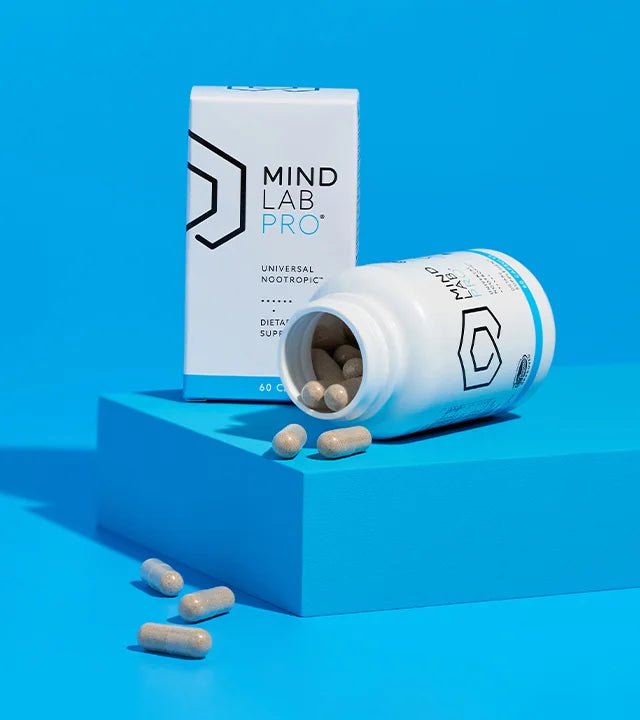
L-tyrosine alone has not been shown to help ADHD. But tyrosine does support overall brain function. Mind Lab Pro is an 11-in-1 nootropic formula that includes NALT designed to support multiple cognitive functions at once, including attention, memory, mental energy, processing, and stress resilience.
Formula per 2 NutriCaps serving: Vitamin B6 from NutriGenesis® 2.5 mg; Vitamin B9 from NutriGenesis® 100 mcg; Vitamin B12 from NutriGenesis® 7.5 mcg; Citicoline as Cognizin® 250 mg; Bacopa monnieri full-spectrum extract standardized to 24% bacosides with 9 bioactives 150 mg; Organic Lion’s Mane Mushroom mycelium and fruit 500 mg; Phosphatidylserine from sunflower lecithin 100 mg; N-Acetyl L-Tyrosine 175 mg; L-Theanine 100 mg; Rhodiola rosea root extract standardized to 3% rosavins and 1% salidrosides 50 mg; Maritime Pine Bark Extract standardized to 95% proanthocyanidins 75 mg.
Mind Lab Pro can be regarded as a caffeine-free nootropic for adults who want overall cognitive performance support, including nootropic support for attention.
Mind Lab Pro Study Summaries
Information processing: In a double-blind, placebo-controlled study, 105 healthy adults took Mind Lab Pro or placebo for 30 days. Researchers used reaction time, choice reaction time, and anticipation tasks. The Mind Lab Pro group improved on these information-processing measures, while the control group did not show statistically significant improvement.(5)
Memory: In a double-blind, placebo-controlled study, healthy adults took Mind Lab Pro or placebo for 4 weeks and completed Wechsler Memory Scale testing. Researchers reported significant improvement in memory outcomes, including immediate and delayed recall, in the Mind Lab Pro group.(6)
Brain network activity: In a randomized, double-blind, placebo-controlled study, healthy adults took Mind Lab Pro or placebo for 60 days while researchers used EEG during perceptual decision-making tasks. The study reported changes in brain network communication and interdependencies.(7)
Get the full story on MLP research.
Performance Lab Caffeine 2 for Focused Caffeine Support

Caffeine is one of the most common self-support tools for attention. Some people with ADHD use it to start work, feel more alert, or push through low motivation. But caffeine can also backfire with jitters, anxiety, irritability, sleep disruption, tolerance, and crashing.
Performance Lab Caffeine 2 is designed as a more controlled caffeine option. It combines low-dose natural caffeine with L-theanine, L-tyrosine, and B vitamins. If you already use caffeine for attention, a lower-dose formula with supportive nootropics may feel smoother than high-dose caffeine pills or energy drinks.
Formula per 1 NutriCaps serving:
- Riboflavin/Vitamin B2: 500 mcg
- Vitamin B6 from NutriGenesis®: 750 mcg
- Folate/Vitamin B9: 170 mcg DFE
- Vitamin B12 from NutriGenesis®: 2 mcg
- Natural caffeine from Coffea robusta seeds: 50 mg
- L-Theanine: 100 mg
- L-Tyrosine: 250 mg
The tyrosine connection is practical: caffeine increases alertness partly through catecholamine-related pathways, while tyrosine provides raw material for dopamine, norepinephrine, and epinephrine. L-theanine helps balance the feel of caffeine, and B vitamins support normal nervous system function and energy metabolism.
Performance Lab® Caffeine 2
Smooth energy. Clarity. Focus. No jitters. No burnout. No crash.
Shop Now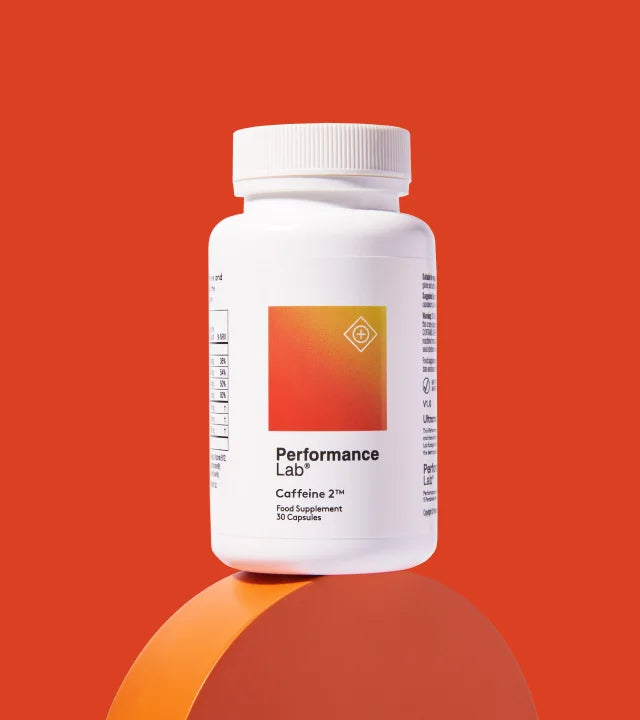
FAQ
Does L-tyrosine help ADHD?
L-tyrosine has not been proven to help ADHD. Direct ADHD research is limited, and one small study in children found no significant improvement. Tyrosine is better viewed as possible support for cognitive performance under stress, not as ADHD treatment.
Why do people use L-tyrosine for ADHD?
People use L-tyrosine for ADHD because it is a precursor to dopamine and norepinephrine, neurotransmitters involved in helping to boost focus, motivation, alertness, and working memory. The mechanism is interesting, but the clinical evidence for ADHD is limited.
Is tyrosine a dopamine supplement?
Tyrosine is a dopamine precursor, not dopamine itself. It helps provide raw material for dopamine production, but the body regulates how much dopamine is made and where it is used.
Can I take L-tyrosine with ADHD medication?
Ask your doctor or pharmacist first. L-tyrosine interacts conceptually with catecholamine pathways, and many ADHD medications affect dopamine or norepinephrine. Combining them may not be appropriate for everyone.
Is N-acetyl L-tyrosine better than L-tyrosine?
Not necessarily. N-acetyl L-tyrosine is a modified form often used in nootropic formulas. L-tyrosine is the standard form used in many studies. Neither form has been shown to treat ADHD.
What foods contain tyrosine?
Tyrosine is found in protein-rich foods such as chicken, turkey, fish, eggs, dairy, soy foods, beans, lentils, nuts, and seeds.
Who should avoid L-tyrosine?
People taking ADHD medications, stimulants, MAOIs, antidepressants, thyroid hormones, L-DOPA, blood pressure medication, or people with anxiety, bipolar disorder, high blood pressure, thyroid disease, pregnancy, breastfeeding, or children should use tyrosine only with medical guidance.
Summary
L-tyrosine is a non-essential amino acid involved in dopamine, norepinephrine, epinephrine, and thyroid hormone production. That makes it interesting for possibly helping manage ADHD symptoms and struggles with focus, motivation, mental energy, working memory, and stress performance.
But interesting does not mean proven. Direct ADHD research is limited and not strong. The better evidence suggests tyrosine may help support cognitive performance under stress or heavy mental demand in some people.
The key takeaway: L-tyrosine may be a reasonable support nutrient for certain adults in specific high-demand situations, but it should not be used as a DIY ADHD treatment. If you take ADHD meds or have thyroid, blood pressure, anxiety, mood, or medication concerns, talk with a healthcare professional before taking it.
References
- Eisenberg, J., Asnis, G. M., van Praag, H. M., & Vela, R. M. (1988). Effect of tyrosine on attention deficit disorder with hyperactivity. Journal of Clinical Psychiatry, 49(5), 193–195. Link
- Jongkees, B. J., Hommel, B., Kühn, S., & Colzato, L. S. (2015). Effect of tyrosine supplementation on clinical and healthy populations under stress or cognitive demands — A review. Journal of Psychiatric Research, 70, 50–57. Link
- McMorris, T., Barwood, M., & Corbett, J. (2018). A systematic review of the effect of dietary supplements on cognitive performance in healthy young adults and military personnel. Nutrition Reviews, 76(9), 704–721. Link
- Young, S. N. (2015). Tyrosine for mitigating stress and enhancing performance in healthy adult humans, a rapid evidence assessment of the literature. Military Medicine, 180(7), 754–765. Link
- Utley, A., Gonzalez, Y., & Abbott Imboden, C. (2023). The efficacy of a nootropic supplement on information processing in adults: A double blind, placebo controlled study. Biomedical Journal of Scientific & Technical Research, 49(1). Link
- Abbott-Imboden, C., & Utley, A. (2023). Efficacy of the nootropic supplement Mind Lab Pro on memory in adults: Double blind, placebo-controlled study. Human Psychopharmacology: Clinical and Experimental, 38(5), e2872. Link
- Utley, A., Abbott-Imboden, C., & colleagues. (2025). Effect of a plant-based nootropic supplement on perceptual decision-making and brain network interdependencies: A randomised, double-blinded, and placebo-controlled study. Brain Sciences, 15(3), 226. Link