

A well-planned plant-based diet has the potential to drastically improve a person’s health and wellbeing. With so many health benefits linked to cutting out animal-derived foods, it’s no wonder that plant-based is often thought of as the optimal diet.
However, a poorly planned plant-based diet can have the opposite effect. Some of the most common symptoms of a poor plant-based diet include mental fog and other neurological dysfunctions, such as insomnia and anxiety.
Mental fog, or brain fog, can often be resolved and prevented through some simple nutritional interventions, such as diet changes and supplements. You must ensure you are hitting all the major nutritional benchmarks when following a plant-based diet.
This article discusses some of the best supplements to help prevent and resolve brain fog. Let’s get into it!
What is Brain Fog?
Firstly, let’s establish brain fog, what it is, and what symptoms to look out for.
It takes a lot of energy to fuel the daily processes in your brain, so when you fail to adequately fuel your brain with the right amount of nutrients, it can wreak neurological havoc. Some symptoms of brain fog include:
- Confusion
- Poor memory
- Difficulty learning and retaining information
- Fuzzy and discombobulated thoughts and conversations
This can lead to further issues, such as stress, insomnia, and poor work or academic performance.
While this may seem alarming at first, it’s important to remember that this is simply your brain’s way of alerting you that there are some imbalances with your nutritional intake or lifestyle factors.
Can Veganism Cause Brain Fog?
Now you’re probably wondering what Veganism has to do with brain fog. How are they connected?
Well, to put it simply, consuming a plant-based diet involves cutting out animal-based products, such as meat and dairy. This causes us to miss out on key nutrients, some that are heavily involved in brain function.
While this can be prevented by simply planning your dietary intake better to ensure you are taking in these key nutrients from plant-based sources, supplementation is often necessary.
Top 5 Supplements to Help Brain Fog
Many people assume that brain fog associated with going plant-based may be to do with the lack of protein intake. However, this is untrue. You can consume an adequate amount of high-quality protein sources through a plant-based diet.
Rather, the brain fog is linked to inadequate intake of certain nutrients that our brain needs to function properly, which you may not get enough of upon cutting our animal-based products.
Some examples of nutrients that are typically lacking include B-vitamins, omega-3 fats, choline, and iron. So, it may be a good idea to plan your diet around food sources that contain plenty of these nutrients.
However, as mentioned, sometimes supplementation is necessary. Here are 5 of the top supplements to help guard against brain fog!
B-Vitamins
When we say B-vitamins, we mean specifically vitamin B12, as this nutrient is largely found only in animal-based foods.
To put it simply, vitamin B12 is essential for brain function, ensuring your nerve cells communicate speedily.
Any plant-based eater, even vegetarians, may benefit from B12 supplementation!
Omega-3 Fats
Your brain contains a lot of omega-3 fats, specifically EPA and DHA. These fats are essential for helping with the transmission of neurotransmitters, neurologic messaging, and much more.
Plant-based sources of omega-3 can be tricky to absorb optimally, which means supplementation is often necessary.
Rhodiola Rosea
Studies have shown that rhodiola can help fight brain fog by energizing the central nervous system. This nootropic herb is best known for its mood-boosting, stress-reducing properties, thus helping to protect the brain from the effects of brain fog and other forms of stress.
Citicoline
Citicoline is one of the top brain boosters, helping to enhance mental energy by improving cerebral blood flow and protecting your brain cells.
This powerful nootropic is used to enhance cognitive function by boosting acetylcholine levels, which is the key neurotransmitter involved in learning and memory.
N-Acetyl L-Tyrosine
Brain fog occurs either from a lack of nutrients or after too much stress is put on the brain (though they very much go hand-in-hand). Stress can deplete some of the essential neurotransmitters, such as dopamine and norepinephrine, which our brain needs for clear, sharp thinking.
N-acetyl L-tyrosine can help combat brain fog by boosting the production of these neurotransmitters, helping to meet the demands of stress and protect cognitive functions.
Top Supplement for Brain Fog
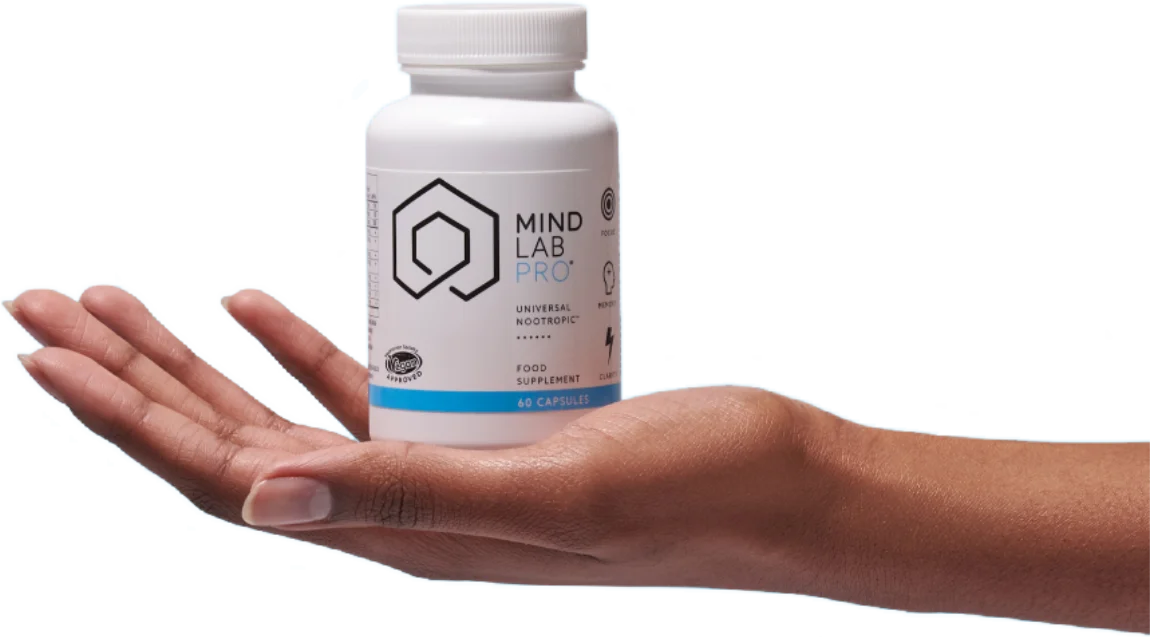
Mind Lab Pro supplies some of the best nootropics for brain fog, including the majority of the above list.
This innovative formula includes nootropics for brain fog that have been carefully selected for their ability to preserve mental performance under stress and defend the brain from stress-related burnout.
Mind Lab Pro can help improve the negative symptoms and effects associated with brain fog while nourishing the brain and supporting overall cognitive wellness!
Frequently Asked Questions
Can lack of protein cause brain fog?
Usually, vegan brain fog is not mainly caused by low protein alone. On this page, the bigger concern is missing key brain-supportive nutrients that are commonly lower in poorly planned plant-based diets, especially vitamin B12, omega-3 fats, choline, and iron. You can absolutely get enough protein on a plant-based diet, but you still need to make sure your diet covers the nutrients that directly support neurotransmitters, nerve health, and mental clarity.
Can being vegan cause brain fog?
A vegan diet does not automatically cause brain fog, but a poorly planned one can. When animal foods are removed, it becomes easier to fall short on nutrients that support brain function, which may lead to symptoms like confusion, poor memory, and trouble concentrating. In many cases, vegan brain fog can be improved by correcting diet gaps and using supplements where needed.
Do vegans need vitamin B12 for brain health?
Yes, vitamin B12 is one of the most important nutrients for plant-based eaters to pay attention to because it is found mostly in animal-based foods. B12 supports nerve cell communication and overall brain function, so low intake can be a real concern for both vegans and vegetarians. If you want a deeper look at how B12 supports cognition, mood, and energy, read our full guide here: Vitamin B12.
Are animal products essential for brain development and mental sharpness?
No, animal products are not strictly essential for brain development or mental sharpness if a plant-based diet is planned properly. What matters most is getting the right nutrients your brain needs, whether that comes from food, fortified foods, or supplements. A vegan diet can support brain health, but it requires more attention to nutrients like B12, omega-3 fats, iron, and choline, since these can be harder to obtain or absorb optimally without animal foods.
Does being vegetarian or vegan affect your brain?
It can affect your brain if your diet consistently falls short on nutrients involved in neurotransmitter production, nerve signaling, and mental energy. That does not mean a vegetarian or vegan diet is bad for the brain. It simply means that brain health on a plant-based diet depends on planning. If nutrient intake is adequate, many people do very well. If it is not, issues like brain fog, low mood, and poor concentration may show up.
What are the best supplements for vegan brain fog?
Based on this page, some of the top supplements to consider are vitamin B12, omega-3 fats, rhodiola rosea, citicoline, and N-acetyl L-tyrosine. These ingredients can help support mental energy, stress resilience, neurotransmitter function, and cognitive clarity. If you want broader support for stress-related fogginess too, you can also read: Nootropics for brain fog.
Are brain supplements vegan-friendly?
Some are, and some are not. Vegan-friendly brain supplements usually avoid animal-derived capsule materials and use plant-based or fermentation-derived ingredients where possible. If you follow a plant-based diet, it is worth checking both the active ingredients and the capsule source, especially for nutrients like omega-3s and B12, where vegan sourcing can vary.
How does stress affect dopamine and brain fog?
Stress can deplete important neurotransmitters involved in clear thinking and mental drive, including dopamine and norepinephrine. That is one reason brain fog often gets worse during stressful periods. On this page, N-acetyl L-tyrosine is highlighted because it helps support the production of these neurotransmitters, which may help the brain keep up with the demands of stress.
Conclusion
In conclusion, if you’re worried about brain fog associated with going plant-based, it’s important to first of all address your dietary intake, ensuring you are taking in an adequate amount of the key nutrients that support brain function.
The next priority would be to bridge any nutrient gaps through an appropriate supplement regime, particularly vitamin B12 and omega-3 fatty acids.
Though, if you want to prevent brain fog, stay sharp, and support overall long-term brain health, consider the benefits of taking natural nootropics.
Better yet, a nootropic formula such as Mind Lab Pro would cover all bases!