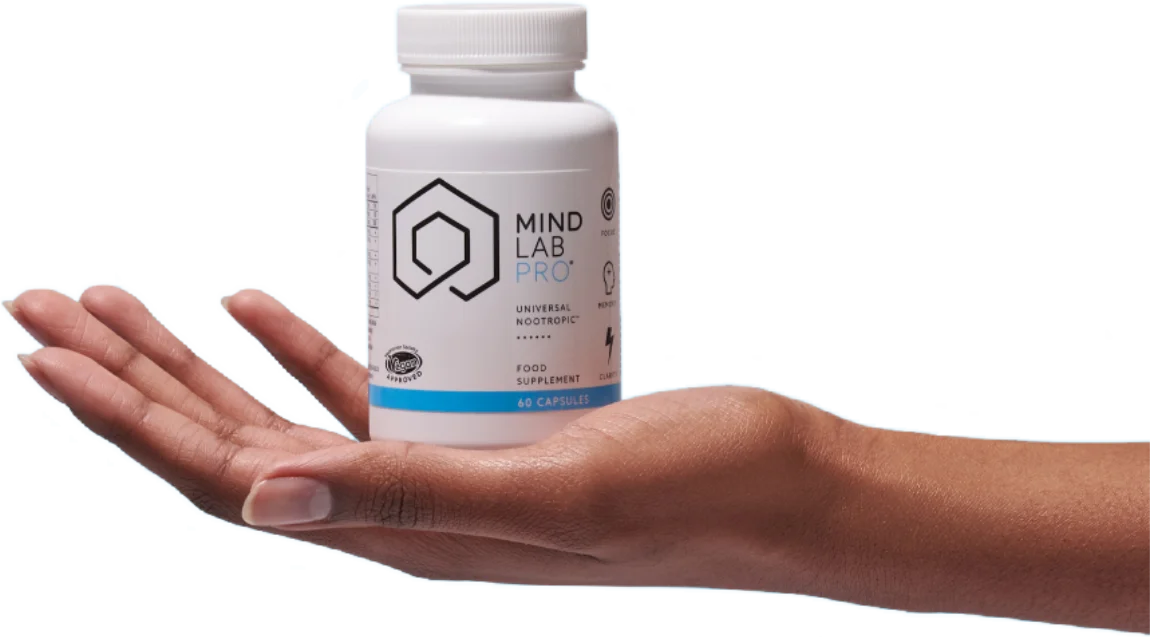
Are you looking for a mood-related nootropic that promotes relaxation while supporting sharp, clear thinking? L-Theanine may be worth considering.
In 2024, 43% of U.S. adults said they felt more anxious than they did the previous year—a pretty stark reminder that modern life is not exactly optimized for calm, clear thinking. (American Psychiatric Association, 2024). And when your baseline is high stress, “better focus” often isn’t about forcing more stimulation—it’s about finding a steadier mental state where your mind doesn’t feel like it’s buzzing and fragmenting.
If you clicked this article, there’s a good chance you’re looking for exactly that: a nootropic that supports calm focus—something that helps you feel more composed, less jittery, and more in control of your attention, without turning you into a wired, caffeinated mess.
L-theanine has become one of the most popular answers to that problem, largely because it’s known for promoting a “relaxed alertness” that pairs especially well with caffeine.
If your main question is “L-theanine: how long does it last?”, the most accurate answer from the evidence summarized here is that there is no single duration that applies to everyone. Most of the human research below examines acute, single-dose effects during relatively short testing sessions, so L-theanine is better thought of as a same-session calming/focus supplement rather than an all-day effect. Dose, individual absorption, food intake, caffeine use, age, and sensitivity can all influence how long you notice it.
In this guide, you’ll learn what L-theanine is, how long L-theanine lasts, what affects its duration and absorption, what it’s best known for in the brain, how people typically dose it, and how it fits into modern stacks—before we get into the research and the studies that separate marketing from reality. Let's get to it!
Key Takeaways
- L-theanine is a calming amino acid found in green tea leaves that is popular as a standalone supplement or in multi-ingredient nootropic stacks.
- Duration: The studies summarized here do not establish one universal number of hours. L-theanine is best viewed as a same-session supplement, with duration influenced by dose, absorption rates, food intake, caffeine, and individual factors.
- L-Theanine promotes “wakeful relaxation.” It increases Alpha brain-wave activity linked to calm focus and creative clarity.
- The L-theanine + caffeine stack is popular because it aims to deliver clearer alertness with fewer jitters than caffeine alone—similar to the naturally occurring pairing found in tea.
- Many people start with 100–200 mg L-theanine, and often use more theanine than caffeine (commonly around a 2:1 theanine:caffeine ratio).
- L-theanine is generally well-tolerated, but some people may notice drowsiness (if the dose is too high), mild headaches, or a “too calm” feeling—especially when stacking.
- For best results, use L-theanine as a foundation (stress + focus), not a “magic pill”—sleep, stress, and habits still drive memory and mental performance.
- Suntheanine® is a patented form of L-Theanine. Some of the research studies we discuss below were conducted on the Suntheanine® form, specifically.
Disclaimer
This article is for educational purposes only and is not medical advice. Always consult a qualified healthcare provider before using L-theanine, caffeine, or other dietary supplements if you have a medical condition, take prescription medications, are pregnant or breastfeeding, or are considering supplements for younger individuals. Supplements are not intended to diagnose, treat, cure, or prevent disease. Individual responses vary, and caffeine can affect blood pressure, heart rate, anxiety, sleep, and drowsiness risk when combined with other compounds. Stop use and seek expert guidance if you experience adverse effects.
What Is L-Theanine?
L-theanine is a naturally occurring amino acid best known for its role in the uniquely “calm but awake” feeling many people associate with tea—especially green tea. The amino acid L theanine differs from many other amino acids because it is used primarily for its effects on relaxation, calm focus, and cognitive performance rather than as a protein-building nutrient.
If coffee is often described as sharp and forceful, tea tends to be described as steady and clear. A big part of that difference comes down to the fact that tea doesn’t deliver caffeine alone. Tea naturally pairs caffeine with L-theanine—two compounds that many modern nootropic users now intentionally “stack” for a more balanced cognitive effect.
Read more: Ultramodern caffeine pill with L-theanine
L-Theanine’s Natural Home: Tea Culture and Green Tea

L-theanine is found primarily in Camellia sinensis, the tea plant responsible for green tea, black tea, oolong, and white tea. Across centuries—particularly in East Asia—tea has been valued not just as a beverage, but as a tool for attention, composure, and mental clarity. While people historically didn’t talk about neurotransmitters, tea constituents or “nootropic stacks,” they absolutely recognized the experience: tea tends to create a state that’s both relaxing and mentally engaged.
Green tea in particular developed a reputation for “clean” mental energy because it’s typically less oxidized than black tea and is commonly consumed in contexts that emphasize mindful presence: reading, conversation, meditation, and quiet work.
Today, many people still reach for green tea when they want to feel focused without feeling sped up, jittery or irritable.

“I needed something that would actually help me get my mind under control, not just give me a temporary boost.”
The Original “Caffeine + L-Theanine Stack” (Before It Was a Stack)
In modern nootropics culture, one of the most popular pairings is the caffeine + L-theanine stack. The idea is simple: caffeine can sharpen alertness and improve attention, but it can also bring side effects: jitters, tension, or a feeling of being “too on.” L-theanine is often used alongside caffeine to help create a more stable, less edgy experience.
The “caffeine + theanine” stack isn’t new—it’s arguably just a modern, capsule-based version of what green tea drinkers have been doing all along: using a beverage that supports alertness while preserving calm. We'll dig into the research behind this combination later in the article.
Read more: Best Caffeine + L-Theanine Supplement
What L-Theanine Feels Like
Many people describe L-theanine as a subtle calming effect rather than a strong sedative effect—less mental chatter while remaining functional and alert. Research suggests the effects of L-theanine may involve systems related to stress response, relaxed attention, and cognitive control.
How L-Theanine Works
L-theanine works less like a “push” stimulant and more like a regulator: it helps the brain shift into a calmer, more controlled mode where attention is easier to direct. It’s widely understood to "calm down" the central nervous system's excitatory signaling and to support a relaxation response without heavy sedation, which is why people describe it as “relaxed alertness.”
Its proposed mechanisms for brain function include effects on Alpha brain-wave activity, glutamate-related signaling, and other chemical messengers involved in the nervous system.(1,2) More on the benefits associated with those pathways in the next section.
L-Theanine: How Long Does It Last?
How long does L-theanine last? There is no single duration that applies to most people in every situation. The research summarized in this article primarily looks at acute effects after a single dose during short-term cognitive, stress, or attention testing.(3,4,5,11,12,13,14) That supports viewing L-theanine as a same-session supplement, rather than something expected to provide the same noticeable calming effect from morning to night.
Several factors can affect the duration of L-theanine:
- Dose: Lower doses may feel subtler, while higher doses may feel more noticeable and may be more likely to cause drowsiness or make some people feel lethargic.
- Absorption rates: Individual absorption varies, so two people taking the same dose may notice different timing and intensity.
- Food intake: Whether you take L-theanine on an empty stomach or with food may influence how quickly a supplement is absorbed, although the studies cited in this article do not establish a precise food-versus-empty-stomach duration.
- Caffeine: When L-theanine is paired with coffee or another caffeine source, the combined experience can feel different because caffeine has its own timing and stimulant effects.
- Individual factors: Body size, age, sensitivity, sleep, stress level, and other supplements or medications can all influence the experience.
How Long Does L-Theanine Take to Work?
The studies in this article show that L-theanine can be used acutely, but they do not establish one universal onset time. In practical use, the dosage section below notes that people often take L-theanine before work, studying, stressful situations, or about 30–60 minutes before bedtime when the goal is relaxation and better sleep. That timing is a practical use pattern—not proof that everyone will feel an effect at exactly the same point.
How Long Does L-Theanine Last With Caffeine?
When L-theanine is combined with caffeine, it is better to think of the two compounds separately rather than assume they share the same duration. The human studies discussed later in this article found cognitive and mood effects from the combination during demanding tasks.(11,12,13,14) Your experience may therefore depend on both the L-theanine dose and the amount of caffeine in coffee, tea, capsules, or another source.
L-Theanine Benefits for the Brain

L-theanine is widely used as a nootropic supplement because it has been studied for acute effects on relaxation, attention, stress response, and cognitive performance, while tea-related research has also explored longer-term brain-health associations.
Many people who take L-Theanine are looking for benefits like:
- Smoother focus and better ability to stay on-task (especially during mentally demanding work that's limited by brain fog)
- Reduced distractibility and less “mental noise” while reading, writing, or studying
- Better performance under pressure (presentations, interviews, exams, high-stakes meetings)
- Improved mental stamina when stress would otherwise erode attention and productivity
- Creativity (anecdotal). Artists and creatives of all types report creativity benefits while taking L-Theanine, potentially from its Alpha brainwave effects.
- Stress resilience: L-theanine is widely used to promote calm and reduce the cognitive “tax” of chronic stress related symptoms.
- Improving sleep quality: In the evening it can help quiet the mind and support easier sleep onset—but note, it is not drowsiness-inducing, it is calm-promoting.
- Healthier mood balance: L-theanine enhances relaxation and composure, so it may indirectly promote a bright and productive mood.
- Gentle daily use: It’s often seen as a “low-drama” nootropic in supplement form—something you can use regularly without feeling overstimulated.
L-theanine is also popular because its benefits align with core pillars of brain health—especially stress management and sleep quality. Supporting these foundations can translate into better cognitive function over time.
L-theanine’s brain-related benefits are often described as performance plus stability: you’re not just trying to think faster—you’re trying to think more clearly, more consistently, and with less friction. Let's take a closer look at its benefits and some of the research that backs them.
L-Theanine Raises Brain Waves for Calm Alertness
L-Theanine has been studied for its effects on Alpha brain-wave activity. Alpha activity is commonly associated with relaxed wakefulness and may play a significant role in calm focus and attention without necessarily causing drowsiness.
One short clinical research report explains why L-theanine became known as the “calm focus” compound in tea. In this research, authors summarize evidence that L-theanine can shift brain activity toward a more relaxed but still alert mental state—most notably by increasing alpha-band brain-wave activity, a pattern commonly associated with relaxation without drowsiness. Their conclusion is that L-theanine, at realistic tea-related levels, can help people feel more relaxed and mentally settled without making them drowsy, which supports its reputation as a “calm-focus” nootropic derived from tea.(3)
Did you know? The Alpha brain wave frequency (8-14 Hz) promotes a state known as "wakeful relaxation." The Alpha brain wave state is considered beneficial for studying, new learning, creative problem solving, art, or other tasks that require quiet contemplation.
L-Theanine for Stress Support
L-Theanine has been studied for stress reduction and may help people manage stress by supporting a calmer response to stressful situations. In one controlled study, researchers reported lower stress reactivity on subjective and physiological measures.(4) Read more about nootropics for stress.
In one controlled human study, researchers investigated whether L-theanine could blunt both the psychological and physiological stress response during acute stress tasks. Compared with placebo, L-theanine was associated with a calmer stress profile—participants showed reduced subjective stress/tension and a measurable dampening of stress-linked physiological activity during task performance. The researchers concluded that L-theanine can help reduce stress reactivity in the moment, supporting its reputation as a “calm-focus” nootropic that may make demanding situations feel more manageable without sedation.(4)
L-Theanine for Attention & Task Engagement

L-Theanine has been suggested in human research to sustain attention over challenging, time-consuming tasks.
In one double-blind, placebo-controlled crossover EEG study, researchers gave healthy adults a single 250 mg dose of L-theanine (vs. placebo on a separate day) and recorded EEG while subjects performed a demanding attention task. They reported L-theanine produced a significant reduction in tonic (background) alpha-band power and alpha activity appeared to shift—yet it did not change the cue-related anticipatory alpha effects that reflect moment-to-moment attention.
In their conclusion, the authors interpret this pattern as evidence that L-theanine’s benefit is more about supporting sustained attention/overall task engagement across the full timeframe of a difficult task, rather than enhancing quick-moving, moment-to-moment attention functions.(5)
L-Theanine ADHD Potential?
L-Theanine has been used by people with attention issues. But for ADHD, a specific condition that must be addressed by a doctor, L-Theanine has not shown direct clinical benefits. However, there is a randomized, double-blind, placebo-controlled trial in boys with ADHD where 400 mg/day L-theanine (as Suntheanine®) improved objective sleep quality. The authors conclude it was safe and improved some aspects of sleep quality in that population.(6) So while it has not directly been linked to ADHD benefits, L-Theanine may help attention indirectly via sleep support. Read more: Nootropics for ADHD
L-Theanine for Sleep - Potential Benefits
L-Theanine may indirectly support cognitive performance by promoting sleep via relaxation, not sedation.
In one narrative review, Rao, Ozeki, and colleagues evaluated the safety profile and sleep-related evidence for L-theanine as a natural sleep aid. Rather than positioning L-theanine as a sedative, the authors emphasized a different mechanism: they concluded that L-theanine may support better sleep quality by reducing stress and promoting relaxation without causing next-day drowsiness.
Drawing on human sleep studies, sleep questionnaires, and autonomic nervous system assessments, the review discussed doses around 200 mg before bed in relation to improved sleep quality metrics.(7) L-theanine is better characterized as relaxation support than as a sedative, and it should not be expected to work like a sleep medication.
An immediate change in quality and consistency of sleep. I highly recommend it.Stephanie B
Brain Protective Effects of Drinking Tea
Tea consumption has been associated with benefits for cognitive performance in elderly individuals in cognitive decline. This possible advantage has been attributed to tea’s neuroprotective effects, attributed to compounds including polyphenols and L-Theanine. Let's look at some research, but keep in mind these researchers were studying tea, not L-Theanine supplements.
In one review, researchers summarized mechanistic and animal evidence suggesting that L-theanine may have neuroprotective activity relevant to aging and cognitive function.(8) These findings are supportive background evidence, not proof that L-theanine supplements prevent cognitive decline in humans.
The review also mentions human research findings suggesting regular intake of theanine-containing preparations might be linked to less cognitive decline in older adults (with normal or slightly impaired cognition). Overall, the author concludes that L-theanine shows potential as a tea-derived compound with both brain health (neuroprotection) and cognition-supportive (nootropic) effects.(8)
In a community-based study of older Chinese adults, researchers examined whether tea drinking was linked to better cognitive outcomes over time. They found that people who reported drinking more tea had a lower likelihood of cognitive impairment at baseline and were also less likely to show cognitive decline during follow-up, even after accounting for other health and lifestyle factors. The researchers concluded that regular tea consumption was associated with a reduced risk of cognitive impairment and decline in this older population.(9)
In a review of papers on tea intake and late-life cognitive health, researchers said population studies suggest tea drinkers tend to have better cognitive function. But they emphasized the findings were not consistent enough to prove that tea causes slower cognitive decline or blocks dementia. Their conclusion was that the overall evidence was promising but not definitive, and that better-designed long-term studies were needed.(10)
Read more: Safe nootropics for long-term use
L-Theanine + Caffeine Benefits
 L-Theanine + Caffeine is the legendary nootropic stack we touched on earlier:
- The first and most famous multi-ingredient nootropic stack in modern times
- A "stack" found naturally in teas, noted for brain benefits for millenia
L-theanine and caffeine are popular together because they tend to balance each other out. Caffeine can boost alertness and mental speed, but it can also feel jittery or “too wired” for some people. L-theanine is known for promoting a calmer, more controlled kind of focus, so when you combine the two, the goal is often smoother energy and clearer attention than caffeine alone, with fewer jitters and side effects. Let's check out what the research shows.
Mood and Attention
For the cognitive function benefits of mood and attention, three studies stand out here:
Study #1: One placebo-controlled study compared 50mg caffeine, with and without 100mg L-theanine, on cognition and mood. Researchers reported that the caffeine and theanine stack:
- effectively enhanced study subjects' accuracy and mental processing speed during attention-switching tasks;
- improved study subjects' ability to block out distractions during memory testing
The researchers concluded that the L-theanine caffeine stack helps improve performance on demanding cognitive tasks.(11)
Study #2: Another placebo-controlled study on the acute effects of L-theanine (200mg) and caffeine (160mg) on attention found that “theanine and caffeine seem to have additive effects on attention in high doses.”(12)
Study #3: In this randomized, placebo-controlled crossover trial, the combination (L-theanine 250 mg and caffeine 150 mg, vs caffeine alone) reduced negative subjective ratings like “headache” and “tired” and increased “alert”—this kind of mood/side-effect profile is a big reason people cite the combo as “less edgy” than caffeine alone. It helps explain L-theanine's reputation for reducing caffeine jitters and other caffeine side effects.(13)
Performance on Demanding Cognitive Tasks
Measuring cognitive performance, self-reported mood, blood pressure, and heart rate before and after taking L-theanine (97mg) and caffeine (40mg), a group of researchers observed significant improvements in accuracy during task-switching tests and self-reported alertness, as well as reduced self-reported tiredness, with the L-theanine and caffeine combination. Their conclusion on the L-theanine caffeine combo: 97 mg of L-theanine in combination with 40 mg of caffeine helps to focus attention during a demanding cognitive task.(14)
Together, these studies suggest that caffeine + L-theanine can support aspects of mood, reaction time, alertness, and attention during demanding cognitive tasks, although results depend on dose and study design.
How to Stack Caffeine with L-Theanine
When you create your stack, be mindful of your caffeine-to-theanine ratio. In general, many people use more L-theanine than caffeine, and a commonly used target ratio is 2:1 (theanine:caffeine).
For example, if your coffee provides around 100mg caffeine, you’d add 200mg L-theanine to aim for that 2:1 “sweet spot.” Keep in mind, though, caffeine in coffee can vary widely depending on the brew and serving size. That’s why a premade caffeine + L-theanine products is often the most convenient and reliable approach. Learn more about combining coffee with L-theanine.
L-Theanine Dosage
Most people take L-theanine in the 100–200 mg range per serving. It’s commonly used in two main ways:
- For calm focus (daytime): 100–200 mg, taken as needed before work, studying, long meetings, concentration-heavy tasks, or stressful situations.
- With caffeine: Many people pair 100–200 mg L-theanine with a caffeinated drink for smoother energy and fewer jitters.
- For relaxation (evening): 100–200 mg, often taken 30–60 minutes before bedtime if you’re using it to help quiet the mind.
If you take L theanine supplements, the right dosage depends on several factors, including sensitivity, intended use, other supplements, medications, and caffeine intake. If you are wondering how much L theanine to use, follow product directions and seek healthcare-provider guidance when appropriate rather than assuming that higher doses are better.
L-Theanine Side Effects
L-theanine has a generally favorable safety profile in the research discussed here, but side effects can still occur—especially at higher doses, in sensitive individuals, or when it is combined with caffeine or other supplements.
- Drowsiness or fatigue: More likely if you’re sensitive to calming compounds or take it later in the day.
- Headache: Uncommon, but reported by some users, sometimes related to stacking or hydration.
- Dizziness or lightheadedness: Rare, but can occur—particularly in people prone to lower blood pressure.
- GI discomfort: Mild nausea or stomach upset in sensitive individuals.
- “Too calm” / reduced drive: Some people feel slightly flattened or less motivated if the dose is too high for their needs.
If you take blood pressure medication, sedatives, or other psychoactive medications, or if you have a medical condition, it’s smart to check with a healthcare professional before using L-theanine regularly. If you experience unwanted effects, reduce the dose or discontinue use.
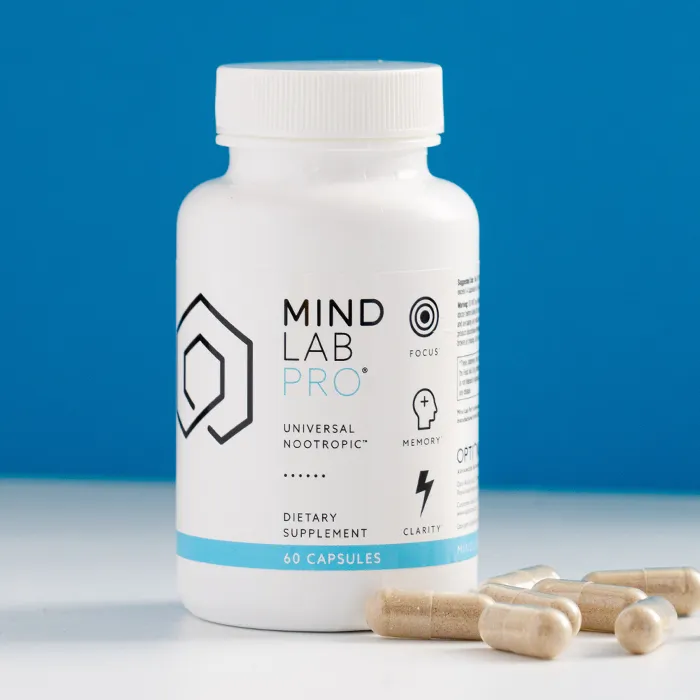
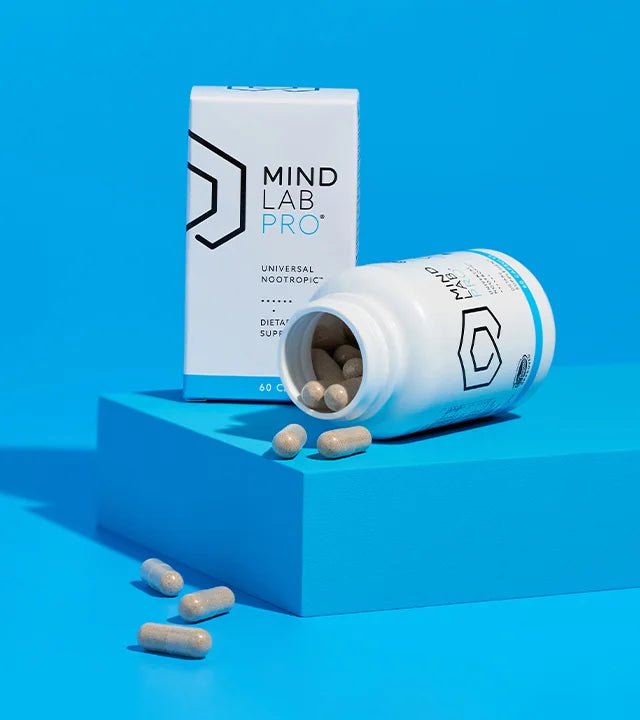
Best Nootropic Supplement with L-Theanine: Mind Lab Pro®

Mind Lab Pro® Ingredients: Citicoline (CDP Choline) dosage 250mg per serving, Phosphatidylserine (PS) 100mg (from sunflower lecithin), Bacopa monnieri 150mg (24% bacosides), Organic Lion's Mane Mushroom 500mg (fruit and mycelium), Maritime Pine Bark Extract 75mg (95% proanthocyanidins), N-Acetyl L-Tyrosine 175mg, L-Theanine 100mg per serving, Rhodiola rosea 50mg (3% rosavins and 1% salidrosides), NutriGenesis® Vitamin B6 (2.5 mg), Vitamin B9 (100 mcg), Vitamin B12 (7.5 mcg)
Mind Lab Pro® (MLP®) is a multi-ingredient nootropic stack designed to support several pathways involved in cognitive performance and brain health.
Mind Lab Pro® includes 100 mg L-Theanine per serving as part of its broader formula for calm focus, attention, and cognitive performance.
MLP® combines L-Theanine with other nootropics intended to support focus, mental clarity, attention, memory, stress resilience, and other aspects of cognitive performance.
L-Theanine is also commonly paired with caffeine. The research reviewed earlier suggests the combination may support attention and alertness while moderating some subjective caffeine-related effects, depending on dose and individual response.
“After a couple of weeks, I noticed my mind felt calmer and clearer.”
Mind Lab Pro® is a research-backed nootropic stack.
Mind Lab Pro® has been evaluated in three human studies examining information processing, memory, and perceptual decision-making. Read more about nootropics studied in humans.
- Study 1: 30 days of MLP appeared to significantly increase information processing speed (compared to placebo).(15)
- Study 2: 30 days of supplementing with MLP improved performance across all memory functions tested (versus placebo), especially immediate and delayed recall memory.(16)
- Study 3: After 60 days, the study did not find faster or more accurate behavioral performance versus placebo, but EEG measures showed differences in brain-network interdependencies.(17)
More research on Mind Lab Pro is currently underway. Read the full story on Mind Lab Pro clinical studies
We are enjoying the clarity that Mind Lab pro is providing. We also stack Caffeine 2 with it in the morning. Seems to be working to keep the energy levels sustained throughout the day.Kathleen D.
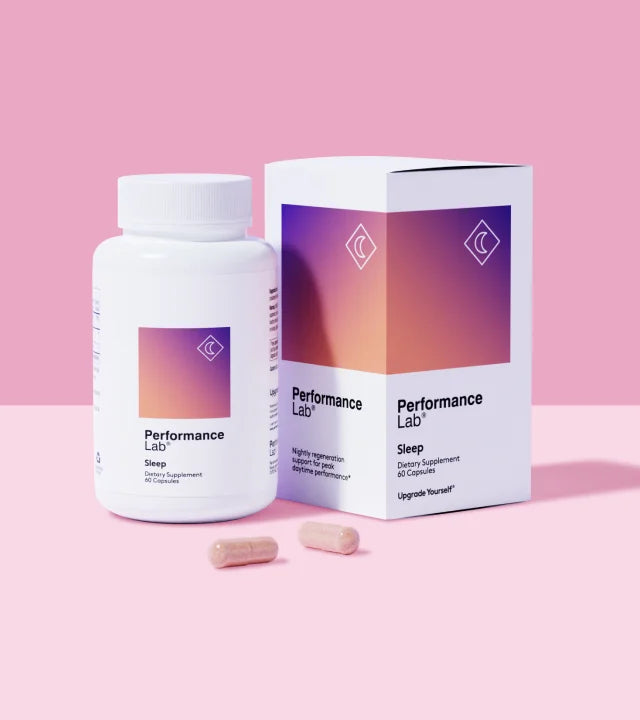
Best Caffeine Pill with L-Theanine: Caffeine 2

L-Theanine + Caffeine is a popular nootropic stack, suggested to provide a clean vitality lift with fewer jitters than caffeine alone. Performance Lab® Caffeine 2 is a caffeine + L-theanine option that combines both ingredients with additional nutrients in one capsule.
Ingredients: Performance Lab Caffeine 2™ (per 1 capsule / 1 NutriCaps®) contains: Natural caffeine (from Coffea robusta seeds) 50 mg, L-theanine 100 mg, and L-tyrosine 250 mg. It also includes a NutriGenesis® Caffeine Balance B-Complex with riboflavin (B2) 500 mcg, vitamin B6 750 mcg, folate (B9) 170 mcg DFE, and vitamin B12 2 mcg.
This formula pairs 50 mg natural caffeine with L-theanine, L-tyrosine, and B vitamins for people who prefer a pre-combined caffeine-and-theanine approach.
Great stuff! I won't take caffeine without the L-theanine. This is the perfect blend and also has added B vitamins!Cindy S
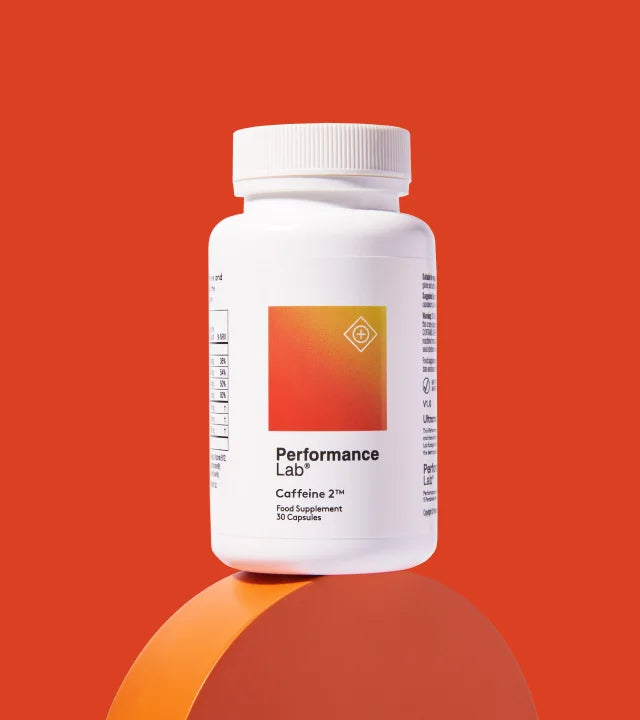
Using Mind Lab Pro® with Performance Lab® Caffeine 2 increases the total amount of L-Theanine consumed, so account for the full dose from both products and your total caffeine intake.
Frequently Asked Questions
How long does L theanine last?
The effects of L theanine do not follow one exact duration for everyone. It is best treated as a same-session supplement rather than an all-day effect. Dose, absorption, food intake, caffeine, age, sensitivity, and other individual factors can change how long the calming effect is noticeable.
Should you take L-theanine on an empty stomach?
Food intake may affect absorption rates, but the evidence cited in this article does not provide a precise comparison of how long L-theanine lasts on an empty stomach versus with food. Follow the directions on your supplement and choose the approach you tolerate best.
Can L-theanine make you feel lethargic or drowsy?
It can for some people, particularly at higher doses or when combined with other calming supplements. L-theanine is generally used to promote relaxation without causing drowsiness, but individual response varies.
Can you take L-theanine while pregnant or breastfeeding?
The evidence reviewed in this article does not establish safety during pregnancy or breastfeeding. If you are pregnant or breastfeeding, ask your healthcare provider before taking L-theanine supplements.
Does L-theanine affect GABA or serotonin?
L-theanine has been studied for effects on neurotransmitter-related pathways, including GABA (gamma aminobutyric acid), glutamate signaling, and other chemical messengers.(1,2) The precise human effects depend on dose and study design, so these mechanisms should not be interpreted as treatment for anxiety, mood disorders, or other medical conditions.
Mind Lab Pro® and L-Theanine: Bottom Line
Mind Lab Pro® includes 100 mg of L-Theanine per serving as part of a broader stimulant-free nootropic formula. In the context of this article, L-Theanine contributes to the formula’s calm-focus positioning, while the complete stack targets multiple cognitive pathways rather than relying on L-Theanine alone.
Summary
L-theanine is best known in the nootropics world for supporting a calmer mental state without acting as a strong sedative. On the cognition side, research has examined relaxed attention, stress response, reaction time, and task performance. On the brain-health side, its potential benefits are more indirect and relate to stress resilience, sleep quality, and tea-associated neuroprotective research.
And if there’s one way L-theanine has become a modern staple, it’s through the classic L-theanine + caffeine stack—the tea-inspired pairing that aims to deliver clearer alertness with fewer jitters. Used thoughtfully, this combo can be a simple, reliable tool for work sessions, studying, and demanding days when you want to be sharp without feeling wired. The key is to start modest, pay attention to how your body responds, and use L-theanine as a foundation for steadier focus—not as a substitute for the fundamentals that protect cognition over time: sleep, stress management, movement, and nutrition.
References
- Nathan, P. J., Lu, K., Gray, M., & Oliver, C. (2006). The neuropharmacology of L-theanine (N-ethyl-L-glutamine): a possible neuroprotective and cognitive enhancing agent. Journal of Herbal Pharmacotherapy, 6(2), 21–30. Link
- Kakuda, T., Nozawa, A., Sugimoto, A., & Nino, H. (2002). Inhibition by theanine of binding of (3H)AMPA, (3H)Kainate and (3H)MDL 105,519 to glutamate receptors. Bioscience, Biotechnology, and Biochemistry, 66(12), 2683–2686. Link
- Nobre, A. C., Rao, A., & Owen, G. N. (2008). L-theanine, a natural constituent in tea, and its effect on mental state. Asia Pacific Journal of Clinical Nutrition, 17(Suppl 1), 167–168. Link
- Kimura, K., Ozeki, M., Juneja, L. R., & Ohira, H. (2007). L-theanine reduces psychological and physiological stress responses. Biological Psychology, 74(1), 39–45. Link
- Gomez-Ramirez, M., Kelly, S. P., Montesi, J. L., & Foxe, J. J. (2009). The effects of L-theanine on alpha-band oscillatory brain activity during a visuo-spatial attention task. Brain Topography, 22(1), 44–51. Link
- Lyon, M. R., Kapoor, M. P., & Juneja, L. R. (2011). The effects of L-theanine (Suntheanine®) on objective sleep quality in boys with attention deficit hyperactivity disorder (ADHD): a randomized, double-blind, placebo-controlled clinical trial. Alternative Medicine Review, 16(4), 348–354. Link
- Rao, T. P., Ozeki, M., & Juneja, L. R. (2015). In search of a safe natural sleep aid. Journal of the American College of Nutrition, 34(5), 436–447. Link
- Kakuda, T. (2011). Neuroprotective effects of theanine and its preventive effects on cognitive dysfunction. Pharmacological Research, 64(2), 162–168. Link
- Ng, T.-P., Feng, L., Niti, M., Kua, E.-H., & Yap, K.-B. (2008). Tea consumption and cognitive impairment and decline in older Chinese adults. American Journal of Clinical Nutrition, 88(1), 224–231. Link
- Song, J., Xu, H., Liu, F., & Feng, L. (2012). Tea and cognitive health in late life: current evidence and future directions. Journal of Nutrition, Health and Aging, 16(1), 31–34. Link
- Owen, G. N., Parnell, H., De Bruin, E. A., & Rycroft, J. A. (2008). The combined effects of L-theanine and caffeine on cognitive performance and mood. Nutritional Neuroscience, 11(4), 193–198. Link
- Kahathuduwa, C. N., Dassanayake, T. L., Amarakoon, A. M. T., & Weerasinghe, V. S. (2017). Acute effects of theanine, caffeine and theanine-caffeine combination on attention. Nutritional Neuroscience, 20(6), 369–377. Link
- Haskell, C. F., Kennedy, D. O., Milne, A. L., Wesnes, K. A., & Scholey, A. B. (2008). The effects of L-theanine, caffeine and their combination on cognition and mood. Biological Psychology, 77(2), 113–122. Link
- Giesbrecht, T., Rycroft, J. A., Rowson, M. J., & De Bruin, E. A. (2010). The combination of L-theanine and caffeine improves cognitive performance and increases subjective alertness. Nutritional Neuroscience, 13(6), 283–290. Link
- Utley, A., Gonzalez, Y., & Imboden, C. A. (2023). The efficacy of a nootropic supplement on information processing in adults: a double blind, placebo controlled study. Biomed J Sci & Tech Res, 49(1). Link
- Abbott-Imboden, C., Gonzalez, Y., & Utley, A. (2023). Efficacy of the nootropic supplement Mind Lab Pro on memory in adults: double blind, placebo-controlled study. Human Psychopharmacology: Clinical and Experimental, e2872. Link
- O’Reilly, D., Bolam, J., Delis, I., & Utley, A. (2025). Effect of a plant-based nootropic supplement on perceptual decision-making and brain network interdependencies: a randomised, double-blinded, and placebo-controlled study. Brain Sciences, 15(3), 226. Link
*These statements have not been evaluated by the Food and Drug Administration. This product is not intended to diagnose, treat, cure, or prevent any disease.