

It seems everybody is stressed out these days. And that stress can have far-reaching implications for our physical health and emotional well-being. Stress can place a lot of strain on the endocrine system specifically, especially the adrenal glands. It may lead to "adrenal fatigue": tiredness that doesn’t improve with rest, brain fog, low motivation, sleep disruption, food cravings and feeling “wired but tired.”
Important note: There isn’t a credible population-prevalence statistic for “adrenal fatigue,” because it is not recognized as a medical diagnosis by mainstream medicine/endocrinology. What can be quantified is how widespread the public idea has become.
In a 2016 systematic review in BMC Endocrine Disorders, the authors noted that a Google search (April 22, 2016) returned about 640,000 results for “adrenal fatigue,” and about 1,540,000 results for the association of the two words. That same review concluded there was no substantiation that “adrenal fatigue” is an actual medical condition.
But try telling that to those struggling with adrenal fatigue's frustrating symptoms. Many sufferers are actively seeking relief in the form of dietary supplements, including adaptogen herbs.
If you are dealing with adrenal fatigue or high cortisol levels and want the best adaptogenic herbs—like ashwagandha and rhodiola—to support your adrenals, cortisol balance and stress resilience, then read on.
This article explores how adaptogens interact with the adrenal glands, what benefits they offer, and which adaptogens are best for promoting balanced energy, resilience, and hormonal harmony. Let's get to it!
Key Takeaways
- Adrenal glands produce hormones that help regulate metabolism, stress response, blood pressure, electrolyte balance and more.
- Chronic stress can overwork the adrenal glands, leading to fatigue and hormonal imbalances
- Adaptogens are natural herbs help the body adapt to stress by supporting adrenal gland function, including regulating "stress hormone" cortisol.
- Scientific studies show that adaptogens may help to improve energy (distinct from conventional stimulants), mental clarity, physical performance and overall stress resilience
- Top adaptogens for adrenal health include Rhodiola rosea, Ashwagandha, Eleuthero, Schisandra, and Holy Basil
Disclaimer
“Adrenal fatigue” is not a recognized medical diagnosis, and symptoms often linked to it (like ongoing tiredness, brain fog, low mood, sleep problems, mild cognitive impairment, chronic fatigue syndrome, or feeling “wired and tired”) can overlap with many real health conditions. This article is for educational purposes only and discusses dietary supplement adaptogens—not medicine, and not a substitute for medical care. Before using adaptogens, talk to your doctor. Do not use supplements in place of prescribed medications. Stop use and seek medical advice if you experience side effects or allergic reactions.
What Are Adaptogens?
Adaptogens herbs and mushrooms that enhance the body's ability to resist stressors of all kinds, including physical, chemical, emotional and biological stressors. First formally acknowledged by science by Dr. Nikolai Lazarev in 1947, adaptogens help restore balance to the body’s systems, particularly the hypothalamic-pituitary-adrenal (HPA) axis, which regulates our stress responses.
Adaptogens work by normalizing physiological functions, helping the body respond to stress and maintain a balanced state known as homeostasis. If a body system is running too high, adaptogens help to cool it down. If a body system is running too low, adaptogens help to raise it back up to a normal level of function. This adaptogen benefit makes them especially useful in managing adrenal health and stress-related dysfunction, as they support hormonal balance and optimize the body's stress response.
What are the Adrenal Glands?

The adrenal glands are small glands located on top of each kidney. Despite their size, they play a massive role in hormonal regulation. The adrenals produce over 50 hormones, including cortisol, adrenaline (epinephrine), norepinephrine, aldosterone, and DHEA. These hormones regulate energy, metabolism, immune function, blood pressure, and, most importantly, the body’s response to stress.
The Stress Response and Cortisol
When the brain perceives stress, it activates the HPA axis (hypothalamic-pituitary-adrenal (HPA) axis). The HPA axis is part of the endocrine system that includes the hypothalamus, pituitary gland, and adrenal glands. It works to regulate the body’s response to stress, metabolism, immune function, and energy balance.
When stress activates the HPA axis, the adrenals release the "stress hormone" cortisol: a key hormone that helps us cope with stress by sparking energy and increasing alertness.
Short bursts of cortisol are very helpful for managing intense situations. But chronic stress keeps the HPA axis activated for too long, and cortisol (and other stress hormones) levels remain elevated. This is what we mean regarding stress wreaking havoc on the mind and body. Chronic stress and related high cortisol levels are linked to a range of health concerns, including:
- Mental and Emotional Health Issues: Chronic stress and high cortisol can lead to anxiety, depression, mood instability, poor concentration, memory impairment ("brain fog"), and sleep problems.
- Hormonal Disruption: Elevated cortisol interferes with thyroid hormone conversion, skews reproductive hormones (testosterone, estrogen, and progesterone), causes irregular menstrual cycles and reduces sex drive.
- Physical Health and Metabolic Effects: High cortisol is linked to abdominal weight gain, insulin resistance, high blood sugar, high blood pressure, increased cholesterol and triglycerides, muscle loss, and slower physical recovery.
- Immune System Issues: Cortisol suppresses immune function, making the body more vulnerable to a range of immune challenges, slowing wound healing, and raising risk for autoimmune concerns. Learn about natural supplements that support immune function
- Cardiovascular Issues: Stress can increase the risk of heart disease and stroke, raise resting heart rate and blood pressure.
- Digestive Problems: Unhealthy stress eating is just one concern. Long-term stress also disrupts gut function, potentially leading to reflux, ulcers, sour stomach and other IBS-like symptoms.
Adrenal Fatigue: A Controversial but Popular Concept
Although not officially recognized by modern science, a concern known as "adrenal fatigue" is widely discussed in natural health circles. The theory is that ongoing stress depletes the adrenals' ability to produce enough cortisol, resulting in chronic fatigue (both mental and physical fatigue), brain fog, low mood, and poor stress resistance. Adaptogens are commonly used in adrenal support protocols to help regulate cortisol and restore lost vitality.
How Adaptogens Support Adrenal Health
Help Normalize Cortisol Production
Chronically elevated cortisol from physical and mental stressors can negatively impact adrenal gland function. Adaptogens may help. Adaptogens help regulate cortisol production, whether it’s too high from chronic stress or too low from burnout. As they work to balance cortisol levels, adaptogens may support better mood, focus and energy, as well as overall stress relief. Learn more about adaptogens for energy
In a 2023 clinical review of nine studies, researchers found that ashwagandha supplementation for between 30-112 days was associated with consistent reductions in cortisol. The review concluded that ashwagandha appears to significantly lower cortisol in stressed individuals, although long-term effects remain unclear.(1)
Protect Against Stress-Induced Damage
Unstable molecules called free radicals cause cellular stress and inflammation that can damage adrenals and disrupt their signaling. Many adaptogens are rich in free radical-fighting antioxidants and inflammation-regulating compounds that protect the adrenals, brain, and immune system from damage caused by prolonged stress and oxidative stress.
In one 2010 broad review of adaptogens including Rhodiola rosea, Schisandra chinensis, Panax ginseng, and Ashwagandha, researchers reported these herbs demonstrated significant inflammation-modulating and antioxidant properties, supporting our natural resistance to stress while protecting overall wellness. The same bioactivities may help protect the adrenal glands.(2)
Restore HPA Axis Balance
HPA axis signaling is key to healthy resistance to stress. Adaptogens help to support communication between the hypothalamus, pituitary gland, and adrenals -- all key players in our stress responses -- thereby restoring balance and resiliency in the system.
In a 2022 review of 52 clinical trials (including adaptogens like ashwagandha and Rhodiola rosea), researchers reported on consistent evidence of adaptogens lowering cortisol, suggesting improved signaling between the hypothalamus, pituitary gland, and adrenal glands.(3)
Improve Physical and Mental Stamina
Adaptogens help the adrenals adapt to physical demands by smoothing out stress-hormone peaks, supporting recovery processes, and optimizing energy systems. By reducing the burden of stress on the adrenals, adaptogens help improve physical energy, mental endurance, and overall vitality.
Some clinical research has shown that adaptogens like Rhodiola extract may reduce physical fatigue, improve fitness and decrease cortisol under stress. One clinical review evaluated 11 controlled clinical trials involving Rhodiola rosea for both physical and mental fatigue. Results indicate that 2 of 6 trials showed significant physical performance gains in healthy adults, and 3 of 5 trials showed reduced mental fatigue.(4)
Learn more about today's best adaptogens for athletes
Best Adaptogens for Adrenal Fatigue & Cortisol Support in 2026
Rhodiola rosea

Rhodiola rosea (sometimes called Golden Root) is one of the most extensively studied adaptogens and a favorite for supporting adrenal health, especially in the context of chronic stress and burnout. Native to the cold, mountainous regions of Europe and Asia, Rhodiola has a long history of traditional use to enhance stamina, reduce fatigue, and improve resilience. It's also a popular brain booster, known as a nootropic that really works.
Rhodiola is sometimes recommended for people with high stress, mental exhaustion, or adrenal "overdrive," and may be helpful during times of intense work pressure and emotional strain where the adrenal glands are under high demand.
How Rhodiola May Support Adrenal Function
Rhodiola is suggested to support the adrenals by regulating the hypothalamic-pituitary-adrenal (HPA) axis and modulating the release of cortisol. Additionally, Rhodiola enhances cell energy production and fights oxidative stress in adrenal glands, helping to ward off stress-related fatigue while supporting healthy adrenal function. It may help in cases of adrenal problems where stress hormone levels remain high long after the stressor has passed.
Research: One randomized, double-blind, placebo-controlled trial examined the effects of a standardized Rhodiola rosea extract (SHR-5) in healthy subjects experiencing stress-related fatigue. The burnout patients taking Rhodiola showed significant improvements in energy, concentration, sleep quality, and overall mental performance, which are all key indicators of improved adrenal and HPA axis function.(5)
Tip: For best results, look for standardized extracts containing 3% rosavins and 1% salidroside, the compounds believed to contribute to Rhodiola’s adaptogenic effects.
Learn more about Rhodiola rosea
Ashwagandha (Withania somnifera)

Ashwagandha is one of the most popular adaptogens for adrenal support supplements. It is especially prized in India's Ayurvedic herbalism practices, where it is known for its ability to reduce stress, support adrenal health, and restore energy. It may be especially useful for people dealing with long-term stress, fatigue, anxiety, or symptoms of adrenal dysregulation.
How Ashwagandha Supports the Adrenals
Like other adaptogens, Ashwagandha root extract benefits the human body (including the adrenal glands) by modulating the HPA axis and balancing cortisol levels. Unlike some adaptogens that only reduce high cortisol, however, Ashwagandha helps normalize stress levels, whether they are high or low. This potentially makes ashwagandha helpful for both adrenal overdrive and adrenal burnout. It also promotes thyroid function, which is often affected by adrenal stress, and supports deeper, more restorative sleep that is great for adrenal recovery.
Learn more about natural supplements for restorative sleep
Research: A randomized double-blind, placebo-controlled study found that participants taking high-concentration full-spectrum Ashwagandha standardized root extract had significantly reduced cortisol levels (by 27.9%) and reported lower stress and anxiety scores compared to the placebo group.(6)
Learn about taking Rhodiola rosea and Ashwagandha together
Bacopa Monnieri

Bacopa monnieri, also known as Brahmi, holds a special place in the history of Ayurvedic medicine, where it has been used for over 3,000 years as a rasayana: a rejuvenating herb that promotes longevity, mental clarity and intellect, emotional balance, and nervous system function. While it is regarded as a brain-boosting nootropic more than a classic adaptogen, Bacopa still fits within the modern adaptogenic framework: it enhances the body’s resistance to stress.
How Bacopa Supports the Adrenals
Bacopa may work to calm the HPA axis by enhancing activity of the "relaxing" neurotransmitter GABA and lowering corticosterone (the stress hormone equivalent of cortisol in rodents). It may regulate overactive adrenal function associated with chronic stress and improves the communication between the brain and adrenal glands.
Research: In a double‑blind, placebo‑controlled crossover trial, 17 healthy adults received either 320 mg or 640 mg of a standardized Bacopa extract herbal supplements. Study subjects underwent a multitasking stress test, with cortisol measured before and after. The study found both doses significantly reduced cortisol levels following the stress task while helping to improve mood and cognitive performance. This may reflect beneficial adaptogenic effects on the adrenals.(7)
Learn more about Bacopa Monnieri
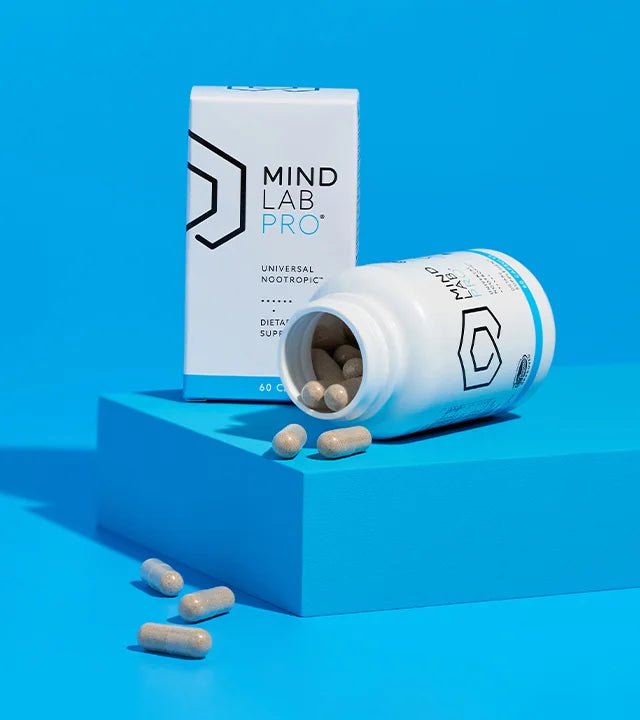
Did you know? Top nootropic supplement Mind Lab Pro® supplies two adaptogens for adrenals -- Rhodiola rosea and Bacopa monnieri -- as part of its Universal Nootropic design. These adaptogens contribute to the formula's support for mental clarity, stress resistance, relaxation and overall mind-body performance.
Eleuthero (Siberian Ginseng)

Eleuthero (Eleutherococcus senticosus), often called Siberian ginseng (though it is not the same as true Panax or Asian ginseng because it lacks active ginsenosides), was the first herb to be officially classified as an adaptogen. It's famously associated with early Soviet Russia research and performance-enhancing usage by cosmonauts, Olympic athletes, soldiers and factory workers. It has also been used in traditional Chinese herbalism to tonify qi (vital energy; life force), nourish the spleen and kidneys, and support resilience against environmental challenges.
How Eleuthero Supports the Adrenals
Eleuthero boosts resistance to physical and mental stress by strengthening the adrenal glands' response to stimulation. It gently regulates the HPA axis and supports balanced cortisol output without overstimulation. It also improves oxygen utilization and stamina, which further may help to reduce fatigue from adrenal stress.
Research: In a double-blind trial, Eleuthero supplementation showed apparent clinical efficacy: it significantly improved endurance, mental alertness, and work output in people experiencing fatigue and stress. This may be linked to possible support for healthy adrenal gland function.(8)
Schisandra chinensis

Schisandra is a traditional Chinese herbal adaptogen prized for its liver-protective and stress-buffering effects. Its unique profile supports both physical endurance and mental resilience, making it a sensible supplement for those under chronic adrenal strain.
Also known as “Wu Wei Zi” in Traditional Chinese Medicine (meaning "five-flavor berry"), Schisandra has been used for over 2,000 years as a tonic for vitality, longevity, and overall wellness.
Unlike many herbs that work in one or two pathways, Schisandra was traditionally believed to "enter all five organ systems" (heart, liver, lungs, kidneys, and spleen), reflecting its broad-spectrum potential for human health. Today, it’s known to modulate cortisol, protect the liver, and enhance efficiency of cell energy production, while also offering cell-protective antioxidant and inflammation-regulating effects.(9)
How Schisandra Supports the Adrenals
Schisandra helps regulate HPA axis function and balance cortisol fluctuations, especially under ongoing physical or emotional stress. Its support for mitochondrial function and cellular energy production may further help to reduce fatigue while protecting against damage in the adrenal glands.
Research: Some clinical studies have suggested Schisandra may increase stress resistance and stabilize energy levels. A 2015 review noted that Schisandra lignans modulate adrenal hormones and offer anti-fatigue effects via the HPA axis.(10)
Holy Basil (Tulsi)

Tulsi (Ocimum sanctum or Ocimum tenuiflorum), also known as Holy Basil, is one of the most sacred herbs in Ayurvedic tradition, where it has been used for over 3,000 years to promote spiritual clarity, physical resilience, and emotional balance. In Ayurveda, Tulsi is classified as a “rasayana” for its rejuvenating properties.
Modern science has further delved into its adaptogenic effects, with some evidence suggesting Tulsi helps regulate cortisol levels, supports mitochondrial function, enhances immune response, and protects against oxidative stress and inflammation. It's also been suggested to ease anxiety-related symptoms as part of its overall anti-stress effects. Learn about supplements for anxiety
How Tulsi Supports the Adrenals
Tulsi helps modulate cortisol secretion and supports the body’s natural stress response. It promotes balance in the nervous system and modulates sympathetic (fight-or-flight) responses, which may help to ease strain on the adrenal glands. Tulsi also supports glucose metabolism and promotes normal inflammatory responses, two areas of health that are often disrupted in people with malfunctioning adrenal glands.
Research: A double-blind clinical trial found that Tulsi supplementation significantly reduced stress-related symptoms such as forgetfulness, fatigue, sleep problems, and sexual function concerns, all of which are associated with adrenal fatigue.(11)
Frequently Asked Questions
What are the best adaptogens for adrenal fatigue?
The top adaptogens commonly discussed for adrenal support include ashwagandha, rhodiola, holy basil and ginseng. These herbs are used to help support cortisol balance and the body’s response to chronic stress.
Is adrenal fatigue a real medical condition?
Adrenal fatigue is not recognized as an official medical diagnosis by mainstream medicine or endocrinology. However, the symptoms people associate with it, such as persistent tiredness, brain fog and feeling wired but tired, are real and often linked to ongoing stress and poor recovery.
What are the main symptoms of adrenal fatigue?
Common symptoms include tiredness that does not improve with rest, brain fog, low motivation, sleep disruption, food cravings and feeling wired but tired. These symptoms are often associated with chronic stress affecting the body’s broader stress-response systems.
How do adaptogens help with cortisol support?
Adaptogens help support healthy cortisol balance by working with the body’s stress-response system, especially the HPA axis. They are used to help the body maintain better balance during periods of physical, emotional and mental stress.
Can adaptogens really help with stress and fatigue?
Adaptogens may help support resilience to stress and reduce feelings of fatigue by helping the body adapt more effectively to ongoing stressors. Many people use them alongside healthy lifestyle practices for broader energy, focus and stress support.
What causes adrenal fatigue symptoms?
Symptoms commonly associated with adrenal fatigue are often linked to chronic stress placing strain on the endocrine system and disrupting normal cortisol patterns. This can affect energy, motivation, mood, sleep and overall well-being.
Are there any nootropics that work well with adaptogens?
Yes, adaptogens are often combined with nootropics to support both stress resilience and cognitive performance. This type of combination may be useful for people looking to support energy, focus and mental clarity at the same time.
How popular is the concept of adrenal fatigue?
The concept of adrenal fatigue has attracted significant public interest for years, even though it is not a recognized medical diagnosis. Many people continue searching for ways to address the symptoms they associate with chronic stress and adrenal dysfunction.
Is ashwagandha good for adrenal fatigue?
Ashwagandha is widely discussed as one of the leading adaptogens for adrenal support because it may help regulate cortisol and support the body’s stress-response system. It is often used for symptoms such as feeling wired but tired, stress-related fatigue and brain fog.
What are adrenal adaptogens and how do they work?
Adrenal adaptogens are herbs and mushrooms used to support the body’s ability to resist stress while helping regulate the HPA axis and adrenal function. They work by helping normalize physiological stress responses and support balance during chronic stress.
How can I support my adrenals naturally?
Natural adrenal support often focuses on adaptogenic herbs such as rhodiola, ashwagandha, eleuthero, schisandra and holy basil. These are commonly paired with healthy sleep, stress management and good nutrition to support resilience and recovery.
Do adaptogens support hormone regulation beyond just cortisol?
Yes, adaptogens are often discussed for broader hormone support because the HPA axis influences multiple systems beyond cortisol alone. By supporting stress regulation, they may also help promote better balance across other hormone-related processes.
Does schisandra lower cortisol levels?
Schisandra is generally discussed as helping normalize cortisol rather than simply lowering it across the board. Its role is usually described as helping restore healthier stress-response patterns and better overall balance.
What is the difference between eleuthero and ashwagandha for adrenal support?
Both eleuthero and ashwagandha are adaptogens used for adrenal and stress support, but they are often chosen for slightly different strengths. Ashwagandha is commonly associated with calming support and wired-but-tired symptoms, while eleuthero is more often associated with stamina, alertness and resilience.
What are the best adaptogen supplements for managing stress?
Popular adaptogens for stress management include rhodiola rosea, ashwagandha, eleuthero, schisandra and holy basil. They are commonly used to support cortisol balance, stress resilience and more stable energy during periods of chronic stress.
Summary
Adaptogen for adrenal fatigue offer a powerful, research-backed strategy for supporting the adrenal glands, building long-term resilience to stress, and optimizing overall wellbeing. By modulating cortisol levels, protecting against stress-induced damage, and restoring HPA axis function, adaptogens increase our resilience, helping us feel calmer and more energized, with enhanced cognitive function and physical capacity.
If you’re feeling wired and tired, or suspect adrenal dysfunction, consider incorporating adaptogenic substances, such as Rhodiola, Ashwagandha, or Schisandra, and bring their positive effects into your daily wellness routine.
As always, be sure to consult with your doctor before starting new supplements. When used wisely, adaptogenic plants can be one of the most effective tools for stress management and adrenal support in the modern age.
References
- Della Porta, M., Maier, J. A., & Cazzola, R. (2023). Effects of Withania somnifera on cortisol levels in stressed human subjects: A systematic review. Nutrients, 15(24), 5015. Link
- Panossian A, Wikman G. Effects of Adaptogens on the Central Nervous System and the Molecular Mechanisms Associated with Their Stress-Protective Activity. Pharmaceuticals (Basel). 2010 Jan 19;3(1):188-224. Link
- Lopresti, A. L., Smith, S. J., & Drummond, P. D. (2022). Modulation of the hypothalamic–pituitary–adrenal axis by plants and phytonutrients: A systematic review of human trials. Nutritional Neuroscience, 25(8), 1704–1730. Link
- Ishaque, S., Shamseer, L., Bukutu, C., & Vohra, S. (2012). Rhodiola rosea for physical and mental fatigue: A systematic review. BMC Complementary and Alternative Medicine, 12, 70. Link
- Olsson, E. M., von Schéele, B., & Panossian, A. G. (2009). A randomized, double-blind, placebo-controlled, parallel-group study of the standardized extract SHR-5 of the roots of Rhodiola rosea in the treatment of subjects with stress-related fatigue. Planta Medica, 75(2), 105–112. Link
- Chandrasekhar, K., Kapoor, J., & Anishetty, S. (2012). A prospective, randomized double-blind, placebo-controlled study of safety and efficacy of a high-concentration full-spectrum extract of Ashwagandha root in reducing stress and anxiety in adults. Indian Journal of Psychological Medicine, 34(3), 255–262. Link
- Benson, S., et al. (2014). Efficacy of Bacopa monnieri in improving cognitive performance in humans: A randomized, placebo-controlled, double-blind clinical trial. Journal of Alternative and Complementary Medicine, 20(9), 720–726. Link
- Bohn, B., Nebe, G., & Birr, C. (1987). Effects of Adaptogens on the CNS and the level of biogenic monoamines. Arzneimittel-Forschung, 37(10), 1193–1197. Link
- Panossian, A., Wikman, G., & Wagner, H. (1999). Plant adaptogens III. Earlier and more recent aspects and concepts on their mode of action. Phytomedicine, 6(4), 287–300. Link
- Panossian, A., & Wikman, G. (2008). Pharmacology of Schisandra chinensis Bail.: An overview of Russian research and uses. Journal of Ethnopharmacology, 118(2), 183–212. Link
- Saxena, R. C., Singh, R., & Kumar, P. (2012). Efficacy of an extract of Ocimum sanctum (Holy Basil) in the management of general stress: A double-blind, placebo-controlled study. Evidence-Based Complementary and Alternative Medicine, 2012, 1–6. Link