Wondering if you can take Rhodiola and Ashwagandha together and whether the combo is actually better for stress, energy, mood, and focus rather than taking either one alone?
Oftentimes ashwagandha and rhodiola are taken together for the multitude of health benefits they have to offer. They are used as stress relievers, energy boosters, and cognitive enhancers, it’s no surprise that these two herbs are more effective when taken together.
This guide explains what each adaptogen is best known for, why people pair them (calm + drive, resilience + performance), and how to structure timing so you get benefits without feeling wired or sleepy. You’ll also learn typical dosing approaches, who should be cautious, and how to tell if this stack fits your stress pattern and daily routine.
Key Takeaways
- Ashwagandha + Rhodiola are complementary adaptogens—ashwagandha is more calming; rhodiola is more energizing—together supporting steady, calm focus under stress.
- Common reasons to stack them: stress resilience, mental clarity, mood support, and sustaining energy without stimulants.
- How people typically take them: rhodiola earlier in the day; ashwagandha later (or as needed) to maintain balance. (Not medical advice.)
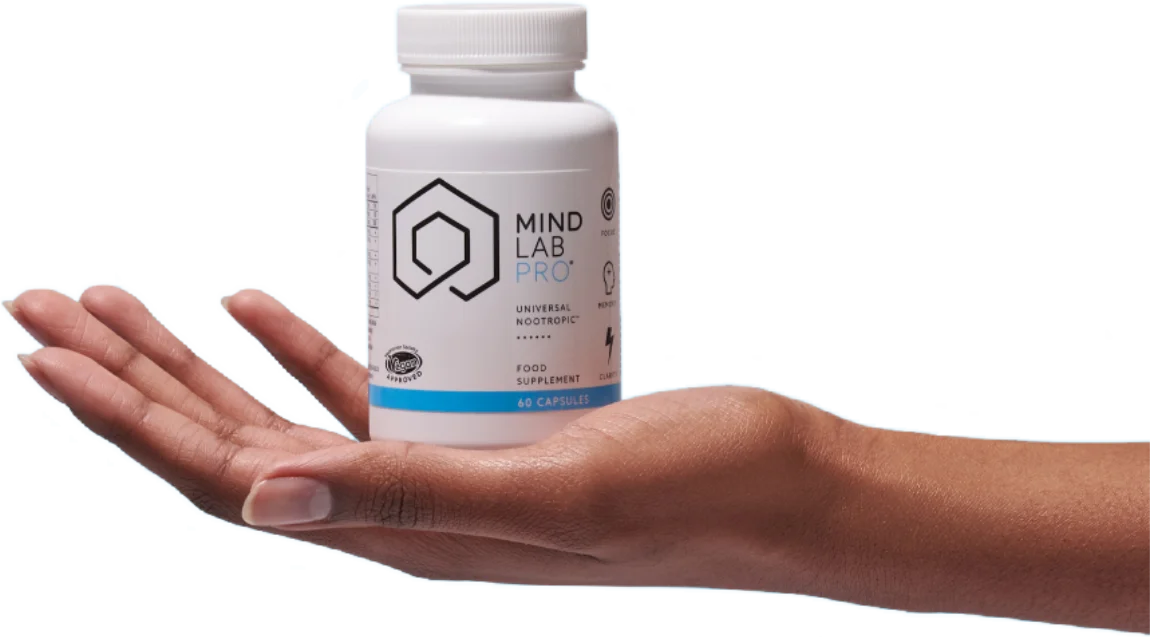
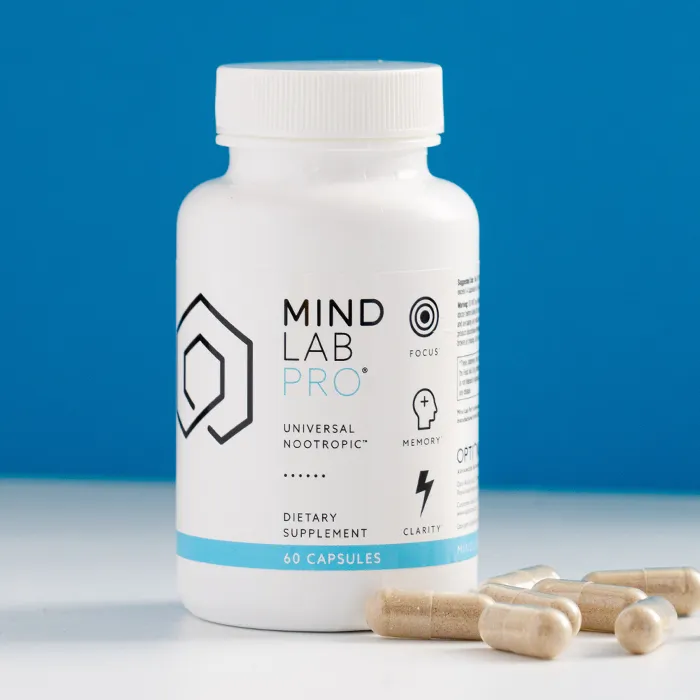
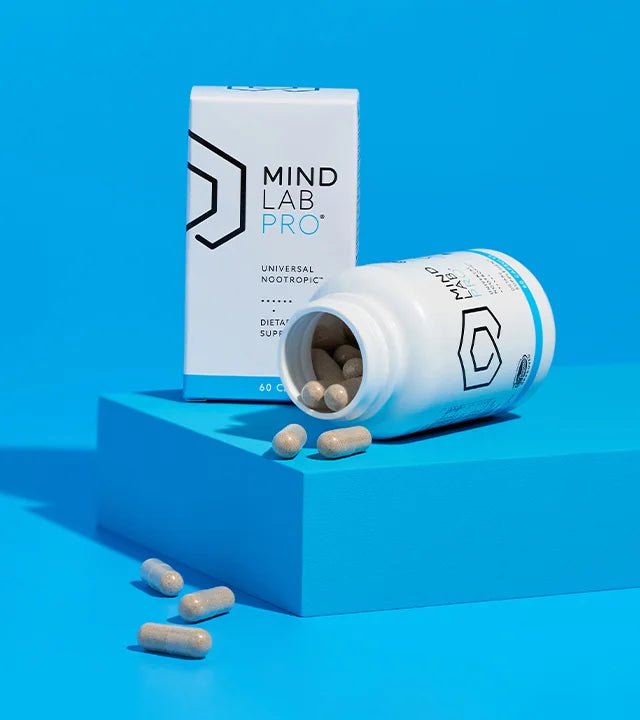
- Mind Lab Pro® includes Rhodiola Rosea within a broader nootropic stack for everyday cognitive support.
Adaptogenic Herbs 101
Ashwagandha and rhodiola are best known for their adaptogenic properties.
Ever felt that stressed feeling when you have a deadline approaching? Or when your car breaks down? Or when you sleep through your alarm and you’re running late for work?
We have all experienced stress to some capacity in our lifetime, whether it be triggered by something serious or just the everyday hiccups.
While there are many ways to cope with stress and pressure, adaptogens are one effective way to manage these feelings and experiences.
To put it simply, adaptogens help our body cope better with the physical effects of stress. These herbs essentially aid our bodies in reacting to or recovering from short- and long-term stress, whether it be physical or mental.
Much research shows that these herbs can also boost immunity and promote overall good health, and also help combat fatigue, enhance cognition, ease symptoms of depression and anxiety, and help us thrive in times of need.
So, how do these herbs help with stress?!
Adaptogens can help us cope with stress better by:
- Helping us stay longer in the “resistance” phase of stress response, helping us soldier on through a stressful situation before we (typically) mentally crash
- Reducing stress hormones such as cortisol, which can wreak havoc on the body if out of control
- Helping indirectly with other health issues such as pain, insomnia, and digestive issues

“It also helped calm me in stressful moments and reduced some of my reactionary stress responses.”
Now, let’s explore two of the top adaptogenic herbs!
Health Benefits of Ashwagandha
Ashwagandha is considered the king of Ayurvedic herbs, and rightly so! It has been used as a stress reliever, enhancer of sexual function, and a promoter of strength and vitality.
Not only is ashwagandha one of the most effective adaptogens, it can also help:
- Reduce symptoms of anxiety
Ashwagandha is known for its anxiolytic properties, meaning that it helps reduce symptoms of anxiety, particularly those who are chronically stressed.
- Reduce cortisol levels
To further add to the stress-relieving properties of ashwagandha, it has been shown that cortisol levels are significantly reduced upon supplementation of ashwagandha.
- Enhance male fertility
This powerful, adaptive herb has also been shown to enhance male fertility by increasing the production of testosterone and improve sperm quality and concentration among infertile men.
- Improve power output
More good news for the guys—ashwagandha has also been shown to improve power output, sprint performance, and VO2 max in trained and untrained men.
These are some key benefits of ashwagandha and the reason it’s not only used as a nootropic, but also as a testosterone booster!
Health Benefits of Rhodiola
Rhodiola Rosea is also an herb that’s been traditionally used for its adaptogenic properties.
Unlike ashwagandha which helps us cope better with stress by essentially delaying the physical response, rhodiola is thought to significantly reduce the fatigue and “burnout” feelings associated with stress and anxiety.
These effects may translate to exercise too, another form of physical stress, which is why you may find this herb in physical performance enhancers as well as nootropic stacks.
Rhodiola rosea can help with:
- Regulating stress hormones, such as cortisol
- Helping to support brain chemicals that are key for cognition
- Offering neuroprotective effects on the brain
- Promoting peak cognitive performance under stressful circumstances
- Mood stabilization, supporting a more balanced mindset
- Enhanced mental alertness and energy without the stimulants
Ashwagandha and Rhodiola: How Do They Work Together?
While ashwagandha and rhodiola share many similarities, ashwagandha is typically the more relaxing one whereas rhodiola is the more stimulating, energizing one.
Taken together, they can work synergistically to provide you with a calm, focused, and stabilized energy throughout the day.
There is also some speculation around one herb being better than the other, but this is like comparing apples to pears. The main point being that they are both remarkable and effective herbs alone, and even more so when taken together.
Some of the benefits of taking these herbs together include:
- Increased mental and physical energy without the stimulants
- Improved mental focus
- Reduced stress and anxiety
- Improved athletic performance
So, what is the best way to take these herbs together?
Quick tip: Many people take rhodiola earlier in the day for steady alertness and keep ashwagandha for later to unwind—helping balance energy and calm through the day. Individual responses vary; consult your healthcare professional as needed.
Want an easy daily base for calm, clear focus? Mind Lab Pro® includes Rhodiola within a full-spectrum nootropic stack.
Want an easy daily base for calmThe Best Way to Take Ashwagandha and Rhodiola Together
You can often find these two herbs separately, both with specified recommended doses.
You may also find these these two ingredients as part of effective and potent nootropic stacks, which is a great approach to boosting cognitive performance and promoting overall brain health.
Mind Lab Pro is a universal nootropic containing 11 cognitive-enhancing ingredients, including rhodiola rosea, that all work synergistically to provide you with the best, most potent brain benefits.
I was skeptical at first, but I can say that I feel sharper and more clear minded than as long as I can remember.John Y
Frequently Asked Questions
Can you take rhodiola and ashwagandha together?
Yes, many people take rhodiola and ashwagandha together because they support stress in different but complementary ways. Rhodiola is usually the more energizing adaptogen, while ashwagandha is usually the more calming adaptogen, so the combination can support calm focus, mood, and steady energy. This also covers common search variations like "can I take rhodiola with ashwagandha" and "can you take rhodiola rosea and ashwagandha together." If you have a medical condition, are pregnant, or take medications, speak with a healthcare professional before starting the stack.
How should you take ashwagandha and rhodiola together?
A practical approach is to take rhodiola earlier in the day and ashwagandha later in the day. Many people use rhodiola in the morning or early afternoon for alertness and stress performance, then use ashwagandha later to support relaxation and balance. This helps reduce the chance of feeling too wired late in the day or too relaxed too early. Start with the labeled serving sizes on each product, keep your timing consistent for at least a week, and adjust based on how your body responds.
When should I take each one?
Most people do best with rhodiola in the morning or early afternoon and ashwagandha later in the day. Rhodiola is typically used when you want energy, focus, and resilience under stress, while ashwagandha is often used when you want to feel calmer and more balanced. If you are sensitive to supplements, begin with a lower amount and monitor how you feel across the day before changing your schedule.
Rhodiola vs ashwagandha, which one is better?
Neither is universally better because they support different needs. Ashwagandha is usually chosen when stress feels tense, anxious, or overstimulated, while rhodiola is often chosen when stress feels draining, foggy, or tied to burnout and low energy. Many people compare them, but in practice they often work best as a pair because one supports calm and the other supports drive. If you want a deeper breakdown of stacking and combination strategy, see our nootropic stacking guide in the "stacking strategies" section: Nootropic Stacking Strategies.
What is rhodiola and what is rhodiola used for?
Rhodiola rosea is an adaptogenic herb that is commonly used to support stress resilience, mental energy, alertness, and cognitive performance during demanding periods. On this page, we explain that rhodiola is often used for stress related fatigue, burnout type feelings, mood balance, and staying mentally sharp without stimulant style effects. If you want more on burnout support, see our guide section focused on stress and burnout support here: Nootropics for Stress and Burnout.
Are there side effects or interactions?
Both herbs are generally well tolerated for many people, but they are not right for everyone. You should be more cautious if you are pregnant, have thyroid or adrenal concerns, or take medications, because herb and medication interactions are possible. It is also smart to start one product at a time or begin with lower doses so you can tell how each herb affects your energy, mood, sleep, and digestion. If anything feels off, stop and check with a healthcare professional.
Do ashwagandha and rhodiola help with cortisol, stress, and energy?
They are often used for exactly that reason. Ashwagandha is commonly associated with a calmer stress response and support for healthy cortisol balance, while rhodiola is often used to reduce stress related fatigue and support mental energy. Together, they can help support a steadier response to stress with better focus and less burnout type drag. For more on energy and focus support, see our related guides in the energy and focus sections here: Nootropics for Energy and Nootropics for Focus.
Does Mind Lab Pro® include ashwagandha?
No, Mind Lab Pro® includes Rhodiola Rosea as part of its 11 ingredient nootropic formula, but it does not include ashwagandha on this page. If you want to use both, many people take Mind Lab Pro® as their daytime nootropic base and pair it with a separate ashwagandha product later in the day based on their routine and tolerance. You can also review broader formula options in our best nootropic supplements guide: Best Nootropic Supplements.
Take-Home Message
Ashwagandha and rhodiola are two of the most powerful adaptogenic herbs. Often used as stress-relievers, you may find these herbs in a nootropic stack or in performance enhancing supplements.
While they both have remarkable benefits as standalone herbs, they are even more effective when taken together.
Increased mental focus, reduced stress and anxiety, and increased energy are just a handful of the effects that you will experience when taking these supplements.
You can find rhodiola rosea as part of some of the best nootropic formulas on the market, such as Mind Lab Pro.
References
- Biomedical Journal of Scientific & Technical Research. Mind Lab Pro® double-blind, placebo-controlled information-processing study. View
- Human Psychopharmacology: Clinical and Experimental. Wechsler Memory Scale (4th ed.) outcomes; Performance Lab Group–funded. View
- MDPI (Scientific Journal). EEG brain-mapping study on perceptual decision-making synergy. View