Feeling mentally fatigued? Slow processing, poor mood, impaired memory -- the negative effects of brain fatigue are many; so many, in fact, that we may as well say that brain fatigue contributes to an all-out decline in cognitive performance. And it's turning into a widespread problem. Cognitive enhancers (nootropics) may help.
In the U.S., about 13.5% of adults reported feeling “very tired or exhausted” most days or every day over the prior 3 months (National Health Interview Survey, 2022; reported by CDC). At the same time, “mental fatigue” often shows up as daytime sleepiness: about half of Americans say they feel sleepy during the day anywhere from three to seven times per week (National Sleep Foundation). And in older adults, a 2025 systematic review/meta-analysis estimated the prevalence of perceived mental fatigability at 24.0%.
If you are exhausted from dealing with mental or physical fatigue, and want nootropics or supplements that can boost energy, motivation and focus without harsh stimulants, then this guide was written for you.
We are covering the ins and outs of brain fatigue as well as the natural nootropics you may take to reduce the negative effects of a tired brain. Let's get to it!
Key Takeaways
- Understanding Brain Fatigue: Brain fatigue, often caused by sleep deprivation, overwork, and stress, leads to cognitive decline, including poor memory, focus, and mood.
- While lifestyle changes are important, nootropics can help restore mental energy and improve overall performance.
- Nootropics vs. Stimulants: Unlike stimulants that provide temporary energy boosts, nootropics work by enhancing the brain’s natural energy pathways. They improve cognitive function, mental clarity, and stamina without the crash that stimulants often cause.
- Benefits of Nootropics: Natural nootropics such as Rhodiola Rosea, N-Acetyl L-Tyrosine, and Citicoline help combat fatigue by improving energy production, reducing stress-related fatigue, enhancing brain-cell communication, and optimizing mood and motivation.
- Long-Term Cognitive Health: By addressing brain fatigue with nootropics, you not only improve immediate performance but also support long-term cognitive health, making these supplements a great choice for anyone experiencing mental burnout or seeking enhanced brain performance.
Best Supplements for Fatigue in 2026
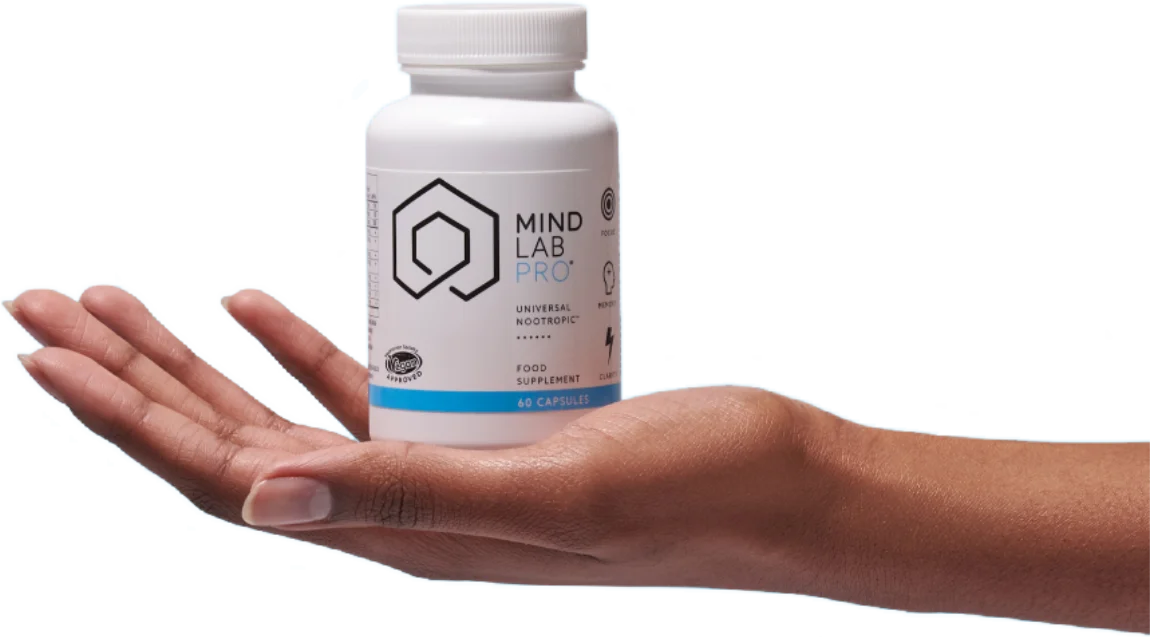
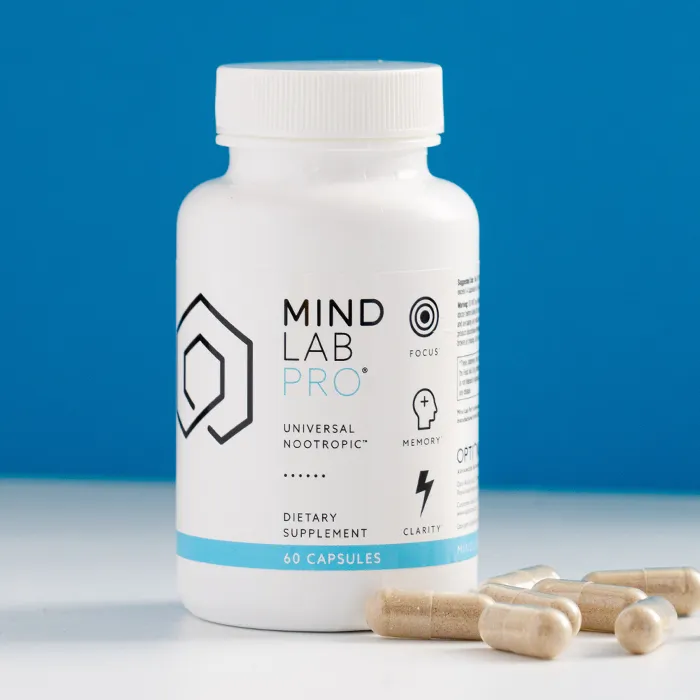
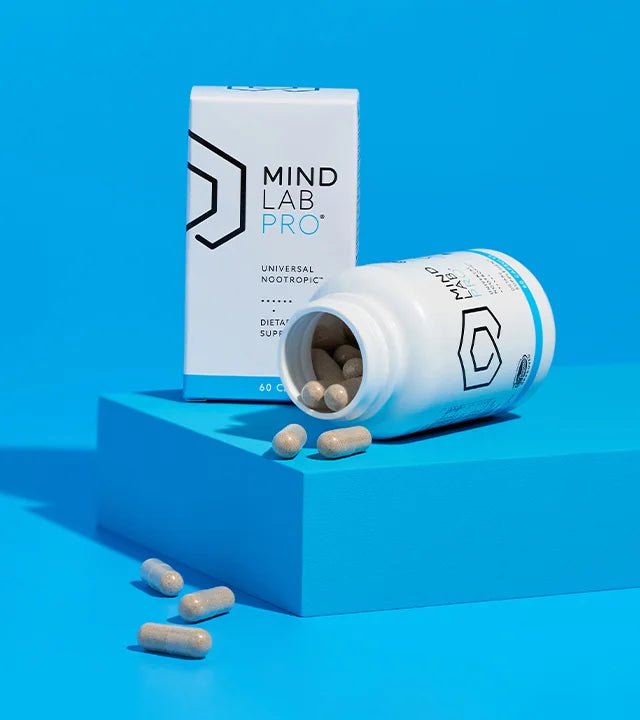
Mind Lab Pro® (MLP®): This premium nootropic stack combines a blend of ingredients like Bacopa Monnieri, Lion's Mane Mushroom, and Maritime Pine Bark Extract to support brain energy and mental clarity. It is designed to help combat brain fatigue and improve long-term cognitive function. Buy MLP® Now
Performance Lab® Energy: Boosts cellular energy without stimulants, enhancing mitochondrial function and overall stamina. When stacked with Mind Lab Pro®, it promotes both mental and physical performance, making it ideal for sustained energy and focus. Performance Lab® Energy
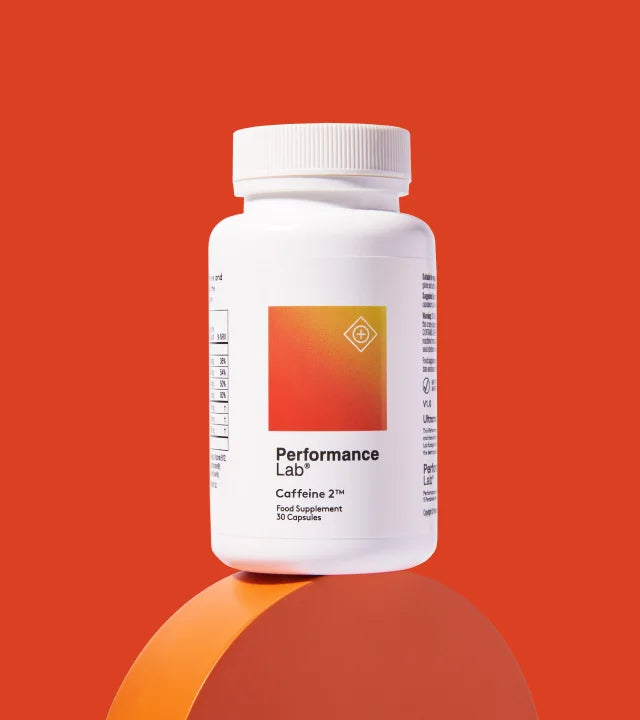
Performance Lab® Caffeine 2: A new take on the classic fatigue-buster. Combines natural caffeine with L-Theanine, L-Tyrosine and B-Vitamins for a cleaner, smoother energy support. Greatly reduces risk of side effects and crashes. Performance Lab® Caffeine 2
Disclaimer
This article is for educational purposes and is not medical advice. Consult a healthcare professional if fatigue is severe, worsening, or accompanied by chest pain, shortness of breath, fever, or weight loss. Fatigue can stem from serious conditions—including thyroid issues, anemia, or heart disease—that require proper medical evaluation. Speak with your healthcare provider before starting nootropics, especially if you have high blood pressure, heart rhythm issues, or take prescriptions like antidepressants or stimulants. Supplements are not intended to diagnose, treat, or prevent any disease. Always introduce one product at a time at a low dose. Discontinue use and seek medical attention if you experience palpitations, dizziness, or increased anxiety. This article covers dietary supplements only; we do not discuss pharmaceuticals or "smart drugs."
What is Brain Fatigue?

Psychologically, brain fatigue relates to the subjective state of feeling overwhelmed, overworked, mentally and emotionally drained. In this sense, brain fatigue arises after a long, overdrawn shift of meaningless work, or after a series of Groundhog Day repetitions of committing the same tedious tasks over and over again. Enough, already!
However, while the subjective aspect of mental burnout may only be corrected by a change in lifestyle or perspective, the physiological side of brain fatigue may be improved by both lifestyle changes and dietary intake. And, yes, nootropics for brain fatigue may help.
Temporary bouts of brain fatigue may require a short nap or meditative rest, whereas ongoing, chronic fatigue may have greater health implications in the long run. Impaired mental clarity, poor focus, unstable mood swings -- these are the costs of an overtired brain, and, if left unattended, they may negatively impact your work performance and general well-being.
But where does brain fatigue come from?
Causes of Brain Fatigue
Fundamentally speaking, brain fatigue occurs through a lack or misuse of brain energy. Poor cognitive energy management contributes to tired, groggy, moody thinking, and the obvious offender in poor energy management is sleep deprivation.

“The brain fog began to lift, and I found it easier to concentrate and retain information while studying.”
According to the CDC, an estimated 1 in 3 adults don't get enough sleep. What's more, a 2008 poll by the National Sleep Foundation found that roughly 1 in 3 U.S. workers reported that daytime tiredness interfered with their work performance several times per week. College students are notoriously sleep deprived, and no one knows this better than the student-athletes.
Using the student-athlete as an example, consider the lifestyle of the average college athlete: practices and workouts intermittently throughout the day, courses to attend, homework to finish, peer group pressure to party on the weekends, sports recovery check-ins... Not only do student-athletes expend an inordinate amount of energy but they also subject their brains and bodies to an inordinate amount of stress while often foregoing sleep to maintain their relationships with non-athlete students.
Within this example, we see the Trifecta Factors involves in brain fatigue:
- Over-Working - excess energy expenditure requires excess energy intake and recovery to maintain cognitive performance.
- Stress - excess stress hormone cortisol may lead to substantial metabolic imbalances and other health issues.
- Sleep Deprivation - without sufficient sleep, brain and body performance reliably suffer due to low energy recovery.
Considering that the brain consumes nearly 20% of the body's total energy, cognitive impairment is to be expected under low energy conditions. When the body's energy levels decrease, brain function also declines while the risk for age-related neurodegeneration increases.
Symptoms of Brain Fatigue
Often used as a catch-all phrase for any decrease in focus and cognitive clarity, the term "brain fog" significantly overlaps with brain fatigue. However, brain fog seems more a symptom of brain fatigue, or poor brain energy metabolism, especially in the more advanced stages of brain fatigue.
Generally, brain fatigue contributes to total cognitive impairment; however, brain fatigue symptoms seem to particularly include decreases in:
- Task-related (working) memory
- Verbal recall
- Sleep quality
- Multitasking
- Processing mathematics
- Focus and attention
- Memory and learning
- Mood and motivation
The longer that brain fatigue symptoms go unaddressed, the longer it takes to rectify them. Addressing them early may go a long way in reducing your risk of chronic fatigue syndrome.
Chronic Fatigue Syndrome (CFS)
Whether due to lifestyle or biological factors, Chronic Fatigue Syndrome (CFS) is a severe, persistent lack of energy that often accompanies anxiety, stress, and sensory overload. Whereas short, temporary bouts of fatigue may be ameliorated by a good night's sleep or a quick nap, CFS is a more long-term, paralyzing condition. Extreme cases of CFS seem to almost occur spontaneously with no discernible cause. For such cases, it's generally recommended to consult a physician.
The best nootropics for CFS may help with symptoms, but it's important to talk with your doctor before taking supplements.
Stimulants vs. Nootropics: Which is Better?
Synthetic stimulants and so-called "smart pills" essentially work as go-go energy aids, amplifying mental energy and focus in quick, incredible, reliable bursts. However, stimulants don't exactly offer a long-term, viable solution for mental performance. If anything, they significantly impair cognitive function over time by depleting focus- and energy-related brain chemicals through hyperactivity.
Catecholamine neurotransmitters, such as dopamine, norepinephrine, and epinephrine, play a key role in focus, energy, and attention. Stimulants provides a quick-fix of catecholaminergic activity, yet do nothing to improve natural catecholamine levels. Natural nootropics, on the other hand, do.
Rather than flush the brain with a synthetic amount of catecholaminergic activity, nootropics may help brain activity by:
- Supplying raw catecholamine material.
- Improving catecholaminergic conversion processes.
- Enhancing cellular energy production.
And more. The benefit of supplementing nootropics over stimulants is that the former increases the natural pathways involved in better brain energy management while the latter might actually contribute to long-term brain fatigue. (Hence the increasingly addictive need for stimulants over time.) And the benefits of natural cognitive enhancement are many.
Benefits of Nootropics for Fatigue

While nootropics might lack the blunt, straightforward approach to increasing mental energy as demonstrated by synthetic stimulants, the diverse bio-pathways taken by a well-crafted nootropic stack cover a wide range of bio-benefits, including:
- Increased mitochondrial ATP energy output.
- Decreased stress hormone-related fatigue.
- Enhanced fat burning metabolism.
- Improved brain cell-to-cell communication.
- Optimized blood circulation across brain and body.
Combined, these bio-benefits help reduce the symptoms of brain fatigue for all-around better memory, focus, attention, mood, motivation, and cognitive clarity. And the combined benefits of those range anywhere from better work performance to an improved personal life. Nootropic supplements are a key element to a carpe diem lifestyle.
Best Nootropics for Fatigue, Energy & Motivation in 2026
Rhodiola Rosea Extract

Many classify this powerful, herbal adaptogen as an energy booster, yet it's more accurate to call Rhodiola rosea a fatigue reducer.
Traditionally, Rhodiola rosea helped Siberian farmers and soldiers withstand the harsh conditions of frigid Siberia. Today, the herbal adaptogen is highly favored by athletes, academics, and workers for its profound mental and performance enhancement benefits. Both animal and clinical human studies found significant protection against fatigue with Rhodiola supplementation:
- Animal Study - administered to swimming mice, Rhodiola extract demonstrated significant reductions in fatigue caused by strenuous exercise.(1)
- Human Study - young, healthy physicians undergoing night shifts experienced general fatigue reductions with Rhodiola extract, as compared to placebo.(2)
As a highly bio-active adaptogen, Rhodiola seems to improve mental and physical performance under high stress, high activity conditions. While exercise and activity contribute to sturdier cognition in the long run, an excellent workout may result in impaired cognition within the short-term; especially for the active, sleep-deprived students and workers.
Supplementing Rhodiola rosea extract may help sustain mental performance and stamina by warding off brain fatigue.
Look for Rhodiola rosea standardized extract. In higher dosages, plain Rhodiola powder may improve mental capacity and stamina. However, in supplement form, Rhodiola rosea extract -- standardized to 3% rosavins, 1% salidrosides -- seems to work best.
More on Mind Lab Pro® Rhodiola Rosea.
N-Acetyl L-Tyrosine

Under conditions of high stress and fatigue, the brain burns through natural L-tyrosine reserves to keep cognition afloat.
When L-Tyrosine levels deplete, so does mood and cognitive performance. As a key amino precursor in the catecholaminergic pathway, L-tyrosine converts to important mood- and focus-related brain chemicals, such as dopamine and norepinephrine. Particularly under conditions of high stress or sleep deprivation, supplementing L-tyrosine helps sustain mental performance and stamina; whereas healthy, well-rested users may only feel a slight boost on cognition.
As such, L-tyrosine qualifies as an "under pressure" nootropic; one to take to maintain composure in the face of exceptional work demands. For the busy, sleep-deprived student or worker, L-tyrosine may help reduce the usual cognitive impairments that accompany an over-worked, fatigued brain:
- One study on the effects of L-tyrosine on cognitive performance during extended wakefulness, or sleep deprivation (for 24+ hours), found L-tyrosine useful in "counteracting performance decrements during episodes of sustained work coupled with sleep loss."(3)
L-tyrosine (preferably in the enhanced N-Acetyl L-Tyrosine form) is an ideal mental "recharge" nootropic, essentially operating as the cognitive glue that keeps hard workers working hard without crashing hard mid-shift.
Try Stacking NALT + B Vitamins. Augmenting N-Acetyl L-Tyrosine with B vitamins may improve the catecholaminergic benefits of NALT thanks to B vitamins' key role in the catecholamine conversion processes. Not to mention that, as standalone nootropic ingredients, B vitamins may help reduce homocysteine damages on blood vessels, sustaining proper blood flow to the brain.
More on Mind Lab Pro® N-Acetyl L-Tyrosine.
Citicoline (CDP Choline)

Backed by several clinical studies, citicoline (as Cognizin®) boosts natural energy pathways while also increasing brain growth potential.
As an enhanced cholinergic nootropic, citicoline outperforms other popular choline options by accompanying its choline content with cytidine, the precursor to nucleotide uridine. Together, these two compounds seem to improve brain health by:
- Choline - increasing neurotransmitter acetylcholine activity for better memory, learning, and high-order cognitive processes.
- Cytidine - converting to uridine, an RNA nucleotide that seems to enhance neuronal synaptic plasticity and brain cell membrane integrity.(4)
Research suggests that Cognizin® Citicoline may significantly improve cognitive performance otherwise impaired by age-related energy deficits and other markers of neurodegeneration. The researchers' conclusion:
"Citicoline supplementation may therefore help to mitigate cognitive declines associated with aging by increasing energy reserves and utilization, as well as increasing the amount of essential phospholipid membrane components needed to synthesize and maintain cell membranes."(5)
The mix of natural energy enhancement and neuroprotection makes citicoline particularly useful as a long-term brain booster. Taken daily, citicoline may significantly improve your mental energy levels, even in the face of the inevitable age-related cognitive decline.
Choline + Racetams. Certain synthetic cholinergics, such as racetams, may enhance the brain's acetylcholine activity, yet often come with "brain fog" side effects. Supplementing a premium choline source, such as citicoline, may reduce the occurrence of such adverse effects by providing an additional supply of raw acetylcholine precursor.
More on Mind Lab Pro® Citicoline.
Phosphatidylserine (PS)

As a key phospholipid in brain cell membranes, phosphatidylserine not only maintains neuronal health but it also enhances the brain's use of glucose for better energy production.
Used by nootropic enthusiasts for its multiple benefits on brain health and performance, phosphatidylserine (PS) is a nootropic powerhouse with far-ranging cognitive benefits. Best known for its restorative benefits on memory, particularly on age-related memory loss, PS tends to qualify more as an elderly brain health supplement than an acute brain booster.
Yet, PS also possesses research-backed benefits on brain energy enhancement, the likes of which may improve cognition affected by fatigue.
According to a preliminary human study on the effects of phosphatidylserine on cerebral glucose metabolism, PS supplementation may help users at risk of neurodegeneration by improving:
- Brain energy metabolism in the basal ganglia/thalamus by 20.3% and in the visual cortex by 19.3%.(6)
For the healthy athletic types, PS supplementation may also improve exercise stamina, increasing an athlete's running time before reaching exhaustion.(7) The ergogenic potential remains one of the more unexplored, yet promising, aspects of this multitasking phospholipid nootropic.
Phosphatidylserine + Caffeine? While not a conventional sports aid, the combination of PS and caffeine may attenuate the perception of fatigue during exercise, potentially giving athletes a mental edge over their competition.
More on Mind Lab Pro® Phosphatidylserine.
Maritime Pine Bark Extract

Supplying an antioxidant-rich complex of proanthocyanidins, maritime pine bark extract encourages healthy circulation while protecting against oxidative stress.
Poor circulation contributes to poor oxygen and nutrient intake in the brain. And, like the body, a poorly nourished brain struggles to perform properly. While not directly studied for energy, Maritime Pine Bark Extract has been suggested to increase Nitric Oxide (NO) activity, thereby improving cerebral circulation.
Popular among athletes and bodybuilders, NO boosters improve blood flow by helping blood vessels relax and dilate. The increase in circulation not only helps deliver oxygen to muscles for better muscular stamina but to the brain, as well, for better energy levels and cognitive clarity.
- Compounds that affect blood flow often come with adverse risks related to heightened blood pressure and heart rate. Fortunately, research has found maritime pine bark extract's circulatory benefits to be safe and well-tolerated.(8)
Maritime pine bark extract may indirectly reduce brain fatigue by enhancing cerebral circulation. Promoting healthy circulation to the brain is key to maintaining well-nourished, energized thinking.
In addition to improving circulation, maritime pine bark extract's antioxidant complex seems to also improve growth factor status in the brain; a bio-benefit shared by Lion's Mane Mushroom. Improving NGF and BDNF activity may help increase cognitive repair and vitality.
More on Mind Lab Pro® Maritime Pine Bark Extract.
Best Supplements for Fatigue in 2026

Mind Lab Pro supplies some of the best nootropic rejuvenators for brain fatigue in a single, simple, universal stack. Let's check out its ingredients.
The MLP Formula: Citicoline (CDP Choline) dosage 250mg per serving, Phosphatidylserine (PS) 100mg (from sunflower lecithin), Bacopa monnieri 150mg (24% bacosides, 9 bioactives), Organic Lion's Mane Mushroom 500mg (fruit and mycelium), Maritime Pine Bark Extract 75mg (Standardized to 95% proanthocyanidins), N-Acetyl L-Tyrosine 175mg, L-Theanine 100mg per serving, Rhodiola rosea 50mg (Standardized to 3% rosavins and 1% salidrosides), NutriGenesis® Vitamin B6 (2.5 mg), Vitamin B9 (100 mcg), Vitamin B12 (7.5 mcg)
To the over-worked and over-tired, synthetic stimulants carry massive appeal, and for obvious reasons: they reliably boost energy, stimulate cognition, and feel very good. But only temporarily, and often at the cost of long-term brain health and energy.
- Mind Lab Pro®'s natural nootropics relieve mental fatigue without any follow-up crash. In fact, these cognitive enhancers promote better energy metabolism now for a better functioning brain in the future, optimizing 100% Brainpower™ for 100% of the time.
As the World's First Universal Nootropic™, Mind Lab Pro® takes a multi-faceted approach to combating fatigue that comprehensively covers all other important brain pathways. Its unique formula design hits the perfect nootropic synergy for every lifestyle -- academic, athletic, professional, and so on. No one feels left out with this stack; it is made to support cognitive function overall.
Mind Lab Pro® Nootropic Supplement: Research-Backed.
- Healthy people who took Mind Lab Pro® for 30 days showed significant improvements in tasks measuring simple reaction time (SRT), choice reaction time (CRT), and anticipation—skills related to focus, attention, and decision-making.(9)
- Another study focused on memory, linking MLP to enhancements in auditory, visual, and visual working memory, as well as both immediate and delayed recall.(10)
- A third study reported that MLP supplementation was not associated with cognitive function improvements, but did appear to help the brain's different regions to work together more efficiently.(11)
I was skeptical at first, but I can say that I feel sharper and more clear minded than as long as I can remember.John Y
Performance Lab® Energy

For better mental performance, Mind Lab Pro® offers clean, premium nootropics that enhance stim-free energy. However, for additional cellular energy support across the brain and body, look to: Performance Lab Energy.
Ingredients: Acetyl-L-Carnitine, R-Lipoic Acid (Bio-Enhanced®), Coenzyme Q10 (MicroActive® Q10), PQQ (BioPQQ®), Black Pepper Ext. (BioPerine®, 95% piperine)
Rather than flushing the brain with synthetic stimulation, Performance Lab® Energy works by protecting and bolstering the body's primary ATP energy sources: mitochondria. Since the brain is a high-energy organ, this energizing effect helps support brain function in many ways, naturally.
Stacking Mind Lab Pro® with Performance Lab® Energy may allow for better energy balance across the brain and body, amplifying total energy metabolism for all-around better performance. The benefits are both cerebral and ergogenic: energized thinking, charged stamina, and competitive performance for the athlete and academic.
Performance Lab® Energy
Boost mitochondria for mind-body energy, vitality, & performance without caffeine.
Shop Now
Performance Lab® Energy and Mind Lab Pro® are both Performance Lab® Quality.
Performance Lab® Caffeine 2

For better mental performance, Mind Lab Pro® offers clean, premium nootropics that enhance stim-free energy. However, if you want a targeted boost in alertness for early mornings, deep work blocks, or long study sessions, look to: Performance Lab® Caffeine 2 to reduce mental fatigue.
Ingredients: Caffeine (low-dose), L-Theanine (Suntheanine®), L-Tyrosine, NutriGenesis® B-Vitamins (B1, B6, B9, B12)
This “smart caffeine” supplement that pairs clean, low-dose caffeine with complementary nootropics to support smoother focus and fewer jitters than caffeine alone. L-Theanine is especially key; it settles the central nervous system and counteracts caffeine jitters for more sustained mental energy.
Rather than spiking you with harsh stimulation, Performance Lab® Caffeine 2 is designed to deliver clean mental alertness with a calmer, more controlled feel—supporting attention, reaction speed, and mental energy and more. Stacking Mind Lab Pro® with Performance Lab® Caffeine 2 may help you dial in performance when you need an extra gear.
Great stuff! I won't take caffeine without the L-theanine. This is the perfect blend and also has added B vitamins!Cindy S
Frequently Asked Questions
What can I take for energy and motivation without harsh stimulants?
Natural nootropics like Rhodiola Rosea, N-Acetyl L-Tyrosine, and Citicoline help combat fatigue by improving energy production and enhancing brain-cell communication without the crash that stimulants often cause. Mind Lab Pro® combines these types of ingredients to naturally fight fatigue and spark motivation without relying on caffeine or other stimulants. Learn more about what nootropics are and how they differ from traditional stimulants.
Which supplement is most effective against cognitive fatigue?
Mind Lab Pro® is a premium nootropic stack that combines ingredients like Bacopa Monnieri, Lion's Mane Mushroom, and Maritime Pine Bark Extract specifically designed to combat brain fatigue and improve long-term cognitive function. Unlike single-ingredient supplements, this comprehensive formula addresses multiple pathways of mental energy and clarity. For additional support, consider reading about nootropics for motivation.
What are the best supplements for low energy and mental fatigue?
The best supplements for combating both low energy and mental fatigue include Mind Lab Pro® for cognitive support, Performance Lab® Energy for cellular energy without stimulants, and Performance Lab® Caffeine 2 which combines natural caffeine with L-Theanine and L-Tyrosine for smoother energy support. These work by enhancing the brain's natural energy pathways and improving mitochondrial function rather than providing temporary stimulation.
What supplement supports clearer thinking during periods of mental fatigue?
Nootropics that enhance brain-cell communication and energy production, such as Citicoline and Maritime Pine Bark Extract found in Mind Lab Pro®, are particularly effective for maintaining clear thinking during mental fatigue. These ingredients work by optimizing brain energy pathways and improving focus, memory, and mood without causing crashes. Learn about nootropics for brain fog to understand how they restore mental clarity.
Which supplements reduce mental fatigue in aging adults?
For aging adults experiencing mental fatigue, nootropics like Lion's Mane Mushroom and Bacopa Monnieri in Mind Lab Pro® support both immediate cognitive performance and long-term brain health. These natural compounds help restore mental energy, improve memory, and enhance overall cognitive function without harsh stimulants. Discover more about nootropics for memory support in older adults.
What's the best nootropic stack for long-lasting energy with no crash?
For sustained energy without crashes, combine Mind Lab Pro® with Performance Lab® Energy, which boosts cellular energy through enhanced mitochondrial function rather than stimulants. If you need caffeine, Performance Lab® Caffeine 2 adds L-Theanine, L-Tyrosine and B-Vitamins to help prevent the typical caffeine crash while maintaining smooth, lasting energy.
What is the best Rhodiola supplement to take for fatigue?
Rhodiola Rosea is one of the natural nootropics often used to help combat fatigue by improving energy production and reducing stress-related fatigue. A comprehensive formula like Mind Lab Pro® combines Rhodiola with complementary ingredients, which may provide broader support for both mental energy and stress resilience.
FINAL THOUGHTS
Brain fatigue can quietly erode everything that makes you feel sharp—processing speed, focus, mood, motivation, and memory. The good news is that you don’t have to rely on harsh stimulants (and their crashes) to get your edge back.
By supporting the brain’s natural energy systems—mitochondrial ATP production, stress resilience, neurotransmitter balance, and healthy circulation—well-chosen nootropics may help reduce mental burnout and restore steadier, more reliable performance.
If you want a simple path, start with a comprehensive stim-free stack like Mind Lab Pro®, then add Performance Lab® Energy for deeper cellular stamina or Performance Lab® Caffeine 2 when you need an occasional, smoother alertness boost. Pair supplements with the fundamentals—sleep, stress management, and recovery—and you give your brain the best chance to feel clear, energized, and durable again.
“Since I started taking it, I feel like my mind is much sharper and I no longer experience the brain fog I used to have.”
References
- Kang, D., et al. (2015). Anti-fatigue effects of fermented Rhodiola rosea extract in mice. Preventive Nutrition and Food Science, 20(1), 38-42. Link
- Darbinyan, V., et al. (2000). Rhodiola rosea in stress induced fatigue: A double blind cross-over study of a standardized extract SHR-5 with a repeated low-dose regimen on the mental performance of healthy physicians during night duty. Phytomedicine, 7(5), 365-371. Link
- Neri, D. F., et al. (1995). The effects of tyrosine on cognitive performance during extended wakefulness. Aviation, Space, and Environmental Medicine, 66(4), 313-319. Link
- Agarwal, N., et al. (2010). Short-term administration of uridine increases brain membrane phospholipid precursors in healthy adults: A 31-phosphorus magnetic resonance spectroscopy study at 4T. Bipolar Disorders, 12(8), 825-833. Link
- Silveri, M. M., et al. (2008). Citicoline enhances frontal lobe bioenergetics as measured by phosphorus magnetic resonance spectroscopy. NMR in Biomedicine. Link
- Klinkhammer, P., et al. (1990). Effect of phosphatidylserine on cerebral glucose metabolism in Alzheimer's disease. Dementia and Geriatric Cognitive Disorders, 1, 197-201. Link
- Kingsley, M. I., Wadsworth, D., Kilduff, L. P., McEneny, J., & Benton, D. (2005). Effects of phosphatidylserine on oxidative stress following intermittent running. Medicine & Science in Sports & Exercise, 37(8), 1300-1306. Link
- Liu, X., et al. (2004). Pycnogenol, French maritime pine bark extract, improves endothelial function of hypertensive patients. Life Sciences, 74(7), 855-862. Link
- Utley, A., Gonzalez, Y., & Imboden, C. A. (2023). The efficacy of a nootropic supplement on information processing in adults: A double blind, placebo controlled study. Biomed J Sci & Tech Res, 49(1). Link
- Abbott-Imboden, C., Gonzalez, Y., & Utley, A. (2023). Efficacy of the nootropic supplement Mind Lab Pro on memory in adults: Double blind, placebo-controlled study. Human Psychopharmacology: Clinical and Experimental, e2872. Link
- O’Reilly, D., Bolam, J., Delis, I., & Utley, A. (2025). Neural mechanisms of cognitive enhancement with a nootropic supplement. Brain Sciences, 15(3), 226. Link
* Please note that many Pine Bark Extract studies include data and citations which are specific to Pycnogenol®, which is not an ingredient of Mind Lab Pro®.