

If studying feels harder than it should—foggy focus, weak recall, low motivation—your first move isn’t always another energy drink. It’s checking the basics: the vitamins and minerals your brain uses to make neurotransmitters, regulate stress, and convert food into usable mental energy.
Multivitamins are already common in student life. In a survey of 1,248 college students across five U.S. universities, 42% reported taking a multivitamin/multimineral at least once per week. (Lieberman et al., 2015).
Brain-boosting supplements show up too—just at a smaller scale. In an online survey of university students (data collected Dec 2023–Jan 2024), 11.5% reported using cognitive-enhancing supplements (OTC “brain supplement”/nootropic-style products). (Escano et al., 2025).
If you are a student and want the best brain vitamins for studying—supplements that can help with memory, focus and learning, not just a random multivitamin—then this article is for you. In this guide, we break down the best, plus how to choose a multivitamin that’s actually worth taking. Let's get to it!
Key Takeaways
- Essential Brain Vitamins: Key vitamins for studying include B-vitamins (B6, B9, and B12), which support brain function by enhancing neurotransmitter production, improving focus, memory, and overall cognitive function.
- Vitamin D also plays a critical role in mood regulation and cognitive clarity.
- Vitamin C: This antioxidant vitamin helps protect the brain from oxidative stress and supports cognitive function, particularly during high-stress studying sessions. It also aids in the production of dopamine, which is essential for focus and motivation.
- Vitamin E: Known for its neuroprotective effects, Vitamin E helps prevent cognitive decline and supports memory function, making it essential for long-term brain health during studying.
- Omega-3 Fatty Acids: While not a vitamin, Omega-3s (DHA and EPA) are critical for brain health, promoting mental clarity, memory, and focus. They are essential for maintaining healthy brain cells and improving learning capacity.
- Minerals for Brain Health: Magnesium, zinc, and iron are crucial for cognitive performance. Magnesium supports relaxation and mental clarity, zinc aids in memory and cognitive function, and iron helps prevent fatigue and supports brain energy during long studying hours.
- Comprehensive Supplementation: A combination of vitamins and minerals that work together, like B-vitamins, Vitamin D, Vitamin C, and Omega-3s, provides the brain with the nutrients it needs to function at its best, enhancing learning, memory retention, and focus for studying.
Best Multivitamin for with Vitamins for Studying: NutriGenesis Multi. Men's and women's customized formulas. Clean-cultured essential nutrients in just the right doses. NutriGenesis Multi includes the best vitamins and minerals for supporting brain health. Learn More about NutriGenesis
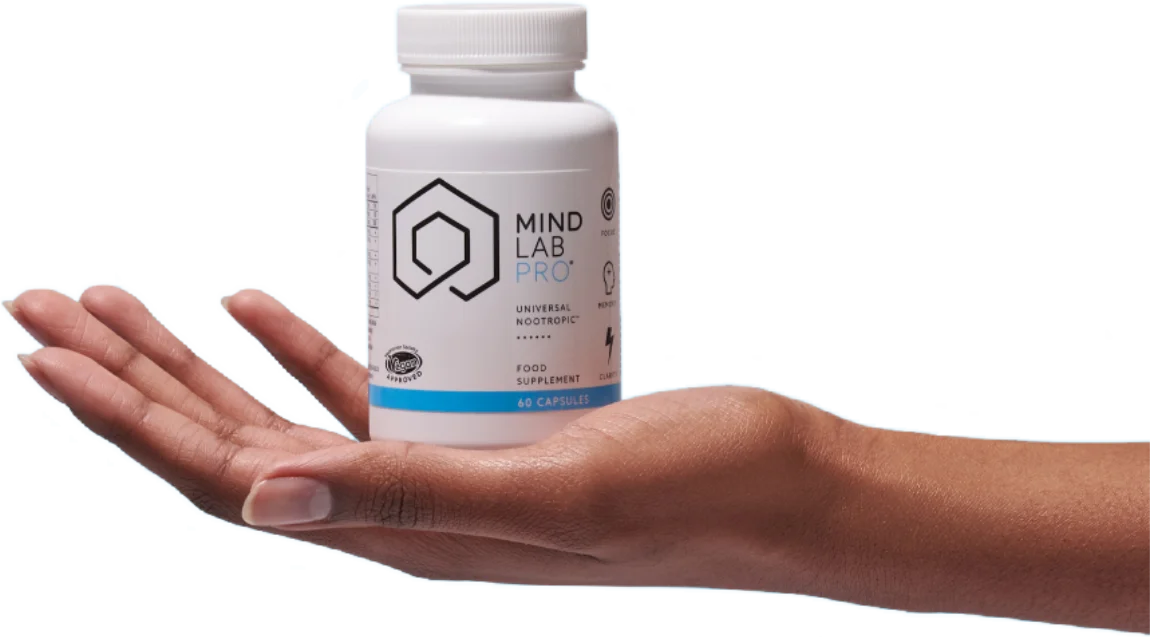
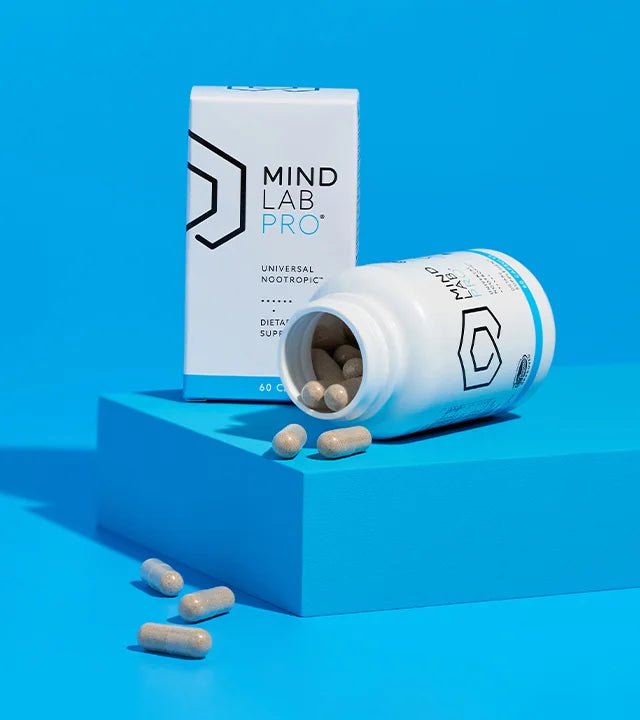
Best Nootropic Stack with Vitamin B for the Brain: Mind Lab Pro (MLP). This 11-in-1 stack includes the best nootropics for studying plus B-vitamins for brain health. It stacks perfectly with NutriGenesis Multi if you are looking to enhance studying ability. Buy Mind Lab Pro® Now
The Student’s Guide to Multivitamins
Amid all the difficulties of student living, one of the easiest adjustments you can make to improve your life is: taking a multivitamin.
Taken daily and consistently, an effective multivitamin supplement can significantly improve virtually all aspects of brain and bodily health. Thereby directly and indirectly improving various aspects of academic performance.
But not all multivitamin supplements are the same.
In fact, some are really bad, cheaply manufactured, and all-around ineffective.
And so, with that in mind, let’s cover the basics of vitamins and minerals to better understand how to identify a good multivitamin stack.
The Basics of Vitamins and Minerals
The primary intent of eating food is to replenish your nutrient levels - i.e., all the vitamins and minerals your body needs to perform life-essential physiological functions.
Our culture’s relationship to food is one that’s heavily motivated by feeling good.
As a result, much of our meals emphasize nutritionally deficient foods that are high in feel-good fats, sugars, and salts...
But not in the essential vitamins and minerals our body needs.
Nutrient Density & Empty Calories Explained
This concept is measured by a term called “Nutrient Density.”
Nutrient-dense foods are high in beneficial nutrients, such as vitamins, minerals, complex carbs, lean protein, and healthy fats, in proportion to food weight or calorie count.
The term “empty calories,” on that note, refers to foods that have a low concentration of beneficial nutrients per calorie.
Typically, dietary guidelines encourage foods high in protein, fiber, and a wide range of vitamins and minerals, yet are low in saturated fats, total or added sugars, and sodium.(1)
Examples of Nutrient-Dense Foods
You can only eat so much food in the day (unfortunately), and so it’s best to choose foods that are high in nutrient density. Think of it as having a “calorie budget” that you have to spend on either high-nutrient or low-nutrient dense foods.
A few examples of nutrient-dense foods in a healthy diet include:
- Egg Yolk – high in choline, protein, healthy fats;
- Kale – high in vitamins C, A, K1, B6, and minerals;
- Spinach – high in vitamin A, folate, and minerals;
- Salmon – high in omega-3s, protein, and minerals;
- Blueberries – high in neuroprotective antioxidants;
- Potatoes – high in vitamins C, B, minerals, and starch;
- Quinoa – high in complex carbs, proteins, minerals;
- Garlic – high in vitamins C, B1, B6, and minerals;
- Nuts – high in healthy fats, vitamins, minerals;
- Dark Chocolate – high in fiber, antioxidants, minerals.
The Nutritional Costs of Campus Living
Ever heard the term “Freshman Fifteen”? While the claim that college students gain 15 pounds during their freshman year is likely hyperbolic and overstated, some research has observed significant weight gain among college students.
One study in particular concluded that “Freshman weight gain was 5.5 times greater than that experienced by the general population."(2)
On a busy campus, convenience is a higher priority than nutrition to the always-on-to-go student.
And, yet, what’s typically ironic of demographics that demonstrate an increased risk of weight gain is a concomitant increased risk in malnutrition, or nutrient deficiencies. This is likely because the convenient, on-the-go foods that appeal to on-the-go college students aren’t only conducive to unhealthy weight gain but are also low in nutrient density.
I was skeptical at first, but I can say that I feel sharper and more clear minded than as long as I can remember.John Y
Did you know? Deficiences to look out for
Especially among urban adolescents, the rates of malnutrition are high, with some research observing that roughly half of urban, school-aged adolescents have malnutrition.(3) Typically found in animal byproducts, B12-deficiency is a particular risk among students who are vegans or vegetarians,(4) The most common mineral deficiency in the world, iron deficiency is particularly common among girls due to monthly loss of iron-heavy blood.(5) Adequate intake that reverses deficiencies may promote health benefits.
The Relationship Between Vitamins for Studying and Cognitive Functions
Although macronutrients (carbs, protein, fats) help fuel cognitive performance on the macro level, micronutrients, such as vitamins, minerals, antioxidants, choline, etc., help co-regulate hundreds of metabolic pathways underlying brainpower.
When our micronutrient levels drop, so does our brainpower.
With that in mind, a few of the cognitive benefits of supplementing multivitamins include improving:
- Free Recall Memory – the ability to memorize and later recite a list of items in any order (hence “free” recall);
- Verbal Memory – antioxidant nutrient status in particular seems to have significant impact on the preservation of verbal memory;
- Energy Metabolism – various vitamins and minerals serve key roles in the natural production and efficiency of mitochondrial ATP energy synthesis;
- Cerebral Circulation – by protecting blood vessel health and promoting cleaner blood flow, many micronutrients help enhance cerebral circulation to optimize delivery of oxygen and nutrients to the brain.
And many more brain benefits. To learn more about the cognitive advantages of multivitamins, read our Best Multivitamins list here.
Best Brain Vitamins for Studying & Student Focus in 2026
Studying is hard on the basics. Late nights, stress, cafeteria food, and inconsistent meals can quietly drain the micronutrients your brain depends on for energy metabolism, neurotransmitter production, healthy circulation, and memory formation. That’s why “vitamins for studying” isn’t really about a magic pill—it’s about correcting common gaps that can make focus, recall, and mental stamina harder than they need to be.
B-Complex for Studying

Vitamin B6 (Pyridoxine)
Vitamin B6 is a cornerstone “studying vitamin” because it helps your brain make and regulate neurotransmitters tied to attention, calm focus, and sleep—like serotonin, GABA, norepinephrine, and dopamine pathways. It also supports myelin (the protective sheath around nerves) and helps keep homocysteine in a healthier range—important for long-term brain and blood-vessel health. Since B6 is water-soluble, you need steady intake, and it can be easy to come up short when your diet is inconsistent.
More on Mind Lab Pro® Vitamin B6
Vitamin B9 (Folate / Folic Acid)
Vitamin B9 supports brain circulation and neurotransmitter chemistry, in part through its role in methylation (including supporting active forms like L-methylfolate, depending on the form you take). For students, folate matters because it helps maintain healthy homocysteine metabolism and supports the production of neurotransmitters involved in mood and drive. If you’re relying on “grab-and-go” meals and not getting enough leafy greens/legumes/fortified foods, B9 can be a quiet weak link.
More on Mind Lab Pro® Vitamin B9
Vitamin B12 (Cobalamin)
Vitamin B12 is famous for “energy,” but for students it’s also a brain vitamin for memory and mental clarity because it supports nervous-system signaling, myelin maintenance, and healthy red blood cell formation (oxygen delivery). Absorption can be an issue for some people, and plant-based eaters are at higher risk of low intake because B12 is found primarily in animal foods or fortified products. If you’re vegetarian/vegan—or you’ve had long-term fatigue + brain fog—B12 is one of the first basics to check.
More on Mind Lab Pro® Vitamin B12
Magnesium

Magnesium is a high-impact mineral for student life because it supports hundreds of enzyme reactions, including energy production. In brain terms, it’s closely tied to stress resilience, sleep quality, mood balance, and learning/memory processes. If your routine includes lots of caffeine, stress, and not many magnesium-rich foods (greens, nuts, seeds, legumes, cacao), magnesium is a common “missing piece” behind foggy focus and poor sleep that sabotages studying.
Calcium
Calcium isn’t just for bones—your brain uses calcium signaling for nerve transmission and cellular communication. The student takeaway: calcium is important, but more isn’t always better. Many people already get plenty through diet and fortified foods, and the bigger issue can be balance—especially the calcium-to-magnesium ratio. If you’re supplementing calcium heavily, it’s worth being intentional and not guessing.
Zinc
Zinc is concentrated in brain regions involved in learning and memory and supports synaptic communication, protein synthesis, and healthy immune function (which matters when you’re run-down in a dorm). True severe deficiency is less common, but low intake can happen with poor diets, restrictive eating, or certain GI issues. Zinc-rich foods include meat, shellfish, and legumes/beans (with some absorption differences depending on the diet pattern).
Vitamin C
Vitamin C is highly concentrated in the brain and helps protect neurons from oxidative stress—useful when you’re under heavy study stress and sleep debt. It also supports neurotransmitter pathways (including dopamine-related chemistry). Because the body doesn’t store much vitamin C, consistent intake matters. If you’re living on processed foods with minimal fruit/veg, vitamin C can be another “basic” that’s easy to underdo.
Vitamin D3
If you’re a college student spending most of your time indoors (classrooms, library, screens), vitamin D is a common seasonal and lifestyle gap. Vitamin D receptors are widespread in the brain, and adequate D status is tied to mood and overall cognitive health. While D isn’t a quick “focus booster,” low vitamin D can quietly affect how you feel and function—especially during winter terms. Sun exposure helps, but supplementation is often the practical route for students.
Vitamin K
Vitamin K is best known for blood-related functions, but it also supports brain health through proteins involved in cellular function and lipid metabolism in brain tissue. If you rarely eat leafy greens, K can be another overlooked micronutrient. It’s not a “study hack,” but it fits the foundational theme: your brain runs better when micronutrient basics are covered.
Iron
Iron supports oxygen delivery and energy metabolism—two things that matter when you’re trying to stay sharp for lectures, exams, and long study sessions. In the brain, iron contributes to neurotransmitter pathways and myelin. But iron is also a “Goldilocks” nutrient: too little can impair cognition and stamina, and too much can be harmful. If you suspect low iron (fatigue, weakness, poor concentration), the smart move is lab testing before supplementing aggressively.
Student note: The goal is usually simple: cover B6, B9, and B12 (the homocysteine trio) plus key supportive minerals like magnesium—and then fill other gaps based on diet, lifestyle, and lab work when appropriate.
Omega-3 for Students & Studying

Omega-3s (especially DHA) are key structural fats in the brain, which is why they’re often viewed as a “foundational” study supplement—less like a stimulant and more like nutritional support for the systems that power memory, learning efficiency, and mental stamina. They may be most relevant for college students who rarely eat fatty fish (or follow plant-forward diets), since baseline intake can influence how much you notice.
In one randomized controlled trial in healthy young adults with low habitual DHA intake, DHA supplementation improved both memory and the reaction time of memory tasks—a practical combo when you’re trying to absorb and recall lots of information under time pressure.(6) Supplements may be fish oil or vegan (algae-sourced).
What to Look for in a Multivitamin Supplement
While there are advantages to taking a well-made “hybrid” multivitamin, or a multivitamin with specialized purpose (e.g., prenatal vitamins), for general improvements on health, a multivitamin that focuses solely on essential vitamins and minerals is best.
This means avoiding multivitamin supplements that dilute their potency and/or dosages by overstuffing their formulas with unnecessary stimulants, such as caffeine, or flashy exotics, such as weak herbal powders.
Aside from choice of ingredients, the criteria of a good multivitamin supplement include:
- Quality – do the ingredients come in easy-to-absorb forms?
- Quantity – are the ingredients all clinically dosed?
- Transparency – does the label transparently show the dosages?
- Safety – is the formula all-natural and free from artificial additives?
- Affordable – does the price match the value?
Whole-Food vs. Synthetic Multivitamins
On the notes of quality and safety, in particular, one of the most important criteria of a good multivitamin supplement involves whether or not the formula uses all-natural, food-identical micronutrients or synthetic “imitation” nutrients?
For all types of supplements, when given the choice between natural vs. synthetic ingredients, always go natural to better avoid negative ingredient interactions and safety concerns.
For multivitamins in particular, one of the easiest ways to identify a natural vs. synthetic multivitamin is to look at the ingredient forms of the following vitamins:
- Vitamin B6: pyridoxal-5-phosphate (P-5-P), not pyridoxine HCl;
- Vitamin B9: folate, not folic acid;
- Vitamin B12: methylcobalamin, not cyanocobalamin;
- Vitamin C: ascorbate, not ascorbic acid;
- Vitamin K: phylloquinone, not K3 or menadione or phytonadione.
Of course, there are exceptions to this rule, as is the case with Performance Lab® NutriGenesis® Multi, which uses uniquely processed and potent NutriGenesis® micronutrients.
Even compared to other natural multivitamin stacks, this probiotic-cultured stack of micronutrients offers by far the best vitamins for studying.
Best Brain Vitamin Products to Buy
Performance Lab®-patented, bioavailability-enhanced NutriGenesis® micronutrients are by far the best brain vitamins and minerals for academic performance.
When it comes to long-term academic performance, to stay well-nourished and healthy, bolstered by a vitamin-enhanced immunity, is a big deal. By supplying all (and only) essential vitamins and minerals, Performance Lab® NutriGenesis® Multi allows itself the space to deliver the most important micronutrients your body needs at their highest bioavailabilities.
Let’s check it out:
Performance Lab® NutriGenesis® Multi

Performance Lab® NutriGenesis® Multi is an all-natural, vegan-friendly, eco-friendly, non-GMO, gluten-free, soy-free, nutrient-dense multivitamin pack for all dietary lifestyles.
Relatively new to the Performance Lab® line of products, Performance Lab® NutriGenesis® Multi is a great supplement for students of all types—whether we’re talking library-dwelling engineers or highly active student-athletes.
With two formulas customized to meet the specific needs of men’s and women’s health, NutriGenesis® Multi works as a one-size-fits-all multivitamin stack for all-around optimized whole-body performance.
Even for those with sensitive stomachs may enjoy NutriGenesis® Multi, thanks to this formula’s use of probiotic-cultured NutriGenesis® micronutrients delivered in prebiotic-infused NutriCaps® capsules.
To Buy, Visit: www.performancelab.com
To better understand the full scale of this formula’s brain-body benefits, let’s take a look at NutriGenesis® Multi’s ingredients:
Performance Lab® NutriGenesis® Multi Formula Analysis
The Dietary Supplements Facts for Performance Lab® NutriGenesis® Multi include:
- Vitamin A, 1000 IU
- Vitamin C, 60 mg
- Vitamin D3, 1000 IU
- Vitamin E, 30 IU
- Vitamin K1 + K2, 100 mcg
- Vitamin B1, 4 mg (For Women), 8 mg (For Men)
- Vitamin B2, 4 mg
- Vitamin B3, 20 mg
- Vitamin B5, 20 mg
- Vitamin B6, 4 mg
- Vitamin B7, 300 mcg
- Vitamin B9, 800 mcg (For Women), 400 mcg (For Men)
- Vitamin B12, 50 mcg
- Calcium, 21 mg (For Women), 18 mg (For Men)
- Iron, 8 mg (For Women Only)
- Iodine, 150 mcg
- Magnesium, 21 mg (For Women), 17 mg (For Men)
- Zinc, 10 mg (For Women), 22.5 mg (For Men)
- Selenium, 125 mcg
- Copper, 5 mg
- Manganese, 2 mg
- Chromium, 120 mcg
- Molybdenum, 75 mcg
- Strontium, 150 mcg
- Inositol, 25 mg
- Vanadium, 10 mcg
- Boron, 1 mg (For Women), 4 mg (For Men)
As a starting point for overall nutritional health and replenishment, these vitamins and minerals altogether support cardio health, metabolic performance, immune function, bones and joints, brain and nervous system, muscle growth and function, hormone health, skin, hair, and nail health.
Many multivitamin supplements supply these same ingredients. However, what specifically sets Performance Lab® NutriGenesis® Multi apart from these other multivitamins is formula’s uniquely superior, culture-grown NutriGenesis® nutrients.
NutriGenesis® involves a matrix of natural cofactors including probiotics, fibers, enzymes, and antioxidants that not only enhance the bioavailability of these vitamins and minerals but provide their own health-supportive bio-activities as well.
The Differences Between “For Men” vs. “For Women” Formulas
In terms of formula quality, ingredient potency, and serving size, both Performance Lab® NutriGenesis® Multi “For Men” and “For Women” formulations are identical. However, a few ingredient dosages differ between the formulas, including Vitamin B1, Vitamin B9, Calcium, Iron, Magnesium, Zinc, and Boron.
The exact dosage differences have been indicated in the Supplement Facts info above.
How to Take Performance Lab® NutriGenesis® Multi
The directions for Performance Lab® NutriGenesis® Multi vitamin supplementation suggest that you:
Take 4-6 Performance Lab® NutriGenesis® Multi capsules daily. For best results take 2-3 capsules in the morning and 2-3 capsules in the evening, with or without food. For those seeking additional nutritional reinforcement, up to six Performance Lab® NutriGenesis® Multi capsules daily may be taken.
Who Takes Performance Lab® NutriGenesis® Multi?
Virtually everyone can benefit by adding Performance Lab® NutriGenesis® Multi to their daily routine, especially given how common micronutrient deficiencies are in the modern diet. Restoring a healthy nutrient status, NutriGenesis® Multi optimizes whole-body health, including optimal brain health,, assisting both students and non-students alike with their busy lifestyles.
Performance Lab® NutriGenesis Multi
The world's most advanced multivitamin formula.
Shop Now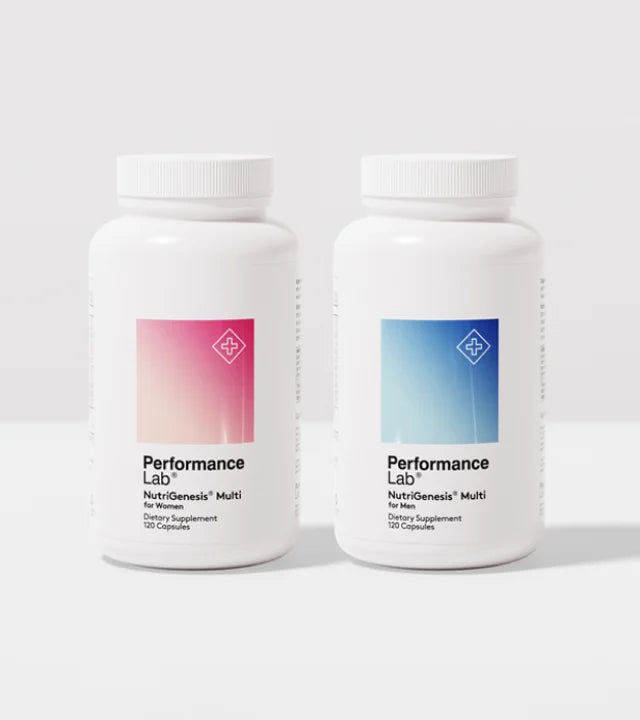
Mind Lab Pro® Nootropics for Studying

The MLP Formula: Citicoline (CDP Choline) dosage 250mg per serving, Phosphatidylserine (PS) 100mg (from sunflower lecithin), Bacopa monnieri 150mg (24% bacosides, 9 bioactives), Organic Lion's Mane Mushroom 500mg (fruit and mycelium), Maritime Pine Bark Extract 75mg (Standardized to 95% proanthocyanidins), N-Acetyl L-Tyrosine 175mg, L-Theanine 100mg per serving, Rhodiola rosea 50mg (Standardized to 3% rosavins and 1% salidrosides), NutriGenesis® Vitamin B6 (2.5 mg), Vitamin B9 (100 mcg), Vitamin B12 (7.5 mcg)
Mind Lab Pro® is formulated as a “whole-brain” nootropic to improve cognitive function. But one reason it fits especially well in a studying conversation is its emphasis on foundational B-vitamins. It includes vitamins B6, B9 (folate), and B12—three essentials that help support brain-energy metabolism, neurotransmitter production, and healthy homocysteine balance. Those micronutrient fundamentals then work alongside its broader nootropic blend to support the cognitive demands students care about most: memory, mental clarity, calmer stress response, balanced mood, and sustained attention. All while maintaining cognitive health.
MLP is not just a booster, it's the best of all brain health supplements. In addition to optimizing cognitive ability in many ways, it excels in maintaining cognitive health and brain wellness.
MLP® is also one of the very few nootropics stacks that is actually backed by human research:
- Study 1: Healthy adults taking MLP showed significant improvements (compared to placebo) in information processing tasks.(7)
- Study 2: Subjects taking MLP had significant improvements across multiple memory functions, including auditory, visual, visual working, immediate and delayed recall memory.(8)
- Study 3: Study subjects taking MLP demonstrated enhanced communication between different brain regions (although cognitive function improvements were not noted).(9)
Summary
With this generation’s best minds burning themselves out on stimulants and other prescription cognitive enhancers to stay afloat in today’s highly competitive academic institutions, the long-term benefits of academia are being compromised by the short-term gains of “smart pill” stimulation.
This is why many forward-thinking students and health enthusiasts are tossing the stimulants for natural nootropics, like Mind Lab Pro®, that promote both short- and long-term brainpower.
Paired with Performance Lab® NutriGenesis® Multi, the best multivitamin for academic performance, Mind Lab Pro® may help you not only find success within your academic career but also bolster your brain health and function for post-grad success as well.
BONUS – Ultimate Supplement Stack for Studying
Vitamins, minerals, and nootropics are key to enhancing academic-related cognitive performance without the usual side effects associated with, say, stimulants. However, these aren’t the only types of performance-enhancing supplements that may benefit academic performance.
To create the Ultimate Supplement Stack for Studying, consider stacking Mind Lab Pro® and Performance Lab® NutriGenesis® Multi with the following supplement stacks:
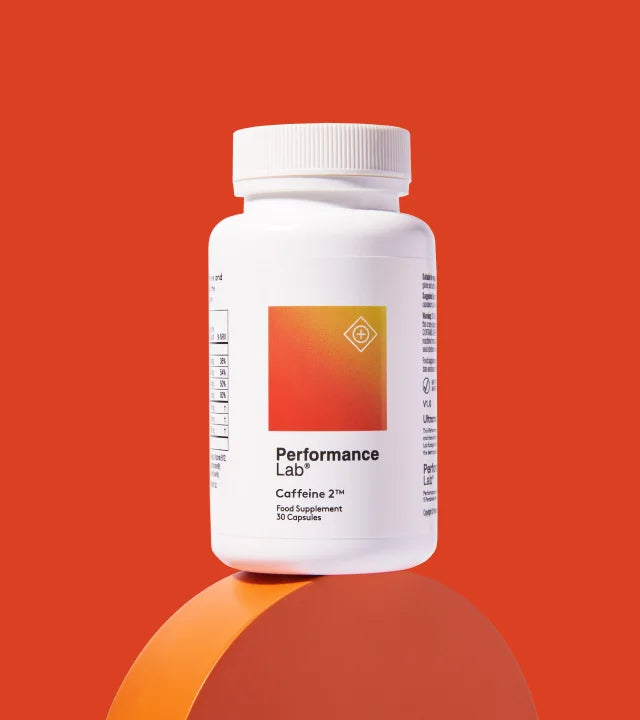
Performance Lab® Caffeine 2

Call it the Caffeine 2.0 Pill: this stim stack combines caffeine with nootropic aminos and vitamins for a crash-free, caffeinated boost on acute cognitive performance.
Ingredients:NutriGenesis® Caffeine Balance B-Complex (Riboflavin+ [Vitamin B2], Vitamin B6+, Folate+ [Vitamin B9], Vitamin B12+), Natural Caffeine (from Coffea robusta seeds), L-Theanine, L-Tyrosine
The problem with many caffeinated supplements is that they supply too much caffeine—so much that shortly after the initial rush you’re left feeling totally brain-drained. Performance Lab® Caffeine 2, on the other hand, supplies a modest “scalable” amount of caffeine (50 mg) in addition to L-theanine, L-tyrosine, and B-vitamins, a nootropic stack that counterbalances caffeine’s negative effects, to hit a more sustainable, crash-free experience. Taken as needed, Caffeine 2 is a great add-on to your daily nootropic stack.
Stack L-Theanine with Caffeine
The super popular caffeine + L-theanine combo is super popular for a reason: it works super well. Combining caffeine’s familiar brain energy jolt with L-theanine’s mental soothing, central nervous system "settling" effects, this nootropic duo simultaneously awakens and calms the mind for clean, composed thinking. With particular appeal to students, one clinical study observed that “97 mg of L-theanine in combination with 40 mg of caffeine helps to focus attention during a demanding cognitive task."(10)
More on Mind Lab Pro® L-Theanine here.
Great stuff! I won't take caffeine without the L-theanine. This is the perfect blend and also has added B vitamins!Cindy S
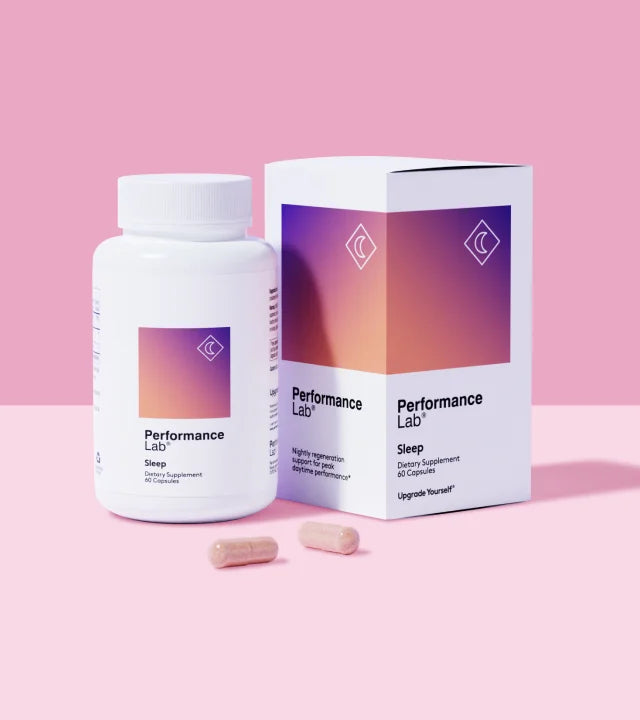
Performance Lab® Sleep

The ultimate natural sleep aid supplement powered by cherry-extracted melatonin, plant-based L-tryptophan, and NutriGenesis® magnesium.
Ingredients: Magnesium+ (as Magnesium Bisglycinate, Magnesium Taurate, NutriGenesis® Magnesium), CherryPURE® (Whole Montmorency Tart Cherry) (Prunus cerasus) (fruit) (50:1 concentrated ratio), TryptoPure® L-Tryptophan
One of the most important factors of academic success is sleep. And, yet, many students fail to get enough sleep. With Performance Lab® Sleep, this becomes less of an issue, as this natural sleep aid supplement not only grants students greater control over their sleep schedule but promotes deeper sleep for better overnight rest and recovery. Try Sleep and you’ll wake up after 7 hours of sleep feeling like you slept for 9 hours. That’s the power of natural CherryPURE® melatonin.
An immediate change in quality and consistency of sleep. I highly recommend it.Stephanie B
Performance Lab Omega-3

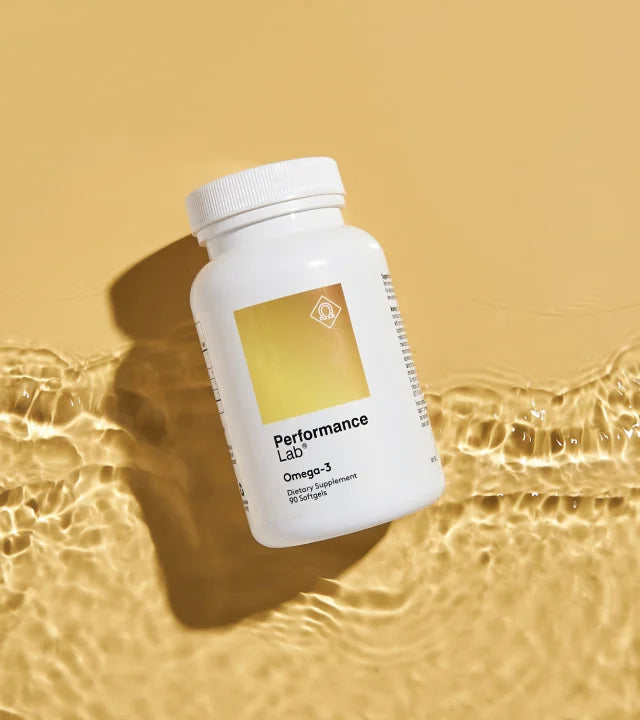
Performance Lab® Omega-3 nourishes brain cell membranes and support healthy signaling in the brain. For mood, brain health, and even studying, Omega-3s offer a steady nutritional foundation that may help.
Performance Lab® Omega-3 is a clean choice: It is made from marine algae, so you get DHA and EPA without fish-oil downsides like fishy burps, odor, or concerns about ocean-sourced contaminants). As part of Performance Lab’s broader “clean label” positioning, it’s designed to be simple, quality-focused, and stack-friendly.
References
- Drewnowski A, et al. A proposed nutrient density score that includes food groups and nutrients to better align with dietary guidance. Nutr Rev. 2019;77(6):404-416. Link
- Mihalopoulos NL, et al. The Freshman 15: Is it Real? J Am Coll Health. 2008;56(5):531-533. Link
- Deka MK, et al. Dietary pattern and nutritional deficiencies among urban adolescents. J Family Med Prim Care. 2015;4(3):364-368. Link
- Rizzo G, et al. Vitamin B12 among Vegetarians: Status, Assessment and Supplementation. Nutrients. 2016;8(12):767. Link
- Miller JL. Iron Deficiency Anemia: A Common and Curable Disease. Cold Spring Harb Perspect Med. 2013;3(7):a011866. Link
- Stonehouse W, Conlon CA, Podd J, Hill SR, Minihane AM, Haskell C, Kennedy D. DHA supplementation improved both memory and reaction time in healthy young adults: a randomized controlled trial. Am J Clin Nutr. 2013;97(5):1134-1143. doi:10.3945/ajcn.112.053371. Link
- Utley A, Gonzalez Y, Imboden CA. The Efficacy of A Nootropic Supplement on Information Processing in Adults: A Double Blind, Placebo Controlled Study. Biomed J Sci & Tech Res. 2023;49(1). BJSTR.MS.ID.007746. Link
- Abbott-Imboden C, Gonzalez Y, Utley A. Efficacy of the nootropic supplement Mind Lab Pro on memory in adults: Double blind, placebo-controlled study. Hum Psychopharmacol. 2023; e2872. doi:10.1002/hup.2872. Link
- O’Reilly D, Bolam J, Delis I, Utley A. Neural mechanisms of cognitive enhancement with a nootropic supplement. Brain Sci. 2025;15(3):226. doi:10.3390/brainsci15030226. Link
- Giesbrecht T, et al. The combination of L-theanine and caffeine improves cognitive performance and increases subjective alertness. Nutr Neurosci. 2010;13(6):283-290. doi:10.1179/147683010X12611460764840. Link