Reputable nootropics are not typically linked to “brain damage” when used as directed. Most serious concerns come from misuse (megadosing, stimulant-heavy formulas), unsafe combinations, or poor-quality/adulterated products.
Important: This article focuses on long-term harm and neurotoxicity concerns. For common, usually reversible issues (headache, GI upset, sleep disruption), start here: Nootropics side effects: common issues & how to minimize them.
Nootropics, or “smart drugs”, are currently on the rise because of their powerful effects on the brain and ability to enhance overall cognitive function.
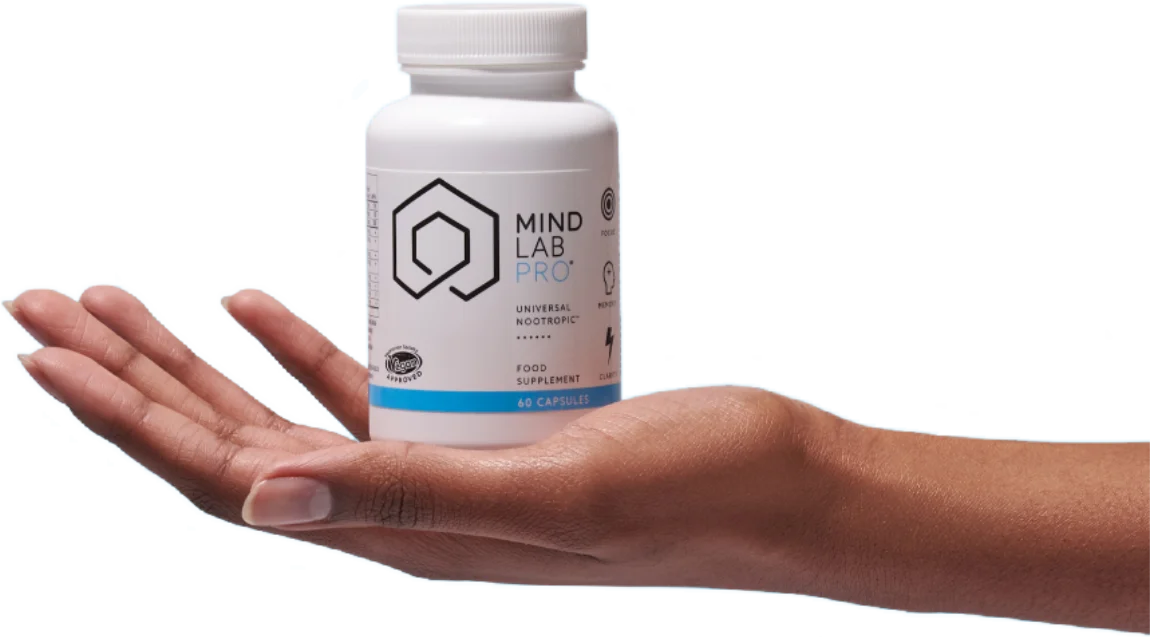
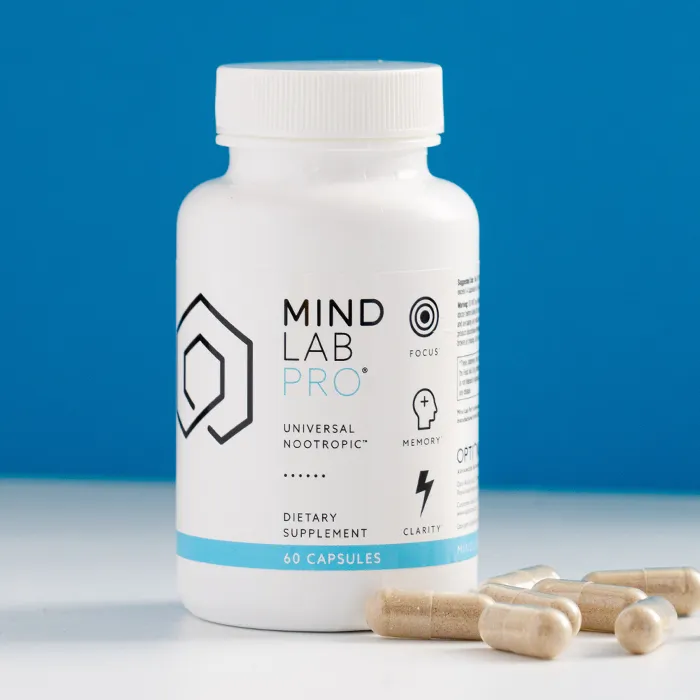
While many of the best nootropics, such as Mind Lab Pro, are safe and effective with minimal side effects, there are still some things to consider to ensure you’re getting optimal results and are at the least risk of adverse effects.

“I was impressed with the science behind the product.”
Key Takeaways
- “Brain damage” is not a typical outcome with reputable, evidence-based nootropics used as directed; problems are more often linked to excess dosing, stimulant misuse, poor-quality products, or mixing too many actives at once.
- Warning signs to take seriously: severe or persistent headache, agitation, sustained insomnia, blood pressure swings, or unusual neurological symptoms—especially with stimulants or high doses.
- Lower your risk: choose quality, start low & slow, change one variable at a time, avoid late dosing, and be mindful of caffeine or drug interactions.
- Goal is brain support, not “overclocking”—balanced, stim-free stacks emphasize long-term cognitive wellness.
- Mind Lab Pro® is a clean, stimulant-free stack designed for everyday clarity, focus, memory, and stress performance.
It is important to note that the improper use of any supplement or medication can have adverse side effects, even if the supplement is known to be safe. The devil is in the dose, as they say!
However, misusing nootropics may cause adverse effects on the brain, so it is very important to talk to your doctor before taking any new supplement to ensure you are suitable to take it, particularly if you are on any other medications.
What Do People Mean by “Brain Damage”?
Most searches for “brain damage” actually refer to one of three things:
- short-term side effects that feel alarming (headache, anxiety, insomnia),
- neurotoxicity risk from misuse (megadosing, unsafe combinations, stimulant overuse), or
- harm from contaminated/adulterated products. The risk profile depends heavily on which category you mean.
Bottom line: most “brain damage” searches are really about reversible side effects or misuse risk, not permanent injury. The biggest true risks come from unknown product quality, hidden stimulants, and dangerous combinations.
What Are Nootropics?
Nootropics are supplements (and sometimes drugs) used to support cognitive functions like focus, memory, and mental energy. Safety depends less on the label “nootropic” and more on ingredient selection, dose, product quality, and how many actives you combine at once.
Why People Worry About Brain Damage
Because nootropics affect neurotransmitters, energy metabolism, blood flow, and stress pathways, people often worry that “pushing cognition” could come with long-term harm. In practice, serious risks are most strongly associated with misuse (high doses, stimulant-heavy formulas, unsafe combinations, or poor-quality products).
Improves focus, alertness and concentration. My foggy brain is gone, I feel mentally more alert. The fatigue has lifted.Mahesh G.
Are Any Nootropics Neuroprotective?
Some ingredients commonly discussed as nootropics have evidence (often in specific populations or clinical contexts) related to brain support, antioxidant activity, or recovery pathways. That’s different from proving they “prevent brain damage,” but it helps explain why reputable nootropics are not typically associated with neurotoxicity when used responsibly.
There are various nootropics readily available these days, all offering different protective benefits for the brain and its constituents.
One reason reputable nootropics are unlikely to cause “brain damage” is that many are studied specifically for neuroprotection and recovery support under clinical supervision.
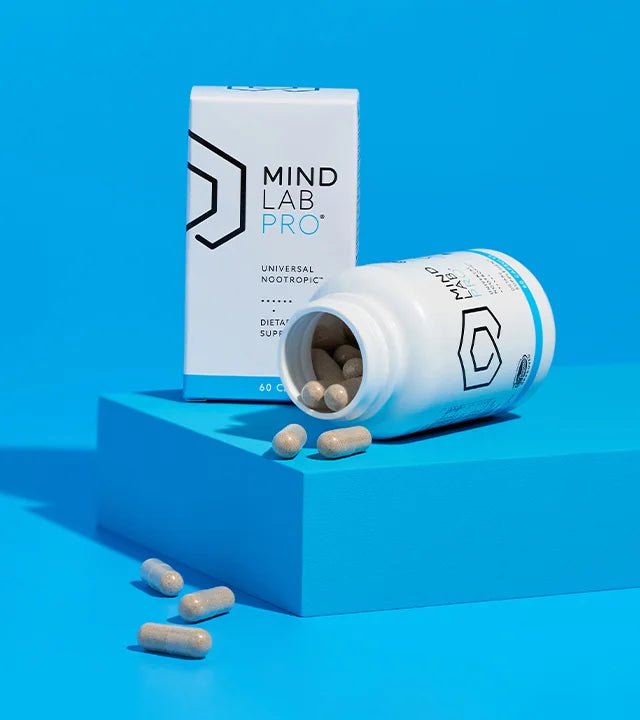
Here are some examples of the best nootropics for brain protection and cognitive enhancement, which are also key ingredients in Mind Lab Pro:
Citicoline

Citicoline is a nootropic compound that helps deliver choline and cytidine to the brain.
Choline is a basic building block of acetylcholine, the key neurotransmitter involved in executive functions such as speech, working memory, and muscle contractions. More acetylcholine means enhanced overall cognitive function.
An increase in citicoline would also help synthesize phosphatidylcholine, a building block of brain cells.
For these reasons, citicoline is one of the best nootropic compounds to exist due to its unique ability to promote brain cell regeneration and repair, and supply brain-protective antioxidant activity.
Phosphatidylserine (PS)

PS is a phospholipid found in the brain, mostly in brain cell membranes. Its job is to help maintain fluidity, optimize receptors and promote neurotransmitters such as acetylcholine and dopamine (the feel-good hormone).
PS has also been shown to increase nerve growth factor (NGF), much like lion’s mane mushroom, which means more support for brain cell maintenance and repair.
Bacopa Monnieri

Bacopa Monnieri contains bacosides, which have been shown to have powerful antioxidant effects, thus protecting our brain cells from free radical damage.
In addition to this, long-term supplementation of Bacopa is known to boost dendrite growth, also known as arborization, which leads to better neuron to neuron signaling.
As a result, Bacopa appears to boost your brain’s capacity to process data faster and more efficiently, which is why this is such a popular nootropic for learning.
When “Brain Damage” Risk Goes Up
- Stimulant-heavy formulas or high caffeine: higher chance of anxiety, sleep disruption, blood pressure spikes, and crash cycles.
- Megadosing or stacking too many actives: increases side effect load and interaction risk.
- Medication interactions: especially if you take prescriptions that affect the nervous system, mood, blood pressure, or sleep.
- Poor-quality or adulterated products: unclear dosing, contamination, or hidden stimulants create the biggest “unknowns.”
Warning Signs to Watch For
- Severe or persistent headache that doesn’t improve after stopping
- Agitation, panic, or severe anxiety (common with stimulant-heavy products)
- Sustained insomnia for multiple nights
- Blood pressure spikes or palpitations
- Neurological symptoms (confusion, weakness, speech/vision changes)
If symptoms are severe or unusual, stop use and seek medical advice.
Safer-Use Checklist (Reduce Long-Term Risk)
- Choose reputable products with transparent labels and clear dosing.
- Avoid “overclocking”: don’t chase effects with escalating doses.
- Introduce one change at a time (one product or one ingredient).
- Be cautious with stimulants (and total daily caffeine).
- Don’t mix with medications without clinician guidance.
- Cycle or take breaks if you’re using more aggressive protocols.
For common, usually reversible side effects and how to minimize them, see: nootropics side effects & how to minimize them.
Headaches are usually a separate (and often reversible) issue. For headache-specific causes and fixes, see: Can nootropics cause headaches?
Frequently Asked Questions
Can reputable nootropics cause brain damage?
Reputable nootropics are not typically linked to brain damage when they are used as directed. The bigger risks usually come from misuse, like megadosing, relying on stimulant-heavy formulas, stacking too many actives at once, or using poor-quality products with unclear ingredients.
What warning signs should I watch for when taking nootropics?
Warning signs worth taking seriously include severe or persistent headache, agitation, sustained insomnia, blood pressure swings, palpitations, or unusual neurological symptoms. If something feels severe, unusual, or does not improve after stopping, it is important to get medical advice.
How can I choose safer nootropic options?
Safer options usually have transparent labels, research-backed ingredients, clear dosing instructions, and strong quality standards. It also helps to start low, change one variable at a time, be careful with caffeine and stimulants, and avoid mixing supplements with medications unless a clinician says it is appropriate.
“Mind Lab Pro® gives you a little bit of a boost.”
Are any nootropics considered neuroprotective?
Some ingredients commonly used in nootropic formulas are studied for brain support, antioxidant activity, or recovery-related pathways. That does not mean they prove protection against every kind of harm, but it helps explain why reputable nootropics are not usually associated with neurotoxicity when they are used responsibly.
Which nootropic ingredients are discussed for long-term brain support?
This article highlights citicoline, phosphatidylserine, and Bacopa monnieri as examples of ingredients often discussed for brain-cell support, membrane integrity, antioxidant activity, and cognitive resilience. These are used to support brain function, not to overdrive it.
When does the risk of nootropic-related harm go up?
Risk tends to go up when people use stimulant-heavy formulas, combine too many actives, take very high doses, mix nootropics with medications without guidance, or use poor-quality or adulterated products. In other words, the biggest danger usually comes from how a product is used, not simply from the label nootropic.
Conclusion: Do Nootropics Cause Brain Damage?
As we have established, nootropics do not cause brain damage provided they are being taken properly and are not being misused.
Mega-dosing, mixing nootropics with certain medications, and poor stacking techniques are some examples of misuse, which could lead to adverse effects.
Lion’s mane mushroom, citicoline, Bacopa Monnieri, and Phosphatidylserine are among the best nootropics for brain protection and overall brain health.
Proper use of nootropics could actually boost your brain function and promote overall brain health and protection.
Combining different nootropic formulas appears to be the best way to reap the cognitive-enhancing, brain-boosting effects, such as Mind Lab Pro!