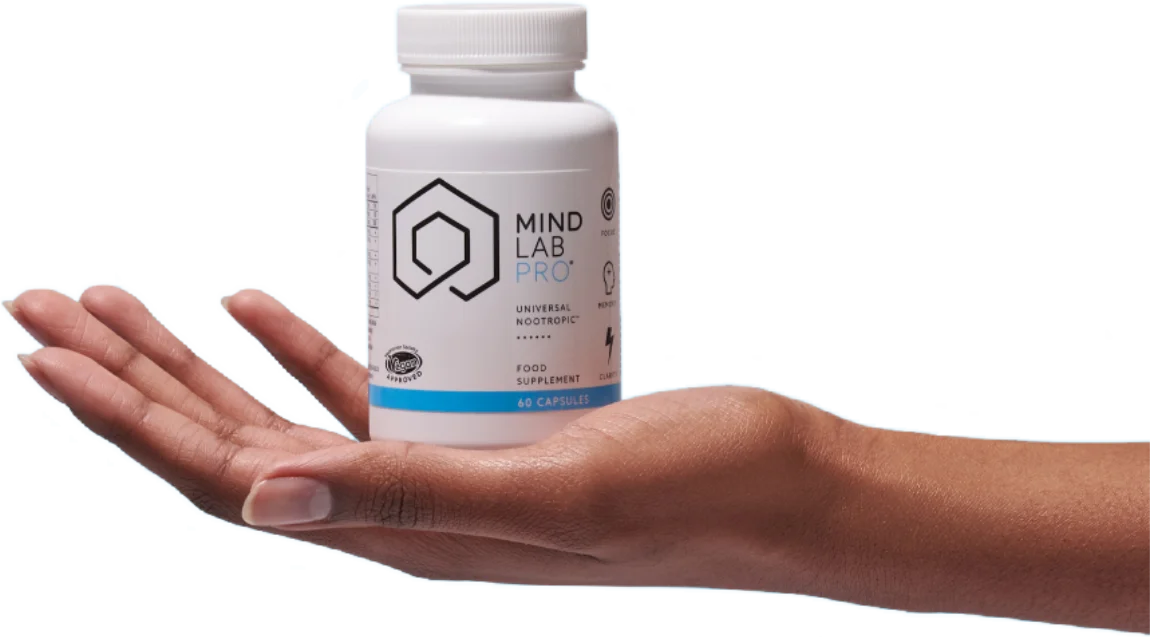


Fasoracetam is a synthetic “racetam-class” compound that’s often discussed online as a nootropic for focus, mood, and memory.
But it’s important to understand what it actually is: fasoracetam is an investigational drug candidate that's been researched for clinical applications. It is not a dietary supplement and it is not FDA-approved for any use. That means the most responsible way to evaluate it is through the lens of research evidence, safety uncertainty, and realistic expectations—not hype.
If you clicked this article, you’re probably trying to answer one of these questions: Is fasoracetam legit? What does it do in the brain? Is it safe? And is there a safer, more reliable way to support cognition if you’re not comfortable with “research chemical” territory? Let’s walk through what we know (and what we don’t).
Key Takeaways
- Racetams are human-made nootropic compounds (piracetam-like drugs like phenibut, oxiracetam and others) that are used to boost memory, focus and overall cognitive function.
- Fasoracetam is a racetam-class compound that's been studied as an experimental drug—not an FDA-approved supplement.
- Human evidence for fasoracetam benefits is limited and tends to focus on specific clinical populations (subgroups of ADHD, genetic syndromes) rather than general “biohacking.”
- Fasoracetam has been studied for effects on glutamate and GABA-related signaling in the central nervous system, which may relate to attention and mood balance.
- Unknowns remain: long-term safety, real-world effectiveness in healthy users, and quality control of online products.
- If you want a safer approach, start with fundamentals (sleep, stress, training, nutrition), then consider a research-backed, supplement-grade stack (e.g., Mind Lab Pro®) rather than experimental compounds.(6)(7)(8)
Disclaimer
This article is for educational purposes only and is not medical advice. Fasoracetam is in a gray area in terms of regulation: It is not an FDA-approved medicine, prescription drug or dietary supplement. Do not self-diagnose or self-treat cognitive or mental health symptoms with unapproved compounds. If you have concerns about attention, anxiety, depression, sleep, or memory, consult a qualified healthcare professional. Supplements are not intended to diagnose, treat, cure, or prevent any disease; use supplements only under a doctor’s guidance.
What is fasoracetam? History & Development

Fasoracetam (also known in research as NFC-1/AEVI-001) is a synthetic compound in the racetam family. It was originally developed in the late 1980s by the Japanese pharmaceutical drug company Nippon Shinyaku as a potential treatment for CNS disorders, focusing on vascular dementia and cognitive impairment. After three clinical trials, fasoracetam research paused when it failed to deliver sufficient benefit.
Researchers then re-started investigation of novel clinical applications for fasoracetam. In the 2010s it was repurposed for use in persons with ADHD, driven by the idea that it might work best in a genetically defined subgroup with disruptions in an mGluR-network (glutamatergic) signaling pathway, which is the basis of the well-known adolescent attention deficit hyperactivity disorder (ADHD) study. Read more: Nootropics for ADHD
Fasoracetam was accepted by the US Food and Drug Administration's Investigational New Drug program in 2015. More recently, fasoracetam has been positioned for neuropsychiatric symptoms and received an FDA orphan drug designation (designation is not the same as FDA approval).
Did you know? Racetams are often grouped under “nootropics” online, but they are not approved as dietary supplements in the United States, and they occupy a legal/regulated gray zone depending on how they’re marketed and sold.
How fasoracetam is thought to work
Fasoracetam has been studied for mechanisms that act on brain signaling systems involved in attention, learning, and emotional regulation—especially pathways tied to neurotransmitters glutamate (excitatory signaling) and GABA (gamma aminobutyric acid for inhibitory signaling). Its pharmacokinetics have been studied for glutamate specifically because in certain genetic variants, it may help signaling across metabotropic glutamate receptors (mGluRs).
mGluR “mutations” in the fasoracetam story refer to rare genetic variants that can affect attention and executive function. In the best-known clinical study, researchers genetically stratified adolescents with ADHD by whether they carried variants in this mGluR network, based on the idea that some patients may have glutamatergic hypofunction that a compound like fasoracetam (described there as an mGluR “activator”) might help normalize.
Simply put as basic science: rather than being a stimulant, fasoracetam has been investigated as a compound that may modulate and “rebalance” certain neurotransmitter systems that help the brain stay regulated and on-task. That’s one reason it has attracted interest for helping with ADHD and other neurodevelopmental contexts in the research literature.
It’s also worth saying out loud: Theories about how fasoracetams work are not the same as proven real-world benefits. A compound can look promising on paper and still fail to deliver meaningful outcomes in clinical trials or everyday use.
What does Fasoracetam feel like?

User reports vary, and the clinical literature isn’t designed to capture “biohacker subjective effects.” When taking fasoracetam, the effects people typically hope for fall into a few commonly reported areas:
- Attention control: feeling less scattered, better follow-through.
- Calmer cognition: less mental agitation, smoother focus.
- Memory support: improved recall or mental clarity (less consistently documented in humans). Read more: Memory nootropics
But because fasoracetam is not a standardized consumer product and hasn’t been validated in healthy populations at scale, there’s no reliable “expected effect profile” you can count on.
What does the human research actually show?
ADHD subgroup research (genetics + neurotransmitter signaling)
The most-cited published human study is a short trial in adolescents with ADHD who had specific genetic variants in a glutamatergic (mGluR-network) pathway. It was a 5-week study design that included a placebo week and then active dosing, with outcomes tracked using standard ADHD rating tools and global improvement scales. The authors reported improvements in certain ADHD symptom measures in the subgroup with “Tier 1” mGluR-network variants, while also reporting that adverse events were not meaningfully different between placebo week and active weeks in that small sample.(1)
What this means in real-world terms: the best human evidence is not “fasoracetam boosts cognition in everyone.” It’s closer to “fasoracetam may help a specific, genetically defined subgroup in a clinical context.” That’s a very different claim than most internet marketing implies.
Other clinical exploration (genetic syndromes and neuropsychiatric domains)
More recently, fasoracetam has also been explored in other genetically linked neuropsychiatric contexts. For example, a randomized crossover Phase II trial reported it was safe and well tolerated over several weeks in children with 22q11.2 deletion syndrome, with “positive efficacy trends” across neuropsychiatric domains (the authors describe this as preliminary and in need of further confirmation).(2)
Again, the pattern is consistent: clinical research is targeting specific populations where neurotransmitter signaling differences may be more pronounced—not general “brain hacking.”
Safety, legality, and quality-control reality
Side effects: Fasoracetam’s side effects aren’t as well-known as supplements because it’s an investigational compound and human data is limited. In the small clinical studies that exist, side effects have generally been mild to moderate, and may include risk for headache, nausea/GI discomfort, fatigue or sleep changes (either drowsiness or insomnia), dizziness, and irritability or mood changes. Some people also report “brain fog,” agitation, or feeling overstimulated—especially if they’re stacking it with other nootropics or stimulants.
Here are the practical risks that matter most:
- Not FDA-approved: Fasoracetam is listed by the FDA as having an orphan drug designation for a specific indication, but it is not FDA-approved for that indication.(3)
- Unknown long-term safety: Short studies can’t tell you what happens with extended use, stacking, or real-world variability.
- Product quality: When compounds are sold as “research chemicals,” purity and labeling accuracy can be inconsistent, which is a serious risk with anything you ingest.
- Self-experimentation risk: If the root issue is ADHD, anxiety, sleep apnea, depression, or burnout, chasing an unapproved compound can delay real treatment and lifestyle fixes.
What to do instead if you want cognitive support
If your goal is focus, memory, and mental stamina, there’s a reliable hierarchy that usually works better than gambling on research chemicals:
- Sleep: the fastest way to improve attention, mood, and memory is to stabilize sleep timing and duration. Read more: top sleep supplements
- Stress management: chronic stress wrecks working memory and attention control.
- Exercise: consistent training improves mood stability and cognitive performance indirectly through better sleep, blood flow, and resilience.
- Nutrition: baseline deficiencies (iron, B12, vitamin D, omega-3 intake) can mimic “nootropic needs.”
If you still want supplements, consider starting with evidence-backed, supplement-grade ingredients rather than experimental molecules. Two broad starting points many people find useful are: (1) a calm-focus foundation (like L-theanine + caffeine, if tolerated), and (2) a memory foundation (like citicoline/bacopa-style support in a reputable formula).
For general education on nootropics and safer stacking, these may help: Nootropics list: types and examples, Legal nootropics guide, and Nootropic stacking strategies.
Mind Lab Pro as a safer alternative to fasoracetam

The MLP Formula: Citicoline (CDP Choline) dosage 250mg per serving, Phosphatidylserine (PS) 100mg (from sunflower lecithin), Bacopa monnieri 150mg (24% bacosides, 9 bioactives), Organic Lion's Mane Mushroom 500mg (fruit and mycelium), Maritime Pine Bark Extract 75mg (Standardized to 95% proanthocyanidins), N-Acetyl L-Tyrosine 175mg, L-Theanine 100mg per serving, Rhodiola rosea 50mg (Standardized to 3% rosavins and 1% salidrosides), NutriGenesis® Vitamin B6 (2.5 mg), Vitamin B9 (100 mcg), Vitamin B12 (7.5 mcg)
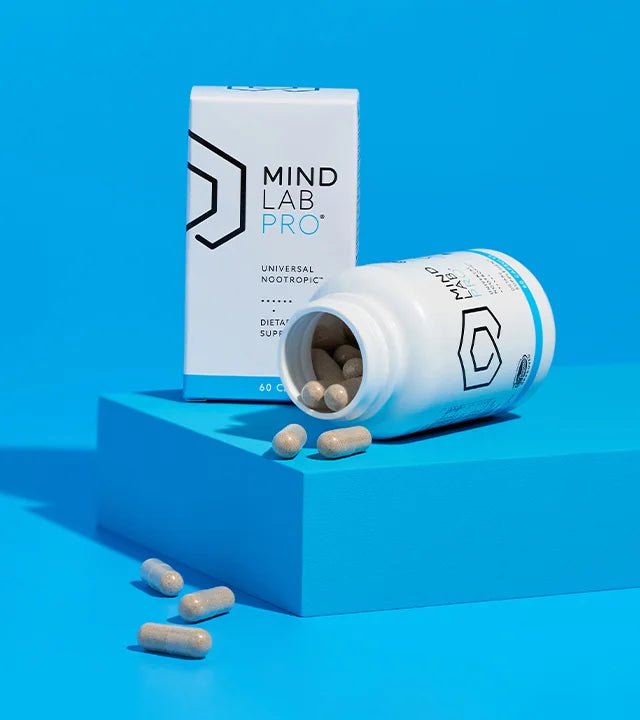
If the appeal of fasoracetam is “better focus and memory without stimulant chaos,” a safer and more reliable approach is a supplement formula that uses legal, supplement-grade ingredients—ideally one that has been tested as a finished product in human research. Mind Lab Pro® is noatable because it has multiple placebo-controlled human studies behind the finished stack.
MLP Research:
- Study 1 (processing speed): 30 days of Mind Lab Pro® was associated with significant improvement and information processing and reaction-time-related outcomes versus placebo.(4)
- Study 2 (memory): 30 days of Mind Lab Pro® improved performance across multiple memory domains on a standardized battery, including working-memory-related measures—making it the most relevant of the three studies for people who feel “mentally foggy” or forgetful in daily life.(5)
- Study 3 (brain network measures): A 60-day study did not show faster/more accurate behavioral performance in subjects, but did report modulation of EEG network readings, which researchers interpreted as enhanced brain network coordination.(6)
Key takeaway: if you want to stay on the safer side—legally, medically, and quality-control-wise—an evidence-informed supplement approach is generally a better first move than an investigational racetam.
Frequently Asked Questions
What is fasoracetam?
Fasoracetam is a synthetic “racetam-class” compound that was developed as a pharmaceutical drug candidate and later repurposed in research for specific neuropsychiatric contexts (not a dietary supplement).
Why was fasoracetam developed?
It was originally developed for dementia/cognitive impairment indications and later repurposed and studied for ADHD-related research in a genetically defined subgroup (mGluR-network variants).
How does fasoracetam work (in plain English)?
It’s studied for effects on neurotransmitter signaling systems involved in attention and regulation—especially pathways related to glutamate and GABA—rather than acting like a classic stimulant.
Is fasoracetam legal in the USA?
It’s generally considered a legal “gray area”: it’s not a scheduled controlled substance, but it’s not an FDA-approved drug or a lawful dietary supplement ingredient to market for human consumption.
Does fasoracetam have side effects?
Side effects aren’t as well characterized as standard supplements, but reports from limited human data and user experience commonly include headache, nausea/GI discomfort, dizziness, fatigue or sleep changes, and irritability or mood shifts.
Is there tolerance with fasoracetam?
There’s no strong evidence establishing predictable tolerance in humans—most published studies are short-term—so tolerance isn’t “proven,” but it also can’t be ruled out with longer, daily use.
Is there withdrawal when you stop fasoracetam?
A defined withdrawal syndrome hasn’t been established in the clinical literature. What some people experience is symptom rebound (focus/mood/anxiety returning) or a short “readjustment” period, especially if they were stacking other substances.
How long does it take to feel effects?
There’s no reliable, universal timeline because research in healthy adults is limited and products vary in purity. Some people report subtle acute effects, while others report nothing noticeable.
Can I stack fasoracetam with caffeine, nicotine, racetams, or other nootropics?
Stacking increases uncertainty and side effect risk. If someone is already experimenting, the safest approach is to avoid complex stacks so you can isolate what’s doing what—and to be especially cautious with stimulants if you’re prone to anxiety or sleep disruption.
Is fasoracetam safe long-term?
Long-term safety is not well established. This is one of the biggest reasons many people prefer evidence-backed supplements with clearer quality control and a better-understood safety profile.
What’s a safer alternative if I want focus and memory support?
Start with fundamentals (sleep, stress, training, nutrition), then consider well-studied, supplement-grade options (e.g., L-theanine + caffeine, creatine, omega-3s, citicoline, bacopa) or a research-backed, stimulant-free stack rather than investigational compounds.
Should I taper off fasoracetam?
There’s no standardized taper protocol because dependence/withdrawal isn’t established, but a conservative approach is to avoid abrupt changes if you’ve used it daily—especially if you’re sensitive to mood/sleep shifts. If symptoms are significant, talk with a clinician.
Summary
Fasoracetam is an investigational racetam-class compound with limited human evidence, mostly in specific clinical populations rather than healthy users.
The story behind how it works (glutamate/GABA signaling) is interesting, but the real-world picture includes big unknowns: long-term safety, product purity, and whether benefits generalize beyond narrow study contexts.
If you want cognitive support without stepping into research-chemical territory, prioritize lifestyle fundamentals first, then consider reputable, supplement-grade nootropics—ideally with human research behind the finished formula.
References
- Elia, J., Ungal, G., Kao, C., Ambrosini, P., Hong, J., Peskin, M., & Woodworth, K. Y. (2018). Fasoracetam in adolescents with ADHD and glutamatergic gene network variants disrupting mGluR neurotransmitter signaling. Nature Communications, 9, 4. Link
- Baribeau, D., Corcoran, C., McDonald, N., & Vorstman, J. (2025). Fasoracetam in children with 22q11.2 deletion syndrome: A randomized crossover phase II clinical trial. Biological Psychiatry. Link
- U.S. Food and Drug Administration. (2024). Fasoracetam monohydrate: Orphan drug designation for treatment of 22q11.2 deletion syndrome (22q11DS) (not FDA approved for orphan indication). FDA Orphan Drug Designations and Approvals. Link
- Utley, A., Gonzalez, Y., & Imboden, C. A. (2023). The efficacy of a nootropic supplement on information processing in adults: A double blind, placebo controlled study. Biomed J Sci & Tech Res, 49(1). Link
- Abbott-Imboden, C., Gonzalez, Y., & Utley, A. (2023). Efficacy of the nootropic supplement Mind Lab Pro on memory in adults: Double blind, placebo-controlled study. Human Psychopharmacology: Clinical and Experimental, e2872. Link
- O’Reilly, D., Bolam, J., Delis, I., & Utley, A. (2025). Effect of a plant-based nootropic supplement on perceptual decision-making and brain network interdependencies: A randomised, double-blinded, and placebo-controlled study. Brain Sciences, 15(3), 226. Link
*These statements have not been evaluated by the Food and Drug Administration. This product is not intended to diagnose, treat, cure, or prevent any disease.