Quitting isn't easy.
But the right nootropics for quitting smoking can make the process not only easier, but also more successful.
Every year, millions of people across the globe decide once and for all that they will quit smoking.
But within the first year alone, at least half of these individuals find themselves picking up the habit like before. <1>
Key Takeaways
- Quitting is hard largely because of nicotine’s effects on brain neurotransmitters (dopamine, norepinephrine, etc.), which drive cravings and withdrawal. Nootropics may help by supporting mood, focus and stress resilience during the transition.
- Managing withdrawal is key to success. Research-backed nootropics are used to support calm, motivation, sleep quality and concentration—areas commonly impacted when you stop nicotine.
- Standout ingredients discussed on this page: Rhodiola Rosea (stress & mood balance), L-Theanine (calm focus), and N-Acetyl L-Tyrosine (neurotransmitter support).
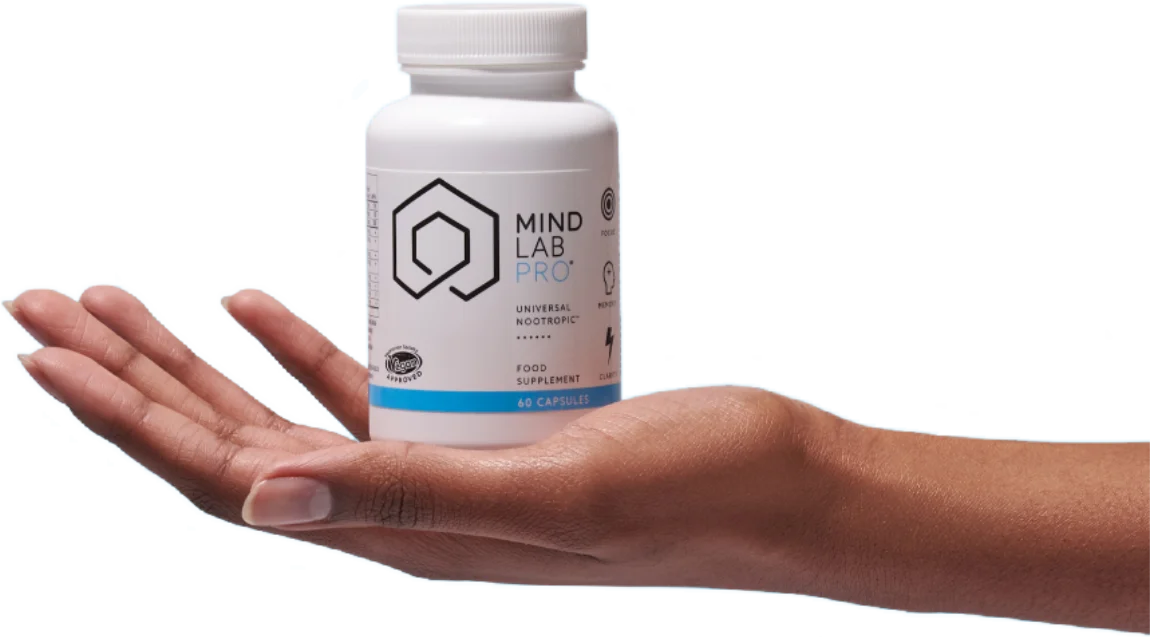
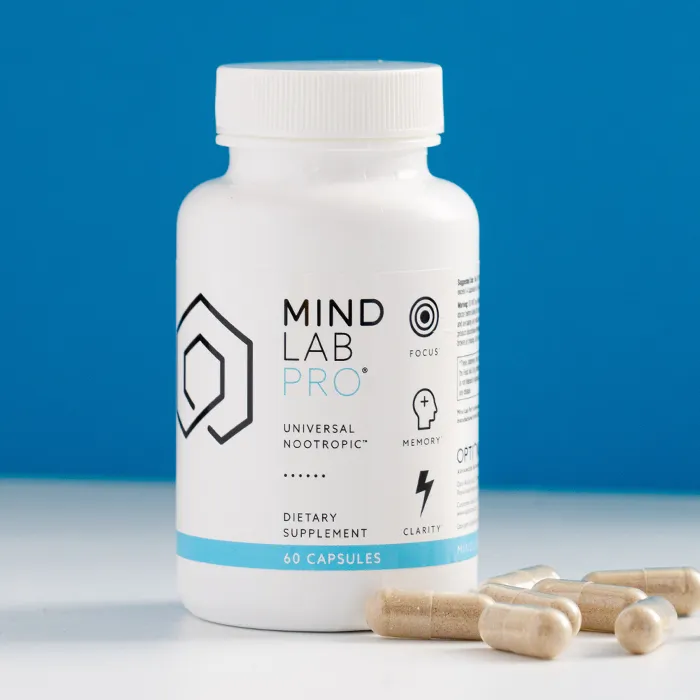
- Mind Lab Pro® offers a clean, legal, multi-ingredient stack that aligns with these goals—designed for everyday focus, clarity, memory and mood. Consider consistent daily use alongside your quit plan.
- Important: Nootropics are not a substitute for medical care or evidence-based cessation aids. Consult a healthcare professional for personalized guidance. (General safety guidance)
Studies have shown relapse rates approaching as high as 90% in certain regions — a daunting statistic that could make even the bravest soul give up on the idea of quitting altogether.
Yet quitting is always a possibility. A telltale sign is that the number of former smokers in the U.S. has already surpassed the number of current smokers.
The biggest hurdle seems to be choosing to quit and committing to the process. Once that step has been taken, there are countless measures available to help ease a person's transition back to a smoking-free lifestyle.
Many of these measures involve restoring brain health, which is precisely where nootropics for quitting smoking step in.
Nootropics and Smoking Cessation

Since the release of the 1964 U.S. Surgeon General's Report, which confirmed that cigarette smoking has a negative effect on health, the prevalence of smoking has been on a consistent downswing.
Estimates by the U.S. National Institutes of Health (NIH) suggest that public health efforts have slashed the proportion of smokers in the population by half.
Nevertheless, smoking to this day remains the single most common preventable cause of death in the world. The Centers for Disease Control (CDC) has reported that smoking is responsible for just about one out of every five deaths in the U.S., which is more than the mortality rate of car accidents, firearm incidents, alcohol use, illegal drug use, and HIV combined.
Why does smoking continue to be so widespread?
- There are a myriad of factors that account for this trend, but the issue could be boiled down to a simple single-word answer: addiction.
Quitting smoking is so darn tough because cigarettes and other tobacco products are loaded with the highly addictive chemical nicotine.
Within the first few seconds of inhalation, nicotine enters the bloodstream and starts affecting the entire body.
Once hooked, the body begins adjusting its physiology to the effects of nicotine to the extent that they very nearly become essential for normal functioning.
Fortunately, nootropics have the potential to help the body recover from this reliance on nicotine, starting with the brain.
There are at least 85 readily available nootropics that have proved capable of promoting brain health and mental performance.
Several of these nootropics may help with quitting by substituting the bioactivity of nicotine, albeit with less potency, while others may help more indirectly by diminishing the aftereffects of smoking cessation.
Before getting into which nootropics best fit the bill, it might first be useful to dig a bit deeper into the inner workings of nicotine addiction and exactly how nootropics could help.
Smoking markedly increases a person's risk of developing health complications throughout the body; quitting can cut this risk in half within the first few years, according to the CDC and NIH.
The Science Behind Smoking Addiction

Nicotine Pathway
Scientific research has repeatedly confirmed the addictive properties of nicotine, which is known to induce pleasure and reduce stress and anxiety. Nicotine achieves these effects during smoking by following a series of steps:
- Rapidly entering the bloodstream.
- Traveling to the lungs and brain.
- Binding to acetylcholine receptors.
- Allowing positive calcium ions to enter brain cells.
- Releasing neurotransmitters.
Exploiting Neurotransmitters
The nicotinic pathway alters the activity of a variety of neurotransmitters in the brain: <2>
- Dopamine. Nicotine releases into the brain a surge of dopamine, the primary neurotransmitter in charge of the body's pleasure-reward system.
- Glutamate. It also increases the release of glutamate, which subsequently triggers the release of gamma-aminobutyric acid (GABA). GABA, in turn, inhibits the natural release of dopamine.
- Norepinephrine. In addition, nicotine also boosts levels of norepinephrine (as well as serotonin, acetylcholine, and endorphins) beyond the needs of the body.
Thus, nicotine supplies the body with excess amounts of dopamine and other neurotransmitters while gradually making it more difficult for the body to release these neurotransmitters on its own.
Additional Stimulatory Effects
Beyond nicotine, cigarette smoke often contains other compounds that contribute to addiction.
- Lighting a cigarette and burning otherwise harmless additives such as glycerol and sorbitol triggers the release of acetaldehyde, which not only is toxic but also blocks enzymes required for the body to produce more dopamine.
- Tobacco smoke contains well over 7,000 chemicals, hundreds of which — including hydrogen cyanide, ammonia, and carbon monoxide — are known to have deleterious effects on the body, according to the U.S. National Cancer Institute.

How Nootropics Can Help You Quit
Among the many positive ways in which nootropics can affect the brain include facilitating the release of neurotransmitters. Nootropics can help the body gradually restore its natural ability to stimulate certain neurotransmitters, counteracting one of the main consequences of nicotine addiction.
Supporting Biopathways
Whereas synthetic compounds and drugs such as nicotine are capable of suddenly boosting the supply of available neurotransmitters, natural nootropics maximize the body's inherent ability to provide neurotransmitters.
- In other words, nicotine offers a surge of "good feeling" but leaves the body helpless over time. In contrast, nootropics help the body get better at making itself "feel good."
What's more, nicotine provides a potentially harmful short-term fix, while nootropic supplementation steadily and safely leads to long-term benefits. By supporting fundamental biopathways, nootropics protect the body against addiction.
Rebuilding Neurotransmitter Activation
Once nicotine addiction sets in, nootropics are faced with the challenge of recovering the body's diminished capacity to release important neurotransmitters.
Nonetheless, nootropics may be able to bolster the natural release of dopamine, noradrenaline, serotonin, and other compounds inhibited by nicotine use. In effect, nootropics serve to replace nicotine's knack for releasing neurotransmitters gradually but without such harmful side effects. <3>
It is important to note that no single nootropic exactly mirrors the bioactivity of nicotine. As such, recovering neurotransmitter activation may require the effort of a nootropic stack.

Combating Tolerance
Desensitization to nicotine is common among habitual smokers, wherein they require increasingly greater doses of nicotine to feel the same level of satisfaction.
Serious cases of addiction involving high tolerance may call for elevated doses of nootropics to cover an individual's basic needs. Though not generally recommended, this could prove more effective when conducted safely and appropriately.

Managing Withdrawal is Key
As useful as nootropics may be at countering the physiological effects of nicotine, this process usually takes a considerable amount of time.
However, nootropics have the potential to help the body deal with arguably the most taxing part of quitting smoking — i.e., withdrawal — as these long-term changes take place. The harsh symptoms of withdrawal, ranging from depression and anxiety to lapses in memory and judgement, make it so much harder to stop smoking than to let go of other habits.
Easing Withdrawal Symptoms
Nootropics have demonstrated that they can help reduce the severity of most symptoms of nicotine withdrawal, including the following:
- Depressed mood. Numerous nootropics have shown an aptitude for balancing, if not uplifting, mood — especially so for individuals affected by irritability and depression.
- Low motivation and energy. Several nootropics promote brain energy metabolism and stimulate alpha brain wave activity to increase motivation.
- Anxiety. A lack of nicotine often causes the body to feel anxious, eventually leading to stress. Nootropic supplementation has long been believed to mitigate both performance-related and social anxiety, as well as reduce stress.
- Trouble sleeping. A number of nootropics (the best sleep supplements) are taken as sleep aids for their potential to accelerate sleep onset and lengthen restorative sleep phases.
- Difficulty concentrating. Maintaining focus and concentration is one of the most popular uses of nootropics, particularly for those preparing for demanding cognitive tasks such as taking an exam or playing video games competitively.
- Headaches and nausea. Finally, nootropics may help people get through hangover-like symptoms, including headaches and nausea.
Collectively, these potential benefits are centered around reducing the body's dependance on nicotine by making life less painful without it. Decreasing dependance may further minimize day-to-day nicotine cravings.
How to Approach Quitting
There are various ways to go about the business of quitting smoking, with the most popular strategies involving nicotine substitution. This type of replacement therapy allows individuals to have their nicotine fix in the form of a patch, a spray, or gum, drastically reducing a person's exposure to cigarette toxins.
However, nicotine replacement therapy has similar side effects as smoking because all of the sources still contain nicotine. Though the method may draw people away from smoking, it does little to address the overarching issue of nicotine addiction.
- On the other hand, nootropics aim to get to the root of addiction by steering clear of nicotine all together.
Replacement therapy may make quitting easier to cope with temporarily, but nootropics are healthier and have the potential to make quitting a reality farther down the line.
So whether you decide to gradually wean off from smoking or go cold turkey, nootropics can improve your chances of achieving your goal.
Mind Lab Pro® Nootropics for Quitting Smoking
Rhodiola Rosea, 3% rosavins, 1% salidrosides

Mind Lab Pro's Rhodiola Rosea is the optimal nootropic for quitting smoking. The herbal adaptogen contains bioactive ingredients that can support the release of the three primary neurotransmitters affected by nicotine addiction: dopamine, norepinephrine, and serotonin. Rhodiola may also help to protect and sustain acetylcholine levels.
Furthermore, multiple preclinical trials have confirmed that Rhodiola can reduce various withdrawal symptoms. In one study, researchers observed that Rhodiola reduced tangible signs of nicotine withdrawal — notably, anxious behaviors such as shaking, tremors, and hair raising. <4> A separate group discovered that Rhodiola helped recover serotonin levels during a period of withdrawal. <5>
More on Mind Lab Pro® Rhodiola Rosea
L-Theanine

L-Theanine is a soothing amino acid present within green tea. When consumed, the nootropic increases the activity of alpha brain waves to promote wakeful relaxation, enhance mood, and calm the mind.
Although L-Theanine is most popularly used to wash away performance anxiety and jitters while sustaining mental focus, it may similarly serve to soften many of the side effects of withdrawal.
A recent study suggested that the supplement could help deal with withdrawal symptoms by repairing the motivation-reward pathway. "L-Theanine reduced the nicotine-induced reward effects via inhibition of the nAChR-dopamine reward pathway," the researchers concluded. <6>
More on Mind Lab Pro® L-Theanine
L-Tyrosine as N-Acetyl-L-Tyrosine (NALT)

N-Acetyl L-Tyrosine is a stress-reducing amino acid that serves as a precursor in the synthesis of several neurotransmitters.
Although no clinical studies have directly verified its effect on quitting, its role in replenishing neurotransmitters make it a strong candidate for the job. For example, the nootropic is a precursor to dopamine and norepinephrine.
High stress is known to deplete the body's reserve of catecholamines like norepinephrine.
N-Acetyl L-Tyrosine is capable of maintaining sufficient norepinephrine levels during times of stress by suppressing the production of stress hormones.
More on Mind Lab Pro® N-Acetyl L-Tyrosine
What about synthetic nootropics?
But the use of synthetic nootropics is complicated by differences in legal stances across the world. Oxiracetam, for instance, is not regulated, and thus legal, in the U.S., Canada, and the U.K.
On the other hand, Piracetam, is not legal in the U.K.
Frequently Asked Questions
What supplements help with nicotine withdrawal?
Supplements that may help with nicotine withdrawal usually focus on mood, stress, focus, sleep, and motivation rather than directly replacing nicotine. In this guide, the main nootropics highlighted are Rhodiola Rosea, L-Theanine, and N-Acetyl L-Tyrosine because they support neurotransmitter balance, calm focus, and stress resilience during the quitting process. Many people also look for vitamins or herbs, but the most useful approach is usually a well-designed stack that supports multiple pathways at once. You can read more about the featured ingredients here: Rhodiola Rosea, L-Theanine, and N-Acetyl L-Tyrosine.
How can I increase dopamine after quitting smoking?
After quitting smoking, the goal is not to force a dopamine spike but to help your brain restore healthier dopamine signaling over time. Nicotine creates a strong reward surge, so recovery usually depends on steady support for neurotransmitter production, stress management, sleep, and daily routine consistency. Nootropics can help support the brain pathways involved in dopamine and norepinephrine function, but they work more gradually than nicotine. If you want a deeper overview of how these brain chemicals interact, visit Nootropics and Neurotransmitters.
How long does it take for dopamine to reset after quitting nicotine?
Dopamine recovery is different for every person and depends on factors like how long you smoked, how much nicotine you used, stress levels, sleep quality, and overall health. Most people notice the hardest phase is the early withdrawal period, but motivation, mood, and reward sensitivity can take longer to normalize. The best way to support that process is to stay consistent with sleep, stress control, movement, and brain-supportive nutrition or nootropics. A long-term approach works better than trying to recreate nicotine's fast effects.
How can I stop nicotine cravings naturally?
Nicotine cravings usually become easier to manage when you reduce stress, stabilize mood, and make withdrawal symptoms less intense. Nootropics may help by supporting calm, focus, and emotional balance, which can make cravings feel less disruptive. It also helps to build a routine around hydration, regular meals, exercise, and sleep because cravings often hit harder when you are tired, stressed, or underfed. For extra support with stress and burnout while quitting, see Stress and Burnout Support.
What helps with brain fog after quitting smoking?
Brain fog is common during nicotine withdrawal because the brain is adjusting to lower stimulation and rebuilding its own neurotransmitter balance. The most effective support usually comes from a combination of sleep, hydration, regular exercise, and nootropics that help with attention, mental energy, and clarity. This page explains how nootropics can support focus and concentration while you quit, which is often one of the biggest pain points in the first phase. You can also explore Supplements for Focus and Concentration and Nootropics for Energy.
Does L-Theanine help with nicotine withdrawal?
L-Theanine may help during nicotine withdrawal by promoting a calmer mental state without making you feel sleepy. It is commonly used for reducing jitters, easing tension, and supporting focus, which makes it a good fit for the stress and irritability that often show up when quitting. This article also notes research that links L-Theanine to support for the nicotine reward pathway, which is one reason it is featured as a key ingredient. For a deeper ingredient breakdown, read More on L-Theanine.
Is nicotine a nootropic?
Nicotine can temporarily improve attention and alertness, which is why some people compare it to nootropics. The difference is that nicotine is highly addictive and creates dependence by disrupting the brain's normal neurotransmitter balance over time. Nootropics are used to support brain performance and resilience without relying on the same addiction pathway. If you are comparing nicotine to brain supplements, this primer can help: What Are Nootropics.
What can I use to replace nicotine when quitting smoking?
There is no direct replacement for nicotine that matches its effects exactly without the same downsides. The healthier strategy is to replace what nicotine was doing for you, such as stress relief, focus, mood support, or motivation, with safer tools. That usually means using a combination of nootropics, exercise, sleep support, and routines that reduce triggers. If you want to build a more complete approach, a stack can be more effective than a single ingredient, and this guide explains the idea in more detail: Nootropic Stacking Strategies.
Can nootropics make quitting smoking easier than nicotine replacement therapy?
Nootropics and nicotine replacement therapy work differently. Nicotine replacement products reduce exposure to cigarette toxins, but they still contain nicotine. Nootropics do not replace nicotine directly. Instead, they support the brain and nervous system as you work through withdrawal and rebuild normal function. Many people use nootropics as part of a broader quit plan because they can help with concentration, mood, stress, and sleep during the transition. It is still important to work with a healthcare professional for a personalized quit plan, especially if you have a heavy dependence history.
Conclusion
Mind Lab Pro® nootropics for quitting smoking reinvigorate neurotransmitter activity and help the body cope with withdrawal.
However you frame it, smoking is a tough habit to break. A premium natural brain-boosting stack like Mind Lab Pro® can work wonders — reducing the toll on your body as it fights against nicotine addiction. Rather than offer a makeshift patch to cover up a chronic complaint, Mind Lab Pro® nootropics are designed to help you quit smoking while also improving your long-term health.
I was skeptical at first, but I can say that I feel sharper and more clear minded than as long as I can remember.John Y
References
- García-Rodríguez O, et al. Probability and predictors of relapse to smoking: Results of the National Epidemiologic Survey on Alcohol and Related Conditions (NESARC). Drug and Alcohol Dependance. 2014 Oct; 132(3): 479-485.
- Benowitz NL, et al. Pharmacology of Nicotine: Addiction, Smoking-Induced Disease, and Therapeutics. Annual Review Pharmacology and Toxicology. 2009; 49: 57-71.
- Urban KR, et al. Performance enhancement at the cost of potential brain plasticity: neural ramifications of nootropic drugs in the healthy developing brain. Frontiers in Systems Neuroscience. 2014 May; 8: 38.
- Mattioli L, et al. Evaluation of Rhodiola rosea L. extract on affective and physical signs of nicotine withdrawal in mice. Journal of Psychopharmacology. 2011 Mar; 25(3): 402-10.
- Mannucci C, et al. Serotonin involvement in Rhodiola rosea attenuation of nicotine withdrawal signs in rats. Phytomedicine. 2012 Sep 15;19(12):1117-24.
- Di X, et al. L-theanine inhibits nicotine-induced dependence via regulation of the nicotine acetylcholine receptor-dopamine reward pathway. Science China Life Sciences. 2012 Dec; 55(12): 1064-74.
*Nootropics are not a treatment for nicotine dependence. Always follow your clinician’s advice.