

A well-planned plant-based diet has the potential to drastically improve a person’s health and wellbeing. With so many health benefits linked to cutting out animal-derived foods, it’s no wonder that plant-based is often thought of as the optimal diet.
However, a poorly planned plant-based diet can have the opposite effect. Some of the most common symptoms of a poor plant-based diet include mental fog and other neurological dysfunctions, such as insomnia and anxiety.
Mental fog, or brain fog, can often be resolved and prevented through some simple nutritional interventions, such as diet changes and supplements. You must ensure you are hitting all the major nutritional benchmarks when following a plant-based diet.
This article discusses some of the best supplements to help prevent and resolve brain fog. Let’s get to it!
Key Takeaways
- Veganism itself does not automatically cause brain fog; a strategic plant-based diet can support brain health and mental sharpness.
- Vegan brain fog may occur when a plant-based diet is low in key brain-supportive nutrients such as vitamin B12, omega-3 fats, iron, iodine, zinc, choline, protein, or total calories.
- A plant-based diet for brain health should include steady energy from slow carbohydrates, enough protein for neurotransmitter support, and healthy fats for brain cell membranes and long-term cognitive resilience.
- Helpful brain-supportive plant foods include oats, quinoa, sweet potatoes, lentils, beans, berries, tofu, tempeh, edamame, walnuts, chia seeds, ground flaxseed, hemp seeds, avocado, olive oil, and algae-based DHA/EPA.
- Vitamin B12 is especially crucial for vegans because it supports nerve function, red blood cell formation, methylation, and brain energy, but reliable vegan sources are mostly fortified foods and supplements.
- Other nutrients to prioritize for vegan brain fog include omega-3 fats, iron, zinc, iodine, choline, magnesium, and colorful polyphenol-rich plant foods.
- Supplements that may help support vegan brain fog include vitamin B12, omega-3 fats, rhodiola rosea, citicoline, and N-acetyl L-tyrosine.
- The goal is not necessarily to abandon veganism, but to build a more complete plant-based diet with fortified foods, strategic supplementation, and enough energy, protein, and healthy fats to support cognition.
Disclaimer
This article is for educational purposes only and is not medical advice. Brain fog, fatigue, anxiety, insomnia, poor memory, or difficulty concentrating may have many possible causes, including nutrient deficiencies, low calorie intake, stress, poor sleep, medication effects, thyroid issues, anemia, blood sugar problems, or other medical conditions. A plant-based diet and dietary supplements should not be used to diagnose, treat, cure, or prevent any disease. If you follow a vegan or vegetarian diet, take medication, have a medical condition, are pregnant or breastfeeding, or experience persistent or worsening brain fog, consult a qualified healthcare professional before changing your diet or using supplements.
What is Brain Fog?

Firstly, let’s establish brain fog, what it is, and what symptoms to look out for.
It takes a lot of energy to fuel the daily processes in your brain, so when you fail to adequately fuel your brain with the right amount of nutrients, it can wreak neurological havoc. Some symptoms of brain fog include:
- Confusion
- Poor memory
- Difficulty learning and retaining information
- Fuzzy and discombobulated thoughts and conversations
This can lead to further issues, such as stress, insomnia, and poor work or academic performance.
While this may seem alarming at first, it’s important to remember that this is simply your brain’s way of alerting you that there are some imbalances with your nutritional intake or lifestyle factors.
Can Veganism Cause Brain Fog?
Veganism itself does not automatically cause brain fog. However, consuming a plant-based diet involves cutting out animal-based products, such as meat and dairy. This may cause vegans to miss out on key brain-healthy nutrients found in animal products, including:
- Vitamin B12
- Iron
- Iodine
- Zinc
- Vitamin D
- DHA/EPA omega-3s
- Choline
- Protein
- Total calories
The solution is not necessarily abandoning veganism, but building a more complete plant-based diet with fortified foods, strategic supplementation, and enough energy, protein, and healthy fats to support cognition.
Plant-Based Diets for Brain Health

A plant-based diet for brain health should do more than simply avoid animal foods. To help clear vegan brain fog and support cognition, it needs to provide three major things: steady energy, enough protein, and healthy fats.
These categories help supply the brain with fuel, neurotransmitter building blocks, cell membrane support, circulation support, and key nutrients that may be harder to get from a poorly planned vegan diet.
Energy: Slow Carbohydrates for Steady Brain Fuel
The brain uses a large amount of energy, so low-calorie or poorly balanced vegan meals can sometimes lead to fatigue, poor focus, and brain fog.
Slow-digesting carbohydrates from whole plant foods help provide steady glucose for the brain, while fiber helps smooth out blood sugar swings that can leave you feeling sharp one hour and foggy the next.
- Oats: Oats provide slow-digesting carbohydrates, fiber, magnesium, and B vitamins that may help support steady morning energy and mental focus.
- Quinoa: Quinoa supplies complex carbohydrates plus more protein than many grains, making it a useful plant-based staple for balanced brain fuel.
- Sweet potatoes: Sweet potatoes offer slow carbohydrates, potassium, vitamin C, and carotenoids, helping support energy, electrolyte balance, and antioxidant protection.
- Lentils: Lentils provide carbohydrates, fiber, protein, iron, folate, and magnesium — a strong combination for energy, blood sugar balance, and brain-supportive nutrition.
- Beans: Black beans, kidney beans, and chickpeas offer steady carbohydrates, fiber, minerals, and plant protein, helping reduce the energy crashes that can contribute to brain fog.
- Berries: Blueberries, strawberries, and raspberries provide natural carbohydrates plus polyphenols that support antioxidant defense and vascular health for the brain.
- Bananas: Bananas provide quick but gentle carbohydrate energy, potassium, and vitamin B6, making them useful when vegan brain fog is related to under-eating or low energy.
- Brown rice: Brown rice is a simple, easy-to-digest source of slow carbohydrates that can help anchor meals and support steady fuel during the day.
Protein: Amino Acids for Neurotransmitters and Mental Clarity
Protein is one of the most important categories for vegans dealing with brain fog. Amino acids from protein help the body make neurotransmitters involved in attention, motivation, mood, and mental clarity. Too little protein can make a plant-based diet feel light and clean, but mentally underpowered — especially if meals are built mostly around fruit, salads, bread, or refined carbs.
- Tofu: Tofu is a versatile soy protein that supplies complete plant protein, iron, calcium if fortified, and choline-like phospholipid support for brain health.
- Tempeh: Tempeh provides dense plant protein, fiber, minerals, and fermented-food benefits, making it especially useful for sustained energy and satiety.
- Edamame: Edamame offers complete plant protein, fiber, folate, iron, magnesium, and isoflavones, supporting both brain nutrition and steady blood sugar.
- Lentils: Lentils are excellent for vegan brain fog because they combine plant protein with iron, folate, magnesium, and slow-digesting carbohydrates.
- Chickpeas: Chickpeas provide protein, fiber, iron, zinc, and complex carbs, making them useful for focus-friendly meals like hummus bowls or chickpea salads.
- Black beans: Black beans supply protein, fiber, magnesium, folate, and polyphenols, supporting energy metabolism and long-lasting fullness.
- Seitan: Seitan is a high-protein wheat-based food that can help vegans increase total protein intake, though it is not appropriate for people avoiding gluten.
- Hemp seeds: Hemp seeds provide plant protein, magnesium, zinc, and healthy fats, making them an easy brain-supportive add-on for oatmeal, smoothies, and salads.
- Pumpkin seeds: Pumpkin seeds are rich in protein, zinc, magnesium, and iron — nutrients that support neurotransmitter activity, nervous system function, and mental energy.
- Pea protein: Pea protein powder can help close protein gaps for vegans who struggle to get enough protein from meals alone, especially at breakfast or after exercise.
Healthy Fats: Brain Cell Membranes and Mental Resilience
The brain is rich in fat, and healthy fats help support brain cell membranes, signaling, hormone balance, and long-term cognitive health.
This category is especially important for vegans because DHA and EPA omega-3s are mostly found in marine foods. Plant foods can supply ALA omega-3, but conversion to DHA and EPA is limited, so vegan Omega-3 supplements may be worth considering.
- Walnuts: Walnuts provide ALA omega-3, polyphenols, and healthy fats that support brain cell membrane health and antioxidant protection.
- Chia seeds: Chia seeds are rich in ALA omega-3, fiber, minerals, and slow-release energy, making them useful for smoothies, oatmeal, or chia pudding.
- Ground flaxseed: Ground flaxseed supplies ALA omega-3, lignans, and fiber; grinding is important because whole flaxseeds often pass through the body undigested.
- Hemp seeds: Hemp seeds provide a balanced mix of protein, healthy fats, magnesium, and zinc, making them one of the most practical vegan brain foods.
- Avocado: Avocado supplies monounsaturated fats, potassium, fiber, and carotenoids, helping support satiety, circulation, and steady energy.
- Olive oil: Extra virgin olive oil provides monounsaturated fats and polyphenols that support vascular health, inflammation balance, and brain-friendly Mediterranean-style eating.
- Tahini: Tahini, made from sesame seeds, provides healthy fats, minerals, and some protein, making it useful in dressings, sauces, and bowls.
- Algae-based DHA/EPA: Algae oil is a direct vegan source of DHA and EPA omega-3s, helping support brain cell membranes, mood, and cognitive health more directly than ALA alone.
A plant-based diet can support brain health, but it should be strategically planned to compensate for nutrients found in animal products. For vegans dealing with brain fog, the foundation should be steady energy from slow carbohydrates, enough protein for neurotransmitter support, and healthy fats — especially omega-3 support — for brain cell membranes and long-term cognitive resilience.
Key Nutrients Vegans May Need for Brain Health
A vegan diet can support excellent brain health, but several nutrients require extra attention because they are harder to obtain from plant foods, less efficiently absorbed, or commonly found in higher amounts in animal-derived foods. When these nutrients run low, some people may experience low mental energy, poor focus, mood changes, fatigue, or vegan brain fog. Strategic supplementation can help fill these gaps while allowing a plant-based diet to remain complete and brain-supportive.
Vitamin B12
Vitamin B12 is one of the most important nutrients for vegans because reliable natural food sources are mostly animal-derived. B12 supports nerve function, red blood cell formation, methylation, and healthy brain cell communication. Low B12 status may contribute to neurological symptoms, mood changes, memory problems, fatigue, and brain fog. Because fortified foods may not be enough for everyone, a B12 supplement is generally considered essential for people following a fully vegan diet.(1)
Iron
Iron supports oxygen transport, mitochondrial energy, neurotransmitter activity, and mental stamina. Vegans can get iron from lentils, beans, tofu, pumpkin seeds, quinoa, spinach, and fortified foods, but plant-based non-heme iron is less efficiently absorbed than heme iron from animal foods. Low iron status may contribute to fatigue, low motivation, poor concentration, and reduced cognitive performance. Iron supplements can help when bloodwork confirms low iron or ferritin, but they should be used carefully because too much iron can be harmful.(2)
Iodine
Iodine is needed to make thyroid hormones, which regulate metabolism, energy, mood, and brain development. Vegans may fall short because seafood, dairy, and eggs are common iodine sources, while plant foods vary widely depending on soil iodine content. Low iodine intake may affect thyroid function, which can show up as fatigue, sluggish thinking, low mood, cold intolerance, or brain fog. Iodized salt or a carefully dosed iodine supplement may help vegans maintain adequate iodine status without relying on inconsistent seaweed intake.(3)
Zinc
Zinc supports neurotransmitter activity, immune function, antioxidant defense, and normal nervous system function. Vegan diets can include zinc-rich foods such as pumpkin seeds, hemp seeds, legumes, nuts, and whole grains, but phytates in plant foods can reduce zinc absorption. Low zinc status may affect mood, attention, immune resilience, taste, wound healing, and overall brain function. A modest zinc supplement may help people who struggle to meet needs through diet alone, though long-term high-dose zinc should be avoided because it can interfere with copper balance.(4)
Vitamin D
Vitamin D supports immune balance, inflammation regulation, mood, muscle function, and brain and nervous system health. Vegans may fall short because many natural food sources of vitamin D are animal-derived, and sun exposure is inconsistent depending on season, latitude, skin tone, sunscreen use, and time spent indoors. Low vitamin D status has been associated with mood and cognitive concerns, though supplementation effects vary by population and baseline status. Vegan vitamin D2 or vegan lichen-derived vitamin D3 can help maintain healthy vitamin D levels, especially during winter or when sun exposure is limited.(5)
DHA/EPA Omega-3s
DHA and EPA are long-chain omega-3 fats that help support brain cell membranes, cell signaling, mood, circulation, and cognitive health. Vegan diets usually provide ALA omega-3 from flaxseed, chia seeds, hemp seeds, and walnuts, but conversion from ALA into DHA and EPA is limited. This makes direct DHA/EPA support especially important for some vegans. Algae-based omega-3 supplements provide a vegan source of DHA and EPA and may help support brain membrane structure, healthy inflammation balance, and long-term cognitive resilience.(6)
Choline
Choline is used to make acetylcholine, a neurotransmitter involved in memory, attention, learning, and muscle control. It also supports phospholipids that help build healthy brain cell membranes. Eggs are one of the richest choline sources, so vegans may need to be more intentional with soy foods, beans, quinoa, cruciferous vegetables, nuts, seeds, and possible supplementation. Choline supplements may help fill intake gaps, especially for people with low intake, higher needs, or limited use of choline-rich plant foods.(7)
Protein
Protein provides amino acids that the brain uses to make neurotransmitters and other signaling molecules involved in focus, mood, motivation, and mental clarity. Vegans can meet protein needs with tofu, tempeh, edamame, lentils, beans, seitan, pea protein, soy milk, quinoa, nuts, and seeds, but intake can fall short if meals are built mostly around fruit, salads, refined grains, or low-calorie foods. Protein powders or amino-acid-complete plant proteins can help close gaps, especially at breakfast, after exercise, or during busy periods when meals are inconsistent.(8)
References
- Fernandes, S., et al. (2024). Exploring vitamin B12 supplementation in the vegan population: A scoping review of the evidence. Nutrients, 16(9), 1442. Link
- Henjum, S., Groufh-Jacobsen, S., Stea, T. H., Tonheim, L. E., & Almendingen, K. (2021). Iron status of vegans, vegetarians and pescatarians in Norway. Biomolecules, 11(3), 454. Link
- Nicol, K., Thomas, E. L., Nugent, A. P., Woodside, J. V., & Mullan, K. (2023). Iodine and plant-based diets: A narrative review and calculation of iodine content. British Journal of Nutrition, 130(11), 1877-1888. Link
- Foster, M., Chu, A., Petocz, P., & Samman, S. (2013). Effect of vegetarian diets on zinc status: A systematic review and meta-analysis of studies in humans. Journal of the Science of Food and Agriculture, 93(10), 2362-2371. Link
- Skoczek-Rubińska, A., et al. (2025). Impact of vitamin D status and supplementation on brain health across the lifespan. Nutrients, 17(16), 2655. Link
- Dighriri, I. M., et al. (2022). Effects of omega-3 polyunsaturated fatty acids on brain functions: A systematic review. Cureus, 14(10), e30091. Link
- Wallace, T. C., & Fulgoni, V. L. (2018). Assessment of total choline intakes in the United States. Journal of the American College of Nutrition, 35(2), 108-112. Link
- Mariotti, F., & Gardner, C. D. (2019). Dietary protein and amino acids in vegetarian diets: A review. Nutrients, 11(11), 2661. Link
Many people assume that brain fog associated with going plant-based may be to do with the lack of protein intake. However, this is untrue. You can consume an adequate amount of high-quality protein sources through a plant-based diet.
Top Vegan-Friendly Nootropic Supplement for Brain Fog
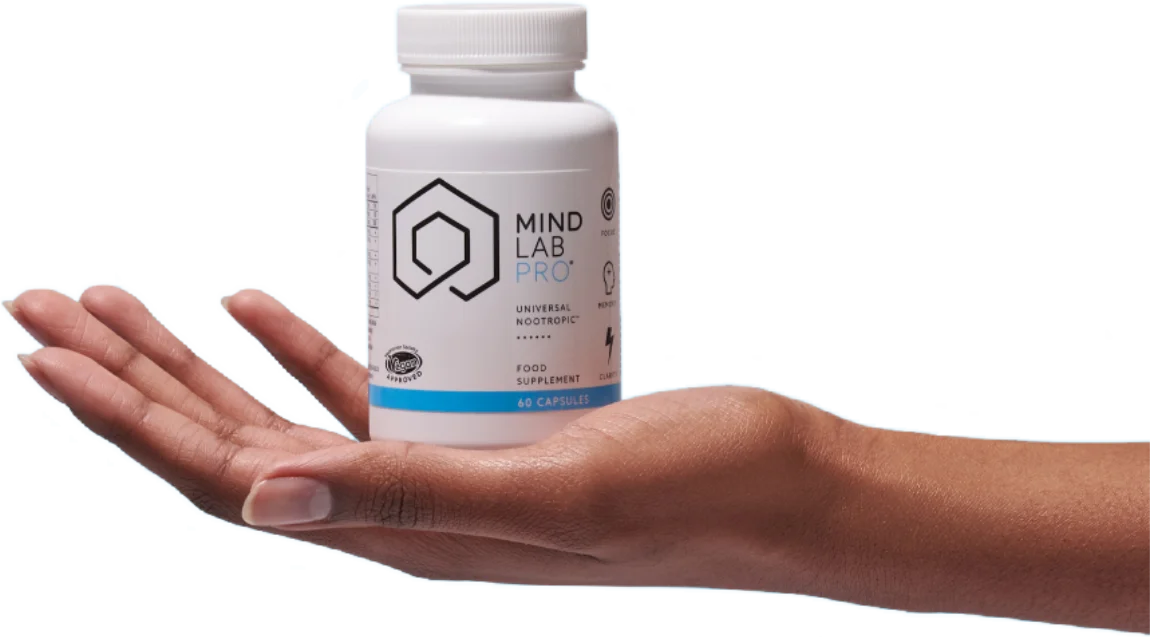
Mind Lab Pro supplies some of the best nootropics for brain fog, including the majority of the above list.
This innovative formula includes nootropics for brain fog that have been carefully selected for their ability to preserve mental performance under stress and defend the brain from stress-related burnout.
Mind Lab Pro can help improve the negative symptoms and effects associated with brain fog while nourishing the brain and supporting overall cognitive wellness!
Frequently Asked Questions
Can lack of protein cause brain fog?
Usually, vegan brain fog is not mainly caused by low protein alone. On this page, the bigger concern is missing key brain-supportive nutrients that are commonly lower in poorly planned plant-based diets, especially vitamin B12, omega-3 fats, choline, and iron. You can absolutely get enough protein on a plant-based diet, but you still need to make sure your diet covers the nutrients that directly support neurotransmitters, nerve health, and mental clarity.
Can being vegan cause brain fog?
A vegan diet does not automatically cause brain fog, but a poorly planned one can. When animal foods are removed, it becomes easier to fall short on nutrients that support brain function, which may lead to symptoms like confusion, poor memory, and trouble concentrating. In many cases, vegan brain fog can be improved by correcting diet gaps and using supplements where needed.
Do vegans need vitamin B12 for brain health?
Yes, vitamin B12 is one of the most important nutrients for plant-based eaters to pay attention to because it is found mostly in animal-based foods. B12 supports nerve cell communication and overall brain function, so low intake can be a real concern for both vegans and vegetarians. If you want a deeper look at how B12 supports cognition, mood, and energy, read our full guide here: Vitamin B12.
Are animal products essential for brain development and mental sharpness?
No, animal products are not strictly essential for brain development or mental sharpness if a plant-based diet is planned properly. What matters most is getting the right nutrients your brain needs, whether that comes from food, fortified foods, or supplements. A vegan diet can support brain health, but it requires more attention to nutrients like B12, omega-3 fats, iron, and choline, since these can be harder to obtain or absorb optimally without animal foods.
Does being vegetarian or vegan affect your brain?
It can affect your brain if your diet consistently falls short on nutrients involved in neurotransmitter production, nerve signaling, and mental energy. That does not mean a vegetarian or vegan diet is bad for the brain. It simply means that brain health on a plant-based diet depends on planning. If nutrient intake is adequate, many people do very well. If it is not, issues like brain fog, low mood, and poor concentration may show up.
What are the best supplements for vegan brain fog?
Based on this page, some of the top supplements to consider are vitamin B12, omega-3 fats, rhodiola rosea, citicoline, and N-acetyl L-tyrosine. These ingredients can help support mental energy, stress resilience, neurotransmitter function, and cognitive clarity. If you want broader support for stress-related fogginess too, you can also read: Nootropics for brain fog.
Are brain supplements vegan-friendly?
Some are, and some are not. Vegan-friendly brain supplements usually avoid animal-derived capsule materials and use plant-based or fermentation-derived ingredients where possible. If you follow a plant-based diet, it is worth checking both the active ingredients and the capsule source, especially for nutrients like omega-3s and B12, where vegan sourcing can vary.
How does stress affect dopamine and brain fog?
Stress can deplete important neurotransmitters involved in clear thinking and mental drive, including dopamine and norepinephrine. That is one reason brain fog often gets worse during stressful periods. On this page, N-acetyl L-tyrosine is highlighted because it helps support the production of these neurotransmitters, which may help the brain keep up with the demands of stress.
Summary on Plant-Based Diets for Brain Health
If you’re worried about brain fog associated with going plant-based, it’s important to first of all address your dietary intake, ensuring you are taking in an adequate amount of the key nutrients that support brain function.
The next priority would be to bridge any nutrient gaps through an appropriate supplement regime, particularly vitamin B12 and omega-3 fatty acids.
Though, if you want to prevent brain fog, stay sharp, and support overall long-term brain health, consider the benefits of taking natural nootropics.
Better yet, a nootropic formula such as Mind Lab Pro would cover all bases!