

“Full spectrum CBD” gets thrown around like it’s a magic phrase — but many people aren’t actually sure what it means (or whether it’s the right choice for them).
CBD use is now mainstream. In a large U.S. adult survey analysis, 20.6% of U.S. adults reported using CBD in the prior 12 months (2022 data).(1) As the market gets bigger, labeling gets more confusing — and “full spectrum” is one of the labels most likely to create that confusion.
If you clicked this article, you’re probably here for a practical answer: What is full spectrum CBD? How is it different from broad spectrum and CBD isolate? Will it get you high? Can it trigger a drug test? And how do you choose a legit product without getting tricked by marketing? We're about to make it simple. Let's get to it!
Key Takeaways
- Full spectrum CBD is a hemp extract that contains CBD plus other cannabinoids, terpenes, and plant compounds — including trace THC (within legal limits).
- Broad spectrum CBD hemp extract is similar, but it’s typically processed to remove THC (or reduce it to levels so low it cannot be detected).
- CBD isolate is essentially “CBD only” — the most precise option, but it lacks the other plant compounds.
- The “entourage effect” is the idea that cannabinoids/terpenes may work better together than alone.
- Full spectrum hemp derived CBD products can still cause a positive drug test for THC in some situations, especially with frequent use or higher doses.
- In the U.S., hemp plants are federally defined as cannabis with ≤0.3% total THC on a dry weight basis (including THCA).
- Choose full spectrum CBD extract by prioritizing third-party lab tests (COAs), clear cannabinoid breakdown, and reputable manufacturing.
Disclaimer
This article is for educational purposes only and is not medical advice. Consult a qualified healthcare professional before using CBD, medicinal cannabis products, or any hemp-derived product—especially if you have liver disease, take prescription medications, are pregnant/nursing, have chronic pain, have a history of substance sensitivity, or are planning surgery. CBD and related cannabinoids can interact with medications, and product quality and legality vary widely by jurisdiction. Supplements are not drugs and are not intended to diagnose, treat, cure, or prevent any disease.
What is full spectrum CBD?

Full spectrum CBD is a hemp extract that aims to preserve the plant’s naturally occurring profile — all the compounds, not just CBD. Full-spectrum CBD contains:
- CBD (the main cannabinoid people are looking for)
- Minor cannabinoids (like CBG, CBC, CBN, and others in small amounts)
- Major cannabinoids like CBDA are sometimes in full-spectrum hemp extract; check the COA to be sure
- Terpenes (aromatic compounds that may influence effects and experience)
- Trace THC (still compliant with hemp limits, but not “THC-free” in most cases)
Key Takeaway: full spectrum CBD is the “whole-plant” style CBD product — closer to what the plant produces naturally.
Full spectrum vs broad spectrum vs isolate
There are several types on the market, with each form of CBD offering different profiles.
Full spectrum CBD: Includes trace THC plus the broader mix of cannabinoids and terpenes.(2) People often choose it because they want a more “complete” hemp profile.
Broad spectrum CBD: Similar to full spectrum, but generally processed to remove THC (or push THC below detectable levels), while keeping other cannabinoids/terpenes. People choose it when they want the “multi-compound” feel but prefer to minimize THC risk.
CBD isolate: CBD isolate is essentially CBD only (very high purity). It’s the most precise option for dosing — and often the safest choice for drug-testing concerns — but it lacks the other compounds that are present in full/broad spectrum products.

How does Full-Spectrum CBD extract work
Full-spectrum CBD works like a central nervous system "network balancer." Instead of strongly activating the main cannabinoid receptors the way THC does, CBD tends to modulate the endocannabinoid system (ECS)—the body’s built-in system for maintaining nervous-system stability—thereby regulating other signaling systems that shape stress, pain, mood, and sleep. Read more: Nootropics for Sleep
Full-spectrum products may feel different than CBD isolate because they include minor cannabinoids and terpenes, which can add their own subtle effects and may shift the overall experience. This is known as the entourage effect, where the combined cannabis plant compounds are believed to work more effectively than any one cannabis compound.
In practical terms, this means full-spectrum CBD is often used to support a calmer nervous-system baseline—less stress reactivity, smoother mood, and more relaxed recovery—without an intoxicating high, though individual response depends on dose, sensitivity, and trace-THC content.
Potential Benefits
Research-suggested and commonly reported benefits of full spectrum CBD extract include:
- Sleep support: Many people use it to wind down and support more restful sleep (especially when stress is the issue).
- Pain relief and recovery support: Commonly used to support everyday aches, post-exercise recovery, and overall comfort.
- Stress and mood support: Often used to promote a calmer baseline and steadier emotional balance. Read more: Nootropics for Mood
- Inflammation balance: Full-spectrum products are often chosen for broad “whole-body” support tied to inflammatory pathways.
- Relaxation without intoxication: Typically non-intoxicating, but may feel more “rounded” than CBD isolate due to the wider plant profile.
- Entourage effect potential: Some users prefer full-spectrum because CBD plus minor cannabinoids/terpenes may feel more effective together than CBD alone.
Will full spectrum CBD get you high?
For most people using typical doses, full spectrum CBD should not create a marijuana-style “high” because hemp products contain only trace THC within legal limits.(4) That said, effects can vary depending on:
- How much you take
- Your sensitivity to THC
- The product’s actual THC content (this is where COAs matter)
- How often you use it (THC can accumulate in frequent users)
Key takeaway: full spectrum CBD is generally non-intoxicating, but it’s not “zero THC.”
Can full spectrum CBD show up on a drug test?
Yes — it can. Standard workplace drug tests typically look for THC metabolites. If your full spectrum product contains THC (even trace amounts of THC), and you use it regularly or at high doses, it can increase the odds of a positive test.
If passing a drug test is critical, your safest options are:
- CBD isolate from a reputable brand with COAs
- Broad spectrum CBD products with verified “THC non-detect” testing
- Avoiding hemp-derived products altogether if you’re on a zero-risk requirement
Why people prefer full spectrum extract of CBD (the “entourage effect” idea)
The main reason full spectrum exists is the “entourage effect” concept: the idea that cannabinoids and terpenes have greater combined effects than CBD alone.
A 2024 review on the entourage effect summarizes evidence that suggests whole-plant or full-spectrum cannabis extracts may show stronger effects than isolated cannabinoids in certain contexts. However, researchers also noted outcomes are not always consistent and depend on formulation, dose, and condition.(3)
Some people feel full spectrum CBD products “work better” or feel more balanced than isolate.
Others prefer isolate because it’s cleaner and more predictable. The best choice is often the one that matches your sensitivity and your risk tolerance (especially around THC).
How to choose a legit full spectrum CBD product
This is where people get burned. Full spectrum CBD can be great — but only if the product is actually what it claims to be.
1) Ask for a COA (third-party test results)
A trustworthy full spectrum product should have a recent Certificate of Analysis performed via third party testing that lists:
- CBD amount
- THC amount (including delta-9 THC and often THCA / “total THC”)
- Other cannabinoids (at least a basic panel)
- Contaminants screening (heavy metals, pesticides, solvents, microbes where relevant)
Read about nootropic Mind Lab Pro quality
2) Make sure the label matches the test
Mislabeled cannabinoid profiles are a real issue. In late 2025, a White House statement on cannabis/CBD research explicitly cited concerns about commercially available CBD products being inaccurately labeled as isolate, broad-spectrum, or full-spectrum — creating safety risks for consumers.(5)
3) Look for “total THC” clarity
Hemp legality is not just “0.3% delta-9 THC” anymore in every conversation. Federal hemp is defined as cannabis with ≤0.3% total THC on a dry weight basis (including THCA).(4) And reporting in late 2025 described congressional action tightening rules around intoxicating hemp-derived products, including limits framed around total THC in finished products — a moving regulatory area that can affect how brands formulate full spectrum products.(6)
4) Choose the format that matches your goal
- Tinctures/oils: Full spectrum CBD oil products may be easiest to adjust dose gradually
- Capsules: most consistent dosing and greatest convenience
- Gummies: convenient, taste good, but dosing and ingredient quality varies wildly
- Vapes: fastest onset but not ideal for long-term respiratory health
Is full spectrum CBD “stronger” than isolate?
Sometimes — but not always. Full spectrum may feel “stronger” because of:
- Additional cannabinoids working alongside CBD
- Terpenes influencing subjective experience
- Trace THC amplifying effects for some people (even at low levels)
But isolate can still be the best choice for:
- People who are THC-sensitive
- People who are drug-tested
- People who want pure, predictable dosing
Safety notes
Medication interactions and liver signals
CBD is not “just a supplement” biologically. The FDA emphasizes there are still unanswered questions about safety and quality of CBD products, and it continues to monitor and enforce against illegal marketing claims.(7)(8) The FDA also notes that the only FDA-approved CBD drug is Epidiolex®, and liver enzyme elevation risk has been observed at labeled prescription doses.(9)
This does not mean typical consumer CBD doses automatically cause liver problems — but it’s a strong reminder: if you take medications or have liver risk factors, treat CBD like a real bioactive compound and consult a clinician.
Pregnancy, nursing, and medical conditions
If you’re pregnant/nursing or have complex medical conditions, this is not a DIY category. Get medical guidance.
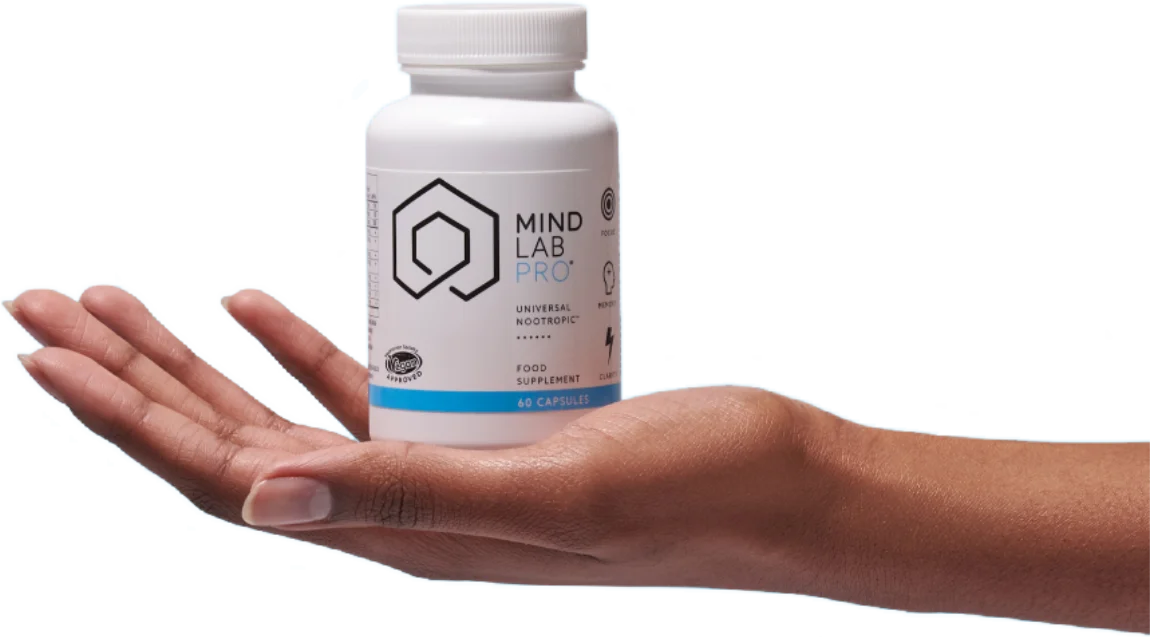
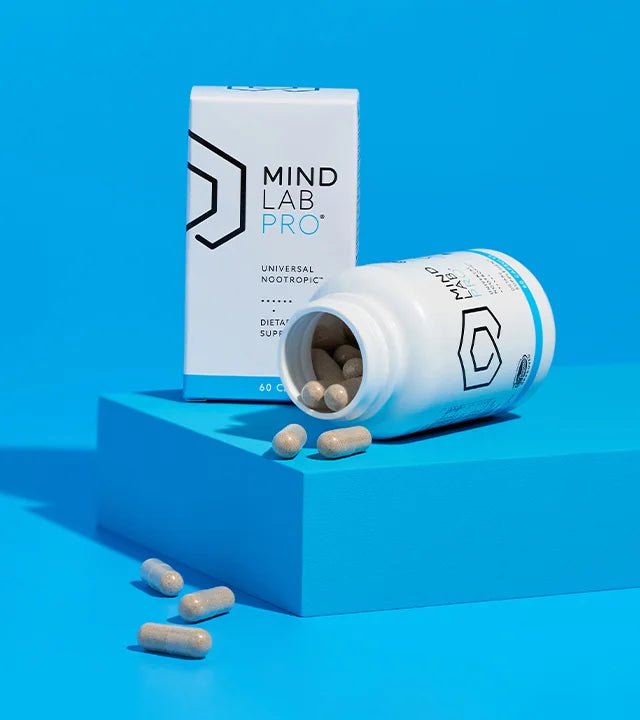
Mind Lab Pro®: Non-cannabinoid support for calm focus and cognition

If you’re exploring full spectrum CBD mainly for stress balance, calm focus, and long-range brain support—but you want a more consistent daily routine without THC risk or labeling uncertainty—a stimulant-free nootropic stack can be a simpler option.
Mind Lab Pro® Ingredients (per serving): Citicoline (CDP Choline) 250mg, Phosphatidylserine (from sunflower lecithin) 100mg, Bacopa monnieri 150mg (24% bacosides), Organic Lion’s Mane Mushroom 500mg (fruit and mycelium), Maritime Pine Bark Extract 75mg (95% proanthocyanidins), N-Acetyl L-Tyrosine 175mg, L-Theanine 100mg, Rhodiola rosea 50mg (3% rosavins and 1% salidrosides), NutriGenesis® Vitamin B6 2.5mg, Vitamin B9 100mcg, Vitamin B12 7.5mcg.
How CBD relates to MLP: full spectrum CBD is often chosen for “balanced” effects (not just stimulation). Mind Lab Pro® supports that same goal—calm clarity, memory support, and stress resilience—without THC exposure, and it complements caffeine or other routines without adding stimulant load.
Mind Lab Pro® is research-backed.
- Study 1: 30 days of Mind Lab Pro® enhanced information processing speed versus placebo.(10)
- Study 2: 30 days of MLP improved several memory functions, including working-memory and visual memory.(11)
- Study 3: 60 days of MLP failed to boost cognition, but appeared to improve communication between brain regions as reflected by EEG network changes.(12)
More research on Mind Lab Pro is currently underway. Learn more: Link
Summary
Full spectrum CBD is a whole-plant style hemp extract that contains CBD plus other cannabinoids and terpenes—typically including trace THC. Compared with isolate, it may feel more “complete” for some people, which is often explained through the entourage effect concept (though results vary by product and person).
If you choose full spectrum CBD, your best move is simple: verify the COA, confirm THC amounts, and choose the format/dose that fits your sensitivity and drug-testing needs. And if you want a more predictable daily routine for calm focus and cognition without THC uncertainty, a stimulant-free nootropic stack can be a cleaner long-term strategy.
References
- Choi, N. G., & DiNitto, D. M. (2024). Prevalence of cannabidiol use and correlates in U.S. adults. Journal of Addictive Behaviors Reports. Link
- Medical News Today. (2025). Full-spectrum CBD vs. broad-spectrum CBD: Differences. Medical News Today. Link
- André, R., & colleagues. (2024). The entourage effect in cannabis medicinal products. Frontiers in Pharmacology. Link
- 7 U.S. Code § 1639o. (2018, updated). Definitions — hemp (≤0.3% total THC including THCA, dry weight basis). Cornell Law School. Link
- The White House. (2025). Increasing medical marijuana and cannabidiol research (notes inaccurate labeling risks for isolate/broad/full spectrum). Presidential Actions. Link
- McConnell, J., & colleagues. (2025). Congress tightens THC restrictions on hemp, closing farm bill loophole. The Washington Post. Link
- U.S. Food and Drug Administration. (2026). FDA regulation of cannabis and cannabis-derived products, including CBD. FDA. Link
- U.S. Food and Drug Administration. (2025). Warning letters for cannabis-derived products. FDA. Link
- U.S. Food and Drug Administration. (2025). CDER investigators address the safety of CBD in a randomized trial (Epidiolex; liver enzyme elevations at labeled doses). FDA. Link
- Utley, A., Gonzalez, Y., & Imboden, C. A. (2023). The efficacy of a nootropic supplement on information processing in adults: A double blind, placebo controlled study. Biomed J Sci & Tech Res, 49(1). Link
- Abbott-Imboden, C., Gonzalez, Y., & Utley, A. (2023). Efficacy of the nootropic supplement Mind Lab Pro on memory in adults: Double blind, placebo-controlled study. Human Psychopharmacology: Clinical and Experimental, e2872. Link
- O’Reilly, D., Bolam, J., Delis, I., & Utley, A. (2025). Effect of a plant-based nootropic supplement on perceptual decision-making and brain network interdependencies: A randomised, double-blinded, and placebo-controlled study. Brain Sciences, 15(3), 226. Link
*These statements have not been evaluated by the Food and Drug Administration. This product is not intended to diagnose, treat, cure, or prevent any disease.