


You're a college student. Your brain’s on a deadline. Labs, late nights, and looming exams drain focus and recall—right when you need them most. You've still got to study. And you are well aware that many of your classmates are using nootropics to get an edge.
A recent review reports that past-year nonmedical prescription stimulant (NMPS) use among college students is often estimated in a wide range (~5%–35%), varying by campus, sample, and methods (Benson et al., 2021; review). In one large U.S. public-university sample summarized in that review, about 17% of students reported past-year NMPS (Benson et al., 2021; campus sample). .
Supplement-style “nootropics” and stimulant products are even more common in some student samples. In a university-student study on “neuroenhancement,” 13.4% reported using caffeine pills at least once for cognitive/academic performance (Maier et al., 2016). In the same sample, 39.0% reported using energy drinks and 77.1% reported using strong coffee/tea or another natural substance for neuroenhancement (Maier et al., 2016).
If you are a student looking for the best nootropics or memory pills that can help you study better—improving focus, learning and exam performance—then this guide is for you. We're covering top supplements for students and exams (not prescription nootropics or "smart drugs") and how to use them for maximum effect. Let's get to it!
Key Takeaways
- Natural, stim-free nootropics can support learning, recall, attention, stress resilience, and study endurance.
- Core student ingredients: Citicoline (ACh & brain energy), Phosphatidylserine (memory), Bacopa (learning/recall), L-Theanine (calm focus), Rhodiola (anti-fatigue), Tyrosine/NALT (under stress).
- Timing matters: build benefits with consistent daily use; keep late dosing in check to protect sleep.
- Best results: stack smart + keep habits (sleep, hydration, spaced repetition) instead of chasing stimulants.
- Mind Lab Pro® combines 11 research-backed nootropics for everyday study blocks and exam performance.
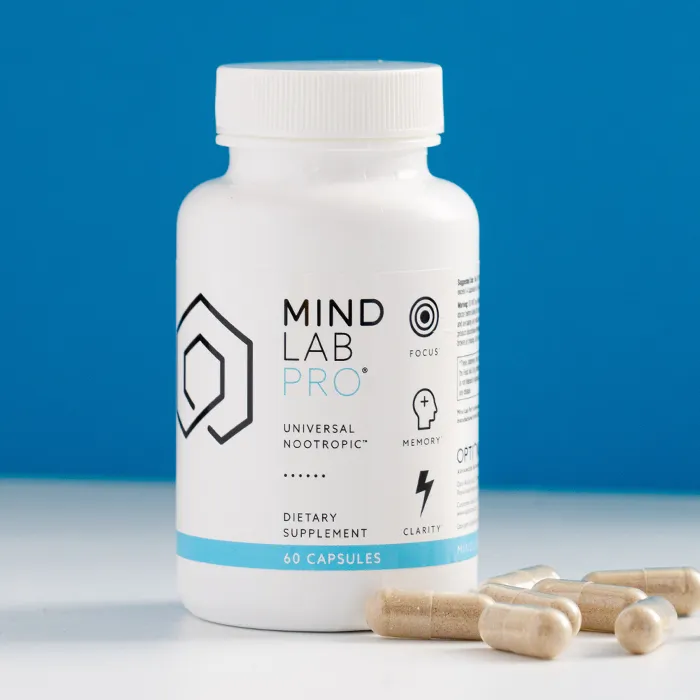
Best Supplements for College Students in 2026: Mind Lab Pro®
Mind Lab Pro® (MLP®) is the top choice for students because it combines 11 premium nootropics for cognitive performance into one product. This formula is a full-spectrum brain function booster, so no matter what benefits a student is looking for -- memory, focus, relaxation, learning -- MLP may help. It has also shown mental performance benefits in well-designed clinical trials. Buy MLP Now
Disclaimer
This article is for educational purposes only and is not medical advice. Prescription medications and “study drugs” (including stimulants) are a different class entirely from dietary supplements and should be used only under a licensed clinician’s supervision with an appropriate medical evaluation and prescription. Do not use, share, or buy prescription drugs that were not prescribed to you, and do not mix stimulants with other stimulants, alcohol, synthetic compounds or recreational substances. If you’re considering any nootropic or supplement for studying, talk with a doctor or pharmacist first—especially if you have anxiety, insomnia, heart or blood pressure issues, ADHD diagnosis, a history of substance misuse, or you take any medications. Supplements are not drugs, they are not intended to diagnose, treat, cure, or prevent any disease, and quality and dosing can vary by product. Start low, use one product at a time, avoid late-day stimulants, and stop use and seek medical advice if you experience side effects (e.g., palpitations, chest pain, dizziness, severe anxiety, or sleep disruption) to counter potential risks.
Study Guide: Nootropics in the Classroom
Due to an illegal rise in cognitive enhancing pills (sometimes called smart drugs) across modern academia, the subject of nootropics in the classroom may be somewhat touchy.
As we enter this brave new world of academic performance enhancement, one important question keeps surfacing: Are nootropics ethical, let alone legal or safe, for students to supplement nootropics?
The answer to this requires us to clear up two common misconceptions of nootropics...
Nootropics Do Not Increase IQ
As the movie Limitless suggested with the film's fictional NZT-48: the pill doesn't make you smarter, it only unlocks your full potential. Of course, while the film operates on a fictional, hyperbolic understanding of "human potential," true nootropic effects similarly do not synthesize new information in your head.
Nootropics Are Not Unnatural
If true nootropics are incapable of synthesizing new information, then neither are they able to transfigure the mind into a synthetically enhanced state like the synthetic cognitive enhancing pills circulating today's dorm rooms.
By the founder of nootropics Dr. Corneliu Giurgea's standards, for a substance to qualify as a nootropic it must be "absent of usual pharmacological side effects of neuropsychotropic drugs."(1)
Rather nootropics optimize the brain's natural bio-pathways much in the same way that healthy sports nutrition optimizes an athlete's sports physiology.

Most nootropics on popular demand today are either extracted from natural sources or the natural source itself. It may surprise you to learn that one of the most popular nootropic stacks used by students today is simply caffeine stacked with L-theanine, a green tea amino acid.
However, in finding the right nootropics for college students, it's important to note how nootropics help college students and which nootropic associates with which brain health benefit.
How Might Nootropics Help College Students?
Brain health supplements may help college students in potentially innumerable ways, considering the diversity of both nootropic benefits and student cognitive demands. What one nootropic does for one student may not achieve the same effect with another.
With that in mind, a few key cognitive concerns seem pertinent to most, if not at all, students at various points in their academic career. Nootropics may alleviate those concerns by promoting the following:
Memory Consolidation
Despite how we often talk about it, "memory" doesn't encompass a single cognitive pathway. We have various modes of memory: long-term memory, short-term memory, working memory. However, when it comes to academic performance, the type of "memory" we're considering is the one that simply helps us learn, process, and recall new information.
And the brain chemical associated with that is neurotransmitter acetylcholine (ACh).
Cholinergic nootropics may assist with the brain's acetylcholine status via a few bio-pathways:
- Choline Donation - choline supplements supply raw precursor for ACh synthesis, as well as for phosphatidylcholine for neuronal membrane health.
- ACh Receptor Sensitivity - when ACh levels are fine but ACh expression is not, supplementing ACh receptor sharpening nootropics may help.
- Acetylcholinesterase Inhibition - reducing acetylcholinesterase, the synaptic enzyme responsible for ACh breakdown, may keep more ACh active.

Stress Reduction
While often used to describe subjective or emotional discomfort, the term "stress" may take on any number of meanings and manifestations, including:
- Psychological - the mental experience of feeling "overwhelmed" or anxious.
- Chemical - oxidative stress, harmful digestive reactions, etc.
- Temperature - extremely high or low temperature exposures to the body.
As a physiological measurement, "stress" stands synonymous with stress hormone cortisol, the hormone released from the kidneys during various conditions of stress. If left unchecked, the hormone stress response may negatively impact physical and mental performance, leading to harsh health conditions down the road.
Some nootropics may help ameliorate stress by either regulating stress response activation or mitigating the impact of an over-activated stress response.
Attention Enhancement
Many attention disorders are first observed and diagnosed in the classroom. This makes sense, given that your duty as a student is essentially to pay attention. Some students have an exceptionally hard time with paying attention, and one hypothesis points to catecholamine imbalance as the culprit.(2) Catecholamine neurotransmitters include:
- Dopamine - drives motivation and the pleasure-reward pathway.
- Norepinephrine - regulates vigilance, attention, and sleep-wake cycles.
- Epinephrine - stimulates the brain and body under stress.
Attention, working memory, impulse control -- these executive functions correlate with the brain's catecholamine status. Naturally, under conditions of stress and sleep deprivation, catecholamine levels tank. Which is why catecholaminergic nootropics become particularly useful during finals week.
Behavior Tips for Better Academic Performance
Nootropics work best on a solid mental foundation. While considering nootropics, consider also adopting the following academic lifestyle routines:
1. Cardio Exercise
The evidence is there: a quick 30-minute aerobic workout may contribute to an immediate spike in working memory capacity. Bear in mind that the study that observed this found an increase in working memory with aerobic exercise but not resistance training.
2. High-Fat Diet
Not burgers and fries. Try adding foods high in polyunsaturated fats -- e.g., Omega-3 and Omega-6 -- to your diet. Research suggests that a polyunsaturated fatty acid mixture may improve behavior detriments associated with test anxiety -- i.e., appetite, mood, concentration, fatigue, brain fog, organization, and stress.
3. Regular Sleep Cycle
We get it: good sleep quality every night is asking for quite a bit from the success-oriented student. While we don't need to tell you that sleep duration strongly correlates with test performance, our recommendation is to simply shoot for a consistent wake-up cycle. Cortisol spikes upon waking, and thus activating that spike on a timely schedule may keep your 24-hour cortisol levels balanced.
An immediate change in quality and consistency of sleep. I highly recommend it.Stephanie B
The Academic Benefits of Nootropics

The only way to get the good grades is to study. There's no short-cut around that. Yet, even the most avid students falter, especially when the course load piles up. But that road may certainly become easier by focusing on the above brain bio-pathways: Cholinergic Status, Stress Reduction, and Catecholamine Levels.
Optimizing these cognitive pathways may lead to better overall cognitive function, including:
- Focus- the ability to truly watch and listen amidst distractions or boredom.
- Memory functions - the process from learning to recalling new information.
- Energy- even mental hard work requires an efficient fuel reserve system.
- Mood- a positive attitude does open doors, academic and otherwise.
- Motivation- the potential of a healthy mind is achieved by motivation.
But not one nootropic may deliver on all of these benefits. For best results, it's key for college students to adopt a diverse nootropic stack -- a multi-ingredient strategy for a synergy of nootropic results. And, of course, to stack only high quality, effective nootropics. Let's check out a few examples.
This has been drastically beneficial for me as a university student, especially since I used to need naps or long breaks to recover.Elias G.
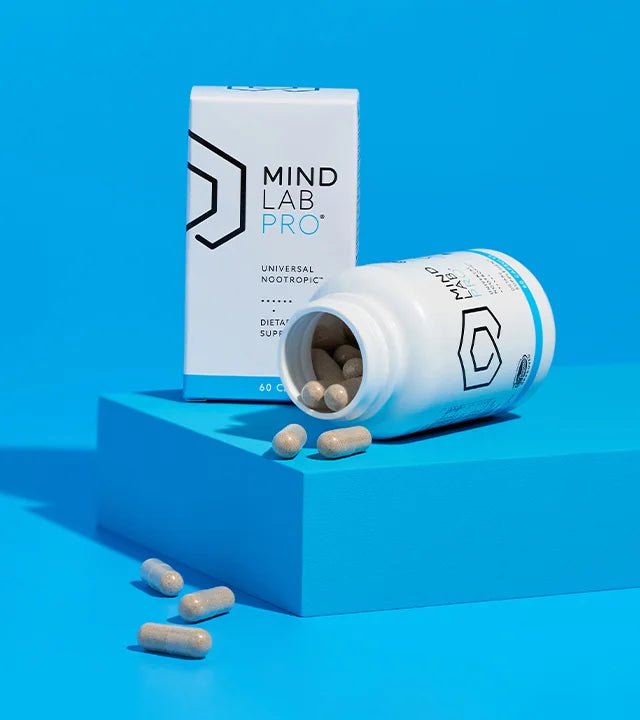
Mind Lab Pro® Nootropics for College Students
Bacopa Monnieri

Widely researched and highly valued for its versatile brain benefits, Bacopa monnieri is an ancient Ayurvedic herbal adaptogen perhaps best known for its cholinergic memory enhancement effects.
While some nootropic enthusiasts supplement Bacopa for its stress adaptive benefits, this brain botanical holds a special place in students' hearts (and brains) as a learning accelerator and exam performance-enhancer, including better memory. The research behind this reputation:
- Chronic Bacopa supplementation has been shown to improve "higher order cognitive processes that are critically dependent on the input of information from our environment such as learning and memory."(3)
Quality Bacopa monnieri extracts include at least 20% bio-active bacosides A and B; however, Mind Lab Pro® Bacopa Extract supplies a full spectrum of 9 bacosides most associated with the herb's full nootropic potential.
More on Mind Lab Pro® Bacopa Monnieri
Citicoline

Often referred to as a brain energizer, Citicoline charges brainpower via several significant bio-pathways. Citicoline's nootropic versatility may be attributed to the nootropic's two bound constituents:
- Choline - precursor to acetylcholine and phosphatidylcholine.
- Cytidine - precursor to uridine, a synapse enhancing nucleotide.
By simultaneously increasing synaptic plasticity and the brain cholinergic status, Citicoline seems to essentially "re-fuel" the brain's capacity to think, learn, and remember. Potentially synergizing with Bacopa's cholinergic activity.
Cognizin® Citicoline in Mind Lab Pro® has been shown to improve working memory and overall enhanced brain activation among healthy adults.
More on Mind Lab Pro® Citicoline
N-Acetyl L-Tyrosine

For the stressed out, sleep-deprived college student (i.e., every college student), L-Tyrosine is a must-have nootropic. During physically and mentally stressful conditions, the brain burns through catecholamine neurotransmitters -- dopamine, norepinephrine, epinephrine, etc. -- to maintain high levels of focus, concentration, and energy. Once those chemicals drop, so does cognition.
L-Tyrosine, best supplemented as N-Acetyl L-Tyrosine, converts to catecholamines, replenishing the brain's ability to think under pressure.(4) As such, L-Tyrosine makes for a prime "exam day" cognitive enhancer.
More on Mind Lab Pro® N-Acetyl L-Tyrosine
The Pre-Exam "All-Nighter" Nootropic: N-Acetyl L-Tyrosine
Ironically, one of the worst things a student can do prior to a huge, important exam is also one of the more common pre-exam rituals: The All-Nighter.
For obvious reasons, operating on 24+ hours of no sleep has its negative repercussions on cognitive health and physical performance. However, the average student need not wait for the pre-exam "all-nighter" to experience the negative effects of sleep deprivation, as most students operate on sub-optimal sleep levels at all times. And the cognitive downside to habitually sub-optimal sleep?
- Poor Memory Consolidation
- Impaired Attention and Working Memory
- Low Vigilance
- Poor Decision-Making
While sleep-deficiency may negatively impact a student's academic performance, the condition may also take a toll on a student's extracurricular activities, such as exercise and peer socialization. For long-term sleep-deficiency, the best solution: Get some sleep.
For the occasional, inevitable pre-exam "all-nighter", students may maintain sharp testing skills by supplementing with the natural nootropic N-Acetyl L-Tyrosine.
As one placebo-controlled study demonstrated, L-tyrosine supplementation helped counteract test performance impairments influenced by one night's sleep loss, lasting on the order of three hours. So, if you're willing to invest a night off of sleep on tomorrow's exam, might as well invest a little further in some L-tyrosine damage control.
Rhodiola Rosea

Similar to L-Tyrosine, Rhodiola Rosea helps acutely bolster the mind against stress and tiredness. Viewed as one of the most effective natural performance enhancers, particularly among bodybuilders, Rhodiola seems to better qualify as a poor performance inhibitor -- thanks in large part to the herb's inhibitory effects on stress hormone cortisol and fatigue. It helps maintain academic performance with calming effects and mind-sharpening benefits.
While convincing evidence suggests a single dose of Rhodiola has been shown to boost mental and physical performance for up to 4-6 hours, this nootropic plant may be regularly consumed for everyday enhancement.
More on Mind Lab Pro® Rhodiola Rosea
L-Theanine

Most college-aged caffeine consumers opt for coffee over green tea. From a nootropic standpoint, this is unfortunate, as the coffee drinkers miss out on a key tea amino brain booster: L-Theanine.
Taken in supplement form, L-Theanine puts the brain in a uniquely "relaxed, yet wakeful" brain state measured on the EEG scale as alpha brainwaves. Because it settles the central nervous system, many students and thinkers like to stack L-Theanine with a caffeine source -- usually coffee -- to reduce the jittery side effects of caffeine while sustaining its stimulatory benefits. The result is a calm, collected, anxiolytic burst of focus and energy.(5)
Did you know? In addition to supporting younger populations, L-Theanine has shown some potential to help with age-related cognitive decline and mild cognitive impairment.
Maritime Pine Bark Extract

Due to a richly powerful and potent antioxidant complex, Maritime Pine Bark Extract seems to affect a variety of neuroprotective brain benefits, most notably the maintenance of catecholaminergic neurotransmitters -- e.g., dopamine and norepinephrine. It also encourages healthy cerebral blood flow. As such, Maritime Pine Bark Extract may hold potential to help attention, concentration, and hyperactivity otherwise impaired by a low catecholamine status.
For the tuition paying college student, it almost literally pays to pay attention. Maritime Pine Bark Extract may help improve cognitive function.
More on Mind Lab Pro® Maritime Pine Bark Extract
Best Nootropics for College Students & Exams in 2026
Mind Lab Pro®

Mind Lab Pro® (MLP) is considered a "Universal Nootropic" brain supplement because it is designed to support brain health and enhance overall cognitive performance. This means it can help a student's brain to fire on all cylinders, with sharper focus, attention, memory and clarity. It also means MLP can help with mood and stress, both of which can have a big impact on academic performance.
The MLP Formula: Citicoline (CDP Choline) dosage 250mg per serving, Phosphatidylserine (PS) 100mg (from sunflower lecithin), Bacopa monnieri 150mg (24% bacosides, 9 bioactives), Organic Lion's Mane Mushroom 500mg (fruit and mycelium), Maritime Pine Bark Extract 75mg (Standardized to 95% proanthocyanidins), N-Acetyl L-Tyrosine 175mg, L-Theanine 100mg per serving, Rhodiola rosea 50mg (Standardized to 3% rosavins and 1% salidrosides), NutriGenesis® Vitamin B6 (2.5 mg), Vitamin B9 (100 mcg), Vitamin B12 (7.5 mcg)
MLP® also leads the best supplements for college students because it is backed by research.
Specifically, two double-blind, placebo-controlled human research trials conducted at the University of Leeds have demonstrated its benefits for information processing and several aspects of memory in healthy individuals.(6,7). In a third study, researchers reported that MLP didn't seem to benefit cognitive function, but was associated with enhanced communication between different brain regions.(8)
Ready to study clearer and perform steadier, without the crash?
Additional supplements for students to consider:
Caffeine 2: Way better than coffee or caffeine pills. This supplement enhances caffeine with nootropics, including L-Theanine, for clean energy with fewer jitters and crashes. Learn More
Great stuff! I won't take caffeine without the L-theanine. This is the perfect blend and also has added B vitamins!Cindy S
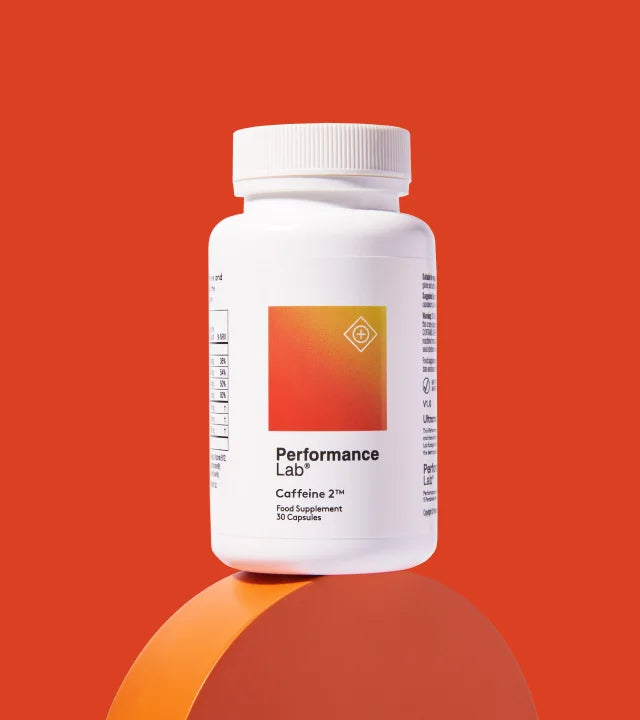
Performance Lab® Energy: Caffeine-free energy that works on a cellular level. Perfect for revitalizing the brain without relying on stimulation. Learn More
Performance Lab® Energy
Boost mitochondria for mind-body energy, vitality, & performance without caffeine.
Shop Now
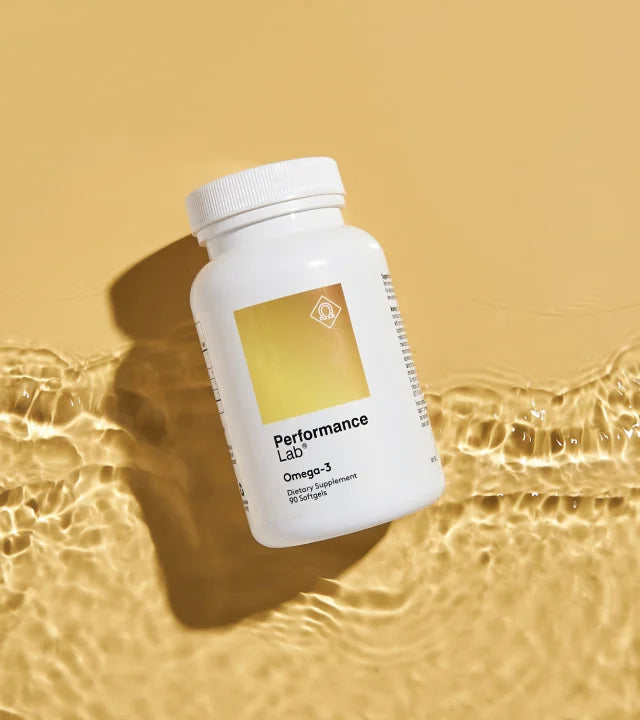
Performance Lab® Omega-3: Supplies DHA (docosahexaenoic acid), the primary Omega-3 associated with mood support and overall brain health. Learn More
Summary
Supplements for students offer a natural way to nourish brain cells, enhance cognitive function, improve focus, and support mental clarity during demanding study sessions.
These cognitive enhancers can help promote improved memory retention, learning capacity, and overall brain performance, making them ideal for students looking to maximize academic success.
Not all students are equal. As the Universal Nootropic™, Mind Lab Pro® targets various brain pathways for 100% Brainpower optimization, improving your competitive collegiate potential -- whether you're studying English or engineering.
References
- Giurgea, C., & Salama, M. (1977). Nootropic drugs. Progress in Neuro-Psychopharmacology, 1(3-4), 235-247. Link
- Prince, J. (2008). Catecholamine dysfunction in attention-deficit/hyperactivity disorder: An update. Journal of Clinical Psychopharmacology, 28(3 Suppl 2), S39-S45. Link
- Stough, C., et al. (2001). The chronic effects of an extract of Bacopa monniera (Brahmi) on cognitive function in healthy human subjects. Psychopharmacology, 156(4), 481-484. Link
- Neri, D. F., Wiegmann, D., Stanny, R. R., Shappell, S. A., McCardie, A., & McKay, D. L. (1995). The effects of tyrosine on cognitive performance during extended wakefulness. Aviation, Space, and Environmental Medicine, 66(4), 313-319. Link
- Nobre, A. C., et al. (2008). L-theanine, a natural constituent in tea, and its effect on mental state. Asia Pacific Journal of Clinical Nutrition, 17(Suppl 1), 167-168. Link
- Utley, A., Gonzalez, Y., & Imboden, C. A. (2023). The efficacy of a nootropic supplement on information processing in adults: A double blind, placebo controlled study. Biomed J Sci & Tech Res, 49(1). Link
- Abbott-Imboden, C., Gonzalez, Y., & Utley, A. (2023). Efficacy of the nootropic supplement Mind Lab Pro on memory in adults: Double blind, placebo-controlled study. Human Psychopharmacology: Clinical and Experimental, e2872. Link
- O’Reilly, D., Bolam, J., Delis, I., & Utley, A. (2025). Neural mechanisms of cognitive enhancement with a nootropic supplement. Brain Sciences, 15(3), 226. Link


