An adaptogenic elixir is a functional drink made with adaptogens, herbs, mushrooms, spices, vitamins, powders, teas, or other ingredients that may help support stress resilience, calm energy, mood, focus, and daily wellness.
People usually look for an adaptogen elixir because they want a tonic to make them feel good. Something gentler than coffee, more purposeful than a sweet drink, and more ritualistic than a capsule. Some adaptogen elixirs are even presented as "mocktails": alternatives to drinking alcohol.
The goal: feel calmer, clearer, and more balanced during a stressful situation without relying on high caffeine or harsh energy drinks.
According to Gallup, 49% of U.S. adults report frequently experiencing stress, the highest level in Gallup’s trend to date. That helps explain why adaptogenic elixirs are appealing as daily stress-support drinks. They sit in a unique new supplement category that combines natural herbs, taste, convenience, and broad wellness potential.
This guide explains what adaptogenic elixirs are, how adaptogens may work, which ingredients matter, how they compare to coffee, and how to choose one with realistic expectations and appropriate safety caution. Let's get to it!
Key Takeaways
- An adaptogenic elixir is a functional drink. It may come as a powder, tonic, drop, tea, latte, ready-to-drink bottle, mocktail, or smoothie mix.
- Adaptogens are not instant fixes. They may help support the body’s stress response, fatigue resistance, mood, calm energy, and mental clarity, but they do not erase stress or treat disease.
- Common ingredients in these elixirs include ashwagandha, rhodiola, bacopa, lion’s mane, cordyceps, holy basil, maca, schisandra, and ginseng.
- Look for standardized extracts, meaningful doses, transparent labels, caffeine disclosure, low sugar, and third-party testing.
- A capsule nootropic stack may offer an elixir-like goal without the drink format. Mind Lab Pro combines adaptogen nootropics with other brain nutrients for caffeine-free cognitive support.
Disclaimer
This article is for educational purposes only and is not medical advice. Adaptogenic elixirs, herbs, mushrooms, vitamins, dietary supplements, and nootropics do not diagnose, treat, cure, or prevent disease. Talk with a doctor, physician, pharmacist, or qualified healthcare professional before using adaptogens if you are pregnant, breastfeeding, taking medication, using sedatives, managing anxiety, depression, thyroid disease, autoimmune conditions, blood pressure issues, cancer, liver disease, kidney disease, sleep problems, hormone-sensitive conditions, or stimulant sensitivity. Discontinue or avoid products that cause unusual symptoms, and seek medical care for persistent fatigue, mood changes, sleep disruption, allergic reactions, or serious health concerns.
What Is an Adaptogenic Elixir?
An adaptogenic elixir is a drinkable formula built around adaptogens: herbs, roots, mushrooms, and plant compounds traditionally used to help the body adapt to stress and maintain balance.
The word “elixir” does not make the product magical. In modern wellness language, it usually means a concentrated drink, powder, tonic, or functional beverage designed to feel more premium and intentional than an ordinary supplement.
Adaptogenic elixirs can look very different from one bottle or website to another. They can present as:
- alcohol free drops you add to water
- powders you stir into a mug of warm milk, cacao, coffee, matcha, smoothies, or teas.
- ready-to-drink beverages infused with herbs, spices, probiotics, kombucha, hibiscus, rose, turmeric, ginger, honey, stevia, or other ingredients
- mocktail-style drinks served in a glass over ice.
The best versions are transparent about what is inside. They tell you the exact adaptogens, dose per serving, caffeine content, sugar level, whether the formula is alcohol free, and whether the product uses standardized extracts or simple food powders.
The shady elixirs use vague claims like “balance,” “boost,” “protect,” or “increase focus” without showing ingredient amounts or evidence.
For a broader view on ingredients in these products, see this list of adaptogens, this guide to adaptogen foods, and this overview of what nootropics are.
Did you know? Adaptogens are often discussed for stress, but the adaptogen concept is bigger: researchers regard adaptogens as compounds that may help the body maintain homeostasis (a state of inner balance) during physical, chemical, or biological stress.(2)
How Adaptogens Work
Adaptogens are generally discussed in relation to the body’s stress-response systems, especially the hypothalamic-pituitary-adrenal axis (HPA axis). This system helps regulate cortisol, arousal, energy use, inflammation, responses to stress and recovery after stress. In plain English, adaptogens are meant to help the body respond to stress without pushing it too far in either direction.
The evidence is not equal for every adaptogen herb. Some adaptogens have human studies; others rely more on traditional use, animal research, laboratory evidence, or small trials. Research reviews suggest adaptogens may influence stress resilience, hormone signaling and fatigue resistance, as well as demonstrating nootropic properties.(2)
For an adaptogenic elixir, the practical goal is usually one or more of the following:
- Support a calmer stress response
- Help maintain energy without excessive caffeine
- Support mood during everyday pressure
- Reduce perceived fatigue
- Support focus and mental clarity
- Create a daily ritual that helps the body relax
Adaptogens should not be used to mask burnout, sleep deprivation, nutrient deficiencies, serious anxiety, depression, thyroid symptoms, or medical fatigue. If symptoms are chronic and serious, the right answer is to talk to your doctor, not take a stronger elixir.
Best Adaptogen Elixir Ingredients
Ashwagandha

Ashwagandha is one of the most common adaptogens in elixir powders, tonics, and nighttime blends. It is usually positioned for stress, relaxation, sleep quality, and balance. In drinks, it often pairs with cacao, cinnamon, turmeric, ginger, honey, or warm milk.
In a randomized, double-blind, placebo-controlled study, adults with chronic stress took a high-concentration ashwagandha root extract for 60 days. The ashwagandha group reported significantly lower stress scores and had reduced serum cortisol (cortisol is a stress hormone) compared with placebo, suggesting potential support for stress resilience in adults under chronic stress.(3)
Check out our full list of adaptogens guide.
Rhodiola Rosea

Rhodiola rosea is commonly used in adaptogenic elixirs for energy, fatigue resistance, mood, and focus under stress. It may fit morning or midday formulas better than bedtime drinks because some people find it activating.
In a randomized, double-blind, placebo-controlled study, people with stress-related fatigue took a standardized Rhodiola rosea extract for 28 days. Researchers reported improvements in fatigue symptoms, attention, and cortisol response, suggesting Rhodiola may help support mental performance during stress-related fatigue.(4)
Read more: Rhodiola Rosea
Bacopa Monnieri

Bacopa monnieri is often used in nootropic formulas for memory, learning, attention, and cognitive function. It is less of a “feel it today” elixir ingredient and more of a long-term support herb.
In a 12-week randomized, double-blind, placebo-controlled study, healthy older adults taking Bacopa monnieri extract showed improvements in attention, cognitive processing, and working memory compared with placebo. This supports Bacopa’s use when an adaptogenic elixir is designed for mental clarity and focus rather than only relaxation.(5)
Read more: Bacopa Monnieri
Lion’s Mane Mushroom

Lion’s mane is a functional mushroom often used in adaptogenic mushroom elixirs for brain health, focus, and mental clarity. It has a mild taste compared with some bitter herbs, which makes it popular in mushroom coffee, cacao, and latte powders.
In a double-blind, placebo-controlled trial, older adults with mild cognitive impairment took lion’s mane mushroom for 16 weeks and showed improved cognitive scores compared with placebo during supplementation. The findings suggest potential cognitive support, though they do not prove effects in every healthy adult or every elixir format.(6)
Find out more about adaptogenic mushrooms.
Cordyceps

Cordyceps is used in elixirs for energy, endurance, exercise support, and fatigue resistance. It is common in fitness-focused drinks, mushroom coffees, and pre-workout-style adaptogen formulas.
In a double-blind, placebo-controlled trial, healthy older adults took a cultured Cordyceps sinensis product for 12 weeks. Researchers reported improvements in some exercise-performance measures, suggesting possible support for endurance and fatigue resistance, though the findings do not mean cordyceps is a stimulant or guaranteed performance booster.(7)
Discover nootropics for working out.
Holy Basil

Holy basil, also called tulsi, is a traditional herb often used in teas and calming adaptogenic elixirs. It has a fragrant, slightly spicy taste that pairs well with ginger, rose, hibiscus, honey, lemon, and warm water.
A systematic review of human studies on holy basil reported evidence suggesting potential benefits for stress, metabolic health, and immune-related measures, while also noting that the available trials were limited and varied in quality. This supports cautious use of holy basil as a wellness herb.(8)
Maca

Maca is a Peruvian root used in powders, smoothies, cacao drinks, and wellness elixirs. It is commonly positioned for energy, mood, stamina, libido, and vitality rather than direct stress-response regulation.
In a randomized, double-blind, placebo-controlled crossover study, postmenopausal women taking maca powder showed improvements in psychological symptoms, including anxiety and depression scores, without changes suggesting estrogenic activity. The study suggests maca may support mood-related wellbeing in some women, though it is not a hormone treatment or mental health treatment.(9)
Read about top adaptogens for menopause.
Maca has a malty, earthy taste that works well in sweet elixir recipes with cacao, cinnamon, honey, or smoothies. People with hormone-sensitive conditions should ask a clinician before using concentrated maca supplements.
Schisandra

Schisandra is a tart berry used in traditional Chinese medicine and adaptogenic formulas. It is often included for resilience, liver-support positioning, stamina, and stress tolerance. In elixirs, its sharp taste can pair with hibiscus, rose, ginger, citrus, and lightly sweet ingredients.
Human evidence for schisandra alone is limited. In clinical research, schisandra often appears in adaptogen combinations. For example, studies of ADAPT-232-style formulas, which include Schisandra chinensis with other adaptogens, have reported effects on stress- and fatigue-related outcomes, but the results cannot be assigned to schisandra alone.(10)
Ginseng

Panax ginseng is a classic adaptogen used for energy, fatigue, focus, and performance. It can be stimulating for some people, so it is usually better suited to morning elixirs than evening relaxation drinks.
In a randomized, placebo-controlled crossover study, healthy young adults taking Panax ginseng showed improvements in aspects of working memory and mental arithmetic performance during sustained cognitive tasks, along with reduced mental fatigue. This supports ginseng’s role in elixirs aimed at energy and focus rather than sleep or relaxation.(11)
Potential Benefits of Adaptogenic Elixirs
The benefits of an adaptogenic elixir depend entirely on the ingredients, dose, caffeine content, and how consistently you consume it. A drink made with a dusting of herbs and a lot of sugar is different from a formula packed with standardized extracts and meaningful serving sizes.
Common reasons people use adaptogenic elixirs include:
- Stress support: Adaptogens such as ashwagandha, rhodiola, holy basil, and schisandra may help support the body during everyday stress.
- Calm focus: Bacopa, lion’s mane, L-theanine-style ingredients, and lower-caffeine tea bases may support mental clarity without a hard caffeine spike.
- Clean energy: Rhodiola, ginseng, cordyceps, cacao, and small amounts of caffeine may support energy without the same crash some people feel from energy drinks.
- Mood and relaxation: Holy basil, ashwagandha, maca, and calming tea blends may support a more relaxed daily ritual.
- Endurance: Cordyceps, rhodiola, and ginseng are often used in formulas for exercise, stamina, and fatigue resistance.
- Daily ritual: The act of preparing a warm mug, stirring powder into a glass, or choosing a caffeine-free evening drink can help reinforce a calmer routine.
None of these benefits should be framed as treating anxiety, insomnia, depression, thyroid disease, immune disorders, cancer, or any other medical condition. For deeper context, see this guide to adaptogens for stress and this article on nootropic benefits.
Adaptogenic Elixir vs Coffee or Energy Drinks
Coffee and energy drinks mainly work through caffeine. Caffeine can increase alertness and focus, but too much may also increase anxiety, jitters, heart rate, sleep disruption, and a later energy drop.
An adaptogenic elixir may be different in three ways:
- Lower caffeine: Many elixirs are caffeine-free or use gentler caffeine sources such as green tea, cacao, or matcha.
- Broader support: Adaptogens may target stress, fatigue, mood, relaxation, or endurance rather than only stimulation.
- Different experience: Elixirs are often designed as a ritual: warm, sweet, earthy, spicy, calming, or restorative.
That does not automatically make an elixir better than coffee. Some formulas still contain caffeine, sugar, alcohol, bitter herbs, or underdosed “fairy dust” blends. Others taste good but do little. The difference comes down to the formula, not the label.
How to Choose an Adaptogenic Elixir
Choose an adaptogenic elixir the same way you would choose a serious dietary supplement: read the label, compare the dose to research, and look for quality signals.
- Clinical-style dosing: Avoid products that list many herbs but hide amounts inside a proprietary blend.
- Standardized extracts: For herbs such as rhodiola, bacopa, ashwagandha, or ginseng, standardization can help you know what active compounds are present.
- Caffeine disclosure: A calming elixir with undisclosed caffeine may not be calming for sensitive people.
- Sugar level: Watch sweet formulas packed with honey, stevia, syrups, or sweet powders if you are using the drink daily.
- Alcohol free if needed: Tincture-style drops may contain alcohol; look for alcohol free formulas if that matters to you.
- Testing and sourcing: Look for third-party testing, heavy-metal testing, and clear manufacturer information.
- Safety information: A responsible website should explain medication cautions, pregnancy cautions, and who should avoid the product.
For more safety-focused reading, see adaptogen side effects and adaptogens and thyroid considerations.
How to Use It
The best time to consume an adaptogenic elixir depends on the formula.
- Morning: Rhodiola, ginseng, cordyceps, cacao, matcha, and caffeine-containing blends usually fit best earlier in the day.
- Afternoon: Lower-caffeine or caffeine-free focus blends may help with the afternoon energy dip without disrupting sleep.
- Evening: Ashwagandha, holy basil, reishi-style mushrooms, and calming teas may fit evening routines, if they agree with you.
- With food: Some herbs are gentler with food, especially if they cause nausea or digestive symptoms.
- In drinks: Stir powder into a mug, fill a glass with cold water, blend into smoothies, or mix with teas, cacao, kombucha, or mocktails.
Be realistic. Some ingredients, such as caffeine or ginseng, may feel noticeable the same day. Others, such as bacopa or lion’s mane, are better judged over weeks. If a product promises immediate transformation, dramatic anxiety relief, or disease treatment, that is a red flag.
Safety and Side Effects
Adaptogenic elixirs can be gentle, but they are not automatically risk-free. Side effects may include digestive upset, headache, sleep disruption, sedation, overstimulation, mood changes, allergic reactions, or interactions with medication.
Use extra caution or avoid adaptogenic elixirs unless your physician approves if you are pregnant, breastfeeding, giving products to children, taking sedatives, antidepressants, thyroid medication, blood pressure medication, diabetes medication, anticoagulants, immune-suppressing drugs, or hormone-related medication. Caution also matters with autoimmune disease, thyroid conditions, serious anxiety, bipolar disorder, liver disease, kidney disease, cancer, surgery, and stimulant sensitivity.
The FDA regulates dietary supplements differently from prescription drugs. Manufacturers are responsible for product quality and labeling, but supplements do not go through the same premarket approval process as medications. That makes transparent labeling, reputable manufacturing, and third-party testing more important.(12)
Also remember that taste can hide strength. A sweet hibiscus-rose drink or cacao latte may feel like food, but if it contains concentrated adaptogen extracts, it should still be treated like a supplement.
Nootropic Stack Angle
Adaptogens can pair well with nootropics because stress, energy, mood, and focus overlap. When stress is high, attention often gets scattered. When sleep quality is poor, fatigue rises. When energy is low, motivation drops. When mood is strained, mental performance can feel harder.
A thoughtful nootropic stack may combine adaptogens with nutrients and other compounds that support brain energy, neurotransmitter pathways, mental clarity, and cognitive function. This is different from chasing stimulation. The goal is stress-resilient focus: feeling clear, steady, and capable without relying on a constant caffeine boost.
For broader context, see this guide to nootropics that actually work and this list of nootropics.
I was skeptical at first, but I can say that I feel sharper and more clear minded than as long as I can remember.John Y
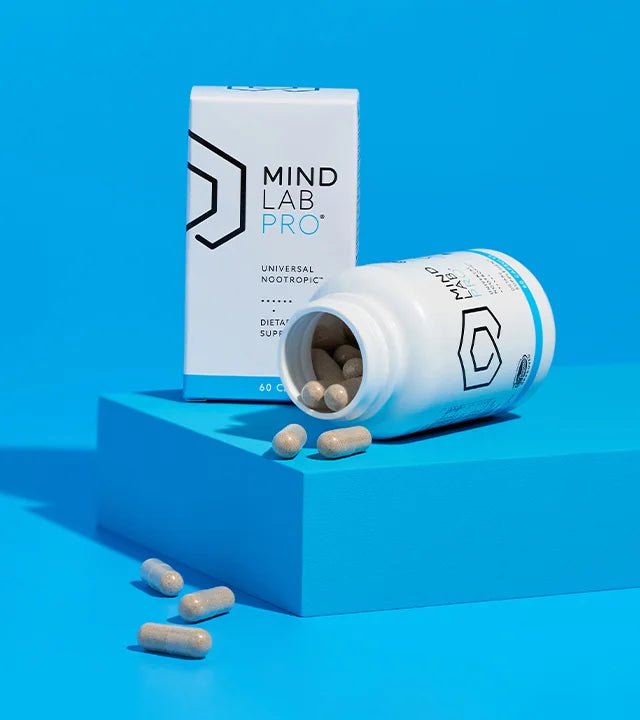
Mind Lab Pro: Adaptogen + Nootropic Support in Capsule Form
Mind Lab Pro

An adaptogenic elixir is a drinkable ritual. Mind Lab Pro takes a different approach: a caffeine-free capsule stack that includes adaptogen nootropics and other brain-supportive nutrients for focus, memory, clarity, mood, brain energy, and stress resilience.
This can be useful if you like the idea of adaptogenic support but do not want to mix a powder, drink a sweet elixir, manage caffeine, or compare taste from one bottle to another. Capsules also make it easier to know the serving size and keep the same daily routine.
Mind Lab Pro’s full formula includes Citicoline as Cognizin® 250 mg, Phosphatidylserine from sunflower lecithin 100 mg, Bacopa monnieri full-spectrum extract standardized to 24% bacosides 150 mg, Organic Lion’s Mane Mushroom 500 mg, Rhodiola rosea standardized to 3% rosavins and 1% salidrosides 50 mg, N-Acetyl L-Tyrosine 175 mg, L-Theanine 100 mg, Maritime Pine Bark Extract standardized to 95% proanthocyanidins 75 mg, Vitamin B6 2.5 mg, Vitamin B9 100 mcg, and Vitamin B12 7.5 mcg.
For adaptogenic-elixir readers, the most relevant ingredients include Rhodiola for stress-related fatigue support, Lion’s Mane for mushroom-based cognitive support, Bacopa for memory and learning support, L-Theanine for calm focus, N-Acetyl L-Tyrosine for stress-performance support, and B vitamins for normal energy metabolism and nervous system function.
Mind Lab Pro has also been studied as a complete formula.
- In a double-blind, placebo-controlled information-processing study, adults taking Mind Lab Pro for 30 days showed improvements in reaction-time and anticipation measures compared with placebo, suggesting support for processing speed and focus-related performance.(13)
- In a double-blind, placebo-controlled memory study, four weeks of Mind Lab Pro improved multiple memory outcomes compared with placebo.(14)
- In a 2025 EEG brain-mapping study, researchers reported changes in perceptual decision-making and functional brain connectivity after 60 days of supplementation, suggesting effects on brain-network activity during cognitive performance tasks. However, actual performance on cognitive testing did not improve.(15)
Get the full story on MLP studies.
Mind Lab Pro is not an adaptogenic elixir and does not treat stress disorders, anxiety, depression, fatigue disorders, sleep disorders, or medical conditions. A conservative positioning is that it offers caffeine-free nootropic and adaptogen-adjacent support for adults who want a consistent capsule routine instead of a drink mix.
FAQ
What is an adaptogenic elixir?
An adaptogenic elixir is a functional drink made with adaptogens, herbs, mushrooms, spices, powders, teas, drops, or other ingredients designed to support stress resilience, calm energy, focus, mood, or daily wellness.
Does an adaptogenic elixir work?
It depends on the formula. Some adaptogens have human research for stress, fatigue, mood, or cognitive function, but results vary by ingredient, dose, extract, and person. Elixirs should be framed as support, not treatment.
What is the best time to drink an adaptogenic elixir?
Morning is best for stimulating ingredients such as rhodiola, ginseng, cordyceps, cacao, or caffeine. Evening is better for calming blends with ingredients such as ashwagandha, holy basil, or relaxation-focused teas.
Is an adaptogenic elixir caffeine-free?
Some are caffeine-free, but not all. Elixirs with coffee, matcha, green tea, yerba mate, guayusa, or cacao may contain caffeine. Always check the label if you are sensitive to caffeine or using the drink near bedtime.
Can I drink an adaptogenic elixir every day?
Some people use adaptogens daily, but daily use should depend on the ingredients, dose, health status, medication use, and how your body responds. Cycling may be useful for some formulas, and medical guidance is wise for higher-risk users.
What ingredients should I look for?
Common choices include ashwagandha for stress, rhodiola for fatigue, bacopa for memory, lion’s mane for cognitive support, cordyceps for endurance, holy basil for calm, maca for mood and vitality, schisandra for resilience, and ginseng for energy.
Who should avoid adaptogenic elixirs?
People who are pregnant, breastfeeding, taking medication, managing thyroid disease, autoimmune conditions, anxiety, bipolar disorder, liver disease, kidney disease, blood pressure issues, cancer, or preparing for surgery should talk with a healthcare professional before using adaptogenic elixirs.
Summary
An adaptogenic elixir can be a useful daily ritual for people who want calm energy, stress support, mental clarity, focus, mood support, and a gentler alternative to high-caffeine drinks. The best formulas are transparent, well-dosed, low in sugar, tested for quality, and realistic about what adaptogens can and cannot do.
Ashwagandha, rhodiola, bacopa, lion’s mane, cordyceps, holy basil, maca, schisandra, and ginseng all bring different strengths. Some are better for relaxation, some for energy, some for focus, and some for longer-term cognitive support.
The smartest approach is simple: choose the elixir based on your goal, read the label carefully, watch caffeine and medication cautions, and give consistent routines time to work. Adaptogenic drinks can support wellbeing, but they work best alongside the fundamentals that still matter most: sleep, food, movement, stress management, and a realistic daily routine.
References
- Mishra, S., Stierman, B., & Gahche, J. J. (2021). Dietary supplement use among adults: United States, 2017–2018. NCHS Data Brief(399), 1–8. Link
- Panossian, A., & Wikman, G. (2010). Effects of adaptogens on the central nervous system and the molecular mechanisms associated with their stress-protective activity. Pharmaceuticals, 3(1), 188–224. Link
- Chandrasekhar, K., Kapoor, J., & Anishetty, S. (2012). A prospective, randomized double-blind, placebo-controlled study of safety and efficacy of a high-concentration full-spectrum extract of ashwagandha root in reducing stress and anxiety in adults. Indian Journal of Psychological Medicine, 34(3), 255–262. Link
- Olsson, E. M. G., von Schéele, B., & Panossian, A. G. (2009). A randomized, double-blind, placebo-controlled, parallel-group study of the standardized extract SHR-5 of the roots of Rhodiola rosea in subjects with stress-related fatigue. Planta Medica, 75(2), 105–112. Link
- Peth-Nui, T., Wattanathorn, J., Muchimapura, S., Tong-Un, T., Piyavhatkul, N., Rangseekajee, P., Ingkaninan, K., & Vittaya-Areekul, S. (2012). Effects of 12-week Bacopa monnieri consumption on attention, cognitive processing, working memory, and functions of both cholinergic and monoaminergic systems in healthy elderly volunteers. Evidence-Based Complementary and Alternative Medicine, 2012, 606424. Link
- Mori, K., Inatomi, S., Ouchi, K., Azumi, Y., & Tuchida, T. (2009). Improving effects of the mushroom Yamabushitake, Hericium erinaceus, on mild cognitive impairment: A double-blind placebo-controlled clinical trial. Phytotherapy Research, 23(3), 367–372. Link
- Chen, S., Li, Z., Krochmal, R., Abrazado, M., Kim, W., & Cooper, C. B. (2010). Effect of Cs-4, a Cordyceps sinensis fermentation product, on exercise performance in healthy older subjects: A double-blind, placebo-controlled trial. Journal of Alternative and Complementary Medicine, 16(5), 585–590. Link
- Jamshidi, N., & Cohen, M. M. (2017). The clinical efficacy and safety of tulsi in humans: A systematic review of the literature. Evidence-Based Complementary and Alternative Medicine, 2017, 9217567. Link
- Brooks, N. A., Wilcox, G., Walker, K. Z., Ashton, J. F., Cox, M. B., & Stojanovska, L. (2008). Beneficial effects of Lepidium meyenii, maca, on psychological symptoms and measures of sexual dysfunction in postmenopausal women are not related to estrogen or androgen content. Menopause, 15(6), 1157–1162. Link
- Panossian, A., Brendler, T., Wikman, G., & Wagner, H. (2021). Adaptogens in mental and behavioral disorders. Psychiatric Clinics of North America, 44(3), 545–560. Link
- Reay, J. L., Kennedy, D. O., & Scholey, A. B. (2005). Single doses of Panax ginseng reduce blood glucose levels and improve cognitive performance during sustained mental activity. Journal of Psychopharmacology, 19(4), 357–365. Link
- U.S. Food and Drug Administration. Dietary supplement products & ingredients. FDA. Link
- Utley, A., Gonzalez, Y., & Abbott Imboden, C. (2023). The efficacy of a nootropic supplement on information processing in adults: A double blind, placebo controlled study. Biomedical Journal of Scientific & Technical Research, 49(1), 40297–40305. Link
- Abbott-Imboden, C., Gonzalez, Y., & Utley, A. (2023). Efficacy of the nootropic supplement Mind Lab Pro on memory in adults: Double blind, placebo-controlled study. Human Psychopharmacology: Clinical and Experimental, 38(4), e2872. Link
- O’Reilly, D., Bolam, K., Delis, I., & Utley, A. (2025). Effect of a plant-based nootropic supplement on perceptual decision-making and functional brain connectivity. Nutrients, 17(5), 817. Link