

Vagus nerve supplements are trending for a reason: more people are looking for ways to feel calmer, steadier, and more resilient—without relying on stimulants or “white-knuckling” through stress. In fact, in the American Psychiatric Association’s 2024 mental health poll, 43% of U.S. adults said they feel more anxious than they did the previous year.(1)
When your autonomic nervous system runs “hot” (fight-or-flight) your vagus nerve—and your ability to shift into a calmer parasympathetic state—becomes a big part of the conversation.
If you clicked this article, you’re probably looking for a practical answer: what are the best vagus nerve supplements that actually make sense for relaxation, stress resilience, mood, and recovery—and how do you choose them without falling for vague “vagal tone” marketing?
Below, we’ll cover what the vagus nerve does, what “low vagal tone” can feel like, the best research-backed supplement categories that may support vagus nerve health and autonomic balance (often measured via heart rate variability, HRV), and smart ways to stack supplements with lifestyle strategies for the strongest real-world effect.
Key Takeaways
- The vagus nerve is the body’s main parasympathetic “calm and regulate” pathway, connecting the brain with the heart, lungs, and gut.
- “Vagal tone” is often discussed using heart rate variability (HRV) as a metric; higher HRV is generally associated with better stress resilience.(2)
- The best vagus nerve supplements tend to support vagal function indirectly—by reducing stress reactivity, supporting sleep, improving gut health and gut-brain signaling, or supporting cardiovascular function.
- “Better vagal tone” means your body can shift out of fight-or-flight more easily and maintain balance across heart, breathing, digestion, and stress response.
- Top evidence-backed categories include omega-3s, magnesium, L-theanine, select probiotics, and adaptogens that influence stress responses and HRV.
- Supplements work best when paired with “vagus-friendly” habits: sleep consistency, deep breathing, exercise, cold exposure and gut support.
Disclaimer
This article is for educational purposes only and is not medical advice. Always consult a qualified healthcare professional before using any supplement—especially if you have a medical condition or chronic disease, take prescription medications, have low blood pressure, a heart rhythm condition or cardiovascular disease, asthma/COPD, gastrointestinal disease, mood or anxiety disorders, or if you are pregnant or nursing. Supplements are not drugs and are not intended to diagnose, treat, cure, or prevent any disease. If you have severe anxiety, panic, fainting, chest pain, chronic pain, persistent digestive symptoms, concerning neurological symptoms, or other chronic health conditions, seek medical evaluation to rule out underlying causes.
What is the vagus nerve?
The vagus nerve is a major “wire” in the gut–brain axis. It carries signals between your brain and major organs, including the heart, lungs, and digestive system. It is the primary nerve of the parasympathetic nervous system—the system responsible for “rest and digest."
Strong vagal function enables the body to downshift out of fight-or-flight response more easily.
When parasympathetic (vagal) signaling is stronger, it generally supports rest-and-digest functions like stomach acid and digestive enzyme secretion, gut motility, stress recovery and inflammation regulation.
When vagal signaling is weaker (or when stress is chronic), people often feel wired, tense, reactive, and less resilient. This is why the vagus nerve is so tied to how you feel.
What does “low vagal tone” feel like?

“Vagal tone” isn’t a medical diagnosis, but it’s a useful concept. People often describe low vagal tone as:
- Stress reactivity: you get activated easily and recover slowly.
- Sleep trouble: hard to unwind at night, light sleep, waking unrested.
- Cognitive issues: Brain fog, problems with attention and focus.
- Digestive issues: stress-related gut sensitivity, irregularity, discomfort.
- Low HRV trends: wearable data suggests less autonomic flexibility.(2)
Important nuance: HRV is influenced by many factors (training load, illness, sleep, alcohol, overreaching). Use it as a trend signal, not a moral scorecard.
Did you know? Autonomic regulation is your body’s ability to automatically keep key functions stable—like heart rate, blood pressure, breathing, digestion, temperature, and stress response—by balancing the two arms of the autonomic nervous system: sympathetic (“go / fight-or-flight”) and parasympathetic (“calm / rest-and-digest”).
How supplements may offer vagus nerve support
Most supplements don’t “stimulate the vagus nerve” directly. Instead, they may support the biological conditions that promote healthier parasympathetic balance—such as reduced sympathetic nervous system overdrive, improved sleep quality, improved gut-brain signaling, or improved cardiovascular/autonomic regulation.
Next up, let's look at some supplements that might just fit the bill for optimizing vagus nerve function and the conditions that support it.
Best Vagus Nerve Supplements
Below are the most evidence-backed supplement categories for supporting vagal-friendly physiology—organized by what they do best in real life.
Omega-3 Fatty Acids (EPA/DHA)

Omega-3s are a foundational “nervous system nutrient” because DHA and EPA support cell membrane function, inflammation control, and cardiovascular health—systems that overlap with autonomic regulation. In a randomized trial, omega-3 supplementation (EPA/DHA) produced dose-related effects on heart rate variability (HRV in healthy adults, supporting the idea that omega-3s may influence autonomic function in certain contexts.(3)
Best for: long-range stress resilience, cardiovascular support, mood foundation, and “baseline stability.”
Discover today's top vegan Omega-3 supplement
Magnesium

Magnesium is one of the most “vagus-relevant” minerals because it supports neuromuscular relaxation, healthy stress response, and sleep quality—three of the fastest ways to reduce sympathetic overdrive. In a long-term HRV analysis study in stressed individuals, daily magnesium intake was associated with improved autonomic regulation markers, suggesting a benefit for sympathetic/parasympathetic balance in people under stress.(4)
Best for: feeling “wired,” poor sleep, muscle tension, stress reactivity.
Read more: What does Magnesium do for the body?
L-Theanine

L-theanine is a tea amino acid famous for “relaxed alertness.” For vagus support, it’s most relevant as a stress-response modulator: in a controlled study, L-theanine reduced stress-related physiological responses and HR/HRV-related stress activation during an acute stress task, suggesting it can help blunt sympathetic arousal in the moment.(5)
Best for: anxious tension, caffeine sensitivity, rumination, “I can’t turn it off.” Many people stack L-Theanine with caffeine for smoother focus (common ratio ~2:1 theanine:caffeine).
Read more: L-Theanine as a nootropic
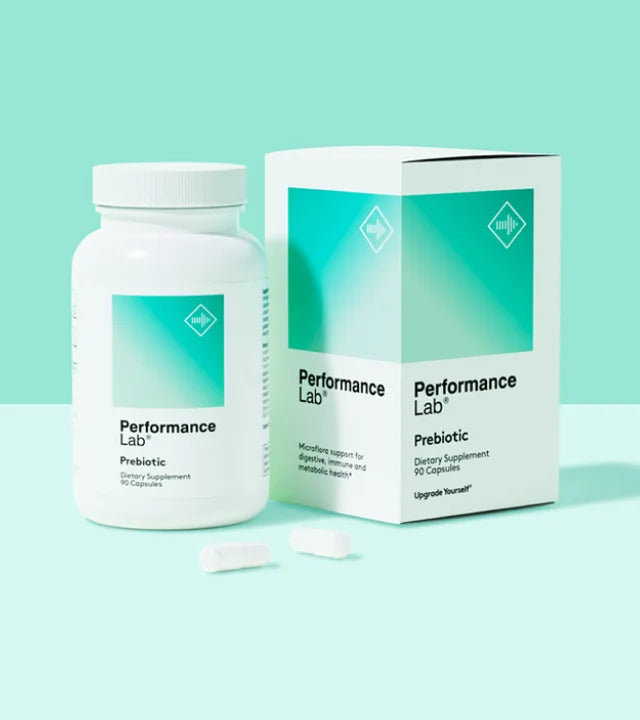
Prebiotics + Probiotics

The vagus nerve is a major communication line in the gut–brain axis, which is why probiotics (and the prebiotic fibers that feed them in the gut) keep showing up in vagus conversations.
While probiotic results are strain- and population-specific (and not uniformly positive), a recent randomized controlled trial reported that a multi-species probiotic improved measures described as vagal nerve function in patients with depression and healthy controls—highlighting a possible gut–vagus pathway for stress and mood support.(6)
Best for: stress + digestion overlap, mood support routines, “gut-driven” stress symptoms.
Discover today's top prebiotic supplements
5) Ashwagandha

Ashwagandha is technically an adaptogen, but it belongs in a vagus-supplement discussion because multiple trials show it can improve perceived stress and, in some studies, increase heart rate variability (HRV)—suggesting improved parasympathetic balance in certain populations. A 2023 randomized placebo-controlled trial reported a significant increase in HRV in the ashwagandha group.(7)
Best for: chronic stress load, sleep disruption tied to stress, anxious fatigue.
Check out our full list of adaptogen herbs
6) Phosphatidylserine (PS)

PS is a membrane phospholipid often used for stress resilience—especially in high-demand lifestyles. Placebo-controlled exercise-stress research has shown PS can blunt cortisol response to intense stressors, supporting a “stress-buffer” angle that can indirectly support vagal-friendly recovery.(8)
Best for: training stress, work stress, and “burnout-prone” nervous systems. Famously known as a top nootropic for memory function.
Read more on Phosphatidylserine (PS)
7) Glycine

Glycine is a simple amino acid often used for sleep support. While it isn’t a “vagus supplement” per se, improving sleep is one of the most reliable ways to increase parasympathetic dominance over time. Controlled research suggests glycine can promote sleep-supportive physiology (including thermoregulation), making it a useful tool when the main vagus problem is “I can’t downshift at night.”(9)
Best for: sleep onset, sleep depth perception, nighttime calm.
How to choose the best vagus nerve supplement for your goal
If you’re anxious and reactive
- L-theanine (fast calm)
- Magnesium glycinate (baseline relaxation + sleep)
- Ashwagandha (if stress is chronic)
If your main issue is sleep
- Magnesium
- Glycine
- L-theanine (especially if your mind races)
If your stress is “gut-driven”
- Targeted probiotics (strain-specific) + prebiotic fiber
- Omega-3s (helps to regulate inflammation)
If you want long-range resilience
- Omega-3s
- Magnesium
- Stress adaptogen (ashwagandha) if appropriate
Lifestyle “vagus nerve stimulation” strategies that amplify supplements
If you want the strongest results, pair supplements with at least 2–3 of these:
- Breathwork: slow nasal breathing, longer exhales (5–10 minutes daily).
- Exercise: consistent aerobic training improves autonomic balance and recovery capacity.
- Sleep routine: consistent wake time and light management.
- Cold exposure (optional): brief cold finishing can be useful for some; skip if it spikes anxiety.
- Social connection and laughter: underrated parasympathetic activators.
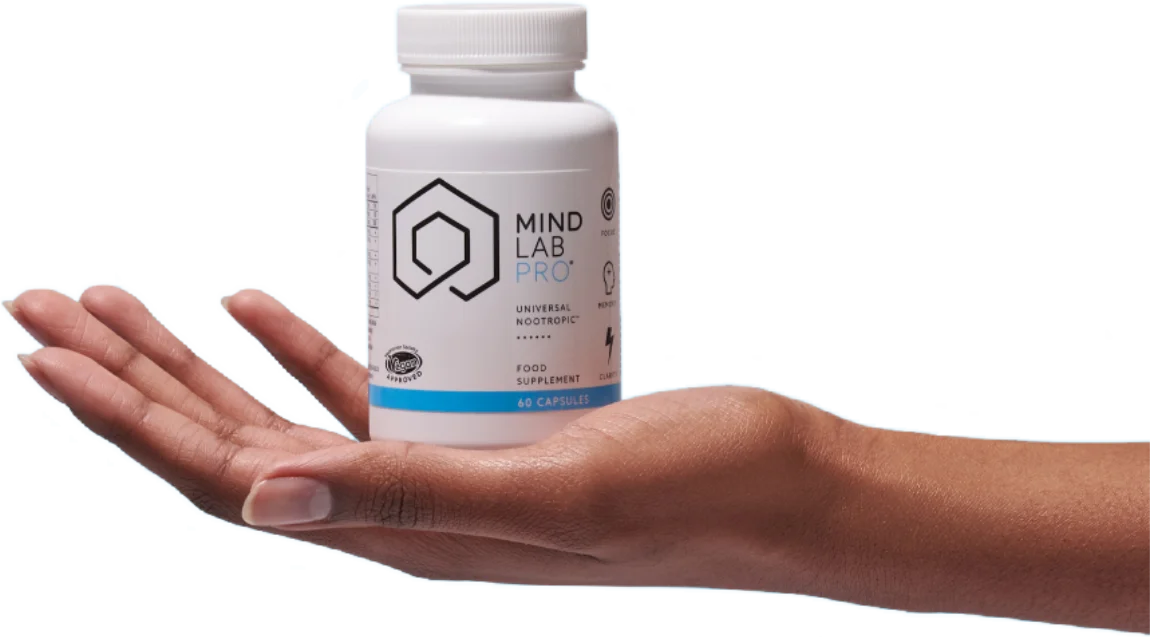
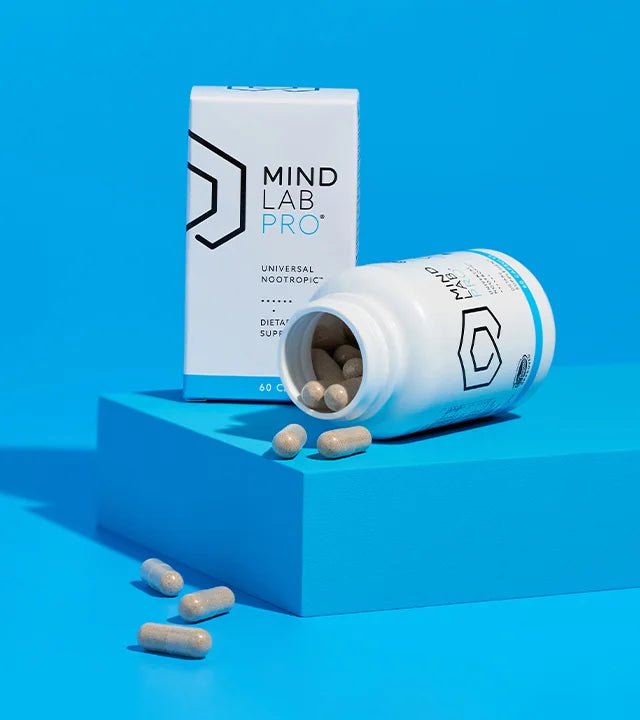
Best “All-in-One” Vagus-Friendly Nootropic Stack: Mind Lab Pro®

If you don’t want to chase five separate bottles, the smartest play is an all-in-one formula that supports the pillars that drive vagal tone indirectly: calm-focus, stress resilience, memory/clarity, and long-range brain health. Mind Lab Pro® fits well here because it includes multiple ingredients that support a calmer, steadier nervous system without heavy stimulation.
Mind Lab Pro® Ingredients (per serving): Citicoline (CDP Choline) 250mg, Phosphatidylserine (from sunflower lecithin) 100mg, Bacopa monnieri 150mg (24% bacosides), Organic Lion’s Mane Mushroom 500mg (fruit and mycelium), Maritime Pine Bark Extract 75mg (95% proanthocyanidins), N-Acetyl L-Tyrosine 175mg, L-Theanine 100mg, Rhodiola rosea 50mg (3% rosavins, 1% salidrosides), NutriGenesis® Vitamin B6 2.5mg, Vitamin B9 100mcg, Vitamin B12 7.5mcg.
Why MLP complements vagus support: L-theanine and rhodiola support calm focus and stress resilience; phosphatidylserine supports stress-buffer physiology; bacopa supports calmer cognition over time; and the formula stays stim-free—making it easier to support parasympathetic balance instead of constantly pushing “up.”
Mind Lab Pro® is Research-Backed
- Study 1 (processing speed): 30 days of Mind Lab Pro® was associated with improved measures tied to information processing and reaction time versus placebo.(10)
- Study 2 (memory): 30 days of Mind Lab Pro® improved performance across multiple memory domains versus placebo on a standardized memory battery.(11)
- Study 3 (brain network efficiency): In a 60-day trial, Mind Lab Pro® did not improve speed/accuracy on the task versus placebo, but EEG findings suggested increased network coordination—often framed as an efficiency/brain-health signal.(12)
Read more about the Mind Lab Pro studies
Summary
The best vagus nerve supplements aren’t magic “vagal stimulators.” They’re tools that help your body shift toward parasympathetic balance by reducing stress reactivity, improving sleep, supporting gut–brain signaling, and improving autonomic recovery. All these aspects of vagal support can help contribute to your overall health and wellness.
If you want a simple starting point, omega-3s, magnesium, and L-theanine are high-ROI picks. If stress is chronic, add an adaptogen like ashwagandha (if appropriate). And if gut symptoms are part of your stress story, targeted probiotics may be worth testing.
References
- American Psychiatric Association. (2024). American Adults Express Increasing Anxiousness in Annual Poll. APA Newsroom. Link
- Laborde, S., Mosley, E., & Thayer, J. F. (2017). Heart Rate Variability and Cardiac Vagal Tone in Psychophysiological Research: Recommendations for Experiment Planning, Data Analysis, and Data Reporting. Frontiers in Psychology, 8, 213. Link
- Sauder, K. A., Johnston, E. R., Skulas-Ray, A. C., Campbell, T. S., & West, S. G. (2013). Effects of Omega-3 Fatty Acid Supplementation on Heart Rate Variability in Adults. Psychosomatic Medicine. Link
- Wienecke, E., Nolden, C., & Suter, A. (2016). Long-term HRV analysis shows stress reduction by magnesium supplementation. Nutrients. Link
- Kimura, K., Ozeki, M., Juneja, L. R., & Ohira, H. (2007). L-theanine reduces psychological and physiological stress responses. Biological Psychology, 74(1), 39–45. Link
- Mörkl, S., et al. (2025). Multi-species probiotic supplement enhances vagal nerve function – results of a randomized controlled trial in patients with depression and healthy controls. Gut Microbes. Link
- Raut, A. A., et al. (2023). Exploring the efficacy and safety of a novel standardized Ashwagandha extract in stress-related fatigue (includes HRV outcome). Journal of Ayurveda and Integrative Medicine. Link
- Starks, M. A., Starks, S. L., Kingsley, M., Purpura, M., Jäger, R., & Parker, S. (2008). The effects of phosphatidylserine on endocrine response to moderate intensity exercise. Journal of the International Society of Sports Nutrition, 5, 11. Link
- Kawai, N., et al. (2015). The sleep-promoting and hypothermic effects of glycine are mediated by NMDA receptors in the suprachiasmatic nucleus. Neuropsychopharmacology. Link
- Utley, A., Gonzalez, Y., & Imboden, C. A. (2023). The efficacy of a nootropic supplement on information processing in adults: A double blind, placebo controlled study. Biomed J Sci & Tech Res, 49(1). Link
- Abbott-Imboden, C., Gonzalez, Y., & Utley, A. (2023). Efficacy of the nootropic supplement Mind Lab Pro on memory in adults: Double blind, placebo-controlled study. Human Psychopharmacology: Clinical and Experimental, e2872. Link
- O’Reilly, D., Bolam, J., Delis, I., & Utley, A. (2025). Effect of a plant-based nootropic supplement on perceptual decision-making and brain network interdependencies: A randomised, double-blinded, and placebo-controlled study. Brain Sciences, 15(3), 226. Link
*These statements have not been evaluated by the Food and Drug Administration. This product is not intended to diagnose, treat, cure, or prevent any disease.