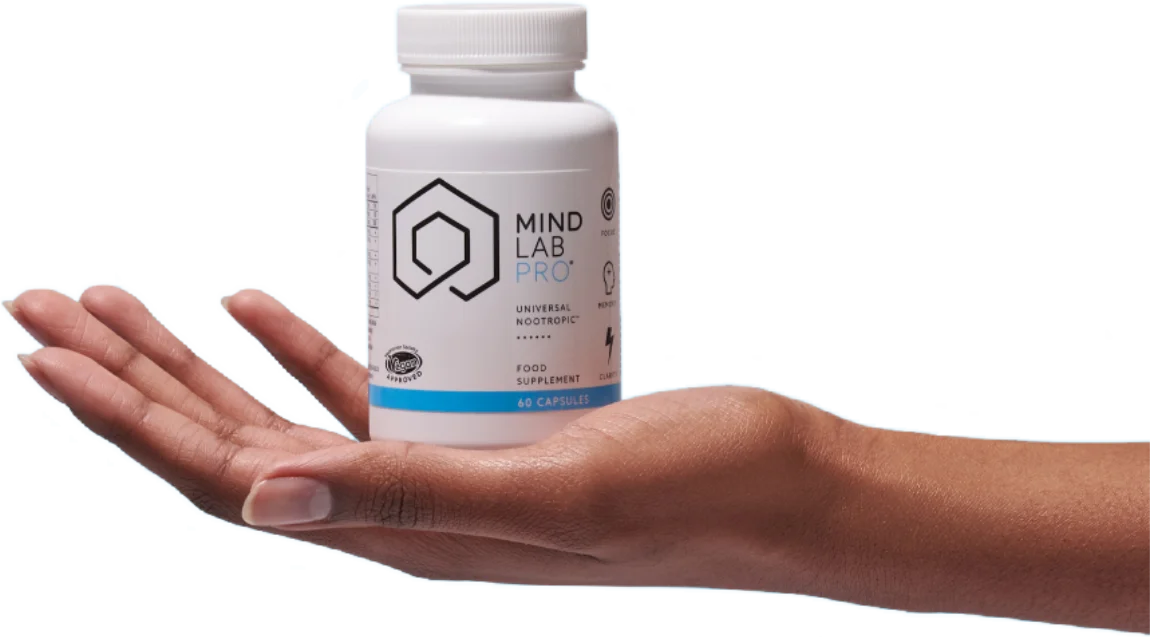


What's the best time to take mushroom supplements? The question is on more people's minds lately, as mushroom supplements (especially Lion's Mane mushroom) continue to rise in popularity.
In a 2024 NBJ consumer survey (n>8,000), 27% of respondents said they consume mushroom supplements (and 37% said they consume foods/beverages “boosted with mushrooms”)—a clear signal that functional mushrooms are now mainstream. In this guide we focus on timing the top nootropic mushroom: Lion's Mane.
So can you take mushrooms like Lion’s Mane before bed—and will it help sleep, disrupt sleep, or simply support the brain overnight? This guide answers the real intent behind the question: when nighttime dosing makes sense, when morning routine is a better fit, and how to decide what's best for you. Let's get to it!
Key Takeaways
- The “best time” to take mushroom supplements depends on the mushroom’s effect profile.
- Energizing mushrooms are usually better earlier, while calming mushrooms are often better later for evening relaxation.
- Morning is a safe default for most functional mushrooms because it supports consistency and reduces the chance of sleep disruption.
- In terms of specific times, yes, you can take Lion’s Mane before bed—but your response matters: some people find it calming; others find it slightly stimulating.
- If Lion’s Mane feels mentally “bright” at night, move it to morning or early afternoon; if it feels relaxing, bedtime can be a great fit.
- Lion’s Mane is best known for cognitive support (memory, focus, mental clarity), which is why many people prefer it earlier in the day for work or studying.
- For stress-related sleep issues, Lion’s Mane may support sleep indirectly by helping with stress and mood balance rather than sedation.
- Start low and test timing for 5–7 days before changing variables—keep dose and time consistent so you can accurately judge effects.
- Take mushroom supplements with food if you have a sensitive stomach; this can improve tolerability over taking on an empty stomach for some people.
- Avoid stacking Lion’s Mane at night with stimulants (late caffeine/pre-workouts) if you’re troubleshooting sleep—keep your routine simple.
Disclaimer
This article is for educational purposes only and is not medical advice. Always consult a qualified healthcare professional before using Lion’s Mane or any dietary supplement—especially if you have a medical condition, take prescription medications, are immunocompromised, have a history of allergies (including mushroom allergies), are pregnant or nursing, or are planning surgery. Although we may use the phrase "medicinal mushroom," keep in mind that functional fungi supplements are not drugs and are not intended to diagnose, treat, cure, or prevent any disease. Individual responses vary, and if you experience unwanted symptoms (such as digestive upset, rash, itching, dizziness, or sleep disruption), discontinue use and seek medical guidance.
Mushroom Supplements

Mushrooms have been prized for their health-promoting beneficial compounds for centuries in Traditional Chinese Medicine practices. Today, different functional mushrooms work taken as supplements and consumed as foods to help support the body's natural rhythms in a variety of ways.
Some health benefits associated with mushroom supplements include:
- Immune health and resilience
- Help manage stress and anxiety/depression relief
- Focus, mental clarity, and cognitive support
- Sustained energy boost, stamina, and fatigue resistance
- Sleep quality support (especially relaxation-focused mushrooms)
- Cell-protective antioxidant activities
- Support gut/digestive health. Read more: Top Prebiotics
- Long-range brain health and aging support
In this guide we'll be focusing on the top nootropic mushroom: Lion's Mane. For your reference, however, here is a list of other functional mushrooms, their purported benefits and the best time to take them:
- Reishi (Ganoderma lucidum): Calm, stress resilience, sleep support, healthy immune system function. Best taken in the evening before bed.
- Cordyceps: Cellular energy levels, stamina, athletic performance, fatigue resistance. Best taken in the morning or pre-workout.
- Chaga: Antioxidant support, immune function, inflammation balance. Best taken morning or mid-day.
- Turkey Tail: Immune support (beta-glucans), gut microbiome support. Best taken in the morning with food.
- Maitake: Metabolic support (blood sugar), immune support, wellness. Best taken with meals (morning or lunch).
- Shiitake: Immune support, heart health (lipids), general vitality. Best taken with meals, any time.
- Oyster: Heart-friendly nutrition, antioxidant support, gut-friendly fiber. Best taken with meals, any time.
- Tremella: Skin hydration, beauty support, antioxidant support. Best taken morning or any other time during the day.
For more information on functional mushrooms and their full benefits, check out our guides on the best mushrooms for health, top mushroom supplements for energy, and mushrooms to consider for hormone balance.
Next up, let's dig into the daily routine usage guidelines and unique cognitive benefits for Lion's Mane, specifically.
What is Lion’s Mane?

Lion’s Mane (also known as Yamabushitake) is an edible mushroom in the tooth fungus group. It’s easy to recognize: long white spines that resemble—yes—an actual lion’s mane.
It has a long history of use in traditional cuisine and wellness traditions, and modern interest is largely driven by its unique bioactive compounds. It’s not surprising that Lion’s Mane is commonly included in high-quality nootropic supplements, especially formulas aimed at long-range brain support.
Some of the commonly discussed benefits include:
- Antioxidant activity and immune system support
- Supporting cognitive function (memory, focus, mental clarity)
- Supporting mood and emotional wellness
- Digestive and gut support (a traditional use angle)
You can consume Lion’s Mane as a food (raw or cooked), as a tea/coffee add-in, or as a supplement (powder, capsule, or liquid). Food form is great for culinary use; supplement form is often chosen for consistency and convenience.
I was skeptical at first, but I can say that I feel sharper and more clear minded than as long as I can remember.John Y
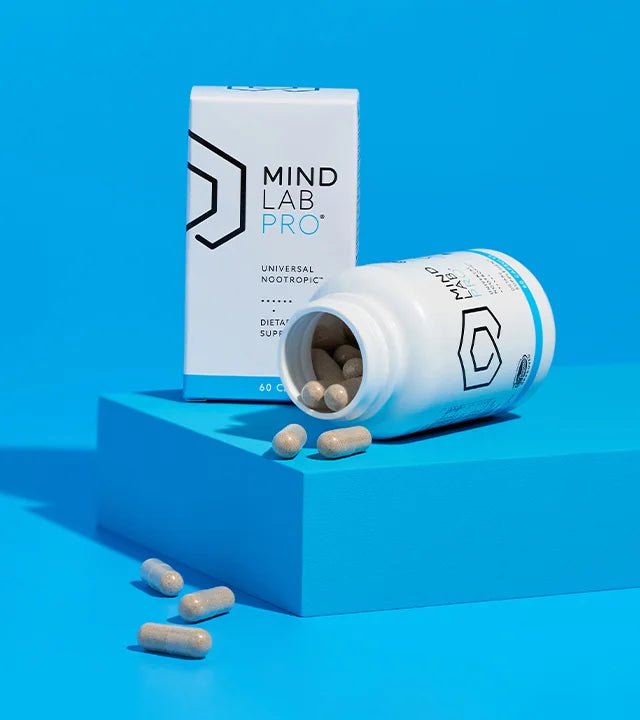
Can You Take Lion’s Mane Before Bed?
Sleep issues are extremely common today. Between screens, late-day caffeine, stress overload, and irregular schedules, it’s easy to end up wired at night and tired during the day.
When sleep is off, the downsides show up fast:
- Fatigue and low energy
- Brain fog
- Lower focus and concentration
- Mood swings and irritability
- Reduced motivation and productivity
- Long-term health consequences if poor sleep becomes chronic
So where does Lion’s Mane fit in? The most accurate way to frame it is this: Lion’s Mane may support sleep indirectly for some people—especially when stress, mood, or an overactive mind are the main reason bedtime is hard. But it is not a sedative, and it won’t feel “sleepy” for everyone.
Support calm, clear days—and restful nights
Mind Lab Pro® delivers 500 mg Lion’s Mane per serving in a clean, non-stim stack that’s caffeine-free. Read more: Lion's Mane Dosage
Lion’s Mane Before Bed: An Effective Adaptogen?

Lion’s Mane is often discussed in the “adaptogen-like” category because many people use it to support resilience during stress. Adaptogens are typically described as substances that help the body adapt to stress and maintain balance. Read more: List of Adaptogens
As we know, stress can have real physical effects—including changes in immune and endocrine signaling(1) —and those stress effects often show up at night as a racing mind, restlessness, or shallow sleep.
In that context, Lion’s Mane may help some people by supporting emotional wellness and stress resilience. If your sleep problems are driven by stress, tension, or feeling “mentally switched on,” Lion’s Mane can be worth testing as part of a bedtime routine—as long as it feels calming in your body.

Supporting Nerve Growth Factor (NGF)
Lion’s Mane contains unique compounds called hericenones and erinacines, which are discussed in research for their potential to support nerve growth factor (NGF) pathways—one reason Lion’s Mane is so often framed as a long-range brain health mushroom.(2)
NGF is part of the neurotrophin family, which plays a role in the growth and maintenance of neurons and in neuroplasticity.(3) Read more: Supplements for NGF
Some research suggests NGF may also be involved in sleep/wake regulation processes,(4) which is why Lion’s Mane gets discussed as a potential “overnight brain support” ingredient—even though the subjective experience can vary from person to person.
Combatting Delayed Sleep Phase Syndrome
Delayed sleep phase syndrome (DSPS) is a circadian rhythm pattern where people fall asleep very late and struggle to wake up at socially “normal” times.
One study has discussed Lion’s Mane as a functional food candidate in the context of shifting behavioral rhythms and potentially influencing the sleep-wake cycle in an animal model.(5) This is interesting—but it’s best interpreted as early-stage evidence rather than a guarantee that Lion’s Mane will “fix” circadian rhythm issues in humans.
Discover today's top natural sleep supplements
Does Lion’s Mane Have Any Side Effects?
Most people tolerate Lion’s Mane well. However, it’s best to avoid Lion’s Mane if you have a mushroom allergy. A small number of users report mild side effects (such as digestive discomfort, nausea, or skin reactions). As always, consult your doctor before starting any new supplement—especially if you have a medical condition or take prescription medications.
Frequently Asked Questions
Does Lion’s Mane help with sleep?
For many people, Lion’s Mane can support sleep indirectly by supporting stress resilience and emotional balance. If your sleep tends to suffer when you’re anxious, mentally overactive, or run down, Lion’s Mane may help you wind down more easily. That said, the experience is personal—some people find it calming at night, while others prefer it earlier in the day.
When should I take Lion’s Mane for sleep, and how long before bed?
A simple starting point is to take Lion’s Mane in the evening as part of your pre-bed routine and keep the timing consistent for several nights so you can judge your response. For a clearer read, take it at the same time each night for a week, then adjust earlier if it feels too activating or closer to bedtime if it feels relaxing. If you’re using a formula that includes Lion’s Mane, follow the product’s guidance. For example, Mind Lab Pro includes 500 mg Lion’s Mane per serving and is caffeine-free for flexible timing. Learn more here: Mind Lab Pro.
Does Lion’s Mane keep you awake at night?
It can for some people, especially if you’re sensitive to supplements or if Lion’s Mane feels more mentally “clear” than calming in your body. If you notice restlessness or lighter sleep after nighttime use, move your dose to morning or early afternoon. If nighttime dosing feels calming and doesn’t affect sleep quality, it can be a good fit for your routine.
Does Lion’s Mane make you sleepy?
Some people feel a gentle wind-down effect from Lion’s Mane, which can make it feel like a natural bedtime support. Others don’t feel sleepy at all and simply notice steadier mood or clearer thinking. If you feel drowsy, consider taking it only in the evening. If you want cognitive support without feeling weighed down, a balanced, non-stim nootropic stack can be a better fit. For a broader look at options, see the most effective nootropic supplements.
Can Lion’s Mane cause insomnia?
Most people tolerate Lion’s Mane well, but a small group may find it disrupts sleep—usually because it feels mentally energizing rather than relaxing. If you suspect it’s affecting sleep, stop nighttime use and switch to daytime dosing. If you’re combining Lion’s Mane with caffeine, pre-workouts, or other stimulating ingredients, simplify your stack first so you can identify what’s really driving the insomnia-like effect.
How much Lion’s Mane should I take before bed?
The best dose depends on the product form and your sensitivity. A practical approach is to start with the lowest suggested serving on your label for a few nights, then adjust slowly based on sleep quality and next-day energy. In this article’s example, Mind Lab Pro provides 500 mg Lion’s Mane per serving and can be tested in the evening for several nights, then shifted earlier if preferred. See details here: Mind Lab Pro.
Is it OK to take Lion’s Mane at night every day?
Many people take Lion’s Mane daily and do well with it, including at night, as long as it supports sleep instead of disrupting it. The key is self-testing: keep dose and timing stable for a week, monitor sleep quality and next-day energy, and adjust only one variable at a time. If you have a medical condition, take prescription medications, or have a mushroom allergy, check with a clinician before adding it to your nightly routine.
Is Lion’s Mane good for anxiety-related sleep issues?
It may help, especially when stress and anxious feelings are the main reason you can’t fall asleep or stay asleep. Lion’s Mane is discussed here as an adaptogen-like mushroom that may support stress resilience and emotional wellness, which can make bedtime easier for some people. If anxiety is severe, persistent, or worsening, treat Lion’s Mane as supportive—not a replacement for professional care.
Try Mind Lab Pro® for Balanced Sleep and Daytime Focus

If you want Lion’s Mane support in a more consistent, “set-and-forget” format, Mind Lab Pro® is a strong option—especially if you’re experimenting with nighttime dosing and want a formula that’s caffeine-free and flexible for timing.
Mind Lab Pro® features 500 mg of organic, full-spectrum Lion’s Mane (mycelium + fruiting body) in each serving. It’s designed as a non-stim nootropic stack—meaning it’s caffeine-free and flexible for timing, including evening use if that suits you.
Because it’s a full brain stack (not a single ingredient), it can also support daytime cognition if you decide Lion’s Mane feels better earlier in the day. If you test it at night and it feels too mentally “clear,” simply move it to morning or early afternoon.
How to Try It
-
Try 1 serving of Mind Lab Pro® in the evening for several nights.
-
Observe how it affects sleep quality and next-day energy.
-
If it feels activating, shift to morning or early afternoon. If it feels calming, keep it in your nighttime routine.
Mind Lab Pro® Ingredients (per serving): Citicoline (CDP Choline) 250mg, Phosphatidylserine (from sunflower lecithin) 100mg, Bacopa monnieri 150mg (24% bacosides), Organic Lion’s Mane 500mg (mycelium + fruiting body), Maritime Pine Bark Extract 75mg (95% proanthocyanidins), N-Acetyl L-Tyrosine 175mg, L-Theanine 100mg, Rhodiola rosea 50mg (3% rosavins and 1% salidrosides), NutriGenesis® Vitamin B6 (2.5mg), Vitamin B9 (100mcg), Vitamin B12 (7.5mcg).
Mind Lab Pro® is research-backed
Most “brain supplements” rely on ingredient theory alone. Mind Lab Pro® is unusual because the finished formula has been evaluated in multiple randomized, placebo-controlled modern research studies:
- Study 1 (processing speed): 30 days of Mind Lab Pro® was associated with improved information processing / reaction-time-related outcomes compared with placebo.(6)
- Study 2 (memory): 30 days of Mind Lab Pro® improved performance across multiple memory domains versus placebo on a standardized memory battery (including working-memory-related outcomes).(7)
- Study 3 (brain network efficiency): Over 60 days, Mind Lab Pro® did not improve task speed/accuracy versus placebo, but was associated with EEG network changes interpreted as increased coordination between brain regions.(8)
Learn more about the Mind Lab Pro studies Link
Summary
Taking Lion’s Mane before bed can make sense to support your wellness goals—especially if it helps you feel calmer and more balanced at night. But the key is to test your personal response: if it feels relaxing, nighttime dosing can be a great fit; if it feels mentally “bright,” move it earlier in the day.
Either way, Lion’s Mane is best used as a consistent routine ingredient—not a one-night miracle—and its potential benefits may be best realized when paired with the fundamentals of overall well-being: sleep hygiene (light control, caffeine timing, targeted support for the body's ability to manage stress, and a consistent schedule).
References
- Panossian, A., & Wikman, G. (2010). Effects of adaptogens on the central nervous system and the molecular mechanisms associated with their stress-protective activity. Pharmaceuticals (Basel), 3(1), 188–224. Link
- Aloe, L., Rocco, M. L., Balzamino, B. O., & Micera, A. (2015). Nerve growth factor: A focus on neuroscience and therapy. Current Neuropharmacology, 13(3), 294–303. Link
- Ramos, O. V., Torterolo, P., Lim, V., Chase, M. H., Sampogna, S., & Yamuy, J. (2011). The role of mesopontine NGF in sleep and wakefulness. Brain Research, 1413, 9–23. Link
- Furuta, S., Kuwahara, R., Hiraki, E., Ohnuki, K., Yasuo, S., & Shimizu, K. (2016). Hericium erinaceus extracts alter behavioral rhythm in mice. Biomedical Research, 37(4), 227–232. Link
- Mind Lab Pro®. (2026). Mind Lab Pro® (Supplement Facts and ingredients). Mind Lab Pro. Link
- Utley, A., Gonzalez, Y., & Imboden, C. A. (2023). The efficacy of a nootropic supplement on information processing in adults: A double blind, placebo controlled study. Biomed J Sci & Tech Res, 49(1). Link
- Abbott-Imboden, C., Gonzalez, Y., & Utley, A. (2023). Efficacy of the nootropic supplement Mind Lab Pro on memory in adults: Double blind, placebo-controlled study. Human Psychopharmacology: Clinical and Experimental, e2872. Link
- O’Reilly, D., Bolam, J., Delis, I., & Utley, A. (2025). Effect of a plant-based nootropic supplement on perceptual decision-making and brain network interdependencies: A randomised, double-blinded, and placebo-controlled study. Brain Sciences, 15(3), 226. Link