

Chances are you’ve heard about CBD oil lately—and it’s not just hype. In a large U.S. adult survey analysis, 20.6% of U.S. adults reported using CBD in the prior 12 months (2022 data).(1) That kind of adoption doesn’t happen unless people are getting something out of it—usually stress relief, sleep support, or a calmer body baseline that helps them function better day to day.
If you clicked this article, you’re probably asking a more specific question: is the “CBD nootropic” reputation legit? Can it support focus, mood, and mental performance? And how does “CBD serotonin” signaling fit into that story?
Below, we’ll break down what CBD is, how it interacts with the nervous system (including why people talk about serotonin pathways), what CBD benefits are actually plausible, and how to stack CBD responsibly with other nootropics for a cleaner, more functional result. Let's get to it!
Key Takeaways
- CBD (cannabidiol) is a major cannabinoid from Cannabis sativa that supports wellness without the intoxicating “high” associated with THC.
- CBD is non-psychoactive, and may even help counterbalance some of THC’s unwanted mental effects (like anxiety) in certain contexts.
- Its “nootropic” value is mostly indirect: it may support mental performance by helping with anxiety, stress, mood, sleep quality, and recovery—factors that commonly wreck focus and clarity.
- CBD serotonin: research suggests CBD can interact with serotonin receptor systems involved in mood, stress, and anxiety—one reason it’s often discussed for calm-focus support.
- It appears to work through two main lanes: the endocannabinoid system (ECS) and other nervous-system receptors involved in mood and pain signaling.
- CBD comes in multiple forms (oil/sublingual, capsules/edibles, vaping, topical). Oils tend to hit faster; capsules/edibles are convenient but often absorb less efficiently.
- Full-spectrum vs isolate: full-spectrum products include other cannabinoids/terpenes and may feel more “complete” due to the entourage effect; isolates contain only CBD.
- Dosing is individual: start low (e.g., 5 mg) and increase slowly; many nootropic users land around 15–50 mg/day depending on goal and sensitivity.
- If stacking CBD with other nootropics, keep it simple and track your response—CBD is often used as a “foundation” that pairs well with calm-focus and brain-health ingredients.
Disclaimer
This article is for educational purposes only and is not medical advice. Always consult a qualified healthcare professional before using CBD or any dietary supplement—especially if you have a medical condition, take prescription medications (including psychiatric medications, selective serotonin reuptake inhibitors and other antidepressants), have liver concerns, are pregnant or nursing, or are planning surgery. If you've had depressive disorders, including major depressive disorder, posttraumatic stress disorder, bipolar disorder and others tell your doctor about your depression symptoms before taking CBD. Individual responses vary, and CBD products can differ widely in quality, cannabinoid content, and THC levels; high THC exposure may increase side effects and may interact unpredictably with medications and supplements. Legality also varies by location, and hemp-derived CBD is not the same as marijuana-derived products. Use only reputable, lab-tested products and follow a clinician’s guidance for clinically appropriate dosing and safety monitoring.
What is CBD?
Cannabidiol (CBD) is one of more than 60 cannabinoids found in the Cannabis sativa plant. These compounds are responsible for the many health benefits of cannabis.(2) Most of us are familiar with tetrahydrocannabinol (THC) – the cannabinoid responsible for making you feel high when smoking cannabis. But CBD is a little different.
Difference between CBD and Tetrahydrocannabinol (THC)
After THC, CBD is the second-most abundant cannabinoid. Although both CBD and THC have similar health and wellness benefits, there is one major difference.
Unlike THC, CBD does not have any psychoactive effects. In other words, CBD does not get you high. In fact, it counteracts the psychoactivity of THC. This makes it ideal for reaping the health benefits of cannabis with less of the intoxication (and legal concerns).
CBD and its various uses
CBD appears to have therapeutic potential for a wide variety of conditions and symptoms, including anxiety, stress, insomnia, depression, chronic pain, and others. It may even have potential to help with digestive disorders such as inflammatory bowel issues (IBD), blood sugar problems, cardiovascular conditions, and headaches.
Given this wide range of health potential, it's no surprise interest in CBD has skyrocketed over the past several years.
Is CBD a Nootropic?

Does CBD count as a nootropic? It depends on how strict you are with the word “nootropic.” If you define a nootropic as something that directly boosts cognition (memory, processing speed, learning) in healthy people, CBD isn’t the strongest fit—because most of its best-known effects are not “brainpower” effects.
But if you use “nootropic” in the modern, real-world sense—something that improves mental performance by improving the conditions that support it—then CBD can function like a nootropic. CBD is most often used to support a calmer nervous-system baseline (stress resilience, anxious tension, sleep quality, recovery, and overall comfort). When those conditions improve, focus, working memory, motivation, and productivity often improve indirectly.
The most accurate answer is: CBD is best described as an “indirect nootropic.” It may not make you smarter or faster, but it can make your mind feel more usable—especially if your biggest cognitive bottlenecks are stress, poor sleep, or mood instability.
If you try it, treat it like any nootropic experiment: start low, go slow, track your response, and be cautious about drug interactions and product quality (especially with full-spectrum CBD products that may contain trace THC).
CBD Nootropic Benefits
Anxiety
The most popular reason people use CBD is to alleviate anxiety. Researchers are optimistic about CBD’s potential to help with everything from mild anxiety to panic attacks and disorders such as generalized anxiety disorder (GAD), obsessive-compulsive disorder (OCD), and even post-traumatic stress disorder (PTSD).(5)
CBD’s anxiety-relieving effects are supported by multiple research studies. For example, one study in individuals with social anxiety disorder (SAD) demonstrated that CBD significantly reduced anxiety caused by public speaking.(3) In addition, CBD is known to counteract the anxiety produced by THC, its psychoactive cousin.(6)
Depression
Alongside anxiety, depression is the leading mental health challenge of our time. Indeed, these two disorders often go hand-in-hand. An increasing number of people are now turning to CBD as an alternative option for helping with depression and related mood issues such as lack of motivation. Although research in this area has only just begun, studies in rodents suggest that CBD may have beneficial effects for depression.(7)
Stress
Stress is another common health concern where CBD can be helpful. This is not surprising when we consider the interplay between stress, anxiety, and depression, which can cause or worsen one another. In particular, CBD may help us deal with stress by affecting brain systems involved in stress regulation and responses.
Sleep
Sleeping just a few hours less can negatively impact our cognitive performance for the whole day. Indeed, sleep is perhaps the single most important process for maintaining peak brainpower.
Although CBD is not a sleep aid per se, it is widely known that anxiety, stress, and depression contribute to insomnia and other sleep problems. This means CBD can enhance sleep quality in individuals prone to these issues.
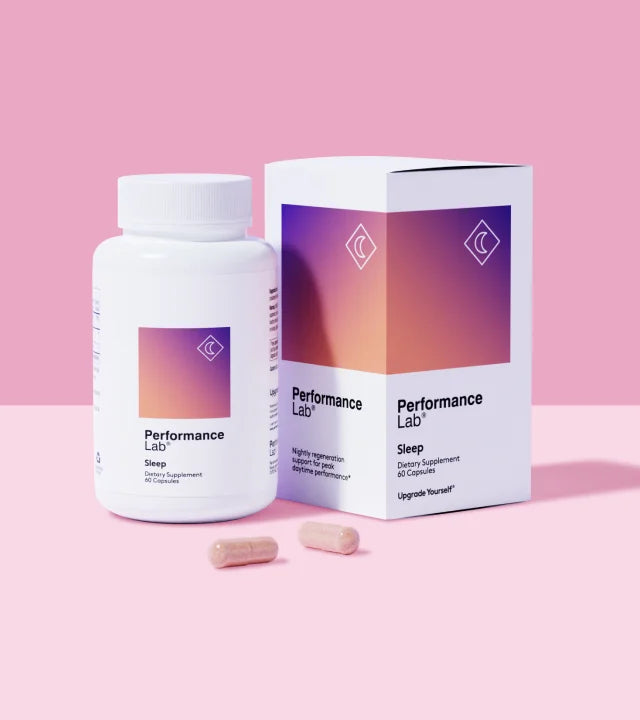
Read our guide on the best sleep supplements to learn more.
An immediate change in quality and consistency of sleep. I highly recommend it.Stephanie B
Neuroprotection
Another less-discussed nootropic benefit of CBD is neuroprotection – the protection of neurons (brain cells) from damage. Neuroprotective compounds not only defend against the natural, age-related decline in cognitive function but also neurodegenerative concerns.
So far, studies in animals suggest CBD may protect neurons from degeneration through antioxidant activity and other effects.(8) This benefit may be of particular significance to older adults.
More on neuroprotective nootropics
Addiction
Last but not least, another promising use for CBD is to help with substance addiction. Early animal and clinical studies show that CBD can help reduce the cravings for opioids, cocaine, psychostimulants, cannabis, tobacco, and potentially even alcohol.
More on nootropics for nicotine addiction
How CBD may work for Brain Health and Cognition
Since research on CBD is still in its early stages, medical experts are not yet entirely sure how it works. Most research evidence suggests CBD's potential benefits for the brain and cognition are the result of two main mechanisms: interacting with body’s endocannabinoid system and affecting other parts of the brain and central nervous system.
CBD and the Endocannabinoid System
The endocannabinoid (ECS) system contains receptors that are activated by cannabinoids. A simple way to think about this is to imagine receptors as locks and the cannabinoids as keys that fit into these locks and activate an effect.
This system appears to regulate a wide range of processes, including:
- Appetite, digestion, and metabolism
- Immune system function and inflammation
- Anxiolytic effects, helping with mood, fear, and stress
- Memory and learning
- Pain management
- Sleep
Although the ECS was discovered as a result of researching the effects of cannabis-derived "phyto" cannabinoids, it turns out that the human body produces two of its own "endo" cannabinoids - 2-AG and anandamide.
Interestingly, research shows that CBD does not strongly interact with the two known ECS receptors - CB1 and CB2. However, it does interact with other unidentified receptors that may be part of the ECS, as well as influencing the ECS via more indirect pathways.(9,10)
Other Effects of CBD on the Brain
In addition to interacting with the ECS, research suggests CBD interacts with the serotonin receptor, which regulates mood, stress, anxiety, and other cognitive key processes.(11) More on that up next. It has also been shown to affect opioid receptors that are involved in regulating pain.(12)
CBD Serotonin Effects: What’s the Connection?

CBD is often discussed for calm, mood balance, and stress resilience, all of which are related to serotonin levels and the serotonin system as a whole.
CBD doesn’t just interact with the endocannabinoid system—it also appears to influence serotonin signaling, especially through a receptor called 5-HT1A, which plays a major role in mood and relaxation.(13)
Rather than simply increasing serotonin levels across the board, cannabidiol modulates the "firing" of serotonin from neuron to neuron.
Depending on where those neurons (receptors) sit in the brain, CBD’s influence can look different:
- 5-HT1A autoreceptors on serotonin neurons can act like a braking system on firing in the moment;
- postsynaptic 5-HT1A receptors in regions like the amygdala and prefrontal cortex can support calmer, anti-anxiety signaling.
That’s why the most accurate framing is that CBD can activate serotonergic neurons rather than functioning like an SSRI drug that primarily raises serotonin.
In animal research, CBD’s stress-buffering and anxiety-soothing effects have repeatedly been linked to 5-HT1A; for example, a study in rats found CBD reduced stress-related autonomic and behavioral effects, and the authors concluded these effects were mediated (at least in part) through 5-HT1A receptor mechanisms.(14)
In humans, the story is still emerging. A well-cited placebo-controlled study in people with social anxiety disorder found that a single oral dose of CBD reduced anxiety during a simulated public speaking test versus placebo.(15)
While human trials don’t typically “prove” receptor-level mechanisms directly, the combination of receptor data + preclinical work + controlled human anxiety paradigms is why serotonin keeps coming up in CBD discussions.
Ways to take CBD

Unlike many other nootropics and natural health supplements, CBD can be taken in a variety of forms and is widely distributed in the USA. Although CBD oil is far and away the most popular form, CBD also comes in capsules, vape e-liquid, edibles, creams, sprays, and more.
Generally speaking, CBD products can be divided into four major routes of administration: sublingual, oral, inhaled, and topical.
Sublingual CBD (Oil)
The most popular way to take CBD is to put a few drops of CBD oil under the tongue. This method has the advantages of good absorption, relatively fast effects, and easy administration.
Oral CBD (Capsules & Edibles)
Like most supplements, CBD can also be taken in the form of capsules. Although this form is great for ease of use and tends to last the longest, it does suffer from poor absorption. In addition, CBD can also be infused into edibles ranging from gummy bears to cookies.
Inhaled CBD (Vaping)
The third major method of taking CBD is to vaporize and inhale it with a vape pen. This route provides quick relief thanks to the rapid absorption of CBD in the lungs. However, it also lasts the shortest amount of time, and health experts are still not entirely sure about how safe vaping is.
Topical CBD (Creams)
Finally, CBD can even be applied to your skin as part of a cream or other topical solution. This method is ideal for dealing with localized concerns such as muscle pain or acne.
Full Spectrum vs CBD Isolate
Another way CBD products can differ is whether they are isolate or full spectrum. A CBD isolate product contains nothing but pure CBD.
On the other hand, full spectrum or whole plant CBD products contain not just CBD, but also other natural cannabis compounds such as terpenes, flavonoids, and other minor cannabinoids such as cannabichromene (CBC) and cannabigerol (CBG).
These compounds have health benefits of their own and also work in synergy with CBD in what researchers call the "entourage effect."
This effect appears to make whole plant CBD products more effective than CBD isolate.
CBD Dosage
When it comes to CBD, one of the most confusing topics is dosage. More specifically, there are two key questions: how much CBD is in your oil product (concentration), and how much you should take for your particular case.
CBD Concentration
To figure out how much CBD is in your oil product, find the total CBD or cannabinoid content and the volume of the bottle.
For example, your 25 ml tincture may have 500 mg CBD total.
Next, you will want to divide this total by the bottle volume (500/25), which in our example results in 20 mg.
This means 1 ml of your CBD oil contains 20 mg of CBD. Most droppers have a volume of 1 ml when they are full and contain a total of 20 drops.
This means we can divide our 20 mg by 20 - the number of drops. In our case, one drop of oil contains 1 mg of CBD.
CBD Nootropic Dosage
It is difficult to give an exact CBD nootropic dosage because of many variables such as:
- What you're taking CBD for
- Your body weight
- The form of CBD
As a general rule of thumb, you should start with very low doses such as 5 mg and increase until you experience the desired effects. For nootropic uses, the vast majority of people use 15-50 mg doses of CBD in oil form.
Frequently Asked Questions
Is CBD a nootropic?
Yes, CBD is considered a nootropic compound due to its cognitive performance benefits. It works by protecting brain cells and helping with anxiety, depression, stress, and sleep, maximizing your brainpower by mitigating negative effects rather than artificially boosting mental processing. Learn more about nootropic benefits and how they enhance cognitive function.
Is CBD Safe?
Alongside its lack of psychoactive effects, another key characteristic of CBD is its remarkable safety. To date, research has not reported any significant side effects with doses as high as 1500 mg per day.(3) However, CBD may cause minor side effects such as sleepiness, lightheadedness, and dry mouth in some people.
Is CBD Legal?
As it stands, CBD is legal in the United States if it is produced from hemp - cannabis plants with 0.3% or less THC. Hemp plants do not contain enough THC to make you high, and hemp was made legal in the U.S. with the passing of the 2018 Farm Bill.(4) On the other hand, CBD derived from marijuana - cannabis plants with more than 0.3% THC - is still considered illegal in most states.
In the rest of the world, the legal status of CBD remains mixed, despite the fact that it does not share THC's intoxicating effects.
More on Nootropic Legality around the world
What does CBD do to your body and brain?
CBD interacts with your body to help alleviate anxiety, stress, insomnia, depression, and chronic pain without causing any psychoactive effects or making you high. In the brain specifically, CBD protects brain cells and helps reduce anxiety by counteracting negative mental states, which can improve overall cognitive performance. For more on managing mental challenges, explore nootropics for depression.
What are the main benefits of CBD?
CBD offers a wide range of health benefits including relief from anxiety, stress, depression, chronic pain, and insomnia, while also potentially helping with digestive disorders, blood sugar problems, and cardiovascular conditions. Unlike THC, CBD provides these benefits without any intoxicating effects, making it safe for daily use. Discover how to manage stress and burnout with natural compounds.
What is CBD and how is it different from THC?
CBD (Cannabidiol) is one of over 60 cannabinoids found in the Cannabis sativa plant, and is the second-most abundant cannabinoid after THC. The major difference is that CBD does not have any psychoactive effects and actually counteracts the high from THC, allowing you to reap cannabis health benefits without intoxication. Check the legal status of nootropics in your area.
What does CBD do for anxiety and stress?
CBD is most popularly used to alleviate anxiety, with research showing it can help with everything from mild anxiety to panic attacks and disorders like GAD, OCD, and PTSD. Studies have demonstrated that CBD significantly reduces anxiety in social situations and counteracts THC-induced anxiety, making it an effective natural option for stress management.
Is weed a nootropic like CBD?
While CBD from cannabis is considered a nootropic due to its cognitive benefits without psychoactive effects, whole cannabis (weed) containing THC is generally not classified as a nootropic because THC causes intoxication that can impair cognitive function. CBD specifically protects brain cells and enhances mental performance by reducing anxiety and stress without getting you high.
Is CBD a nootropic?
Yes, CBD is considered a nootropic compound due to its cognitive performance benefits. It works by protecting brain cells and helping with anxiety, depression, stress, and sleep, maximizing your brainpower by mitigating negative effects rather than artificially boosting mental processing. Learn more about nootropic benefits and how they enhance cognitive function.
What does CBD do to your body and brain?
CBD interacts with your body to help alleviate anxiety, stress, insomnia, depression, and chronic pain without causing any psychoactive effects or making you high. In the brain specifically, CBD protects brain cells and helps reduce anxiety by counteracting negative mental states, which can improve overall cognitive performance. For more on managing mental challenges, explore nootropics for depression.
What are the main benefits of CBD?
CBD offers a wide range of health benefits including relief from anxiety, stress, depression, chronic pain, and insomnia, while also potentially helping with digestive disorders, blood sugar problems, and cardiovascular conditions. Unlike THC, CBD provides these benefits without any intoxicating effects, making it safe for daily use. Discover how to manage stress and burnout with natural compounds.
What is CBD and how is it different from THC?
CBD (Cannabidiol) is one of over 60 cannabinoids found in the Cannabis sativa plant, and is the second-most abundant cannabinoid after THC. The major difference is that CBD does not have any psychoactive effects and actually counteracts the high from THC, allowing you to reap cannabis health benefits without intoxication. Check the legal status of nootropics in your area.
What does CBD do for anxiety and stress?
CBD is most popularly used to alleviate anxiety, with research showing it can help with everything from mild anxiety to panic attacks and disorders like GAD, OCD, and PTSD. Studies have demonstrated that CBD significantly reduces anxiety in social situations and counteracts THC-induced anxiety, making it an effective natural option for stress management.
Is weed a nootropic like CBD?
While CBD from cannabis is considered a nootropic due to its cognitive benefits without psychoactive effects, whole cannabis (weed) containing THC is generally not classified as a nootropic because THC causes intoxication that can impair cognitive function. CBD specifically protects brain cells and enhances mental performance by reducing anxiety and stress without getting you high.
Mind Lab Pro® Stacks Well with CBD

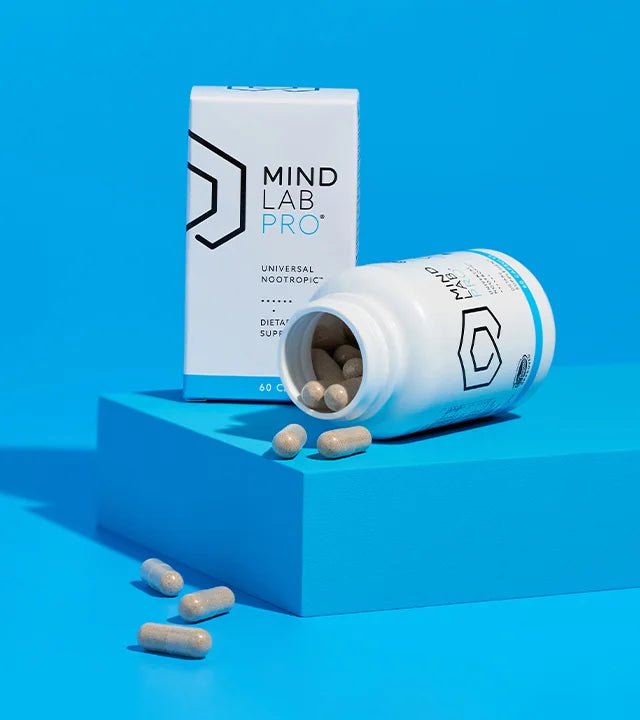
Mind Lab Pro® (MLP®) is the world’s first Universal Nootropic™. Containing only tried-and-tested natural nootropic ingredients, it's the perfect paring with your CBD.
Mind Lab Pro® Ingredients: The MLP Formula: Citicoline (CDP Choline) dosage 250mg per serving, Phosphatidylserine (PS) 100mg (from sunflower lecithin), Bacopa monnieri 150mg (24% bacosides, 9 bioactives), Organic Lion's Mane Mushroom 500mg (fruit and mycelium), Maritime Pine Bark Extract 75mg (Standardized to 95% proanthocyanidins), N-Acetyl L-Tyrosine 175mg, L-Theanine 100mg per serving, Rhodiola rosea 50mg (Standardized to 3% rosavins and 1% salidrosides), NutriGenesis® Vitamin B6 (2.5 mg), Vitamin B9 (100 mcg), Vitamin B12 (7.5 mcg)
Although CBD is already great on its own, it can also be paired with other nootropics for improved effectiveness. This practice of using different compounds together – known as stacking – is popular in the nootropic user community. Mind Lab Pro® makes a good stack for CBD because it is is a "universal" nootropic supplement designed to enhance cognitive function, memory, focus, and overall brain health. Its unique blend of scientifically researched ingredients helps support improved mental clarity, productivity, and long-term brain support.
MLP® is backed by research. Specifically, three human research trials conducted at the University of Leeds have demonstrated its benefits for information processing, several aspects of memory and brain communication.(16,17,18)
Summary
CBD can function as an “indirect nootropic” because its strongest real-world benefits tend to improve the conditions that make good cognition possible: calmer stress chemistry, steadier mood, better sleep quality, and less physical tension. In other words, CBD usually isn’t a stimulant-style “brain boost” that makes you faster or sharper on command. It’s more like a nervous-system stabilizer that can make your mind feel more usable—especially if your biggest cognitive bottlenecks are anxiety, overthinking, poor recovery, or a constantly wired baseline.
A big reason CBD gets discussed in the nootropics world is its connection to serotonin signaling. The most relevant target is the 5-HT1A receptor, a serotonin receptor strongly involved in anxiety regulation and stress response. Mechanistic research suggests CBD can interact with 5-HT1A receptors, which helps explain why “CBD serotonin” is such a common search theme. Importantly, serotonin biology is nuanced: activating 5-HT1A receptors can have different effects depending on where they are in the brain (some can act like “brakes” on serotonin neuron firing in the moment, while others support calming, anti-anxiety signaling downstream). That’s why the most accurate way to say it is that CBD appears to modulate serotonergic pathways rather than simply “turning serotonin on.”
Where this becomes practical is in anxiety-related performance. Controlled human research in people with social anxiety disorder found CBD reduced anxiety during a simulated public speaking test—exactly the kind of high-pressure scenario where cognition collapses for many people (working memory drops, speech gets worse, attention narrows). So if you’re evaluating CBD as a nootropic, the best framing is: CBD may not directly increase IQ or memory horsepower, but by shifting stress and serotonin-linked reactivity toward a calmer baseline, it can indirectly improve focus, cognitive control, and performance under pressure for some individuals.
Mind Lab Pro® includes multiple nootropics that complement CBD's effects on anxiety, stress, sleep, and neuron support for optimal memory and brainpower.
References
- Choi, N. G., & DiNitto, D. M. (2024). Prevalence of cannabidiol use and correlates in U.S. adults. Drug and Alcohol Dependence Reports. Link
- Lafaye, G., Karila, L., Blecha, L., & Benyamina, A. (2017). Cannabis, cannabinoids, and health. Dialogues in Clinical Neuroscience, 19(3), 309–316. Link
- Bergamaschi, M. M., Queiroz, R. H. C., Chagas, M. H. N., de Oliveira, D. C. G., De Martinis, B. S., Kapczinski, F., Quevedo, J., Roesler, R., Schröder, N., Nardi, A. E., Martín-Santos, R., Hallak, J. E. C., Zuardi, A. W., & Crippa, J. A. S. (2011). Safety and side effects of cannabidiol, a Cannabis sativa constituent. Current Drug Safety, 6(4), 237–249. Link
- https://www.congress.gov/bill/115th-congress/house-bill/2
- Blessing, E. M., Steenkamp, M. M., Manzanares, J., & Marmar, C. R. (2015). Cannabidiol as a Potential Treatment for Anxiety Disorders. Neurotherapeutics, 12, 825–836. Link
- Zuardi, A. W., Shirakawa, I., Finkelfarb, E., & Karniol, I. G. (1982). Action of cannabidiol on the anxiety and other effects produced by delta 9-THC in normal subjects. Psychopharmacology (Berl), 76(3), 245–250. Link
- Shbiro, L., Hen-Shoval, D., Hazut, N., Rapps, K., Dar, S., Zalsman, G., Mechoulam, R., Weller, A., & Shoval, G. (2019). Effects of cannabidiol in males and females in two different rat models of depression. Physiology & Behavior, 201, 59–63. Link
- Schröder, N., da Silva, V. K., Hallak, J. E. C., Zuardi, A. W., & de Souza Crippa, J. A. (2017). Cannabidiol and Neuroprotection: Evidence from Preclinical Studies. In Preedy, V. R. (Ed.), Handbook of Cannabis and Related Pathologies: Biology, Pharmacology, Diagnosis, and Treatment (pp. 802–812). Academic Press. Link
- Booz GW. Cannabidiol as an Emergent Therapeutic Strategy for Lessening the Impact of Inflammation on Oxidative Stress. Free Radic Biol Med. 2011 Sep 1;51(5):1054-61. Link
- Schuelert N and McDougall JJ. The abnormal cannabidiol analogue O-1602 reduces nociception in a rat model of acute arthritis via the putative cannabinoid receptor GPR55. Neurosci Lett. 2011 Aug 1;500(1):72-6. Link
- Young, S. N. (2007). How to increase serotonin in the human brain without drugs. Journal of Psychiatry & Neuroscience, 32(6), 394–399. Link
- Kathmann M et al. Cannabidiol is an allosteric modulator at mu- and delta-opioid receptors. Naunyn Schmiedebergs Arch Pharmacol. 2006 Feb;372(5):354-61. Link
- Russo, E. B., Burnett, A., Hall, B., & Parker, K. K. (2005). Agonistic properties of cannabidiol at 5-HT1a receptors. Neurochemical Research. Link
- Resstel, L. B. M., Joca, S. R. L., Moreira, F. A., Corrêa, F. M. A., & Guimarães, F. S. (2009). 5-HT1A receptors are involved in the cannabidiol-induced attenuation of behavioural and cardiovascular responses to acute restraint stress in rats. British Journal of Pharmacology. Link
- Bergamaschi, M. M., Queiroz, R. H. C., Chagas, M. H. N., et al. (2011). Cannabidiol reduces the anxiety induced by simulated public speaking in treatment-naïve social phobia patients.Neuropsychopharmacology. Link
- Utley A, Gonzalez Y, Imboden CA. The efficacy of a nootropic supplement on information processing in adults: A double blind, placebo controlled study. Biomed J Sci & Tech Res. 2023;49(1). BJSTR.MS.ID.007746. Link
- Abbott-Imboden C, Gonzalez Y, Utley A. Efficacy of the nootropic supplement Mind Lab Pro on memory in adults: Double blind, placebo-controlled study. Hum Psychopharmacol. 2023; e2872. doi:10.1002/hup.2872.Link
- O’Reilly D, Bolam J, Delis I, Utley A. Effect of a plant-based nootropic supplement on perceptual decision-making and brain network interdependencies: A randomised, double-blinded, and placebo-controlled study. Brain Sci. 2025 Feb 21;15(3):226. doi:10.3390/brainsci15030226.Link
* Please note that many Pine Bark Extract studies include data and citations which are specific to Pycnogenol®, which is not an ingredient of Mind Lab Pro®.
PLEASE NOTE: Always go with a reputable source and make sure the product is of Hemp origin and THC Free. We are not involved in CBD production and do not endorse or support any brand of CBD products. When taking supplements or any substance, particularly in a combination, it is always important to seek the advice of a doctor. CBD is generally held to be safe but we do not suggest or guarantee that this can be applied to all available CBD products – in some individuals high levels of THC may cause interactions with medications and supplements, with unpredictable side effects.