According to AARP research, 84% of adults over age 40 consider maintaining or improving their brain health very important. That desire for stronger memory, sharper thinking and healthy brain aging helps explain why advanced nootropic users sometimes explore controversial compounds such as centrophenoxine.
Also known as meclofenoxate or by the former brand name Lucidril, centrophenoxine is a synthetic cholinergic drug investigated for memory, cognitive impairment, oxidative damage and age-related cellular waste buildup.
But centrophenoxine is not a natural dietary supplement, is not approved by the FDA and has limited modern evidence in healthy people. This guide explains what it is, how it may influence acetylcholine and brain cells, what clinical and preclinical studies suggest, its historical dosage, safety concerns and cloudy legal status.
Key Takeaways
- Centrophenoxine is a synthetic cholinergic drug made by combining DMAE with parachlorophenoxyacetic acid to improve delivery into the brain.
- It is considered a "dated" nootropic; most of its research was conducted from the 1960s to the 1980s.
- Older human studies investigated it mainly in elderly patients with dementia or memory loss—not healthy adults seeking cognitive enhancement.
- Newer choline-supportive nootropics displaced it, especially citicoline and alpha-GPC, which have better modern appeal.
- It may work via effects on acetylcholine, cellular metabolism, cell membrane support, oxidative stress and clearance of cell waste.
- Centrophenoxine is not FDA-approved and should not be assumed to qualify as a lawful dietary-supplement ingredient in the United States.
Disclaimer
This article is for educational purposes only and is not medical advice. Centrophenoxine is an unapproved synthetic drug compound, not an ordinary dietary supplement. It is not intended to diagnose, treat, cure or prevent dementia, Alzheimer’s disease, cognitive decline or any other medical condition. Seek medical advice before using any unapproved nootropic, particularly if you take medications, have a neurological, psychiatric, cardiovascular, kidney or liver condition, or are pregnant, breastfeeding or capable of becoming pregnant.
Important Medical and Legal Context
Centrophenoxine appears on supplement websites, nootropic forums and online marketplaces, but it's not really a dietary supplement. It is a synthetically manufactured drug molecule. A couple of key notes:
- A 2022 investigation identified centrophenoxine in cognitive-enhancement products marketed as dietary supplements. The authors said it was an unapproved drug and warned that consumers may unknowingly take pharmaceutical compounds in products marketed as supplements.(1)
- The U.S. Anti-Doping Agency has also stated that centrophenoxine is probably not a legit supplement because it has a history of use as a drug. It is prohibited in competition under World Anti-Doping Agency rules.(2)
Centrophenoxine's U.S. status is best described as unapproved and legally questionable for sale as a dietary supplement. Just because you might find it online doesn't mean it is safe, legal or high-quality. Read more about nootropic legality.
What Is Centrophenoxine?

Centrophenoxine is a synthetic cholinergic compound developed during the early era of experimental cognitive-enhancing drugs.
Cholinergic means related to acetylcholine, a neurotransmitter involved in memory, learning, attention, muscle movement, and nervous-system signaling. In general, cholinergic compounds like centrophenoxine help support acetylcholine activity in multiple ways.
Centrophenoxine was designed to transport DMAE into the brain more effectively than DMAE alone.
DMAE is a choline-related compound sometimes used for focus, mood, memory, and healthy brain aging support. Historically, centrophenoxine was studied and used as a drug in several countries for age-related cognitive symptoms, dementia and certain neurological issues.
Did you know? Centrophenoxine is often called a “choline source,” but it does not simply supply ordinary dietary choline. It is a synthetic DMAE ester with its own distinct properties.
How Does Centrophenoxine Work?
Centrophenoxine’s exact mechanisms are not fully known. Most proposed mechanisms come from animal studies, cell experiments and older clinical research.
Acetylcholine and Pro-Choline Activity
Because centrophenoxine delivers choline-related DMAE into the brain, it has been suggested to influence choline availability and acetylcholine levels. This explains its reputation as a cognitive-enhancing nootropic. However, this relationship is not as direct as simply taking a conventional choline source. Human studies have not consistently demonstrated that centrophenoxine reliably raises acetylcholine in a way that improves cognitive function in healthy people.
Read about citicoline, a research-backed choline source.
Cellular Waste
Centrophenoxine is also associated with research on lipofuscin, a waste product that builds up inside long-lived cells as people age. Lipofuscin is made partly of oxidized proteins and fats that cellular systems have not completely cleared. Because neurons are long-lived cells, the build-up of lipofuscin may disrupt healthy brain function and has attracted interest in aging-brain research.
Animal studies suggest centrophenoxine may reduce lipofuscin build-up in aging brain tissue and was associated with changes in learning, memory and neuron activity.(3,4)
Oxidative Stress and Lipid Peroxidation
Fats are a key component of healthy brain cell membranes. Oxidative stress can damage fats in brain-cell membranes through a process called lipid peroxidation. Centrophenoxine has shown antioxidant and cell membrane-protective effects in early studies. Researchers have investigated whether it may reduce oxidative damage while supporting the structure and function of healthy brain cells. While intriguing, this neuroprotective potential has not yet been confirmed in human research.
Cellular Metabolism
Laboratory research has suggested that centrophenoxine may influence glucose uptake, RNA synthesis and protein synthesis in neurons and glial cells.(5,6) Glial cells help maintain the environment around neurons, while RNA and protein synthesis are essential for cell maintenance and repair. Some of these effects appeared more relevant in aged or impaired cells than in young, healthy tissue.
Research & Potential Benefits
Centrophenoxine is commonly promoted for memory, mental clarity, brain fog, cognitive health and anti-aging. The proposed benefits should be separated according to evidence quality. The centrophenoxine evidence base is old, limited and heavily weighted toward animals, laboratory experiments and elderly patients with cognitive decline.
Memory Formation
Centrophenoxine’s cholinergic activity and effects on brain-cell metabolism have made memory its most likely cognitive benefit. An older double-blind study in healthy elderly adults found that centrophenoxine appeared to improve the consolidation of newly learned information into long-term memory.(7)
Cognitive Function in Older Adults
In a double-blind clinical trial, 50 people with moderate dementia and an average age of 77 received either centrophenoxine or placebo for eight weeks. The centrophenoxine group received 2,000 mg daily. Researchers reported changes in certain cognitive tests. The findings suggested possible benefits in this elderly population, but the study was small and early.(8)
Brain Aging
Centrophenoxine is often described as an anti-aging nootropic because animal research found reductions in lipofuscin and lipid peroxidation in neuron cells. In an older-mouse study, centrophenoxine affected learning and memory alongside changes in neuronal lipofuscin build-up.(3) A separate rat study linked age-related changes in brain electrical activity with lipid peroxidation and lipofuscin concentration, and investigated how centrophenoxine might affect these measures.(4)
Discover top-nootropics for long-range use.
Centrophenoxine has an interesting research history, but its cognitive benefits are not strongly validated by modern clinical evidence.
Centrophenoxine Dosage and Timing
There is no FDA-approved or officially recommended dosage for centrophenoxine in the United States. Historical research and older nootropic references have used a wide range of doses:
- 250 mg one to three times daily: commonly discussed for general nootropic use
- 250 mg three to six times daily: historically discussed for age-related lipofuscin research
- 2,000 mg daily: used for eight weeks in a small dementia trial
- 200 mg single dose: used in a pharmacokinetic bioequivalence study in healthy adult men
These are study or historical doses, not recommendations.
Frequently Asked Questions
What is centrophenoxine used for?
Centrophenoxine has historically been used or studied as a drug for memory loss, dementia and other age-related cognitive symptoms. It is also used experimentally by some nootropic users for mental clarity, memory and brain-health goals.
Is centrophenoxine a dietary supplement?
Centrophenoxine is marketed in some products as a dietary supplement, but it is a synthetic drug compound and is not established as an approved dietary-supplement ingredient in the United States.
Is centrophenoxine legal in the United States?
Centrophenoxine is not FDA-approved for medical use. Its sale for human consumption as a dietary supplement is legally questionable. It is also prohibited in competition for drug-tested athletes.
Does centrophenoxine increase acetylcholine?
Centrophenoxine is a DMAE-derived cholinergic compound and is believed to influence choline and acetylcholine pathways. The extent to which this produces meaningful cognitive benefits in healthy humans remains uncertain.
Does centrophenoxine remove lipofuscin?
Animal studies have reported reductions in neuronal lipofuscin after centrophenoxine administration. There is not strong evidence that it safely removes lipofuscin from the human brain or reverses brain aging.
Can centrophenoxine improve memory?
Some older human studies reported improvements in selected memory measures among elderly adults. Evidence in healthy younger people is sparse, and centrophenoxine does not consistently improve every aspect of memory.
What is the difference between centrophenoxine and citicoline?
Centrophenoxine is a synthetic DMAE ester with drug-like properties and an unapproved U.S. regulatory status. Citicoline is a naturally occurring compound involved in phospholipid and acetylcholine synthesis and is used as a legal dietary-supplement ingredient.
Mind Lab Pro®: A Legal Nutritional Approach to Memory and Brain Health

Centrophenoxine is often explored for acetylcholine, memory, mental clarity and healthy brain aging. But its unapproved status, limited modern evidence and uncertain product quality make it a questionable starting point for most people.
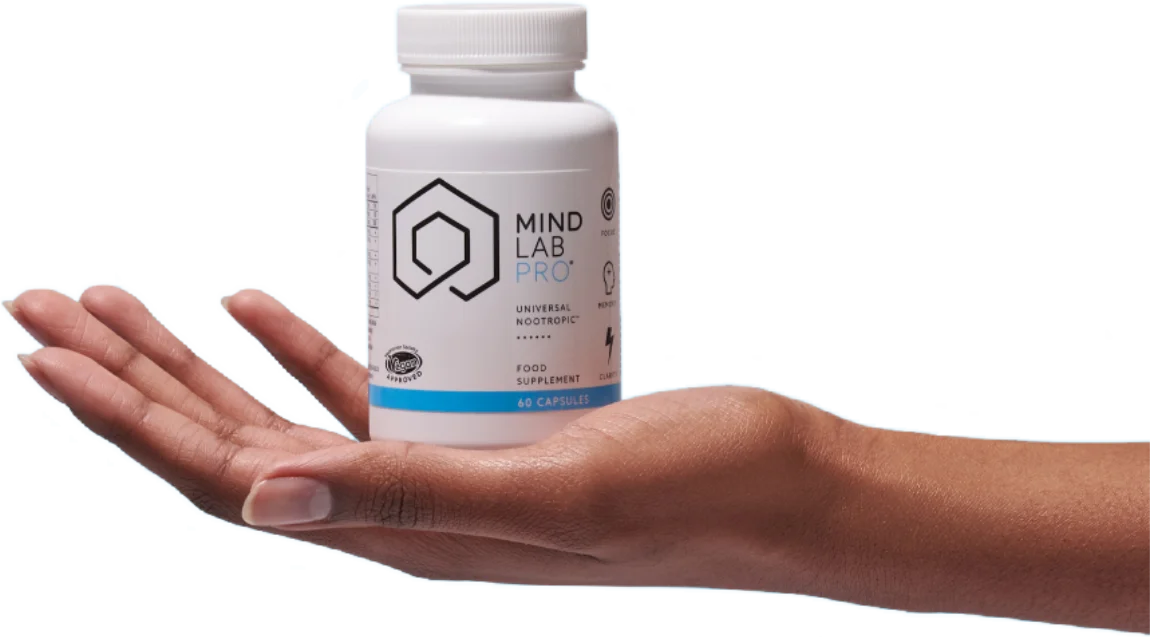
Mind Lab Pro® uses a different strategy. It is a legal, caffeine-free, vegan-friendly nootropic supplement made with nutritional compounds, amino acids, herbs, vitamins and mushroom extracts.
It does not duplicate centrophenoxine’s pharmacology and should not be presented as a direct replacement. Instead, its ingredients support several overlapping goals through established nutritional pathways.
Mind Lab Pro includes:
- Cognizin® Citicoline — 250 mg: supports acetylcholine synthesis, phospholipid production, brain energy and cognitive function.
- Phosphatidylserine (PS) — 100 mg: supports brain-cell membranes, memory and healthy cognitive aging.
- Bacopa Monnieri — 150 mg: full-spectrum extract standardized to 24% bacosides with nine bioactives for memory and learning support.
- Organic Lion’s Mane Mushroom — 500 mg: fruit and mycelium for neurotrophic and brain-health support.
- Rhodiola Rosea — 50 mg: standardized to 3% rosavins and 1% salidrosides for mental performance and stress resilience.
- N-Acetyl L-Tyrosine — 175 mg: supports production of dopamine and norepinephrine.
- L-Theanine — 100 mg: supports calm focus and relaxed alertness.
- Maritime Pine Bark Extract — 75 mg: standardized to 95% proanthocyanidins for antioxidant defense and healthy cerebral blood flow.
- NutriGenesis® Vitamin B6 — 2.5 mg: supports neurotransmitter synthesis and brain-energy metabolism.
- NutriGenesis® Vitamin B9 — 100 mcg: supports methylation and healthy brain chemistry.
- NutriGenesis® Vitamin B12 — 7.5 mcg: supports nervous-system health and energy metabolism.
Citicoline has the clearest connection to centrophenoxine’s cholinergic angle. It supports both acetylcholine and phosphatidylcholine synthesis, while Phosphatidylserine provides structural support for brain-cell membranes.
Bacopa supports memory formation, Maritime Pine Bark Extract supports antioxidant defense and blood flow, and Lion’s Mane supports neurotrophic brain-health pathways.
Discover more about Citicoline as a nootropic.
Mind Lab Pro Research: Information Processing
In a double-blind, placebo-controlled study, adults taking Mind Lab Pro for 30 days improved on information-processing measures including simple reaction time, choice reaction time and anticipation. The findings suggest potential support for processing speed, attention and rapid cognitive responses.(9)
Mind Lab Pro Research: Memory
A second double-blind, placebo-controlled study used the Wechsler Memory Scale to assess several dimensions of memory. Participants taking Mind Lab Pro showed improvements in auditory memory, visual memory, visual working memory, immediate recall and delayed recall.(10)
Mind Lab Pro Research: Brain-Network Activity
A third human study used EEG during perceptual decision-making. Researchers reported changes suggesting greater coordination and information sharing between brain regions following Mind Lab Pro supplementation.(11)
Read more about Mind Lab Pro research studies.
Mind Lab Pro is not intended to treat dementia or cognitive impairment. It offers a more straightforward and broad-spectrum nutritional approach for healthy adults seeking support for memory, focus, mental clarity, brain energy and overall cognitive health.
Summary
Centrophenoxine is a fascinating but dated chapter in nootropic research. Older studies reported possible benefits for selected aspects of memory and cognitive function in elderly people. Animal and cell research also suggests effects on oxidative damage, cellular metabolism and neuronal waste accumulation.
But the evidence is limited, old and difficult to apply to healthy modern nootropic users. Centrophenoxine is not FDA-approved, is not clearly lawful as a dietary-supplement ingredient and may appear in products with questionable quality control.
Its mechanisms may be intriguing, but the case for unsupervised use is weak. Legal nutritional nootropics such as citicoline, Phosphatidylserine, Bacopa and Lion’s Mane offer a more practical route for supporting memory and brain health without relying on an unapproved synthetic drug.
References
- Cohen, P. A., Avula, B., & Khan, I. (2022). The unapproved drug centrophenoxine (meclofenoxate) in cognitive enhancement dietary supplements. Clinical Toxicology, 60(10), 1156–1158. Link
- U.S. Anti-Doping Agency. (2023). What do athletes need to know about meclofenoxate? USADA. Link
- Nandy, K. (1978). Centrophenoxine: Effects on aging mammalian brain. Journal of the American Geriatrics Society, 26(2), 74–81. Link
- Sharma, D., Maurya, A. K., & Singh, R. (1993). Age-related decline in multiple unit action potentials of CA3 region of rat hippocampus: Correlation with lipid peroxidation and lipofuscin concentration and the effect of centrophenoxine. Neurobiology of Aging, 14(4), 319–330. Link
- Ludwig-Festl, M., Gräter, B., & Bayreuther, K. (1983). Increase in cell metabolism in normal, diploid human glial cells in stationary cell cultures induced by meclofenoxate. Arzneimittelforschung, 33(7), 1005–1008. Link
- Watanabe, S., et al. (1975). Effects of various cerebral metabolic activators on glucose metabolism of brain. Folia Psychiatrica et Neurologica Japonica, 29(1), 67–76. Link
- Marcer, D., & Hopkins, S. M. (1977). The differential effects of meclofenoxate on memory loss in the elderly. Age and Ageing, 6(2), 123–131. Link
- Fülöp, T., Wórum, I., Csongor, J., Fóris, G., Leövey, A., & Glázer, G. (1990). Effects of centrophenoxine on body composition and some biochemical parameters of demented elderly people as revealed in a double-blind clinical trial. Archives of Gerontology and Geriatrics, 10(3), 239–251. Link
- Utley, A., Gonzalez, Y., & Imboden, C. A. (2023). The efficacy of a nootropic supplement on information processing in adults: A double blind, placebo controlled study. Biomedical Journal of Scientific & Technical Research, 49(1). Link
- Abbott-Imboden, C., Gonzalez, Y., & Utley, A. (2023). Efficacy of the nootropic supplement Mind Lab Pro on memory in adults: Double blind, placebo-controlled study. Human Psychopharmacology: Clinical and Experimental, e2872. Link
- O’Reilly, D., Bolam, J., Delis, I., & Utley, A. (2025). Neural mechanisms of cognitive enhancement with a nootropic supplement. Brain Sciences, 15(3), 226. Link