

Looking for herbs for fatigue that support energy without another cup of coffee? Adaptogenic herbs and other plant-based ingredients are interesting options—especially when stress, restless nights or heavy mental workloads leave you running low.
But fatigue has many causes, and an herb that supports stress resilience is not necessarily a fix for exhaustion. For example, the CDC estimates that as many as 3.3 million Americans have myalgic encephalomyelitis/chronic fatigue syndrome (ME/CFS), a serious condition where exertion can worsen exhaustion far beyond ordinary tiredness. That is one reason to understand what kind of fatigue you have before choosing a supplement, and why you should talk with a doctor about fatigue.
In this article, we’ll look at the science behind five popular herbs and fungi, plus Montmorency tart cherry as a sleep-supporting option. We’ll also cover realistic doses and timing, safety considerations, and different nutritional approaches to mental energy and everyday stamina. Let's get to it!
Key Takeaways
- Traditional herbs, especially the class of adaptogen herbs, have a long history of promoting vitality and helping with fatigue in both body and mind.
- Rhodiola rosea has some of the more directly relevant human research on stress-related mental fatigue.
- Ashwagandha and holy basil may help when stress and poor sleep are contributing to low energy.
- Ginseng and cordyceps have human studies on perceived mental fatigue or exercise capacity, but results depend on the extract and population.
- Montmorency tart cherry contains naturally occurring melatonin and may indirectly support next-day energy by helping with restful sleep.
- Persistent, worsening or activity-triggered fatigue needs medical assessment; supplements should complement, not replace, sleep, nutrition and appropriate care.
- Mind Lab Pro is an 11-in-1 nootropic stack that supplies herbs that support energy, including Rhodiola Rosea, plus non-herbal energizers like Citicoline.
Disclaimer
This article is provided for educational purposes only and is not medical advice. Fatigue can have many underlying causes, including anemia, thyroid disorders, sleep apnea, nutritional deficiencies, medication side effects, ME/CFS and other medical conditions. Persistent, severe, unexplained or worsening fatigue should be evaluated by a qualified healthcare professional rather than self-treated with supplements. Herbs and dietary supplements are not substitutes for medical diagnosis or treatment and are not intended to diagnose, treat, cure or prevent any disease. Some herbs may cause adverse effects or interact with medications. Consult your healthcare provider before using herbal supplements, especially if you have a medical condition, take prescription medications, or are pregnant or breastfeeding. Seek prompt medical attention if fatigue occurs with chest pain, difficulty breathing, fainting or other concerning symptoms.
Herbs for Fatigue: Adaptogenic and Brain-Supportive Strategies

Herbs can play different roles in a fatigue-support routine. Some (especially adaptogen herbs) are studied for how people respond to stress. Others are researched for perceived vitality, exercise tolerance, attention or restorative sleep. None of these herbs creates energy out of nothing. The best choice depends on whether your biggest problem is mental overload, physical stamina, poor recovery or inadequate sleep.
This article is for healthy adults who are curious about natural energy support, including experienced nootropic users who want a more sophisticated strategy than “take an adaptogen.” If you're new to nootropics, start with our guide to what nootropics are and how they work.
How Herbs Relate to Fatigue
A tired brain is not always an under-fueled brain. Poor sleep reduces alertness. Emotional stress can make sustained concentration feel unusually hard. Physical activity challenges muscles, circulation and recovery. And inadequate food intake can restrict the nutrients needed for normal cellular energy metabolism.
Different plants contain different bioactive conpounds. Some of these compounds have been studied for interactions with stress-response signaling, oxidative balance or neurotransmitter-related pathways. That gives researchers plausible explanations for certain effects, but mechanism is not proof of a meaningful benefit in people.
A practical approach is to start with sleep, regular meals, adequate hydration, movement and an honest look at medications and caffeine intake. Herbs may be useful additions where human evidence fits the particular concern—not replacements for those fundamentals. For a broader ingredient tour, see our list of nootropics and their uses.
How Fatigue Impacts Daily Life
Mental fatigue often arrives before physical exhaustion. Reading the same paragraph twice, losing your train of thought, delaying tasks or struggling to make simple decisions are familiar signs. Productivity drops because concentrating and switching between tasks require more effort.
Fatigue can affect mood and social life, too. When energy feels scarce, even enjoyable plans may begin to seem demanding. Frustration can increase; motivation may decline. The resulting stress may interfere with sleep, creating a cycle of foggy mornings and low-energy afternoons.
Ordinary tiredness usually responds well to rest. Fatigue that is chronic, severe or accompanied by dizziness, shortness of breath, or symptoms that get much worse after exertion deserves a closer look. For ME/CFS in particular, pushing through the exertion can worsen feelings of exhaustion rather than building up resilience.(1)
Common Causes: Chronic Fatigue, “Adrenal Fatigue,” and Poor Diet
Chronic fatigue and ME/CFS
“Chronic fatigue” describes a symptom; ME/CFS is a specific, serious multisystem health issue. Its hallmarks include a reduction in activity, sleep that doesn't really refresh you, and feeling run-down overall—with symptoms worsening after physical or mental activity that used to be manageable. Cognitive impairment or discomfort while standing up may also occur.
*Note: Chronic fatigue and ME/CFS are serious health concerns that must be diagnosed and treated by a doctor. Dietary supplements cannot address these concerns.
What about adrenal fatigue?
The phrase “adrenal fatigue” appears a lot in wellness marketing. It usually refers to the idea that long-term stress exhausts the adrenal glands, leading to tiredness and malaise. Stress absolutely can affect how energized you feel. However, the Endocrine Society explains adrenal fatigue is not an accepted medical diagnosis and lacks scientific backing.
Assuming your adrenal glands are “burned out” could distract from sleep disorders, depression, thyroid problems or other treatable causes. Genuine adrenal insufficiency is different: it is a medical condition requiring appropriate testing and treatment.(2)
Discover adaptogen herbs for adrenal support.
Diet, sleep and medications
Too few calories, low iron intake, vitamin B12 deficiency, irregular meals and dehydration can undermine normal energy and concentration. So can sleep apnea, poor sleep, shift work, alcohol and certain medications. If you have fatigue that is new or persistent, having a talk with your doctor and reviewing sleep, nutrition and medical history is a better idea than experimenting with several herbs at once.
How Adaptogenic Herbs Support Energy
Short-term and ongoing stress can diminish overall vitality. Those with stressful lives are well-familiar with the sluggishness, malaise and brain fog that can accompany mind-body overexertion. Adaptogens may help.
Adaptogens are a group of plants and fungi traditionally described as helping the body maintain function under stress. This is the class of herbs most often associated with fatigue-busting support, both in body and mind.
Basically, adaptogens help you "adapt" to stress and maintain a state of physiological balance (homeostasis).
The concept is not a clinical classification with one proven mechanism; however, adaptogens are well-established in the world of traditional herbalism. They may work in several different ways, including several distinct mechanisms for energy, specifically.
Some researchers say certain adaptogens influence stress-response systems, including signaling along the hypothalamic-pituitary-adrenal (HPA) axis. Other possible actions involve antioxidant activity and neurotransmitter signaling. These pathways may help explain why an herb could help with fatigue without acting like caffeine.
Herbs and Plant-Based Supplements for Fatigue and Stamina
1. Ashwagandha — Stress Resilience and Recovery

Withania somnifera is an Ayurvedic shrub traditionally used as a restorative herb. Its root extracts contain withanolides, plant compounds being studied for effects on stress-related signaling. Ashwagandha is more relevant to stress-depleted energy and sleep quality than to an immediate boost in alertness.
In an eight-week randomized, placebo-controlled study of 60 adults reporting stress, participants received 250 mg/day, 600 mg/day or placebo. Both ashwagandha groups showed improvements in perceived stress scores and reductions in cortisol compared with placebo, with some sleep-quality benefits. Those findings support a possible role in managing stress-related strain, but do not establish treatment for chronic fatigue.(3)
Studied range and timing: Many trials have used approximately 250–600 mg/day of specific extracts over six to eight weeks. Some users prefer evening dosing if the product feels relaxing; follow the actual label rather than assuming extracts are equivalent.
Safety: Ashwagandha may cause drowsiness or digestive symptoms, and rare liver-injury reports exist. It is unsuitable in pregnancy and breastfeeding and warrants particular caution with thyroid or autoimmune conditions, sedatives and some medications.(4)
2. Rhodiola Rosea — Mental Fatigue Under Pressure

Rhodiola, or golden root, grows in colder mountainous climates. Its root contains rosavins and salidroside, commonly used as extract-standardization markers. It is one of the more interesting herbs for people whose energy problem shows up as declining concentration and stamina during prolonged stress.
A randomized, double-blind, placebo-controlled trial studied 60 adults with stress-related fatigue. Participants received 576 mg/day of a standardized SHR-5 rhodiola extract or placebo for 28 days. Researchers evaluated fatigue symptoms, attention, mood and cortisol awakening responses and reported improvements in several stress-related outcomes. This is promising direct fatigue research, but it involved a particular extract, population and four-week protocol.(5)
Studied range and timing: Human studies have used varied preparations, frequently about 200–600 mg/day; the cited trial used 576 mg. Morning or early-day use may be preferable if an individual finds it activating.
Safety: Reported issues may include dizziness, agitation or sleep disruption; data on combinations and long-term use remain limited. Look for a standardized Rhodiola rosea root extract rather than an unspecified “rhodiola blend.”
Read more about adaptogenic herbs for sustained energy.
3. Holy Basil (Tulsi) — Calmer Stress Responses

Holy basil (Ocimum tenuiflorum, also called O. sanctum) is a fragrant herb used in traditional Ayurvedic preparations. Polyphenols and other constituents are being investigated for stress-related effects. Its strongest modern argument for fatigue is indirect: feeling less stressed and sleeping better may improve next-day energy levels.
In an eight-week, double-blind, placebo-controlled trial, 100 adults experiencing stress were assigned 125 mg of a standardized holy basil extract twice daily or placebo. The herb group had greater improvements in perceived stress and self-reported insomnia scores, along with differences in certain cortisol-related measures. The study did not establish that holy basil directly increases cell energy production or treats fatigue.(6)
Studied dose and timing: The trial used 250 mg/day, split morning and evening; culinary tea cannot be assumed equivalent.
Safety: Human long-term safety data and medication-interaction research are limited. Seek medical guidance with anticoagulants, glucose-lowering treatment, during pregnancy, or with complex medication regimens.
Other Natural Options for Stamina and Restful Sleep
Not every promising option is a classic adaptogen. Some are better matched to cognitive performance, exercise capacity or sleep—the three areas that often determine how energized someone feels.
4. Cordyceps — Exercise-Related Stamina

Cordyceps refers to several fungi marketed for vitality, commonly cultivated mycelial products associated with Ophiocordyceps sinensis or Cordyceps militaris. Compounds such as cordycepin are being studied for cellular signaling, but finished supplements vary widely.
In a double-blind, placebo-controlled study, 20 healthy adults aged 50–75 received a Cs-4 cordyceps preparation or placebo for 12 weeks. Investigators reported improvements in certain exercise-performance measurements, suggesting a possible physical-stamina role. This small trial is promising, but does not demonstrate that cordyceps products increase energy in younger athletes or people with medical fatigue.(7)
Studied dose and timing: The trial used a specific Cs-4 formulation; do not transfer its results to arbitrary powders or pre-workout blends. Follow manufacturer instructions and discuss use with a clinician if taking anticoagulants, immunosuppressants or other medications.
Safety: Cordyceps may cause digestive upset and should be used cautiously by people taking blood thinners or immunosuppressants.
5. Panax Ginseng — Mental and Physical Vitality

Asian ginseng (Panax ginseng) contains ginsenosides and has a long history as a vitality tonic. It is one of the better-known adaptogenic herbs for alertness and fatigue.
A four-week randomized, double-blind trial enrolled 90 people with idiopathic chronic fatigue and compared 1 g/day or 2 g/day of a specialized ginseng extract with placebo. Mental-fatigue scores and some visual-analogue fatigue measures improved, while the study's overall numeric fatigue score did not significantly differ from placebo. It suggests potential benefit in certain outcomes, not a dependable cure for chronic exhaustion.(8)
Studied dose and timing: This trial used 1–2 g/day of its particular extract; commercial standardized extracts may be dosed differently. Morning is often more practical than bedtime.
Safety: Insomnia is a recognized adverse effect; ginseng may affect blood sugar, blood clotting and medication responses.(9)
6. Montmorency Tart Cherry — Restful Sleep and Next-Day Energy

Montmorency tart cherry (Prunus cerasus) supports energy in a different way from stimulating herbs. This tart fruit naturally contains melatonin, a hormone involved in regulating the sleep-wake cycle. Because restful sleep is essential for daytime alertness, tart cherry is interesting as an indirect approach to fatigue rather than a daytime energizer.
In a randomized, double-blind, placebo-controlled crossover study, 20 healthy adults drank Montmorency tart cherry juice concentrate or placebo for seven days. Compared with placebo, tart cherry increased a urinary marker of melatonin and improved total sleep time and sleep efficiency. This small study supports further research on sleep, but it did not establish that tart cherry treats fatigue or improves next-day mental performance.(10)
Studied form and timing: The study used tart cherry juice concentrate, so its results cannot automatically be applied to every capsule or extract. Tart cherry is not a classic adaptogenic herb.
Safety: Juice products can contain substantial sugars, while concentrated supplements vary in composition; discuss use with a clinician if you have medical conditions or take medication.
Read more about nootropic supplements that may help with fatigue.
Combining Herbs With Nootropics and Mind Lab Pro
Some people pair an adaptogen with a stimulant-free nootropic to address both stress performance and broader cognitive demands. The principle is reasonable, but more ingredients do not necessarily mean more benefit. Overlapping botanicals, individual sensitivities and medication interactions make indiscriminate stacking a poor strategy.
Before combining products, compare full ingredient lists and actual dosages. For example, a nootropic formula may already contain rhodiola or bacopa, making a separate adaptogen product unnecessary. Timing matters as well: a potentially activating herb may be better earlier in the day. Separating doses by a few hours does not reliably prevent drug–herb interactions.
Choose one clear goal, introduce only one change at a time, and track sleep quality, afternoon alertness, focus and adverse effects. When taking prescription drugs or managing a complex health condition, have a pharmacist or prescribing clinician review the entire combination. Our evidence-focused nootropics guide offers a useful framework for evaluating claims.
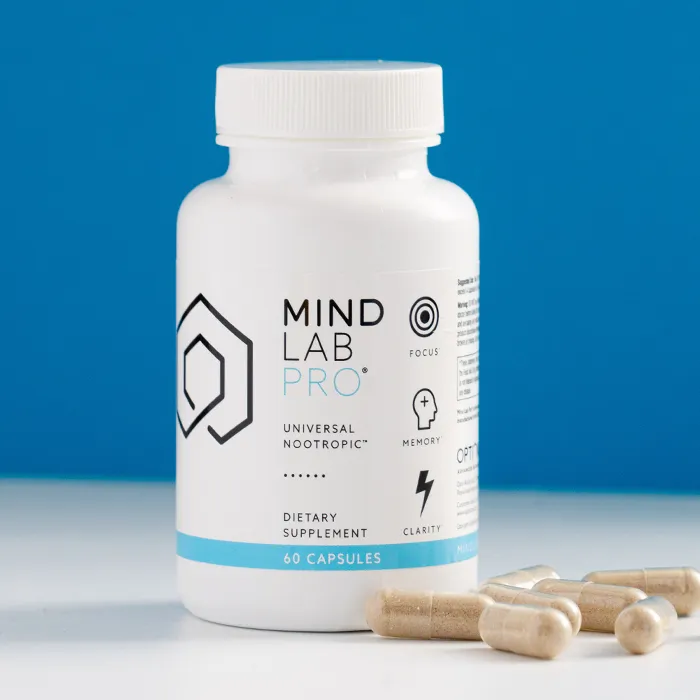
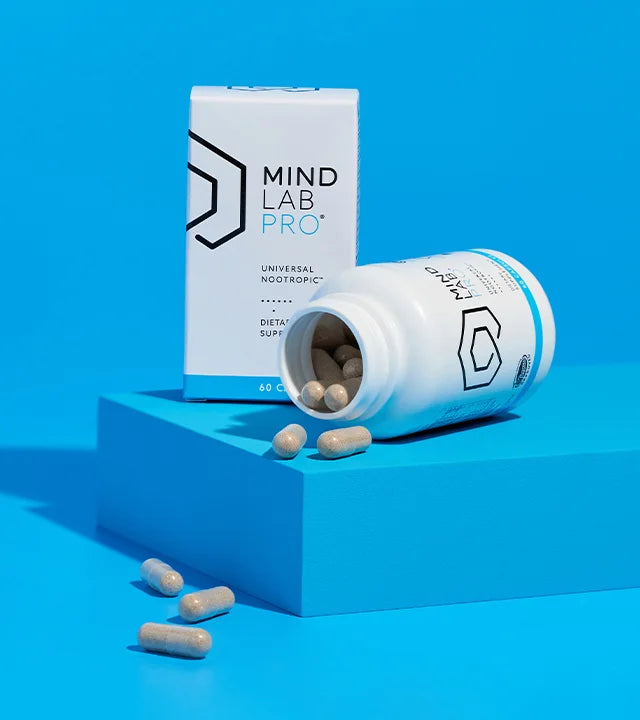
Mind Lab Pro®: Stimulant-Free Support for Mental Energy

Mind Lab Pro® is a Universal Nootropic™ designed for broad-spectrum cognitive support without caffeine. Its formula includes Cognizin® citicoline, phosphatidylserine, bacopa monnieri, maritime pine bark extract, N-acetyl-L-tyrosine, L-theanine, rhodiola rosea, and NutriGenesis® vitamins B6, B9 and B12, alongside another mushroom-derived ingredient.
For mental fatigue, two MLP herbs stand out: rhodiola, studied for stress-related fatigue and work performance, and bacopa, which has been studied more directly for memory and aspects of attention than for immediate energizing effects.
Citicoline and B vitamins also have distinct roles in normal brain metabolism and function. These ingredient-specific findings should not be interpreted as clinical proof that the finished formula treats fatigue.
The finished Mind Lab Pro formula has been evaluated in three University of Leeds studies.
- In a 30-day double-blind, placebo-controlled study involving 105 healthy adults, investigators reported improvements in simple reaction, choice reaction and anticipation tasks; allocation was described as pseudo-randomized.(11)
- A separate 30-day memory trial in 49 adults reported benefits in immediate and delayed recall compared with placebo on selected measures.(12)
- In a 60-day EEG study of 32 adults, researchers observed differences in brain-network interdependencies, without significant improvements in perceptual decision speed or accuracy.(13)
Performance Lab® Sleep: Overnight Recovery for Daytime Energy

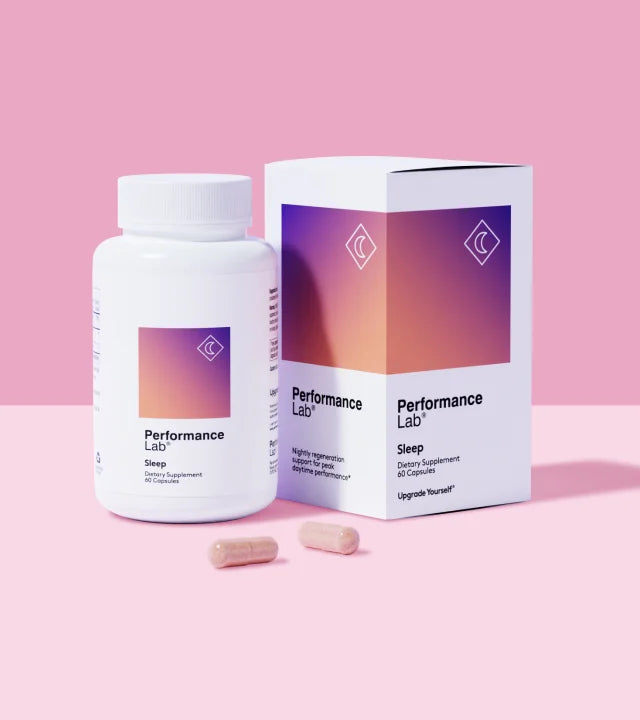
Sometimes the smartest approach to low daytime energy is better sleep the night before. Performance Lab® Sleep is a caffeine-free nighttime formula that includes CherryPURE® Montmorency tart cherry, bringing the fruit’s naturally occurring melatonin into a broader sleep-support blend.
Each two-capsule serving combines CherryPURE® Montmorency Tart Cherry (500 mg), magnesium (100 mg), L-tryptophan (200 mg), and lemon balm extract (200 mg). These ingredients have different nutritional roles in normal sleep-related physiology and relaxation. The formula is designed to support restful sleep—not to act as a daytime stimulant.
That makes Performance Lab Sleep an indirect approach to fatigue: better nighttime rest can help set the stage for next-day alertness. The tart cherry juice study discussed above does not establish that this finished capsule formula produces the same sleep results, and it is not a treatment for sleep disorders or medical fatigue.
Performance Lab® Energy: Cellular Energy Without Herbs

Performance Lab® Energy approaches daily vitality from another angle. It contains no traditional adaptogenic herbs and no caffeine. Instead, its ingredients are selected to support normal cellular energy metabolism, including processes involving mitochondria—the structures inside cells that help make ATP, the body's usable energy.
Each two-capsule serving provides acetyl-L-carnitine (500 mg), MicroActive® CoQ10 (100 mg), Bio-Enhanced® R-lipoic acid (100 mg), magnesium (60 mg), BioPQQ® (10 mg), and BioPerine® black pepper extract (2.5 mg). The first five ingredients are associated with aspects of mitochondrial function or energy metabolism; BioPerine is included to support absorption.
Performance Lab Energy therefore offers a stimulant-free nutritional approach to everyday energy, distinct from using adaptogens for stress or tart cherry for sleep. It does contain a botanical black pepper extract, but no conventional fatigue-focused herbs.
Performance Lab® Energy
Boost mitochondria for mind-body energy, vitality, & performance without caffeine.
Shop Now
Frequently Asked Questions About Herbs for Fatigue
Which herb is best for mental fatigue?
Rhodiola has some of the most directly relevant clinical research on stress-related fatigue and attention. Ashwagandha or holy basil may be better fits when stress and poor sleep seem to be major contributors. The most suitable option depends on the cause of fatigue and the specific extract.
Do adaptogens give you energy like caffeine?
Usually not. Caffeine typically increases alertness relatively quickly, while many adaptogen studies measure subjective stress, fatigue or functioning across several weeks. Some herbs may feel activating, but an immediate stimulant-like response is neither assured nor their main research-supported benefit. Check out today's top ultramodern caffeine pills.
How long do herbs for fatigue take to work?
Many controlled studies lasted four to twelve weeks. A few examine acute effects, but results depend on the herb, dose and outcome. Use the timeframe from studies of the exact preparation rather than expecting every herbal supplement to work within hours.
Can I take several adaptogenic herbs together?
Combination products exist, but research on individual herbs does not establish that a stack is safer or more effective. Check ingredient duplication, total doses and interactions. People taking medications should consult a clinician or pharmacist before combining multiple herbs.
Can herbs help with adrenal fatigue?
“Adrenal fatigue” is not an established medical diagnosis. Persistent exhaustion should be assessed for possible causes, including sleep disorders, nutritional deficiencies and endocrine disease. Some herbs may support stress-related well-being, but they do not treat an alleged adrenal-gland exhaustion syndrome.
Are herbs safe for chronic fatigue syndrome?
No herb is established as a treatment for ME/CFS. The condition often involves post-exertional malaise and requires tailored medical management. People with ME/CFS should discuss supplements and pacing with their care team rather than assuming a stimulating or energizing product will address the underlying illness.
Which herbs are better for physical stamina than brain fog?
Cordyceps has some human research on exercise-related capacity, while Panax ginseng has been studied for fatigue outcomes. Evidence for both is limited and does not justify assuming benefits across all activities or users.
Summary
The most useful question is not “What is the strongest herb for energy?” It is “Why am I tired, and which outcome do I want to support?”
Rhodiola is a logical research-backed candidate for stress-related mental fatigue; ashwagandha and holy basil may help when stress and poor sleep are central. Panax ginseng has research on selected fatigue outcomes, while cordyceps has been studied for exercise-related stamina. Montmorency tart cherry is a different kind of option: its naturally occurring melatonin may support restful sleep and indirectly help set the stage for better next-day energy.
Start with the fundamentals, choose quality preparations with transparent labels, respect individual risks, and seek medical advice for unexplained or debilitating fatigue. Well-chosen herbs may complement a healthy routine, but they are not a substitute for identifying the cause.
References
- Centers for Disease Control and Prevention. (2024). Clinical overview of ME/CFS. Link
- Endocrine Society. (2022). Adrenal fatigue. Link
- Salve, J., et al. (2019). Adaptogenic and anxiolytic effects of ashwagandha root extract in healthy adults: A double-blind, randomized, placebo-controlled clinical study. Cureus, 11(12), e6466. Link
- National Center for Complementary and Integrative Health. Ashwagandha: Usefulness and safety. Link
- Olsson, E. M., von Schéele, B., & Panossian, A. G. (2009). A randomised, double-blind, placebo-controlled, parallel-group study of the standardised extract SHR-5 of the roots of Rhodiola rosea in subjects with stress-related fatigue. Planta Medica, 75(2), 105–112. Link
- Lopresti, A. L., Smith, S. J., Metse, A. P., & Drummond, P. D. (2022). A randomized, double-blind, placebo-controlled trial investigating the effects of an Ocimum tenuiflorum extract on stress, mood, and sleep. Frontiers in Nutrition, 9, 965130. Link
- Chen, S., et al. (2010). Effect of Cs-4 (Cordyceps sinensis) on exercise performance in healthy older subjects: A double-blind, placebo-controlled trial. Journal of Alternative and Complementary Medicine, 16(5), 585–590. Link
- Kim, H. G., et al. (2013). Antifatigue effects of Panax ginseng C.A. Meyer: A randomised, double-blind, placebo-controlled trial. PLoS ONE, 8(4), e61271. Link
- National Center for Complementary and Integrative Health. Asian ginseng: Usefulness and safety. Link
- Howatson, G., Bell, P. G., Tallent, J., Middleton, B., McHugh, M. P., & Ellis, J. (2012). Effect of tart cherry juice (Prunus cerasus) on melatonin levels and enhanced sleep quality. European Journal of Nutrition, 51(8), 909–916. Link
- Utley, A., Gonzalez, Y., & Abbott Imboden, C. (2023). The efficacy of a nootropic supplement on information processing in adults: A double blind, placebo controlled study. Biomedical Journal of Scientific & Technical Research, 49(1), 40297–40305. Link
- Abbott-Imboden, C., Gonzalez, Y., & Utley, A. (2023). Efficacy of the nootropic supplement Mind Lab Pro on memory in adults: Double blind, placebo-controlled study. Human Psychopharmacology, 38(4), e2872. Link
- O’Reilly, D., Bolam, J., Delis, I., & Utley, A. (2025). Effect of a plant-based nootropic supplement on perceptual decision-making and brain network interdependencies: A randomised, double-blinded, and placebo-controlled study. Brain Sciences, 15(3), 226. Link


