If you are trying to dial in the l theanine and caffeine ratio, the most useful starting point is usually twice as much L-theanine as caffeine: 100 mg L-theanine with 50 mg caffeine, or 200 mg L-theanine with 100 mg caffeine. That 2:1 L-theanine:caffeine target appears in controlled human research, and is commonly accepted as a good ratio to work with.
Caffeine is already part of life for most people. A nationally representative U.S. beverage survey of 37,602 consumers found that 85% of the population consumed at least one caffeinated beverage per day. For nootropic users, the question is not about “should I use caffeine?” It's more like “how do I use caffeine precisely enough to get alertness and focus without overshooting into jitters, sleep disruption, or other side effects?”
L-theanine offers a complement. This amino acid found in tea supports a calmer mental state, including in conjunction with caffeine. This guide explains the research behind combining caffeine and L-theanine, the 1:2 caffeine:L-theanine ratio, green tea and matcha options, timing, safety, and practical protocols. It also explains why a stimulant-free nootropic such as Mind Lab Pro®, precision caffeine pills like Performance Lab® Caffeine 2, and a balanced pre-workout such as Performance Lab® Pre Lab Pro® may suit different uses. Let's get to it!
Key Takeaways
- 2:1 theanine:caffeine is a useful starting point, not a rule: You may find a slightly different ratio works better for you.
- Research is supportive but task-dependent: caffeine and L-theanine have shown cognitive benefits for reaction time, task switching, alertness, attention, and reduced mind wandering, but not every cognitive task improves.
- Start low: 50 mg caffeine + 100 mg L-theanine is an evidence-based foundation to try for healthy adults who already tolerates caffeine.
- Timing matters: taking both about 30–45 minutes before a demanding task is practical, while caffeine taken too late can cause sleep disruption.
- Tea is the natural version: green tea, black tea, and matcha contain both compounds, but caffeine content and L-theanine content vary too much for precision dosing.
- Mind Lab Pro® is caffeine-free: it supplies 100 mg L-theanine plus a broader nootropic formula, leaving you free to add coffee, tea, or another caffeine source separately.
- Performance Lab® Caffeine 2 is precise: it supplies 100 mg L-theanine plus 50 mg caffeine (and bonus nootropics) per capsule. Take one cap, two caps or more to find your optimal dose.
- Performance Lab® Pre Lab Pro® is the workout option: one scoop supplies 80 mg natural caffeine plus 160 mg L-theanine—the same 1:2 ratio in a complete pre-workout formula.
Disclaimer
This article is for educational purposes only and is not medical advice. Caffeine and dietary supplements can affect sleep, anxiety, heart rate, blood pressure, and medication response. Talk with a healthcare professional before combining L-theanine and caffeine if you are pregnant or breastfeeding, have hypertension or a heart rhythm condition, are sensitive to stimulants, or take prescribed stimulants or other medications. Supplements are not intended to diagnose, treat, cure, or prevent disease.
What Is L-Theanine?

L-theanine is an amino acid found primarily in Camellia sinensis, the tea plant used to make green tea, black tea, white tea, and oolong tea. It is non-stimulant, and appears to exert nootropic benefits via a few bioactivities. The most fascinating may be regulation of Alpha brain waves. In a human EEG study, 50 mg L-theanine increased alpha-frequency brain activity versus placebo, helping explain its association with a relaxed-but-alert mental state.(1)
This unique effect makes L-theanine useful for stacking with other nootropics (including caffeine): rather than stimulation, it promotes a calm-and-clear mental state that's ideal for focusing, creative thinking, and other cognitive functions.
Read more about L-theanine benefits, dosage, and brain effects.
What Is Caffeine?

Caffeine is a central nervous system stimulant. Caffeine blocks adenosine receptors, reducing the perception of fatigue while increasing alertness. The U.S. survey mentioned above found daily caffeine use in 85% of the population.(2) A major review reported that low-to-moderate doses can improve alertness, vigilance, attention, and reaction time, while effects on higher-order cognitive function are less consistent.(3)
A high caffeine dose can increase negative effects such as nervousness, rapid heartbeat, anxiety, stomach discomfort, and sleep issues. Regular use can also produce tolerance and caffeine withdrawal.
See how caffeine affects cognitive tasks, focus, and memory.
How Do L-Theanine and Caffeine Work Together?
Caffeine raises alertness by blocking adenosine signaling; L-theanine modulates brain wave activity in a different direction, supporting a calmer state without acting like a sedative. The goal is an alert calm state—sometimes called "wakeful relaxation"—energized enough to perform without turning stimulation into over-amped, scatterbrained cognitive function.
This is the idea behind the claim that L-theanine smooths out caffeine. The combination can alter caffeine effects.
Put simply, L-theanine can help caffeine's beneficial effects to really shine through while minimizing its negative side effects, all while contributing its own distinct nootropic effects that complement caffeine beautifully. This is why the L-Theanine + Caffeine stack is legendary among biohackers and nootropic users.
Read more about theanine with caffeine for energized clarity.
Benefits of Combining Caffeine and L-Theanine
Human research is strongest for short-term cognitive performance. In a randomized, double-blind crossover trial, researchers tested 250 mg L-theanine, 150 mg caffeine, each alone, and the combination. The combination improved rapid visual information processing accuracy, simple reaction time, working-memory reaction time, alertness, and tiredness ratings on selected measures.(4)
Another study tested 50 mg caffeine with or without 100 mg L-theanine in 27 healthy participants. The combination improved speed and accuracy on an attention-switching task and reduced distraction during memory testing—the clearest direct support for the familiar 1:2 caffeine:L-theanine ratio.(5)
More Caffeine + L-Theanine Research: Double-Blind Trials and Effects
- 97 mg L-theanine + 40 mg caffeine: 44 young adults showed better task-switching accuracy and subjective alertness with less tiredness, but not every cognitive task improved.(6)
- 97 mg + 40 mg: another double-blind crossover trial improved task switching but not intersensory attention or subjective alertness.(7)
- 200 mg L-theanine + 160 mg caffeine: a five-way crossover trial in 20 healthy men found additive effects on some attention measures versus placebo and single ingredients.(8)
- 200 mg + 160 mg with fMRI: nine healthy men showed faster target responses and neural changes consistent with reduced mind wandering during a visual attention task.(9)
Finally, a 2025 Nutrition Reviews systematic review covering 50 randomized trials found small-to-moderate differences favoring L-theanine plus caffeine for some cognition and mood outcomes, while also emphasizing uncertainty and the need for more tea-equivalent and free-living research.(10)
The 1:2 Ratio Explained: How Much L-Theanine With Caffeine?
The most typical starting point is 50 mg caffeine + 100 mg L-theanine, the dose used by Owen et al.(5) Another version is roughly 95–100 mg caffeine + 200 mg L-theanine for people who already tolerate coffee-strength caffeine.
Other successful trials used different ratios, including 97:40, 200:160, and 250:150. So 2:1 is a guide, not a proven optimum. Effective doses vary with caffeine sensitivity, tolerance, body size, sleep, and the cognitive task.
See our guide to the best caffeine and L-theanine stack.
Green Tea, Matcha, and Natural Sources

Tea is nature's original caffeine and L-theanine stack, but brewed green tea is not precision dosing.
A 2025 chromatography study found about 11 mg caffeine and 12.5 mg L-theanine per 200 mL in its standard green tea preparation, while longer brewing and different serving methods changed extraction substantially.(11)
| Source | Typical Pattern | Best Use |
|---|---|---|
| Brewed green tea | Low-to-moderate caffeine + L-theanine; brew-dependent | Gentle cumulative dosing |
| Black tea | Moderate caffeine + L-theanine; variable | Natural mixed stack |
| Matcha | More concentrated whole-leaf source | Higher natural dose |
| Coffee | Caffeine with essentially no L-theanine | Pair with measured L-theanine |
Did you know? Matcha is shade-grown before harvest, a process associated with greater accumulation of L-theanine and other tea compounds. Because the powdered whole leaf is consumed, matcha can concentrate both compounds compared with brewed green tea.(12)
Matcha Approach
A 2026 review estimated that a 2 g matcha portion may provide about 72.5 mg caffeine and 50.3 mg L-theanine.(13) That is useful naturally, but not a 2:1 L-theanine:caffeine ratio. Adding around 100 mg supplemental L-theanine would move an average serving closer to that benchmark, although matcha varies.
Cumulative Cup Approach
With brewed tea, try one morning cup and a second 60–90 minutes later rather than chasing a large single dose. This is less precise than supplements but spreads stimulation over time. Keep later tea consumption far enough from sleep to minimize disruption.
Combining L-Theanine With Coffee, Energy Drinks, and Supplements

Coffee + L-Theanine
Coffee supplies caffeine but essentially no L-theanine, so combining L-theanine with coffee is straightforward: estimate the coffee's caffeine content, then add L-theanine separately. The drawback is the lack of dose precision. Read more about coffee with L-theanine.
Caffeine Pills
Caffeine pills make ratio control easier because the dose is stated on the label. Prefer transparent labels over proprietary blends when you want repeatable dosing.
Energy Drinks and High-Stimulant Products
Be more careful with energy drinks and pre-workouts containing other compounds that stimulate the central nervous system. L-theanine does not make a high dose of caffeine harmless. Calculate total stimulant exposure rather than stacking products blindly.
Learn how nootropic supplements can complement coffee.
Cerebral Blood Flow, Blood Pressure, and Physiological Effects
A double-blind, placebo controlled study evaluating caffeine and L-theanine measured cerebral blood flow in 24 adults. Caffeine reduced oxygenated hemoglobin and produced increased deoxygenated hemoglobin, consistent with blood vessel-tightening effects. Adding L-theanine altered that response, although cognitive benefits were not universal.(14)
In 48 healthy adults, 250 mg caffeine increased blood pressure while 200 mg L-theanine attenuated the caffeine-related rise.(15) That does not mean L-theanine reliably “protects” blood pressure. If you have hypertension or strong caffeine sensitivity, start lower and discuss the stack with a healthcare professional.
Dosing Strategies, Timing, and Optimizing Cognitive Benefits
For a healthy adult who already tolerates caffeine, start with 50 mg caffeine + 100 mg L-theanine about 30–45 minutes before a high-focus task. If that is well tolerated but too mild, a second-stage test is roughly 95 mg caffeine + 200 mg L-theanine. The goal is the lowest dose that improves focus without jitters, stomach pain, anxiety, or sleep problems.
Two-Week Timing and Titration Protocol
- Days 1–3: 50 mg caffeine + 100 mg L-theanine once before the task.
- Days 4–7: hold the dose and track focus, reaction speed, alertness, anxiety, and sleep.
- Week 2: if clearly tolerated but too mild, test roughly 95 mg caffeine + 200 mg L-theanine earlier in the day.
Drink water normally and keep food conditions consistent; do not make an empty stomach part of the protocol unless a product label directs it.
How Late Is Too Late?
A 2023 systematic review of 24 studies found caffeine reduced total sleep time by 45 minutes and estimated that coffee providing 107 mg caffeine should be consumed at least 8.8 hours before bedtime to minimize sleep loss.(16) For coffee-strength doses, an 8–10 hour cutoff is a conservative starting rule.
Practical Protocols for Different Goals
- Focused study: 50 mg caffeine + 100 mg L-theanine 30–45 minutes before studying.(5)
- Shift-work alertness: use the same low starting dose near the beginning of the period when alertness matters most; recalculate total caffeine if redosing and protect the next sleep period.
- Caffeine-sensitive or anxiety-prone: keep caffeine at 50 mg or less initially. If low caffeine still worsens anxiety, palpitations, or panic symptoms, skip caffeine rather than adding more L-theanine.
Safety, Interactions, and What Not to Combine
For most adults, caffeine is the main safety variable. EFSA concluded that single doses up to 200 mg and total intakes up to 400 mg/day generally do not raise safety concerns for healthy adults, although individual sensitivity varies.(17) These are safety ceilings, not performance targets.
Pregnancy is different: ACOG advises staying below 200 mg caffeine/day.(18) If you are pregnant or breastfeeding, take prescribed stimulants, have hypertension or a heart-rhythm condition, or use certain medications, discuss combining caffeine with a healthcare professional. Avoid stacking theanine-caffeine products with high-dose pre-workouts or stimulant-heavy energy drinks. Learn about why nootropics and pregnancy don't mix well.
L-theanine appears well tolerated. In one 28-day randomized trial, 400 mg/day of L-Theanine (as branded form Alphawave®) produced no clinically meaningful safety changes in the studied healthy adults, but the trial was small and does not establish a universal long-term upper limit.(19)
Can You Take L-Theanine and Caffeine Every Day?
Some people do, but regular caffeine can produce tolerance and withdrawal. Long-term data on the exact combination are much thinner than acute research. Keep caffeine modest, protect sleep, and periodically check whether the dose is still helping rather than simply preventing caffeine withdrawal.
Best L-Theanine + Caffeine Stack Options
Performance Lab® Caffeine 2: Best Caffeine Pill for a Precise 1:2 Ratio

If you want a pre-measured ratio, Performance Lab® Caffeine 2 provides 50 mg natural caffeine + 100 mg L-theanine per capsule, matching the Owen et al. 1:2 ratio. It also supplies 250 mg L-tyrosine plus vitamins B2, B6, B9, and B12. The low caffeine dose makes controlled scaling easier than with many energy drinks or coffee.
Learn more about Performance Lab® Caffeine 2.
Performance Lab® Caffeine 2
Smooth energy. Clarity. Focus. No jitters. No burnout. No crash.
Shop Now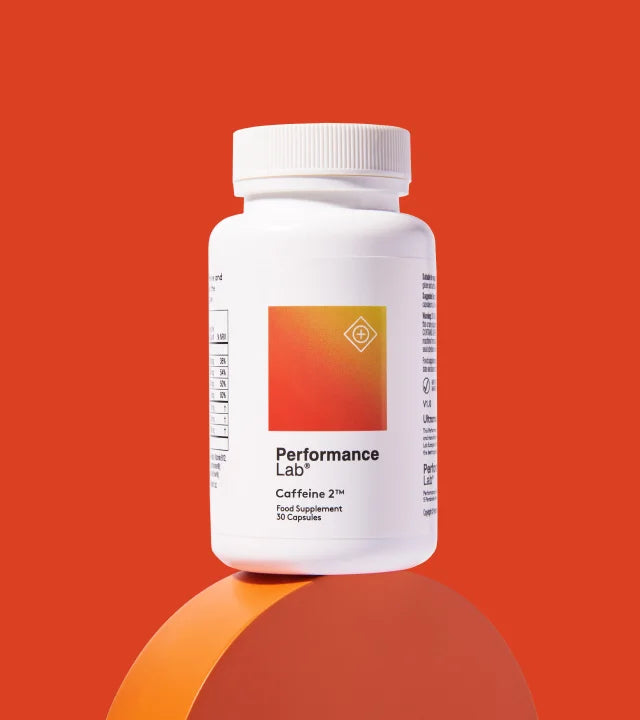
Performance Lab® Pre Lab Pro®: Best Pre-Workout for a Balanced 1:2 Ratio (80 mg caffeine, 160 mg L-Theanine)

For training, Performance Lab® Pre Lab Pro® is a skillfully designed pre-workout that pairs 80 mg natural caffeine with 160 mg L-theanine per scoop. This maintains the same 1:2 ratio while keeping the caffeine dose moderate. The formula also includes 400 mg L-tyrosine, Setria® for Sport, red beet powder, electrolytes, and supporting vitamins and minerals, making it the complete workout option rather than a stand-alone focus capsule.
Learn more about Performance Lab® Pre Lab Pro®.

Mind Lab Pro®: Stimulant-Free Nootropic Support That Pairs With Coffee

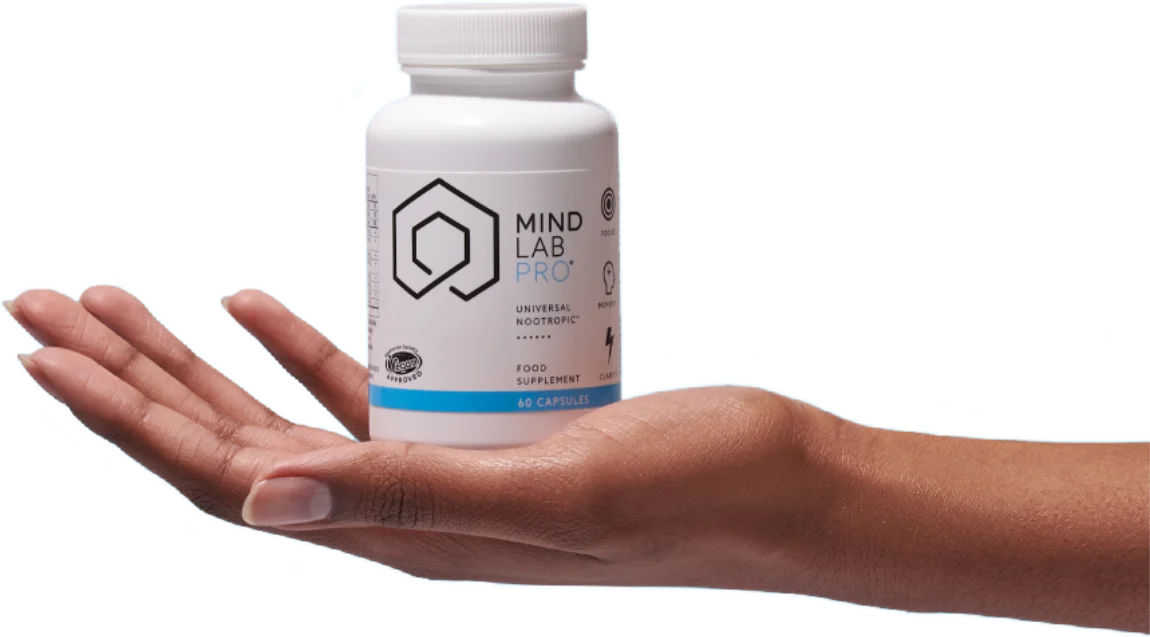
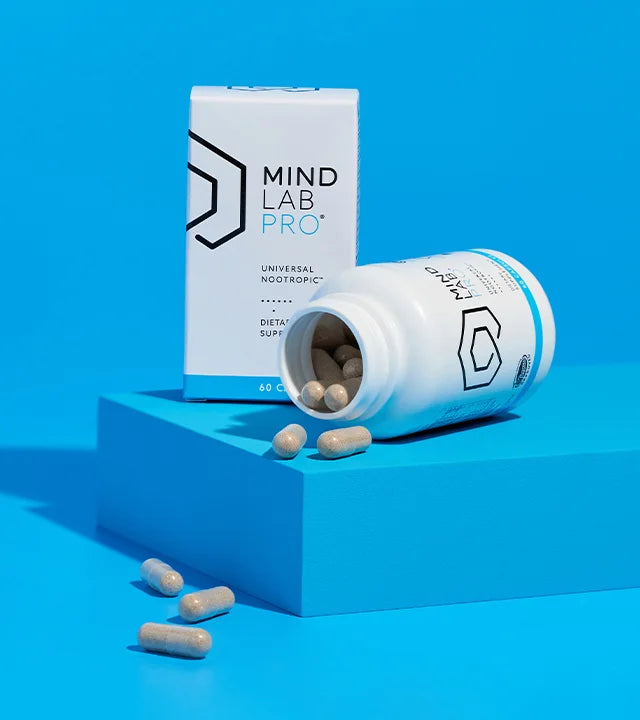
Mind Lab Pro® takes the opposite approach: it is caffeine-free. Each two-capsule serving includes 100 mg L-theanine plus ten other nootropic nutrients, letting you choose coffee, tea, a capsule, or no caffeine at all.
The complete 11-ingredient formula is:
- Citicoline (as Cognizin®) — 250 mg
- Phosphatidylserine (from sunflower lecithin) — 100 mg
- Bacopa monnieri full-spectrum extract — 150 mg, standardized to 24% bacosides with 9 bioactives
- Organic Lion’s Mane Mushroom (mycelium and fruit) — 500 mg
- Rhodiola rosea root — 50 mg, standardized to 3% rosavins and 1% salidrosides
- N-Acetyl L-Tyrosine — 175 mg
- L-Theanine — 100 mg
- Maritime Pine Bark Extract — 75 mg, standardized to 95% proanthocyanidins
- Vitamin B6 — 2.5 mg
- Vitamin B9 — 100 mcg
- Vitamin B12 — 7.5 mcg
For this topic, L-theanine is the obvious fit, while N-Acetyl L-Tyrosine, Citicoline, Rhodiola, and B vitamins provide complementary support for mental performance, stress resilience, neurotransmitter pathways, and brain energy.
Mind Lab Pro Human Research
- Information processing: In a pseudo-randomized, double-blind, placebo-controlled study, 105 healthy adults completed 30 days of Mind Lab Pro or placebo. The supplement group improved on simple reaction time, choice reaction time, and anticipation measures, with significant between-group differences reported for all three tasks.(20)
- Memory: In a separate 30-day pseudo-randomized, double-blind, placebo-controlled study, 49 healthy adults completed the protocol. The supplement group improved across all assessed memory subtests, with significant between-group differences for immediate and delayed recall.(21)
- Brain-network activity: A randomized, double-blind, placebo-controlled study evaluated 60 days of supplementation with EEG during visual decision-making. Researchers found no significant improvement in choice accuracy or reaction time, but reported broader increases in brain-network interdependencies and information sharing.(22)
Mind Lab Pro therefore works best here as a broader, caffeine-free cognitive base—not as a replacement for the precision caffeine + L-theanine ratio itself.
Frequently Asked Questions
What is the best L-theanine and caffeine ratio?
A 2:1 L-theanine:caffeine ratio is the most practical starting benchmark. One human trial used 100 mg L-theanine with 50 mg caffeine and reported better attention switching and distractor control, but other studies used different ratios.
How much L-theanine should I take with 100 mg caffeine?
Following the common 2:1 approach, 100 mg caffeine pairs with about 200 mg L-theanine. If you are caffeine-sensitive, reduce caffeine rather than continually adding more L-theanine.
Should I take L-theanine and caffeine at the same time?
Most combination studies administered both together. Taking them about 30–45 minutes before a demanding task is a practical approach.
Can I get a good ratio from matcha or green tea?
Yes, but the ratio is inconsistent. Matcha often concentrates both compounds, while brewed green tea is usually lower-dose. Supplements are easier when exact dosing matters.
Does L-theanine cancel caffeine?
No. L-theanine does not simply block caffeine. It can change the cognitive and subjective profile of stimulation; the goal is complementary effects, not cancellation.
Can I take caffeine and L-theanine with prescribed stimulants?
Discuss it with your prescriber first. Added caffeine can increase total stimulant exposure and affect heart rate, blood pressure, anxiety, or sleep.
Is the L-theanine and caffeine stack better than coffee alone?
For some attention tasks, controlled studies suggest advantages from the combination, but results vary by task, dose, and individual response. If coffee already works cleanly for you, another compound may not be necessary.
Summary
The l theanine and caffeine ratio is best treated as a framework, not a rigid formula. A 2:1 L-theanine:caffeine ratio—especially 100 mg L-theanine with 50 mg caffeine—has direct human trial support and is a sensible starting point for healthy adults who already tolerate caffeine.
Benefits are selective rather than universal: some studies report better task switching, reaction time, alertness, distractor control, or reduced mind wandering, while other outcomes are neutral. Keep caffeine modest and early enough to protect sleep. For exact 1:2 dosing, Performance Lab® Caffeine 2 supplies 50 mg caffeine + 100 mg L-theanine. Performance Lab® Pre Lab Pro® applies the same balance to training with 80 mg caffeine + 160 mg L-theanine, while Mind Lab Pro® offers 100 mg L-theanine in a caffeine-free broader nootropic stack.
References
- Nobre, A. C., Rao, A., & Owen, G. N. (2008). L-theanine, a natural constituent in tea, and its effect on mental state. Asia Pacific Journal of Clinical Nutrition, 17(Suppl 1), 167–168. Link
- Mitchell, D. C., Knight, C. A., Hockenberry, J., Teplansky, R., & Hartman, T. J. (2014). Beverage caffeine intakes in the U.S. Food and Chemical Toxicology, 63, 136–142. Link
- McLellan, T. M., Caldwell, J. A., & Lieberman, H. R. (2016). A review of caffeine's effects on cognitive, physical and occupational performance. Neuroscience & Biobehavioral Reviews, 71, 294–312. Link
- Haskell, C. F., Kennedy, D. O., Milne, A. L., Wesnes, K. A., & Scholey, A. B. (2008). The effects of L-theanine, caffeine and their combination on cognition and mood. Biological Psychology, 77(2), 113–122. Link
- Owen, G. N., Parnell, H., De Bruin, E. A., & Rycroft, J. A. (2008). The combined effects of L-theanine and caffeine on cognitive performance and mood. Nutritional Neuroscience, 11(4), 193–198. Link
- Giesbrecht, T., Rycroft, J. A., Rowson, M. J., & De Bruin, E. A. (2010). The combination of L-theanine and caffeine improves cognitive performance and increases subjective alertness. Nutritional Neuroscience, 13(6), 283–290. Link
- Einöther, S. J. L., Martens, V. E. G., Rycroft, J. A., & De Bruin, E. A. (2010). L-theanine and caffeine improve task switching but not intersensory attention or subjective alertness. Appetite, 54(2), 406–409. Link
- Kahathuduwa, C. N., Dassanayake, T. L., Amarakoon, A. M. T., & Weerasinghe, V. S. (2017). Acute effects of theanine, caffeine and theanine-caffeine combination on attention. Nutritional Neuroscience, 20(6), 369–377. Link
- Kahathuduwa, C. N., et al. (2018). L-theanine and caffeine improve target-specific attention to visual stimuli by decreasing mind wandering: A human functional magnetic resonance imaging study. Nutrition Research, 49, 67–78. Link
- Payne, E. R., Aceves-Martins, M., Dubost, J., Greyling, A., & de Roos, B. (2025). Effects of tea, L-theanine, or L-theanine plus caffeine on cognition, sleep, and mood in healthy participants: A systematic review and meta-analysis of randomized controlled trials. Nutrition Reviews, 83(10), 1873–1891. Link
- Ayakdaş, G., & Ağagündüz, D. (2025). Determination of L-theanine and caffeine contents in tea infusions with different fermentation degrees and brewing conditions using the chromatographic method. Foods, 14(13), 2313. Link
- Kochman, J., Jakubczyk, K., Antoniewicz, J., Mruk, H., & Janda, K. (2021). Health benefits and chemical composition of matcha green tea: A review. Molecules, 26(1), 85. Link
- Sławińska, P., & Raczkowska, E. (2026). Matcha as a source of bioactive compounds: A review of health-promoting properties and potential applications. Nutrients, 18(10), 1613. Link
- Dodd, F. L., Kennedy, D. O., Riby, L. M., & Haskell-Ramsay, C. F. (2015). A double-blind, placebo-controlled study evaluating the effects of caffeine and L-theanine both alone and in combination on cerebral blood flow, cognition and mood. Psychopharmacology, 232(14), 2563–2576. Link
- Rogers, P. J., Smith, J. E., Heatherley, S. V., & Pleydell-Pearce, C. W. (2008). Time for tea: Mood, blood pressure and cognitive performance effects of caffeine and theanine administered alone and together. Psychopharmacology, 195(4), 569–577. Link
- Gardiner, C., Weakley, J., Burke, L. M., Roach, G. D., Sargent, C., Maniar, N., Townshend, A., & Halson, S. L. (2023). The effect of caffeine on subsequent sleep: A systematic review and meta-analysis. Sleep Medicine Reviews, 69, 101764. Link
- European Food Safety Authority. (2015). Scientific opinion on the safety of caffeine. EFSA Journal. Link
- American College of Obstetricians and Gynecologists. (2020). How much coffee can I drink while I'm pregnant? Link
- Moulin, M., Crowley, D. C., Xiong, L., Guthrie, N., & Lewis, E. D. (2024). Safety and efficacy of AlphaWave® L-theanine supplementation for 28 days in healthy adults with moderate stress: A randomized, double-blind, placebo-controlled trial. Neurology and Therapy, 13(4), 1135–1153. Link
- Utley, A., Gonzalez, Y., & Abbott Imboden, C. (2023). The efficacy of a nootropic supplement on information processing in adults: A double blind, placebo controlled study. Biomedical Journal of Scientific & Technical Research, 49(1), 40297–40305. Link
- Abbott-Imboden, C., Gonzalez, Y., & Utley, A. (2023). Efficacy of the nootropic supplement Mind Lab Pro on memory in adults: Double blind, placebo-controlled study. Human Psychopharmacology: Clinical and Experimental, 38(4), e2872. Link
- O’Reilly, D., Bolam, J., Delis, I., & Utley, A. (2025). Effect of a plant-based nootropic supplement on perceptual decision-making and brain network interdependencies: A randomised, double-blinded, and placebo-controlled study. Brain Sciences, 15(3), 226. Link