A coffee supplement can mean two different things: a supplement made from coffee, such as green coffee bean extract or coffee fruit extract, or a supplement you take with coffee to make your morning cup feel smoother, cleaner and more productive.
That distinction is key because most people are not just drinking coffee for taste. In a U.S. adult analysis using NHANES data, coffee was consumed by 59% of the sample, with coffee drinkers averaging about 545 grams per day. In other words, coffee is not a niche habit—it is a daily performance ritual for millions of adults.
This guide breaks down the main types of coffee supplements, how they may support energy, focus, metabolism and mental clarity, what to watch for with caffeine dose and sleep, and how nootropic add-ons such as L-theanine, L-tyrosine and B vitamins may help coffee work in a more comfortable way. Let's get to it!
Key Takeaways
- A coffee supplement may be made from coffee beans, coffee fruit or coffee extract, or it may be a nootropic taken alongside coffee.
- Caffeine is the main reason coffee supports alertness, energy, reaction time and perceived performance, but higher intakes can increase jitters, anxiety, sleep disruption and blood pressure concerns.
- Green coffee bean extract is rich in chlorogenic acids, compounds studied for blood pressure, glucose metabolism and weight-related markers, but weight-loss claims should stay conservative.
- L-theanine is one of the most practical coffee companions because it may smooth caffeine’s stimulating effects while supporting calm focus.
- L-tyrosine and B vitamins may be useful for people who use coffee for demanding work, studying or training, especially when stress and mental effort are high.
- The best coffee supplement depends on your goal: more precise caffeine, smoother stimulation, antioxidant support, functional coffee, or a broader nootropic stack.
Disclaimer
This article is for educational purposes only and is not medical advice. Coffee supplements, caffeine pills and nootropic supplements are not intended to diagnose, treat, cure or prevent disease. Talk with a healthcare professional before using caffeine supplements if you are pregnant or breastfeeding, have anxiety, panic attacks, insomnia, high blood pressure, heart rhythm issues, cardiovascular disease, seizure history, gastrointestinal conditions or take medications. Avoid combining multiple high-caffeine products unless you know your total caffeine intake.
What Is Coffee?

Coffee is a drink made from roasted coffee beans, which are actually the seeds of the fruit of Coffea plants. The best-known species are Coffea arabica and Coffea canephora, often called robusta. The basic ritual is simple—roast, grind, brew—but the chemistry is surprisingly complex.
Coffee naturally contains caffeine. But wait, there's more: chlorogenic acids, polyphenols, diterpenes and aromatic compounds that vary by bean type, roast level and brewing method.
Caffeine is the best-known active compound because it stimulates the central nervous system, which is why people often use coffee to reduce fatigue and increase mental alertness.(1)
Coffee’s history stretches from traditional use in East Africa and the Arabian Peninsula to today’s global coffee culture. But for modern nootropic users, the interesting question is not just “How good does it taste?” It is “How can I make my daily coffee work better for focus, energy and performance?”
Coffee Performance Benefits: Energy, Focus, Metabolism and Antioxidants

Coffee’s performance benefits come mostly from caffeine, but not only from caffeine. A morning cup may support energy, mental clarity and motivation because caffeine blocks adenosine signaling. Since the compound adenosine signals "fatigue" in the brain, blocking it helps reduce the perception of tiredness. This is why coffee can feel like a fast “on switch” for work, study or training.
Energy and Alertness
Caffeine is one of the most widely used psychoactive compounds in the world. It is described as a methylxanthine compound that stimulates the central nervous system, heart rate and respiration, with effects that may include increased energy, reduced fatigue and improved sense of performance. For this reason, it is a prized ingredient for not just mental performance, but also as a sport nutrient for better gym performance. Discover "smart" pre-workout supplements with precision caffeine.

Research: In an eight-day randomized, double-blind, placebo-controlled crossover trial in 17 healthy volunteers, researchers gave participants caffeine at 200 mg daily, D-ribose or placebo while they performed fatigue-inducing mental tasks. During the tasks, the caffeine group performed better than placebo, although subjective fatigue and sleepiness did not differ much after the tasks. This supports caffeine’s role as a performance enhancer, but it also shows that “feeling less tired” and “performing better” are not always the same thing.(2)
Discover top supplements for energy.
Focus and Cognitive Performance
Caffeine may help with alertness, vigilance, reaction time and attention, especially when someone is tired or under cognitive load. That is why it is so common in morning routines, pre-workout supplements and caffeine pills.
For a deeper nootropic comparison, see nootropics vs coffee and whether caffeine qualifies as a nootropic.
The catch is that more caffeine does not always mean better cognition. Too much caffeine can overshoot the target, leading to nervousness, jitteriness, nausea or racing thoughts—the exact opposite of clean focus. The goal of a good coffee supplement is not necessarily “more caffeine.” Often, it is better caffeine use: specifically, precise caffeine dosing.
Metabolism and Weight-Related Effects
Coffee and caffeine are often discussed for metabolism and weight loss, but claims should stay grounded. Caffeine may slightly increase energy expenditure in the short term, and green coffee bean extract has been studied for weight-related outcomes. However, green coffee weight-loss research has generally been described as preliminary and limited in quality.(3)
That means a coffee supplement should not be framed as a shortcut for weight loss. If body composition is the goal, the big fundamentals remain diet, protein intake, sleep, activity level and other factors. Coffee may support energy levels and exercise intensity, but it does not replace the fundamentals.
Antioxidants and Coffee Polyphenols
Coffee is also a source of polyphenols, including chlorogenic acids. Green coffee contains higher levels of chlorogenic acids than roasted coffee because roasting reduces chlorogenic acid content. These compounds are studied for antioxidant, vascular and glucose-metabolism effects, although their impact depends on dose, form, metabolism and the person using them.
Did You Know?
Green coffee is not a special coffee species. It usually refers to unroasted coffee beans. Because roasting changes coffee chemistry, green coffee bean extract is often used for its chlorogenic acid content rather than for the roasted flavor people expect from a normal cup of coffee. Chlorogenic acid is used in some weight loss supplements.
What Is a Coffee Supplement?
A coffee supplement can fall into two broad categories.
- It may be a literal supplement made from coffee or coffee-related raw materials. Examples include green coffee bean extract, coffee extract, caffeine pills and coffee fruit extract. These products concentrate or isolate specific coffee compounds, such as caffeine or chlorogenic acids.
- It may be a product that supplements coffee. These are nutrients, amino acids, herbs or nootropics taken with coffee to make your favorite brew feel smoother, more focused or more sustainable. Examples include L-theanine, L-tyrosine, B vitamins, MCT oil, collagen powder or functional coffee blends.
This is why “coffee supplement” is broader than “caffeine pill.” A caffeine pill is one kind of coffee-like supplement, but the category also includes antioxidant extracts, functional coffee powders, mushroom coffee, coffee creamers with added nutrients, protein powder for coffee, and nootropic stacks designed to pair with a daily cup.
Supplements Made From Coffee
Green Coffee Bean Extract

Green coffee bean extract is made from unroasted coffee beans. Compared with roasted coffee, green coffee contains more chlorogenic acid because the roasting process reduces chlorogenic acid levels. Green coffee beans provide approximately 5–12 grams of chlorogenic acid per 100 grams of beans, and most green coffee extracts are produced using an alcohol solvent.
Chlorogenic acids are phenolic compounds formed from cinnamic acids, including caffeic, ferulic and coumaric acids. They are studied for vascular function, glucose metabolism and antioxidant activity.
For weight loss, the evidence is not that compelling yet. One systematic review concluded randomized trials suggest chlorogenic acids may have possible weight effects, but the studies were short-term, early and generally poor quality. For wright loss, green coffee bean extract is interesting, but “fat-burning coffee pill” claims are a big deal and should be treated skeptically.(4)
Chlorogenic acid in particular has shown some promise for helping with blood pressure concerns.(5,6)
Check out today's leading weight loss supplements.
Caffeine Pills

Caffeine pills are the most direct coffee supplement for people who want coffee-like stimulation without brewing a cup. They are convenient, portable and dose-controlled, which can be useful if you want 50 mg, 100 mg or 200 mg caffeine without guessing how much is in a café drink.
The upside is precision. Especially with low-dose caffeine pills that allow you to control caffeine intake levels incrementally. The downside is that caffeine pills make it easier to stack caffeine from multiple sources: morning coffee, pre-workout, energy drinks, tea, chocolate and caffeine capsules. The U.S. Food and Drug Administration has cited 400 mg per day as an amount not generally associated with dangerous effects for most adults, but it also emphasizes wide individual variation in caffeine sensitivity and metabolism.(7)
For many people, a lower-dose caffeine pill is more practical than a high-dose capsule. A smaller dose can be combined with L-theanine or used as a controlled “top up” instead of drinking more caffeine late in the day.
For more context, see this guide to best caffeine pills and Performance Lab’s article on caffeine supplements.
Great stuff! I won't take caffeine without the L-theanine. This is the perfect blend and also has added B vitamins!Cindy S
Coffee Extract

Coffee extract is a broad term. It may refer to concentrated roasted coffee solids, instant coffee powder, standardized coffee polyphenols, or extracts designed to deliver caffeine and coffee compounds in capsule or powder form.
The benefit of coffee extract is convenience: you can add coffee-like compounds to a supplement, drink mix or functional coffee product without brewing a full cup. The limitation is variability. Some coffee extracts are mainly about caffeine. Others emphasize chlorogenic acids or polyphenols. Some are flavor ingredients more than functional supplements.
From a label-reading standpoint, look for standardization. Does the product list caffeine per serving? Does it list chlorogenic acids? Is it clear whether the ingredient is roasted coffee extract, green coffee extract or coffee fruit extract? If not, it is hard to know whether you are buying stimulation, antioxidants, flavor or all three.
Mushroom Coffee

Mushroom coffee is a popular new category of coffee supplements. It is usually a functional coffee blend that combines coffee with mushrooms such as lion’s mane, cordyceps, chaga or reishi. Some products use instant coffee plus mushroom powders. Others use extracts. Some are caffeine-containing; others are low-caffeine or caffeine-free coffee alternatives. Read more about functional mushrooms.
The nootropic angle of mushroom coffees usually centers on lion’s mane mushroom, which is studied for cognitive performance, brain health and stress-related support, especially in the context of promoting nerve growth factor (NGF).
In a randomized, double-blind, placebo-controlled pilot study, researchers tested Hericium erinaceus (a.k.a. Lion's Mane Mushroom) in healthy young adults and reported tentative improvements for speed of performance and stress resistance, but the authors emphasized that findings were early and larger studies are needed.(8)
That is the right attitude for mushroom coffee: promising, interesting, but highly formula-dependent. A scoop of mushroom coffee is not automatically the same as a clinically studied mushroom extract. The mushroom species, dose, extract ratio, fruiting body vs mycelium, beta-glucan content and caffeine amount all matter.
Coffee Fruit Extract

Coffee fruit extract comes from the coffee cherry—the fruit surrounding the coffee bean. While brewed coffee uses roasted seeds, coffee fruit products focus on compounds in the fruit and surrounding plant material. One study looked at whole coffee cherry extract and neurophysiological outcomes. Researchers reported that whole coffee cherry extract was associated with changes in brain-derived neurotrophic factor (BDNF) and EEG-related measures, but this area of research remains early.(9)
Read about today's Cognitive Coffee trend.
Did you know?
Coffee fruit extract + phosphatidylserine is a stack used in brain-health/nootropic formulas, most famously as a branded ingredient called Neurofactor™ found in a supplement called Neuriva. Read more about nootropic Phosphatidylserine.
Coffee Supplements That Complement Coffee
L-Theanine

L-theanine is an amino acid best known from tea. As a coffee companion, it is popular because it may support relaxed alertness without sedation. L-theanine is often used to make caffeine feel smoother: fewer jitters, less edge, and more steady energy. It's an ideal ingredient for coffee supplements (and just plain coffee, too!).
The caffeine-plus-theanine pairing is one of the most sensible nootropic coffee upgrades. In a randomized study, researchers found that L-theanine and caffeine together improved aspects of attention and cognitive performance more than placebo, with the combination showing benefits for speed and accuracy during demanding tasks.(10)
In another study, researchers used a low dose combination of 97 mg L-theanine and 40 mg caffeine and reported improvements in attention-switching accuracy and alertness. This is one reason many nootropic users consider L-theanine the classic “coffee smoother."(10)
For a deeper dive, see coffee with L-theanine and this guide to the best caffeine and L-theanine stack.
L-Tyrosine

L-tyrosine is an amino acid used to make catecholamine neurotransmitters, including dopamine and norepinephrine. These brain chemicals are involved in alertness, motivation, stress response and cognitive effort.
This makes L-tyrosine especially relevant for people who use coffee for demanding work, studying, shift work or intense training. Coffee pushes stimulation. Tyrosine may help support the raw material side of stress-related neurotransmitter production, especially when pressure is high.
In a classic military-style stress study, researchers reviewed tyrosine’s role under acute stressors and concluded that tyrosine may help preserve performance when catecholamine demand is high. This does not mean tyrosine replaces sleep or fixes burnout, but it explains why it appears in modern caffeine-plus-nootropic formulas.(11)
Read more about N-Acetyl L-Tyrosine.
B Vitamins

B vitamins do not feel like caffeine. They do not create an immediate stimulant kick. Instead, they support normal energy metabolism, nervous system function and methylation pathways. That makes them a logical part of a “coffee support” formula, especially for people who rely on caffeine daily.
Vitamins B6, B9 and B12 are particularly relevant to brain health because they help maintain normal homocysteine metabolism (out-of-range homocysteine is bad for circulation, including to the brain) and support pathways involved in neurotransmitter synthesis. Riboflavin and other B vitamins also support cellular energy production.
B vitamins are not a replacement for coffee, but they may help round out a caffeine routine. They are especially useful in formulas designed to support steady energy rather than simply deliver more caffeine.
Safety: Caffeine Dose, Anxiety, Sleep and Blood Pressure
Caffeine is familiar, but it is still biologically active. The FDA notes that, for most adults, 400 mg caffeine per day is an amount not generally associated with dangerous negative effects.(12) But caffeine sensitivity varies widely, and some people feel anxious, wired or sleep-disrupted at much lower intakes. MedlinePlus lists possible effects from too much caffeine, including restlessness, shakiness, insomnia, headache, dizziness, fast heart rate, dehydration, anxiety and dependency. These risks are more likely when people combine multiple sources or take caffeine too late in the day.(13)
Sleep
If you have trouble sleeping, coffee timing matters. A coffee supplement that gives you extra energy at 3 p.m. may cost you deep sleep at night. Many people do best using caffeine early, keeping the dose moderate, and avoiding late-day caffeine unless there is a specific reason.
Discover today's top ultramodern sleep supplements.
Anxiety and Jitters
If coffee makes you anxious, shaky or irritable, more caffeine is usually not the answer. Consider a smaller dose, a lower-caffeine beverage, L-theanine, or a caffeine-free nootropic approach. People with panic attacks or anxiety disorders should be especially careful with caffeine supplements.
Read about top nootropics & supplements that may help anxiety.
Blood Pressure and Heart Rate
Caffeine may acutely raise blood pressure and heart rate in some people. Coffee and green coffee source documents also caution that excessive caffeine may contribute to nervousness, insomnia, agitation and arrhythmias, especially at high doses.(5) If you have high blood pressure, arrhythmia or cardiovascular disease, ask your clinician before using caffeine pills or high-caffeine coffee supplements.
Powdered Caffeine
Avoid bulk powdered caffeine. The FDA has warned that highly concentrated caffeine powders can be dangerous because very small measuring errors may deliver potentially toxic or even lethal doses.(16) Capsules with clearly labeled caffeine per serving are much safer than trying to measure loose caffeine powder at home.
Best Forms and What to Look For
The best coffee supplement depends on what you are trying to improve.
- For precise stimulation: choose a caffeine pill with clearly labeled caffeine per capsule.
- For smoother focus: look for caffeine plus L-theanine, ideally with a lower caffeine dose.
- For coffee-derived polyphenols: look for green coffee bean extract standardized for chlorogenic acids.
- For functional coffee: check the actual dose of mushrooms, collagen powder, MCT oil, protein powder or other natural ingredients instead of relying on front-label claims.
- For daily brain support: consider a broader nootropic stack that complements coffee rather than simply adding more caffeine.
Also watch the “healthy coffee” add-ins. Coconut milk, coconut oil, MCT oil, grass fed hydrolyzed collagen, coffee creamer, pumpkin spice flavor, cinnamon, Himalayan pink salt and protein powder can all fit into a morning beverage. But they change the nutrition profile. Healthy fats and collagen powder may support satiety or mouthfeel, but sugar-heavy creamers can turn a low-calorie morning cup into a dessert drink.
Look for products that are non-GMO when that matters to you, gluten free if needed, transparent with caffeine per serving, and free of unnecessary proprietary blends. “Tastes great” is nice. “Nice flavor” helps consistency. But labels should still tell you what the product actually delivers.
FAQ
What is a coffee supplement?
A coffee supplement is either a supplement made from coffee, such as green coffee bean extract, coffee fruit extract or caffeine pills, or a supplement taken with coffee to complement its effects. L-theanine, L-tyrosine and B vitamins are common examples of supplements used to make coffee feel smoother or more performance-oriented.
Are coffee supplements useful?
They can be useful when they solve a specific problem. Caffeine pills offer dose control. L-theanine may smooth caffeine stimulation. Green coffee bean extract supplies chlorogenic acids. Mushroom coffee may add functional mushroom compounds. But vague “coffee booster” products are only as good as their ingredients, doses and testing.
Is a caffeine pill the same as coffee?
No. A caffeine pill delivers caffeine without the taste, ritual, fluid, polyphenols or other compounds in coffee. It is more precise, but less complete. Coffee delivers caffeine plus coffee-specific compounds; caffeine pills deliver stimulation in a controlled serving.
What supplement goes best with coffee?
L-theanine is one of the best coffee companions for many people because it pairs well with caffeine and may support calm, focused energy. L-tyrosine and B vitamins can also make sense for people using coffee during demanding work, study or training.
Is green coffee bean extract better than regular coffee?
Not necessarily. Green coffee bean extract is different, not automatically better. It is richer in chlorogenic acids and is usually taken for polyphenol-related support rather than taste or coffee ritual. Regular coffee is better if you want a daily beverage; green coffee extract is more of a standardized supplement.
How much caffeine is too much?
For most adults, the FDA cites 400 mg per day as an amount not generally associated with dangerous effects, but sensitivity varies. Some people should use far less, especially if they have anxiety, insomnia, high blood pressure, heart rhythm concerns or take interacting medications.
Can I take coffee supplements every day?
Some people use coffee supplements daily, but it depends on the product, caffeine dose, health status and sleep quality. Daily caffeine can lead to tolerance and withdrawal symptoms in some users. If your coffee supplement makes sleep worse, increases anxiety or raises your total caffeine too high, it is not a good daily fit.
Performance Lab Caffeine 2: A Modern Caffeine Pill for Cleaner Stimulation

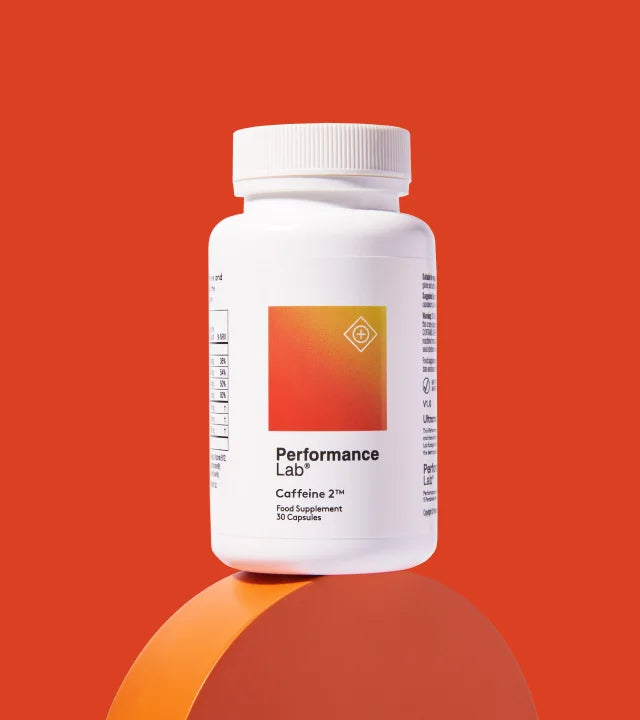
Performance Lab Caffeine 2 fits the “coffee supplement” idea in a very direct way: it is a caffeine-based nootropic formula designed to deliver coffee-like stimulation in a more precise, modern format.
Instead of relying on a large caffeine hit, Performance Lab Caffeine+ uses a lower-dose caffeine approach and pairs caffeine with L-theanine, L-tyrosine and NutriGenesis B vitamins. The goal is not simply “more caffeine.” It is better caffeine—more comfortable stimulation, smoother focus and support for the systems that caffeine places demands on.
The formula: NutriGenesis® Caffeine Balance B-Complex (Riboflavin (Vitamin B2) 500 mcg; Vitamin B6 750 mcg; Folate (Vitamin B9) 170 mcg DFE; Vitamin B12 2 mcg; Natural Caffeine (from Coffea robusta seeds) 50 mg; L-Theanine 100 mg; L-Tyrosine 250 mg.
This makes it especially relevant for people who like what coffee does for mental clarity, energy and productivity but dislike what too much coffee can do: jitters, stomach discomfort, a racing feeling, or an afternoon crash.
Performance Lab Caffeine 2 may be a good fit if you want:
- a caffeine pill with more nuance than plain caffeine;
- a lower-dose option that can complement a morning coffee routine;
- L-theanine to support calmer stimulation;
- L-tyrosine for stress-performance support;
- B vitamins to round out energy and neurotransmitter pathways.
It still contains caffeine, so the same caffeine rules apply: track your total daily intake, avoid late-day use if it affects sleep, and be cautious if you are sensitive to stimulants.
Performance Lab® Caffeine 2
Smooth energy. Clarity. Focus. No jitters. No burnout. No crash.
Shop Now
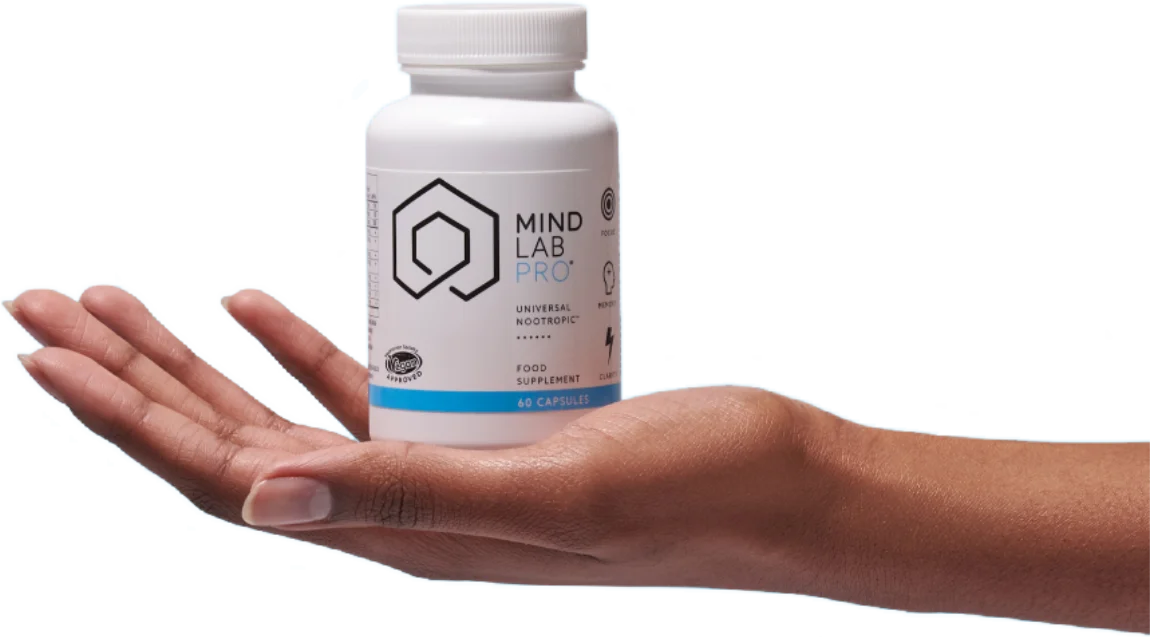
Mind Lab Pro: A Nootropic Stack That Pairs Well With Coffee

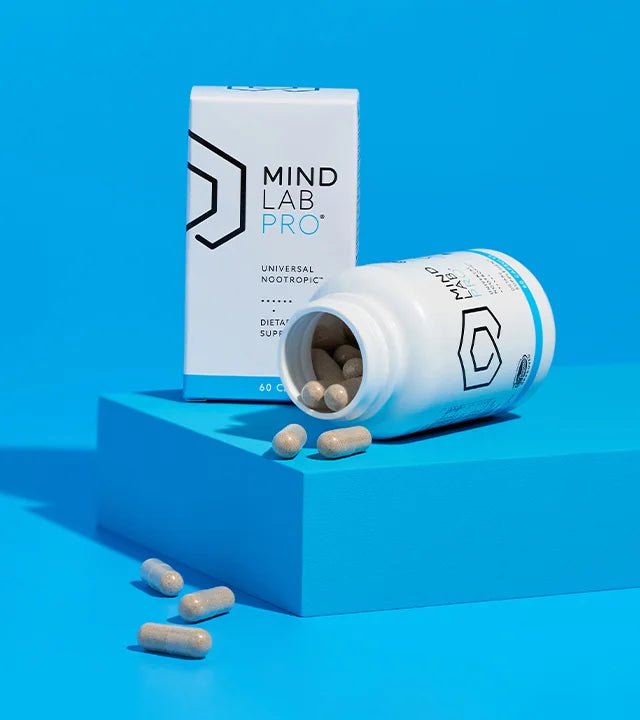
Mind Lab Pro is not a coffee supplement in the narrow sense. It is a broad nootropic stack. But it fits naturally into a coffee routine because many of its ingredients complement the reasons people drink coffee in the first place: enhanced focus, mental clarity, memory, motivation, stress resilience and cognitive performance.
Many Mind Lab Pro users take it with their morning coffee as part of a daily routine. That pairing makes sense because Mind Lab Pro already includes several coffee-friendly nootropics, including L-theanine, N-acetyl L-tyrosine and B vitamins, while also adding longer-range brain-support ingredients that coffee does not provide.
Ingredients per 2 NutriCaps serving: Vitamin B6 from NutriGenesis® 2.5 mg; Vitamin B9 from NutriGenesis® 100 mcg; Vitamin B12 from NutriGenesis® 7.5 mcg; Citicoline as Cognizin® 250 mg; Bacopa monnieri full-spectrum extract standardized to 24% bacosides with 9 bioactives 150 mg; Organic Lion’s Mane Mushroom mycelium and fruit 500 mg; Phosphatidylserine from sunflower lecithin 100 mg; N-Acetyl L-Tyrosine 175 mg; L-Theanine 100 mg; Rhodiola rosea root extract standardized to 3% rosavins and 1% salidrosides 50 mg; Maritime Pine Bark Extract standardized to 95% proanthocyanidins 75 mg.
That gives it a different role from a caffeine pill. Coffee is fast stimulation. Mind Lab Pro is broader cognitive support. Together, they can be used as a morning stack when the goal is to enhance and complement coffee’s stimulating cognitive benefits rather than simply add more caffeine.
Mind Lab Pro has also been studied as a finished formula.
- In a double-blind, placebo-controlled study by Utley, Gonzalez and Abbott-Imboden, 105 healthy adults completed information-processing tasks after taking Mind Lab Pro or placebo. The Mind Lab Pro group showed improvements in measures such as reaction time, choice reaction time and anticipation, suggesting support for fast cognitive processing under test conditions.(14)
- In a second double-blind, placebo-controlled study, Abbott-Imboden, Gonzalez and Utley evaluated memory in 49 healthy adults using the Wechsler Memory Scale-IV UK. After four weeks, the Mind Lab Pro group showed improvements across several memory domains, including immediate and delayed recall. This is relevant for coffee users because caffeine may help you feel switched on, while a broader stack may support memory-related performance from another angle.(15)
- A third randomized, double-blind, placebo-controlled study by O’Reilly, Bolam, Delis and Utley examined 60 days of supplementation and EEG-based brain network activity during perceptual decision-making. The study did not simply show a stimulant-like effect; it reported changes in brain network interdependencies and energetic efficiency, suggesting a more complex neural-processing signal than “more energy.”(16)
For readers who want to go beyond coffee, related guides include what nootropics are, the benefits of nootropics, a broader nootropics list and a practical guide to nootropics that actually work.
Summary
A coffee supplement can mean a lot of things. It might be green coffee bean extract for chlorogenic acids, a caffeine pill for precise stimulation, coffee extract for convenience and sustained energy, mushroom coffee for functional add-ons, or a nootropic stack that helps your morning coffee feel smoother and more productive.
The smartest approach is to start with your goal. If you want more alertness, choose a clear caffeine dose. If you want smoother stimulation, consider L-theanine. If you want stress-performance support and added health benefits, L-tyrosine and B vitamins may make sense. If you want broader daily cognitive support, Mind Lab Pro may pair well with your morning coffee routine.
Most importantly, do not confuse “more caffeine” with better performance. The best coffee supplement is not the one that hits hardest. It is the one that helps you stay sharp, steady and comfortable—without undermining sleep, blood pressure, anxiety or overall health.
References
- Rehm CD, Ratliff JC, Riedt CS, Drewnowski A. Coffee Consumption among Adults in the United States by Demographic Variables and Purchase Location: Analyses of NHANES 2011–2016 Data. Nutrients. 2020;12(8):2463. Link
- Ataka S, Tanaka M, Nozaki S, et al. Effects of caffeine and D-ribose on mental fatigue. Nutrition. 2008;24(3):233-238. Link
- Onakpoya I, Terry R, Ernst E. The use of green coffee extract as a weight loss supplement: a systematic review and meta-analysis of randomised clinical trials. Gastroenterology Research and Practice. 2011;2011:382852. Link
- Watanabe T, Arai Y, Mitsui Y, et al. The blood pressure-lowering effect and safety of chlorogenic acid from green coffee bean extract in essential hypertension. Clinical and Experimental Hypertension. 2006;28(5):439-449. Link
- Kozuma K, Tsuchiya S, Kohori J, et al. Antihypertensive effect of green coffee bean extract on mildly hypertensive subjects. Hypertension Research. 2005;28(9):711-718. Link
- U.S. Food and Drug Administration. Spilling the Beans: How Much Caffeine is Too Much? Updated 2024. Link
- Docherty S, Doughty FL, Smith EF, et al. The Acute and Chronic Effects of Lion’s Mane Mushroom Supplementation on Cognitive Function, Stress and Mood in Young Adults: A Double-Blind, Parallel Groups, Pilot Study. Nutrients. 2023;15(22):4842. Link
- Robinson JL, Hunter JM, Reyes-Izquierdo T, et al. Neurophysiological Effects of Whole Coffee Cherry Extract in Older Adults with Subjective Cognitive Decline. Aging, Neuropsychology, and Cognition. 2021. Link
- Haskell CF, Kennedy DO, Milne AL, Wesnes KA, Scholey AB. The effects of L-theanine, caffeine and their combination on cognition and mood. Biological Psychology. 2008;77(2):113-122. Link
- Giesbrecht T, Rycroft JA, Rowson MJ, De Bruin EA. The combination of L-theanine and caffeine improves cognitive performance and increases subjective alertness. Nutritional Neuroscience. 2010;13(6):283-290. Link
- Banderet LE, Lieberman HR. Treatment with tyrosine, a neurotransmitter precursor, reduces environmental stress in humans. Brain Research Bulletin. 1989;22(4):759-762. Link
- MedlinePlus. Caffeine. U.S. National Library of Medicine. Reviewed 2021. Link
- U.S. Food and Drug Administration. Guidance for Industry: Highly Concentrated Caffeine in Dietary Supplements. 2018. Link
- Utley A, Gonzalez Y, Abbott-Imboden C. The Efficacy of A Nootropic Supplement on Information Processing in Adults: A Double Blind, Placebo Controlled Study. Biomedical Journal of Scientific & Technical Research. 2023;49(1):40297-40305. Link
- Abbott-Imboden C, Gonzalez Y, Utley A. Efficacy of the nootropic supplement Mind Lab Pro on memory in adults: Double blind, placebo-controlled study. Human Psychopharmacology: Clinical and Experimental. 2023;38(4):e2872. Link
- O’Reilly D, Bolam J, Delis I, Utley A. Effect of a Plant-Based Nootropic Supplement on Perceptual Decision-Making and Brain Network Interdependencies: A Randomised, Double-Blinded, and Placebo-Controlled Study. Brain Sciences. 2025;15(3):226. Link