Lion’s mane has become one of the most talked-about functional mushrooms—so it’s no surprise people are now asking a very practical question: can you eat lion’s mane raw? Interest has surged fast; for example, one industry report noted Google searches for “lion’s mane mushroom” spiked by 450% in the UK in May 2024.(1)
That kind of momentum creates curiosity… and also a lot of confusion about what counts as “raw,” what supplements are actually made from, and how fresh lion’s mane compares to powders and extracts.
If you clicked this article, you’re probably here for a straight answer (and you don’t want folklore). You want to know: Is raw lion’s mane safe? How much raw mushroom equals a supplement dose? Are supplements made from raw lion’s mane? And where can you buy lion’s mane fresh—without overpaying or getting something sketchy.
Below, we’ll cover raw vs cooked lion’s mane, how to estimate “fresh equivalents,” what supplement labels really mean, where to buy fresh lion’s mane, and a simple alternative if your main goal is convenience. Let's get to it!
Key Takeaways
- Lion's mane is a culinary mushroom in Asia that has long been used in Traditional Chinese Medicine (TCM) and is now valued in nootropic dietary supplements for its brain health benefits.
- Yes, lion’s mane mushroom can be eaten raw—but many people still prefer it cooked for taste and digestibility.
- Rule of thumb: fresh mushrooms are ~90% water, so ~10g fresh ≈ ~1g dried (about a 10:1 wet-to-dry ratio).
- Most lion’s mane mushroom supplements are made from dried mushroom material (often fruiting body and/or mycelium) and may be further concentrated via extraction—so “equivalence” depends on the product form and extract ratio.
- If you want fresh lion’s mane, look first at farmers markets, specialty grocers, or direct-from-farm shipping options.
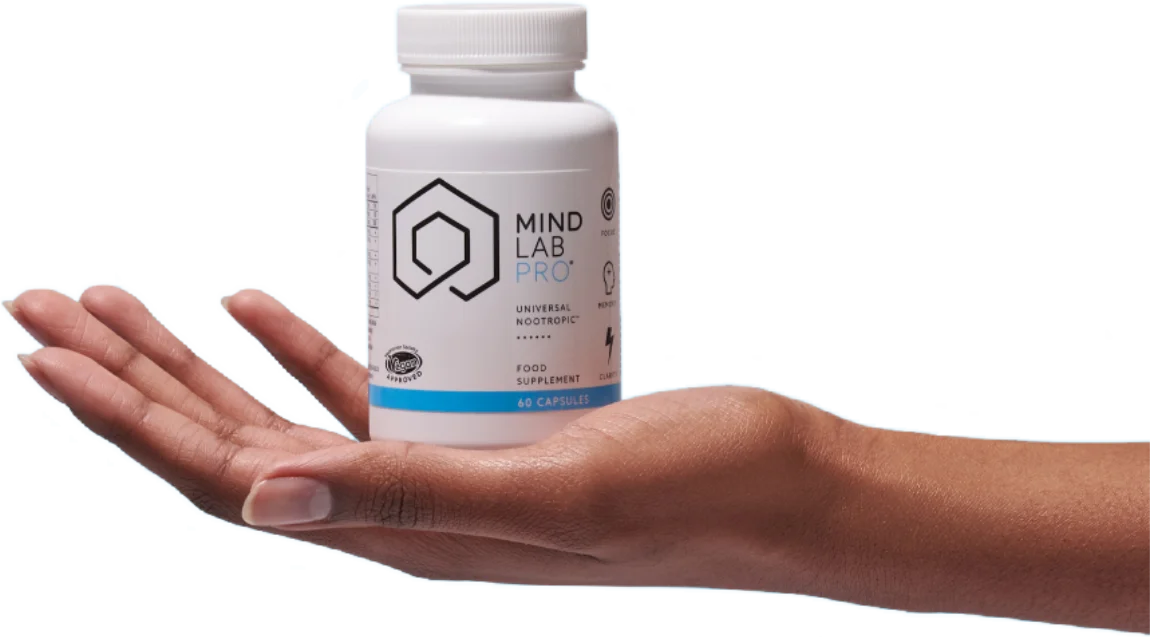
- Mind Lab Pro® includes 500 mg organic lion’s mane (mycelium + fruit) per serving—an easy way to get consistent lion’s mane intake without sourcing, cleaning, and cooking fresh mushrooms.
Disclaimer
This article is for educational purposes only and is not medical advice. If you have mushroom allergies, digestive conditions, are immunocompromised, or take prescription medications, consult a qualified healthcare professional before using lion’s mane as a food or supplement. Supplements are not drugs and are not intended to diagnose, treat, cure, or prevent any disease. Be mindful of potential allergic reactions and other negative effects when consuming lion's mane.
What is lion’s mane “raw”?

Lion’s mane (Hericium erinaceus) is an edible mushroom with a shaggy, white “pom-pom” appearance. “Raw” lion’s mane simply means the mushroom is eaten uncooked—like shredded into a salad, blended into a smoothie, or nibbled as-is.
But there’s a second meaning people often mix in: “raw” as in unprocessed. Fresh lion’s mane is raw in both senses (uncooked and unprocessed). Dried lion’s mane is still relatively “whole food,” but it’s been dehydrated. Extract powders, tinctures, and capsules are more processed forms designed for convenience and consistency.
All these forms can help deliver the potential health benefits of lion's mane mushroom, especially for overall brain function.
Can you eat raw lion’s mane?
Yes—lion’s mane mushroom can be eaten raw. Cleveland Clinic notes that lion’s mane can be eaten raw, dried, or cooked.(2) So from a basic “is it edible raw?” standpoint, the answer is yes.
So why do many people still cook it?
There are three practical reasons:
- Digestibility: Some people find consuming lion's mane in raw form can cause stomach upset. Cooking often makes mushrooms easier to tolerate.
- Flavor and texture: Lion’s mane is famous for its “seafood-like” texture when cooked; sweet and firm, similar to crab meat. Fresh lion’s mane can be pleasant, but cooked is where it shines for most people.
- Kitchen hygiene: Cooking reduces microbial risk. Fresh mushrooms can carry microbes from the growing environment. If you’re immunocompromised or sensitive, cooking is the safer play.
A reasonable middle-ground approach: if you want to try it raw, start with a small amount and see how your digestion reacts. If you get bloating or GI discomfort, switch to cooked.
Raw vs cooked lion’s mane: what changes?
From an “experience” perspective, the biggest differences are taste, texture, and tolerance. Cooked lion’s mane tends to be more satisfying and easier on digestion for many people.
From a “bioactive compounds” perspective, the story gets nuanced. Lion’s mane contains different classes of compounds (including beta-glucans and other polysaccharides, plus hericenones and erinacines depending on the part of the organism). Supplements often use extraction steps to concentrate certain fractions—especially water-soluble compounds—so a capsule can deliver more “active material” per gram than a raw bite of fresh mushroom.
Bottom line: if you love cooking and want the food experience, fresh lion’s mane mushroom is great. If your goal is consistent daily intake for “functional mushroom” support, supplements are often a simpler route.
Find out: Can you consume lion's mane before bed?
How much raw lion’s mane equals a supplement dose?

This is the question everyone asks—and the answer is: it depends on whether your supplement is dried mushroom powder or a concentrated extract.
Step 1: Convert fresh weight to “dry mushroom equivalent”
Fresh mushrooms are mostly water. A common rule of thumb is a 10:1 wet-to-dry ratio, meaning ~10g fresh ≈ ~1g dried. That’s a useful baseline for estimating how much fresh lion’s mane might equal a gram of dried lion’s mane powder.
Examples using the 10:1 rule:
- 5g fresh lion’s mane ≈ 0.5g dried
- 10g fresh lion’s mane ≈ 1g dried
- 50g fresh lion’s mane ≈ 5g dried
- 100g fresh lion’s mane ≈ 10g dried
Step 2: Understand what your supplement actually contains
Many lion’s mane supplements are either:
- Dried powder (ground mushroom material), often labeled in grams or milligrams.
- Extract powder (concentrated), sometimes labeled with ratios like 8:1 or 10:1, or with beta-glucan content.
- Dual extracts (water + alcohol extraction) to capture different compound classes—varies by brand.
Because extract ratios and standardization vary widely, “fresh equivalent” becomes fuzzy once you’re dealing with extracts. With plain dried powder, the 10:1 rule is a solid starting point.
A practical “fresh equivalent” estimate
Many lion’s mane mushroom supplement routines are in the range of 500 mg to 3,000 mg/day depending on the product form and goal. If that amount is referring to dried powder, then the approximate “fresh equivalents” look like this (using 10:1):
- 500 mg dried ≈ 5g fresh
- 1,000 mg dried ≈ 10g fresh
- 3,000 mg dried ≈ 30g fresh
If your product is an extract, the equivalent could be higher (because an extract may represent multiple grams of raw material), but only if the extract ratio and standardization are clear and trustworthy.
Are lion’s mane supplements made from “raw” mushrooms?
Sort of—but not in the way most people mean it. Supplements don’t typically grind up wet mushrooms and put them into capsules. Instead, the usual process looks like:
- Harvest mushroom (fruiting body and/or mycelium)
- Dry it (dehydration, freeze-drying, etc.)
- Grind to powder or perform extraction (hot water, alcohol, or both)
- Dry extract into a powder (if applicable) and encapsulate
So yes, the source material began as a “raw” mushroom—but supplements are usually made from dried mushroom material or extracts, not fresh raw mushroom.
Fruiting body vs mycelium (why labels differ)
You’ll see lion’s mane products that specify fruiting body (the actual mushroom) and others that include mycelium (the root-like network). Some brands prefer fruiting body; others use both to capture different compound profiles. Mind Lab Pro® explicitly lists lion’s mane as mycelium and fruit.
Discover the top Lion's Mane Mushroom supplement
Where to buy lion's mane mushroom in raw form

Because lion’s mane mushroom bruises easily and doesn’t always travel well, it’s not always sitting in the average supermarket. This can make it hard to find lion's mane mushrooms raw. But you still have good options.
1) Farmers markets and local mushroom farms
This is often the best route for truly fresh lion’s mane mushroom. Local farms in Asian countries harvest close to sale, which means better texture, better flavor, and longer fridge life.
2) Specialty grocers (including Asian markets)
Higher-end grocery stores, co-ops, health food stores and Asian markets are more likely to stock lion’s mane than mainstream chains—especially in larger metro areas.
3) Direct-from-farm shipping (online)
Many farms ship fresh lion’s mane mushroom in insulated packaging. Examples include specialty sellers like Dr Delicacy (fresh lion’s mane product listing). Another example is River Valley Ranch, which sells fresh lion’s mane directly from their farm. Availability fluctuates seasonally, so if one seller is out, check a few.
4) Grow it yourself
If you want the freshest possible lion’s mane mushroom (and you like projects), grow kits are widely available and lion’s mane can be grown indoors with the right conditions.
How to store and prep fresh lion’s mane (raw-friendly and cooked-friendly)
Storage
- Keep it in the fridge in a paper bag or breathable container.
- Avoid sealing fresh mushrooms in airtight plastic for long periods (they can get slimy).
- Use within a few days for best texture.
Cleaning
Brush off debris with a soft brush or paper towel. If you must rinse, rinse quickly and pat dry—don’t soak.
If you’re eating it raw
- Start small (a few grams) to test digestion.
- Slice thin or shred to make it easier to chew and blend into dishes.
- Consider pairing with a little fat (olive oil, avocado) for a better mouthfeel.
If you’re cooking it (recommended for most people)
Sautéing is the classic method: thick slices in a hot pan, let moisture cook off, then brown. Cooked lion’s mane develops a meaty, “crab-like” texture that’s hard to beat.
Other angles: why people choose raw lion’s mane in the first place
- Whole food preference: Some people trust foods more than supplements.
- Culinary experience: Lion’s mane is genuinely delicious when prepared well.
- “Minimal processing” mindset: Raw or lightly cooked feels more natural to some people.
- Convenience (sometimes): If you already cook, adding lion’s mane is easy.
The flip side is consistency. If you’re aiming for a steady daily intake (like a supplement routine), fresh sourcing can be expensive and inconsistent—and cooking takes time.

“I was looking for a science based nootropic to help with energy and memory lapses…”
Benefits of Lion’s Mane Mushroom
Research suggests, across lab and animal studies, Lion’s mane (Hericium erinaceus) may be a “smart mushroom” with a range of beneficial effects.
Whether you are eating it raw, cooking it, or taking lion's mane as a supplement, the reason people seek it out is the same: it contains bioactive compounds that are discussed in research for supporting long-range brain and nerve health.
Here’s a quick, high-level overview of the most commonly discussed benefits:
- Nerve Growth Factor (NGF) support: Lion’s mane mushroom compounds (often discussed as hericenones and erinacines) are researched for their potential to support NGF-related pathways in the brain and nervous system, which are tied to the growth and maintenance of nerve cells. Read more: NGF supplements
- Cognitive function: Lion’s mane is widely used for supporting memory, focus, mental clarity, and overall cognitive performance—especially as part of a long-term routine.
- Brain cells and nerve cells: Because it’s studied in the context of neurotrophic signaling, lion’s mane mushroom is often positioned as supporting the health and resilience of neurons and nerve pathways over time.
- Antioxidant compounds: Like many functional mushrooms, lion’s mane contains antioxidant and anti-inflammatory compounds that may help protect cells (including brain tissue) from oxidative stress.
- Brain aging and Alzheimer’s disease context: Lion’s mane mushroom is frequently discussed in the broader conversation around brain aging and neurodegenerative conditions like Alzheimer’s disease. Importantly, this does not mean lion’s mane treats or prevents Alzheimer’s—rather, it’s one reason researchers and consumers are interested in lion’s mane for long-range brain health.
- Gut health: Prebiotic fiber makes Lion's mane good for the gut. It nourishes good bacteria in the digestive tract, which in turn supports digestion and production of brain chemicals used to regulate mental health and cognition. Read more: Prebiotic Fiber supplements
Key takeaway: raw lion’s mane mushroom is a food-first way to explore a mushroom best known for supporting the brain, nerves, and healthy aging—while supplements can offer a more consistent daily dose if that’s your goal.
Mind Lab Pro®: a convenient way to get lion’s mane mushroom daily

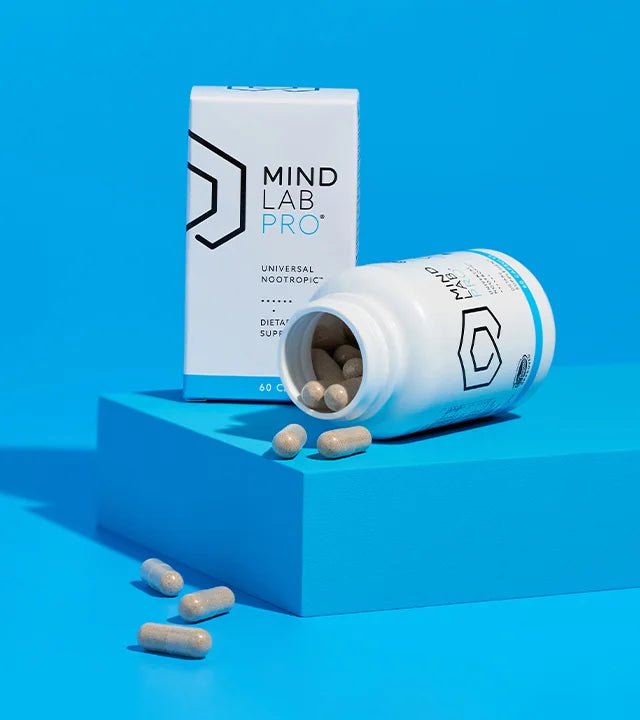
If your primary goal is consistent lion’s mane mushroom intake without hunting down fresh mushrooms (and without cooking), Mind Lab Pro® is a simple alternative. The formula includes 500 mg organic lion’s mane (mycelium and fruit) per serving, alongside additional nootropics designed to support everyday cognition.
Mind Lab Pro® Ingredients (per serving): Citicoline (as Cognizin®) 250 mg, Bacopa monnieri extract (24% bacosides) 150 mg, Organic Lion’s Mane Mushroom (mycelium and fruit) 500 mg, Phosphatidylserine (sunflower lecithin) 100 mg, N-Acetyl L-Tyrosine 175 mg, L-Theanine 100 mg, Rhodiola rosea (3% rosavins, 1% salidrosides) 50 mg, Maritime Pine Bark Extract (95% proanthocyanidins) 75 mg, plus NutriGenesis® vitamins B6 (2.5 mg), B9 (100 mcg), and B12 (7.5 mcg).
Think of it this way: fresh lion’s mane is fantastic if you want the food experience. Mind Lab Pro® is easier if you want a repeatable daily routine—especially on busy mornings when cooking mushrooms isn’t happening.
“It basically took my memories and neatly filed them in the cabinet to my mind. And it was easy for me to access and recall after that.”
Mind Lab Pro® is research-backed
Another reason Mind Lab Pro® is a convenient alternative to raw lion’s mane is that the finished formula (not just the individual ingredients) has been evaluated in multiple randomized, placebo-controlled human studies:
- Study 1 (processing speed): In a double-blind, placebo-controlled trial in healthy adults, 30 days of Mind Lab Pro® was associated with improvements on reaction-time and anticipation-type measures versus placebo—supporting the idea of “sharper mental speed.”(4)
- Study 2 (memory): In a double-blind, placebo-controlled memory study using a standardized memory battery, 30 days of Mind Lab Pro® improved performance across multiple memory domains versus placebo—including working-memory-related outcomes.(5)
- Study 3 (brain network efficiency): In a 60-day randomized, double-blind, placebo-controlled study, Mind Lab Pro® did not improve speed/accuracy on the behavioral task versus placebo, but it was associated with EEG network changes interpreted as increased coordination between brain regions—more of a “brain efficiency” signal than a short-term performance spike.(6)
More research on MLP is currently underway.
If you want deeper lion’s mane mushroom-specific reading, these internal guides can help: Lion’s Mane Mushroom Benefits, Lion’s Mane Dosage, and our guide on how lion's mane mushrooms grow.
Summary
If you want the food experience, raw lion’s mane medicinal mushroom is absolutely on the table—you can eat it raw, but many people prefer it cooked for better flavor and easier digestion.
If you’re trying to “match” a supplement dose with fresh mushroom, remember the simple rule of thumb: fresh mushrooms are mostly water, so roughly 10g fresh lion’s mane mushroom ≈ 1g dried (and exact equivalence varies even more with extracts). For sourcing, the best raw lion’s mane usually comes from local mushroom farms, farmers markets, specialty grocers, or direct-from-farm online sellers.
And if your real goal is consistent daily lion’s mane intake and optimal health benefits without the hassle of hunting, prepping, and cooking, a nootropic stack like Mind Lab Pro® can be the more convenient option—delivering a steady lion’s mane dose as part of a broader brain-support formula.
References
- NutraIngredients.com. (2025). Alternative applications for lion’s mane. NutraIngredients. Link
- Cleveland Clinic. (2024). 5 Lion’s Mane mushroom benefits. Cleveland Clinic Health Essentials. Link
- Utley, A., Gonzalez, Y., & Imboden, C. A. (2023). The efficacy of a nootropic supplement on information processing in adults: A double blind, placebo controlled study. Biomed J Sci & Tech Res, 49(1). Link
- Abbott-Imboden, C., Gonzalez, Y., & Utley, A. (2023). Efficacy of the nootropic supplement Mind Lab Pro on memory in adults: Double blind, placebo-controlled study. Human Psychopharmacology: Clinical and Experimental, e2872. Link
- O’Reilly, D., Bolam, J., Delis, I., & Utley, A. (2025). Effect of a plant-based nootropic supplement on perceptual decision-making and brain network interdependencies: A randomised, double-blinded, and placebo-controlled study. Brain Sciences, 15(3), 226. Link
*These statements have not been evaluated by the Food and Drug Administration. This product is not intended to diagnose, treat, cure, or prevent any disease.