

If you're looking for “Natural herbs for nerve regeneration,” it's probably personal. Terms like these are often investigated by those seeking nerve pain relief and help with related symptoms, like tingling, numbness, burning, sensitivity and weakness.
Maybe you want to learn what actually helps the nervous system repair: whether that means supporting nerve growth factors, protecting nerve cells from oxidative wear, or adopting nerve-healthy lifestyle practices including credible supplements.
This "nervy" topic is more common than most people realize. In a large U.S. population analysis, researchers estimated peripheral neuropathy (damage to nerves outside of the brain and spinal cord) affects about 14.8% of U.S. adults age 40+.(1) That’s one reason the “nerve regeneration” conversation has moved into the mainstream.
If you clicked this article, you’re probably looking for a practical shortlist: which natural herbs show the most promise for supporting nerve repair and helping the body's natural healing processes—and how to choose the best for you. Let's get to it!
Key Takeaways
- Herbs for nerves regeneration support covered in this guide: Lion’s Mane mushroom, turmeric/curcumin, gotu kola, ginseng (Panax), and ginkgo biloba.
- “Nerve regeneration” is a spectrum: some products support growth-factor signaling (NGF/BDNF), others support the environment nerves need to recover.
- Lion’s Mane is the most famous natural “nerve support” mushroom because its compounds (erinacines/hericenones) are discussed in research for supporting NGF-related pathways.(2)(3)
- Curcumin (from turmeric) has extensive preclinical research for peripheral nerve injury and neuroprotection—but human results are mixed.(4)(5)
- Gotu kola has evidence in lab/animal models for nerve regeneration signals, plus limited human data in contexts related to nerve damage.(6)(7)
- Secondary support ingredients (PS, bacopa, maritime pine bark, and citicoline) are indirect, but may help provide a good neve repair environment.
- Herbs are not a substitute for medical evaluation—persistent numbness, weakness, loss of balance, or progressive symptoms warrant professional care.
Disclaimer
This article is for educational purposes only and is not medical advice. Always consult a qualified healthcare professional before using any herbal supplement—especially if you have diabetes, neuropathy, autoimmune disease, thyroid disorders, heart rhythm issues, or if you take prescription medications (including blood thinners, antidepressants, diabetes drugs, or blood pressure medications). Supplements are not drugs and should be used only under a doctor’s guidance. If you have progressive numbness, weakness, falls, loss of coordination, severe nerve pain, or new neurological symptoms, seek medical evaluation to identify underlying causes and appropriate treatment.
What “nerve regeneration” actually means
Nerve regeneration is the nervous system’s ability to repair damaged nerves and restore function. In the peripheral nervous system (outside the brain/spinal cord), nerves can regenerate to a degree—especially when the environment supports repair (balanced inflammation, good blood flow, sufficient nutrients, and a healthy metabolism). In the central nervous system, regeneration is limited, so “support” there often means neuroprotection and plasticity rather than literal regrowth.
Practically, most people use “nerve regeneration” to mean one of three things:
- Symptom improvement (less tingling, burning, numbness, pain).
- Function support (better sensation, balance, strength, coordination).
- Repair signaling support (nerve growth factors like NGF/BDNF; myelin support; antioxidant defense; circulation).
Why do people take herbs for nerve regeneration?
People investigating herbs for nerves are often trying to solve a specific, sometimes scary problem. In many cases, they’re hoping natural support can help with issues like:
- Tingling, numbness, burning pain, chronic pain, pins-and-needles, or “electric” sensations (classic neuropathic pain symptoms)
- Loss of sensation or function (weak grip, clumsiness, balance issues, foot/hand “deadness”)
- Recovery after injury, surgery, or nerve irritation/compression (sciatica-like symptoms, carpal-tunnel-type flare-ups)
- Metabolic/diabetic concerns (blood sugar–related nerve symptoms, inflammation-driven nerve stress)
- Aging-related nerve decline (wanting to keep nerves resilient and healthy long-term)
- Autonomic nervous system concerns that can overlap with nerve dysfunction (gut motility changes, sweating changes, feeling “wired”)
The key point: herbs can be supportive, but they work best when they’re paired with the fundamentals that make nerve repair more likely—sleep, movement, metabolic health, and good nutrient status.
I was skeptical at first, but I can say that I feel sharper and more clear minded than as long as I can remember.John Y
“Easy wins” that help nerve recovery
Before herbs, consider these biohacking “easy wins” first: sleep timing, caffeine timing, daily movement, essential vitamins and minerals, hydration, and dietary protein. All are powerful natural remedies that can help support nerve health. Then graduate to more advanced “sexy wins” once the basics are locked in (wearables/HRV, sauna/cold exposure, red light, CGMs, targeted stacks).Read more on top biohacking products.
Best Natural Herbs for Nerve Regeneration Support
Below are the natural herbs and fungi most commonly discussed for nerve regeneration support. Some have human symptom studies; others have weaker preclinical evidence or indirect supportive effects. Let's check them out.
Lion’s Mane Mushroom (Hericium erinaceus)

Lion’s Mane is the star in the “nerve regeneration” herbs story. It’s one of the best-known natural ingredients discussed for supporting nerve growth factor (NGF) pathways. NGF (nerve growth factor) supports nerve regeneration by helping damaged neurons survive, grow new connections, and regrow/repair nerve fibers after injury. Read more about the best supplements for NGF.
Researchers point to two key compound families in Lion's Mane: hericenones and erinacines. These compounds are frequently discussed for their neurotrophic reputation—meaning they may support nerve health in many ways, including growth, maintenance, or repair.(2)(3)
What makes Lion’s Mane genuinely exciting as a functional mushroom is that it has a believable biological pathway for nerve support: It is one of the rare natural supplements that isn’t just “calming” or “antioxidant”—it’s talked about in the context of the very growth-and-repair signals nerves rely on when they’re trying to recover.
That doesn’t mean it’s a guaranteed regeneration switch in humans, but it does mean the idea has real scientific potential for helping nerve growth. As a bonus, Lion's mane is the best nootropic mushroom, with evidence suggesting it supports mood balance and longer-range brain health.
Read more: Lion’s Mane Mushroom (full guide)
Turmeric / Curcumin (neuroprotection + nerve injury support)

Curcumin—the main active compound in turmeric—has a lot of research for helping with inflammation and oxidative stress. As such, it’s often discussed as a way to support the right “repair environment” for nerves: reducing oxidative damage, maintaining balanced inflammation signals, and possibly supporting myelin in peripheral nerve injury models (myelin is the fatty sheath that surrounds and protects nerves).(4)(5)
However, keep in mind: a lot of the strongest “regeneration” signals from turmeric come from animal nerve tissue research. Human trials are more mixed. A recent trial of nanocurcumin in people with diabetic peripheral neuropathy reported no meaningful improvement in neuropathic outcomes.(8) Overall, curcumin is promising in theory and early research, but human results are not guaranteed.
Did you know? Due to its well-documented impact on inflammatory responses, curcumin is featured in top-tier supplements that provide soothing support for stiff and achy joints. Discover top joint supplements that include turmeric/curcumin.
Gotu Kola (Centella asiatica)

Gotu kola is a classic “healing herb," often discussed for connective tissue, microcirculation, and repair. Some research suggests it may support neurite growth (the “branching” that helps neurons connect) and peripheral nerve recovery signals in lab and animal models.(6)(7)
One widely cited study reported Centella asiatica accelerated peripheral nerve regeneration in a rat nerve crush model, while also identifying compounds that seemed to elongate neurites.(7) This doesn’t mean gotu kola “regenerates nerves” on demand—but it does explain why it shows up in nerve-health discussions: it has biological actions that make sense and preclinical research tied directly to regeneration.
There’s also human research using Centella asiatica selected triterpenes (CAST) in the context of diabetic neuropathy—suggesting the herb may support vascular and nerve-related outcomes in certain situations.(9)
Ginseng (Panax ginseng and related species)

Ginseng is one of the most studied traditional adaptogen herbs for performance, energy, and resilience, but it also appears in nerve-health research due to its ginsenosides. Early research has explored ginseng compounds for nerve repair and regeneration signaling pathways, and specific ginsenosides have been investigated for possible peripheral nerve regeneration support in animal models.(10)
Ultimately, ginseng is a “systems” herb. It may support resilience (fatigue, stress response, inflammation balance) and seems to have nerve-repair relevance. It’s best positioned as a supportive ingredient in a broader nerve-health routine rather than a single magic bullet.
Ginkgo biloba (circulation + neuropathy symptom support)

Ginkgo is famous for circulation and cognitive support. In nerve health, its angle is vascular: better microcirculation can help create a better environment for peripheral nerves.
There has been some clinical research evaluating Ginkgo biloba extract in patients with diabetic peripheral neuropathy, delving into symptoms and nerve conduction measures.(11) Evidence is not massive and findings are mixed, but ginkgo remains popular because it targets a real bottleneck often linked to neuropathy: circulation and oxidative stress.
Secondary Herbs and Supplements for Nerve Regeneration Support
Beyond the “headline” nerve-health herbs (like Lion’s Mane), there are a few secondary ingredients that may support nerve repair more indirectly—by helping maintain healthy neuronal membranes, supporting circulation and oxidative stress balance, or supplying raw materials the nervous system uses for cellular upkeep.
- Phosphatidylserine (PS): A structural compound found in neuronal membranes; commonly used for stress resilience and brain-cell support. Better framed as supporting the nervous system’s stability and repair environment than as a proven regrowth trigger. Read more on PS.
- Bacopa monnieri: Best known as one of the top Ayurvedic traditional remedies for cognition; preclinical research discusses neuroprotection and neuron-growth signals. For nerve regeneration, treat it as supportive biology rather than direct human-proven repair. Read more on Bacopa.
- Maritime pine bark extract (Pycnogenol®): Known for antioxidant and circulation support, which may help create better conditions for nerve function (blood flow + oxidative stress balance). Human evidence trends more toward neuropathy-adjacent support than confirmed regeneration. Read more on Maritime Pine Bark.
- Citicoline (CDP-choline): Supplies choline/cytidine used in phospholipid synthesis and membrane turnover; often positioned as “clean mental fuel” and structural support. Plausible as a nervous-system building-block ingredient, but not a standalone regeneration herb. Read more on Citicoline.
- Alpha-Lipoic Acid (ALA): Commonly used as a “nerve environment” support tool because it helps reinforce antioxidant capacity and supports healthier cellular energy metabolism. it’s been studied for improving neuropathic symptoms such as burning, tingling, and numbness.
Bonus Nerve Support: Omega-3 Fatty Acids (EPA/DHA)

Omega-3 fatty acids (especially DHA and EPA) are one of the highest-ROI “support” supplements for nerve health because they help build and maintain the structures nerves rely on to function. DHA optimizes nerve cell membranes, and healthier membranes support better signals. Omega-3s also help inflammation balance, which further helps protect nerve tissues and support a healthy environment for nerve regeneration.
Beyond nerve support, omega-3s support mood stability, joint comfort, cardiovascular health, and long-range brain wellness, which makes them an easy anchor supplement in most routines.

Nerve repair is rarely one-dimensional. It’s not just “growth signals,” but also the structural materials and cellular conditions that make repair possible. That’s one reason a multi-ingredient nootropic stack can be a smart approach for “nerve regeneration” support—pairing a top neurotrophic herb (like Lion’s Mane) with supportive membrane, circulation, antioxidant, and brain-energy ingredients that help the nervous system stay resilient while it rebuilds.
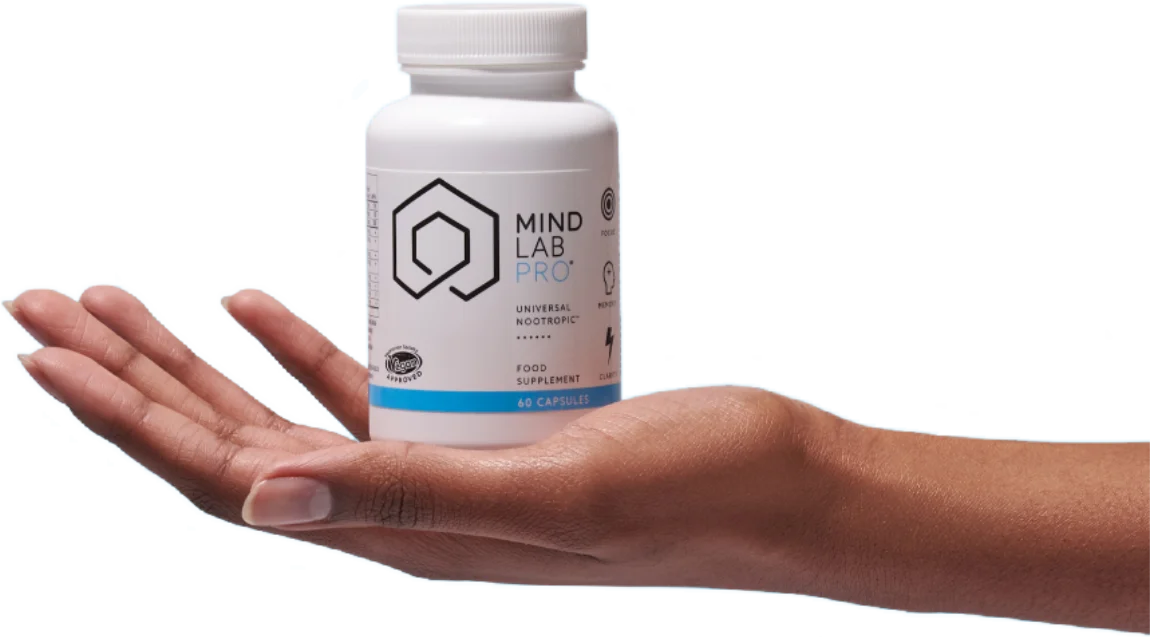
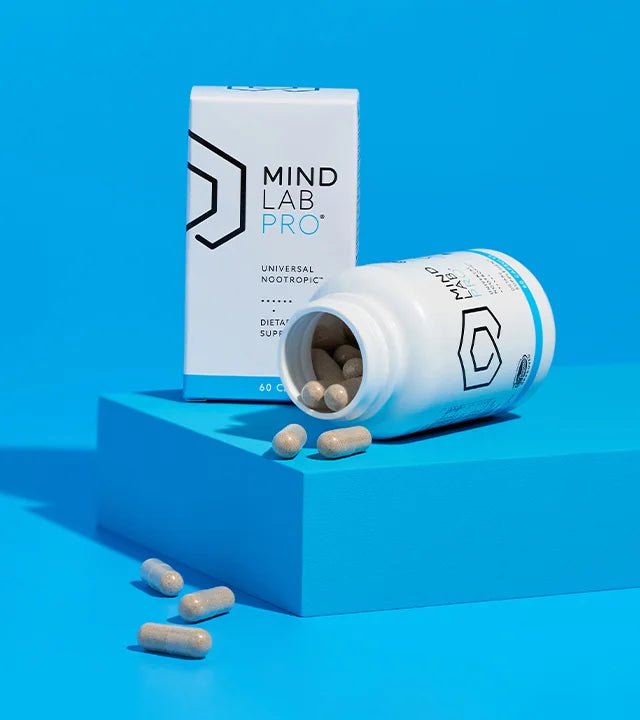
Mind Lab Pro® Nootropic as a Nervous System Support Stack

If you want a convenient daily stack that includes Lion’s Mane and other brain-health-friendly ingredients, Mind Lab Pro® fits—not as a “nerve regeneration stack” but as a broad-spectrum, brain-boosting nootropic stack that supports the nervous system’s broader performance and resilience foundations.
Mind Lab Pro® Ingredients (per serving): Citicoline (CDP Choline) 250mg, Phosphatidylserine (from sunflower lecithin) 100mg, Bacopa monnieri 150mg (24% bacosides), Organic Lion’s Mane Mushroom 500mg (fruit and mycelium), Maritime Pine Bark Extract 75mg (95% proanthocyanidins), N-Acetyl L-Tyrosine 175mg, L-Theanine 100mg, Rhodiola rosea 50mg (3% rosavins, 1% salidrosides), NutriGenesis® Vitamin B6 2.5mg, Vitamin B9 100mcg, Vitamin B12 7.5mcg.
How does MLP relate to nerve regeneration? Lion’s Mane is the obvious connection here (Nerve Growth Factor support), but the stack also includes calm-focus and stress-resilience support (L-theanine, rhodiola, phosphatidylserine), plus foundational B-vitamins that help support nervous system function. It also supplies promising complementary nerve support from Bacopa monnieri and Maritime Pine Bark.
For many people, “nerve regeneration” goals overlap with cognitive goals: less brain fog, better resilience, and better day-to-day nervous system stability. MLP fits the bill because it is the Universal Nootropic; one stack for all brain needs (cognitive and health-oriented).
Mind Lab Pro® is Research-Backed
- Study 1 (processing speed): 30 days of Mind Lab Pro® was associated with improved information processing outcomes versus placebo.(12)
- Study 2 (memory): 30 days improved performance across multiple memory outcomes versus placebo on a standardized memory battery.(13)
- Study 3 (brain network efficiency): Over 60 days, Mind Lab Pro® did not improve task speed/accuracy versus placebo, but it was associated with EEG network changes interpreted as increased coordination between brain regions.(14)
Read more about the Mind Lab Pro studies
Summary
When people look up nerve regeneration herbs, they’re usually dealing with real-life pain points—tingling, numbness, burning sensations, shooting pain, or that scary feeling that something is “off” in the hands or feet. Natural herbs may be helpful here. But the best way to think about them is as supportive tools that may help the nervous system recover by improving the conditions nerves need to heal: calmer inflammation signals, less oxidative stress, better circulation, and (in the case of Lion’s Mane) potential support for nerve growth factor pathways.
The most encouraging part is that some of the strongest “nerve support” wins are lifestyle-based and very doable: consistent sleep, gentle daily movement (especially walking), strength training within your limits, steady blood sugar habits, hydration/electrolytes, and making sure basics like B12, vitamin D, magnesium, and omega-3 intake aren’t neglected.
Herbs can then “sit on top” of that foundation as a focused add-on. And because nerve symptoms can have important underlying causes, it’s smart to see a doctor first—especially if symptoms are new, worsening, one-sided, or include weakness, balance issues, or loss of function.
References
- Neurology. (2025). Racial and Ethnic Differences in Peripheral Neuropathy in US Adults. Neurology. Link
- Contato, A. G., et al. (2025). Lion's Mane Mushroom (Hericium erinaceus). PMC (NIH). Link
- Szućko-Kociuba, I., et al. (2023). Neurotrophic and Neuroprotective Effects of Hericium erinaceus. International Journal of Molecular Sciences, 24(21), 15960. Link
- Caillaud, M., et al. (2020). Key Developments in the Potential of Curcumin for Peripheral Neuropathies. Antioxidants, 9(10), 950. Link
- Basu, P., et al. (2021). Effects of Curcumin and Its Different Formulations in Neurological Diseases. PMC (NIH). Link
- Lokanathan, Y., et al. (2016). Recent Updates in Neuroprotective and Neuroregenerative Potential of Centella asiatica. PMC (NIH). Link
- Soumyanath, A., et al. (2005). Centella asiatica accelerates nerve regeneration upon oral administration and contains multiple active fractions increasing neurite elongation in vitro. Journal of Pharmacy and Pharmacology, 57(9), 1221–1229. Link
- Mansour, A., et al. (2025). Nanocurcumin supplementation in type 2 diabetes with diabetic peripheral neuropathy: randomized double-blind clinical trial. Nutrition Journal. Link
- Lou, J. S., et al. (2018). Centella asiatica triterpenes for diabetic neuropathy: randomized double-blind clinical trial. PMC (NIH). Link
- Wang, L., et al. (2015). Ginsenoside Re Promotes Nerve Regeneration by Facilitating the Regrowth of Injured Neurons. PMC (NIH). Link
- Choi, K. M., et al. (Year not listed in snippet). The Effect of Ginkgo Biloba Extract on Diabetic Peripheral Neuropathy. Diabetes & Metabolism Journal. Link
- Utley, A., Gonzalez, Y., & Imboden, C. A. (2023). The efficacy of a nootropic supplement on information processing in adults: A double blind, placebo controlled study. Biomed J Sci & Tech Res, 49(1). Link
- Abbott-Imboden, C., Gonzalez, Y., & Utley, A. (2023). Efficacy of the nootropic supplement Mind Lab Pro on memory in adults: Double blind, placebo-controlled study. Human Psychopharmacology: Clinical and Experimental, e2872. Link
- O’Reilly, D., Bolam, J., Delis, I., & Utley, A. (2025). Effect of a plant-based nootropic supplement on perceptual decision-making and brain network interdependencies: A randomised, double-blinded, and placebo-controlled study. Brain Sciences, 15(3), 226. Link
*These statements have not been evaluated by the Food and Drug Administration. This product is not intended to diagnose, treat, cure, or prevent any disease.