

Creative work demands more than inspiration. It relies on relaxed focus, mental clarity, memory, cognitive flexibility, mental energy, and stress resilience—functions that nootropics may help support.
Key Takeaways
- L-Theanine is one of the strongest starting points for creative work because it supports relaxed focus and alpha brain wave activity.
- Lion's Mane, Bacopa, Phosphatidylserine, and Omega-3s provide broader support for brain health, memory, and cognitive performance over time.
- Rhodiola, L-Tyrosine, and Caffeine may be useful when mental fatigue, stress, or sustained effort threaten creative output.
- Citicoline supports attention, mental energy, memory, and acetylcholine production—functions that help move ideas from concept to execution.
- The best nootropics for creativity support the brain functions behind creative thinking; they do not guarantee inspiration or creative talent.
- Our picks for the best nootropics for creative work are L-Theanine, Lion's Mane, Rhodiola, Bacopa, Phosphatidylserine, L-Tyrosine, Omega-3s, Caffeine, and Citicoline.
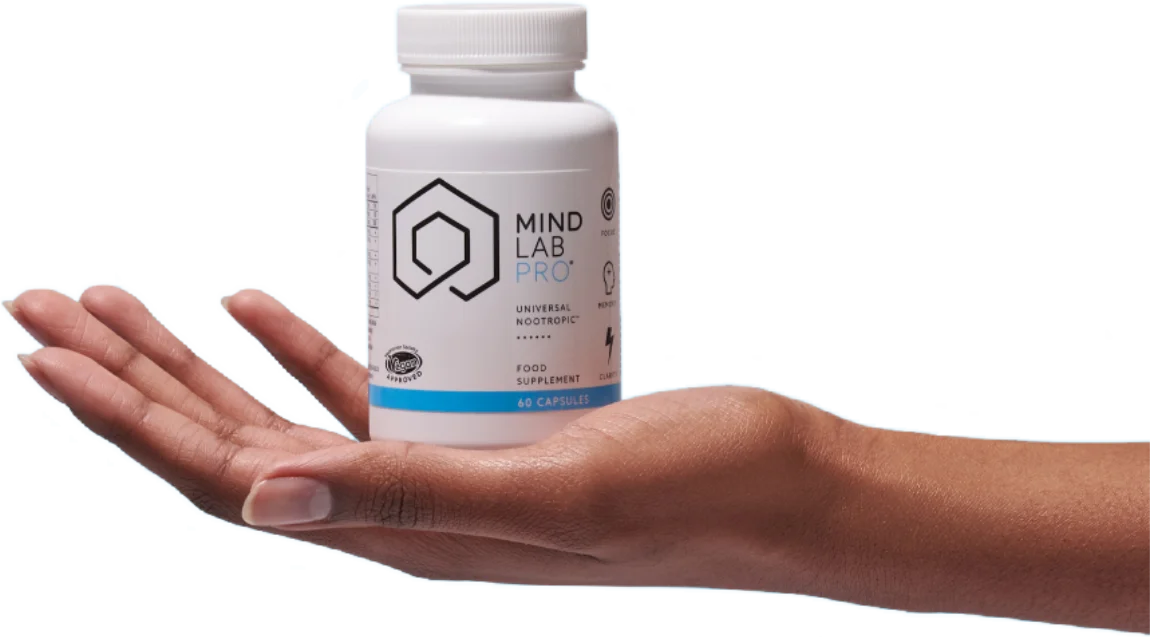
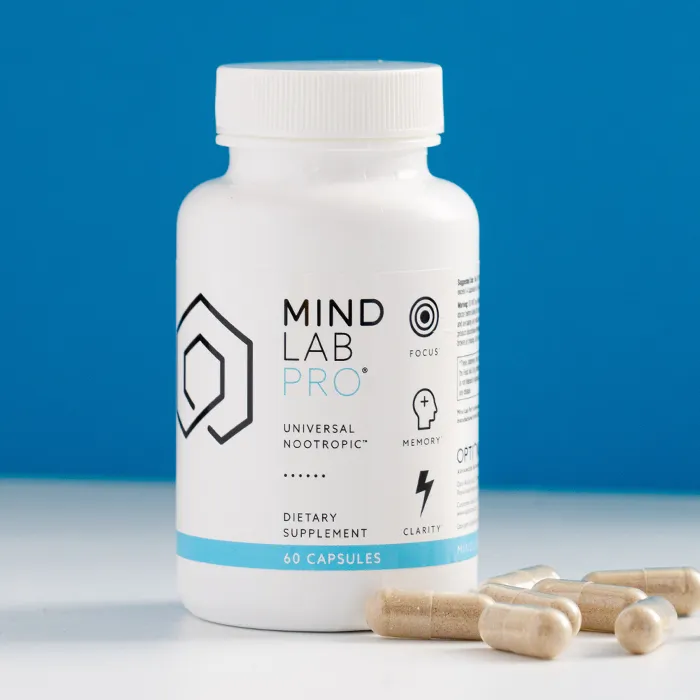
- For an all-in-one option, Mind Lab Pro® combines several of these creativity-supportive nootropics in one multi-ingredient stack.
Disclaimer
This article is for educational purposes only and is not medical advice. Nootropic supplements are not prescription drugs or prescription stimulants, and they are not intended to diagnose, treat, cure, or prevent disease. They should not be used to treat ADHD (attention deficit hyperactivity disorder), cognitive deficits, or other medical conditions. If you take prescription medication, have existing health conditions, or are considering supplements alongside other therapies, consult a qualified healthcare professional.
Best Nootropics for Creative Work
The best nootropics for creative work support different pieces of the creative process: idea generation, relaxed focus, working memory, cognitive flexibility, motivation, mental clarity, and sustained attention. Here are the strongest options covered in this guide.
L-Theanine

L-Theanine is a naturally occurring amino acid found in green tea and black tea. It is especially relevant to creative thinking because it promotes a state of relaxed focus rather than stimulation.
One of L-Theanine's most interesting cognitive benefits is its relationship with alpha waves, which are associated with wakeful relaxation and inwardly directed attention. In a randomized, double-blind, placebo-controlled study, 50 mg of L-Theanine significantly increased alpha brain wave activity within 40 minutes without inducing drowsiness.(2)
That combination of mental clarity and calm may be helpful for creative endeavors that require imagination, problem-solving, and sustained concentration. L-Theanine may also help improve focus without creating the wired feeling that can hinder creativity.
More on Mind Lab Pro® L-Theanine
Lion's Mane Mushroom

Lion's Mane Mushroom (Hericium erinaceus) is less about immediate creative flow and more about long-term cognitive support. It is especially well known for its relationship with nerve growth factor (NGF) pathways and is commonly discussed in connection with neuroplasticity, memory, and brain health.
NGF supports the growth, repair, and survival of brain cells, while neuroplasticity helps the brain form and reorganize connections. Those processes are relevant to creative thinking because creativity often depends on linking stored knowledge and experiences in new ways. Learn more about NGF and brain function.
Research: In a double-blind, placebo-controlled clinical trial, Lion's Mane was studied in people with mild cognitive impairment, with researchers reporting cognitive improvement during supplementation.(3) Although this was not a creativity study, it supports broader interest in Lion's Mane for cognitive function.
Rhodiola Rosea

Rhodiola rosea is an adaptogenic herb best known for helping the body adapt to stress and helping the body handle stress more effectively when demands rise. For creatives, its strongest fit is not direct idea generation but support when mental fatigue, pressure, and stress threaten mental performance.
Research: A clinical trial evaluated Rhodiola rosea extract in adults with mild to moderate depression.(4) While this was not a creativity study, it contributes to the broader human research on Rhodiola and mood-related function.
Explore more adaptogenic herbs
Bacopa Monnieri

Bacopa monnieri extract is a prized herb in Ayurvedic medicine with a long history of use for mental function. Its strongest modern nootropic association is with memory and learning—important because creative work often involves retrieving old information and recombining it into new ideas.
Research: A double-blind, placebo-controlled study found that 12 weeks of Bacopa supplementation significantly improved verbal learning, memory consolidation, and delayed recall in healthy adults.(5)
More on Mind Lab Pro® Bacopa Monnieri
Phosphatidylserine (PS)

Phosphatidylserine (PS) is a naturally occurring phospholipid that helps maintain brain-cell membrane structure and healthy neural communication. It supports memory, attention, and executive functioning—skills that help creative thinkers organize ideas and carry them through.
Research: In a placebo-controlled study of older adults with memory complaints, 300 mg of PS daily for 12 weeks produced improvements in memory and learning.(6) Although the population was not selected for creativity, the study supports PS's role in memory-related cognitive function.
More on Mind Lab Pro® Phosphatidylserine
L-Tyrosine

L-Tyrosine is an amino acid nootropic and precursor to dopamine, norepinephrine, and epinephrine. It is most relevant to creative work under pressure, where cognitive flexibility, working memory, motivation, and sustained mental effort become especially important.
Research: A human study published in Brain Research Bulletin reported that L-Tyrosine improved cognitive control, supporting its relevance to higher-order thinking during demanding cognitive tasks.(7)
Omega-3 Fatty Acids

Omega-3 fatty acids, especially DHA and EPA, are essential nutrients for brain health. DHA is a major structural component of brain-cell membranes and supports healthy signaling, while omega-3s more broadly contribute to mood and overall brain function.
Research: A meta-analysis found that EPA-predominant omega-3 supplements significantly reduced symptoms of depression.(8) That is not evidence for boosting creativity directly, but it supports the broader connection between omega-3 intake and mood-related brain health.
Discover today's top vegan Omega-3 supplement
Caffeine

Caffeine does not directly create ideas, but it can improve alertness, attention, and mental energy—useful when creative work requires long stretches of concentration or when mental fatigue starts to interfere with output.
Research: A placebo-controlled study examined caffeine's cognitive and mood effects in habitual and non-habitual caffeine consumers and reported cognitive and mood improvements.(9)
For creativity, more stimulation is not always better. High doses can cause anxiety or jitters that work against relaxed focus, which is one reason some people pair caffeine with L-Theanine.
Learn more about caffeine supplements with L-Theanine
Citicoline (CDP-Choline)

Citicoline, also known as CDP-Choline, is a broad-spectrum nootropic with cognitive benefits related to attention, memory, mental energy, and brain health. One of its key mechanisms involves supporting acetylcholine production, which is important for memory and attention.
Research: A double-blind, placebo-controlled study found that 250–500 mg of Citicoline improved attention and psychomotor performance in healthy women, especially on tasks requiring cognitive control and sustained focus.(10)
How Nootropics May Support Creative Thinking

Creativity is the ability to generate ideas or solutions that are both novel and useful. It does not come from one isolated "creativity center" in the brain; it draws on multiple cognitive systems and networks working together.(1)(12)
- Relaxed focus and flow: Creative flow combines absorbed attention with a relatively effortless mental state. One EEG study associated flow with increased frontal theta and moderate frontocentral alpha activity.(11)
- Divergent and convergent thinking: Divergent thinking generates possibilities; convergent thinking evaluates and organizes them. Creative work usually requires both.
- Executive function and working memory: These help hold ideas in mind, compare options, suppress distractions, and organize a creative response.
- Neuroplasticity and memory: Creativity often involves retrieving existing knowledge and recombining it in new ways, making memory and flexible neural connections useful to the creative process.
- Mental energy and stress control: Brain fog, mental fatigue, and excessive stress can make it harder to sustain the attention and cognitive flexibility that creative work demands.
That is why the best nootropics for creativity are usually not compounds that "cause" creativity. They support brain function and mental states that make creative thinking and execution easier.

“What surprised me was how much calmer and more settled my mind felt.”
Best Nootropic Stack for Creativity & Creative Flow in 2026
Mind Lab Pro® (MLP®)

Because creativity depends on many cognitive functions at once, a multi-ingredient nootropic stack can offer broader support than a single ingredient. Mind Lab Pro® combines several of the nootropics covered above in one formula.
The full MLP formula supplies several of the best nootropics for creative work in one stack:
MLP Ingredients: Citicoline (CDP Choline) dosage 250mg per serving, Phosphatidylserine (PS) 100mg (from sunflower lecithin), Bacopa monnieri 150mg (24% bacosides), Organic Lion's Mane Mushroom 500mg (fruit and mycelium), Maritime Pine Bark Extract 75mg (95% proanthocyanidins), N-Acetyl L-Tyrosine 175mg, L-Theanine 100mg per serving, Rhodiola rosea 50mg (3% rosavins and 1% salidrosides), NutriGenesis® Vitamin B6 (2.5 mg), Vitamin B9 (100 mcg), Vitamin B12 (7.5 mcg)
Together, these ingredients provide broad cognitive support for focus, memory, mental clarity, mood, stress resilience, and overall brain health—functions that contribute to both creative ideation and execution.
Mind Lab Pro® Research: Cognitive Benefits and Creative Potential
Study 1: Enhanced Information Processing and Mental Agility
In a 2023 double-blind, placebo-controlled study published in the Biomedical Journal of Scientific & Technical Research, researchers found that 30 days of Mind Lab Pro® significantly improved mental processing speed, attentional performance, and decision-making in healthy adults. Subjects in the MLP group showed a 47% improvement in anticipatory response time, alongside gains in focus and choice reaction time.(13)
These benefits—faster mental response, sharper focus, and greater attentional control—may be useful in creative work where fluid thinking and quick decisions matter.
Study 2: Significant Gains in Memory and Recall
A 2023 study published in Human Psychopharmacology: Clinical and Experimental reported that 30 days of MLP supplementation improved multiple forms of memory, including auditory, visual, and spatial memory, with the most significant improvements seen in immediate recall (28%) and delayed recall (26%).(14)
Improved memory and recall may help creators access and recombine stored information more fluently.
Study 3: Improved Brain Network Integration
In a 2025 study published in Brain Sciences, researchers used EEG to explore how 60 days of Mind Lab Pro® affected perceptual decision-making and brain connectivity. Although participants did not show faster reaction times in visual recognition tasks, those taking MLP exhibited more efficient, synchronized brain activity, especially in slower delta brainwaves associated with deep cognitive processing.(15)
Read all the details on Mind Lab Pro® research
“My brain felt snappier and much clearer.”
Frequently Asked Questions
What are the best nootropics for creative work?
The best nootropics for creative work depend on what is limiting your performance. L-Theanine supports relaxed focus; Lion's Mane, Bacopa, PS, and Omega-3s support longer-term brain health and memory; Rhodiola and L-Tyrosine may help under stress; Caffeine supports alertness; and Citicoline supports attention, memory, and mental energy.
What is L-Theanine and how does it help with creativity?
L-Theanine is a nootropic amino acid found naturally in tea. It supports alpha brain waves and relaxed focus, which may help create a calmer mental state for creative thinking. Learn more about L-Theanine's cognitive benefits.
Can nootropics boost creativity directly?
Most nootropics are better viewed as cognitive enhancers than direct creativity boosters. They may support the mental clarity, working memory, attention, motivation, relaxed focus, and cognitive flexibility involved in creative performance.
Can caffeine help with creative work?
Caffeine can help reduce mental fatigue and support alertness and focus, which may improve productivity during demanding creative tasks. Too much stimulation, however, can work against the relaxed mental state that often supports idea generation.
Does Mind Lab Pro® support creativity?
Mind Lab Pro® is an 11-in-1 nootropic supplement designed to support multiple cognitive functions involved in creative work, including focus, clarity, memory, mood, and mental performance. Its ingredients and human research support several cognitive functions relevant to moving from creative ideas to execution. Learn how nootropics support cognitive performance.
Summary
The best nootropics for creative work do not manufacture ideas. They support the brain functions that make creativity easier to sustain: relaxed focus, memory, cognitive flexibility, mental energy, motivation, and stress resilience.
L-Theanine is the clearest starting point for relaxed creative focus, while ingredients such as Lion's Mane, Bacopa, Phosphatidylserine, Omega-3s, Rhodiola, L-Tyrosine, Caffeine, and Citicoline support different parts of the creative process. A well-designed stack may provide broader support, but sleep, exercise, stress management, and a balanced diet remain the foundation for healthy brain function.
Related Posts:
Nootropics for Visualization - Realize Your Goals With Creative Imagery
How Playing an Instrument Changes Your Brain
References
- How Creativity Works in the Brain. National Endowment for the Arts. July 2015. Link
- Nobre, A. C., Rao, A., & Owen, G. N. (2008). L-theanine, a natural constituent in tea, and its effect on mental state. Asia Pacific Journal of Clinical Nutrition, 17(S1), 167–168. Link
- Mori, K., Inatomi, S., Ouchi, K., Azumi, Y., & Tuchida, T. (2009). Improving effects of the mushroom Yamabushitake (Hericium erinaceus) on mild cognitive impairment: a double-blind placebo-controlled clinical trial. Phytotherapy Research, 23(3), 367–372. Link
- Darbinyan, V., Aslanyan, G., Amroyan, E., Gabrielyan, E., Malmstrom, C., & Panossian, A. (2000). Clinical trial of Rhodiola rosea L. extract SHR-5 in the treatment of mild to moderate depression. Nordic Journal of Psychiatry, 54(5), 343–347. Link
- Stough, C., Lloyd, J., Clarke, J., Downey, L. A., Hutchison, C. W., Rodgers, T., & Nathan, P. J. (2001). The chronic effects of an extract of Bacopa monniera (Brahmi) on cognitive function in healthy human subjects. Psychopharmacology, 156(4), 481–484. Link
- Crook, T. H., Tinklenberg, J., Yesavage, J., Petrie, W., Nunzi, M. G., & Massari, D. C. (1991). Effects of phosphatidylserine in age-associated memory impairment. Neurology, 41(5), 644–649. Link
- Colzato, L. S., Jongkees, B. J., Sellaro, R., & Hommel, B. (2013). Working memory reloaded: Tyrosine repletes dopamine to improve cognitive control in human subjects. Brain Research Bulletin, 91, 52–57. Link
- Sublette, M. E., Ellis, S. P., Geant, A. L., & Mann, J. J. (2011). Meta-analysis of the effects of eicosapentaenoic acid (EPA) in clinical trials in depression. Journal of Clinical Psychiatry, 72(12), 1577–1584. Link
- Haskell, C. F., Kennedy, D. O., Wesnes, K. A., & Scholey, A. B. (2005). Cognitive and mood improvements of caffeine in habitual consumers and habitual non-consumers of caffeine. Psychopharmacology, 179(4), 813–825. Link
- McGlade, E., Yurgelun-Todd, D., & Yurgelun-Todd, D. (2012). Citicoline and cognitive performance in healthy women. Journal of Attention Disorders, 16(7), 590–595. Link
- Katahira K e al. EEG Correlates of the Flow State: A Combination of Increased Frontal Theta and Moderate Frontocentral Alpha Rhythm in the Mental Arithmetic Task. Front. Psychol. 2018 Mar. Link
- Lui, Z et al. Neural and genetic determinants of creativity. Neuroimage. 2018 Mar 5. pii: S1053-8119(18)30174-5. Link
- Utley A, Gonzalez Y, Imboden CA. The Efficacy of A Nootropic Supplement on Information Processing in Adults: A Double Blind, Placebo Controlled Study. Biomed J Sci & Tech Res 49(1)-2023.Link
- Abbott-Imboden C., Gonzalez Y., Utley A. (2023). Efficacy of the nootropic supplement Mind Lab Pro on memory in adults: Double blind, placebo-controlled study. Human Psychopharmacology: Clinical and Experimental, e2872.Link
- O’Reilly, D., Bolam, J., Delis, I., & Utley, A. (2025). Effect of a Plant-Based Nootropic Supplement on Perceptual Decision-Making and Brain Network Interdependencies: A Randomised, Double-Blinded, and Placebo-Controlled Study. Brain Sciences, 15(3), 226.Link