

Is the pill from Limitless real? In the 2011 film, a mysterious drug called NZT-48 turns an unfocused writer into an unstoppable thinker. Of course, this is purely fiction. The science-fiction version does not exist. But the fascination behind it is real, and played a part in sparking the nootropic movement: Could a substance help an ordinary brain focus more sharply, remember more, and perform under pressure?
The desire for sharper thinking is widespread. In a 2023 AARP survey, 84% of adults age 40 and older said maintaining or improving their brain health was very important. Of course, wanting better focus and memory is a long way from finding a real-life NZT-48. This article separates movie magic from human research, looks at smart drugs and natural nootropics and explains which habits and supplement features deserve attention.
Key Takeaways
- NZT-48 is fictional. No approved drug or dietary supplement creates instant genius, photographic memory, or effortless mastery.
- Real smart drugs are narrower. Prescription drugs and stimulants may influence alertness, attention, or specific tasks—not spark overall super-intelligence.
- Research-backed ingredients exist. Caffeine plus L-theanine has acute attention research; Bacopa, Rhodiola and Cognizin citicoline have human research on specific cognitive outcomes.
- Effects depend on context. Sleep, baseline ability, type of task, dose and study population all matter.
- Safety is part of performance. Prescription stimulants have meaningful risks; natural does not automatically mean harmless.
- Start with fundamentals. Adequate sleep, exercise, nutrition and hydration provide a better foundation than perpetual reliance on brain-boosting pills.
- Try Mind Lab Pro. It's not a fictional drug, it's a real nootropic supplement. Mind Lab Pro's Universal Nootropic design conceptually mirrors the "overall brain boost" depicted in the movie Limitless.
Disclaimer
This article is for educational purposes only and does not constitute medical advice. NZT-48 and its extraordinary cognitive effects in the movie Limitless are fictional; no real-world drug or supplement has been shown to produce comparable results. Prescription stimulants and wakefulness-promoting medications should only be used as prescribed under medical supervision, as misuse may cause serious side effects, drug interactions, or dependence. Dietary supplements are not equivalent to prescription drugs, and claims of miraculous or guaranteed cognitive enhancement should be viewed skeptically. Supplements are not intended to diagnose, treat, cure, or prevent any disease or medical condition, including ADHD and sleep disorders. Research on individual ingredients does not necessarily establish the effectiveness of a finished supplement formula. Consult a qualified healthcare professional before using cognitive-enhancing products, especially if you take medications, are pregnant or breastfeeding, have cardiovascular or psychiatric conditions, or experience persistent cognitive symptoms.
Is There a Real-Life Limitless Pill (NZT-48)?
No. NZT-48 is a fictional substance created for the movie Limitless. There is no known molecule capable of switching on every intellectual skill within minutes. Memory is not a single vault; intelligence is not controlled by one switch. Attention, learning, working memory, flexible thinking and creativity all depend on interconnected brain networks. Improving one process does not automatically enhance the others.
A realistic definition of nootropics begins with these distinctions. People may pursue sharper attention during a demanding afternoon, better recall over weeks of studying, or steadier thinking during stress. Those goals involve different biological processes, so the best-supported approaches are usually specific, not miraculous.
The genuine options range from caffeine and dietary ingredients to medications prescribed for particular conditions. They differ dramatically in evidence, onset, accessibility, and safety. None should be described as an actual NZT-48.
What the Film Portrays: NZT-48, Bradley Cooper, and Fiction
In Limitless, Bradley Cooper plays Eddie Morra, a struggling writer whose life changes after taking NZT-48. Suddenly he retrieves obscure memories, learns rapidly, detects patterns, speaks persuasively, makes sophisticated financial decisions and seems to control every detail of his surroundings. His intellectual transformation drives the plot—and so do the pill's disturbing consequences.
It's an alluring premise: What if the knowledge you already had became instantly accessible, and every new experience could be processed at extraordinary speed? But the film compresses numerous different abilities into one spectacular effect. Real neuroscience does not support the popular notion that most of the human brain is dormant and waiting for chemical activation.
Bradley Cooper portrayed a character taking a fictional drug; the performance was not evidence of a real-life enhancer. Even if an experimental molecule increases activity in a particular neurotransmitter system, it cannot instantly supply years of knowledge, practice or expertise. The movie is best understood as a thought experiment about ambition, dependence and the price of extraordinary performance—not a pharmaceutical forecast.
What Real Smart Drugs Actually Do
Today's “smart drugs” are best understood as state-altering compounds. They may help someone stay awake, sustain attention, or perform an unusually monotonous task. Changing the state in which you work, however, is different from making you inherently more intelligent.
Modafinil: Wakefulness Is Not Genius
Modafinil is a prescription wakefulness-promoting medication. In the United States it is approved for excessive sleepiness associated with narcolepsy, obstructive sleep apnea and shift work disorder. It's meant to help restore good cognitive function and alertness. It's not intended to turn healthy people into exceptional thinkers.
Researchers have investigated Modafinil for off-label cognitive effects, particularly attention and executive function. It influences dopamine transport and other wakefulness-related systems, but the mechanism does not translate into universal cognitive improvement.(1,2)
In a 2019 meta-analysis of 19 placebo-controlled trials involving adults who were not sleep-deprived, modafinil produced a statistically significant but small overall effect across cognitive domains. An earlier review found more promising effects when researchers used complex executive-function tasks, but results were inconsistent and some creative-thinking tasks did not improve. Those findings do not establish a consistent everyday productivity advantage.(1,2)
Read more about modafinil as a nootropic.
Adderall, Ritalin and Other Prescription Stimulants
Prescription medications such as Adderall and Ritalin are administered by doctors for specific medical indications, including ADHD. Their medical value for diagnosed patients should not be confused with nonmedical "off-label" use by healthy people hoping to study longer or work faster.
Research on cognitive enhancement in healthy, non-sleep-deprived adults finds selective effects rather than a general intelligence increase. A review comparing modafinil, methylphenidate and amphetamine reported relatively small improvements in some domains and inconsistent findings overall.(3) These medications can also cause insomnia, appetite changes, anxiety and cardiovascular effects. The FDA requires prominent warnings about misuse, addiction and overdose for prescription stimulants.(4)
Did you know? A synthesis of 47 studies examining modafinil, methylphenidate and amphetamine in healthy adults found that reported cognitive gains were generally small and depended on the particular mental task tested.(3)
The central lesson: feeling energized, highly motivated or unusually absorbed in work is not the same as becoming smarter. Self-reported “brain power” and objective gains do not always align.
Evidence-Backed Ingredients: What's Closest to a Limitless Pill?
Dietary ingredients cannot reproduce the movie's effects, but some have credible evidence for narrower outcomes. Many appear in lists of natural and synthetic nootropics. The important questions are which benefit, in which population, at what dose, and over what period?
Beware of "Limitless Pill" Claims
Note: Be skeptical of supplements that promise movie-like brainpower, instant genius, photographic memory, or dramatic cognitive transformation. Some may even mention Limitless or NZT-48 specifically to market their products. These "miracle pill" claims are not supported by credible human research. Legitimate nootropic supplements take a more realistic, science-based approach: using researched ingredients to support specific cognitive functions, such as focus, memory, mental energy, and stress resilience. Good nootropics support healthy brain performance. They don't create superhuman abilities.
Caffeine + L-Theanine: Attention in the Short Term

Caffeine blocks adenosine signaling, helping to reduce sleepiness. L-theanine is a tea-derived amino acid investigated for attention and calmness. Together, they are studied as a potential acute focus combination rather than a memory-building miracle.
A 2025 systematic review included 50 randomized controlled trials of tea, theanine, caffeine-related combinations and associated cognitive outcomes, with 15 contributing to at least one meta-analysis. The combination showed small-to-moderate advantages on certain attention tasks during the first two hours, including vigilance and attention switching, but confidence intervals often suggested considerable uncertainty. Evidence does not show a universal or guaranteed boost for every user.(5)
For people sensitive to caffeine, even a promising attention strategy can be undermined by anxiety or sleep disruption. And taking L-theanine with caffeine is not the same as using a stimulant-free theanine supplement.
Get the full story on L-Theanine as a nootropic.
Rhodiola Rosea: Mental Stamina Under Stress

Rhodiola rosea is an adaptogenic herb studied for helping people maintain mental performance during stressful or tiring periods. Rather than producing an instant surge in intelligence, it may support mental stamina when fatigue starts interfering with concentration. Check out our list of adaptogens article.
In a small double-blind crossover trial, 56 physicians working night shifts received a standardized Rhodiola extract or placebo. Researchers reported better results on a combined measure of mental fatigue and cognitive performance during the first two-week treatment period. The findings are promising for stress-related fatigue, but studies have been small and results across trials are mixed.(6)
Read more about Rhodiola rosea.
Bacopa Monnieri: Gradual Attention and Memory Research

Bacopa is an Ayurvedic herb containing bacoside-related compounds that have been studied for cognition. Unlike a fictional overnight memory pill, Bacopa research generally evaluates supplementation over several weeks, sometimes months.
A meta-analysis identified nine randomized trials with 518 participants, examining standardized Bacopa preparations. In pooled analyses, investigators found improvements on selected measures including choice reaction time and a trail-making task, supporting possible benefits for the speed of attention. The authors also emphasized the need for larger, well-designed trials. Different extracts and doses may not produce identical results.(7)
Read our Bacopa monnieri guide.
Cognizin® Citicoline: Focus and Cognitive Control

Cognizin® is a researched brand of citicoline (CDP-choline), a nutrient involved in the production of acetylcholine, a neurotransmitter important for attention and memory. Citicoline also supplies building blocks for brain-cell membranes.
In a randomized, double-blind, placebo-controlled study, 60 healthy women ages 40–60 took 250 mg or 500 mg of Cognizin citicoline daily, or placebo, for 28 days. Both citicoline groups made fewer errors on certain attention-test measures than the placebo group. This supports potential benefits for attention and inhibitory control in the studied population—not instant intelligence gains or guaranteed results for all users.(8)
For a big-picture, evidence-first overview, see which nootropics have meaningful human research.
Comparing Smart Drugs, Prescription Options and Nootropic Supplements
| Category | Typical timeline | What evidence may support | Access and principal cautions |
|---|---|---|---|
| Prescription stimulants | Usually hours; varies by preparation | Approved treatment uses; some task-specific effects outside patient populations | Prescription only; misuse, dependence, sleep and cardiovascular risks |
| Modafinil | Hours; relatively long-acting | Wakefulness in approved conditions; small or mixed enhancement in rested adults | Prescription-only Schedule IV medication in the U.S.; interactions and rare serious reactions |
| Caffeine plus L-theanine | Often within 1–2 hours | Selected attention and reaction-task outcomes | Generally accessible; caffeine may disrupt sleep or aggravate anxiety |
| Bacopa, Rhodiola or citicoline | From single-dose tests to several weeks, depending on the ingredient | Selected attention, cognitive-control or fatigue-related outcomes | Supplement quality, extract identity and individual tolerability matter |
| Multi-ingredient nootropic supplements | Depends on ingredients and study protocol | Formulation-specific results only when the finished formula is actually tested | Label transparency, substantiation and interaction screening remain essential |
Comparisons across categories are imperfect. A drug approved for a medical condition has a different regulatory purpose from a dietary supplement, and the groups studied are not necessarily comparable. It would be misleading to rank them with one universal “brain power” score.
Safer, Real-Life Alternatives to the Limitless Pill
For daily cognitive support, many people prefer starting with healthy habits and carefully chosen nutrients. The goal should be sustainable performance: getting enough sleep, eating adequately, exercising consistently and supporting the specific mental skills you want to use.
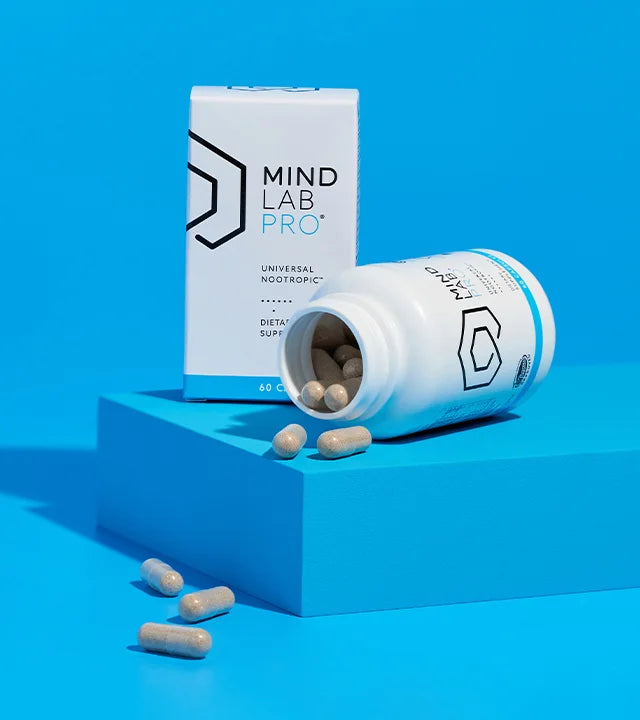
Multi-ingredient nootropic supplements offer another approach: they combine nutrients, herbs and amino acids selected to support different aspects of healthy brain function. An example is Mind Lab Pro®, a caffeine-free, vegan-friendly Universal Nootropic™ designed for broad-spectrum cognitive support. That positioning is not a claim that it reproduces NZT-48 or substitutes for prescription treatment. But it is relevant conceptually.
Choosing a product should begin with your goal. For reliable daily support, consider ingredient quality, formula transparency, and whether any evidence examines the finished formula rather than ingredients individually.
How to Choose a Real-Life Limitless Pill Alternative
- Identify the goal. Attention for a demanding work session, long-term memory support and relief from persistent brain fog are different questions. Unexplained or worsening symptoms deserve medical evaluation.
- Check the complete label. Look for ingredient forms, quantities per serving and the absence of undisclosed proprietary blends.
- Read the human studies. Were participants healthy? Was the trial randomized and placebo-controlled? Did the tested dose match the marketed ingredient?
- Separate ingredient from formula evidence. A clinical trial on an individual ingredient does not prove the same result from every blend containing it.
- Verify quality. Favor reputable manufacturing practices and genuine, current independent testing documentation.
- Review medication interactions. Ask a physician or pharmacist before combining supplements with prescriptions, particularly psychiatric or cardiovascular medicines.
- Protect the basics. Sleep, hydration, regular movement and sufficient nutrition should not be sacrificed to chase an extra hour of stimulation.
There is an unglamorous but important reason sleep comes first: CDC data show that 30.5% of U.S. adults slept less than seven hours per 24-hour period in 2024.(9) If you're regularly short on sleep, addressing that deficit may matter more than experimenting with increasingly elaborate smart-drug combinations.
Check out today's top ultramodern sleep supplements.
Side Effects, Tolerance and Long-Term Risks of Smart Drugs
NZT-48's fictional side effects are sensational. Real medication risks are less cinematic, but they deserve greater respect. Prescription stimulants can produce insomnia, appetite suppression, anxiety, increased heart rate or blood pressure, and—especially with misuse—serious dependence and overdose risks. The FDA has specifically strengthened class warnings to address these issues.(4)
Modafinil's risk profile differs. Prescribing information lists headache, nausea, anxiety and insomnia among common reactions and warns about rare serious skin reactions, psychiatric symptoms, cardiovascular considerations and interactions, including reduced effectiveness of steroidal contraceptives.(10)
Tolerance and dependence should not be treated as identical across every compound. Risk varies with the substance, dose, frequency, person and medical context. For prescription medications, changing frequency or taking “drug holidays” without medical guidance is not advisable. Do not independently cycle, stop or adjust prescribed drugs to manage perceived tolerance.
For nonprescription cognitive enhancers, checking in on yourself makes sense: Is there a measurable benefit? Are sleep and mood stable? Have you added unnecessary ingredients? Taking a break from a supplement may sometimes help clarify whether it is useful, but it is not a universal safety rule.
Mind Lab Pro®: A Stim-Free Approach to Daily Cognitive Support
One Broad-Spectrum Formula, Multiple Brain Pathways

Mind Lab Pro® takes a fundamentally different approach from the movie's instant-intelligence fantasy. Its Universal Nootropic™ design brings together 11 research-backed nootropic ingredients in a caffeine-free, vegan-friendly formula intended to support focus, memory, mental clarity, mood and long-range brain health.
The 11 ingredients are Cognizin® citicoline, phosphatidylserine, Bacopa monnieri, organic Lion's Mane mushroom, Rhodiola rosea, N-acetyl-L-tyrosine, L-theanine, maritime pine bark extract, vitamin B6, vitamin B9 and vitamin B12. These ingredients have different biological roles, designed to stack and complement effectively in a single formula.
Individual-ingredient findings are informative, but the big distinction is whether the finished formula has also been studied.
Mind Lab Pro is a rare OTC nootropic supplement that has been evaluated in three University-led, placebo-controlled human studies:
- Information processing: A 30-day study involving 105 adults reported improvements on reaction and anticipation-related measures after supplementation with the finished formula; the frequently highlighted 47% figure pertains to an anticipation-response measure.(11)
- Memory: In a separate 30-day double-blind, placebo-controlled study involving 49 adults, researchers reported improvements in immediate and delayed recall. The oft-cited 28% immediate and 26% delayed recall changes refer to improvement within the supplemented group.(12)
- Brain network activity: A 60-day EEG study observed changes in brain-network interdependencies, particularly greater synergistic interactions. Importantly, it did not find significant improvements in the measured perceptual decision task's speed or accuracy.(13)
These findings give the finished formula more direct research context than ingredient claims alone, while leaving real limitations: samples were relatively small, cognitive outcomes were task-specific, and results do not establish that everyone will experience an improvement. A nootropic is not a substitute for sleep, practice, medical treatment or healthy habits.
FAQ: NZT-48, Bradley Cooper and Real-Life Claims
Does NZT-48 exist in real life?
No. NZT-48 is fictional, created for the story of Limitless. No verified drug or supplement has demonstrated the sweeping intellectual effects seen in the film.
Did Bradley Cooper take a real pill to play Eddie Morra?
Bradley Cooper played Eddie Morra, a fictional character who takes fictional NZT-48. The on-screen effect does not establish any real-world cognitive enhancer or suggest that a real NZT pill was used.
What is the closest thing to the Limitless pill?
There is no true equivalent. Prescription wakefulness medications, stimulants and some researched dietary ingredients can influence selected aspects of mental performance, but effects are much narrower than the film portrays.
Are natural nootropics safer than smart drugs?
They may differ substantially in risks, but “natural” does not guarantee safety. Supplements can cause side effects or interact with medications, and supplement regulatory standards differ from those governing prescription medicines.
How long do cognitive enhancers typically last?
It depends. Caffeine-related alertness effects are often felt within hours; prescription medications vary with their formulations; botanical studies such as those on Bacopa frequently assess changes after weeks of use. Duration of a substance in the body is not the same as a proven cognitive-benefit window.
Can I combine natural nootropics with Adderall or modafinil?
Do not assume combinations are harmless. Caffeine and other stimulating compounds may add to insomnia, nervousness or cardiovascular concerns. Consult your prescribing clinician or pharmacist before combining supplements with prescription medication.
Can a pill increase IQ or give you photographic memory?
No convincing human evidence demonstrates that a pill creates photographic memory or reliably raises general intelligence in healthy people. Studies typically measure narrower outcomes such as attention, recall or reaction time.
Summary
The pill from Limitless is a fascinating piece of science fiction precisely because it promises something biology has not delivered: instant mastery of almost everything. Real cognitive science is more grounded—and more useful. Specific compounds may support alertness, attention or memory under particular conditions, while different ingredients require different expectations and timelines.
If you're considering cognitive support, start by defining the skill you want to improve. Read the human research, evaluate safety and interactions, and build on adequate sleep, exercise and nutrition. Evidence-backed supplements may have a place in that plan, including broad-spectrum stimulant-free formulas, but no capsule can replace the foundations of effective thinking.
References
- Kredlow MA, et al. (2019). The efficacy of modafinil as a cognitive enhancer: a systematic review and meta-analysis. J Clin Psychopharmacol, 39(5), 455–461. Link
- Battleday RM, Brem AK. (2015). Modafinil for cognitive neuroenhancement in healthy non-sleep-deprived subjects: a systematic review. Eur Neuropsychopharmacol, 25(11), 1865–1881. Link
- Roberts CA, et al. (2020). How effective are pharmaceuticals for cognitive enhancement in healthy adults? A series of meta-analyses. Eur Neuropsychopharmacol. Link
- U.S. Food and Drug Administration. (2023). FDA updating warnings to improve safe use of prescription stimulants. Link
- Payne ER, et al. (2025). Effects of tea or L-theanine plus caffeine on cognition, sleep, and mood: systematic review and meta-analysis. Nutr Rev, 83(10), 1873–1891. Link
- Darbinyan V, Kteyan A, Panossian A, et al. (2000). Rhodiola rosea in stress induced fatigue: a double-blind cross-over study of a standardized extract SHR-5 in healthy physicians during night duty. Phytomedicine, 7(5), 365–371. Link
- Kongkeaw C, et al. (2014). Meta-analysis of randomized controlled trials on cognitive effects of Bacopa monnieri extract. J Ethnopharmacol, 151(1), 528–535. Link
- McGlade E, Locatelli A, Hardy J, et al. (2012). Improved attentional performance following citicoline administration in healthy adult women. Food Nutr Sci, 3, 769–773. Link
- Ng AE, et al. (2026). Short sleep duration and sleep difficulties among adults: United States, 2024. NCHS Data Brief, No. 559. Link
- DailyMed. PROVIGIL (modafinil) prescribing information. Revised February 2025. Link
- Utley A, Gonzalez Y, Abbott-Imboden C. (2023). The efficacy of a nootropic supplement on information processing in adults: a double blind, placebo controlled study. Biomed J Sci Tech Res, 49(1). Link
- Abbott-Imboden C, Gonzalez Y, Utley A. (2023). Efficacy of the nootropic supplement Mind Lab Pro on memory in adults. Hum Psychopharmacol, 38(4), e2872. Link
- O’Reilly D, et al. (2025). Effect of a plant-based nootropic supplement on perceptual decision-making and brain network interdependencies. Brain Sci, 15(3), 226. Link
- AARP Research. (2023). Brain Health Then and Now: Adults Ages 40-Plus. AARP Research Insights on Brain Health. Link


