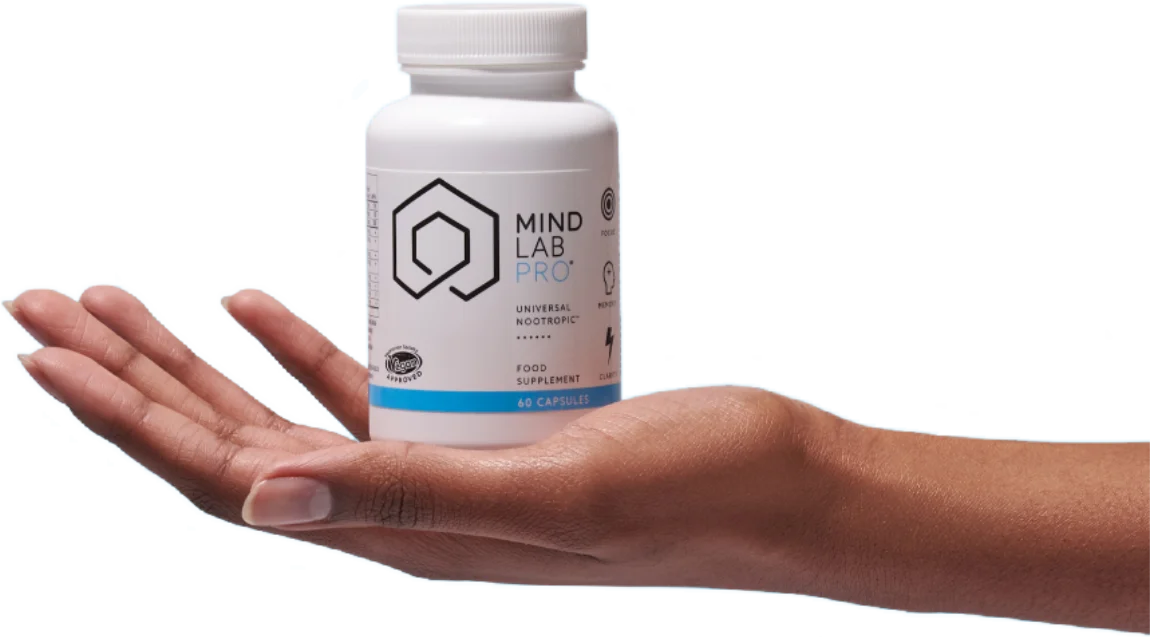
Rhodiola rosea benefits for male health are related to stress, mental fatigue, physical performance and more. For men balancing demanding work, training, sleep pressure, and day-to-day stress, Rhodiola is interesting as an adaptogen herb that has been studied for maintaining performance when the mind and body under strain.
That male angle is not just marketing. A 2023 systematic review of randomized sports trials included 263 participants, and 198 of them were men—about three-quarters of the total sample. At the same time, male-specific evidence is still too limited to claim unique hormonal, testosterone, libido, or longevity effects for men.
This guide focuses on what the evidence actually supports for men: cognitive performance, stress-related fatigue, exercise performance, recovery, dosage, timing, safety, product quality, and what Rhodiola contributes inside a broader nootropic stack such as Mind Lab Pro®. Let's get to it!
Key Takeaways
- Rhodiola is an adaptogen, not a testosterone booster: its strongest male-relevant evidence is for stress resilience, mental fatigue, cognition under pressure, and exercise.
- Male cognitive data are encouraging but mixed: a four-week trial in healthy men improved reaction-time measures without changing testosterone, cortisol, or growth hormone.
- Exercise evidence is promising: systematic reviews report benefits in some endurance, perceived-exertion, recovery, and muscle-damage outcomes.
- Short-term and long-range use are different: some exercise studies use about 200 mg roughly 60 minutes before training, while stress/fatigue trials often use daily supplementation for several weeks.
- Standardization is key: many well-known extracts provide approximately 3% rosavins and 1% salidroside.
- Anti-aging and immune claims are too early: much of that evidence comes from cell, animal, or "how-it-works" research rather than male clinical trials.
- Mind Lab Pro uses 50 mg standardized Rhodiola: it combines Rhodiola with 10 other nootropics rather than trying to reproduce standalone Rhodiola trial doses.
Disclaimer
This article is for educational purposes only and is not medical advice. Rhodiola rosea supplements are not intended to diagnose, treat, cure, or prevent depression, anxiety disorders, ADHD, chronic fatigue, cardiovascular disease, hormonal disorders, or other medical conditions. Talk with a healthcare professional before taking Rhodiola if you use prescription medication, have a medical or psychiatric condition, have blood-pressure concerns, or are preparing for surgery. Safety during pregnancy and breastfeeding is not well established.
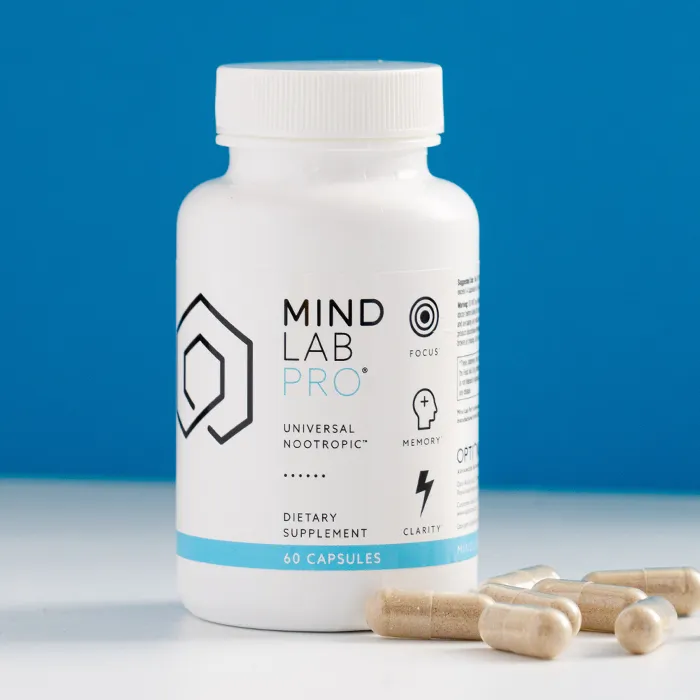
What Is Rhodiola Rosea?

Rhodiola rosea is a perennial plant that grows in cold, high-altitude regions of Europe, Asia, and North America. It is also called golden root, Arctic root, roseroot, and rosenroot. Traditional use centered on stamina, fatigue resistance, work capacity, and coping with harsh physical environments.(1) For example, Siberian farmers were reported to use the herb to push through brutally difficult workdays during cold, inclement harvest season.
The root contains numerous compounds, but rosavins and salidroside are the best-known, and used to standardize modern Rhodiola rosea extracts. A common research-oriented profile is approximately 3% rosavins and 1% salidroside.
Rhodiola is classified as an adaptogen: a plant-based compound used to support resilience to physical, mental, and environmental stress. That does not mean it “normalizes everything” or acts as a universal stress cure. It means the herb has repeatedly been studied in situations involving fatigue, work stress, sleep pressure, demanding cognition, and exercise. Check out our list of adaptogens article.
One of the most directly relevant male studies randomized 26 healthy male students to 600 mg/day Rhodiola extract or placebo for four weeks. Rhodiola improved several psychomotor measures, including simple reaction time and the relative increase in correct choice responses. It did not significantly improve VO2peak or change testosterone, cortisol, or growth hormone, making it a useful example of both the potential and the limits of the evidence.(2)
For a more detailed ingredient overview, see our complete Rhodiola rosea guide.
Also check out our in-depth guide on today's top nootropics for men.
How Does Rhodiola Rosea Work?
Rhodiola does not appear to work through one single pathway. Research has explored its effects on stress signaling, neurotransmitters, cellular energy regulation, oxidative-stress pathways, and fatigue-related physiology.
Adaptogens target the body’s stress systems. Under pressure, the sympathetic-adrenal system helps mobilize energy and attention. With longer-lasting stress, the hypothalamic-pituitary-adrenal (HPA) axis helps regulate cortisol and adaptation. Rhodiola has been studied for influencing these stress-response systems, although the exact mechanisms are still being worked out.
In the brain, mechanistic work also suggests interactions with serotonin, dopamine, norepinephrine, and enzymes involved in neurotransmitter metabolism. These pathways provide a reasonable explanation for why Rhodiola feels more tangibly helpful during fatigue or stress than when someone is already rested and calm.
Rhodiola Rosea Benefits for Men: What Is Best Supported?

For men, the most defensible benefits fall into four buckets:
- Cognitive performance under pressure: reaction time, attention, mental work capacity, and fatigue resistance.
- Stress-related fatigue: maintaining function during demanding periods rather than simply producing stimulation.
- Exercise performance and recovery: possible benefits for endurance, perceived exertion, oxidative stress, and muscle-damage markers.
- Broader resilience: potential antioxidant and stress-signaling effects that are biologically interesting but not yet proven as anti-aging or immune benefits in men.
The evidence is not equally strong across all four areas. Human stress and performance studies seem to be the most practically useful.
Effects of Rhodiola Rosea on Cognitive Function
Reaction Time and Mental Performance in Healthy Men
The four-week male trial we described above is useful because it tested cognition, exercise, hormones, and oxidative-stress markers in the same study. Participants taking 600 mg/day showed a 9.5% improvement in one simple-reaction-time measure and a greater increase in correct choice responses than placebo. Yet endurance capacity and the hormonal profile did not really change.(2)
That pattern is key: Rhodiola may support specific aspects of mental performance without acting like a universal physical or hormonal enhancer.
Mental Work Under Fatigue
A randomized, double-blind, placebo-controlled study of 161 cadets ages 19–21 tested single doses of standardized SHR-5 Rhodiola extract during fatigue and stress. Both Rhodiola dose groups significantly improved the study’s antifatigue index versus placebo, with no clear advantage to the higher dose and a possible trend favoring the lower dose on cognitive measures.(3)
That is one reason Rhodiola is often used by students, professionals, and athletes during unusually demanding periods rather than simply as an everyday stimulant.
Read more about nootropics for fatigue
Condition-specific discussions require tighter claims. For example, Rhodiola is sometimes discussed in relation to attention disorders, but it should not be treated as a replacement for diagnosis or evidence-based therapy. (See our separate review of Rhodiola and ADHD-related research.)
Anti-Stress Effects, Fatigue, and Life Stress Symptoms
Stress resilience is probably the clearest reason many men become interested in Rhodiola. Heavy workloads, irregular sleep, training volume, travel, deadlines, and caregiving can all create situations where fatigue and cognitive performance deteriorate together.
In a randomized, double-blind, placebo-controlled trial, 60 adults with stress-related fatigue received either 576 mg/day of standardized SHR-5 Rhodiola extract or placebo for 28 days. Researchers assessed fatigue, quality of life, attention, depressive symptoms, and the cortisol awakening response. The Rhodiola group improved on several fatigue- and attention-related outcomes compared with placebo.(4)
This does not mean Rhodiola “fixes cortisol” or treats adrenal disease. It supports the narrower idea that a standardized extract may help some people function better during sustained stress.
The popular phrase “adrenal fatigue” is especially easy to misuse because it is not recognized as a conventional medical diagnosis. For a more careful discussion of stress, cortisol, HPA-axis signaling, and that terminology, see our guide to Rhodiola, stress, and the adrenal-fatigue concept.
Mood Research: Interesting, but Not a Treatment Claim
Rhodiola has also been studied in adults with mild-to-moderate major depressive disorder. In a 12-week randomized placebo-controlled trial of 57 adults, Rhodiola, sertraline, and placebo all produced modest reductions in depression scores, with no statistically significant efficacy difference among groups. Sertraline produced a larger numerical reduction, while adverse events were reported more often with sertraline than with Rhodiola.(5) This trial does not establish Rhodiola as helpful for depression.
Rhodiola Rosea and Exercise Performance
Exercise may be the most male-heavy part of the Rhodiola evidence base. A 2023 systematic review included 13 randomized controlled trials and 263 participants—198 men and 65 women. Results were not uniform, but 11 studies reported at least some positive effects. Short-term supplementation appeared more helpful for endurance and perceived exertion, while long-range supplementation showed more mixed effects on endurance and possible benefits for anaerobic performance (strength training) or muscle-damage markers.(6)
Acute Endurance
In a double-blind crossover trial of 24 participants, a single 200 mg dose of standardized Rhodiola rosea extract containing 3% rosavins and 1% salidroside was given one hour before testing. Acute supplementation modestly increased time to exhaustion and peak oxygen-consumption measures versus placebo. Four weeks of daily supplementation did not add further benefit in that study.(7)
What Newer Meta-Analysis Shows
A 2025 systematic review and meta-analysis pooled 26 randomized controlled trials involving 668 healthy participants. Rhodiola supplementation significantly improved VO2max, time to exhaustion, and time-trial performance overall, while also improving several oxidative-stress and muscle-damage markers.(8)
It seems rhodiola exercise evidence has become more favorable, especially for endurance, while individual responses and study results still vary.
Did you know? In the 2023 systematic review of Rhodiola sports studies, about 75% of the participants were men—198 men versus 65 women—making exercise one of the strongest male-represented areas of Rhodiola research.(6)
Does Rhodiola Increase Testosterone?
There is no good basis for calling Rhodiola a testosterone booster. In the four-week trial of healthy active men taking 600 mg/day, researchers measured testosterone, cortisol, and growth hormone and found no significant hormonal changes despite improvements in some psychomotor outcomes (mind-body function).(2)
For men, this may be useful info. Rhodiola’s value appears more related to stress performance, fatigue resistance, and cognition than to directly raising testosterone.
And if weight management is the reason you are considering the herb, the more realistic angle is indirect—supporting training or stress management—not fat burning by itself. See our separate guide on Rhodiola and weight-loss claims.
Immune System, Antioxidant, and Anti-Aging Effects
Rhodiola and salidroside are widely studied for antioxidant, inflammation-modulating, immune, and cellular stress-response pathways. These findings are scientifically interesting, but this is also where marketing can get ahead of real data.
Reviews describe immune (including inflammation-related) effects across cell, animal, and some clinical research, while emphasizing the need for higher-quality randomized human trials.(9) Salidroside has also extended lifespan or healthspan in experimental model systems through mechanisms involving stress-response pathways —but that is not evidence that taking Rhodiola extends human lifespan.(10)
For male longevity, the responsible takeaway is much more modest: Rhodiola contains compounds with antioxidant and cellular-stress biology that may be relevant to healthy aging.
Dosage, Timing, and How Long Rhodiola Takes to Work

There is no single official dosage for all Rhodiola uses. Human studies vary by extract, standardization, goal, and duration.
Useful research anchors include:
- 200 mg once: used one hour before exercise in acute endurance research.(7)
- 576 mg/day: used for 28 days in a randomized stress-related fatigue trial.(4)
- 600 mg/day: used for four weeks in healthy male students studying psychomotor performance, exercise capacity, and hormones.(2)
For supplements, a standardized extract matters more than raw milligrams alone. Many well-known research extracts and nootropic formulas use Rhodiola rosea standardized around 3% rosavins and 1% salidroside.
Some effects are studied acutely, within roughly an hour of supplementation; stress and fatigue outcomes are also studied over several weeks. For a more detailed timing breakdown, see how long Rhodiola may take to work.
How long a subjective effect lasts is a separate question from how long compounds remain measurable in the body. For that distinction, see our guide to how long Rhodiola stays in your system.
Best Time of Day
Rhodiola is often taken in the morning or early afternoon because some people find it activating. If you are stimulant-sensitive or notice sleep disruption, earlier timing makes more sense.
For exercise, acute studies commonly use the supplement about 60 minutes before the session. For chronic stress support, timing is less important than consistency and tolerability.
Side Effects, Safety, and Interactions
The National Center for Complementary and Integrative Health notes that Rhodiola is possibly safe for up to 12 weeks, while also emphasizing that the overall evidence base remains limited. Reported side effects include dizziness, headache, insomnia, and dry mouth or increased saliva.(11)
NCCIH also notes a reported interaction with losartan, a blood-pressure medication. More broadly, anyone taking prescription medication should discuss Rhodiola with a healthcare professional because herbal supplements can alter drug effects or side-effect risk.
Be especially cautious if you:
- have bipolar disorder or another condition where activating supplements could affect mood
- take antidepressants, stimulants, blood-pressure medication, or multiple psychoactive supplements
- have persistent insomnia or strong sensitivity to stimulating herbs
- are pregnant or breastfeeding
- are treating a medical condition that could explain fatigue, low mood, or poor exercise tolerance
Stop use and seek medical advice if you develop a significant adverse reaction. Do not use Rhodiola to delay evaluation of persistent fatigue, unexplained weight loss, chest pain, severe mood symptoms, or other concerning changes.
How Rhodiola Fits Among Herbal Supplements and Nootropic Stacks
Rhodiola sits in the same broad adaptogen category as herbs such as ashwagandha, Panax ginseng, eleuthero, and schisandra. What makes Rhodiola especially relevant to a nootropic audience is the amount of research centered on performance under stress: fatigue, demanding mental work, exercise, and cognitive pressure.
It also differs from conventional stimulants. Rhodiola does not work like caffeine, and it should not be expected to produce the same immediate subjective jolt. Its appeal is more about helping maintain mental and physical function when stress would normally drag performance down.
That makes it a logical partner for stimulant-free nootropics that target other pathways—memory, phospholipid support, brain energy, calm focus, and neurotransmitter synthesis—without simply stacking several stimulating compounds.
Practical Usage Guide
If you want to test Rhodiola for cognition, stress, or exercise, make the trial simple enough to learn something from it.
- Choose one standardized extract: do not switch products every few days.
- Start with the labeled serving: do not assume the largest dose used in a study is the best personal dose.
- Take it earlier: morning or early afternoon is a practical default if sleep is a concern.
- For workouts: if using it acutely, take it according to the product label before training and keep hydration, food, and caffeine consistent.
- Track the right outcomes: mental fatigue, perceived stress, reaction speed, work capacity, training quality, and sleep are more relevant than expecting a testosterone surge.
- Give chronic use time: some stress/fatigue trials run 4 weeks or longer.
For men using Rhodiola alongside hard training, sleep and nutrition still dominate recovery. No adaptogen compensates for chronic sleep restriction, inadequate calories, dehydration, or poor programming.
Quality, Sourcing, and Product Selection
Botanical quality can vary substantially, so product selection matters more with herbs than with simple isolated nutrients.
Look for:
- Rhodiola rosea species identification, not an unspecified “Rhodiola” blend.
- Standardized active compounds, commonly around 3% rosavins and 1% salidroside.
- Transparent dosing rather than a proprietary blend.
- Third-party testing or strong quality controls for identity, purity, and contaminants.
- Clear serving instructions and no exaggerated disease or hormone claims.
For a deeper shopping framework, see our guide to choosing a high-quality Rhodiola supplement.
Limitations and What Research Still Needs to Answer
The biggest limitation is simple: despite the male-heavy exercise literature, there are surprisingly few trials designed specifically around male health questions.
We still need larger randomized studies that answer:
- whether men respond differently from women
- which extract and standardization works best
- the lowest effective dose for cognition and exercise
- whether acute use differs meaningfully from daily use
- whether Rhodiola affects recovery across longer training blocks
- whether age changes response
- whether any meaningful male-specific hormonal or sexual-health effect exists
Older reviews also point out replication problems and variable study quality across the Rhodiola literature.(12) Newer exercise meta-analyses are more encouraging, but heterogeneity is still a recurring limitation.
Frequently Asked Questions
What are the main Rhodiola rosea benefits for men?
The best-supported areas are stress resilience, mental fatigue, cognitive performance under pressure, and selected exercise or recovery outcomes. Evidence for testosterone, libido, immune enhancement, and anti-aging effects is much weaker.
Does Rhodiola increase testosterone in men?
Not based on the available human evidence. In a four-week randomized trial of healthy active men taking 600 mg/day, researchers found no meaningful changes in testosterone, cortisol, or growth hormone.(2)
Can Rhodiola improve exercise performance?
Possibly. Recent systematic reviews and meta-analyses report improvements in some endurance outcomes, perceived exertion, oxidative-stress markers, or recovery measures, but individual studies are mixed. It is better viewed as a potentially useful ergogenic adaptogen than a guaranteed performance enhancer.
How much Rhodiola should a man take?
There is no male-specific official dose. Human studies use different standardized extracts and amounts, ranging from around 200 mg acutely to roughly 576–600 mg/day in some multi-week trials. Follow the product label and avoid assuming that a larger research dose is automatically better.
How long does Rhodiola take to work?
Acute studies may test effects about an hour after dosing, while stress and fatigue studies commonly run for several weeks. The answer therefore depends on whether your goal is same-day performance or longer-term stress support.
Can I take Rhodiola every day?
Daily use has been studied for several weeks, and NCCIH describes Rhodiola as possibly safe for up to 12 weeks. Long-term safety beyond that is less certain, so periodic reassessment and clinician input make sense if you use it continuously.(11)
Is Rhodiola better for men than women?
There is not enough evidence to say that. Men are well represented in exercise studies, but head-to-head sex-specific analyses are uncommon. The benefits appear tied more to stress, fatigue, and performance demands than to male biology specifically.
Mind Lab Pro®: Rhodiola Inside a Broader Nootropic Stack
Mind Lab Pro®

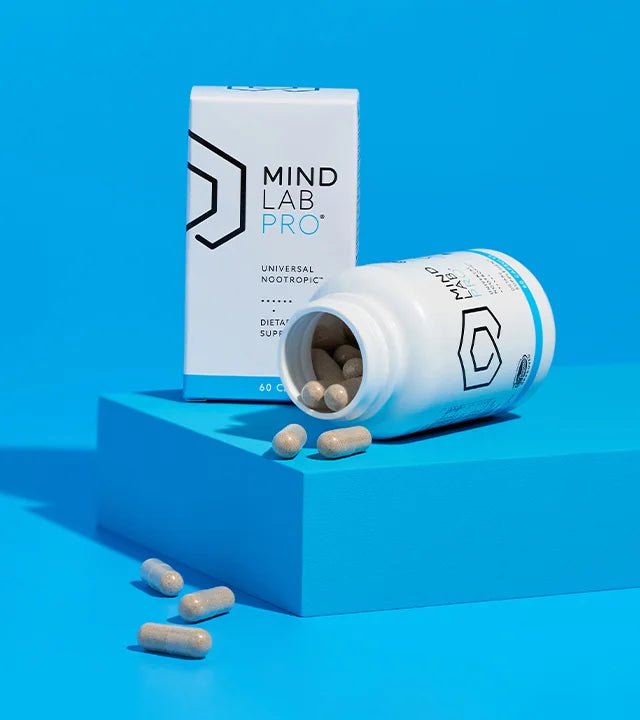
Rhodiola can make sense on its own, but cognition under stress is not controlled by one pathway. Mind Lab Pro® combines Rhodiola with 10 other nootropics aimed at complementary aspects of focus, memory, brain energy, calm attention, and long-range brain support.
The current two-capsule formula supplies:
- Citicoline (Cognizin®) — 250 mg
- Phosphatidylserine — 100 mg
- Bacopa monnieri full-spectrum extract — 150 mg, standardized to 24% bacosides with 9 bioactives
- Organic Lion’s Mane Mushroom — 500 mg
- Rhodiola rosea — 50 mg, standardized to 3% rosavins and 1% salidroside
- N-Acetyl L-Tyrosine — 175 mg
- L-Theanine — 100 mg
- Maritime Pine Bark Extract — 75 mg, standardized to 95% proanthocyanidins
- Vitamin B6 — 2.5 mg
- Vitamin B9 — 100 mcg
- Vitamin B12 — 7.5 mcg
Rhodiola’s role in that formula is primarily stress-performance support. It complements N-acetyl L-tyrosine for neurotransmitter precursor support, L-theanine for calm focus, Citicoline for attention and brain-energy pathways, and Bacopa and phosphatidylserine for memory and broader cognitive support.
Mind Lab Pro Human Research
Mind Lab Pro has been tested as a complete formula in three human studies:
- Information processing: In a pseudo-randomized, double-blind, placebo-controlled study, 105 healthy adults took Mind Lab Pro or placebo for 30 days. The supplement group improved significantly in simple reaction time, choice reaction time, and anticipation, with significant between-group differences on all three outcomes.(13)
- Memory: In another 30-day pseudo-randomized, double-blind, placebo-controlled study, 49 healthy adults completed the Wechsler Memory Scale. The Mind Lab Pro group improved across all assessed memory subtests, with significant between-group differences in immediate and delayed recall.(14)
- Brain-network activity: A randomized, double-blind, placebo-controlled study assessed healthy adults before and after 60 days of supplementation using a visual categorization task and EEG. Researchers found broader increases in brain-network information sharing and synergy, but no significant improvement in choice accuracy or reaction time.(15)
The distinction matters: Mind Lab Pro’s 50 mg Rhodiola dose is part of a multi-ingredient nootropic strategy. It should not be compared directly with a 200–600 mg standalone Rhodiola trial as though the formulas were interchangeable.
Read all about the research behind Mind Lab Pro
Summary
The most credible Rhodiola rosea benefits for men are not about testosterone or turning an adaptogen dietary supplement into a “men’s vitality” supplement. They are about performing better when stress, physical endurance, mental fatigue, and cognitive or physical demands pile up.
Human research in men supports possible health benefits for reaction time and mental performance, and male-heavy exercise research increasingly supports selected endurance and recovery outcomes. Stress-related fatigue trials are also encouraging. At the same time, results are heterogeneous, and Rhodiola does not reliably improve every outcome in every study.
Choose a standardized extract, start with the labeled serving, take it earlier if it feels stimulating, and judge it by practical outcomes: mental fatigue, focus, stress tolerance, training quality, recovery, and sleep. For broader cognitive support, Mind Lab Pro combines a standardized 50 mg Rhodiola extract with 10 complementary nootropics rather than relying on Rhodiola alone.
References
- National Center for Complementary and Integrative Health. Rhodiola: Usefulness and safety. Link
- Jówko, E., Sadowski, J., Długołęcka, B., et al. (2018). Effects of Rhodiola rosea supplementation on mental performance, physical capacity, and oxidative stress biomarkers in healthy men. Journal of Sport and Health Science, 7(4), 473–480. Link
- Shevtsov, V. A., Zholus, B. I., Shervarly, V. I., et al. (2003). A randomized trial of two different doses of a SHR-5 Rhodiola rosea extract versus placebo and control of capacity for mental work. Phytomedicine, 10(2–3), 95–105. Link
- Olsson, E. M. G., von Schéele, B., & Panossian, A. G. (2009). A randomised, double-blind, placebo-controlled, parallel-group study of the standardised extract SHR-5 of the roots of Rhodiola rosea in the treatment of subjects with stress-related fatigue. Planta Medica, 75(2), 105–112. Link
- Mao, J. J., Xie, S. X., Zee, J., et al. (2015). Rhodiola rosea versus sertraline for major depressive disorder: A randomized placebo-controlled trial. Phytomedicine, 22(3), 394–399. Link
- Sanz-Barrio, P. M., Noreen, E. E., Gilsanz-Estebaranz, L., Lorenzo-Calvo, J., Martínez-Ferrán, M., & Pareja-Galeano, H. (2023). Rhodiola rosea supplementation on sports performance: A systematic review of randomized controlled trials. Phytotherapy Research, 37(10), 4414–4428. Link
- De Bock, K., Eijnde, B. O., Ramaekers, M., & Hespel, P. (2004). Acute Rhodiola rosea intake can improve endurance exercise performance. International Journal of Sport Nutrition and Exercise Metabolism, 14(3), 298–307. Link
- Wang, X., Yang, X., Gao, Z., Zeng, J., & Liu, Y. (2025). The effect of Rhodiola rosea supplementation on endurance performance and related biomarkers: A systematic review and meta-analysis. Frontiers in Nutrition, 12, 1645346. Link
- Panossian, A., Seo, E.-J., & Efferth, T. (2018). Rhodiola rosea L.: An herb with anti-stress, anti-aging, and immunostimulating properties for cancer chemoprevention. Current Pharmacology Reports. Link
- Fang, Y., et al. (2023). Salidroside promotes healthy longevity by interfering with HSP90 activity. npj Aging. Link
- National Center for Complementary and Integrative Health. Rhodiola: Usefulness and safety. Link
- Hung, S. K., Perry, R., & Ernst, E. (2011). The effectiveness and efficacy of Rhodiola rosea L.: A systematic review of randomized clinical trials. Phytomedicine, 18(4), 235–244. Link
- Utley, A., Gonzalez, Y., & Abbott Imboden, C. (2023). The efficacy of a nootropic supplement on information processing in adults: A double blind, placebo controlled study. Biomedical Journal of Scientific & Technical Research, 49(1), 40297–40305. Link
- Abbott-Imboden, C., Gonzalez, Y., & Utley, A. (2023). Efficacy of the nootropic supplement Mind Lab Pro on memory in adults: Double blind, placebo-controlled study. Human Psychopharmacology: Clinical and Experimental, 38(4), e2872. Link
- O’Reilly, D., Bolam, J., Delis, I., & Utley, A. (2025). Effect of a plant-based nootropic supplement on perceptual decision-making and brain network interdependencies: A randomised, double-blinded, and placebo-controlled study. Brain Sciences, 15(3), 226. Link