Phosphatidylcholine is one of the major phospholipids that supplies choline in foods and supplements—and low choline intake is surprisingly common. An analysis of 2009–2012 National Health and Nutrition Examination Survey (NHANES) data found that only 10.8% of Americans age 2 and older reached the Adequate Intake for choline. In other words, about 89% fell short of that intake target.
That matters because choline is an essential nutrient involved in brain function, liver health, the nervous system, acetylcholine production, and cell membranes. Phosphatidylcholine (PC) is especially interesting because it serves both as a dietary source of choline and as a major structural phospholipid in cellular membranes.
If you're comparing phosphatidylcholine, citicoline, lecithin, food sources, or other choline supplements, this guide explains how they differ, why choline matters for cognitive function and overall wellness, and what side effects can occur when intake gets too high. We’ll also look at phosphatidylcholine synthesis, membrane function, and the best ways to get choline without pushing into “too much” territory.
Ready to get started?
Key Takeaways
- Choline is essential for memory, mood, and brain health—but too much can cause side effects.
- Phosphatidylcholine (PC) is a choline-containing phospholipid and a major component of cell membranes; this guide explains how it fits alongside citicoline and other choline forms.
- Common side effects include fishy odor, sweating, low blood pressure, digestive upset, and headaches.
- High doses are most often linked to these problems, not normal dietary intake.
- Balanced choline forms like Citicoline may deliver benefits with fewer side effects.
- Mind Lab Pro® uses Citicoline (Cognizin®) to safely support focus, memory, and brain energy.
Quick summary on choline benefits: Dietary choline is essential for brain function. It contributes to the production of acetylcholine, a neurotransmitter crucial for memory and mood regulation. Adequate choline intake supports cognitive function, normal brain function, and brain health. Besides brain function, your body relies on choline for nervous system function, liver health, fat metabolism, growth and development, heart health, and much more.
Quick summary on side effects of choline: Adverse effects are sometimes associated with too much choline intake. These side effects may include a fishy body odor, digestive distress, nausea, vomiting, sweating and low blood pressure. Excessive choline intake over time may be linked to heart problems. To avoid side effects and risks, ensure that choline intake does not exceed the upper limit for most adults, which stands at 3,500 mg per day.
Disclaimer
This article is for educational purposes only and is not medical advice. Choline needs vary by age, diet, pregnancy status, health conditions, and medication use. High supplemental intakes can cause side effects, and pregnancy requires special care. Talk with a qualified healthcare professional before using a new dietary supplement or substantially increasing choline intake.
What Is Choline?
Choline is neither a vitamin nor a mineral. It's a water-soluble essential nutrient related to the B vitamins that plays a similar role in supporting energy metabolism, brain function, growth and development, and more.
It became recognized as an essential nutrient by the US Institute of Medicine in 1998.(1) Your body can produce small amounts of choline, but not enough to meet all of its needs, so the rest must come from diet or supplements.
Adequate intake of choline is important for the liver and muscles and also acts as one of the fundamental building blocks for your brain thanks to its role as a precursor nutrient for two essential compounds:
- Acetylcholine (ACh): A neurotransmitter that facilitates communication between neurons in the brain. It is also the primary neurotransmitter at neuromuscular junctions.(2)
- Phosphatidylcholine (PC): One of the most abundant phospholipids in cell membranes. PC acts as a choline reservoir for acetylcholine synthesis.(3)
By supporting levels of acetylcholine, phosphatidylcholine, and other essential brain chemicals, choline is heavily involved in promoting healthier cognitive performance, especially for learning and memory, attention, focus, cognitive regeneration, and muscular performance.
While there may not be a standard recommended daily intake (RD) for choline established by the USDA, sufficient intakes through diet and supplementation are imperative to avoid a choline deficiency.
The nervous, endocrine, digestive, and reproductive systems can all be negatively impacted by choline deficiency.
What Is Phosphatidylcholine?
Phosphatidylcholine (PC) is one of the most abundant phospholipids in cell membranes and also serves as a choline reservoir for acetylcholine synthesis.(3) In other words, it has both a structural role in cellular membranes and a connection to choline metabolism. In animal cells, PC accounts for a high proportion of membrane phospholipids across many cell types and tissues.
Like other phospholipids, phosphatidylcholine contains a water-friendly head group plus two fatty acids that form hydrophobic acyl chains. This structure helps PC organize into membranes, where it supports the lipid environment surrounding membrane proteins. PC is especially abundant in the outer leaflet of many plasma membranes, helping maintain normal membrane structure and function.
Different phosphatidylcholine molecules can carry different fatty acid combinations. Dipalmitoyl phosphatidylcholine, for example, is one specific PC species. The exact acyl chains can influence the physical properties of membranes, but the broader point is simple: phosphatidylcholine plays a central role in membrane structure throughout the body.
Phosphatidylcholine Synthesis and the Kennedy Pathway
Phosphatidylcholine synthesis and phosphatidylcholine biosynthesis occur through several metabolic pathways. The best-known is the Kennedy pathway, which converts choline into PC through a sequence of enzymes. Choline kinase begins the pathway by phosphorylating choline, and later reactions generate CDP-choline before PC is assembled.(3)
A key regulatory enzyme in this pathway is CTP:phosphocholine cytidylyltransferase (CCT). It is an amphitropic enzyme required for what is commonly considered the rate limiting step of the CDP-choline pathway. Much phospholipid assembly takes place in association with the endoplasmic reticulum, where membrane biogenesis is coordinated with the cell's need for new lipids and membranes.
Other lipid pathways feed into PC production too. Phosphatidic acid phosphatase helps generate diacylglycerol, while acyl CoA supplies activated fatty acids used to build phospholipid acyl chains. Together, these enzymes and pathways help cells maintain phosphatidylcholine levels as membranes are built, repaired, and remodeled.
Adequate PC availability matters because membranes are fundamental to normal cell function. Major disturbances in membrane phospholipids can impair cell signaling and membrane integrity; in severe experimental conditions, cellular dysfunction can progress to cell injury or even cell death.
Dietary Phosphatidylcholine and Supplement Sources
Dietary phosphatidylcholine is one way people obtain choline. Egg yolks are a familiar source, and soy lecithin also naturally contains phosphatidylcholine along with other phospholipids. A dietary supplement may provide phosphatidylcholine directly or supply choline in another form such as citicoline (CDP choline), choline bitartrate, or lecithin.
The best form depends on your goal. If you primarily want a nootropic choline source for brain health, memory, and acetylcholine support, compare the amount of choline supplied, the other compounds delivered with it, tolerability, and the overall value of the formula rather than assuming every form works identically.
Read more about the best nootropic choline sources and different forms of choline.
6 Health Benefits Of Choline
1. DNA and cell formation

Because choline contributes to phosphatidylcholine and other phospholipids, it helps support the formation of cell membranes and structures needed for normal cell function. These membrane lipids provide structure across cells and tissues while helping organize signaling and transport processes.
Without sufficient choline, cell structure deteriorates, and nerve signals aren't transmitted.(4) Along with folate, choline is also required to form DNA, as it's one of the essential nutrients involved in the methyl group processes.
2. Promotes better learning and memory

Thanks to its role in the production of acetylcholine, choline is critical for brain health. Acetylcholine is involved in several aspects of memory, including working memory, long-term memory, memory formation, and memory consolidation and retrieval.
ACh plays an essential role in supporting hippocampal and cortical synaptic plasticity-the ability to shape signaling between neurons and alter learning and memory.
Some research suggests that low choline levels and impaired acetylcholine production may increase the risk of memory disorders.(5)
On top of that, elasticity in the brain decreases as we age, and adequate choline intake is vital for maintaining brain elasticity by maintaining appropriate levels of acetylcholine, which naturally declines with age.
Learn more about the top nootropics for memory
3. Supports the nervous system

One of the primary benefits of dietary choline intake is that it supports the proper function of the central nervous system.
Because choline is an essential component of cell membranes, it not only supports the structural integrity and signalling functions of all cells but also is necessary for proper neurotransmission, which is how all cells communicate.(6,7)
But remember that only small amounts of dietary choline are metabolized into acetylcholine, which is essential for the function of nerves that regulate and control breathing, heart rate, and skeletal muscle movements.
4. May support muscle function and athletic performance

Mental energy, focus, and concentration are all critical components for athletic performance, and choline may enhance them.
It is suggested that choline's effect on metabolism and neurotransmitters in the brain can improve reaction times and reduce the time needed for mental processing.(8)
But getting higher intakes of choline may also benefit energy levels, mood, sleep, and recovery following intense exercise.
Learn more about Nootropics for Athletes
Tip: If you want cognitive benefits without choline overload, choose Citicoline—it delivers choline + cytidine, supporting acetylcholine and brain cell membranes efficiently.
5. May benefit heart health

High homocysteine is a big issue for cardiovascular health. Research suggests that because choline and folate assist in converting homocysteine to less toxic intermediates. The combination may protect heart health and prevent cardiovascular events.(9)
Homocysteine is an amino acid derived from protein, and high homocysteine has been implicated in the development of cardiovascular disease.
And while some research shows that choline and lecithin can help maintain blood cholesterol already in a normal range and mitigate risk of heart concerns, it hasn't been confirmed as a benefit of choline supplementation.
That said, some doctors may recommend choline for its ability to influence LDL ("bad") cholesterol and triglyceride levels.
6. Supports a healthy pregnancy

For pregnant women, higher choline intakes are recommended. Maternal choline supplementation needs increase during pregnancy because choline is rapidly used by the growing fetus for brain development, cell structures, and nerve channel formation.
Some research has examined prenatal choline supplementation in relation to fetal brain development and neural tube development.(10,11)
Since choline is naturally found in breast milk, it also helps to support the proper growth and development of a newborn. Because neuron synapses rapidly develop in the fetal brain, choline is essential in supporting the foundation of the brain's structure.(12)
For these reasons and more, pregnant women may want to consider their choline intakes and look for quality prenatal vitamins that include choline.
How Much Choline Do You Need?
Although the body can produce small amounts of choline, it's not enough for its essential roles. As such, we need to consume choline through diet and/or dietary supplements.
Although choline is still being studied to determine its benefits and uses, most experts agree on certain amounts for specific populations that produce benefits with little associated risks:(1)
- Infants and babies: 125-150 mg/day
- Children aged 1-8: 150-250 mg/day
- Teenagers aged 8-13: 250-375 mg/day
- Women 14+: 425-550 mg/day
- Men 14+: 550 mg/day
- Breastfeeding women: 550 mg/day
- Pregnant women: 450 mg/day
Some of the best choline rich foods include:
- Egg (125 mg per 1 large)
- Chicken liver (247 mg per 3 oz.)
- Sockeye salmon, smoked (187 mg per 3 oz.)
- Quinoa, raw (60 mg per ½ cup)
- Chicken, roasted (56 mg per 3 oz.)
- Wheat germ, toasted (50 mg per 2 tbsp.)
- Cauliflower, boiled (24 mg per ½ cup)
- Green peas, cooked (22 mg per ½ cup)
- Almonds (15 mg per 1 oz.)
- Pecans (15 mg per 1 oz.)
- Tomato paste (12 mg per 2 tbsp.)
- Flax seed (11 mg per 2 tbsp.)
Read more about the top choline-containing foods.
Choline Deficiency Signs And Symptoms
Although a choline deficiency is less common than many other nutrients, some research suggests people may not get enough choline, despite consuming enough through diet, due to inadequate absorption.
Certain factors make choline harder to absorb, which means the average person doesn't meet the daily recommended intake of choline. This can be due to a combination of genetic factors and increased needs and may mimic a dietary choline shortfall.
Some research suggests that up to 50% of the population may have genetic polymorphisms that increase dietary methyl requirements-choline is a major source of methyl groups-thereby leaving them at risk of choline deficiency.
Some of the most common symptoms of a choline deficiency include:
- Low energy or fatigue
- Impaired memory
- Cognitive decline
- Learning disabilities
- Nerve damage
- Muscles aches
- Mood changes

“I wasn't remembering where I put things, or tiny details of something I had read.”
In addition, researchers have suggested that failing to get adequate intake of choline may raise the risk for nonalcoholic fatty liver disease. Also known as NAFLD, nonalcoholic fatty liver disease is a common concern among people who are overweight where fat builds up in the liver to unhealthy levels.
Choline deficiency is avoidable. Eating a diet rich in a variety of foods is the best way to ensure you're meeting your needs for choline.
However, because choline is concentrated in animal sources, vegans and vegetarians may be at a higher risk for choline deficiency.
Choline supplementation is an easy way to ensure adequate intake on a day-to-day basis.
To prevent low levels, choline supplements may be your best bet-and it doesn't get better than Mind Lab Pro. We'll dig into that supplement more at the end of this article.
Side Effects of Choline
Choline is generally considered safe when consumed as part of a balanced diet. After all, it is an essential nutrient that the body needs for various functions.
However, excessive choline supplementation can potentially lead to side effects.
Here is a summary of possible side effects associated with excessively high intakes of choline:
1. Gastrointestinal Distress: High doses of choline supplements may cause gastrointestinal side effects such as diarrhea, nausea, vomiting, and stomach cramps. Individual tolerance to choline can vary, so some people may be more prone to gastrointestinal discomfort than others.
2. Fishy Body Odor and bad breath: Choline metabolism can lead to the production of trimethylamine (TMA), which is further converted by gut bacteria into trimethylamine oxide (TMAO). Excess TMAO can lead to a fishy body odor in some individuals, although this side effect is relatively rare.
3. Increased Risk of Cardiovascular Events: Some studies have suggested a link between high levels of TMAO (which can be influenced by choline intake) and an increased risk of cardiovascular events, such as heart disease. However, more research is needed to establish a clear causal relationship.
4. Low Blood Pressure: High doses of choline supplements may cause a drop in blood pressure in some individuals. This can result in symptoms like dizziness, lightheadedness and fainting.
5. Allergic Reactions: Although rare, some individuals may experience allergic reactions to choline supplements, leading to symptoms like skin rash, itching, or difficulty breathing. If such symptoms occur, medical attention should be sought immediately.
It's important to note that these side effects are typically associated with high choline intakes from dietary supplements rather than food sources.
What About Phosphatidylcholine Side Effects?
Phosphatidylcholine is one form of supplemental choline, but the references used in this article do not establish a separate side-effect profile for phosphatidylcholine versus every other form. If you are comparing phosphatidylcholine, citicoline, lecithin, or other supplements, consider the amount of choline supplied, the full formula, and your individual tolerance rather than assuming all forms behave exactly the same.
Best nootropic makes the Easy Button award. Helped energy, focus, etc. Great job!! No side effects.Dennis W.
Best form of Choline to take as a supplement: Citicoline

There are a few different forms to consider in choline supplementation, including choline bitartrate, phosphatidylcholine, lecithin and choline chloride. Phosphatidylcholine PC products emphasize membrane phospholipids, while citicoline emphasizes choline plus cytidine for broader nootropic support.
Choline supplementation is helpful, but for the best benefits consider the citicoline form.
Choline, phosphatidylcholine and citicoline are closely related in choline metabolism, but they are not interchangeable forms. Citicoline is also known as CDP choline, while phosphatidylcholine is a major phospholipid component of cell membranes.
Citicoline, also known as cytidine-5-diphosphocholine or CDP-choline, is a naturally occurring compound in the human body that breaks down into two distinct nootropic compounds: choline and cytidine.
Cytidine is metabolized into uridine, another nootropic associated with memory function and brain cell membrane health.
Rather than one-dimensional choline supplementation, taking a citicoline supplement delivers more versatile brain-boosting support.
Here's a summary of the key differences between choline and citicoline:
Choline:
- Dietary choline is an essential nutrient related to "good fats" and B-vitamins.
- Regarded as one of the most important nootropics for brain health and cognition.
- Supports brain function by contributing to the production of the neurotransmitter acetylcholine.
- Important for memory, learning, and information processing.
- Does not contain cytidine and does not directly support brain cell membrane health or the synthesis of uridine.
- If you're buying a choline supplement, it may supply only choline.
Citicoline (CDP-Choline):
- A compound that naturally occurs in the body and is a 2-in-1 brain booster.
- Breaks down into choline and cytidine after consumption.
- Choline from citicoline contributes to choline status and supports brain health and cognitive function, like other dietary sources of choline.
- Cytidine from citicoline is metabolized into uridine, which contributes to memory function, brain plasticity, brain cell regeneration, neuroprotection and healthy brain cell membranes.
- Citicoline promotes brain energy, neural regeneration, and the synthesis of important brain chemicals like acetylcholine, dopamine, and norepinephrine.
Now, as for why citicoline might be considered a better choice as a supplement for supporting brain health, consider its following advantages:
Dual Benefits: Citicoline provides the benefits of choline while also supplying cytidine, which can be converted into uridine. This dual action makes it more versatile than plain choline for supporting various aspects of brain health and cognitive function.
Brain Cell Membrane Health: Citicoline's ability to support the synthesis of phosphatidylcholine and promote brain cell membrane integrity is a unique feature that sets it apart from standalone choline supplements. Healthy brain cell membranes are essential for overall brain health and function.
Neurotransmitter Support: Citicoline not only contributes to acetylcholine production but also supports the synthesis of dopamine and norepinephrine, which are important for mood and cognitive performance. Learn more about nootropics for neurotransmitters
Clinical Evidence: Citicoline has been studied in clinical trials, demonstrating its potential to improve brain energy, promote memory, sharpen attention, promote focus and help cognitive function. It has shown promise in supporting brain health across various age groups.
Promotes synaptogenesis: Possesses powerful neuroregenerative potential that can enhance both brain neuroprotection and neurorepair mechanisms.(13)
Increases ATP and phosphocreatine: Citicoline is known for energy without crash. Studies show that citicoline supplementation can increase phosphocreatine levels by 7% and ATP levels by 14%, which energizes brain cells, along with amounts of phospholipid membrane components needed to synthesize and maintain cell membrane integrity and function.(14)
Overall, citicoline's multifaceted approach to brain support, including choline supply and cytidine conversion to uridine, makes it a compelling choice as a brain health supplement.
In short, citicoline maintains healthy brain function by supporting attention and mental performance, memory, and learning, making it one of the most effective nootropic supplements on the market.
Best Choline Supplement: Mind Lab Pro®
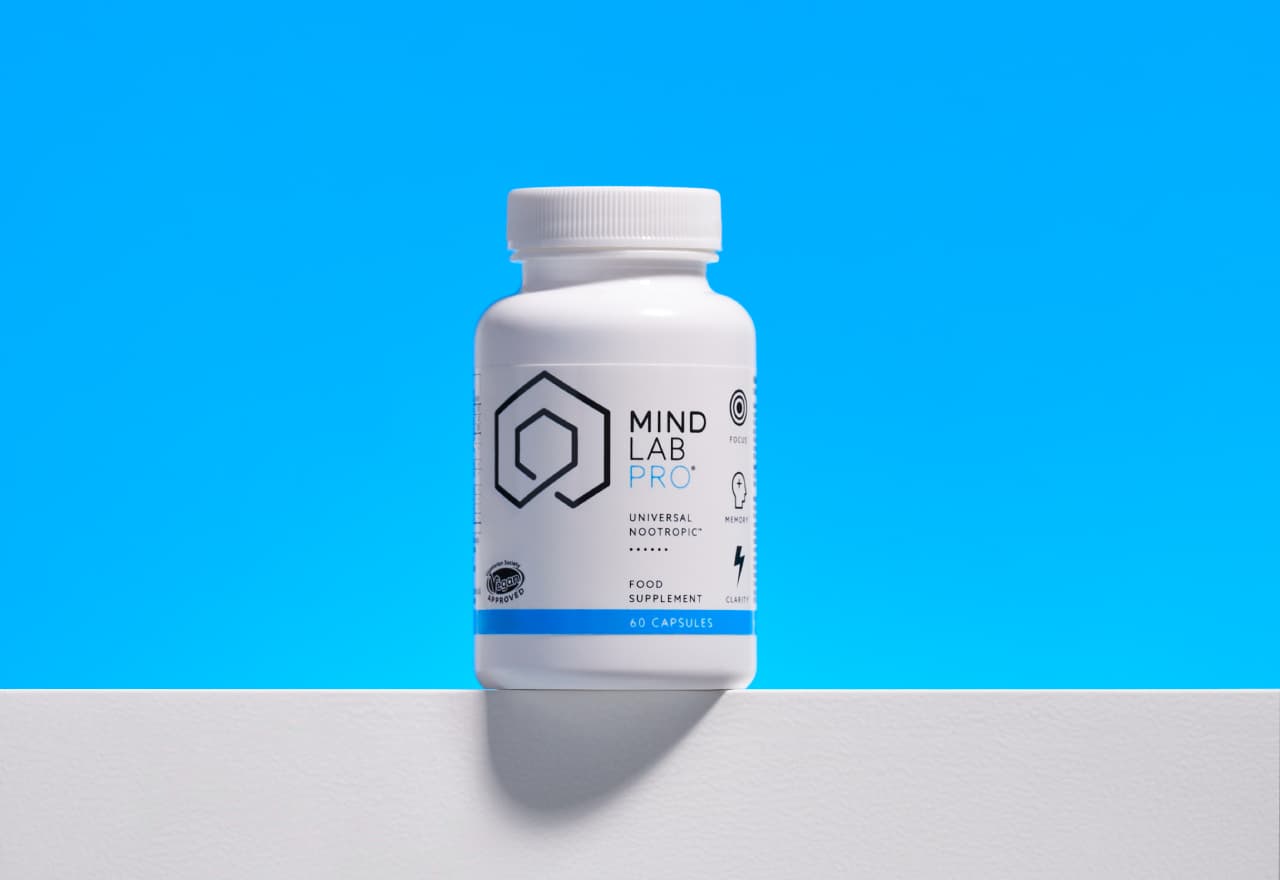
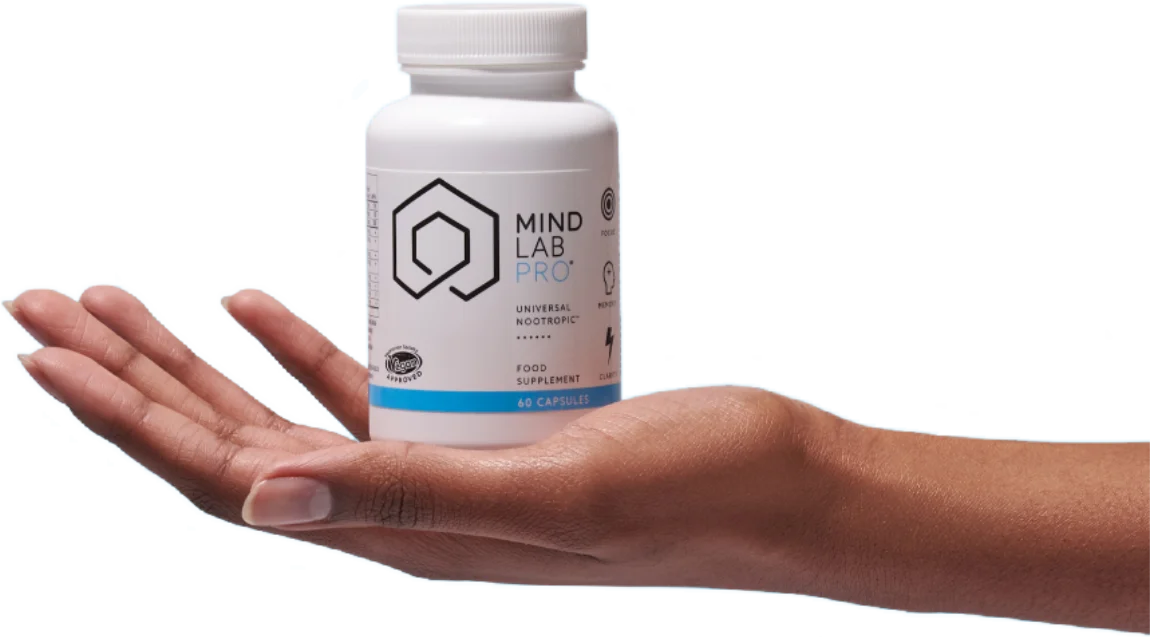
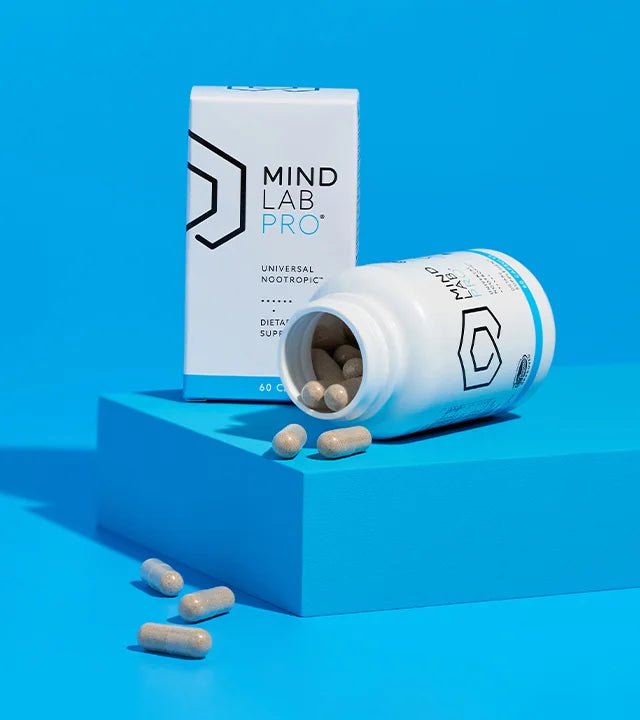
There are many choline dietary supplements on the market today, but the best is Mind Lab Pro® (MLP®, the Universal Nootropic).
It starts with 250 mg of premium-quality Citicoline per serving, then stacks on 10 additional nootropic compounds for a versatile array of mental performance and brain health benefits. MLP supplies:
- Citicoline (CDP Choline), dosage 250mg - ultra-pure-99%+ pure citicoline verified by precision analytical testing and its superior quality is known for its safety, absorption, and stability.
- Phosphatidylserine (PS), 100 mg
- Bacopa monnieri, 150 mg (full-spectrum extract, 24% bacosides with 9 bioactives)
- Organic Lion's Mane Mushroom, 500 mg (fruit and mycelium)
- Maritime Pine Bark Extract, 75 mg: (Standardized to 95% proanthocyanidins)
- N-Acetyl L-Tyrosine, 175 mg
- L-Theanine, 100 mg
- Rhodiola rosea, 50 mg (Standardized to 3% rosavins and 1% salidrosides)
- NutriGenesis® B-Vitamins for additional essential nutrient support: Vitamin B6 (2.5 mg), Vitamin B9 (100 mcg), Vitamin B12 (7.5 mcg)
MLP's citicoline contributes choline while going beyond standalone choline supplementation with a broader nootropic formula.
Mind Lab Pro is a whole-brain nootropic designed to support multiple aspects of cognitive performance and brain health.
MLP is formulated to help enhance:
- Mental vitality and overall cognitive energy without caffeine
- Focus, concentration and attention
- Memory of all types: Long-range, recall, new learning, etc.
- Mental clarity and processing speed
- Stress resistance and mood support
- Overall brain health
If you have concerns about choline supplementation side effects, Mind Lab Pro® uses a measured 250 mg serving of citicoline within its broader formula. Individual tolerability can still vary.
"After a few months I really started noticing a difference. I was remembering things better."
MLP® is all about high quality.
MLP® emphasizes ingredient quality, measured dosages, and testing. As with any supplement, individual responses and side effects can vary.
Here's what that means for overall product quality:
- No artificial additives, such as fake colors or flavors. Non-GMO, through and through. Gluten free. No caffeine, no soy, and no weird ingredients to worry about.
- Research-backed ingredients only. All have been studied and are well-tolerated.
- Eco-friendly packaging and ingredients.
- Vegan-certified ingredients
- Delivered in vegan NutriCaps®: Naturally fermented tapioca with prebiotics.
- Third-party testing: Proof of quality provided by an independent laboratory.
In addition to the above, MLP is B-Corp certified. This designation means that its manufacturer meets stringent standards for ethics and environmentally friendly practices.
Learn More about Mind Lab Pro® Quality
Note: While we discussed earlier how pregnant women may consider higher dietary intakes of choline, it is important to remember that MLP is not a prenatal vitamin and is not intended to be taken during pregnancy. Women who are pregnant should only take supplements under the close direction of a doctor.
Mind Lab Pro® is Backed by Research.
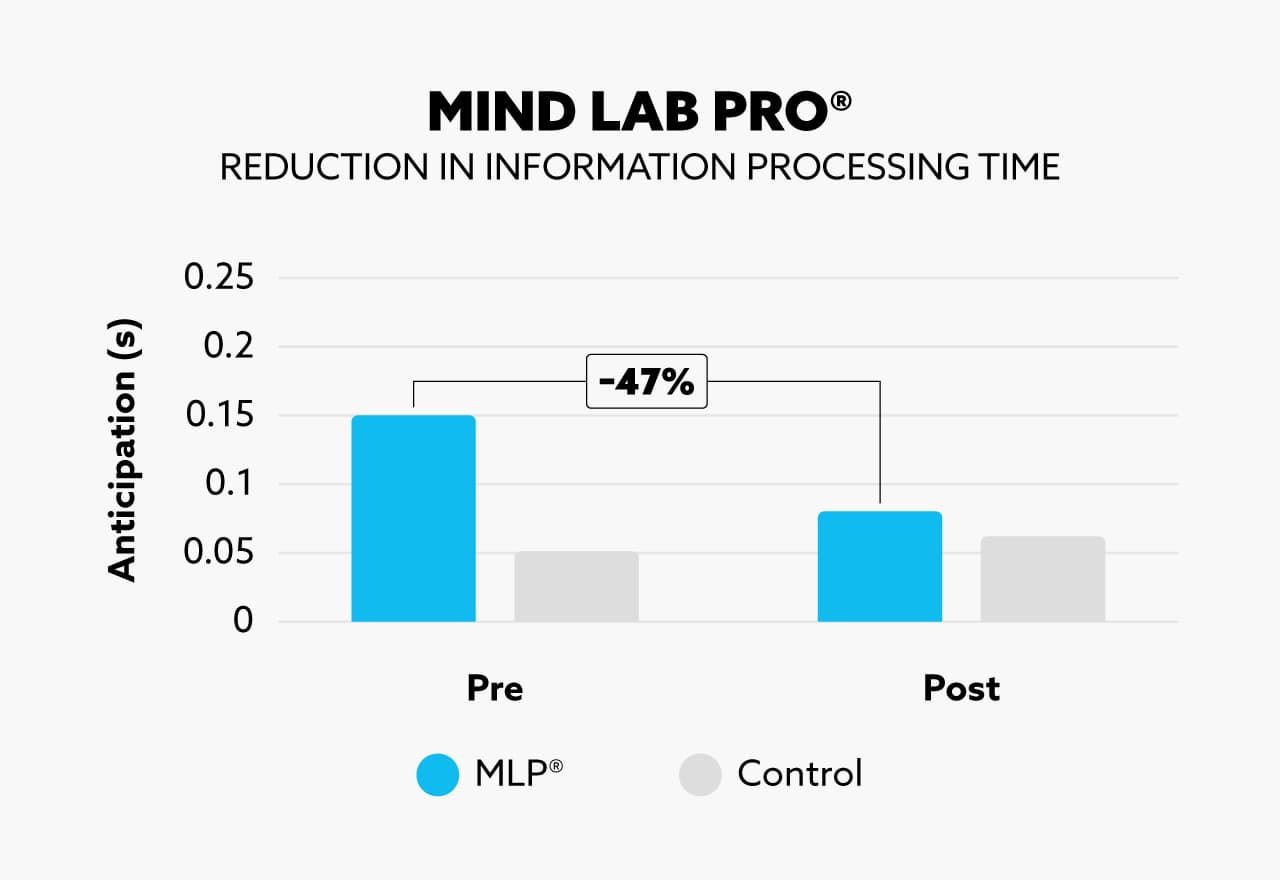
MLP® is also a choline supplementation standout because it has been studied in human clinical research:
- Study 1: Researchers reported those taking MLP demonstrated significant improvements (compared to placebo) in information processing tasks.(15)
- Study 2: Those taking MLP had significant improvements across several memory functions, including auditory, vision, visual working memory, immediate and delayed recall memory.(16)
Mind Lab Pro® Pricing & Shipping
- 1 Bottle (one month supply): $69 ($2.30/serving)
- 2 bottles (two month supply): $138 ($2.30/serving)
- Best deal: 3 bottles + 1 free, with free shipping: $207 ($1.73/serving)
- All covered by 30-day money back guarantee
Frequently Asked Questions
What is phosphatidylcholine?
Phosphatidylcholine (PC) is a choline-containing phospholipid and one of the major phospholipids in cell membranes. It also acts as a reservoir of choline that can contribute to acetylcholine synthesis. It is one choline form among several discussed in this guide, alongside citicoline, lecithin, and choline salts.
What does phosphatidylcholine do in cell membranes?
Phosphatidylcholine has a central structural role in cellular membranes. Its fatty acid acyl chains help form the membrane's lipid layer, while the phosphocholine head group faces the watery environment inside or outside cells. This organization helps create the membrane environment needed by membrane proteins, receptors, transporters, and other cell machinery.
How is phosphatidylcholine made in the body?
One major route is the Kennedy pathway. Choline kinase starts the sequence, and several enzymes convert choline-derived intermediates into phosphatidylcholine. Much of this membrane biogenesis is associated with the endoplasmic reticulum. The pathway helps different cell types maintain phosphatidylcholine as membranes are built and remodeled.
Is phosphatidylcholine found in food?
Yes. Dietary phosphatidylcholine occurs naturally in foods, especially egg yolks, and is also present in lecithin sources such as soy lecithin. Supplements may provide phosphatidylcholine directly, while other supplements use different choline forms such as citicoline or choline bitartrate.
Is choline bad for you?
Choline is not bad for you when you take it in appropriate amounts. It is an essential nutrient your body needs for brain function, liver health, nerve signaling, and acetylcholine production. Most problems people worry about happen with excessive choline supplementation, not normal food intake. This page explains that side effects are usually linked to high doses, so the goal is to get enough choline without overdoing it.
Does choline have side effects?
Yes, choline can cause side effects, but they are most often tied to high supplemental doses. The most common side effects listed on this page include digestive upset, nausea, diarrhea, sweating, low blood pressure, headaches, and a fishy body odor or bad breath. Many people tolerate choline well when they stay within normal intake ranges and choose a well-formulated product. If you are sensitive, lowering the dose or switching the form can help.
Can you have too much choline and what happens if you do?
Yes, you can take too much choline. This page notes that excessive intake can increase the risk of side effects like GI distress, fishy odor, dizziness from lower blood pressure, and possible long term concerns related to TMAO and heart health. A practical way to reduce risk is to avoid mega dosing, stay near evidence-based intake levels, and use supplements only as needed to fill gaps rather than stacking multiple high-choline products at once.
How much choline should you take per day?
Daily choline needs depend on age and life stage. This guide lists general targets such as 425 to 550 mg per day for most adult women and 550 mg per day for most adult men, with different amounts for children, pregnancy, and breastfeeding. It also notes that the upper limit for most adults is 3,500 mg per day, which is where side effect risk becomes more of a concern. Food plus a moderate supplement is usually enough for most people.
Does choline cause constipation, gas, or diarrhea?
Choline can cause digestive side effects in some people, especially at higher doses. Diarrhea, nausea, vomiting, stomach cramps, and general GI discomfort are the most commonly reported issues in this guide. Gas and constipation can also show up in some people depending on the product, dose, and overall diet. If digestion feels off, try lowering the dose, taking it with food, or switching to a more tolerable form like citicoline instead of bulk choline salts.
Can choline cause headaches?
Yes, headaches can happen with choline supplements in some people, especially if the dose is too high or if the formula does not fit your tolerance well. This is one of the reasons it helps to start low, use a consistent dose, and avoid combining several choline sources at the same time. If headaches continue, stop the supplement and speak with a healthcare professional to rule out other causes.
Can you be allergic to choline?
Allergic reactions to choline supplements are rare, but they can happen. This page lists possible symptoms such as rash, itching, or trouble breathing. If any of those symptoms appear, stop taking the supplement and get medical care right away. In many cases, a reaction may be due to another ingredient in the supplement rather than choline itself, so it helps to review the full label carefully.
What is choline used for and what does it help with?
Choline is used to support brain and nervous system function, especially because it helps your body make acetylcholine, a neurotransmitter involved in memory, learning, and attention. It also supports cell membranes, liver function, fat metabolism, and normal growth and development. This guide also highlights benefits related to memory, nervous system support, muscle function, and pregnancy. For more on memory and brain chemistry support, see nootropics for memory and nootropics for neurotransmitters.
What choline dosage causes side effects?
Side effects are most often reported with very high doses, commonly around 3 to 4 grams per day, which is far above normal dietary intake and above the dosages used in most balanced nootropic stacks. The risk is much lower when choline is taken in moderate amounts and matched to your needs. If you want to avoid side effects, do not chase high doses and do not stack multiple choline supplements without a clear reason.
Which form of choline is safest and easiest to tolerate?
Citicoline is usually one of the best tolerated forms because it provides choline in a more balanced way and also supplies cytidine, which supports brain cell membranes and uridine production. This page specifically recommends citicoline as a stronger choice than basic choline salts, which are more likely to cause odor and digestive issues in some people. If you want a deeper breakdown of how it works, see the Citicoline guide.
Summary
If you have concerns about low choline intake, food and carefully selected supplementation can help you meet your needs. Phosphatidylcholine is one important choline-containing phospholipid with a central role in cell membranes, while citicoline is another supplement form discussed in this guide. Supporting normal choline status can contribute to brain function, liver health, membrane structure, and overall well being—but too much choline intake can create unpleasant side effects. The goal is not simply “more”; it is getting an appropriate amount from high-quality food and supplement sources that fit your health and wellness goals.
References
- Zeisel SH, da Costa KA. Choline: an essential nutrient for public health. Nutr Rev. 2009;67(11):615-623.
- Purves D, Augustine GJ, Fitzpatrick D, et al., editors. Neuroscience. 2nd edition. Sunderland (MA): Sinauer Associates; 2001. Acetylcholine. Available from: https://www.ncbi.nlm.nih.gov/books/NBK11143/
- van der Veen JN, Kennelly JP, Wan S, Vance JE, Vance DE, Jacobs RL. The critical role of phosphatidylcholine and phosphatidylethanolamine metabolism in health and disease. Biochim Biophys Acta Biomembr. 2017;1859(9 Pt B):1558-1572.
- Secades JJ, Frontera G. CDP-choline: pharmacological and clinical review. Methods Find Exp Clin Pharmacol. 1995;17 Suppl B:1-54.
- Lippelt DP, van der Kint S, van Herk K, Naber M. No Acute Effects of Choline Bitartrate Food Supplements on Memory in Healthy, Young, Human Adults. PLoS One. 2016;11(6):e0157714.
- Sanders LM, Zeisel SH. Choline: Dietary Requirements and Role in Brain Development. Nutr Today. 2007;42(4):181-186.
- Poly C, Massaro JM, Seshadri S, et al. The relation of dietary choline to cognitive performance and white-matter hyperintensity in the Framingham Offspring Cohort. Am J Clin Nutr. 2011;94(6):1584-1591.
- Zeisel SH. Choline: critical role during fetal development and dietary requirements in adults. Annu Rev Nutr. 2006;26:229-250.
- da Costa KA, Gaffney CE, Fischer LM, Zeisel SH. Choline deficiency in mice and humans is associated with increased plasma homocysteine concentration after a methionine load. Am J Clin Nutr. 2005;81(2):440-444.
- Zeisel SH. Choline: critical role during fetal development and dietary requirements in adults. Annu Rev Nutr. 2006;26:229-250.
- Korsmo HW, Jiang X, Caudill MA. Choline: Exploring the Growing Science on Its Benefits for Moms and Babies. 2019;11(8):1823.
- Zeisel SH. Nutritional importance of choline for brain development. J Am Coll Nutr. 2004;23(6 Suppl):621S-626S.
- Alvarez-Sabín J, Román GC. The role of citicoline in neuroprotection and neurorepair in ischemic stroke. Brain Sci. 2013;3(3):1395-1414.
- Silveri MM, Dikan J, Ross AJ, et al. Citicoline enhances frontal lobe bioenergetics as measured by phosphorus magnetic resonance spectroscopy. NMR Biomed. 2008;21(10):1066-1075.
- Utley A, Gonzalez Y, Imboden CA. The Efficacy of A Nootropic Supplement on Information Processing in Adults: A Double Blind, Placebo Controlled Study. Biomed J Sci & Tech Res 49(1)-2023. BJSTR. MS.ID.007746
- Abbott-Imboden C., Gonzalez Y., Utley A. (2023). Efficacy of the nootropic supplement Mind Lab Pro on memory in adults: Double blind, placebo-controlled study. Human Psychopharmacology: Clinical and Experimental, e2872.