

Most people think of nootropics as “brain supplements.” But your eyes are part of your nervous system, too; and vision is an eye + brain performance system. So there is a crossover: some nootropics help vision, too. And many of us need that dual-powered support more than ever.
In a national report on digital eye strain, roughly 6 in 10 Americans reported symptoms like eye fatigue, dryness, or blurry vision after extended screen time.(1) If you’re looking for the best nootropics and supplements to support clearer vision and long-term eye health (not just generic “eye vitamins”), you’re in the right place.
This guide breaks down the best science-backed options for vision support, eye comfort, and long-term ocular health. The goal here isn’t a miracle “20/20 pill”—it’s natural support for the biology behind sharp, comfortable, resilient vision, along with the robust eye health that underlies it all. Let's get to it!
Key Takeaways
- Nootropics for vision aren’t just “eye vitamins”—they can support visual processing, focus while reading, and mental clarity during high-demand screen work.
- Some nootropics for eyesight discussed in this article include citicoline, Bacopa monnieri, Rhodiola rosea, Saffron, Astaxanthin and Omega-3 fatty acids.
- True eye support is multi-layered: protect the retina + macula, support blood flow and oxidative balance, and maintain comfort (dryness, fatigue, light sensitivity).
- Best results come from a stack approach: targeted carotenoids + omega-3s + foundational micronutrients + a brain/clarity nootropic when needed.
- Expect support—not magic: these supplements may help you maintain healthy vision over time, reduce visual fatigue, and support long-term ocular resilience.
Disclaimer
This article is for educational purposes only and does not constitute medical advice, diagnosis, or treatment. Always consult a qualified healthcare professional before starting, stopping, or combining any supplements discussed in this guide—especially if you have an eye condition, take prescription medication, or are pregnant or nursing. Supplements are not drugs, are not intended to diagnose, treat, cure, or prevent any disease, and should only be used under a doctor’s guidance. If you experience sudden vision changes, eye pain, flashes, floaters, or worsening symptoms, seek medical care immediately. These statements have not been evaluated by the Food and Drug Administration.
How Nootropics Support Vision & Eye Health
Visual Information Processing
This term refers to the brain's ability to interpret what the eyes see. In other words, vision isn’t only “eye function”—it’s also brain focus, attention control, and cognitive performance working together. Visual information processing includes several sub-categories:
- Visual cognition: The mind’s ability to manipulate visual information to make decisions, solve problems, and interpret context. An example is interpreting text and graphics while reading.
- Visual memory: The ability to process visual input, retain it in memory, and retrieve it when needed.
- Scanning: Recording information from a scene in a systematic way.
- Visual attention: Focusing on a stimulus and shifting attention between stimuli.
It turns out a large portion of the brain devotes itself to vision, per Professor Mriganka Sur of MIT’s Department of Brain and Cognitive Sciences.(2) With this in mind, vision support becomes more than “eye nutrition”—it also includes cognitive enhancers that help sustain focus, attention, and cognitive performance under visual demand.
That eye + brain overlap is one reason some dietary supplements are used for “modern vision” goals like screen stamina, reading comfort, and fewer moments of mental blur—especially when fatigue contributes to perceived blurred vision.
Macular & Retinal Health (Age-Related Changes)
Age-related macular degeneration (AMD) is a common condition involving the retina, particularly the macula, which plays a central role in sharp, detailed vision. The American Academy of Ophthalmology defines AMD as a problem that affects central vision when the macula is damaged.(3)
For long-term vision support, the most practical approach is nutritional: protect retinal tissue from oxidative wear, support macular pigment, and promote healthy circulation. Some nootropics may help with these benefits, typically via antioxidant properties and by helping to filter blue light that damages the macula and retina.
Dry Eye & Computer Vision Syndrome
Dry eye: is a frustrating visual well being issue where tears don't lubricate the eyes properly—either not enough are produced or they evaporate too fast—causing irritation and surface damage. Symptoms include gritty/sandy feeling, burning, stinging, redness, blurry vision, light sensitivity, watery eyes (from reflex), and fatigue. It worsens with screens, dry air, contacts, aging, or certain meds, and can disrupt daily life.
Computer Vision Syndrome (CVS / Digital Eye Strain): CVS is eye and vision discomfort from extended screen use. Reduced blinking, close focus, and glare lead to symptoms like eyestrain, headaches, blurred/double vision, dry/irritated eyes, trouble refocusing, light sensitivity, and neck/shoulder pain. It overlaps heavily with dry eye due to fewer blinks drying out the eyes.
Both may be helped by omega-3s (1,000–2,000 mg EPA+DHA daily from fish/algae oil) help regulate inflammation and improve tear quality, with benefits often seen in 1–3 months.
Overall Vision Health and Antioxidants
Many of today’s vision supplements have one thing in common: they’re rich in antioxidants.
Antioxidants help neutralize oxidative stress throughout the human body, including the eyes—especially in screen-heavy lifestyles where visual fatigue and light exposure accumulate over time.
Eye experts often recommend antioxidant-rich foods, especially dark leafy greens like spinach and kale. Other great whole-food options include:
- Whole grains (excellent B vitamin sources)
- Oranges (vitamin C support)
- Egg yolks (vitamin A, zinc, lutein, and zeaxanthin)
- Fish (omega-3 fatty acids)
- Nuts (vitamin E support)
In high-risk individuals, a classic combination of antioxidant vitamins and zinc has been associated with reduced risk of advanced AMD progression.(4)
Bottom line: the strongest long-term “vision stack” supports the retina and macula with protective nutrients, while also supporting brain focus and attention—the cognitive side of staying visually sharp under modern stress.
Nootropics for Vision
Bacopa monnieri

Bacopa monnieri (also called Brahmi) is a traditional Ayurvedic herb famous as a nootropic for improving memory, learning, focus, and reducing stress/anxiety. It works through antioxidants (bacosides), inflammation-soothing effects, and better brain signaling.
For vision and eye health, evidence is mostly indirect and early—Bacopa may support eyes by fighting oxidative stress (a key factor in retinal damage), improving blood flow to the retina, and reducing eye fatigue from screens or mental strain. Direct eye studies are limited (mostly animal/preclinical showing retinal protection from oxidative stress).
Visual Processing: One 2008 randomized, double-blind, placebo-controlled study found that 300 mg/day of standardized Bacopa monnieri extract for 12 weeks significantly improved speed of processing visual information in healthy older adults, along with better learning rate and memory compared to placebo.(5)
More on Mind Lab Pro® Bacopa monnieri
Rhodiola rosea

Rhodiola rosea is an adaptogenic botanical used to support mental energy and performance under pressure. For vision, its value is often indirect but practical: when cognitive performance is steadier, visual tasks (reading, scanning, screen focus) often feel easier.
Digital eye strain and visual fatigue: A 2025 triple-blinded, placebo-controlled study found that Rhodiola supplementation improved accommodation stability (the eye's ability to focus and refocus) after prolonged near-work tasks (e.g., screen time), suggesting it helps build resilience against visual fatigue and symptoms of digital eye strain/computer vision syndrome.(6) This aligns with its anti-fatigue properties.
More on Mind Lab Pro® Rhodiola rosea
Citicoline (Cognizin)

Cognizin is a patented, pure form of citicoline (CDP-choline), a nootropic that supports brain cell repair, energy, and neurotransmitters. It may help eye health by protecting retinal cells and the optic nerve from damage, reducing oxidative stress, and improving neural signals in the visual pathway. Researchers suggest these effects may offer potential for glaucoma.
A key human study showed that oral citicoline (500 mg/day solution) improved vision-related quality of life in patients with chronic open-angle glaucoma. In this randomized, placebo-controlled crossover trial, citicoline boosted composite scores more than placebo, with bigger benefits for those with worse baseline vision quality.(7)
More on Mind Lab Pro® Citicoline
Maritime Pine Bark Extract

French maritime pine bark extract contains OPC antioxidants and is often discussed for circulation support. It works in part by stimulating nitric oxide, which in turn relaxes blood vessels to support robust circulation. This matters for eye health because the retina relies on consistent oxygen and nutrient delivery.
Ocular blood flow: In one human study, a pine bark + bilberry combination was associated with improvements in measures related to ocular blood flow and intraocular pressure markers.(8) High blood pressure is also associated with several eye health concerns, making circulation support a reasonable “whole-system” priority.(9)
More on Mind Lab Pro® Pine Bark Extract
Other antioxidant-rich nootropics known for supporting eye health:
- Astaxanthin is a carotenoid antioxidant used in many modern vision support formulas, especially for screen-heavy lifestyles. In a randomized, double-blind, placebo-controlled study, astaxanthin supplementation was associated with improvements in certain visual function measures compared with placebo.(10)
- Saffron has earned real interest in vision research, particularly in early AMD contexts. In clinical research, saffron supplementation has been associated with improvements in certain functional retinal response markers in early AMD settings.(11)
Omega-3 (EPA & DHA)

Omega-3 fatty acids (mainly EPA and DHA from fish oil or algae) are essential fats that support eye health. They help maintain retinal cell membranes (rich in DHA), fight oxidative stress, and improve tear film quality. For dry eye, omega-3s may ease symptoms like irritation and grittiness by boosting tear stability, regulating inflammation in the ocular surface, and enhancing tear gland function.
Macular Health: Omega-3s are also linked to macular health. In AREDS research analyses, higher dietary omega-3 intake has been associated with lower risk of progression to advanced AMD in certain populations.(12) Results can vary by study design, but omega-3 remains one of the most broadly useful foundations for long-term vision support.
Essential Vitamins & Minerals for Eye Health

Beyond specialty nootropics, many vision stacks include essential vitamins and minerals. These nutrients help support normal visual function, macular integrity, and dark adaptation—and they also support whole-body performance and cognitive health.
Vitamin B6, Folate (B9), and Vitamin B12
B vitamins support nervous system performance and healthy circulation-related metabolism. In a randomized trial in women, a combination of folic acid, vitamin B6, and vitamin B12 was associated with a reduced risk of AMD outcomes over time.(13)
More on Mind Lab Pro® Vitamin B6
More on Mind Lab Pro® Vitamin B9
More on Mind Lab Pro® Vitamin B12
Vitamin A, Vitamin C, Vitamin E, and Zinc
These are classic eye-health essentials. Vitamin A supports normal retinal function and helps improve night vision, while C and E provide antioxidant support. Zinc supports retinal metabolism and is commonly included in macular-support stacks.
In the AREDS trial, an antioxidant + zinc formulation was associated with reduced risk of advanced AMD progression in higher-risk individuals.(14)
Top Nootropic Supplements & Stacks for Eyes in 2026
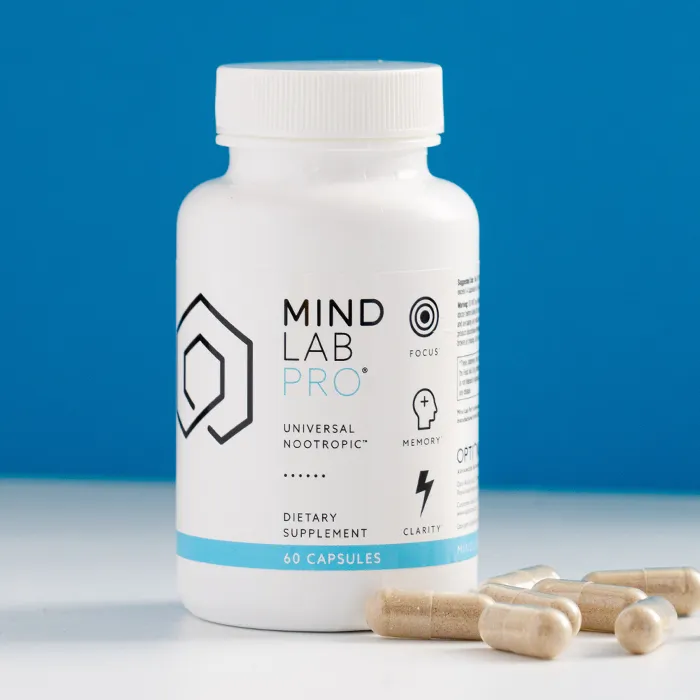
Mind Lab Pro®: Nootropics for Eye Health & Brain Function

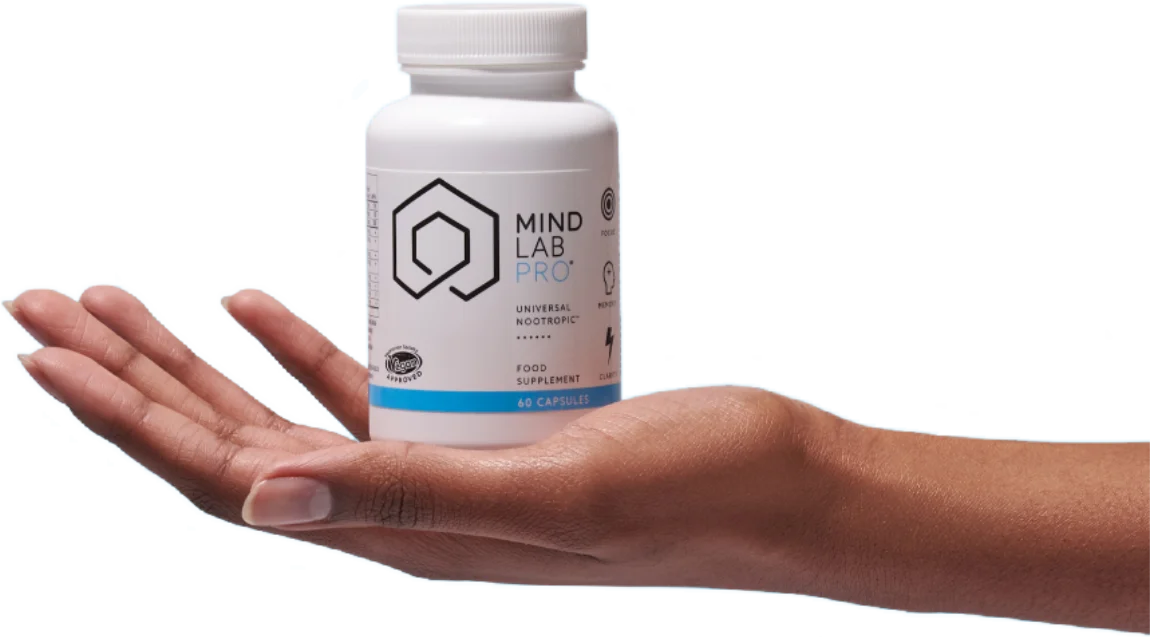
Mind Lab Pro® features natural nootropics for supporting visual cognition, visual memory, and visual attention—especially for people who rely on strong brain focus and cognitive performance in daily life.
The MLP Formula: Citicoline (CDP Choline) dosage 250mg per serving, Phosphatidylserine (PS) 100mg (from sunflower lecithin), Bacopa monnieri 150mg (24% bacosides, 9 bioactives), Organic Lion's Mane Mushroom 500mg (fruit and mycelium), Maritime Pine Bark Extract 75mg (Standardized to 95% proanthocyanidins), N-Acetyl L-Tyrosine 175mg, L-Theanine 100mg per serving, Rhodiola rosea 50mg (Standardized to 3% rosavins and 1% salidrosides), NutriGenesis® Vitamin B6 (2.5 mg), Vitamin B9 (100 mcg), Vitamin B12 (7.5 mcg)
- Mind Lab Pro® supports overall brain health and brain functions that influence visual information processing, focus, attention control, and mental stamina.
Mind Lab Pro® Nootropic Supplement is Research-Backed
Human research suggests Mind Lab Pro® may boost brain health in a few ways, including attention, reaction time, and memory—key foundations for visual performance under pressure.
- Mind Lab Pro® for 30 days was linked to significant improvements in reaction time and anticipation measures related to focus and decision-making.(15)
- Mind Lab Pro® was shown to enhance multiple memory domains, including visual and visual working memory, plus immediate and delayed recall.(16)
- In a 60-day study, Mind Lab Pro® was associated with changes in brain network coordination during rapid visual decision-making tasks—suggesting more connected processing patterns.(17)
Learn more about the Mind Lab Pro studies
Performance Lab® Vision: Supplements to Improve Vision

Performance Lab® Vision is a targeted formula built around macular carotenoids and plant compounds used to support retinal protection, visual acuity, and maintain healthy eyes.
- To boost your stack even more, combine Mind Lab Pro® + Performance Lab® Vision for dual brain + eye support.
Ingredients: European black currant (powder + extract), European bilberry extract, lutein + zeaxanthin (FloraGLO®), astaxanthin, saffron (standardized for safranal).
- Supports macular pigment, ocular circulation, retinal transmission speed, fights eye fatigue, supports dark adaptation, and long-range eye health.
More on Performance Lab® Vision
Performance Lab® Omega-3: Clean Vegan DHA + EPA for Vision Support

Omega-3s are among the most research-backed nutrients for whole-body performance—especially for brain function and eye health. DHA is highly concentrated in the retina, which is why omega-3s are frequently discussed for long-term vision support.
- Vision support: supports retinal structure and visual comfort, including low-light physiology tied to dark adaptation.
- Brain support: omega-3s are commonly used for cognitive health, including concerns around age-related cognitive impairment, mental clarity, and overall cognitive performance.
- Clean vegan formula: sourced from algae oil for purity and sustainability.
Love this product! Easy to swallow capsule with no aftertaste.Sarah A

Foundational: Performance Lab® NutriGenesis® Multis
These are the top multivitamins on the market today. They supply the basic essentials for brain function plus key vision support nutrients like vitamins A, C, and E plus zinc. Performance Lab® NutriGenesis® Multis complement a targeted vision formula by strengthening your nutritional foundation and ensuring you get eye health essentials.
Performance Lab® NutriGenesis Multi
The world's most advanced multivitamin formula.
Shop Now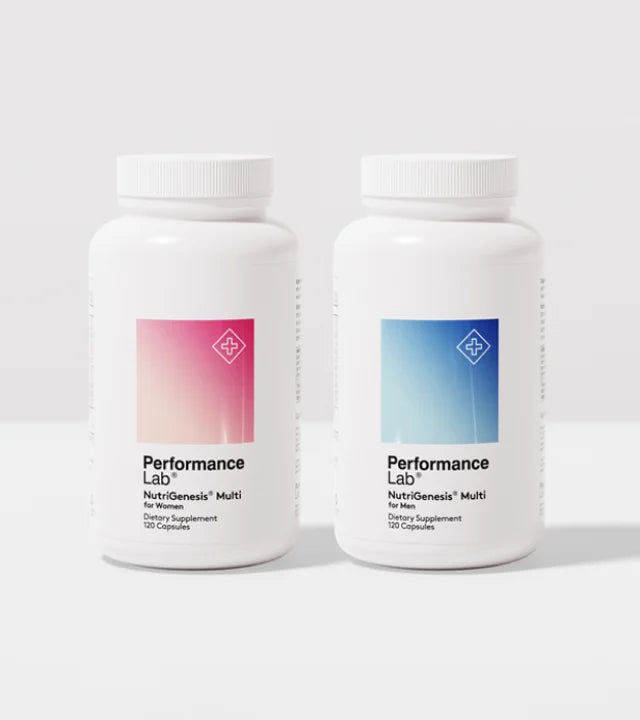
Frequently Asked Questions
What are the best evidence-based supplements for eye health in 2026?
Some of the strongest evidence-backed options for eye health include lutein and zeaxanthin for macular support and blue-light filtering, astaxanthin for oxidative protection, and omega-3 fatty acids for retinal structure and tear-film stability. These often work best alongside foundational nutrients like vitamins A, C, and E, plus zinc.
Can eye supplements actually improve vision?
Eye supplements are better thought of as support for healthier visual function rather than miracle vision changers. They may help support long-term eye health, reduce visual fatigue, and improve comfort during screen-heavy days, but they are not a replacement for glasses, eye care, or treatment for eye disease.
What does Bacopa monnieri do for vision and cognitive performance?
Bacopa monnieri may support the brain side of vision by helping with visual information processing, focus, and mental stamina during reading and screen work. It is also discussed for antioxidant support and for helping reduce some of the mental fatigue that can make visual tasks feel harder.
What are the top supplements for reducing digital eye strain in 2026?
For digital eye strain, a strong stack often includes lutein and zeaxanthin for blue-light filtering, omega-3s for tear support and dry-eye comfort, and nootropics like citicoline or Rhodiola rosea for visual processing and fatigue resistance. This kind of layered approach supports both the eyes and the brain systems involved in visual performance.
Are mushrooms good for your eyes?
Some mushrooms may support the brain side of visual performance, but they are not the main eye-health ingredients discussed here. The stronger emphasis in this article is on carotenoids, omega-3s, antioxidants, and nootropics that support visual processing, attention, and ocular resilience.
What is Bacopa and what are its benefits?
Bacopa is a traditional nootropic herb best known for supporting memory, learning, focus, and stress resilience. In this context, it may also help with visual processing speed and mental clarity during demanding tasks like reading, screen work, and sustained concentration.
FINAL THOUGHTS
Supporting long-term vision health isn’t just about “generic eye vitamins”—it’s about protecting the eye’s biology while also supporting the brain systems that interpret what you see. That’s why a modern vision stack often includes both vision support nutrients (like macular carotenoids and antioxidants) and cognitive enhancers that support brain focus, attention, and visual information processing.
In this guide, you learned how nootropics and dietary supplements—such as bacopa, rhodiola, citicoline, pine bark extract, lion’s mane, astaxanthin, saffron, omega-3s, and foundational vitamins/minerals—may support eye comfort, visual performance, and cognitive performance as you age.
For a streamlined stack, Performance Lab® Vision covers targeted macular nutrition, Performance Lab® Omega-3 supports retinal foundations, NutriGenesis® Multi (Men or Women) covers key A/C/E + zinc essentials, and Mind Lab Pro® supports the brain-side of vision: focus, clarity, and visual processing during demanding days.
References
- The Vision Council. (2016). Digital Eye Strain Report. Link
- Massachusetts Institute of Technology. (1996). Brain processing of visual information. Link
- Boyd, K. (2018). What is macular degeneration? American Academy of Ophthalmology. Link
- National Library of Medicine. (2001). Clinical Advisory: Antioxidant vitamins and zinc reduce risk of vision loss from age-related macular degeneration. Link
- Calabrese, C., Gregory, W. L., Leo, M., Kraemer, D., Bone, K., & Oken, B. (2008). Effects of a standardized Bacopa monnieri extract on cognitive performance, anxiety, and depression in the elderly: A randomized, double-blind, placebo-controlled trial. The Journal of Alternative and Complementary Medicine, 14(6), 707–713. Link
- Lara, P. M., Ramos, A., & et al. (2025). Can Rhodiola rosea supplementation mitigate digital eye strain? A triple-blinded placebo-controlled study. Ophthalmic and Physiological Optics. Link
- Rossetti, L., Iester, M., Tranchina, L., Ottobelli, L., Coco, G., Calcatelli, E., Ancona, C., Cirafici, P., & Manni, G. (2023). The effect of citicoline oral solution on quality of life in patients with glaucoma: The results of an international, multicenter, randomized, placebo-controlled cross-over trial. Graefe's Archive for Clinical and Experimental Ophthalmology, 261(6), 1659–1668. Link
- Steigerwalt, R. D., Jr., et al. (2008). Effects of Mitrogenol on ocular blood flow and intraocular hypertension in asymptomatic subjects. Molecular Vision, 14, 1288–1292. Link
- Porter, D. (2018). Blood pressure. American Academy of Ophthalmology. Link
- Sekikawa, T., et al. (2023). Effects of diet containing astaxanthin on visual function in middle-aged and elderly individuals. Link
- Falsini, B., et al. (2010). Influence of saffron supplementation on retinal flicker sensitivity in early AMD. Investigative Ophthalmology & Visual Science, 51(12), 6118–6124. Link
- SanGiovanni, J. P., et al. (2009). Omega-3 long-chain polyunsaturated fatty acid intake and progression to advanced AMD: AREDS Report 20. Archives of Ophthalmology, 127(9), 1103–1111. Link
- Christen, W. G., et al. (2009). Folic acid, vitamin B6, and vitamin B12 in relation to AMD in women. Archives of Internal Medicine, 169(4), 335–341. Link
- Age-Related Eye Disease Study Research Group. (2001). A randomized, placebo-controlled clinical trial of high-dose supplementation with vitamins C and E, beta carotene, and zinc for AMD and vision loss. Archives of Ophthalmology, 119(10), 1417–1436. Link
- Utley, A., Gonzalez, Y., Imboden, C. A., et al. (2023). Efficacy of a nootropic supplement on information processing in adults. Biomed J Sci & Tech Res, 49(1). Link
- Abbott-Imboden, C., Gonzalez, Y., & Utley, A. (2023). Mind Lab Pro and memory in adults: double-blind, placebo-controlled study. Human Psychopharmacology, e2872. Link
- O’Reilly, D., Bolam, J., Delis, I., & Utley, A. (2025). Neural mechanisms of cognitive enhancement with a nootropic supplement. Brain Sciences, 15(3), 226. Link