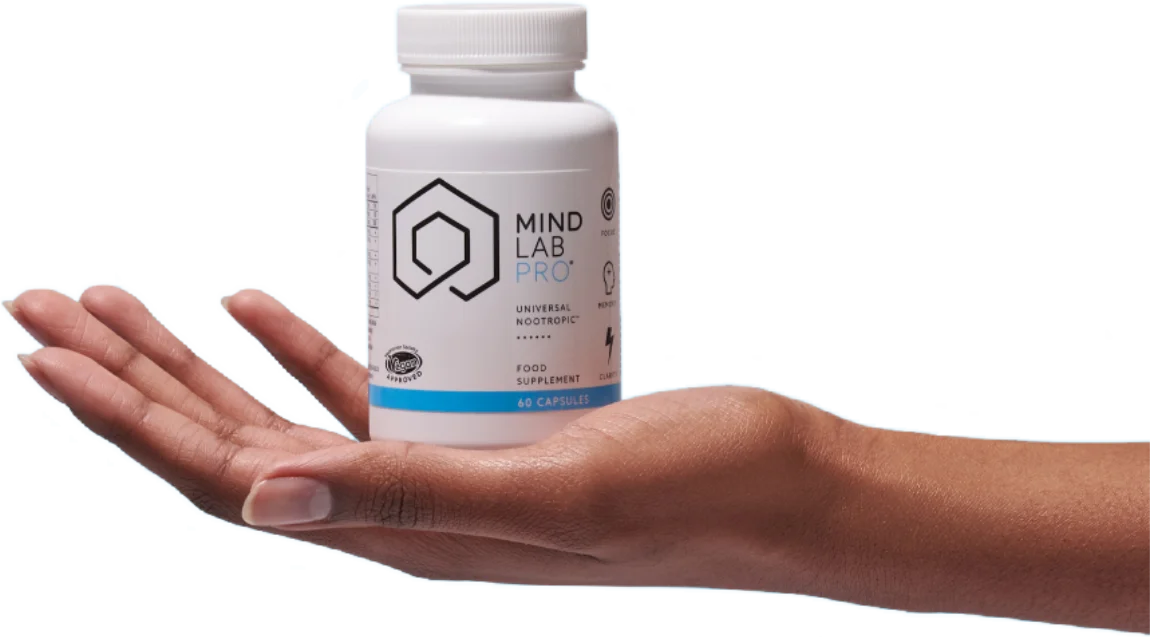
A smart pill is usually described as a pill, capsule or supplement taken to support sharper focus, memory, mental energy or other aspects of cognitive performance. But the phrase can mean very different things depending on who is using it.
If you’re searching for "smart pills," you may be looking for a cleaner way to feel mentally “on” without relying on harsh stimulants. According to the Council for Responsible Nutrition’s 2022 Consumer Survey on brain-health supplements, 70% of brain-health supplement users were interested in mental focus, concentration or attention.(1)
That demand for cognitive enhancements explains why the term “smart pill” now covers everything from prescription stimulants to ingestible medical capsules and natural nootropic supplements. This article focuses dietary supplement smart pills—especially nootropics—while clearly separating them from drugs and medical devices. Let's get to it!
Key Takeaways
-
“Smart pill” is not one official category. In this article, we're discussing dietary supplement smart pills used to enhance cognitive performance and brain health.
-
Nootropics are most closely aligned with smart pills. They are used as part of a normal routine to support focus, memory, mood, brain energy and mental clarity.
- Not all brain supplements are high quality. Some nootropic products have been found to contain unapproved or hidden drug ingredients.
- The best approach is clean, legal and evidence-aware. Look for transparent ingredients, realistic claims, clinical support and third-party quality checks.
- Prescription drugs are sometimes called "smart pills," too. This article focuses on dietary supplements. Pharmaceutical smart pills must be discussed with your doctor.
Disclaimer
This article is for educational purposes only and is not medical advice. Dietary supplements do not diagnose, treat, cure or prevent disease. “Smart pill” products should not be used as a substitute for prescribed medication, medical care, sleep, nutrition, or professional evaluation for attention, memory, mood, fatigue, ADHD, anxiety, depression, dementia, traumatic brain injury, or other health concerns. Speak with a qualified healthcare professional before using nootropics if you take medication, have a medical condition, are pregnant or breastfeeding, or are considering any prescription or gray-market cognitive enhancer.
Important Medical Context: Smart Pills, Drugs and Supplements Are Not the Same
The phrase “smart pill” is sometimes used for prescription stimulants, wakefulness drugs, or other pharmaceuticals. This article is not recommending those drugs for healthy people. Prescription medications for cognition are effective, but must be carefully and prescribed by a doctor for the best safety and results.(2,3)
This article focuses on supplement-style smart pills: legal, accessible nootropic formulas designed to support healthy cognitive function. We'll keep it conservative. The FDA does not approve dietary supplements for safety and effectiveness before they are marketed, and the FTC and FDA have taken action against companies making disease-treatment claims for brain-health products.(4,5)
We won't go into smart drugs in this article. However, we'll touch upon the emerging topic of medical device-style smart pills after we cover nootropic supplement smart pills.
What Is a Smart Pill?

A smart pill is a broad, informal term for something taken to support or enhance cognitive performance. In everyday use, the phrase usually points to focus, memory, alertness, learning, motivation, creativity, mental clarity or productivity.
But there are three major meanings:
- Pharmaceutical smart pills: prescription or investigational drugs used medically, and sometimes misused for cognitive enhancement.
- Medical smart pills: ingestible sensor capsules that collect data inside the body. These can measure gastric emptying time, small bowel transit time, colonic transit time and total gut transit time.(6,7)
- Nootropic smart pills: dietary supplements formulated to support healthy brain function and cognitive performance.
Nootropics: The Supplement Category Behind Smart Pills
In the supplement world, nootropics are the one category that best matches up with the idea of a "smart pill." Nootropics are compounds used to support cognitive functions such as attention, memory, learning, mental energy and executive function.(8)
Some nootropics are well known, such as caffeine, L-theanine, creatine, B vitamins and omega-3 fatty acids. Others are more specialized, such as citicoline, phosphatidylserine, bacopa, lion’s mane mushroom, rhodiola, tyrosine and maritime pine bark extract.
For a deeper overview, check out what nootropics are and our list of nootropics guide.
How Do Smart Pills Work?

Supplement-style smart pills generally work by supporting brain systems involved in attention, memory, stress resilience, energy metabolism and communication between brain cells. They do not all work the same way.
1. Supporting Neurotransmitters (Brain Chemicals)
Some nootropics provide building blocks for neurotransmitters. For example, choline-related compounds such as citicoline support acetylcholine pathways involved in memory and attention. Nootropic tyrosine supports pathways related to catecholamine neurotransmitters involved in alertness, motivation and performance under stress.
2. Supporting Brain Energy
The brain is energy-demanding. Nutrients such as B vitamins, citicoline and others may support normal energy production, mental stamina and healthy nervous-system function. This is not the same as stimulant energy; it is more about helping brain cells perform their normal work at full power.
Discover top supplement for energy.
3. Supporting Stress Resilience
Stress can drain focus, motivation and working memory. Adaptogens such as rhodiola may help support mental performance under pressure by influencing stress-response pathways. L-theanine may support calm focus by promoting relaxed alertness without heavy sedation.
Check out our list of herbal adaptogens.
4. Supporting Memory and Learning
Memory-focused smart pills often include bacopa, phosphatidylserine, citicoline or lion’s mane. These ingredients may support learning, recall, brain-cell membrane function, neuroplasticity or nerve-growth-related pathways.
Read our guide on top nootropics for memory.
5. Supporting Cerebral Blood Flow and Antioxidant Defense
Some nootropics support healthy circulation or antioxidant defenses in the brain. Maritime pine bark extract, for example, supplies proanthocyanidins that may support blood vessels and antioxidant pathways relevant to brain health.
What Do U.S. Agencies and Educational Systems Say?
Official guidance around smart pills depends on the type of product. Regulators treat prescription drugs, dietary supplements and medical devices very differently.
FDA: Supplement Smart Pills Are Not Approved Like Drugs
The FDA regulates dietary supplements, but supplements are not pre-approved for safety and effectiveness before marketing the way prescription drugs are. This means supplement buyers must identify quality products.(4) The FDA has also warned companies when cognitive-enhancement products cross into illegal drug-claim territory my saying they help with diseases like Alzheimer’s disease and dementia.(5)
FTC: Smart Pill Advertising Claims Need Evidence
The FTC focuses on advertising and marketing claims. In brain-health categories, the FTC and FDA have jointly warned companies about products marketed with disease-treatment or cure claims. Consumers should be skeptical of miracle-pill language.(5)
OPSS: Some Nootropic Supplements May Contain Problem Ingredients
Operation Supplement Safety, a Department of Defense dietary-supplement safety resource, warns that nootropic supplements sometimes contain drugs or other ingredients that have not gone through the right regulatory frameworks. It also notes that some may contain ingredients prohibited by the military.(9)
AMA: Prescription Smart Drugs Do Not Simply Make People Smarter
The American Medical Association has cautioned that prescription stimulants carry real risks and do not simply make healthy people smarter. Its review described cognitive effects in healthy people as variable, dose-dependent and limited or modest.(3)
Universities: Student Misuse Is a Real Concern
Educational institutions often address smart drugs in the context of prescription stimulant misuse. A University of Michigan-led study reported wide variation among schools, with some U.S. schools showing 25% or more of students reporting nonmedical prescription stimulant use in the past year. That study focused on misuse of prescribed ADHD medications, not legal dietary supplements.(10)
Research on stimulant cognitive enhancement is mixed. Some studies suggest users may feel more motivated or work harder, but not necessarily work better. In a 2023 study in Science Advances, stimulant drugs increased motivation and effort in complex task-solving, but reduced the quality of effort.(11)
Smart Pill Benefits: What People Are Usually Looking For
Most people searching for a smart pill are not asking for a technical regulatory category. They want a practical result: better mental performance.
Focus and Attention
Focus support is the biggest reason many people consider nootropics. A supplement smart pill may support attention through neurotransmitter support, calm focus, stress management and mental energy. This is different from treating ADHD, which requires medical diagnosis and evidence-based care.
Memory and Learning
Memory support may involve ingredients that influence acetylcholine, brain-cell membrane function, neuroplasticity or learning-related pathways. Bacopa, citicoline and phosphatidylserine are common examples in the supplement category.
Mental Energy
Some smart pills lean on caffeine for immediate alertness. Others are caffeine-free and support mental energy through nutrients, adaptogens and brain-energy pathways. The best choice depends on whether the user wants stimulation or steady daily support.
Stress Resilience
Stress can impair concentration, working memory and motivation. Adaptogens and calming nootropics may help support performance under pressure without pushing the nervous system as aggressively as stimulants.
Brain Health
Some users want long-range brain-health support rather than short-term productivity. This is where ingredients that support antioxidant defenses, healthy blood flow, neuronal membranes, B-vitamin status and neurotrophic pathways may fit.
For a broader look at these goals, read more about the benefits of nootropics.
How to Choose a Smarter Smart Pill
A good smart pill should be more than a label with aggressive promises. Look for a formula that is transparent, evidence-aware and realistic.
- Clear ingredient list: Avoid proprietary blends that hide doses.
- Research-backed ingredients: Look for ingredients with human research when possible.
- Appropriate doses: Underdosed formulas may look impressive but perform poorly.
- Clean claim language: Avoid products promising to treat ADHD, reverse memory loss or cure brain disease.
- Quality controls: Prefer products made under strong manufacturing and testing standards.
- No hidden stimulants: Watch for formulas that rely on heavy caffeine or undisclosed stimulant-like ingredients.
- Legal supplement status: Avoid gray-market drugs like racetams and brain peptides sold as “research compounds” or “not for human consumption.”
Did you know?
A 2021 analysis published in Neurology: Clinical Practice found multiple unapproved drugs in cognitive-enhancement supplements, reinforcing why product quality and regulatory status matter in this category.(12)
Smart Pill Safety: Who Should Be Careful?
Even legal nootropic supplements may not be right for everyone. Smart pills may interact with medications, medical conditions, caffeine intake, sleep patterns or psychiatric history.
Be especially cautious if you have high blood pressure, heart disease, anxiety, panic symptoms, bipolar disorder, seizure history, insomnia, liver or kidney disease, or if you take antidepressants, stimulants, sedatives, blood thinners, blood pressure drugs or ADHD medication.
Pregnant or breastfeeding women should avoid nootropic supplements unless directed by a qualified clinician. Young people, competitive athletes, military personnel and people subject to drug testing should be especially careful with products marketed as brain boosters or smart drugs.
Read more about nootropic safety in general.
Medical Smart Pills: Ingestible Biotech Capsules

In medicine, a smart pill is not always a brain supplement or focus enhancer. It can also refer to an ingestible capsule used as a diagnostic tool for the gastrointestinal tract. One example is the SmartPill capsule, a disposable, sensor-based capsule that a patient swallows in a physician’s office as part of a gut motility test. Gut motility refers to how food, fluids and waste move through the digestive tract.
The SmartPill capsule is slightly larger than a typical vitamin pill. After it is swallowed, the capsule moves naturally through the stomach, small bowel, colon, and eventually the entire GI tract. As it travels through the digestive tract, it collects information about pressure, pH, and temperature. This data can help a doctor evaluate how food and digestive contents move through the body.
What the SmartPill Motility Test Measures
The SmartPill motility test may be used to measure several important markers of digestive movement, including:
- Gastric emptying time: How long it takes the capsule to leave the stomach.
- Small bowel transit time: How long it takes the capsule to move through the small bowel.
- Colonic transit time: How long it takes the capsule to pass through the colon.
- Total gut transit time: How long it takes the capsule to travel through the entire GI tract.
This type of test may be used for patients with symptoms such as chronic constipation, abdominal pain, bloating, nausea, or suspected digestive motility problems. It gives clinicians a convenient way to evaluate transit time without requiring sedation in many cases.
How the Capsule Sends Data
As the capsule moves through the gastrointestinal tract, it wirelessly transmits data to a small data receiver. The recorder is usually worn on a belt or belt clip during the test period. Patients can often continue normal daily activities, but they must follow the physician’s instructions closely to help produce a valid test result.
The capsule is not removed. It is naturally passed during a bowel movement, typically within a few days, depending on the person’s gut transit time. The data receiver is then returned so the doctor can review the test results.
Before and During the Procedure
Patients may receive specific instructions prior to the test. Depending on the physician’s office or gastroenterology associates performing the procedure, instructions may include when to stop eating, whether to eat prior to swallowing the capsule, what to drink, and whether to consume a standardized food such as a granola bar after the capsule is swallowed.
Patients may also be told to avoid alcohol, certain drugs, bowel cathartics, promotility medications, and some pain medications before or during the test, unless otherwise directed by the doctor. People with high blood pressure, heart disease, swallowing problems, or other health conditions should follow their physician’s instructions carefully.
During the test, patients are commonly advised to avoid vigorous exercise, prolonged aerobic activity, abdominal crunches, and other strenuous activity. Light, normal routine activity may be allowed, but the goal is to avoid anything that could interfere with the capsule, the data receiver, or the test results.
Why Medical Smart Pills Matter
Medical smart pills offer a sensor-based way to determine how the digestive tract is functioning from the inside. By measuring pressure, pH, temperature, and transit time, the capsule can help physicians evaluate the process of digestion across the stomach, small bowel, colon, and entire GI tract.
Key takeaway: A medical smart pill is an ingestible, disposable capsule used to collect data inside the body. Unlike nootropic “smart pills,” which are marketed for focus or mental performance, a SmartPill capsule is a diagnostic tool used to evaluate GI tract motility, gut transit time, gastric emptying time, small bowel transit time, and colonic transit time.
Mind Lab Pro®: A Clean Nootropic Smart Pill

Many people searching for a smart pill want the benefits associated with sharper focus, better memory, calmer concentration and more mental energy—but without the risks of prescription drug misuse, gray-market compounds or harsh stimulant formulas.
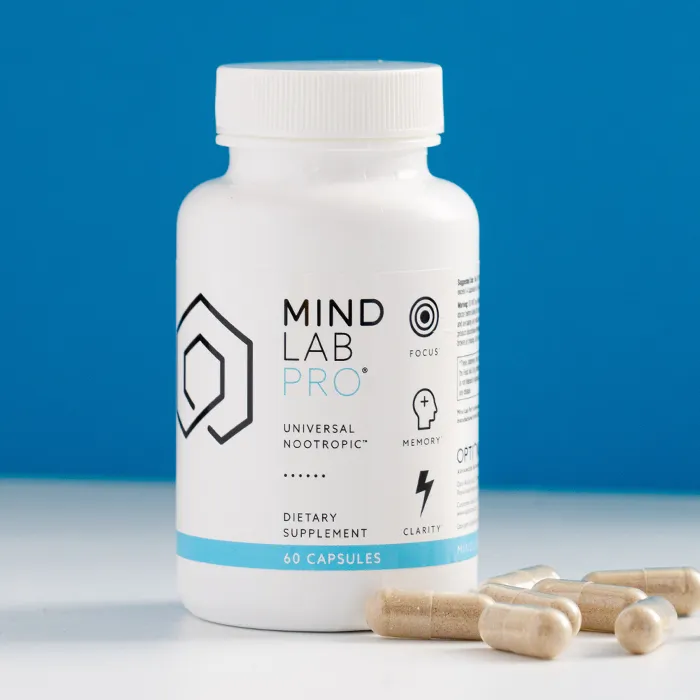
Mind Lab Pro (MLP) is a leading dietary supplement option for anyone looking for a cleaner, legal, research-backed nootropic alternative to drug-style smart pills. It is caffeine-free, vegan-friendly and designed to support multiple aspects of healthy cognitive performance.
Several MLP ingredients fit classic smart-pill goals. Its 11-ingredient formula includes:
- Cognizin® Citicoline — 250 mg: supports acetylcholine synthesis, phospholipid production, attention and brain energy.
- Phosphatidylserine — 100 mg: supports brain-cell membranes, signaling and memory-related function.
- Bacopa Monnieri — 150 mg: standardized full-spectrum extract for memory and learning support.
- Organic Lion’s Mane Mushroom — 500 mg: supports neurotrophic brain-health pathways.
- Rhodiola Rosea — 50 mg: supports stress resilience and mental performance under pressure.
- N-Acetyl L-Tyrosine — 175 mg: supplies a precursor for dopamine and norepinephrine pathways.
- L-Theanine — 100 mg: supports calm focus and relaxed alertness.
- Maritime Pine Bark Extract — 75 mg: standardized to 95% proanthocyanidins for antioxidant and circulation support.
- Vitamin B6 — 2.5 mg: supports neurotransmitter synthesis and brain-energy metabolism.
- Vitamin B9 — 100 mcg: supports healthy brain chemistry.
- Vitamin B12 — 7.5 mcg: supports nervous-system health and energy metabolism.
For more ingredient context, explore this nootropics list and the guide to nootropics that actually work.
Mind Lab Pro has also been studied in humans.
- In a double-blind, placebo-controlled study, adults taking Mind Lab Pro for 30 days improved on information-processing tasks including simple reaction time, choice reaction time and anticipation.(13)
- In a separate double-blind, placebo-controlled study, healthy adults taking Mind Lab Pro for four weeks improved across several memory domains, including auditory memory, visual memory, working memory, immediate recall and delayed recall.(14)
- A third randomized, double-blind, placebo-controlled study used EEG-based brain-network analysis during perceptual decision-making. Researchers reported changes suggesting improved brain-network cohesion and energetic efficiency.(15)
Read the full story on Mind Lab Pro studies.
Mind Lab Pro is not a drug, not a prescription stimulant and not a treatment for ADHD, cognitive disorders or medical conditions. Its role is best understood as a broad-spectrum nootropic supplement for healthy adults who want daily support for memory, focus, mental clarity, stress resilience, brain energy and overall cognitive performance.
Frequently Asked Questions
What is a smart pill?
A smart pill is an informal term for a pill or capsule used to support cognitive performance. It may refer to a nootropic supplement, a prescription cognitive enhancer, or even a medical sensor capsule used to measure digestive tract function.
Are smart pills the same as nootropics?
Not always. Nootropics are substances used to support cognitive function. “Smart pill” is broader and may include nootropic supplements, prescription drugs, or medical devices. In the supplement world, nootropics are the closest category to smart pills.
Do smart pills really work?
Some ingredients have human research suggesting support for focus, memory, stress resilience or mental performance. But effects depend on the ingredient, dose, user, sleep status, health status and product quality. No smart pill makes someone instantly smarter.
Are smart pills safe?
Safety depends on the type. Prescription smart drugs carry medical and legal risks when misused. Dietary supplement smart pills may be safer when well-formulated, but they can still cause side effects or interact with medications. Gray-market nootropics carry higher quality-control concerns.
Is a SmartPill capsule the same as a brain supplement?
No. The medical SmartPill capsule is an ingestible device used to measure pH, pressure and temperature as it passes through the gastrointestinal tract. It is used for GI motility testing, not cognitive enhancement.
What should I look for in a nootropic smart pill?
Look for transparent dosing, research-backed ingredients, clean claim language, strong manufacturing standards, caffeine awareness, and legal supplement ingredients. Avoid products promising disease treatment or extreme brain-enhancement claims.
Is Mind Lab Pro a smart pill?
Mind Lab Pro can be described as a nootropic smart pill in the supplement sense: a legal, caffeine-free, multi-ingredient formula designed to support healthy memory, focus, clarity, mood, brain energy and stress resilience.
Summary
“Smart pill” is a popular but imprecise term. It can mean a prescription cognitive enhancer, a sensor-based medical capsule, or a nootropic supplement. For most people searching online, the real intent is simple: they want a pill or capsule that may help them think more clearly, focus better, remember more and feel mentally sharper.
The safest way to understand smart pills is to separate categories. Prescription smart drugs are medical products and should only be used under appropriate clinical guidance. Medical SmartPill capsules are GI diagnostic tools, not brain supplements. Nootropic supplements are the category most relevant to healthy adults seeking nutritional support for cognitive performance.
Still, quality matters. Some brain supplements overclaim, underdose key ingredients or include questionable compounds. A better smart pill uses transparent dosing, legal ingredients, human research where available, realistic claims and clean manufacturing standards.
Mind Lab Pro fits that cleaner nootropic model. It does not promise drug-like effects or instant genius. Instead, it offers broad daily support for the brain systems involved in memory, focus, mental clarity, stress resilience and overall cognitive performance.
References
- Council for Responsible Nutrition. (2022). Supplements for brain health. Council for Responsible Nutrition. Link
- National Institute on Drug Abuse. (2023). School prevalence of stimulant therapy for ADHD associated with higher rates of prescription stimulant misuse among teens. National Institutes of Health. Link
- American Medical Association. (2016). Physicians confront the rise of “smart drugs.” American Medical Association. Link
- U.S. Food and Drug Administration. (2024). Information for consumers on using dietary supplements. U.S. Food and Drug Administration. Link
- Federal Trade Commission. (2019). FTC and FDA send warning letters to companies selling dietary supplements claiming to treat Alzheimer’s disease and remediate or cure other serious illnesses. Federal Trade Commission. Link
- U.S. Food and Drug Administration. (2006). SmartPill GI Monitoring System 510(k) summary. U.S. Food and Drug Administration. Link
- Hasler, W. L. (2014). The use of SmartPill for gastric monitoring. Expert Review of Gastroenterology & Hepatology, 8(6), 587–600. Link
- Malík, M., Tlustoš, P., & colleagues. (2022). Nootropics as cognitive enhancers: Types, dosage and side effects of smart drugs. Nutrients, 14(16), 3367. Link
- Operation Supplement Safety. (n.d.). Nootropics: Drugs vs dietary supplements for brain health. U.S. Department of Defense. Link
- University of Michigan Institute for Healthcare Policy & Innovation. (2023). In some U.S. schools, 1 in 4 students report misusing prescription stimulants. University of Michigan. Link
- Bowman, E., Coghill, D. R., Murawski, C., Bossaerts, P., & colleagues. (2023). Not so smart? “Smart” drugs increase the level but decrease the quality of cognitive effort. Science Advances, 9(24), eadd4165. Link
- Cohen, P. A., Zakharevich, I., & Gerona, R. (2021). Five unapproved drugs found in cognitive enhancement supplements. Neurology: Clinical Practice, 11(3), e303–e307. Link
- Utley, A., Gonzalez, Y., & Imboden, C. A. (2023). The efficacy of a nootropic supplement on information processing in adults: A double blind, placebo-controlled study. Biomedical Journal of Scientific & Technical Research, 49(1). Link
- Abbott-Imboden, C., Gonzalez, Y., & Utley, A. (2023). Efficacy of the nootropic supplement Mind Lab Pro on memory in adults: Double blind, placebo-controlled study. Human Psychopharmacology: Clinical and Experimental, 38(5), e2872. Link
- O’Reilly, D., Bolam, J., Delis, I., & Utley, A. (2025). Effect of a plant-based nootropic supplement on perceptual decision-making and brain network interdependencies: A randomised, double-blinded and placebo-controlled study. Brain Sciences, 15(3), 226. Link