Brain peptides are short chains of amino acids that act as signaling molecules in the brain and nervous system. They help to regulate functions like mood, stress, sleep, pain, memory, and appetite. Naturally occurring peptides always been part of brain function and nervous system signaling in the human body. Pharmaceutical peptides have been around for decades, but have only recently emerged as an intriguing development in biohacking and nootropic communities.
Brain peptides are discussed for potential benefits such as sharper focus, better memory and learning, improved stress resilience, calmer mood, deeper sleep, neuroprotection, and support for brain repair and plasticity. However, due to their unique status, they are not regarded as dietary supplements. Getting and taking brain peptides is a complicated topic with legal and safety considerations.
In this article, we break it all down: what brain peptides are, why natural peptides are important, how they may affect cognitive health and mood, and why safety, legality, and medical supervision are so crucial. Let's get to it!
Key Takeaways
- Brain peptides are short chains of amino acids that may act as signaling molecules in the brain and nervous system.
- Natural neuropeptides may enhance cognitive function, helping with mood, stress, sleep, appetite, pain, reward, motivation, and memory.
- Some commonly discussed “brain peptides” include Semax, Selank, DSIP, Cerebrolysin, oxytocin, vasopressin, neuropeptide Y, orexin, and endorphin-related peptides.
- Many brain peptides are not dietary supplements; some are investigational, prescription-based, compounded, or sold through gray-market channels.
- The most promising peptide research is often medical or preclinical, not the same as strong evidence for casual nootropic use.
- Because peptides can affect brain chemistry, immune signaling, hormones, blood pressure, sleep, and neurological function, they should be approached carefully and only with professional guidance.
Disclaimer
This article is for educational purposes only and is not medical advice. Brain peptides and peptide-based compounds may have drug-like effects and should not be treated like ordinary dietary supplements. Do not use peptides to diagnose, treat, cure, or prevent any disease, and do not use injectable, intranasal, compounded, prescription, or research-use peptide products without guidance from a qualified healthcare professional. If you have concerning cognitive symptoms, always see your doctor first to evaluate for age related cognitive decline and neurodegenerative disorders. If you are pregnant, breastfeeding, have a medical condition, or take medication, consult your doctor before considering any compound that may affect brain chemistry, hormones, immune function, sleep, mood, blood pressure, or nervous system activity.
What Are Peptides?
Peptides are short chains of amino acids. Amino acids are the building blocks of proteins, but peptides are shorter than full proteins. They act like biological messengers.
- In the body, peptides help cells communicate, regulate hormones, influence immune activity, support tissue repair, and modulate nervous system function.
- In the brain, many peptides function as neuropeptides. These are peptide-based signaling molecules used by neurons and other cells to fine-tune communication.
Unlike fast-acting neurotransmitters such as glutamate, GABA, dopamine, or acetylcholine, neuropeptides often have a slower, more overarching effect. They may not simply “turn a signal on or off.” Instead, they can adjust how sensitive a neural circuit is, how strongly neurons respond, and how the brain manages mental functions like stress, arousal, appetite, bonding, pain, and motivation.(1)
Key Takeaway: Neurotransmitters are often the quick messages, while neuropeptides help shape the larger mood, state, and context of the nervous system.
Different Types of Peptides
- Natural neuropeptides: Peptide signaling molecules made by the body, such as oxytocin, endorphins, orexin, neuropeptide Y, substance P, and vasopressin, that help regulate mood, stress, pain, sleep, appetite, bonding, and nervous system communication.
- Synthetic brain peptides: Lab-made peptide compounds designed to influence brain or nervous system pathways, such as Semax, Selank, or DSIP; these are often discussed in nootropic or biohacking circles but are not ordinary dietary supplements.
- Compounded peptides: Peptide preparations made by licensed compounding pharmacies for specific patients under clinician direction; depending on the peptide, these may raise regulatory, sterility, dosing, safety, and medical-supervision concerns.
- Prescription or medical peptides: Peptide-based drugs or medical preparations used in certain countries or clinical contexts, such as Cerebrolysin, that are better understood as medical compounds rather than wellness supplements.
- Research-use peptides: Peptides sold for laboratory research rather than approved human use; these may be marketed online but can carry major concerns around legality, purity, contamination, labeling accuracy, and safety.
- Neurotrophic proteins and peptide-like growth factors: Brain-supportive signaling proteins such as BDNF, NGF, and related growth factors that help regulate neuron survival, plasticity, repair, and development, but are not the same as consumer nootropic supplements.
What Are Brain Peptides, Specifically?
Brain peptides are peptides that influence numerous biological processes across the brain, nervous system, and brain-body communication. Some are produced naturally to maintain optimal brain health. Others are made elsewhere in the body but still affect the nervous system. A few are synthetic compounds designed to mimic or modify peptide signaling.
Common examples of natural brain-related peptides that support peak brain performance include:
- Oxytocin: Often associated with bonding, social behavior, stress response, and emotional connection.
- Vasopressin: Involved in fluid balance, blood pressure, social behavior, stress response, and memory-related processes.
- Endorphins: Peptide compounds involved in pain modulation, pleasure, reward, and the “feel-good” effects of exercise.
- Neuropeptide Y: Involved in appetite, stress resilience, anxiety-related pathways, and energy balance.
- Orexin: Important for wakefulness, arousal, motivation, appetite, and sleep-wake regulation.
- Substance P: Involved in pain signaling, inflammation, stress, and sensory processing.
These peptides help explain why the brain is not just an electrical machine. It is a chemical communication network, and peptides are part of the slow, nuanced language the nervous system uses to regulate how we feel, think, sleep, eat, bond, recover, and respond to stress.
Did you know? A neurotrophic pathway is a brain signaling pathway that helps neurons grow, survive, repair, form connections, and adapt, often via "brain fertilizer" factors like BDNF and NGF. Some peptides and peptide-like compounds are discussed for their potential to influence neurotrophic signaling, meaning they may help support brain plasticity, resilience, brain cell repair, or nerve-cell maintenance.
How Brain Peptides May Support Cognitive Function
Certain peptides may influence cognition and support brain function by modulating neurotransmitter activity, synaptic plasticity, stress response, neuroinflammation, cerebral blood flow, and neuronal survival pathways.
Some neuropeptides may affect learning and memory by changing how neural circuits respond to incoming signals. Others may influence overall cognitive performance indirectly by supporting better sleep, calmer stress response, improved motivation, or more balanced arousal.
This is important because cognitive performance is not only about “more stimulation.” Focus, memory retention, and brain clarity depend on many interacting systems: neurotransmitters, blood flow, mitochondrial energy, inflammation balance, stress hormones, sleep quality, and brain plasticity. Peptides may touch some of these systems in ways that are powerful — but also complex.
For example, BDNF and Nerve Growth Factor (NGF) are not usually called “brain peptides” in the casual nootropic sense, but they are neurotrophic proteins involved in neuron growth, survival, repair, and plasticity. BDNF, in particular, plays an important role in brain cell survival and growth, neurotransmitter modulation, and learning-related plasticity.(2) This is one reason many nootropic and brain-health conversations eventually circle back to neurotrophic signaling.
Here’s the catch: supporting the body’s own neurotrophic pathways through exercise, sleep, nutrition, and healthy stress regulation is very different from using experimental peptide compounds. One is lifestyle and nutritional support. The other may be drug-like intervention.
Popular Brain Peptides Discussed in Nootropic Circles

A few synthetic or pharmaceutical-style peptides show up frequently in nootropic and biohacking communities. These compounds vary widely in origin, evidence, legality, and risk profile.
Semax: Semax is a synthetic peptide developed in Russia and often discussed for focus, stress resilience, neuroprotection, and recovery-related brain support. It has been studied in neurological contexts, including cerebrovascular and cognitive conditions.
Selank: Selank is another synthetic Russian peptide often discussed for anxiety-like symptoms, mood balance, calm focus, and stress response. It is commonly described as a peptide analog related to tuftsin, an immune-signaling peptide.
DSIP: DSIP stands for delta sleep-inducing peptide. As the name suggests, it is often discussed in relation to sleep regulation, stress response, and recovery. However, sleep is a complex biological process, and DSIP should not be casually positioned as a simple sleep supplement. Discover ultramodern natural sleep supplements.
*Note: All of the previous peptides are regarded as drug-like research compounds or medical compounds, not dietary supplements.
Brain Peptides vs. Nootropic Supplements
Nootropic peptides are different from ordinary nootropic supplements in several important ways.
First, nootropic supplements are nutrients, herbs, amino acids, fatty acids, or plant compounds that boost cognitive function and nourish brain health. Examples include L-theanine, citicoline, bacopa, magnesium, vitamin D, lion’s mane mushroom, omega-3s, and B vitamins.
Peptides are different. Many peptide compounds are synthetic, prescription-oriented, investigational, or used in clinical settings. They may affect signaling systems in more targeted and drug-like ways. Some are oral capsules; others may require injection or intranasal administration, adding complexity.
The supplement category is not the same as the peptide therapy category.
A product being sold as a "peptide supplement" online does not automatically make it legal, safe, high-quality, or appropriate for self-experimentation. This is especially important with peptides marketed as “for research use only” while clearly being discussed in consumer wellness spaces.
Potential Benefits People Associate With Brain Peptides

People usually seek out brain peptides for several broad goals:
- Sharper focus and mental clarity
- Stress resilience and emotional steadiness
- Memory and learning support
- Better sleep and recovery
- Neuroprotection and healthy aging
- Brain repair after injury or illness
- Mood, motivation, and nervous system balance
Some of these goals are scientifically plausible because neuropeptides are deeply involved in brain regulation. However, plausible does not always mean proven. Many peptide claims are based on early-stage studies, animal research, foreign clinical experience, small trials, mechanistic theory, or anecdotal use. That does not make the compounds worthless, but it does mean the evidence should be presented carefully.
The strongest peptide research often lives in medical contexts: neurological disease, stroke recovery, traumatic brain injury, hormone disorders, metabolic disease, or immune modulation. That is not the same as saying healthy people should use peptides casually for productivity, memory, or “brain fog.”
Safety and Regulatory Concerns
Brain peptides deserve extra caution because they may affect powerful biological systems. Depending on the compound, potential concerns may include immune reactions, hormone effects, mood changes, sleep disruption, blood pressure changes, interactions with medication, allergic reactions, contamination, mislabeling, or unknown long-term effects.
Regulatory issues are also key. As of 2026, FDA materials and advisory committee notices show that peptides such as Semax-related substances, DSIP-related substances, and Epitalon-related substances have been part of ongoing scrutiny.(3) This is a very different situation from buying a standard dietary supplement.
Another practical issue is quality control. Peptides purchased from gray-market websites may not contain what they claim, may have the wrong concentration, may be contaminated, or may not be sterile.
Natural Ways to Support Brain Peptide Pathways
Compounded brain peptides like Semax, Selank, DSIP, Cerebrolysin, etc. are often pursued for goals such as calm focus, stress resilience, sleep, neuroplasticity, neuroprotection, and brain repair.
Safe, accessible nootropics can sometimes support similar outcomes through gentler nutritional or botanical pathways. But remember: Supplements are not drugs and cannot duplicate peptide bioactivities.
Lion's Mane Mushroom

Lion’s Mane mushroom is the closest supplement-world analogue due to its NGF/BDNF-style “neurotrophic” effects, because it is often discussed around nerve growth factor pathways. Human evidence is still limited, but one clinical study in older adults with mild cognitive impairment found cognitive scores improved during 16 weeks of intake and declined after stopping.(7)
L-Theanine

L-theanine is probably the cleanest alternative for gentle mood support. It is widely available, food-derived, (sourced from green tea leaves) and has human evidence for stress/anxiety support, with a review suggesting 200–400 mg/day may help reduce stress and anxiety in stressful conditions. It is also associated with relaxed alertness and alpha brain wave activity.(8)
Bacopa Monnieri

Bacopa monnieri is one of the better natural options For memory / learning / plasticity support. A systematic review found some evidence that bacopa improves memory free recall, though broader cognitive effects are less consistent.(9)
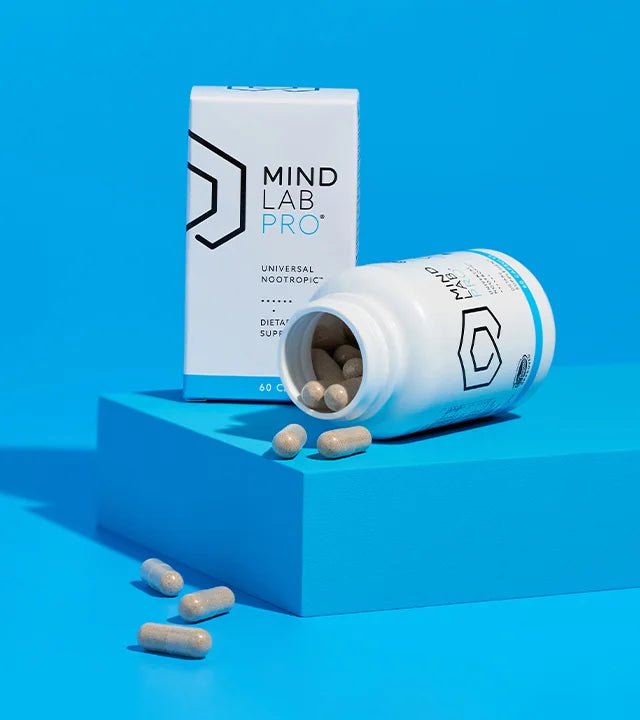
Mind Lab Pro® is an 11-in-1 stack that includes these three nootropics.
Summary
Brain peptides are short chains of amino acids that help regulate communication in the brain and nervous system. Natural neuropeptides influence mood, sleep, appetite, pain, bonding, stress response, memory, motivation, and sensory processing. Synthetic and pharmaceutical-style peptides such as Semax, Selank, DSIP, and Cerebrolysin are often discussed in nootropic circles, but they are not the same as ordinary dietary supplements.
The potential of brain peptides is real, but so are the uncertainties. Many claims are based on mechanistic theory, animal research, limited clinical data, foreign medical use, or anecdotal reports. Regulatory status can be complex, product quality can vary dramatically, and some peptide products may carry serious safety concerns if used without medical supervision.
Overall, brain peptides are one of the most fascinating frontiers in cognitive enhancement and neurobiology — but they should be approached with caution, skepticism, and respect for their drug-like potential. For most people, the best first step is to support the brain’s own peptide and neurotrophic pathways through sleep, exercise, protein, micronutrients, stress control, and proven nootropic nutrients before considering more advanced peptide interventions.
References
- Hevesi, Z., & Harkany, T. (2024). Neuropeptides: The evergreen jack-of-all-trades in brain development and synaptic physiology. Journal of Neurochemistry. Link
- Bathina, S., & Das, U. N. (2015). Brain-derived neurotrophic factor and its clinical implications. Archives of Medical Science, 11(6), 1164-1178. Link
- U.S. Food & Drug Administration. (2026). July 23-24, 2026: Meeting of the Pharmacy Compounding Advisory Committee. U.S. Food & Drug Administration. Link
- Yeo, X. Y., Chia, C. W., & Pervaiz, S. (2022). Potentials of neuropeptides as therapeutic agents for neurological diseases. Biomedicines, 10(3), 553. Link
- Russo, A. F. (2017). Overview of neuropeptides: Awakening the senses? Headache, 57(Suppl 2), 37-46. Link
- National Center for Biotechnology Information. (n.d.). Peptide neurotransmitters. Neuroscience. Link
- Mori, K., Inatomi, S., Ouchi, K., Azumi, Y., & Tuchida, T. (2009). Improving effects of the mushroom Yamabushitake (Hericium erinaceus) on mild cognitive impairment: A double-blind placebo-controlled clinical trial. Phytotherapy Research, 23(3), 367-372. Link
- Williams, J. L., Everett, J. M., D’Cunha, N. M., Sergi, D., Georgousopoulou, E. N., Keegan, R. J., McKune, A. J., Mellor, D. D., Anstice, N., & Naumovski, N. (2020). The effects of green tea amino acid L-theanine consumption on the ability to manage stress and anxiety levels: A systematic review. Plant Foods for Human Nutrition, 75(1), 12-23. Link
- Pase, M. P., Kean, J., Sarris, J., Neale, C., Scholey, A. B., & Stough, C. (2012). The cognitive-enhancing effects of Bacopa monnieri: A systematic review of randomized, controlled human clinical trials. Journal of Alternative and Complementary Medicine, 18(7), 647-652. Link