Sunflower lecithin or soy lecithin is usually a question about quality, allergies, processing and brain-health value. Both forms supply lecithin: a fatty substance rich in phospholipids that help build cell membranes and provide choline-related nutritional support.
If you’re comparing soy and sunflower lecithin, you’re probably looking for the cleaner, more effective form for nootropic use, choline support, liver health, cardiovascular health or general wellness.
If your focus is lecithin as a brain-booster, specifically, you're not alone. According to the Council for Responsible Nutrition’s 2022 Consumer Survey on brain-health supplements, 70% of brain-health supplement users were interested in mental focus, concentration or attention.
That interest helps explain why lecithin supplements remain popular: they sit at the crossroads of brain function, choline nutrition, healthy cholesterol levels, liver function and phospholipid support.
So which -form is best? For most supplement buyers, sunflower lecithin has some practical advantages over soy lecithin. We're explaining it all in this guide. Let's get to it!
Key Takeaways
- Lecithin is a mixture of phospholipids found in foods, cell membranes and dietary supplements.
- Soy lecithin and sunflower lecithin both supply phosphatidylcholine, a choline-containing phospholipid involved in brain and liver health.
- Sunflower lecithin is usually the better supplement choice for people avoiding soy, GMOs or common soy-allergen concerns.
- Soy lecithin is more common and economical, especially in processed foods and food manufacturing industries.
- Lecithin is not the strongest nootropic choline source. Citicoline and alpha-GPC are usually more targeted for brain performance.
- Most lecithin brain research is mixed. Choline is essential for brain function, but lecithin itself has not shown strong cognitive benefits in dementia trials.
- Quality matters. Look for non-GMO, allergen-aware, transparent products with clear phosphatidylcholine content.
Disclaimer
This article is for educational purposes only and is not medical advice. Lecithin supplements do not diagnose, treat, cure or prevent fatty liver disease, cardiovascular disease, cognitive decline, dementia, high cholesterol, digestive disorders or any medical condition. Speak with a qualified healthcare professional before using lecithin if you have soy allergies, soy sensitivities, a history of allergic reactions, liver or gallbladder disease, heart disease, high blood pressure, pregnancy, breastfeeding, or if you take medication.
What Is Lecithin?
Lecithin is a natural mixture of phospholipids: fatty, phosphorus-containing molecules that help form cell membranes. It is found in egg yolks, soybeans, sunflower seeds, rapeseed, milk and other foods. Commercial lecithin is widely used as a natural emulsifier because it helps fats and water mix together.
The word “lecithin” comes from the Greek word for egg yolk. In the 19th century, French researcher Théodore Gobley described “lecithine” after studying egg yolk. Today, lecithin is used in food, pharmaceutical products, dietary supplements, nutritional supplements, cruelty-free cosmetic products and processed foods.(1)
In supplements, lecithin is valued mostly for its phospholipid content. Key lecithin types include:
- Phosphatidylcholine: a choline-containing phospholipid used by the body to support cell membranes and choline status.
- Phosphatidylinositol: a phospholipid involved in cell signaling.
- Phosphatidylethanolamine: a major structural phospholipid in cell membranes.
- Phosphatidylserine (PS): a brain-relevant phospholipid found in smaller amounts in standard lecithin. Read more on PS.
Lecithin is sometimes discussed as a “lubricant nutrient” for cell membranes. It helps with emulsification in food and contributes phospholipids used throughout the body.
Lecithin for the Brain
Lecithin supplies phosphatidylcholine, and phosphatidylcholine can raise choline levels. Choline is an essential nutrient involved in brain and nerve function, liver function, cell membrane structure and the production of acetylcholine, a neurotransmitter involved in attention, memory and learning.(2)
The National Institutes of Health Office of Dietary Supplements lists the Daily Value for choline at 550 mg for adults and children age 4 and older. Lecithin is not pure choline, so a serving of lecithin powder or granules may supply much less choline than people assume. Its value depends on total lecithin dose and phosphatidylcholine content.(2)
This is where some confusion begins. Lecithin is choline-related, but it is not the same as concentrated choline, citicoline or alpha-GPC. If your goal is targeted nootropic support, you may want to compare lecithin with more focused forms in this guide to the best nootropic choline source.
How Does Lecithin Work?
Lecithin works mostly through its phospholipids. These fatty compounds play structural and signaling roles throughout the body, especially in cell membranes.
Cell Membrane Support
Phospholipids help form the flexible outer layers of cells. Brain cells depend on healthy membranes for signaling, communication and overall function. Lecithin helps by supplying phosphatidylcholine and related phospholipids.
Choline and Acetylcholine Support
Because phosphatidylcholine contains choline, lecithin can contribute to choline intake. Choline is used to make acetylcholine, a neurotransmitter involved in memory, attention and neuromuscular signaling. This is the main reason lecithin is discussed in nootropic circles.
Liver and Fat Metabolism
Phosphatidylcholine plays a role in lipid transport and liver function. Lecithin and phosphatidylcholine have been studied in liver-health contexts, including fatty liver research.
Emulsification and Digestive Support
Lecithin acts as a natural emulsifier. In the food industry, it helps keep fats and water mixed. In the digestive tract, phospholipids also participate in fat handling, bile composition and lipid transport. This is why lecithin appears in discussions of digestive health and liver health.
Cardiovascular and Cholesterol Pathways
Soy lecithin intake has been studied for effects on total and LDL cholesterol. Findings are not strong enough to treat cardiovascular issues, but some research suggests lecithin may help to support healthy cholesterol levels in certain contexts.(3)
Did you know? Lecithin is also a food additive known as E 322. The European Food Safety Authority re-evaluated lecithins and concluded there was no safety concern for exposure to choline from lecithins used as a food additive at reported use levels.(4)
Lecithin Research: What Does the Evidence Say?
Lecithin has a long history in nutrition science, but the evidence is more nuanced than supplement marketing often suggests. Choline is clearly important. Phospholipids are clearly important. Lecithin as a supplement, however, has mixed research for brain health.
Lecithin and Dementia Research
A Cochrane review evaluated lecithin for dementia and cognitive impairment. The review concluded that evidence from randomized trials did not support lecithin for patients with dementia, although it could not rule out a moderate effect.(5)
Dietary Choline and Cognitive Performance
In a cohort study, researchers examined dietary choline intake in relation to cognitive performance and brain white-matter hyperintensity volume. Higher choline intake was associated with better performance on some cognitive measures and lower white-matter hyperintensity volume, suggesting a possible relationship between choline nutrition and brain aging.(6)
Choline and Brain Development
A review on choline, neurological development and brain function described choline as a nutrient involved in major brain processes including for the creation of neurons, synapsis, and nerve-protective myelin sheathing. These mechanisms help explain why choline is essential, especially during development, pregnancy and lactation. They also support the logic of choline for lifelong nervous system health.(7)
Soy Lecithin and Cholesterol
Participants with high cholesterol received soy lecithin daily for two months. Researchers reported reductions in total cholesterol and LDL cholesterol after one and two months. The study suggests a possible role for soy lecithin in lipid metabolism and cholesterol balance.(3)
Soy Lecithin-Derived Phosphatidylserine and Memory
Some of the strongest brain-related lecithin evidence involves phosphatidylserine made from soy lecithin rather than ordinary lecithin itself. In a double-blind, randomized controlled study, elderly Japanese adults with memory complaints took soybean-derived phosphatidylserine at 100 mg or 300 mg daily for six months. Overall test scores improved similarly across groups, but participants with lower baseline memory scores showed improvements in memory measures, especially delayed verbal recall. This supports phosphatidylserine as a more targeted brain phospholipid than standard lecithin.(8)
Lecithin is a broad phospholipid mixture. Phosphatidylserine is a specific brain-relevant phospholipid. Citicoline is a specific choline donor. They overlap nutritionally, but they are not interchangeable. For a deeper comparison, see citicoline vs choline and choline and inositol benefits.
Lecithin Dosage
There is no single official lecithin dosage for brain health. Supplement labels vary widely depending on whether the product is liquid lecithin, sunflower lecithin powder, soy lecithin granules, softgels or phosphatidylcholine concentrates.
Common supplement-form ranges often fall around 1,200 mg to several grams per day, but the meaningful number is not just “as much lecithin” as the label lists. Look for:
- Total lecithin per serving
- Phosphatidylcholine percentage
- Choline contribution
- Serving size in grams
- Whether the product is powder, granules, liquid or softgel
For example, a lecithin supplement with 1,200 mg of lecithin is not the same as 1,200 mg of choline. Phosphatidylcholine is only one fraction of lecithin, and choline is only one fraction of phosphatidylcholine. That is why targeted nootropic formulas often use citicoline rather than relying on lecithin alone. Learn more in this guide to the best choline supplement.
Lecithin Safety
Lecithin is widely used in foods and is generally considered safe at typical food-additive and supplement levels. EFSA’s food-additive review did not identify a safety concern from lecithins used as E 322 at reported exposure levels.(4)
Possible lecithin side effects may include digestive discomfort, nausea, abdominal pain, loose stools, fullness, or changes in bowel movement patterns, especially at higher intakes. People with soy allergies, soy sensitivities or a history of allergic reactions should be cautious with soy lecithin.
Most soy allergens are proteins, and the soy lecithin manufacturing process removes most soy protein. The American Academy of Allergy, Asthma & Immunology notes that soy lecithin contains very little soy protein and that most allergists do not recommend that soy-allergic patients avoid soy lecithin. Still, trace soy proteins can remain, and individual reactions are possible, so people with soy allergy should ask their doctor first.(9)
People concerned about hormones soy lecithin effects should also understand the distinction between soy foods, soy protein, soy isoflavones and soy lecithin. Soy lecithin is mainly a phospholipid-rich fraction from soybean oil manufacturing, not a concentrated soy isoflavone product. Hormones soy lecithin depending concerns are usually more relevant to high-isoflavone soy products than to purified lecithin, though highly sensitive individuals may still prefer sunflower lecithin.
Sunflower Lecithin or Soy Lecithin: Which Is Best?
For most supplement buyers, sunflower lecithin is the better choice. Soy lecithin is economical, widely available and has more commercial history, but sunflower lecithin offers practical advantages for clean-label, allergen-aware and non-GMO supplement use.
Soy Lecithin: Pros and Cons

Soy lecithin is the cheaper lecithin source. It is produced in vast commercial production because soybeans are abundant and soy lecithin is useful in processed foods, food and pharmaceutical products.
Soy lecithin is typically produced as part of the crude soy oil and soybean oil manufacturing process. Depending on the extraction method soy lecithin uses, chemical solvents may be involved earlier in soy oil processing.
Soy lecithin advantages:
- Economical and widely available
- Common in processed foods and supplement form
- Good emulsifier with thick viscous consistency in liquid forms
- Research history in cholesterol levels and phospholipid science
- Useful for food industry and large-scale production process needs
Soy lecithin disadvantages:
- Often derived from soy products, which some people avoid
- May raise concerns for soy allergies or soy sensitivities
- Often associated with genetically modified soy unless certified non-GMO
- May involve chemical solvents during oil extraction and refining
- Less appealing for clean-label dietary supplements
Sunflower Lecithin: Pros and Cons

Sunflower lecithin is derived from sunflower seeds. It is often positioned as the cleaner plant based lecithin option because it is typically available as non-GMO and avoids soy protein concerns. Unlike soy lecithin, sunflower lecithin offers a better fit for people avoiding soy products, soy protein, soy allergies or GMO soy crops.
Sunflower lecithin powder and liquid sunflower lecithin can be made using mechanical methods such as cold pressing, though not every sunflower lecithin product is produced the same way. Some buyers prefer sunflower because soy lecithin requires more industrial processing in many supply chains, while sunflower lecithin can align more naturally with clean-label supplement expectations.
Sunflower lecithin advantages:
- Usually non-GMO by default
- Soy-free and better for people avoiding soy and sunflower lecithin comparisons
- Often preferred for soy sensitivities and allergen-aware labels
- Plant based lecithin suitable for vegan and cruelty free cosmetic products
- Strong clean-label appeal in dietary supplements
- May use mechanical or cold pressing extraction methods
Sunflower lecithin disadvantages:
- Usually more expensive than soy lecithin
- Less common in processed foods
- Quality varies by supplier and extraction method
- May have a shorter perceived shelf life if not stored well due to polyunsaturated fats
Final Verdict: Sunflower Lecithin Is Usually Better for Supplements
If the question is soy lecithin vs sunflower lecithin for food manufacturing, soy lecithin is often cheaper and highly functional. If the question is sunflower lecithin or soy lecithin for a nootropic supplement, sunflower is usually the better fit.
Sunflower lecithin makes sense when you want:
- Non-GMO positioning
- Soy-free supplement form
- Lower concern about potential allergic reactions
- Cleaner sourcing story
- Plant based lecithin for nutritional supplements
- A better match for nootropic and brain health branding
Soy lecithin may still be reasonable if you tolerate soy, want an economical lecithin variant, are using it mainly as a natural emulsifier, or are not concerned about soy and sunflower lecithin sourcing differences.
Buying Tips: What to Look For
The right lecithin product depends on your goal. For nootropic use, do not just look for the word “lecithin.” Look for details that show quality and relevance.
- Choose sunflower lecithin if you avoid soy. This is especially relevant for soy allergies, soy sensitivities or non-GMO preferences.
- Look for non-GMO certification. This matters more for soy lecithin because soy crops are commonly genetically modified.
- Check phosphatidylcholine content. More phosphatidylcholine generally means more choline-related value.
- Prefer transparent extraction information. If possible, choose products that disclose whether they use cold pressing, mechanical extraction or solvent processing.
- Consider form. Sunflower lecithin powder mixes differently than liquid lecithin or softgels.
- Store properly. Keep lecithin in a cool, dry place or controlled temperature storage room as directed to protect shelf life.
- Use targeted choline when brain performance is the goal. For focus and mental clarity, citicoline may be more direct than lecithin.
To compare nootropic options beyond lecithin, read what nootropics are, explore this nootropics list, and review nootropics that actually work.
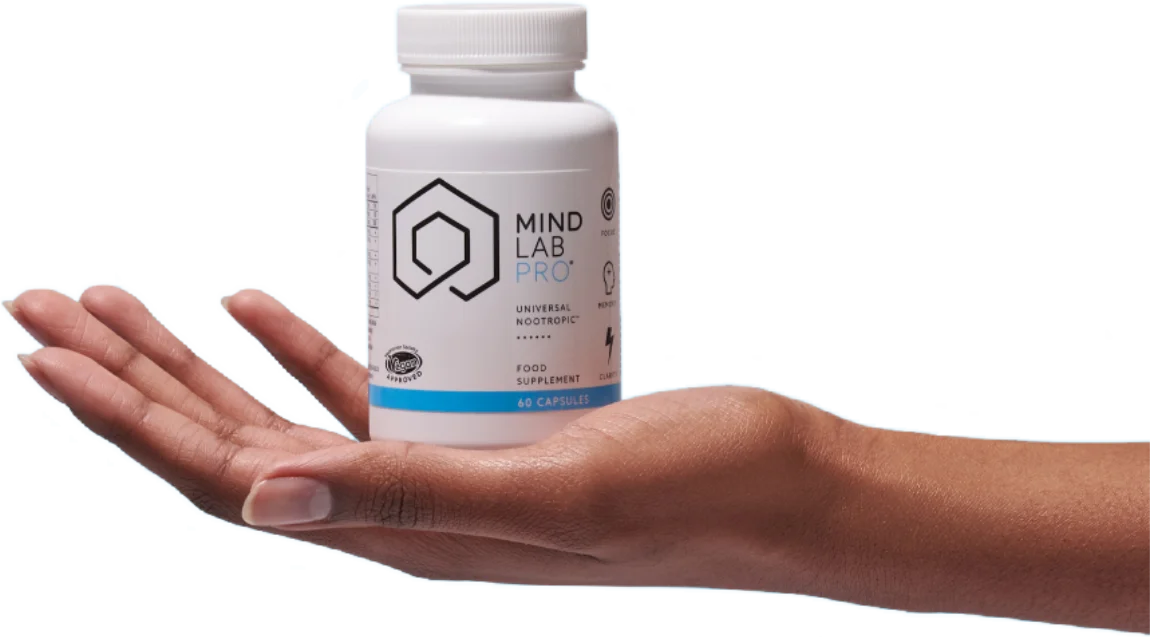
Mind Lab Pro®: A Smarter Choline Strategy Than Lecithin Alone

Lecithin can support choline and phospholipid nutrition, but it is not the most targeted nootropic choline source. For brain performance, many people want more than general lecithin: they want focus, memory, mental clarity, stress resilience and overall brain function support.
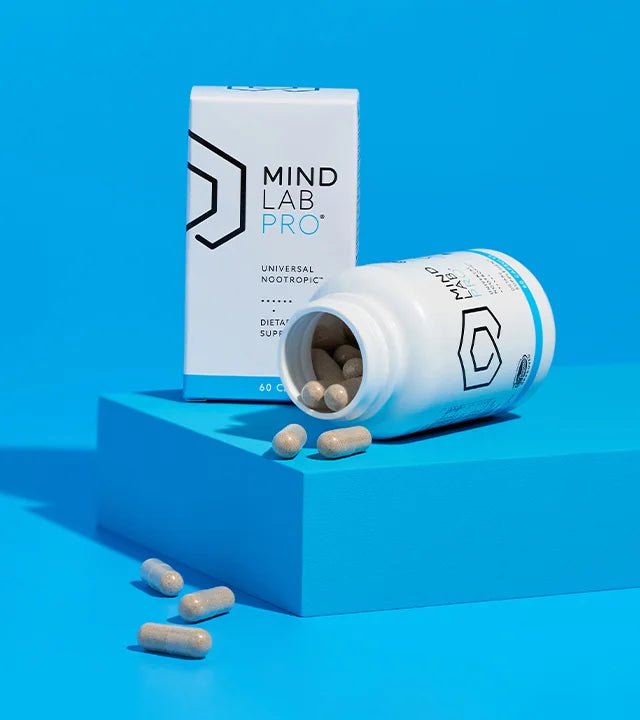
Mind Lab Pro is an industry-leading, research-backed nootropic stack that takes a more targeted approach. Instead of relying on soy lecithin or sunflower lecithin alone, it uses Cognizin® Citicoline as a focused choline source and phosphatidylserine sourced from sunflowers, not soy.
Its 11-ingredient formula includes:
- Cognizin® Citicoline — 250 mg: supports acetylcholine synthesis, phospholipid production, attention and brain energy.
- Phosphatidylserine — 100 mg: sunflower-sourced support for brain-cell membranes, signaling and memory-related function.
- Bacopa Monnieri — 150 mg: standardized to 24% bacosides for memory and learning support.
- Organic Lion’s Mane Mushroom — 500 mg: supports neurotrophic brain-health pathways.
- Rhodiola Rosea — 50 mg: standardized to 3% rosavins and 1% salidrosides for stress resilience.
- N-Acetyl L-Tyrosine — 175 mg: supports dopamine and norepinephrine precursor pathways.
- L-Theanine — 100 mg: supports calm focus and relaxed alertness.
- Maritime Pine Bark Extract — 75 mg: standardized to 95% proanthocyanidins for antioxidant and circulation support.
- Vitamin B6 — 2.5 mg: supports neurotransmitter synthesis and brain-energy metabolism.
- Vitamin B9 — 100 mcg: supports methylation and healthy brain chemistry.
- Vitamin B12 — 7.5 mcg: supports nervous-system health and energy metabolism.
The choline strategy is especially relevant here. Lecithin is broad and useful, but citicoline is more precise for nootropic goals. Discover more on citicoline as a focused nootropic choline source.
Mind Lab Pro has also been studied in humans. In a double-blind, placebo-controlled study, adults taking Mind Lab Pro for 30 days improved on information-processing measures including simple reaction time, choice reaction time and anticipation.(10) In a separate double-blind, placebo-controlled study, healthy adults taking Mind Lab Pro for four weeks improved across several memory domains, including auditory memory, visual memory, working memory, immediate recall and delayed recall.(11)
A third randomized, double-blind, placebo-controlled study used EEG-based brain-network analysis during perceptual decision-making. Researchers reported changes suggesting improved brain-network cohesion and energetic efficiency, though these findings should be understood as brain-network support rather than a treatment claim.(12)
Mind Lab Pro is not a lecithin supplement, not a drug and not a treatment for cognitive disorders. It is a broad-spectrum nootropic stack for healthy adults who want targeted support for memory, focus, clarity, mood, brain energy, stress resilience and overall brain health.
Frequently Asked Questions
Is sunflower lecithin or soy lecithin better?
Sunflower lecithin is usually better for supplements because it is soy-free, commonly non-GMO and often preferred by people with soy sensitivities. Soy lecithin is usually cheaper and more common in processed foods and food industry applications.
Does lecithin help brain function?
Lecithin supplies phospholipids and may contribute choline, which supports brain and nerve functions. However, lecithin itself has mixed evidence for cognition, and trials in dementia have not shown strong support. More targeted choline sources such as citicoline may be better for nootropic goals.
Is soy lecithin bad for hormones?
Soy lecithin is not the same as soy protein or soy isoflavone supplements. It is primarily a phospholipid-rich fraction from soybean oil manufacturing. Hormone concerns are usually more relevant to concentrated soy isoflavones than to lecithin, though people avoiding soy may still prefer sunflower lecithin.
Can soy lecithin trigger allergic reactions?
Most soy protein is removed during soy lecithin processing, and many soy-allergic people tolerate soy lecithin. However, trace soy proteins can remain, and allergic reactions are possible. People with significant soy allergies should ask their allergist or clinician.
Is sunflower lecithin non-GMO?
Sunflower lecithin is typically non-GMO because sunflower crops are not commonly genetically modified in the same way soy crops are. Still, look for non-GMO certification if that claim matters to you.
Does lecithin lower LDL cholesterol?
Some research suggests soy lecithin may help support healthy cholesterol levels, including LDL cholesterol, but lecithin should not be used as a treatment for cardiovascular disease or high cholesterol without medical guidance.
Is lecithin the same as phosphatidylcholine?
No. Lecithin is a mixture of phospholipids. Phosphatidylcholine is one major component of lecithin and the main reason lecithin is discussed as a choline-related supplement.
Summary
Sunflower lecithin and soy lecithin both supply phospholipids that support cell membranes, choline nutrition and general health. Soy lecithin is economical, widely used and common in processed foods, while sunflower lecithin is typically preferred for clean-label supplements, non-GMO positioning and soy-free formulas.
For nootropic users, the key point is that lecithin is not the most targeted brain-performance choline source. Lecithin can contribute phosphatidylcholine, but it is a broad fatty substance rather than a precision nootropic. Citicoline, phosphatidylserine and other focused ingredients may be more relevant for attention, memory and mental clarity.
If you are choosing between sunflower lecithin or soy lecithin for supplement use, sunflower lecithin is usually the better default: cleaner label, fewer soy concerns, better fit for people avoiding genetically modified soy, and a more premium supplement-positioning story.
If your goal is broader cognitive support, consider moving beyond lecithin alone toward a complete nootropic strategy that supports choline pathways, brain-cell membranes, stress resilience, antioxidant defenses, brain energy and overall brain function.
References
- Zeisel, S. H. (2012). A brief history of choline. Annals of Nutrition and Metabolism, 61(3), 254–258. Link
- National Institutes of Health Office of Dietary Supplements. (2022). Choline: Health professional fact sheet. National Institutes of Health. Link
- Mourad, A. M., de Carvalho Pincinato, E., Mazzola, P. G., Sabha, M., Moriel, P., & de Cassia Bergamaschi, C. (2010). Influence of soy lecithin administration on hypercholesterolemia. Cholesterol, 2010, 824813. Link
- Mortensen, A., Aguilar, F., Crebelli, R., Di Domenico, A., Frutos, M. J., Galtier, P., Gott, D., Gundert-Remy, U., Lambré, C., Leblanc, J. C., Lindtner, O., Moldeus, P., Mosesso, P., Oskarsson, A., Parent-Massin, D., Stankovic, I., Waalkens-Berendsen, I., Woutersen, R. A., Wright, M., ... Younes, M. (2017). Re-evaluation of lecithins (E 322) as a food additive. EFSA Journal, 15(4), e04742. Link
- Higgins, J. P. T., Flicker, L., & Lecithin for Dementia Trialists. (2000). Lecithin for dementia and cognitive impairment. Cochrane Database of Systematic Reviews. Link
- Poly, C., Massaro, J. M., Seshadri, S., Wolf, P. A., Cho, E., Krall, E., Jacques, P. F., & Au, R. (2011). The relation of dietary choline to cognitive performance and white-matter hyperintensity in the Framingham Offspring Cohort. American Journal of Clinical Nutrition, 94(6), 1584–1591. Link
- Derbyshire, E., & Obeid, R. (2020). Choline, neurological development and brain function: A systematic review focusing on the first 1000 days. Nutrients, 12(6), 1731. Link
- Kato-Kataoka, A., Sakai, M., Ebina, R., Nonaka, C., Asano, T., & Miyamori, T. (2010). Soybean-derived phosphatidylserine improves memory function of the elderly Japanese subjects with memory complaints. Journal of Clinical Biochemistry and Nutrition, 47(3), 246–255. Link
- American Academy of Allergy, Asthma & Immunology. (2019). Soy allergy and soy lecithin. American Academy of Allergy, Asthma & Immunology. Link
- Utley, A., Gonzalez, Y., & Imboden, C. A. (2023). The efficacy of a nootropic supplement on information processing in adults: A double blind, placebo-controlled study. Biomedical Journal of Scientific & Technical Research, 49(1). Link
- Abbott-Imboden, C., Gonzalez, Y., & Utley, A. (2023). Efficacy of the nootropic supplement Mind Lab Pro on memory in adults: Double blind, placebo-controlled study. Human Psychopharmacology: Clinical and Experimental, 38(5), e2872. Link
- O’Reilly, D., Bolam, J., Delis, I., & Utley, A. (2025). Neural mechanisms of cognitive enhancement with a nootropic supplement. Brain Sciences, 15(3), 226. Link