Theanine ADHD searches usually seek to answer: can the tea-sourced nootropic L-theanine help with focus, restlessness, caffeine jitters, sleep, or the “wired but distracted” feeling that often comes with attention problems?
ADHD may be even more common among working-age adults than many people realize. A 2023 national survey of 7,053 U.S. adults ages 18–64 found that 13.9%—nearly 1 in 7—reported having been diagnosed with ADHD by a healthcare professional at some point in their lives.(1)
That helps explain why people are exploring every reasonable support option, including supplements like L-theanine. But L-theanine is not an ADHD treatment and should not replace doctor-designated ADHD therapies. However, theanine might just have a supportive role for calm focus, stress balance, sleep, and smoother caffeine use. We're exploring how it may relate to ADHD management in this guide. Let's get to it!
Key Takeaways
- L-theanine is not an ADHD treatment. It cannot replace a doctor's diagnosis, ADHD medication, behavioral therapy, or clinician-guided care.
- There is some direct ADHD research. One study found L-theanine improved objective sleep quality; another showed potential when theanine was combined with caffeine. But both were conducted on boys. This is not the same as research on adults.
- L-Theanine seems better for indirect attention support. It has been studied for attention, alpha brain waves, stress, sleep, and caffeine smoothing — all relevant to ADHD-like struggles.
- L-theanine may fit people who want calm focus. It is best understood as a calming amino acid that may support attention without feeling like a stimulant.
- Caffeine changes the conversation a bit. L-theanine and caffeine together have research suggesting support for attention switching, alertness, and distraction resistance.
Disclaimer
This article is for educational purposes only and is not medical advice. ADHD is a neurodevelopmental disorder that should be diagnosed and managed by qualified healthcare professionals. L-theanine, caffeine, Mind Lab Pro, Performance Lab Caffeine 2, and other nutritional supplements are not intended to diagnose, treat, cure, or prevent ADHD, anxiety, depression, sleep disorders, or any medical condition. Talk with your doctor before taking L-theanine if you use ADHD medication, prescription medications, stimulants, antidepressants, sleep aids, blood pressure medication, or if you are pregnant, breastfeeding, giving supplements to a child, or managing a mental health condition.
What Is ADHD?

ADHD stands for attention deficit hyperactivity disorder. It is associated with persistent patterns of poor attention, hyperactivity, and impulsivity that can interfere with day-to-day life. In adults, ADHD may look less like “bouncing off the walls” and more like distractibility, problems starting tasks, emotional reactivity, weak follow-through, time blindness, restlessness, or difficulty sustaining attention.
For many people, the pain point is getting the brain to start a task, stay with the task, resist distraction, and regulate energy. That is why searches for nootropics for attention and nootropics and ADHD are so common.
The medical side is still very important. Standard ADHD therapies may include prescription medications, behavioral therapy, skills training, sleep support, environmental changes, coaching, and treatment for co-occurring anxiety, depression, learning issues, or sleep problems. Supplements may be considered supportive, but they should not be a starting point. A discussion with your doctor is step 1.
Did you know? CDC data from 2023 found that about one-third of U.S. adults with current ADHD were not receiving any ADHD treatment, while 71.5% of adults taking stimulant medication reported difficulty filling prescriptions because the medication was unavailable.(2)
What Is L-Theanine?

L-theanine is an amino acid found naturally in tea leaves, especially green tea and black tea. Unlike essential amino acids used to build protein, L-theanine is best known for its effects on brain function, relaxation, and attention-related brain activity.
Historically, L-theanine is part of the story of tea. Green tea has long been associated with calm alertness: a different feel from coffee, often described as focused but not sharp-edged. That experience likely comes from the natural combination of caffeine, L-theanine, catechins, and other tea compounds.
As a supplement, L-theanine is used for calm focus, stress balance, sleep quality, and to smooth out the jitters of caffeine. In terms of how it works, it has been studied for effects on alpha brain wave activity, glutamate signaling, GABA, dopamine, serotonin, and attention-related brain networks. These mechanisms are interesting for ADHD, but they do not prove that taking L-theanine directly improves ADHD symptoms.
For a deeper ingredient overview, see this guide to L-theanine as a nootropic. For a broader nutrient category view, see amino acids for focus and attention.
How L-Theanine May Relate to Attention
L-theanine is often described as promoting “relaxed alertness.” That phrase is useful because it separates L-theanine from classic stimulants. It does not usually feel like caffeine. Instead, it may help reduce the background tension, stress, or overstimulation that makes focus harder for some people.
In one placebo-controlled study, 250 mg L-theanine increased attention-related alpha-band brain activity during a visuospatial attention task (focusing on where things are in a visual field, such as tracking objects). Researchers interpreted this as evidence that L-theanine can influence attentional processing in the brain, although this was not an ADHD study.(3)
L-Theanine Research: What Studies Suggest

Theanine and ADHD research is still early. There are a few ADHD-specific studies, but much of the evidence is indirect: L-theanine has been studied for sleep, stress, attention, and caffeine synergy in groups that are not necessarily diagnosed with ADHD.
L-Theanine and Sleep in Boys Age 8-12 with ADHD
Sleep problems are common in people with ADHD. Poor sleep can worsen attention, emotional control, motivation, and impulse control. This makes the L-theanine sleep study especially relevant, even though it does not show that L-theanine treats core ADHD symptoms.
Study summary: In a randomized, double-blind, placebo-controlled clinical trial, 98 boys ages 8–12 with formally diagnosed ADHD took 400 mg/day of Suntheanine (a patented, premium form of L-Theanine) or placebo for 6 weeks. Researchers reported that L-theanine significantly improved sleep efficiency and some measures of restless sleep, and the supplement was well tolerated. This suggests possible sleep-quality support in children with ADHD, but it does not establish L-theanine as an ADHD treatment.(4)
*Note: the above study investigated sleep rather than core ADHD symptoms. And because it was conducted in children, the findings cannot be assumed to apply to adults. Children should use L-theanine only under the direction of a doctor.
Check out today's top ultramodern sleep supplements.
L-Theanine, Caffeine, and ADHD Attention Measures
The most direct attention-related ADHD study looked at L-theanine and caffeine together. This matters because many adults with ADHD use caffeine to self-support alertness, but caffeine can also trigger jitters, anxiety, irritability, heart-rate changes, or sleep disruption.
Study summary: In a proof-of-concept randomized, placebo-controlled, four-way crossover study, five boys ages 8–15 with ADHD received L-theanine 2.5 mg/kg body weight, caffeine 2.0 mg/kg body weight, the combination, and placebo with washout. Researchers found that the L-theanine-caffeine combination improved overall cognition composite scores and sustained attention measures, while brain scans suggested reduced mind wandering. The study is promising but very small.(5)
L-Theanine and Caffeine in Healthy Adults
L-theanine and caffeine have also been studied outside ADHD. This evidence is useful because it helps explain why people describe the combination as smoother than caffeine alone.
Study summary: In a randomized placebo-controlled study of 27 healthy participants, researchers compared 50 mg caffeine with and without 100 mg L-theanine. The L-theanine and caffeine combination improved both speed and accuracy on an attention-switching task at 60 minutes and helped with resisting distractions during a memory task at 60 and 90 minutes. This was not an ADHD trial, but it supports the “calm focus” theory behind pairing the two.(6)
L-Theanine, Stress, and Cognitive Function
Stress can make ADHD symptoms feel worse. When the nervous system is overloaded, attention span, impulse control, sleep, and task initiation may all suffer. L-theanine’s stress research may therefore be indirectly relevant.
Study summary: In a randomized, placebo-controlled crossover trial, healthy adults took 200 mg/day L-theanine for 4 weeks. Researchers reported improvements in stress-related symptoms, sleep-related measures, verbal fluency, and executive function measures compared with placebo. These findings suggest that taking L-theanine may support stress balance and some cognitive performance markers, though the study was in healthy adults rather than people diagnosed with ADHD.(7)
Read about top adaptogen herbs for stress and burnout.
Systematic Review Evidence
A systematic review focused on L-theanine in mental health conditions identified randomized controlled trials across several clinical areas, including ADHD. The authors concluded that L-theanine showed benefits in some psychiatric symptom outcomes, including ADHD-related studies, but the evidence base remains small and varied.(8)
A separate systematic review of stress and anxiety research concluded that 200–400 mg/day of L-theanine may help reduce stress and anxiety in people exposed to stressful conditions.(9) Again, this does not make L-theanine an ADHD treatment. It does seem to support the idea that L-theanine may help with stress-related overload that can disrupt sharp mental focus.
Can Theanine Help with ADHD?
L-theanine may help some ADHD-adjacent issues indirectly. But it is definitely not a stand-alone ADHD treatment. It works more like complementary support.
L-theanine's reputation for promoting calm focus seems most relevant. If someone’s attention problems are worsened by stress, poor sleep, caffeine jitters, or emotional overactivation, L-theanine may support the background state that makes attention easier. That is different from saying it corrects the underlying neurodevelopmental disorder.
L-theanine may be most relevant for people who:
- feel mentally scattered but physically tense
- use caffeine for focus but get jittery or anxious
- struggle with sleep quality that affects next-day concentration
- want a non-sedating nootropic supplement that really works for calm attention
- are exploring nutritional supplements alongside standard ADHD therapies
It may be less useful for people with severe ADHD symptoms, major executive dysfunction, untreated sleep disorders, and significant depression or anxiety. These issues require medication, therapy, or other structured support under the direction of a physician.
This same approach applies to other ADHD-adjacent options. For example, adaptogens and emerging compounds may have interesting potential, but they still need evidence. For more, check out our deeper discussions on Rhodiola rosea and ADHD-style focus challenges and peptides and ADHD research context.
What About Dose?
There is no official L-theanine dose for ADHD. Research commonly uses 100–400 mg/day depending on the study, population, and outcome. For adults using L-theanine on their own, many supplements provide 100–200 mg per serving. However, anyone taking ADHD medication, prescription stimulants, antidepressants, blood pressure medication, or sleep aids should ask a doctor first.
What About Side Effects and Interactions?
L-theanine is generally described as well tolerated in human studies, but “well tolerated” does not mean risk-free for every person. Possible issues include drowsiness, headache, digestive discomfort, unexpected mood effects, or additive effects with calming agents. When combined with caffeine, the caffeine side of the stack may still cause jitters, anxiety, palpitations, appetite changes, or sleep disruption.
The biggest practical caution is medication stacking. If you are already taking ADHD medication, especially prescription stimulants, adding caffeine, L-theanine, or other supplements changes the overall stimulation and neurotransmitter picture. A doctor or pharmacist can help screen for drug interactions and safety concerns.
Mind Lab Pro for "Universal Nootropic" Support
Mind Lab Pro

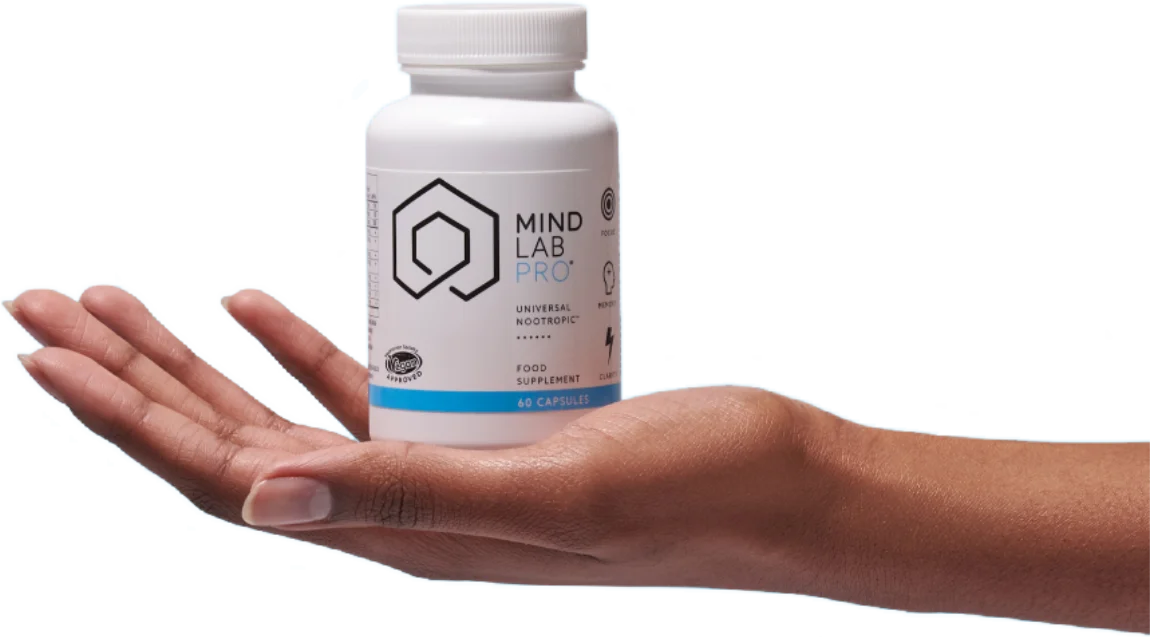
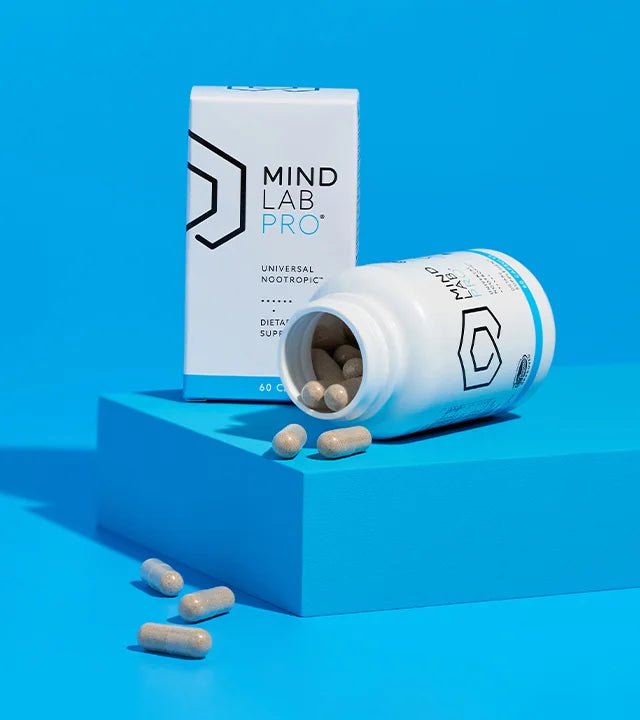
L-theanine alone has not been shown to help ADHD in the same way standard ADHD therapies can. The more reasonable supplement angle is broader cognitive support: attention, working memory, stress resistance, mental energy, and healthy brain function. That is where Mind Lab Pro fits this topic (cautiously).
Mind Lab Pro is a caffeine-free nootropic formula that includes L-theanine as part of an 11-in-1 whole-brain stack. It should not be positioned as an ADHD treatment. Instead, it may be considered by adults who want far-reaching support for cognitive performance, focus, brain health, and calm attention.
MLP Formula per 2 NutriCaps serving: Vitamin B6 from NutriGenesis® 2.5 mg; Vitamin B9 from NutriGenesis® 100 mcg; Vitamin B12 from NutriGenesis® 7.5 mcg; Citicoline as Cognizin® 250 mg; Bacopa monnieri full-spectrum extract standardized to 24% bacosides with 9 bioactives 150 mg; Organic Lion’s Mane Mushroom mycelium and fruit 500 mg; Phosphatidylserine from sunflower lecithin 100 mg; N-Acetyl L-Tyrosine 175 mg; L-Theanine 100 mg; Rhodiola rosea root extract standardized to 3% rosavins and 1% salidrosides 50 mg; Maritime Pine Bark Extract standardized to 95% proanthocyanidins 75 mg.
The most relevant ingredients for this article are L-theanine for calm attention, citicoline for attention and mental energy support, N-acetyl L-tyrosine for catecholamine support under stress, bacopa for memory and cognitive performance research, rhodiola for stress resistance, and B vitamins for normal brain function.
Mind Lab Pro Study Summaries
Study 1: Information processing. In a double-blind, placebo-controlled study, 105 healthy adults took Mind Lab Pro or placebo for 30 days and completed simple reaction time, choice reaction time, and anticipation tasks. Researchers reported that the Mind Lab Pro group improved on reaction time, choice reaction time, and anticipation, while the control group did not show statistically significant improvement.(10)
Study 2: Memory. In a double-blind, placebo-controlled study in healthy adults, participants took Mind Lab Pro or placebo for 4 weeks and completed memory testing using the Wechsler Memory Scale. Researchers reported significant improvement in memory outcomes, including immediate and delayed recall, in the Mind Lab Pro group.(11)
Study 3: Brain network interdependencies. In a randomized, double-blind, placebo-controlled study, healthy adults took Mind Lab Pro or placebo for 60 days while researchers used EEG during perceptual decision-making tasks. The study reported changes in brain network communication and interdependencies that may help explain broader processing effects.(12)
These studies suggest MLP may support cognitive function, but they do not mean that MLP is ADHD symptom treatment.
Get the full story on Mind Lab Pro research.
Performance Lab Caffeine 2 for Smoother Caffeine Support

Many people with ADHD use caffeine for attention, mental energy, or task initiation. But caffeine can be a double-edged sword. A little may support alertness; too much may worsen overstimulation, anxiety, irritability, sleep problems, or a later crash.
Performance Lab Caffeine 2 is designed for people who want a more controlled caffeine experience. It combines low-dose natural caffeine with L-theanine, L-tyrosine, and B vitamins. For adults who already use caffeine for focus, this is the angle: Caffeine 2 is not “ADHD treatment,” but may support smoother, precision-dosed caffeine stimulation with calming and neurotransmitter-supporting nutrients.
Formula per 1 NutriCaps serving:
- Riboflavin/Vitamin B2: 500 mcg
- Vitamin B6 from NutriGenesis®: 750 mcg
- Folate/Vitamin B9: 170 mcg DFE
- Vitamin B12 from NutriGenesis®: 2 mcg
- Natural caffeine from Coffea robusta seeds: 50 mg
- L-Theanine: 100 mg
- L-Tyrosine: 250 mg
The 2:1 L-theanine-to-caffeine ratio mirrors the basic logic of L-theanine and caffeine research: pair stimulation with calm focus support. The 50 mg caffeine dose also makes it easier to control caffeine intake compared with high-dose caffeine pills or energy drinks.
Performance Lab® Caffeine 2
Smooth energy. Clarity. Focus. No jitters. No burnout. No crash.
Shop Now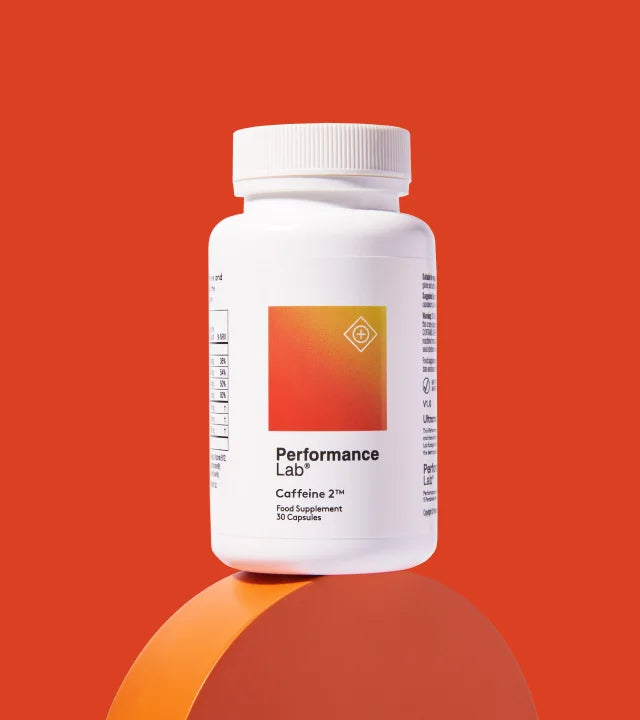
FAQ
Does L-theanine help ADHD?
L-theanine has not been proven to treat ADHD. However, small studies suggest it may support ADHD-relevant areas such as sleep quality, sustained attention, stress balance, and caffeine smoothing. The best way to phrase it is that L-theanine may provide indirect support for calm focus, not that it manages or treats ADHD symptoms.
Can children with ADHD take L-theanine?
Children should take L-theanine only with guidance from a qualified healthcare professional. Some L-theanine research has been conducted in boys with ADHD, including sleep and attention-related studies, but that does not mean parents should self-prescribe it. ADHD in children should be managed with clinician involvement.
Can I take L-theanine with ADHD medication?
Ask your doctor or pharmacist first. L-theanine may be well tolerated for many people, but combining supplements with ADHD medication, stimulants, antidepressants, blood pressure medication, sleep aids, or other mental health treatments can raise safety and interaction questions.
Is L-theanine better with caffeine for ADHD?
For some people, L-theanine and caffeine may feel better together than caffeine alone. Research suggests the combination may support attention switching, alertness, and distraction resistance. However, caffeine can still worsen anxiety, sleep, heart rate, appetite, or overstimulation, especially when combined with stimulant medication.
Will L-theanine make me sleepy?
L-theanine is usually described as calming rather than sedating, but individual responses vary. Some people use it during the day for calm focus, while others prefer it in the evening for sleep support. Start cautiously and avoid driving or demanding tasks until you know how you respond.
How much L-theanine do people usually take?
There is no official L-theanine dose for ADHD. Human studies commonly use 100–400 mg/day depending on the outcome. Many adult supplements provide 100–200 mg per serving. Children, pregnant or breastfeeding women, and people taking medication should get clinician guidance first.
Is L-theanine a nootropic?
Yes, L-theanine is often considered a nootropic because it has been studied for attention, brain waves, stress, sleep, and cognitive performance. It is not a stimulant in the usual sense. Its appeal is more about calm, relaxed alertness than forced stimulation.
Summary
L-theanine is not an ADHD treatment, and it should not be presented as a replacement for standard ADHD therapies, prescription medications, behavioral support, coaching, or diagnosis. ADHD is a real neurodevelopmental disorder that can seriously affect school, work, relationships, sleep, emotional regulation, and daily life.
That said, theanine and ADHD is a reasonable topic because L-theanine overlaps with several ADHD-relevant concerns. It has been studied for sleep quality in boys with ADHD, attention and inhibitory control when combined with caffeine in a very small ADHD trial, and stress and cognitive performance in healthy adults.
The practical takeaway is balanced: L-theanine may support calm focus, better sleep, stress resilience, and smoother caffeine use for some people. The evidence is promising but not definitive. Use it as a supportive tool, not a treatment claim — and involve a doctor if you take ADHD medication, have significant symptoms, or are considering L-theanine for a child.
References
- London, A. S., Monnat, S. M., & Gutin, I. (2025). Self-reported ADHD diagnosis status among working-age adults in the United States: Evidence from the 2023 National Wellbeing Survey. Journal of Attention Disorders, 29(6), 399–410. Link
- Staley, B. S., Robinson, L. R., Claussen, A. H., Katz, S. M., Danielson, M. L., Summers, A. D., Farr, S. L., Blumberg, S. J., & Tinker, S. C. (2024). Attention-deficit/hyperactivity disorder diagnosis, treatment, and telehealth use in adults — National Center for Health Statistics Rapid Surveys System, United States, October–November 2023. MMWR Morbidity and Mortality Weekly Report, 73(40), 890–895. Link
- Gomez-Ramirez, M., Kelly, S. P., Montesi, J. L., & Foxe, J. J. (2009). The effects of L-theanine on alpha-band oscillatory brain activity during a visuo-spatial attention task. Brain Topography, 22(1), 44–51. Link
- Lyon, M. R., Kapoor, M. P., & Juneja, L. R. (2011). The effects of L-theanine (Suntheanine®) on objective sleep quality in boys with attention deficit hyperactivity disorder (ADHD): A randomized, double-blind, placebo-controlled clinical trial. Alternative Medicine Review, 16(4), 348–354. Link
- Kahathuduwa, C. N., Wakefield, S., West, B. D., Blume, J., Dassanayake, T. L., Weerasinghe, V. S., & Mastergeorge, A. (2020). Effects of L-theanine-caffeine combination on sustained attention and inhibitory control among children with ADHD: A proof-of-concept neuroimaging RCT. Scientific Reports, 10, 13072. Link
- Owen, G. N., Parnell, H., De Bruin, E. A., & Rycroft, J. A. (2008). The combined effects of L-theanine and caffeine on cognitive performance and mood. Nutritional Neuroscience, 11(4), 193–198. Link
- Hidese, S., Ogawa, S., Ota, M., Ishida, I., Yasukawa, Z., Ozeki, M., & Kunugi, H. (2019). Effects of L-theanine administration on stress-related symptoms and cognitive functions in healthy adults: A randomized controlled trial. Nutrients, 11(10), 2362. Link
- Sobhan, M., Sadeghi, M., Rezaei Kelishadi, M., Faghihi, T., Hajihosseini, M., & Tabrizi, R. (2024). The effects of L-theanine supplementation on the outcomes of patients with mental disorders: A systematic review. BMC Psychiatry, 24, 886. Link
- Williams, J. L., Everett, J. M., D’Cunha, N. M., Sergi, D., Georgousopoulou, E. N., Keegan, R. J., McKune, A. J., Mellor, D. D., & Naumovski, N. (2019). The effects of green tea amino acid L-theanine consumption on the ability to manage stress and anxiety levels: A systematic review. Plant Foods for Human Nutrition, 75(1), 12–23. Link
- Utley, A., Gonzalez, Y., & Abbott Imboden, C. (2023). The efficacy of a nootropic supplement on information processing in adults: A double blind, placebo controlled study. Biomedical Journal of Scientific & Technical Research, 49(1). Link
- Abbott-Imboden, C., Gonzalez, Y., & Utley, A. (2023). Efficacy of the nootropic supplement Mind Lab Pro on memory in adults: Double blind, placebo-controlled study. Human Psychopharmacology: Clinical and Experimental, 38(4), e2872. Link
- O’Reilly, D., Bolam, J., Delis, I., & Utley, A. (2025). Effect of a plant-based nootropic supplement on perceptual decision-making and brain network interdependencies: A randomised, double-blinded, and placebo-controlled study. Brain Sciences, 15(3), 226. Link