

Looking for the highest-choline foods—ranked in a way that makes meal planning easy? This guide lists top choline-containing foods with typical amounts per serving, so you can quickly compare options and raise your intake through diet. You’ll also learn why choline matters for brain function (it supports acetylcholine, a key neurotransmitter for memory and attention), who often needs to pay closer attention to choline intake, and how to build simple meals that stack multiple choline-rich ingredients without guesswork.
Most people have heard of nutrients like vitamin D, iron, or omega-3s. But choline? It tends to fly under the radar. That’s surprising, considering how important it is for memory, brain development, liver function and overall wellness.
In fact, many adults (especially pregnant women, vegetarians, and older individuals) aren’t getting nearly enough choline from their diets alone.
In this article, we’ll explore what choline is, why it matters for your health (especially your brain), and which foods are the best sources to include in your healthy diet.
We’ll also break down the different forms of choline, how it works in the body, and share some practical meal ideas to help you get enough choline rich foods in your diet. Let's get to it!
Key Takeaways
- Choline is a crucial nutrient for brain health, liver function, and cellular structure.
- It is a precursor to acetylcholine, a neurotransmitter (brain chemical) that supports memory, mood, and muscle control.
- Due to its importance for healthy brain function, choline is considered to be a nootropic nutrient (also known as a cognitive enhancer).
- Many adults fall short of recommended choline intake, especially pregnant women, vegetarians, vegans and older adults.
- The body produces choline in small amounts, so technically it is not an "essential nutrient" that must be obtained via diet. However, the US Government recognizes choline as essential.
- Choline deficiency is a well-recognized health concern; failing to get enough is linked to liver problems and cognitive health issues.
- Foods high in choline include beef liver, eggs, pork, salmon, soybeans and chicken.
- Advanced forms of choline like Alpha-GPC and Citicoline are easier to get in dietary supplements, although some foods supply precursors for these forms.
What is Choline?

Choline plays a vital role in many different biological functions.
Though it’s often grouped with the B-complex vitamins, choline is a distinct nutrient involved in liver function, cellular membrane integrity, fat metabolism, and neurotransmission (cell-to-cell communication).
Your body can synthesize small amounts of choline in the liver, but not nearly enough to meet daily needs -- making dietary choline crucial intake for maintaining healthy neurotransmitters and supporting overall wellness.
Choline Benefits for Cognition, Brain Health and General Wellness
Choline is especially important for brain development, memory, and cognitive performance. But that's not the extend of its health impact. Choline serves multiple health-supportive roles in the body:
Neurotransmitter synthesis: Choline is a precursor to acetylcholine, which supports learning, memory, focus, and muscle control.
Cell membrane formation and integrity: Choline helps produce phosphatidylcholine, a key structural component of all cell membranes.
Lipid (fat) metabolism: Choline assists in transporting fats out of the liver, helping people to avoid fat buildup in the liver (non-alcoholic fatty liver disease).
Methylation: Body process that helps turn genes on and off, detoxifies, fights homocysteine and produces vital molecules like DNA. Also a driving force in choline's acetylcholine-boosting activity.
So how do these wide-ranging choline bio-activities translate into potential health benefits?
- In adults, adequate choline intake has been associated with better memory and reduced risk of cognitive decline.
- In older adults, higher choline intake may help support sharp cognitive function, preserve brain volume and delay age-related cognitive disorders.
- Choline also supports liver health by helping transport fats and cholesterol, reducing the risk of nonalcoholic fatty liver disease.
The takeaway message here is that choline is crucial for human health -- so much so that it is regarded by some as an essential nutrient, with distinct health risks if you don't get enough.
Let's dig into this concept.
Choline: An Essential and Conditionally Essential Nutrient
In the 1998 publication Dietary Reference Intakes for Thiamin, Riboflavin, Niacin, Vitamin B6, Folate, Vitamin B12, Pantothenic Acid, Biotin, and Choline, the Institute of Medicine Food and Nutrition Board states that: "Choline is recognized as an essential nutrient for humans."(1)
It was a big moment for choline, after decades of being underappreciated.
The Institute of Medicine based their decision on research showing that without adequate dietary intake of choline, humans can develop liver damage (including related to nonalcoholic fatty liver disease) and other deficiency symptoms -- which is a classic defining feature of essential nutrients.
So while in scientific communities choline is often called conditionally essential (because the body can produce some), the official U.S. classification is "essential nutrient."
No matter what you call it, research has shown that we need more choline intake, ideally from choline-rich foods, for optimal health.(2)
Let's take a look at how much choline we need, along with the best foods to deliver it.
Recommended Daily Intake (RDI) for Choline
The current Adequate Intake (AI) levels for choline, set by the National Academies, are:
- Men (ages 19+): 550 mg/day
- Women (ages 19+): 425 mg/day
- Pregnant women: 450 mg/day
- Breastfeeding women: 550 mg/day
These levels are based on warding off signs of deficiency, such as liver dysfunction, and reflect the bare minimum needed for health -- not necessarily the ideal amount required for peak brain performance or cognitive longevity.
How Much Choline Are We Actually Getting?
Unfortunately, most people in the U.S. fall short of these recommendations. According to the National Health and Nutrition Examination Survey (NHANES):(3)
Only about 11% of Americans meet the daily recommended intake for choline.
The average intake among men and women in the USA:
- Adult men: around 402 mg/day
- Adult women: around 278 mg/day
Did you know? Pregnant women have an increased need for choline. During pregnancy, choline supports fetal brain development and may also reduce the risk of neural tube defects. In early pregnancy, up to the 12-week mark, the National Academy of Medicine recommends women consume 450 mg of choline daily. After 12 weeks, 550 mg of choline per day is recommended. Unfortunately, pregnant women often fail to hit these marks; typically consuming less than 350 mg/day. Prenatal supplements with choline can help.
Overall, the picture for ideal choline intake doesn't look so great. Here's the tale of the tape from the CDC Health Professional Fact Sheet on choline:(4)
- 89% of men consume less than Adequate Intake (AI) of choline
- 94% of women consume less than the AI
- 90% to 95% of pregnant women consume less than the AI
Who’s at Risk for Choline Deficiency?
Research suggests choline deficiency is linked to increased risk for certain health issues, potentially leading to fatty liver, muscle damage, and even cognitive issues over time. Those at highest risk for choline deficiency include:
- Pregnant and breastfeeding women, due to higher demands for fetal brain development
- Vegetarians and vegans, who may avoid top choline sources like eggs, meat, and dairy
- Older adults, whose ability to synthesize choline may decline with age
- People with certain genetic variations affecting choline metabolism
- Heavy drinkers, as alcohol can impair choline absorption and metabolism
- Athletes who engage in intense physical exertion, due to increased cellular turnover
- In general, women consume less choline than men and may have higher deficiency risk (5)
Since symptoms may be subtle or develop gradually, many people may be deficient in choline without realizing it -- making proactive intake all the more important.
Did you know? Choline and B-Vitamins are related and found in many of the same foods. Therefore, populations at risk for choline deficiency may also be at risk for inadequate B-Vitamin intake. Taking a high-quality multivitamin or B-complex supplement can help.
Due to choline's importance for overall health and "almost essential" status, it is sometimes included in multivitamins and prenatal dietary supplements.
However, choline takes up a lot of space in a capsule, so in supplements like these it is typically only found in small amounts. That's where choline foods and choline supplements come in.
Next let's cover some of the best choline foods you can consume, followed by some quick info on choline dietary supplements, including advanced forms like Alpha-GPC and Citicoline (CDP-Choline).
Top Choline Containing Foods (Per Typical Serving)

Here’s a list of choline-rich foods, ranked from highest to lowest based on average choline content per common serving:
- Beef Liver (3 oz, cooked): 356 mg
- Chicken liver (3 oz, cooked): 247 mg
- Egg (1 large, whole): 147 mg
- Pork (3 oz, cooked): 97 mg
- Salmon (3 oz, cooked): 75 mg
- Chicken Breast (3 oz, cooked): 72 mg
- Soybeans (½ cup, cooked): 107 mg
- Kidney Beans (½ cup, cooked): 45 mg
- Quinoa (1 cup, cooked): 43 mg
- Broccoli (½ cup, cooked): 31 mg
- Shiitake Mushrooms (½ cup, cooked): 58 mg
- Peanuts (¼ cup): 24 mg
- Milk (1 cup, whole): 38 mg (other dairy products too)
- Wheat Germ (2 tablespoons): 50 mg
Note: Choline content may vary slightly depending on food variety, cooking method, and source.
Choline-Rich Cooking
You can combine high-choline ingredients into tasty, nutrient-packed meals. Here are a few examples of prepared dishes that deliver a strong choline punch, with approximate amounts of choline for each:
Breakfast

- Breakfast smoothie with milk, wheat germ, and peanut butter: Quick, easy and surprisingly choline-dense. (60-100mg choline)
- Scrambled eggs with vegetables: Include choline-rich vegetables like mushrooms and spinach. For an extra nootropic boost, try Lion's Mane Mushroom.(Approx. 150-200mg choline)
- Egg yolk omelet: Use whole eggs to maximize choline content and add cheese. (Approx. 150-200mg choline)
- Yogurt parfait with wheat germ and fruit: Use whole milk yogurt for higher choline, and add choline-rich fruit like tangerines. (Approx. 50-100mg choline)
Lunch

- Salmon salad: Use canned salmon and mix it with mayonnaise (which contains choline-rich eggs). Serve it on whole-wheat bread. (Approx. 80-100mg choline)
- Deviled eggs: Eggs are choline superstars, and a few deviled eggs can easily provide over 300 mg.
- Chicken salad sandwich: Mix cooked chicken breast with mayonnaise. (Approx. 70-90mg choline)
- Lentil soup: Many legumes, including lentils, contain choline. (Approx. 50mg choline)
Dinner

- Liver and onions: A classic dish with beef liver provides one of the highest choline doses per meal. (300-400 mg choline)
- Chicken stir-fry with broccoli and shiitake mushrooms: A great combo of choline sources in a single pan. (90-120mg choline)
- Edamame and quinoa bowl: A plant-based powerhouse of choline, fiber, and protein. Great for vegetarians and vegans seeking to up their choline intake. (100 mg choline)
- Roasted chicken with Brussels sprouts: Pair chicken with another choline-rich vegetable. (Approx. 100-150mg choline)
- Baked cod with a side of quinoa: Cod and quinoa are good sources of choline. (Approx. 80-100mg choline)
Remember that these amounts are approximate; choline content can vary depending on the specific ingredients, how they are prepared and portion sizes.
Choline Forms to Consider in Foods and Supplements
Plain choline isn't the only game in town. Choline, Alpha-GPC, and Citicoline are three different forms of choline, each with different bioavailability, functions and levels in foods we eat.
Choline (as phosphatidylcholine or choline bitartrate). Found in: Eggs, liver, soybeans, meats, milk, and some vegetables. This basic choline form supports general choline needs for cell membranes and acetylcholine synthesis.
Alpha-GPC (Alpha-glycerophosphocholine). Found in: Trace amounts in some animal products, but mostly derived from phospholipids or used in supplements. Alpha-GPC crosses the blood-brain barrier efficiently and delivers choline directly to neurons. Often used in nootropic supplements to enhance cognitive function.
Citicoline (CDP-Choline). Not typically found in foods. Citicoline is formed naturally in the body when choline combines with cytidine. It supports acetylcholine production and phospholipid synthesis in the brain and is considered the best source of choline to look for in dietary supplements, especially in brain-boosting nootropic stacks.
While foods provide mostly phosphatidylcholine and free choline, Alpha-GPC and Citicoline are more bioavailable and brain-targeted forms found in supplements, not whole foods.
Does Too Much Choline Cause Side Effects?
Yes, it is possible to experience choline side effects if you consume too much. However, it's difficult to get excessive choline from foods. Supplements is another story.
The Tolerable Upper Intake Level (UL) for choline set by the National Academies of Medicine, is 3,500 mg per day (for adults age 19+).
This is the maximum daily amount unlikely to cause harmful effects in most people. Choline side effects after excessive intake can include:
- Fishy body odor (due to choline metabolizing into trimethylamine)
- Low blood pressure (hypotension)
- Excessive sweating
- Nausea or gastrointestinal distress
- Liver toxicity (at extremely high doses)
It’s extremely difficult to exceed the UL through food alone.
High-dose supplements (especially in forms like choline chloride or Alpha-GPC) are usually the cause of excessive intake. If you're taking choline in supplement form, be sure to choose a high-quality and appropriately dosed formula.
Best Brain Supplement with CDP-Choline (Citicoline)
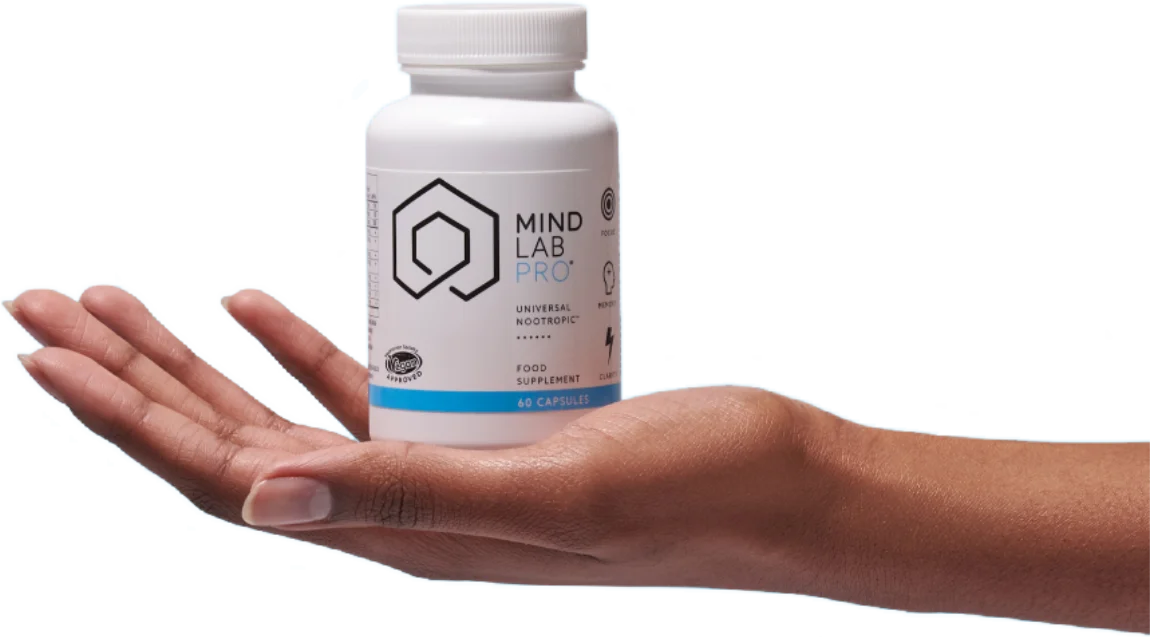
Mind Lab Pro®

MLP Ingredients: Citicoline (CDP Choline) dosage 250mg per serving, Phosphatidylserine (PS) 100mg (from sunflower lecithin), Bacopa monnieri 150mg (24% bacosides), Organic Lion's Mane Mushroom 500mg (fruit and mycelium), Maritime Pine Bark Extract 75mg (95% proanthocyanidins), N-Acetyl L-Tyrosine 175mg, L-Theanine 100mg per serving, Rhodiola rosea 50mg (3% rosavins and 1% salidrosides), NutriGenesis® Vitamin B6 (2.5 mg), Vitamin B9 (100 mcg), Vitamin B12 (7.5 mcg)
Mind Lab Pro® (MLP) is the best nootropic supplement in the world today. All great nootropic stacks include some form of choline; MLP supplies it as CDP-Choline. It also supplies 10 additional nootropics, combining them into a far-reaching 11-in-1 design that optimizes the whole brain from many angles.
The result is support for practically all cognitive functions, unleashing a "100% Brainpower" effect that delivers the brain boosts you need, right when you need them. It's also a clean supplement, with top-shelf ingredients in vegan NutriCaps® capsules.
Mind Lab Pro is backed by two well-designed human clinical trials:
- Study 1: MLP supplementation for 30 days was linked with significant improvements (compared to placebo) in information processing speed.(6)
- Study 2: MLP supplementation for 30 days was linked to significant improvements across all memory functions that were tested, including better immediate and delayed recall memory.(7)
Frequently Asked Questions
What foods have the most choline?
The highest choline foods are organ meats and eggs, with beef liver and chicken liver sitting at the top of the list. From there, you can build intake with whole eggs, pork, salmon, chicken breast, soybeans or edamame, and a handful of plant-based options like shiitake mushrooms, wheat germ, quinoa, broccoli, kidney beans, peanuts, and milk. If you want meal planning to be simple, aim to include one anchor food that is very choline-dense such as eggs or liver, then add one or two supporting foods such as salmon, chicken, soybeans, milk, mushrooms, or wheat germ.
How much choline do you need per day?
The current Adequate Intake targets are 550 mg per day for men (19+), 425 mg per day for women (19+), 450 mg per day for pregnancy, and 550 mg per day for breastfeeding. These numbers are designed to prevent deficiency, not necessarily to optimize brain performance, so a food-first approach that consistently hits the target is a practical goal for most people.
How much choline is in one egg, and is choline in the yolk or the white?
One large whole egg typically provides about 147 mg of choline, and most of that choline is concentrated in the yolk. If you are trying to raise choline intake with eggs, whole eggs matter more than egg whites. A simple way to think about it is that a couple of whole eggs can cover a meaningful chunk of daily choline needs, and pairing them with other choline foods like milk, wheat germ, salmon, chicken, soy, or mushrooms makes it much easier to reach daily targets.
How can I get enough choline without eggs or liver?
You can still build a high-choline diet without eggs or liver by leaning on fish, poultry, pork, and soy. Salmon, chicken breast, pork, and soybeans or edamame are reliable staples, and you can stack in smaller boosts from milk or yogurt, wheat germ, shiitake mushrooms, quinoa, broccoli, kidney beans, and peanuts. A practical pattern is to choose a protein like salmon, chicken, pork, or tofu, then add one or two supporting ingredients such as mushrooms, quinoa, broccoli, and a dairy side or smoothie that includes milk and wheat germ.
Do foods contain acetylcholine, or do they help your body make it?
Most foods do not meaningfully supply acetylcholine directly, but many foods supply choline, which your body uses to produce acetylcholine. Acetylcholine is a key neurotransmitter tied to memory, learning, attention, and muscle control, which is why choline is often discussed as a brain-supportive nutrient. If you want a deeper look at how neurotransmitters work and why acetylcholine matters, see Nootropics and Neurotransmitters.
Who is most at risk for choline deficiency, and what happens if you do not get enough?
People who most often fall short on choline include pregnant and breastfeeding women, vegetarians and vegans, and older adults. Risk can also be higher for heavy drinkers and for people with certain genetic variations that affect choline metabolism. Low choline intake is linked with issues like fatty liver and other liver stress, and it may also contribute to muscle and cognitive issues over time. Symptoms are not always obvious day to day, so it helps to treat choline like a daily nutrition target instead of waiting for clear signs. If you want more detail on deficiency and how it can show up, see Choline Side Effects and Deficiency Symptoms Explained.
Can you get too much choline, and what are the side effects?
Yes, it is possible to get too much choline, but it is very difficult to exceed safe levels through food alone. The adult upper limit is 3,500 mg per day, and side effects at high intakes can include fishy body odor, low blood pressure, sweating, nausea, and digestive discomfort. This is much more likely to happen with high-dose supplements than with normal eating. If you want a clearer breakdown of side effects and how to avoid them, see Choline Side Effects and Deficiency Symptoms Explained.
What is the best form of choline in supplements, and do foods contain citicoline or Alpha-GPC?
Most whole foods provide choline as phosphatidylcholine and free choline, while citicoline (CDP-choline) and Alpha-GPC are primarily supplemental forms that are used for more targeted brain support. Citicoline is often favored in brain-focused stacks because it provides choline plus cytidine support that ties into brain cell membrane and phospholipid pathways, while Alpha-GPC is another popular option for delivering choline efficiently. Foods generally do not provide meaningful amounts of citicoline, and Alpha-GPC is typically present only in trace amounts in animal foods. If you want a full comparison of choline forms and how to choose, see Best Choline Supplement Source: Citicoline, Alpha-GPC, or More and Citicoline vs Choline: Which Is Better for Your Brain.
Does choline help memory and focus?
Choline supports memory and focus mainly because it is needed to produce acetylcholine, a neurotransmitter strongly linked with learning, attention, and recall. Adequate choline intake is also associated with broader brain health markers and may help support cognitive function as we age. Choline is not a quick fix on its own, but consistently meeting daily intake targets creates the foundation your brain needs to run key neurotransmitter and cell membrane processes effectively. If you want more brain-focused context, see Nootropics for Memory.
Summary: Getting More Choline from Your Diet
Choline is a vital nutrient that supports brain function, memory, liver health, and more. While animal-based foods like liver, eggs, and meat are the richest sources, plant-based options like soybeans, quinoa, and broccoli still contribute meaningfully to your intake.
To boost your daily choline intake, prioritize eggs, meat, and fish in your diet.
Consider adding soy products, beans, and cruciferous vegetables, too. Another good tip is to use wheat germ, milk, and nuts in smoothies, cereals, or snacks. And finally, consider taking choline supplements.
Making intentional food choices can help ensure you meet your choline needs naturally -- supporting your body and mind for the long haul. Choline supplementation can help you along the way.
References
- Institute of Medicine. (1998). Dietary reference intakes for thiamin, riboflavin, niacin, vitamin B6, folate, vitamin B12, pantothenic acid, biotin, and choline. National Academies Press. https://doi.org/10.17226/6015
- Choline: An essential nutrient for public health. Nutrition Reviews, 67(11), 615–623. https://doi.org/10.1111/j.1753-4887.2009.00246.x
- Wallace, T. C., & Fulgoni, V. L., III. (2016). Assessment of total choline intakes in the United States. Journal of the American College of Nutrition, 35(2), 108–112. Link
- U.S. Department of Health and Human Services, National Institutes of Health, Office of Dietary Supplements. (n.d.). Choline: Fact sheet for health professionals. https://ods.od.nih.gov/factsheets/Choline-HealthProfessional/
- Wallace, T. C., & Fulgoni, V. L. (2016). Assessment of total choline intakes in the United States. Journal of the American College of Nutrition, 35(2), 108–112. Link
- Utley A, Gonzalez Y, Imboden CA. The Efficacy of A Nootropic Supplement on Information Processing in Adults: A Double Blind, Placebo Controlled Study. Biomed J Sci & Tech Res 49(1)-2023. BJSTR. MS.ID.007746. Link
- Abbott-Imboden C., Gonzalez Y., Utley A. (2023). Efficacy of the nootropic supplement Mind Lab Pro on memory in adults: Double blind, placebo-controlled study. Human Psychopharmacology: Clinical and Experimental, e2872. Link