Fasting can feel mentally sharp for some people — but foggy, irritable, and draining for others. That frustrating “fasting fog” feeling may show up as poor concentration, low mental energy, headaches, slower thinking, mood swings, or simply feeling like your brain is running on low battery.
Intermittent fasting has become popular in the U.S.; according to the International Food Information Council’s 2024 Food & Health Survey, 13% of American adults reported following intermittent fasting in the past year.
Most healthy adults who have tried fasting have encountered "the fog." It doesn't mean fasting is bad. It's often a temporary adjustment. However, brain fog can also be a sign that your fasting plan may be too aggressive, poorly hydrated, low in electrolytes, badly timed, or just not right for your current health situation.
In this article, we’ll explain why mental fog can happen during fasting, what may fasting-friendly practical strategies may help, and which nootropics may support focus, energy, and mental clarity through a fast. Let's get to it!
Key Takeaways
- Fasting is the voluntary practice of going without food, and sometimes calorie-containing drinks, for a set period of time.
- Fasting may offer numerous physiological benefits for weight management, fat metabolism, insulin sensitivity, cellular repair, inflammation balance, and healthy aging pathways.
- It may also cause side effects for some, including hunger, irritability, headaches, low energy, dizziness, sleep disruption and overeating later.
- Fasting fog may feel like poor focus, low mental energy, headache, irritability, slower thinking, or difficulty concentrating.
- Common fasting-related causes that disrupt brain function include blood sugar changes, dehydration, low electrolytes, caffeine withdrawal, poor sleep, stress, and the body’s transition from glucose to fat and ketone metabolism.
- Short fasts do not always impair cognition in healthy adults, but some people feel foggy during the adaptation period.
- Hydration, sodium/electrolytes, sleep, gentle movement, and a less aggressive fasting window may help reduce fasting-related fogginess.
- Nootropics discussed in this article include caffeine, L-theanine, creatine, citicoline, rhodiola, bacopa monnieri, and MCT oil.
- MCT oil may help some people feel clearer during fasting-style routines by supporting ketone production, but because it contains calories, it technically breaks a strict fast.
Disclaimer
This article is for educational purposes only and is not medical advice. Fasting, calorie restriction, ketogenic strategies, MCT oil, and nootropic supplements may not be appropriate for everyone. Always consult a qualified healthcare professional before starting a fasting routine or using supplements, especially if you have a medical condition, take medication, are pregnant or breastfeeding, have blood sugar concerns, have a history of eating disorders, or experience severe dizziness, confusion, fainting, weakness, chronic disease or concerning symptoms. Dietary supplements are not drugs and should not be used to diagnose, treat, cure, or prevent any disease.
What Is Fasting Brain Fog?

Fasting affects cognitive performance. The brain fog is a temporary mental cloudiness that can happen when you go without food. Fog may happen in people who explore intermittent fasting, prolonged fasting, low-carb dieting, ketogenic diets, skipped meals, or any other form of aggressive calorie restriction.
Fasting-related "foggy" symptoms may include:
- Low mental energy
- Trouble focusing
- Slower thinking
- Headaches
- Irritability
- Dizziness or lightheadedness
- Low motivation
- Difficulty working, reading, writing, or making decisions
Fasting's negative effects on mental sharpness may be especially noticeable in the morning after skipping breakfast, during long work sessions, after exercise, or when fasting is combined with poor sleep, high stress, low fluid intake, or abrupt caffeine changes.
How Fasting Works (And Why it May Cause Brain Fog)
Fasting changes the way the human body generates energy. Under normal eating conditions, the brain relies heavily on glucose from food as "fuel". During fasting, the body flips a metabolic switch and gradually shifts toward using "alternative fuel": stored glycogen, fatty acids, and ketone bodies.
Ketones are alternative fuel molecules made by the liver from fat. They can power the brain, but the changeover as the body adapts to this fuel may not feel smooth for everyone, especially early on.
Common drivers of fasting fog include:
- Blood sugar changes: Some people feel mentally flat, shaky, or irritable when glucose availability drops, especially before they adapt to fasting.
- Dehydration: Fasting can reduce fluid intake simply because people are not eating water-rich foods. Dehydration has been linked with worse fatigue, mood, working memory deficit, attention, and reaction time.(1)
- Low electrolytes: Fasting may increase water and sodium loss, especially during low-carb or ketogenic-style eating. Low sodium can contribute to headaches, weakness, fatigue, and poor mental clarity.
- Caffeine withdrawal: If fasting causes you to delay or skip coffee, mental fog may actually be caffeine withdrawal rather than fasting itself.
- Sleep debt: Fasting plus poor sleep is a bad combination for focus, mood, appetite control, and executive function. Read about ultramodern sleep supplements.
- Too much stress: Fasting is a stressor. In the right dose, it may be useful. In the wrong dose, it can feel like pressure on an already strained nervous system.
It is interesting to note fasting has some mixed scientific evidence when it comes to cognition.
2021 Review: Intermittent Fasting and Cognition
A 2021 review examined intermittent fasting research related to brain and cognitive function, including human and animal evidence. The authors concluded that, in healthy people, there is no clear evidence that intermittent fasting produces short-term cognitive benefits, although fasting may influence brain health through metabolic, cellular, and circadian pathways.(2)
2025 Randomized Trial: Cognitive Performance During Fasting Adaptation
A 2025 randomized controlled trial found that participants adapting to intermittent fasting did not show worse objective cognitive performance or mood compared with controls over the first 10 days. However, fasting participants reported feeling less concentrated before noon compared with after breaking the fast, suggesting that fasting people may feel foggy even when cognitive test performance looks fine.(3)
Key takeaway: Research suggests short-term intermittent fasting does not seem to improve cognitive performance; nor does it seem to impair cognition during the early adaptation window. Anecdotal reports suggest some feel mentally sharper, while others struggle with foggy thinking. Fasting strategies may be a difference-maker. We'll dig into some strategies next.
How to Get Rid of Brain Fog Fast (While Fasting)

The first step is not always adding a supplement. Often, the fastest improvements come from adjusting the fasting plan itself.
Start with hydration. Drink water early in the day, not just when you feel thirsty. If fasting gives you headaches, dry mouth, dizziness, or heavy fatigue, dehydration may be part of the problem. Hydration goes a long way in supporting cognitive stability.
Consider electrolytes. Sodium is especially important during fasting, especially if you are low-carb, sweating, exercising, or drinking a lot of plain water. Some people feel dramatically clearer when they stop fasting “dry” and start paying attention to salt, fluids, and minerals.
Do not overdo the fasting window. If 18:6 (18 hours without food, 6 hour eating window) or OMAD ("one meal a day") fasting periods make you foggy, try 12:12 or 14:10 first. Other fasting protocols that you can follow consistently may work better than a stricter fast that crushes your focus.
Watch caffeine timing. Black coffee may help mental energy during fasting, but delaying caffeine too long can trigger withdrawal symptoms in habitual users. On the other hand, too much caffeine on an empty stomach can increase jitters, anxiety, and crash risk. Discover precision-dose caffeine pills.
Eat better during your feeding window. Fasting does not erase the need for nutrition. Focus on balanced meals with nutrient dense foods. Protein, omega-3 fatty acids (healthy fats), fruits, vegetables, legumes, minerals, and B vitamins still matter for brain energy, neurotransmitter production, and nervous system health.
Fasting Brain Fog vs. Fasting Brain Benefits
Fasting can have side effects, including diminished mental performance. But fasting also has potential benefits, which is why it continues to attract attention for its potential to promote improved metabolic health, including:
- Body composition
- Metabolic flexibility (ability to shift between glucose and fat for fuel)
- Insulin sensitivity (may help balance blood glucose spikes)
- Fat metabolism
- Cellular repair pathways (autophagy)
- Inflammation balance
- Support for healthier ageing processes.
In other words, fasting is not simply “not eating.” It is a metabolic state that may activate adaptive stress-response systems in the body.
Ironically, although fasting can cause foggy thinking in the short term, it can enhance clarity in some people over time.
Once the body adapts and becomes more metabolically flexible, some people report steadier energy, fewer crashes, and clearer thinking during fasting windows.
Fasting may also support long-term brain health pathways, including those related to brain-derived neurotrophic factor (BDNF) a brain-supportive protein involved in brain cell survival, learning, memory, stress resistance, and neuroplasticity (the brain’s ability to form new connections).
Supplements That May Help With Fasting-Related Brain Fog
Supplements are not magic fixes for brain fog, and they should not be used to force your body through an overly aggressive fasting plan. But some supplements, including brain-boosting nootropics, may support the mental edge you need while fasting: alertness, energy metabolism, stress resilience, attention, memory, cognitive clarity and more.

“Memory recall, cognitive function and overall wellbeing are all factors that Mind Lab Pro delivers.”
Caffeine

Caffeine is one of the most commonly used fasting-friendly nootropics because black coffee and plain tea are widely accepted in many fasting routines. Caffeine helps promote alertness by blocking adenosine receptors, which can reduce feelings of fatigue while increasing alertness.
In a review of caffeine and cognition, researchers concluded that moderate caffeine intake may help improve alertness and aspects of cognitive performance, though more is not always better.(4)
In the context of brain fog related to fasting, caffeine may help with low alertness, sleepiness, or caffeine withdrawal. However, the best results are achieved with the right dose of caffeine, typically in the low-to-moderate range (40 mg to 200 mg of caffeine; about a half-cup to two cups of coffee).
L-Theanine

L-theanine is a calming amino acid found in green tea. It is often used to support relaxed focus — especially when stress/burnout, nervous energy, or too much caffeine makes concentration feel scattered. For brain fog, L-theanine may be helpful when caffeine alone feels too stimulating or when fasting increases irritability and stress sensitivity.
A systematic review of L-theanine found evidence suggesting that 200–400 mg/day may help reduce stress and anxiety in stressful conditions.(5) L-theanine is also commonly paired with caffeine for smoother attention and less jittery stimulation.
Read about the legendary Caffeine + L-Theanine nootropic stack.
Creatine

Creatine is best known for muscle performance, but it also supports cellular energy in the brain. Because brain fog can feel like low brain energy, creatine is a logical nootropic to consider for people who want support for mental energy, short-term memory, and cognitive performance under stress.
In one study, creatine supplementation helped support cognitive and psychomotor performance during sleep deprivation combined with mild exercise, suggesting potential benefits when the brain is under energy stress.(6) Creatine may support brain energy systems that matter when food intake is reduced.
Performance Lab® Energy
Boost mitochondria for mind-body energy, vitality, & performance without caffeine.
Shop Now
Citicoline (Cognizin®)

Citicoline, also known as CDP-choline, supplies choline and cytidine, which are involved in acetylcholine activity, brain energy, and brain cell membrane support. For brain fog, citicoline may be most relevant for people who feel unfocused, mentally flat, or low in attention during fasted work sessions.
In a randomized, placebo-controlled trial in healthy adult women, citicoline supplementation was associated with improved attention performance, supporting its role as a practical nootropic for focus and mental performance.(7)
Read more: Citicoline (Cognizin®)
Rhodiola Rosea

Rhodiola rosea is an adaptogen herb traditionally used for fatigue, stress resistance, and mental performance under pressure. Fasting-related brain fog is not always just an energy problem; sometimes it is a stress problem. If fasting is layered on top of work pressure, poor sleep or training, rhodiola's stress-busting effects may be relevant.
In a double-blind, placebo-controlled crossover study of physicians working night duty, a rhodiola extract helped reduce stress-induced fatigue and supported mental performance under demanding conditions.(8)
Bacopa Monnieri

Bacopa monnieri is a traditional Brahmi herb in India's Ayurvedic system of wellness. It's been used for centuries but remains on the cutting edge of modern nootropic research for its potential nootropic benefits.
It is mostly linked to memory and learning: In a randomized, placebo-controlled study, bacopa supplementation was associated with improved memory performance in healthy adults (when used consistently over time).(9)
Bacopa may not be the most obvious choice for maintaining your mental sharpness, but it does make sense as part of an overall brainpower program for people practicing intermittent fasting.
MCT Oil for Fasting and Brain Fog

MCT oil deserves its own section because it is one of the most popular supplements for fasting. MCT (medium-chain triglycerides) are rapidly absorbed and transported to the liver, where they can be converted into ketones.
Since ketones serve as alternative fuel for the brain, MCT oil is often used by people who want a steady supply of energy during low-carb, keto and fasting programs.
There is some human evidence supporting the cognitive relevance of ketone availability. In one study of memory-impaired adults, beta-hydroxybutyrate (BHB, a type of ketone) elevation after taking MCTs was associated with improved recall in some participants.(10)
However, MCT oil comes with one major caveat: it contains calories. That means it technically breaks a fast. If your goal is a clean water-only fast, MCT oil doesn't really work. If your goal is appetite control, mental energy, ketogenic support, or a more flexible fasting routine, MCT oil may still be useful.
Performance Lab® MCT Energy Oil
For enhanced mind-body vitality and metabolic performance.
Shop Now
Read more on nootropics for intermittent fasting.
When Brain Fog Is a Warning Sign
Yet another reason why fasting should be done under the guidance of a medical professional: Some fasting-related brain fog is mild and temporary. But it is important to stop fasting and seek medical guidance if you experience fainting, confusion, chest pain, severe weakness, severe dizziness, heart palpitations, disorientation, or symptoms of low blood sugar.
Fasting may not be right for everyone, especially people with diabetes, blood sugar issues, eating disorder history, pregnancy, breastfeeding, underweight, certain medical conditions, or medications that require food. If you take blood pressure medication, diabetes medication, stimulants, psychiatric medication, or other prescriptions, ask your healthcare provider before using fasting aggressively.
Best MCT Oil for Brain Fog and Fasting: Performance Lab® MCT Energy Oil

MCT oil may be one of the most practical fasting-friendly tools to consider. Performance Lab® MCT Energy Oil is a strong choice because it focuses on the two MCTs most relevant to fast energy and ketone support: C8 caprylic acid and C10 capric acid.
Performance Lab® MCT Energy Oil supplies a 60% C8 and 40% C10 blend, sourced from organic non-GMO coconuts, cold-extracted with hexane-free technology, and triple-distilled for purity.
For people who feel foggy, flat, or mentally drained during fasting, this type of C8/C10 MCT oil may help support smoother energy by giving the body a quick source of fat-based fuel. This can be especially useful for people following intermittent fasting, keto, low-carb eating, or “fat-fasting” routines where mental clarity and appetite control are major goals.
However, there is one important caveat: MCT oil contains calories, so it technically breaks a strict fast. If your goal is a clean water-only fast, MCT oil does not belong in the fasting window. But if your goal is flexible intermittent fasting, better fasted work performance, keto support, or reducing fasting-related brain fog, Performance Lab® MCT Energy Oil may be useful.
Discover today's top MCT Oil supplements.
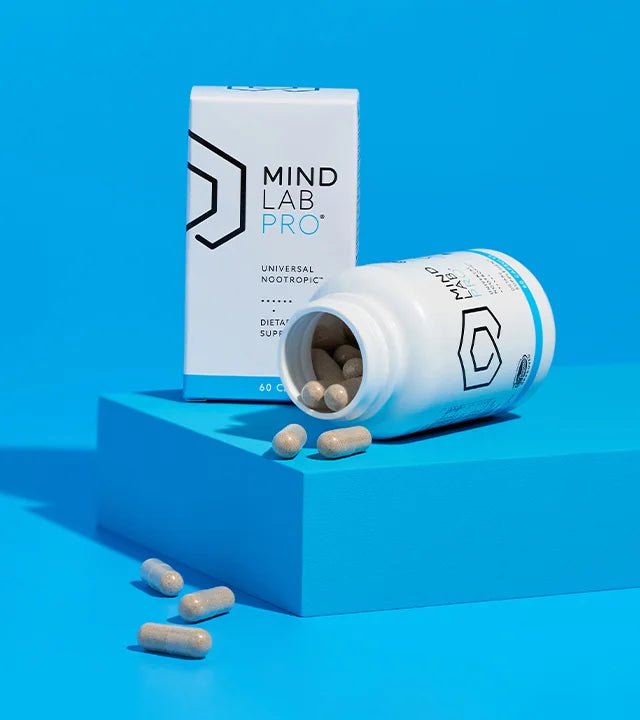
Mind Lab Pro® Nootropic Stack to Clear Brain Fog

For people looking for a caffeine-free nootropic stack to enhance brainpower across fasted and fed states, Mind Lab Pro® (MLP®) may be a practical option.
The MLP Formula: Citicoline (CDP Choline) dosage 250mg per serving, Phosphatidylserine (PS) 100mg (from sunflower lecithin), Bacopa monnieri 150mg (24% bacosides, 9 bioactives), Organic Lion's Mane Mushroom 500mg (fruit and mycelium), Maritime Pine Bark Extract 75mg (Standardized to 95% proanthocyanidins), N-Acetyl L-Tyrosine 175mg, L-Theanine 100mg per serving, Rhodiola rosea 50mg (Standardized to 3% rosavins and 1% salidrosides), NutriGenesis® Vitamin B6 (2.5 mg), Vitamin B9 (100 mcg), Vitamin B12 (7.5 mcg)
MLP® is designed to support multiple pathways involved in brain function and overall brain health, optimizing a wide range of cognitive abilities. This type of multi-pathway approach may be relevant for brain fog because mental clarity depends on more than one mechanism. Discover how MLP® works.
Brain energy, neurotransmitter support, stress resilience, blood flow, memory, attention, and nervous system balance may all influence how you feel during a fast, and Mind Lab Pro® supports them all.
“When I need to be sharp, focused and ready, Mind Lab Pro is what I reach for.”
Mind Lab Pro® Human Studies
Study #1: Information Processing
In a double-blind, placebo-controlled study, 105 healthy adults took Mind Lab Pro® or placebo for 30 days and completed tests measuring simple reaction time, choice reaction time, and anticipatory timing. As researchers compared people's cognitive performance across both groups, the Mind Lab Pro® group showed significant improvements across information-processing tasks, including faster reaction time, better decision-making speed, and a 47% improvement in anticipatory response speed.(11)
Study #2: Memory Performance
In a second double-blind, placebo-controlled study, 49 healthy adults ages 20 to 68 took Mind Lab Pro® or placebo for 30 days and completed memory testing cognitive tasks using the Wechsler Memory Scale-IV UK. The Mind Lab Pro® group showed improvements across several memory domains, including auditory memory, visual memory, working memory, immediate recall, and delayed recall, with reported gains of approximately 28% in immediate recall and 26% in delayed recall.(12)
Study #3: Brain Network Activity
A 2025 randomized, double-blind, placebo-controlled study evaluated Mind Lab Pro® over 60 days in 32 participants using a perceptual decision-making task with brief, blurry face and car images while measuring EEG activity. The study did not find faster or more accurate decisions, but it did report a meaningful difference in brain network interdependencies and coordination, especially in the delta band, suggesting deeper and more connected neural processing.(13)
Summary
Fasting is more than a trendy diet hack. Doctor-supervised fasting has potential for a wide range of health benefits. But fasting-related brain fog can happen when your brain and body are adjusting to a different fuel pattern. It may be related to inability to manage blood sugar, dehydration, low electrolytes, caffeine withdrawal, poor sleep, stress, or a fasting window that is too aggressive.
The first fixes are usually simple: hydrate, consider electrolytes, improve sleep quality (ultramodern sleep supplements can help), adjust caffeine timing, and choose a fasting schedule you can actually tolerate.
Supplements, including nootropics, may also help support some of the pathways involved in brain fog. Caffeine may support alertness, L-theanine may smooth stress and caffeine effects, creatine may support brain energy metabolism, citicoline may support attention, rhodiola may help with fatigue under stress, and bacopa may support memory with longer-term use.
MCT oil is a special case: it may support ketone production and mental energy during fasting-style routines, but because it contains calories, it technically breaks a strict fast.
Fasting should make your life better, not make your brain unusable. If fasting leaves you foggy, irritable, weak, or unable to function, adjust the plan. The best fasting routine is one that supports your energy, focus, health, and long-term consistency.
References
- Adan, A. (2012). Cognitive performance and dehydration. Journal of the American College of Nutrition, 31(2), 71-78. Link
- Gudden, J., Arias Vasquez, A., & Bloemendaal, M. (2021). The effects of intermittent fasting on brain and cognitive function. Nutrients, 13(9), 3166. Link
- Bamberg, C., Reichenberger, J., & Blechert, J. (2025). Stable cognitive performance while adapting to intermittent fasting: A randomised controlled trial. Journal of Health Psychology. Link
- Ruxton, C. H. S. (2008). The impact of caffeine on mood, cognitive function, performance and hydration: A review of benefits and risks. Nutrition Bulletin, 33(1), 15-25. Link
- Williams, J. L., Everett, J. M., D’Cunha, N. M., Sergi, D., Georgousopoulou, E. N., Keegan, R. J., McKune, A. J., Mellor, D. D., Anstice, N., & Naumovski, N. (2020). The effects of green tea amino acid L-theanine consumption on the ability to manage stress and anxiety levels: A systematic review. Plant Foods for Human Nutrition, 75(1), 12-23. Link
- McMorris, T., Harris, R. C., Swain, J., Corbett, J., Collard, K., Dyson, R. J., Dye, L., Hodgson, C., & Draper, N. (2006). Effect of creatine supplementation and sleep deprivation, with mild exercise, on cognitive and psychomotor performance, mood state, and plasma concentrations of catecholamines and cortisol. Psychopharmacology, 185(1), 93-103. Link
- McGlade, E., Agoston, A. M., DiMuzio, J., Kizaki, M., Nakazaki, E., Kamiya, T., & Yurgelun-Todd, D. (2012). The effect of citicoline supplementation on motor speed and attention in adolescent males. Journal of Attention Disorders, 20(1), 38-46. Link
- Darbinyan, V., Kteyan, A., Panossian, A., Gabrielian, E., Wikman, G., & Wagner, H. (2000). Rhodiola rosea in stress induced fatigue: A double blind cross-over study of a standardized extract SHR-5 with a repeated low-dose regimen on the mental performance of healthy physicians during night duty. Phytomedicine, 7(5), 365-371. Link
- Roodenrys, S., Booth, D., Bulzomi, S., Phipps, A., Micallef, C., & Smoker, J. (2002). Chronic effects of Brahmi (Bacopa monnieri) on human memory. Neuropsychopharmacology, 27(2), 279-281. Link
- Reger, M. A., Henderson, S. T., Hale, C., Cholerton, B., Baker, L. D., Watson, G. S., Hyde, K., Chapman, D., & Craft, S. (2004). Effects of beta-hydroxybutyrate on cognition in memory-impaired adults. Neurobiology of Aging, 25(3), 311-314. Link
- Utley, A., Gonzalez, Y., & Imboden, C. A. (2023). The efficacy of a nootropic supplement on information processing in adults: A double blind, placebo controlled study. Biomedical Journal of Scientific & Technical Research, 49(1). Link
- Abbott-Imboden, C., Gonzalez, Y., & Utley, A. (2023). Efficacy of the nootropic supplement Mind Lab Pro on memory in adults: Double blind, placebo-controlled study. Human Psychopharmacology: Clinical and Experimental, 38(3), e2872. Link
- O’Reilly, D., Bolam, J., Delis, I., & Utley, A. (2025). Neural mechanisms of cognitive enhancement with a nootropic supplement. Brain Sciences, 15(3), 226. Link