According to Nutrition Business Journal’s Mushroom Market Report 2024, 27% of consumers say they take functional mushroom supplements, while 37% say they consume foods or beverages made with functional mushrooms. The ITC Insights 2024 Consumer Supplement Survey also found that 32% of U.S. supplement consumers report using mushroom as a supplement ingredient.
That helps explain why the term mushroom supplement now covers everything from Lion’s Mane capsules and Reishi tinctures to Cordyceps powders, Turkey Tail immune blends, mushroom coffee, mushroom-powered nootropic stacks and multi-mushroom formulas.
If you’re searching for a mushroom supplement, you’re probably looking for a natural way to support immunity, energy, stress resilience, focus or overall wellness—but the right choice depends on the mushroom species, extract quality and your specific goal.
This guide explains what mushroom supplements are, how the major functional mushrooms differ, what to look for on the label, and how to choose the right mushroom supplement for your goals. Let's get to it!
Key Takeaways
- A mushroom supplement is a dietary supplement made from functional mushrooms such as Lion’s Mane, Reishi, Cordyceps, Chaga, Turkey Tail, Shiitake, or Maitake.
- Functional mushrooms are used for wellness, including support for brain health, immune function, stress resilience, energy, gut health, and antioxidant defenses.
- Lion’s Mane is the best-known nootropic mushroom, commonly used for cognitive function, focus, memory, and nerve growth factor pathways.
- Reishi is often used for calm resilience and immune balance, while Cordyceps is best known for energy, stamina, and performance support.
- Chaga is commonly used for antioxidant support, while Turkey Tail, Shiitake, and Maitake are often used for immune and gut-health support.
- Look for quality in supplements: species identification, clear dosage, extract type, organic status, third-party testing, and clear fruiting body vs. mycelium labeling.
- Mushroom supplements are supportive tools, not medicines, and should not be used as substitutes for medical care.
Disclaimer
This article is for educational purposes only and is not medical advice. Mushroom supplements are dietary supplements, not medicines, and are not intended to diagnose, treat, cure, or prevent any disease. Terms such as “medicinal mushrooms” and “functional mushrooms” are common wellness terms, but they do not mean mushroom supplements should replace medical care. Consult a qualified healthcare professional before using mushroom supplements if you are pregnant or breastfeeding, have a medical condition, take medication, have a mushroom allergy, are preparing for surgery, or are considering mushroom supplements for a disease-related concern.
What Is a Mushroom Supplement?
A mushroom supplement is a dietary supplement made from one or more mushroom species used for health and wellness support. These products may come as capsules, powders, liquid extracts, tinctures, gummies, mushroom coffee, or multi-mushroom blends.
Most mushroom supplements are made from mushrooms often called functional mushrooms, medicinal mushrooms, or adaptogenic mushrooms. All of these terms refer to mushrooms used for benefits beyond basic nutrition, including immune support, stress resilience, antioxidant defense, gut health, energy, and cognitive function.
Common mushroom supplements include:
- Lion’s Mane: brain health, focus, memory, and cognitive support
- Reishi: stress resilience, calm, immune balance, and sleep-supportive wellness
- Cordyceps: energy, stamina, endurance, and performance support
- Chaga: antioxidant defense and general wellness
- Turkey Tail: immune function and gut microbiome support
- Shiitake: immune, metabolic, and heart-health support
- Maitake: immune and metabolic wellness support
A mushroom supplement is not the same thing as eating mushrooms with dinner. Whole mushrooms can be excellent foods, supplying fiber, amino acids, B vitamins, minerals, and other nutrients. Supplements are usually dried, extracted, concentrated, or blended to deliver mushroom compounds in a more convenient daily format.
For a deeper look at the distinction between food mushrooms, supplements, and doctor-prescribed mushroom compounds used in other countries, see this guide to mushrooms as medicine.
Culinary Mushrooms vs. Functional Mushrooms vs. Nootropic Mushrooms

Not every mushroom supplement has the same purpose. It helps to separate mushrooms into three overlapping categories.
Culinary Mushrooms
Culinary mushrooms are eaten as food. Examples include white button mushrooms, cremini, portobello, oyster mushrooms, king oyster mushrooms, shiitake, and maitake.
These mushrooms can contribute fiber, minerals, amino acids, B vitamins, and savory flavor to the diet. Some culinary mushrooms, especially shiitake and maitake, also contain compounds associated with functional benefits.
Functional Mushrooms
Functional mushrooms are mushrooms used for health-supportive properties beyond basic nutrition. These include Lion’s Mane, Reishi, Cordyceps, Chaga, Turkey Tail, Shiitake, Maitake, Agaricus blazei, Tremella, Poria, and others.
Many have a long history in traditional medicine systems such as Traditional Chinese Medicine, Japanese Kampo, and folk herbalism. Modern research is now exploring how their polysaccharides, beta-glucans, triterpenes, antioxidants, and other bioactive compounds may support immune function, gut health, stress resilience, brain function, and healthy aging pathways.
Some functional mushrooms are also discussed as adaptogenic mushrooms because they may help support resilience, balance, and the body’s response to physical or mental stress.
Read our full guide on functional mushrooms.
Nootropic Mushrooms
Nootropic mushrooms are functional mushrooms used specifically for brain health and cognitive performance. Lion’s Mane is the best-known nootropic mushroom because it contains hericenones and erinacines, compounds studied for nerve growth factor-related pathways and healthy brain function.
For a deeper brain-health angle, read about the best mushroom nootropics.
How Do Mushroom Supplements Work?
Mushroom supplements work through different compounds and pathways, depending on the species and extract type. The most important compounds include beta-glucans, polysaccharides, triterpenes, antioxidants, and mushroom-specific compounds such as hericenones and erinacines.
Beta-Glucans
Beta-glucans are polysaccharides found in the cell walls of fungi. Mushroom beta-glucans are widely discussed for their ability to interact with immune cells and help support healthy immune function.
This does not mean mushroom supplements “boost immunity” like a drug. A better way to say it: beta-glucan-rich mushrooms may help support normal immune function and immune balance.
Polysaccharides
Mushrooms contain polysaccharides that may support gut and immune health. Some mushroom polysaccharides also appear to function as prebiotic fibers, meaning they may help nourish beneficial gut bacteria. This is relevant because the gut microbiome is linked with immune function, metabolism, mood, and the gut-brain axis.
Discover the Best Mushrooms for Anxiety and Depression Relief.
Antioxidants
Several mushrooms supply antioxidant compounds that may help support the body’s normal defenses against oxidative stress. Chaga is especially known for antioxidant compounds such as polyphenols and pigment compounds, while Reishi, Shiitake, Maitake, and Turkey Tail also contain antioxidant-associated compounds.
Triterpenes
Reishi is rich in triterpenes, a class of compounds often discussed for immune, liver, stress-resilience, and inflammation-balancing support. These compounds contribute to Reishi’s bitter taste and traditional reputation as a calming, restorative mushroom.
Hericenones and Erinacines
Lion’s Mane contains hericenones and erinacines, compounds that have been studied for their relationship to nerve growth factor, or NGF. NGF is involved in the growth, maintenance, and survival of certain nerve cells, which is one reason Lion’s Mane is so closely associated with cognitive support.
This does not mean Lion’s Mane “regrows nerves” in humans or works as a neurological treatment. It means Lion’s Mane has been studied for brain-health pathways that are relevant to memory, focus, and cognitive function.
Did you know? In the U.S., mushroom supplements are foods or dietary supplements, not medicines. In parts of Asia, however, certain purified mushroom compounds from mushrooms such as Shiitake, Turkey Tail, and Split Gill are used by physicians under medical systems with defined standards and clinical protocols.
How to Choose a Mushroom Supplement by Goal
The best mushroom supplement is not necessarily the one with the longest ingredient list. It is the one that matches your goal, uses the right mushroom species, and provides a meaningful dose in a quality form.
For Brain Health: Lion’s Mane
Choose Lion’s Mane if your main goal is cognitive support, memory, focus, mental clarity, or long-term brain health. Lion’s Mane is the most nootropic mushroom because it contains compounds associated with nerve growth factor pathways, including hericenones and erinacines.
For Energy and Stamina: Cordyceps
Choose Cordyceps if your goal is energy, stamina, exercise performance, or physical vitality. Cordyceps is often used in formulas designed for endurance, oxygen utilization, and fatigue resistance.
For Stress Resilience: Reishi
Choose Reishi if your goal is calm resilience, stress support, relaxation, or sleep-supportive wellness. Reishi is traditionally used as a restorative mushroom and is especially known for triterpenes and polysaccharides.
For Immune and Gut Support: Turkey Tail, Shiitake, and Maitake
Choose Turkey Tail, Shiitake, or Maitake if your main goal is immune support, gut microbiome support, or general wellness. These mushrooms are rich in beta-glucans and other polysaccharides that may help support healthy immune function.
Discover today's top ultramodern immune supplements.
For Antioxidant Support: Chaga
Choose Chaga if your goal is antioxidant defense and general healthy-aging support. Chaga is valued for polyphenols, pigment compounds, and other antioxidant-associated constituents, though much of the research remains early.
If you want broad support, a multi-mushroom blend may make sense. If you want a specific outcome, a single-mushroom supplement with a transparent dose may be the better starting point.
Read more about the Best Mushrooms for Health.
Single Mushroom vs. Mushroom Blend: Which Is Better?
One of the first choices you’ll see is whether to take a single mushroom supplement or a multi-mushroom blend. Neither is automatically better. The right choice depends on how specific your goal is.
Choose a Single Mushroom If Your Goal Is Specific
A single mushroom supplement is often best when you know what you want. For example, Lion’s Mane makes sense for cognitive support, Cordyceps for energy, Reishi for calm resilience, and Turkey Tail for immune and gut-health support.
The advantage is clarity. You can see the exact mushroom, dose, extract type, and response over time.
Choose a Mushroom Blend If You Want Broad Wellness Support
A mushroom blend may be useful if you want general wellness support across several areas, such as immune function, stress resilience, antioxidant defense, and energy.
The tradeoff is dose transparency. Some blends include many mushrooms but provide only small amounts of each. Look for formulas that disclose the dose of each mushroom rather than hiding everything inside a proprietary blend.
Best approach: For targeted support, start with one mushroom. For broad wellness, consider a blend — but only if the label is transparent and the serving size is meaningful.
Main Mushroom Supplement Benefits
The potential benefits of mushroom supplements depend on the species, extract quality, dose, and person using them. Here are the main categories people usually care about.
Brain Health and Cognitive Function
Lion’s Mane is the standout mushroom supplement for brain health. It is commonly used to support focus, memory, learning, mental clarity, and long-term cognitive performance.
Source articles describe Lion’s Mane as one of the best nootropic mushrooms because of its support for NGF-related pathways and its research connection to cognitive performance, mood, and stress. Human research on Lion’s Mane includes studies in older adults with cognitive concerns and pilot research in healthy young adults, suggesting potential cognitive-support benefits while also showing the need for more research.
For practical serving guidance, see this guide to Lion’s Mane dosage.
Immune Support
Many mushroom supplements are used for immune support because mushrooms contain beta-glucans, polysaccharides, and other compounds that interact with immune pathways.
Turkey Tail, Reishi, Shiitake, Maitake, Chaga, and Agaricus blazei are especially popular for immune-supportive wellness. Turkey Tail contains polysaccharides such as PSK and PSP, while Shiitake contains lentinan, a beta-glucan compound studied in immune-related contexts.
Gut Health
Mushroom fibers and polysaccharides may help support the gut microbiome. Turkey Tail is one of the best-known mushrooms in this area, with source articles discussing its prebiotic activity and relationship to beneficial bacteria such as Bifidobacterium and Lactobacillus.
Energy and Stamina
Cordyceps is the mushroom most associated with energy, stamina, and performance support. Traditionally, Cordyceps was used in Tibetan and Chinese herbalism for vitality, breath, and endurance.
Modern research discussed in the source articles explores Cordyceps for oxygen utilization, exercise capacity, high-intensity exercise tolerance, fatigue scores, and antioxidant markers.
Stress Resilience
Reishi is commonly used for stress resilience, calm vitality, and sleep-supportive wellness. It has a long history in Traditional Chinese Medicine as a “shen” tonic, traditionally used to calm the mind and support balance.
Some people also explore mushroom supplements for mood-related wellness. For a cautious overview, see this guide to mushrooms for anxiety and depression. Mushroom supplements should not be used as treatments for anxiety, depression, insomnia, or other mental health conditions.
Antioxidant Defense
Chaga is especially known for antioxidant support. It grows mostly on birch trees in cold climates and contains polyphenols, pigment compounds, polysaccharides, and birch-derived compounds such as betulin and betulinic acid.
Most Chaga research is still early, with much of it coming from lab, animal, or preliminary studies. Still, Chaga remains popular as a general wellness mushroom for antioxidant defense and healthy-aging support.
Popular Types of Mushroom Supplements
Lion’s Mane Mushroom

Lion’s Mane (Hericium erinaceus) is a shaggy white mushroom named for its mane-like appearance. It grows on hardwood trees and has been used as both food and traditional wellness support in East Asian herbal traditions.
In traditional use, Lion’s Mane has been valued for digestion, vitality, and what would now be described as nervous system or brain-health support. In modern nootropic supplements, it is best known for cognitive function; its hericenones and erinacines are associated with nerve growth factor pathways.
Research summary: In a double-blind, placebo-controlled trial, older adults with mild cognitive impairment took Lion’s Mane powder for 16 weeks. The Lion’s Mane group showed improved cognitive scores during supplementation, although scores declined after stopping. A more recent pilot study in healthy young adults found that Lion’s Mane tentatively improved speed of performance and reduced subjective stress, though the authors noted mixed findings, small sample size, and the need for larger studies.(1,2)
Best used for: Brain health, focus, memory, cognitive performance, mental clarity, and long-term nootropic support.
Check out our full guide on Lion's Mane Mushroom.
Reishi Mushroom

Reishi (Ganoderma lucidum) is one of the most famous mushrooms in Traditional Chinese Medicine, where it is known as Lingzhi. It has been traditionally regarded as a tonic mushroom associated with longevity, calm resilience, spiritual balance, and overall vitality.
Traditional herbalism often positioned Reishi as a restorative mushroom for people dealing with stress, low resilience, poor sleep quality, or depleted vitality. Modern supplement use tends to focus on immune balance, stress resilience, calm, sleep-supportive wellness, and healthy aging. Reishi contains beta-glucans, polysaccharides, and bitter triterpenes that contribute to its traditional reputation and modern research interest.
Research summary: Human research on Reishi is limited and often involves specific populations with health issues rather than healthy users. In one pilot study, Reishi spore powder was studied in breast cancer survivors with related fatigue, with findings suggesting possible quality-of-life and fatigue-related benefits.(3)
Best used for: Calm resilience, immune balance, stress-support routines, sleep-related wellness, and healthy-aging support.
Cordyceps Mushroom

Cordyceps is a functional fungus traditionally used in Tibetan and Chinese herbalism for energy, breath, stamina, vitality, and physical prowess. Historically, wild Cordyceps was rare and prized, especially in high-altitude regions, where it gained a reputation as a strength and endurance tonic.
Modern supplements usually use cultivated Cordyceps species such as Cordyceps militaris or fermented Cordyceps extracts rather than scarce wild material, which is collected from the fungus growing out of worm carcasses.
Cordyceps is used in performance, vitality, and energy formulas because it contains active compounds such as cordycepin that are studied for cellular energy and oxygen-utilization support.
Discover other nootropics for endurance and exercise performance.
Research summary: In a placebo-controlled study, a mushroom blend containing Cordyceps militaris was associated with improved tolerance to high-intensity exercise after one-time use and chronic supplementation. Researchers reported improvements in time to exhaustion after one and three weeks, with additional improvements in VO2max (the amount of oxygen your body can use during intense exercise) and ventilatory threshold (the exercise intensity where you start breathing harder) after three weeks. These findings support Cordyceps as a performance-support mushroom, not as a treatment for fatigue or any medical condition.(4)
Best used for: Energy, stamina, endurance, exercise performance support, breath-related vitality, and physical resilience.
Chaga Mushroom

Chaga (Inonotus obliquus) is a dark, hard fungus that grows mostly on birch trees in cold northern climates. Unlike cap-and-stem mushrooms, Chaga forms a rough black mass on tree bark with an orange-brown interior.
Chaga has a long history as a folk herbal tea in Russia, Siberia, Northern Europe, and other cold-climate traditions. It has traditionally been used as a general wellness tea for resilience, vitality, digestion, and seasonal immune support. Modern supplement use focuses mostly on antioxidant defense, immune-supportive wellness, and healthy-aging support. It is considered an adaptogen mushroom that helps the body stay in balance.
Read more about adaptogen mushrooms.
Chaga contains polysaccharides, polyphenols, pigment compounds, and birch-derived compounds such as betulin and betulinic acid. Because much of the research is still early, Chaga should be used cautiously.
Research summary: Chaga research is mostly early, with studies and reviews focusing on polysaccharides, antioxidant activity, immune-related pathways, and other bioactive compounds. This makes Chaga interesting for antioxidant and general wellness support.(5)
Best used for: Antioxidant defense, general wellness, immune-supportive routines, and healthy-aging support.
Turkey Tail Mushroom

Turkey Tail (Trametes versicolor) is a colorful shelf mushroom named for its fan-like bands that resemble a turkey’s tail. It grows on dead or decaying hardwood and is one of the most recognizable functional mushrooms in forests around the world.
In traditional Asian herbalism, Turkey Tail has been used for vitality, immune resilience, and general strengthening. In modern mushroom supplements, it is best known for immune and gut-health support because it contains polysaccharides such as PSK and PSP, along with beta-glucans and prebiotic fibers.
Read about today's top prebiotic fiber supplements.
Turkey Tail is especially relevant to wellness routines that connect gut health and immune function. Its polysaccharides may act as prebiotic compounds that help support a healthy gut microbiome, which in turn may support normal immune function.
Research summary: In a randomized clinical trial in healthy volunteers, a polysaccharopeptide compound from Trametes versicolor was studied for effects on the gut microbiome. The results suggested prebiotic activity and changes in gut bacteria composition, supporting Turkey Tail’s role as a gut-immune wellness mushroom.(6)
Best used for: Immune support, gut microbiome support, prebiotic wellness, and general resilience.
Shiitake Mushroom

Shiitake (Lentinula edodes) is both a culinary mushroom and a functional mushroom. It has been cultivated and eaten in East Asia for centuries and remains one of the most popular edible mushrooms in the world.
In traditional food-based wellness practices, Shiitake has been valued as a nourishing mushroom for vitality, immune resilience, and overall health. Modern nutrition research highlights its beta-glucans, including lentinan, along with nutrients such as B vitamins, copper, selenium, and vitamin D when UV-exposed.
Unlike some functional mushrooms that are mainly taken as extracts, Shiitake can fit naturally into both the diet and the supplement cabinet. Whole Shiitake mushrooms may support everyday nutrition, while extracts may provide more concentrated functional compounds.
Research summary: In a randomized dietary intervention, healthy young adults consumed dried Shiitake mushrooms daily for four weeks. Researchers reported changes consistent with improved immune function, including effects on gamma-delta T cells, natural killer T cells, secretory IgA (all related to immune function), and inflammatory markers. This seems to support Shiitake as a food-based immune-support mushroom.(7)
Best used for: Immune support, food-based wellness, gut support, metabolic wellness, and general nutrition.
Maitake Mushroom

Maitake (Grifola frondosa), also called hen-of-the-woods, is a flavorful culinary and functional mushroom that grows in clustered, frilled formations at the base of trees. In Japanese, “maitake” is often translated as “dancing mushroom,” a reference to the joy people were said to feel when finding it in the wild.
In traditional food and herbal use, Maitake has been valued as a strengthening mushroom for vitality, immune resilience, and metabolic wellness. Modern supplement interest focuses on its beta-glucans and other polysaccharides, especially compounds studied for immune and metabolic pathways.
Maitake is another good example of a mushroom that works both as food and supplement. As food, it provides fiber, flavor, and nutrients. As an extract, it may offer more concentrated beta-glucan support.
Research summary: Maitake has some promising early research on beta-glucans and immune-related activity. Recent reviews suggest Maitake is a source of polysaccharides and other bioactive compounds with possible relevance to immune and metabolic health, but stronger human studies are still needed.(8)
Best used for: Immune support, metabolic wellness support, food-based functional nutrition, and broad wellness blends.
Mushroom Capsules vs. Powders vs. Extracts
Mushroom supplements come in several formats. The best choice depends on convenience, potency, taste, and your routine.
Mushroom Capsules
Capsules are the easiest format. They are pre-measured, portable, and taste-neutral. They are best for daily routines, travel, people who dislike mushroom taste, and consistent serving size.
Mushroom Powders
Powders can be mixed into coffee, smoothies, tea, oatmeal, or protein shakes. They may contain whole mushroom powder, extract powder, or blends. They are best for mushroom coffee, smoothies, flexible serving size, and functional-food routines.
Liquid Extracts and Tinctures
Liquid extracts are concentrated preparations that can be dropped into water, tea, or directly under the tongue. Some use alcohol extraction, which may help concentrate certain compounds such as triterpenes. They are preferred by people who prefer liquid supplements and traditional herbal formats.
Mushroom Coffee
Mushroom coffee blends combine coffee or coffee-like beverages with mushroom powders or extracts. These products are popular, but they vary widely in mushroom dose, caffeine content, and extract quality. They are best for people who already drink coffee and want a functional wellness add-on.
Multi-Mushroom Blends
Mushroom blends combine several species, such as Lion’s Mane, Reishi, Cordyceps, Chaga, Turkey Tail, Shiitake, and Maitake. These can be useful for broad wellness support, but they may also underdose each mushroom if the label uses a small proprietary blend. Blends are good for general wellness, immune support, and people who want several mushrooms in one formula.
Fruiting Body vs. Mycelium
One of the biggest mushroom supplement quality debates is fruiting body vs. mycelium.
The fruiting body is the visible mushroom — the cap, stem, shelf, or recognizable part of the fungus. Many traditional mushroom preparations use the fruiting body because it is rich in beta-glucans and other mushroom compounds.
Mycelium is like "mushroom roots." Mycelium may contain valuable compounds too, including erinacines in Lion’s Mane. But some mycelium products are grown on grain. If the final product includes too much grain substrate, it may contain more starch and fewer mushroom beta-glucans.
So which is better? It depends on the mushroom and the product.
For many mushrooms, fruiting-body extracts are preferred because they are more traditional and often higher in beta-glucans. For Lion’s Mane, both fruiting body and mycelium may be passable because different compounds may be found in each part of the mushroom.
The best rule: Choose products that clearly disclose what part of the mushroom is used, provide meaningful dose information, and use third-party testing.
How to Choose a Good Mushroom Supplement
Not all mushroom supplements are equal. Some are thoughtful, potent, and well-tested. Others are vague blends, underdosed powders, or marketing-heavy products with little transparency.
1. Choose the Mushroom for Your Goal
- Brain health: Lion’s Mane
- Stress resilience: Reishi
- Energy and stamina: Cordyceps
- Antioxidant defense: Chaga
- Immune support: Turkey Tail, Shiitake, Maitake, Reishi
- Gut health: Turkey Tail, Shiitake, Maitake, Lion’s Mane
- Broad wellness: multi-mushroom blends
2. Look for Species Identification
A good label should identify the mushroom species, not just say “mushroom blend.” For example, Lion’s Mane should ideally include Hericium erinaceus. Reishi should identify Ganoderma lucidum or the specific Reishi species used.
3. Avoid Mystery Proprietary Blends
Proprietary blends are not always bad, but they make it harder to know how much of each mushroom you are getting. A product may list seven mushrooms but provide only tiny amounts of each.
4. Check Extract Type
- Hot-water extracts are often used for beta-glucans and polysaccharides.
- Alcohol extracts may help concentrate compounds such as triterpenes, especially in Reishi.
- Dual extracts use both water and alcohol extraction to capture a broader range of compounds.
- Whole mushroom powders may be useful but are often less concentrated than extracts.
5. Look for Beta-Glucan Testing
Beta-glucans are among the most important active compounds in many mushroom supplements. Better products may list beta-glucan content or provide third-party testing to verify it.
Be careful with labels that list “polysaccharides” only. Polysaccharides can include starch from grain substrate, not just mushroom beta-glucans.
6. Choose Third-Party Tested Products
Mushrooms can absorb substances from their environment, so quality testing matters. Look for brands that test for heavy metals, microbial contamination, pesticides, and identity/potency.
7. Match Format to Your Routine
The best mushroom supplement is one you will actually take consistently. Capsules are easiest. Powders are flexible. Coffee blends are convenient. Liquid extracts are traditional and simple.
Are Mushroom Supplements Safe?
Mushroom supplements are commonly used and generally used without side effects by healthy adults. But remember, “natural” does not automatically mean risk-free.
Possible side effects may include:
- Digestive upset
- Gas or bloating
- Headache
- Skin rash or itching
- Allergic reactions
- Changes in sleep or energy, depending on the mushroom
Use extra caution if you:
- Have a mushroom allergy
- Are pregnant or breastfeeding
- Take blood thinners, diabetes medication, blood pressure medication, immunosuppressants, or sedatives
- Have an autoimmune condition
- Have kidney, liver, bleeding, or immune-system concerns
- Are undergoing medical treatment for cancer or another serious condition
Start low, introduce one mushroom supplement at a time, and stop using it if you experience adverse effects. If you take medication or have a medical condition, ask your healthcare provider first.
Frequently Asked Questions
What is a mushroom supplement?
A mushroom supplement is a dietary supplement made from functional mushrooms such as Lion’s Mane, Reishi, Cordyceps, Chaga, Turkey Tail, Shiitake, or Maitake. It may come as capsules, powders, liquid extracts, tinctures, mushroom coffee, gummies, or multi-mushroom blends.
What are mushroom supplements good for?
Mushroom supplements are commonly used to support immune function, brain health, energy, stress resilience, gut health, antioxidant defense, and overall wellness. The best option depends on the mushroom: Lion’s Mane is most associated with brain health, Reishi with calm resilience, Cordyceps with energy, Turkey Tail with immune and gut support, and Chaga with antioxidant defense.
What is the best mushroom supplement?
The best mushroom supplement depends on your goal. Choose Lion’s Mane for cognitive support, Reishi for stress resilience, Cordyceps for energy, Turkey Tail for immune and gut support, Chaga for antioxidant defense, and Shiitake or Maitake for broader immune and metabolic wellness. Look for species identification, clear dose, extract type, beta-glucan content, and third-party testing.
Are mushroom supplements safe?
Mushroom supplements are generally well tolerated by many healthy adults, but they can cause digestive upset, allergic reactions, or interactions in some people. Ask a qualified healthcare professional before using them if you are pregnant or breastfeeding, take medication, have a medical condition, have mushroom allergies, or are immunocompromised.
Are mushroom supplements better than eating mushrooms?
Not necessarily. Eating mushrooms provides nutrients, fiber, and food-based wellness benefits. Mushroom supplements may be more convenient or concentrated when you want a specific functional mushroom such as Lion’s Mane, Reishi, Cordyceps, or Turkey Tail.
Do mushroom supplements work right away?
Some people may notice subjective effects such as calmness, energy, or focus within days, but many mushroom supplements are better viewed as long-term wellness support. Cognitive, immune, stress-resilience, and gut-health benefits may require consistent use over several weeks.
Can mushroom supplements replace medication?
No. Mushroom supplements should not replace medication, medical care, or treatment for any disease. They are dietary supplements used for wellness support. If you have a health condition or take medication, talk to a healthcare professional before using mushroom supplements.
Mind Lab Pro®: A Broader Nootropic Formula With Lion’s Mane Mushroom

A mushroom supplement may be useful if you want targeted support from a functional mushroom such as Lion’s Mane, Reishi, Cordyceps, Chaga, Turkey Tail, Shiitake, or Maitake.
But if your main goal is cognitive performance, a mushroom-only supplement may be too narrow. Brain performance depends on several overlapping pathways, including mental energy, neurotransmitter activity, stress resilience, cerebral blood flow, memory signaling, brain cell membrane health, and neuroplasticity.
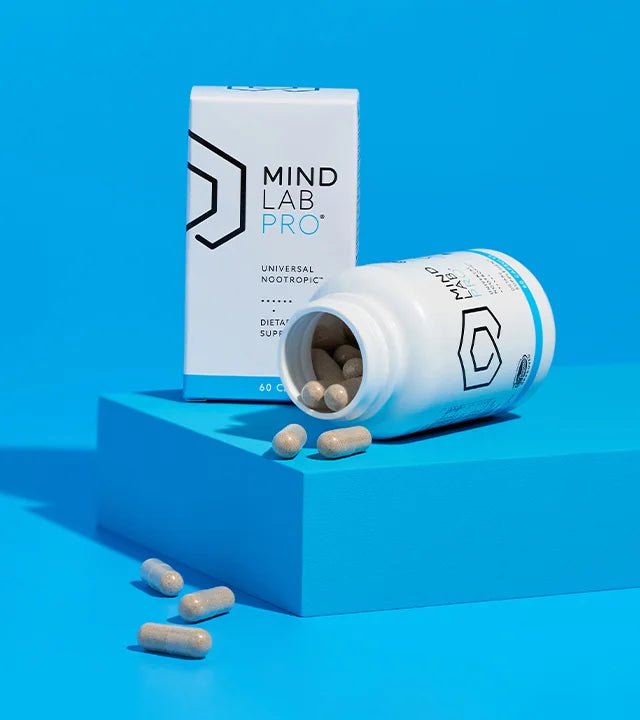
Mind Lab Pro® is not a general mushroom blend. It is a broader nootropic formula that includes Organic Lion’s Mane Mushroom alongside complementary nootropics that support focus, memory, mental clarity, brain energy, and stress resilience. It is the Best Lion’s Mane Supplement for cognitive uses.
Mind Lab Pro® includes:
- Citicoline 250 mg
- Phosphatidylserine 100 mg from sunflower lecithin
- Bacopa Monnieri 150 mg as full-spectrum extract, 24% bacosides, 9 bioactives
- Organic Lion’s Mane Mushroom 500 mg from mycelium and fruit
- Rhodiola Rosea 50 mg standardized to 3% rosavins and 1% salidrosides
- L-Theanine 100 mg
- N-Acetyl L-Tyrosine 175 mg
- Maritime Pine Bark Extract 75 mg standardized to 95% proanthocyanidins
- NutriGenesis® Vitamin B6 2.5 mg
- NutriGenesis® Vitamin B9 100 mcg
- NutriGenesis® Vitamin B12 7.5 mcg
Mind Lab Pro® is also caffeine-free, vegan-friendly, gluten-free, non-GMO, soy-free, synthetic additive-free, and made with plant-based NutriCaps®.
Mind Lab Pro® Research
In one double-blind, placebo-controlled study, healthy adults taking Mind Lab Pro® for 30 days showed improvements in information-processing tasks involving simple reaction time, choice reaction time, and anticipation. These results suggest potential support for focus, attention, quick thinking, and cognitive processing speed.(9)
A second double-blind, placebo-controlled study associated Mind Lab Pro® with improvements across memory measures in healthy adults, including auditory memory, visual memory, visual working memory, immediate recall, and delayed recall. These findings suggest potential support for several memory-related cognitive functions.(10)
A third study did not find significant cognitive performance benefits on testing, but EEG results suggested enhanced communication and coordination between brain regions, especially in slow-wave delta activity. Researchers suggested this may help explain some of the mental-sharpness benefits reported by users.(11)
Summary: Should You Take a Mushroom Supplement?
A mushroom supplement can be a smart addition to a wellness routine when it matches your goal, uses a quality extract, and fits your health status. Lion’s Mane may support cognitive function and brain health. Reishi may support calm resilience and immune balance. Cordyceps may support energy and stamina. Chaga may support antioxidant defense. Turkey Tail, Shiitake, and Maitake may support immune and gut-health pathways.
The key is choosing intentionally. Look for the right mushroom species, transparent dose, clear fruiting body or mycelium labeling, appropriate extract type, beta-glucan testing, and third-party quality checks. Avoid vague proprietary blends, exaggerated disease claims, and products that promise miracle results.
For general wellness, a functional mushroom supplement may make sense. For brain performance specifically, a broader nootropic formula that includes Lion’s Mane — such as Mind Lab Pro® — may offer a more complete strategy for memory, focus, mental clarity, brain energy, and stress resilience.
Related Reading
References
- Mori, K., Inatomi, S., Ouchi, K., Azumi, Y., & Tuchida, T. (2009). Improving effects of the mushroom Yamabushitake (Hericium erinaceus) on mild cognitive impairment: A double-blind placebo-controlled clinical trial. Phytotherapy Research, 23(3), 367-372. Link
- Docherty, S., Doughty, F. L., Smith, E. F., et al. (2023). The acute and chronic effects of Lion’s Mane mushroom supplementation on cognitive function, stress and mood in young adults: A double-blind, parallel groups, pilot study. Nutrients, 15(22), 4842. Link
- Zhao, H., Zhang, Q., Zhao, L., Huang, X., Wang, J., & Kang, X. (2012). Spore powder of Ganoderma lucidum improves cancer-related fatigue and quality of life in breast cancer patients undergoing endocrine therapy: A pilot clinical trial. Evidence-Based Complementary and Alternative Medicine, 2012, 809614. Link
- Hirsch, K. R., Smith-Ryan, A. E., Roelofs, E. J., Trexler, E. T., Mock, M. G., & Littlefield, L. A. (2017). Cordyceps militaris improves tolerance to high-intensity exercise after acute and chronic supplementation. Journal of Dietary Supplements, 14(1), 42-53. Link
- Lu, Y., Jia, Y., Xue, Z., Li, N., Liu, J., & Chen, H. (2021). Recent developments in Inonotus obliquus polysaccharides: Isolation, structural characteristics, biological activities and application. Polymers, 13(9), 1441. Link
- Pallav, K., Dowd, S. E., Villafuerte, J., Yang, X., Kabbani, T., Hansen, J., Dennis, M., Leffler, D. A., Newburg, D. S., Kelly, C. P., & Sikaroodi, M. (2014). Effects of polysaccharopeptide from Trametes versicolor and amoxicillin on the gut microbiome of healthy volunteers: A randomized clinical trial. Gut Microbes, 5(4), 458-467. Link
- Dai, X., Stanilka, J. M., Rowe, C. A., Esteves, E. A., Nieves, C., Spaiser, S. J., Christman, M. C., Langkamp-Henken, B., & Percival, S. S. (2015). Consuming Lentinula edodes (shiitake) mushrooms daily improves human immunity: A randomized dietary intervention in healthy young adults. Journal of the American College of Nutrition, 34(6), 478-487. Link
- Camilleri, E., et al. (2024). Unveiling the full spectrum of Maitake mushrooms: A comprehensive review of their potential health benefits and applications. Heliyon, 10(20), e39285. Link
- Utley, A., Gonzalez, Y., & Imboden, C. A. (2023). The efficacy of a nootropic supplement on information processing in adults: A double blind, placebo controlled study. Biomed J Sci & Tech Res, 49(1), 40297–40305. Link
- Abbott-Imboden, C., Gonzalez, Y., & Utley, A. (2023). Efficacy of the nootropic supplement Mind Lab Pro on memory in adults: Double blind, placebo-controlled study. Human Psychopharmacology: Clinical and Experimental, e2872. Link
- O’Reilly, D., Bolam, J., Delis, I., & Utley, A. (2025). Effect of a plant-based nootropic supplement on perceptual decision-making and brain network interdependencies: A randomised, double-blinded, and placebo-controlled study. Brain Sciences, 15(3), 226. Link