According to AARP research, 84% of adults over age 40 say maintaining or improving their brain health is very important. That widespread desire for better memory, sharper focus and sustained mental energy helps explain why some advanced nootropic users explore controversial compounds such as oxiracetam.
Oxiracetam is a synthetic member of the racetam family. It has been investigated as a nootropic drug for learning, memory and cognitive impairment, but it is not a natural supplement, is not approved by the FDA and has not been shown to enhance cognition in healthy young adults.
This guide explains what oxiracetam is, how it may affect glutamate and acetylcholine signaling, what human and animal research actually shows, its pharmacokinetics and historical doses, and why the compound’s cloudy regulatory status deserves caution. Let's get to it!
Key Takeaways
- Oxiracetam is a synthetic racetam compound structurally related to piracetam and aniracetam.
- It has been studied mainly in older patients with dementia, cognitive decline, stroke-related impairment and other neurological conditions—not healthy people seeking cognitive enhancement.
- Older studies reported modest or mixed cognitive benefits, while a recent large placebo-controlled trial did not find oxiracetam superior to placebo for preventing post-stroke cognitive impairment.
- Preclinical research suggests possible effects on glutamate, AMPA-related signaling, acetylcholine release, synaptic plasticity and memory formation.
- Historical research doses commonly ranged from 1,200 to 2,400 mg daily, but no FDA-approved or officially recommended consumer dose exists.
- Oxiracetam is not an approved dietary supplement or FDA-approved drug in the United States.
- Long-term safety, product purity and interactions in healthy nootropic users remain insufficiently established.
Disclaimer
This article is for educational purposes only and is not medical advice. Oxiracetam is an unapproved synthetic drug compound, not an ordinary dietary supplement. It is not intended to diagnose, treat, cure or prevent dementia, cognitive decline, stroke-related impairment or any other medical condition. Do not purchase or use oxiracetam without guidance from a qualified healthcare professional. Extra caution is warranted for people taking medication, those with neurological, psychiatric, kidney, liver or cardiovascular conditions, and anyone who is pregnant or breastfeeding.
Important Medical and Legal Context
Oxiracetam is frequently sold online in the language of supplements and nootropics, but that marketing can obscure an important distinction: it is a synthetic pharmaceutical compound rather than a vitamin, mineral, amino acid, herb or food-derived nutrient.
In the United States, oxiracetam is not an FDA-approved medication and does not have an accepted medical use. It is also not established as a lawful dietary-supplement ingredient.
In fact, FDA has recently cracked down on online nootropic sellers involved in distribution of racetams and other unapproved drug ingredients.(1)
That does not necessarily mean oxiracetam is scheduled like a controlled substance or that mere possession is prosecuted in the same way. Its status is better described as unapproved and legally cloudy. Selling it for human cognitive enhancement or medical use creates much more regulatory risk than simply discussing the compound in research.
Another problem is product quality. A published investigation of cognitive-enhancement supplements found unapproved pharmaceutical compounds in products marketed online, sometimes in combinations or quantities that were not clearly disclosed on the label.(2)
What Is Oxiracetam?

Oxiracetam is a synthetic nootropic compound also known chemically as 4-hydroxy-2-oxo-pyrrolidinoacetamide. It belongs to the racetam family, a group of small synthetic molecules that share a similar chemical structure, such as pramiracetam, piracetam and aniracetam.
Oxiracetam was developed after piracetam and aniracetam and differs from piracetam by the addition of a hydroxyl group. Oxiracetam is not found naturally in foods or the human body. It must be manufactured synthetically.
Racetams became associated with the modern concept of nootropics: compounds explored for their potential to support learning, memory, cognition or brain function without the classic profile of strong stimulants.
Research has investigated oxiracetam for:
- Several types of dementia, including Alzheimer's
- Post-stroke cognitive impairment
- Memory problems associated with other neurological issues
This research history is important because internet discussions often reposition oxiracetam as a "smart drug" for healthy students, professionals or biohackers. Human evidence in healthy individuals seeking better focus, memory or learning is extremely limited.
Did you know? Oxiracetam is sometimes described online as a “second-generation” racetam, but most of its human clinical research dates from the 1980s and early 1990s.
How Does Oxiracetam Work?
Oxiracetam does not have one fully established mechanism of action. Most explanations come from animal experiments, brain-tissue research and laboratory models rather than definitive human mechanism studies.
Glutamate and Related Signaling
Glutamate is the brain’s major excitatory neurotransmitter. It is heavily involved in learning, memory formation and synaptic plasticity—the ability of connections between neurons to strengthen or adapt. Oxiracetam has been described as influencing AMPA-related glutamate signaling. AMPA receptors help transmit rapid excitatory signals between brain cells and contribute to learning and memory.
Acetylcholine Release
Acetylcholine is another neurotransmitter closely involved in attention, learning and memory. In rat-brain experiments, oxiracetam appeared to increase the release of glutamate and acetylcholine in the hippocampus, a brain structure central to memory formation.(3) Another animal study found that oxiracetam countered cholinergic disruption in the brain and chemically induced amnesia.(3)
Synaptic Plasticity and Memory Formation
By influencing glutamate and acetylcholine signaling, oxiracetam may affect brain plasticity and the formation or retention of new memories. This may be related to animal studies linking Oxiracetam to learning, memory and protective effects against experimentally induced amnesia.
Psychostimulatory Effects
Oxiracetam has also been described as having mild psychostimulatory properties. Some users report alertness or mental energy, but these anecdotal effects are not equivalent to proven clinical outcomes. It should not be assumed to work like caffeine, prescription stimulants or ADHD medication.
Oxiracetam Research: What Do the Studies Show?
The oxiracetam evidence base is mixed and heavily weighted toward older adults with cognitive impairments. Some early trials reported beneficial effects, while others found little or no meaningful improvement.
Oxiracetam in Dementia
A multicenter, double-blind study evaluated 1,600 mg of oxiracetam daily—800 mg twice per day—for 12 weeks in patients with primary degenerative, multi-infarct or mixed dementia. Researchers reported improvements on some cognitive and behavioral measures compared with placebo, with generally acceptable short-term tolerability.(4)
One-Year Dementia Follow-Up
Another randomized, double-blind trial included 60 outpatients with mild-to-moderate Alzheimer-type or multi-infarct dementia. Participants received 800 mg twice daily or placebo for 90 days, followed by longer observation. The investigators reported changes in some cognitive and behavioral measures during oxiracetam treatment versus control group.(5)
A Negative Alzheimer’s Disease Trial
Not all research was positive. A separate placebo-controlled study concluded that oxiracetam was ineffective in reducing cognitive impairment caused by Alzheimer’s disease.(6) This negative finding is important because it shows that results were not consistent across dementia populations.
Recent Post-Stroke Cognitive Trial
A much newer multicenter, randomized, double-blind, placebo-controlled trial evaluated whether oxiracetam could prevent post-stroke cognitive impairment in 457 participants at elevated risk. Across the 36-week follow-up, oxiracetam did not demonstrate superior efficacy over placebo for preventing cognitive impairment. Cognitive scores were generally preserved or improved in both groups.(7)
Oxiracetam has been explored as a drug for cognitive impairment, but its effectiveness remains mixed, and there is currently little evidence for cognitive enhancement in healthy people.
Oxiracetam Dosage and Timing
There is no FDA-approved consumer dosage for oxiracetam.
Older clinical research commonly used:
- 800 mg twice daily: 1,600 mg per day
- 1,200–2,400 mg per day: divided into two or three doses
- Study periods: several weeks to several months
High doses should not be assumed to produce better results. They may instead increase risks and adverse effects, especially when product purity or kidney function is uncertain.
Oxiracetam Side Effects and Safety
Older clinical studies generally described oxiracetam as reasonably tolerated over limited treatment periods in supervised patients. That does not establish long-term safety for unsupervised use by healthy adults.
Potential adverse effects reported or discussed with racetam use include:
- Headache
- Restlessness
- Insomnia
- Nervousness
- Dizziness
- Digestive discomfort
- Nausea
- Changes in mood or stimulation
Unknowns include long-term effects, interactions, and overall safety. As always, avoid self-experimentation with oxiracetam and other racetams. Consult with your doctor first.
Should Oxiracetam Be Stacked With Choline?
Oxiracetam is frequently combined with a choline source in online nootropic communities. The theory is that increased cholinergic activity may raise demand for choline, while supplemental choline could support acetylcholine synthesis or reduce headaches. Commonly discussed choline sources include citicoline and alpha-GPC.
However, there is no strong clinical evidence establishing an optimal oxiracetam-and-choline stack in healthy adults. Adding compounds also makes it harder to determine which ingredient caused a benefit or adverse effect.
Mind Lab Pro®: A Legal Nootropic That Works

Oxiracetam is sometimes sought for memory, learning, mental energy and cognitive performance. But its mixed evidence, unapproved status and quality concerns make it a questionable first choice.
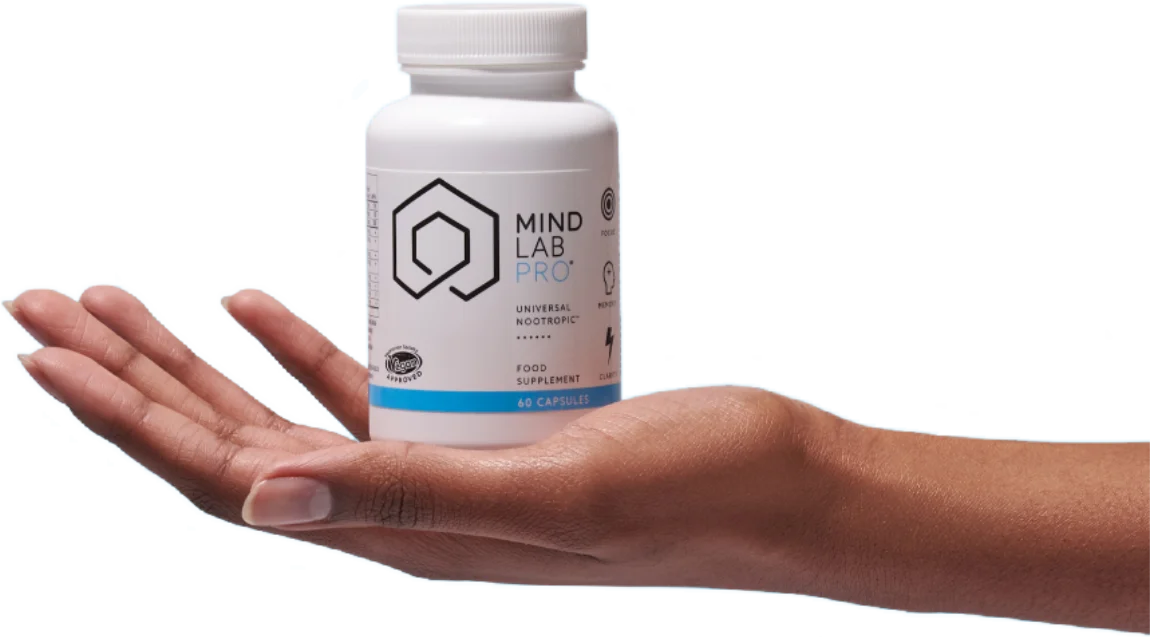
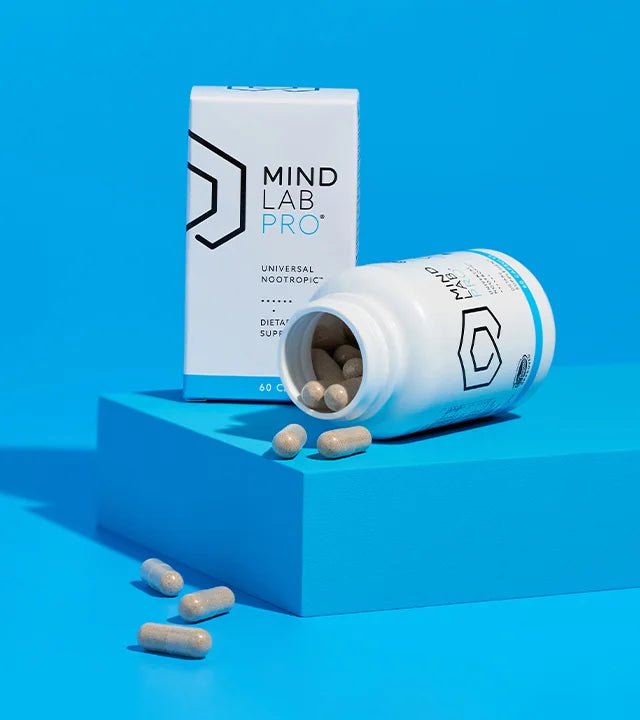
Mind Lab Pro® takes a different approach. It is a legal, caffeine-free, vegan-friendly nootropic supplement made with nutritional compounds, amino acids, herbs, vitamins and mushroom extracts.
It does not replicate oxiracetam, and should not be considered its equivalent or an alternative. Instead, it supports several of the same brain health and cognitive goals, designed for optimal results through multiple nutritional pathways.
Mind Lab Pro includes:
- Cognizin® Citicoline — 250 mg: supports acetylcholine synthesis, brain energy and cell-membrane formation.
- Phosphatidylserine — 100 mg: supports neuronal membranes, memory and cognitive function.
- Bacopa Monnieri — 150 mg: full-spectrum extract standardized to 24% bacosides with nine bioactives for memory and learning support.
- Organic Lion’s Mane Mushroom — 500 mg: fruit and mycelium for neurotrophic and brain-health support.
- Rhodiola Rosea — 50 mg: standardized to 3% rosavins and 1% salidrosides for stress resilience and mental performance.
- N-Acetyl L-Tyrosine — 175 mg: supplies a precursor for dopamine and norepinephrine.
- L-Theanine — 100 mg: supports calm concentration and relaxed alertness.
- Maritime Pine Bark Extract — 75 mg: standardized to 95% proanthocyanidins for antioxidant and cerebral-circulation support.
- NutriGenesis® Vitamin B6 — 2.5 mg: supports neurotransmitter and energy pathways.
- NutriGenesis® Vitamin B9 — 100 mcg: supports methylation and healthy brain chemistry.
- NutriGenesis® Vitamin B12 — 7.5 mcg: supports nervous-system health and energy metabolism.
Mind Lab Pro Research: Information Processing
In a double-blind, placebo-controlled study, adults taking Mind Lab Pro for 30 days showed improvements in information-processing measures, including simple reaction time, choice reaction time and anticipation. The findings suggest potential support for processing speed and quick cognitive responses.(8)
Mind Lab Pro Research: Memory
A second double-blind, placebo-controlled study assessed memory using the Wechsler Memory Scale. Participants taking Mind Lab Pro showed significant improvement across auditory memory, visual memory, visual working memory, immediate recall and delayed recall measures.(9)
Mind Lab Pro Research: Brain-Network Activity
A third human study used EEG during perceptual decision-making. Researchers reported changes suggesting enhanced coordination and communication between brain regions after Mind Lab Pro supplementation.(10)
Get the full story on Mind Lab Pro studies.
Mind Lab Pro is not a drug and is not intended to treat dementia, cognitive impairment or neurological disease. It cannot claim reduction of risk for any brain degeneration. It offers a more conventional nutritional approach for adults seeking overarching support for memory, focus, mental clarity and brain energy.
Frequently Asked Questions
What is oxiracetam used for?
Oxiracetam has primarily been studied as a pharmaceutical compound for dementia, forgetfullness behavior, cognitive decline and other forms of cognitive impairment. It is also used experimentally by some nootropic users, although evidence for cognitive enhancement in healthy individuals is lacking.
Is oxiracetam a stimulant?
Oxiracetam has been described as having mild psychostimulatory effects, but it is not a traditional stimulant like caffeine, amphetamine or methylphenidate.
Does oxiracetam improve memory?
Some older studies in patients with cognitive impairment reported modest memory or behavioral benefits. Other trials were negative, and there is no convincing evidence that it improves memory in healthy young adults.
Is oxiracetam legal in the United States?
Oxiracetam is not FDA-approved and is not an accepted dietary-supplement ingredient. Its status is legally cloudy, and selling it for human consumption or medical use may violate federal drug laws.
What is oxiracetam’s half-life?
Older pharmacokinetic research reported a half-life of approximately three to six hours in physically healthy elderly patients, although elimination may be much longer in people with impaired kidney function.
Does oxiracetam need a choline source?
Online users often combine oxiracetam with citicoline or alpha-GPC, but clinical research has not established that a choline stack is necessary or optimal for healthy users.
Is oxiracetam better than piracetam?
Some older research and preclinical comparisons suggest oxiracetam may be more potent in certain experimental settings. That does not establish superior cognitive enhancement, safety or practical value in healthy humans.
Summary: Is Oxiracetam Worth Taking?
Oxiracetam is an interesting chapter in nootropic history. It is a synthetic racetam that may exert influence over glutamate, acetylcholine, synaptic plasticity and memory-related signaling.
Older clinical studies reported modest benefits in some patients with dementia or cognitive decline. But findings were inconsistent, one Alzheimer’s trial was negative, and a recent large placebo-controlled study did not find oxiracetam superior to placebo for preventing post-stroke cognitive impairment.
There is also no convincing evidence that oxiracetam improves cognition in healthy young adults.
Its regulatory status creates another layer of concern. Oxiracetam is not FDA-approved, is not a normal dietary supplement and may be sold through sources with uncertain purity, concentration and quality control.
For advanced nootropic users, the mechanisms may be intriguing. But the practical case for unsupervised use is weak, and experimenting with it warrants careful evaluation and caution. More conventional nutritional nootropics offer a lower-risk way to support memory, learning, attention and mental energy without relying on an unapproved pharmaceutical compound.
References
- U.S. Food and Drug Administration. (2024). Arizona company and CEO sentenced for illegal distribution of tianeptine and other drugs. U.S. Food and Drug Administration. Link
- Cohen, P. A., Avula, B., Wang, Y. H., Katragunta, K., Khan, I., & Cohen, A. (2021). Five unapproved drugs found in cognitive enhancement supplements. Neurology: Clinical Practice, 11(3), e303-e307. Link
- Belfiore, P., Ponzio, F., Biagetti, R., Berettera, C., Magnani, M., & Pozzi, O. (1992). Oxiracetam prevents the hippocampal cholinergic hypofunction induced by the NMDA receptor blocker AP7. Neuroscience Letters, 143(1-2), 127-130. Link
- Bottini, G., et al. (1992). Oxiracetam in dementia: A double-blind, placebo-controlled study. Acta Neurologica Scandinavica, 86(3), 237-241. Link
- Villardita, C. (1992). Clinical studies with oxiracetam in patients with dementia of Alzheimer type and multi-infarct dementia of mild to moderate degree. Neuropsychobiology, 25(1), 24-28. Link
- Green, R. C., et al. (1992). Treatment trial of oxiracetam in Alzheimer’s disease. Archives of Neurology, 49(11), 1135-1136. Link
- Lim, J. S., et al. (2025). Oxiracetam and physical activity in preventing cognitive impairment after stroke: A multicenter randomized controlled trial. Journal of Stroke. Link
- Utley, A., Gonzalez, Y., & Imboden, C. A. (2023). The efficacy of a nootropic supplement on information processing in adults: A double blind, placebo controlled study. Biomedical Journal of Scientific & Technical Research, 49(1). Link
- Abbott-Imboden, C., Gonzalez, Y., & Utley, A. (2023). Efficacy of the nootropic supplement Mind Lab Pro on memory in adults: Double blind, placebo-controlled study. Human Psychopharmacology: Clinical and Experimental, e2872. Link
- O’Reilly, D., Bolam, J., Delis, I., & Utley, A. (2025). Neural mechanisms of cognitive enhancement with a nootropic supplement. Brain Sciences, 15(3), 226. Link