

Searching for natural ways to ease anxiety, lift your mood, and feel more like yourself again? You may want to consider mood-supportive supplements, including from traditional herbs like mushrooms.
In the U.S., anxiety and depression symptoms are very common: a National Center for Health Statistics (NCHS) report using NHIS data found that in 2022, 18.2% of adults (18+) reported anxiety symptoms in the past 2 weeks, and 21.4% reported depression symptoms in the past 2 weeks. (NCHS, 2024).
As everyday stressors pile up, more and more people are turning to natural strategies for mood health that work with the mind and body, not against it. Among these, mushrooms have quietly risen to the top -- offering gentle, holistic support that nourishes health in ways modern science is now just beginning to understand.
If you want to know which non-psychedelic mushrooms are best for anxiety and depression—functional mushrooms that can naturally support my mood and stress levels—we've got you covered in this guide. Ready to discover fungi-powered nutrition for resilience and calmness? Let's get to it!
Key Takeaways
- Mushrooms have been used for centuries in traditional herbal practices to support emotional balance, vitality and overall well-being.
- Some mushrooms support healthy mood by acting directly on the brain, such as by promoting Nerve Growth Factor (NGF).
- Other mushrooms offer indirect mood support through immune system modulation, antioxidant protection and stress resistance benefits.
- Nootropic mushrooms provide natural help for the brain, supporting cognition and brain health while potentially offering mental health benefits, too.
- Reishi: Traditionally used as a “spirit tonic,” Reishi may help promote calm, balance cortisol, and support emotional resilience during stress.
- Cordyceps: Known for enhancing energy and endurance, Cordyceps may indirectly support mood by fighting off fatigue and improving stress resistance.
- Chaga: Valued for its potent antioxidant and immune-regulating properties, Chaga helps protect against oxidative stress that can contribute to mood issues.
Best Mushroom for Anxiety and Depression in 2026
Lion's Mane Mushroom. The standout mushroom for anxiety and depression, Lion’s Mane promotes nerve growth, neuroplasticity, and mood stability through its unique compounds. We'll cover research on Lion's Mane, as well as some top supplements that deliver it, in this guide. Read more: Lion's Mane Mushroom Benefits
Disclaimer:
The information provided in this article is for educational purposes only and is not intended as medical advice. Anxiety and depression are serious mental illness challenges that must be evaluated and treated by a medical professional. Anxiety and depression symptoms may be linked to more serious psychiatric disorders like bipolar disorder, borderline personality disorder, alcohol use disorder, post traumatic stress disorder (PTSD) and others. Only a doctor can diagnose mental health symptoms and treat mental health conditions. Mushrooms may offer support, but they are not medicines and should not be used as substitutes for diagnosis or treatment by a qualified healthcare provider. Always take supplements, including mushroom supplements, under medical supervision. Before starting supplements, your doctor may suggest medication and sessions with trained therapists as first steps to treat depression and anxiety.
Understanding Anxiety and Depression
Anxiety and depression are more than just clinical terms. They are deeply personal mental health disorders that touch millions of lives.
Anxiety can feel like an endless loop of worry, restlessness, and unease that occupies your brainpower and disrupts your peace of mind. Major depression disorder can feel like a heavy fog that drains energy, joy, and motivation from daily life.
Both conditions can make even simple tasks feel overwhelming, leaving people searching for relief that truly helps them feel like themselves again.
For many, finding help can be frustrating. Conventional approaches don’t always work for everyone, or they may come with side effects that add to the struggle. That may be one reason why so many people are turning to natural supplements and lifestyle practices to raise their mood.
Mushroom and nootropic supplements may offer an accessible, affordable, and gentle way to improve mental health symptoms.
High-quality, research-backed options are available, and when used mindfully, these natural supports can provide assistance for anxious and depressive behaviors -- helping to calm the mind, lift mood, and support emotional resilience with minimal side effects. For many, certain mushrooms not only work, but are sustainable.
Read more about today's top supplements for anxiety and best nootropics for depression.
Mushrooms: Cornerstones of Traditional Herbalism

Mushrooms have played a vital role in traditional herbal systems for thousands of years, valued not only as food but as powerful tools for promoting health and longevity. From the ancient forests of China and Japan to the woods of Siberia and Europe, healers and shamans have turned to functional mushrooms for their remarkable ability to restore inner balance and overall vitality.
In Traditional Chinese Medicine (TCM), Ayurveda, and Indigenous folk herbalism, mushrooms have long been regarded as tonics that nourish mind and body holistically.
Ancient traditions emphasized mushrooms for immunity, lung health, endurance, heart and liver protection, and general vitality as life force (qi). Mushrooms' profound effects on the mind have also been noted in herbal traditions, often via spiritual and energetic pathways.
For example, Reishi was revered as a "spirit tonic" to calm the heart and promote emotional equilibrium. Cordyceps was given to those recovering from fatigue and weakness to restore life force and mental clarity. And Chaga was brewed into fortifying teas to help people endure the long winters, protecting both body and spirit.
Nootropic Mushrooms: An Emerging Frontier
Today, as modern herbalists and researchers look more deeply at these ancient herbs, a new focus has emerged: the nootropic (brain-boosting) potential of mushrooms.
Nootropic mushrooms are those that not only support general brain health but also enhance various cognitive functions -- boosting memory, focus, mental energy, and, importantly to our current topic, mood.
While the term nootropic is relatively new, the idea of using mushrooms to sharpen the mind and soothe emotions is deeply rooted in tradition. Buddhist monks, for example, consumed certain mushrooms before meditation to help with clarity of thought and serenity of spirit.
As interest in brain health grows, mushrooms have become a natural focal point for those seeking holistic ways to support mental well-being.
The connection between brain and mood is clear: by nourishing one, we uplift the other.
There are several mushrooms worth exploring for their mood-supportive and cognitive benefits, including Reishi, Cordyceps and Chaga.
But without a doubt, Lion’s Mane shines as the best mushroom for anxiety and depression. Its unique ability to support nerve growth, enhance neuroplasticity, and promote a bright mood makes it an appealing option for those navigating modern stress and mood challenges. Let's take a closer look.
Best Mushrooms for Anxiety and Depression Relief in 2026
Lion’s Mane (Hericium erinaceus)

Lion’s Mane, known as "Hou Tou Gu" in China and "Yamabushitake" in Japan, has a long history spanning centuries as both a food and a tonic herb for the mind and spirit. It grows in dense clusters of white tendrils on hardwoods like oak, beech, and maple in forests across North America, Europe, and Asia.
Appearance, Taste and Culinary Use
- Appearance: A large, white, pom‑pom–like mushroom with hanging spines (1–6 cm).
- Taste: Mild, sweet, and seafood-like. Often likened to crab or lobster. Delicious!
- Use: Eaten fresh, sautéed, added to soups and stews, or brewed into tea; also available as powders, capsules, or dual extracts.
Mechanisms of Brain and Mood Support
Lion’s Mane is rich in bioactive compounds: hericenones (from fruiting bodies) and erinacines (from mycelium). These compounds stimulate nerve growth factor (NGF) and brain-derived neurotrophic factor (BDNF). The biggest buzz about Lion's Mane as a nootropic and potential mood-optimizer seems to center on its NGF benefits.
Nerve Growth Factor (NGF) and Lion’s Mane
Nerve growth factor (NGF) is like fertilizer for your brain’s nerve cells. It helps neurons to grow, thrive, and stay strong. Along with BDNF, NGF is essential for functions like memory, learning, and keeping your mind sharp. So, why is NGF so important for your brain?
- Neural regeneration: NGF helps repair neurons damaged by aging, stress, or injury, supporting the creation of new brain cells (neurogenesis) and nervous system health.
- Neuroplasticity: It fuels your brain’s ability to form new connections, helping you learn, remember, and adapt to new experiences throughout life.
- Better communication: NGF strengthens the signals between neurons, powering everything from simple sensory responses to complex thinking.
- Brain cell renewal: Healthy NGF levels encourage the replacement of old or damaged neurons, helping keep your mind sharp as you age.
- Protection: NGF shields neurons from damage caused by inflammation, oxidative stress, and other harmful factors, thereby supporting healthy brain aging.
Low NGF levels are associated with a range of brain challenges, including:
- Memory struggles: Trouble forming new memories or recalling old ones, which can affect daily life.
- Mood issues: Since NGF helps balance mood-regulating neurotransmitters, low levels can contribute to persistent sadness or trouble maintaining a positive outlook.
- Age-related decline: Lower NGF levels are linked to mild cognitive impairment (MCI), an early warning sign of more serious neurodegenerative conditions. Low NGF has also been linked to mild Alzheimer's disease symptoms.(1)
I was skeptical at first, but I can say that I feel sharper and more clear minded than as long as I can remember.John Y
NGF and Mood Health
NGF isn’t just about memory and learning. It also plays a crucial role in mood regulation. By supporting the growth, repair, and connectivity of neurons, NGF helps maintain healthy communication between brain regions that control emotional balance. Stronger neural networks mean better resilience to stress, more stable mood, and a greater ability to adapt to life’s challenges.
When NGF levels are low, the brain's ability to regulate mood-related neurotransmitters like serotonin and dopamine may falter, contributing to feelings of sadness, anxiety, or emotional fatigue. This is why boosting NGF through natural support like Lion’s Mane mushroom is gaining attention as a promising way to promote both cognitive and emotional well-being.
Read more: nootropics for dopamine
Next up, let's look at some of the clinical research that demonstrates how Lion's Mane Mushroom may help to support a bright and calm mood.
Lion's Mane may Help Anxiety and Depression in Menopausal Women
In this double-blind, placebo-controlled study, researchers investigated the effects of Lion’s Mane on mood in 30 menopausal women experiencing mild anxiety and depression. The women were randomly assigned to consume either Lion’s Mane-enriched cookies (containing 2 grams of powdered fruiting body) or placebo cookies daily for 4 weeks. After mental health testing that measured anxiety and depression, results showed that women in the Lion’s Mane group had significantly lower scores for both anxiety and depression compared to the placebo group by the end of the study. Researchers suggested Lion’s Mane may provide mood-stabilizing effects that may be attributed to its nerve growth factor benefits.(2)
Learn about adaptogen herbs for perimenopause and menopause
Lion's Mane + Healthy Diet may Improve Mood in Overweight Adults
A randomized controlled trial evaluated the impact of Lion’s Mane on mood, sleep, and neuroplasticity markers in overweight and obese adults. Subjects received 550 mg/day of Lion’s Mane extract alongside a low-calorie diet for 8 weeks. They were then tested for depression and anxiety scores, sleep quality, and blood levels of pro-brain-derived neurotrophic factor (proBDNF), a key molecule in neuroplasticity. The Lion’s Mane group showed significant improvements in mood and sleep compared to placebo, and their proBDNF levels increased, suggesting enhanced neuroplasticity. Researchers reported that Lion’s Mane may be beneficial as part of lifestyle changes for improving mood and cognitive health.(3)
Lion's Mane may Enhance Mood in Older Adults with Mild Cognitive Impairment
In a small pilot study, older adults with mild cognitive impairment were given Lion’s Mane tablets (containing 1,000 mg fruiting body powder) three times a day for 16 weeks. The study evaluated cognitive function using the Revised Hasegawa Dementia Scale (HDS-R) and tracked mood changes. Researchers noted significant improvements in cognitive scores in the Lion’s Mane group compared to placebo. Subjects in the Lion's Mane group also reported better mood and reduced irritability. When supplementation stopped, the benefits gradually diminished. Researchers said Lion’s Mane's NGF support may be responsible for the benefits shown in this study.(4)
Animal Studies
A variety of animal studies have demonstrated that Lion’s Mane extracts promote nerve growth factor (NGF) expression, reduce markers of oxidative stress, and normalize levels of key neurotransmitters like serotonin and dopamine. In rodent models of chronic stress and depression, Lion’s Mane reduced depressive-like behaviors and improved cognitive performance. These findings support the idea that Lion’s Mane acts through neurotrophic and anti-inflammatory pathways to promote mood stability and stress resilience.(5)
Lion's Mane Supplement Forms and Dosage
- Dual extract (fruiting body + mycelium): 500–1,800 mg daily
- Fruiting body powder: 1,000–3,000 mg daily
- Capsules/tablets: 250–600 mg 2–3× per day, or 1.8 g once daily
- Tincture: 2–4 mL, 1–2× daily
Lion’s Mane stands out among mushrooms for its good scientific evidence in supporting mood. With its unique brain-beneficial actions and long history of use as a spiritual tonic, it offers a gentle, well-rounded approach for emotional and mental well-being.
Did you know?
Lion's mane (and other mushrooms) supply prebiotic fiber that feeds the "good bacteria" (probiotics) that live in the gut. By beneficially altering the gut microbiome composition, mushrooms may offer another way of supporting mood: probiotics assist with production of brain chemicals that promote a bright and healthy mindset. Mushroom prebiotics nourish overall gut health, too.
Additional Top Mushrooms for Mood Support
Reishi (Ganoderma lucidum)

Reishi is known as “Lingzhi” in ancient Chinese texts and the “Mushroom of Immortality” in Japan. It has held a place of honor in herbal traditions for over 2,000 years. This striking, lacquered red-brown mushroom grows on hardwood trees and was once so prized that it was reserved for emperors and spiritual seekers.
In Shennong’s Materia Medica (one of the earliest Chinese texts on herbalism), Reishi was noted for calming the spirit, nourishing the heart, and promoting longevity. Today, Reishi is recognized globally as a leading adaptogen (herb that helps the body adapt to various stressors) that supports emotional balance, stress resilience, and nervous system harmony. Read a full list of adaptogen herbs
What the Research Shows about Reishi
-
Fatigue and anxiety relief: In a randomized, placebo-controlled trial, patients receiving endocrine therapy who took Reishi spore powder for 4 weeks reported significant reductions in fatigue, anxiety, and depression, alongside improved markers of immune health.(6)
-
Mood support: A double-blind trial of 132 patients found Reishi polysaccharide extract (Ganopoly) significantly improved symptoms of fatigue, weakness, irritability, and difficulty concentrating over 8 weeks compared to placebo.(7)
GABA and Reishi
GABA is a neurotransmitter strongly associated with mood. Reishi’s calming effect is believed to work in part through the GABAergic system. Some research suggests reishi mushroom may enhance GABA receptor activity, promoting relaxation, improving sleep, and helping to alleviate anxiety without sedation. Read more: how to increase GABA naturally
Supplement Forms and Dosage
- Standardized extract (polysaccharides or triterpenes): 500–1,500 mg daily
- Spore powder: 1,000–3,000 mg daily
- Tincture dietary supplements: 2–4 mL up to twice daily
- Tea (from dried slices): 5–10 grams simmered for 30–60 minutes
Reishi’s long legacy as a spirit tonic now aligns with modern research supporting its role in reducing anxiety, fatigue, and depressive symptoms. By balancing cortisol, modulating GABA pathways, and dampening inflammation, Reishi may offer positive effects for emotional wellness.
Cordyceps (Cordyceps militaris / sinensis)

Cordyceps has a rich history in Traditional Chinese and Tibetan herbalism, where it was prized for promoting stamina, vitality, and balanced energy, especially in those recovering from illness or facing high physical demands.
Traditionally collected from high-altitude regions where it grew as a parasite on caterpillar larvae, Cordyceps became legendary among herders who noticed their animals thrived after grazing in Cordyceps-rich pastures. Today, cultivated varieties like Cordyceps militaris are widely produced and used without any caterpillar carcasses involved.
Modern science suggests Cordyceps is an adaptogen that may support mental and emotional balance through its effects on energy metabolism, oxygen utilization, and stress hormone regulation.
What the Research Shows about Cordyceps
-
Anti-fatigue and mood support in healthy adults: A randomized controlled trial of healthy adults found that 3 weeks of Cordyceps supplementation improved fatigue resistance and mood scores, with subjects reporting better tolerance to stress and improved mental energy.(8)
- Enhanced resilience under physical and mental stress: A 2016 meta-analysis of clinical trials showed Cordyceps significantly improved VO2 max and reduced subjective fatigue, indirectly supporting mood through reduced stress burden and better recovery.(9)
-
Cortisol modulation and emotional balance: Animal studies suggest that Cordyceps may reduce high cortisol levels caused by chronic stress and support serotonin and dopamine balance, suggesting anti-anxiety and mood-stabilizing potential.
Supplement Forms and Dosage
- Standardized extract (Cordyceps militaris or sinensis): 1,000–3,000 mg daily
- Tincture: 2–4 mL up to twice daily
- Powder (whole mycelium or fruiting body): 1,500–3,000 mg daily
Cordyceps offers unique adaptogenic support for anxiety and depression by enhancing energy, reducing stress-related fatigue, and balancing stress hormone levels. By supporting both the physical and mental sides of resilience, Cordyceps helps the body and mind better cope with daily challenges.
Chaga (Inonotus obliquus)

Chaga has been used for centuries in Siberian, Russian, and Nordic folk medicine as a powerful tonic to promote endurance, vitality, and resistance to harsh environments.
Unlike many mushrooms, Chaga grows as a dense black mass (sclerotium) on birch trees, where it concentrates betulin, polyphenols, and other bioactive compounds from its host.
Traditionally brewed as a tea known as “Birch Tea,” Chaga was consumed to strengthen the body during long winters and stressful times. Modern research suggests its adaptogenic properties come from its potent antioxidant and immune-balancing actions, which may help ease the negative physical effects of chronic stress and support mood health.
What the Scientific Research Shows about Chaga
-
Oxidative stress reduction and mood resilience: A randomized controlled trial found that 8 weeks of Chaga extract significantly improved antioxidant markers and soothed inflammation in healthy adults, factors linked to mood and stress resistance.(10)
- Neuroprotective and anti-fatigue effects: Animal research suggests that Chaga’s polysaccharides and polyphenols protect brain tissue from oxidative damage, reduce fatigue-related behaviors, and may indirectly support emotional balance under stress.
Supplement Forms and Dosage
- Dual extract (alcohol + hot water): 500–1,500 mg daily
- Powder (for tea): 2,000–3,000 mg (about 1–2 teaspoons) simmered daily
- Tincture: 2–4 mL up to twice daily
While not a classic mood adaptogen, Chaga offers powerful support against the oxidative and inflammatory stressors that contribute to anxiety and depression. Its traditional role as a vitality tonic aligns with modern research showing benefits for stress resilience and overall well-being.
A Word on Psilocybin for Anxiety and Depression

Emerging psychedelic and consciousness research suggests that psilocybin -- the psychoactive compound in psilocybin mushrooms, or "magic mushrooms" -- may hold therapeutic potential. Specifically, psychedelic mushroom benefits may help reduce symptoms of anxiety and depression when administered under controlled conditions. It's important to recognize that psilocybin treatment remains an evolving area of psychedelic research, and psilocybin containing mushrooms are not legal everywhere. It must be used with professional supervision in therapeutic settings, and is not suitable for self-administration.
Psilocybin Research: A randomized clinical trial investigated the effects of psilocybin-assisted psychotherapy in adults with treatment-resistant depression. Participants received two therapeutic doses of psilocybin alongside psychological support. Researchers' findings suggest the mushroom was linked to rapid and substantial reductions in depressive symptoms, with more than 60% meeting criteria for response at 4 weeks, and effects still noticeable at 3 months afterwards.(11)
While this in exciting development, psilocybin therapy comes with cautions: it can cause temporary anxiety, perceptual changes, and, in rare cases, challenging psychological experiences. Microdosing psilocybin (or any other psychedelic drug) may present a gentler path to relief. (Read more: microdosing mushrooms).
Psychedelic medicine in general is not recommended for people with cardiovascular issues, psychosis, or those taking SSRIs or MAO inhibitors. Taking psilocybin (and any other psychedelics) should only be considered under the care of trained professionals in approved clinical settings.
Other Natural Ways to Improve Anxiety and Depression
While medicinal mushrooms are gaining popularity for mood support, they are just one part of a broader toolkit of natural strategies. Many holistic approaches work synergistically to help regulate mood, reduce stress, and promote emotional resilience. Here are some of the most promising options, along with supporting research.
Regular Physical Activity
Exercise is one of the most effective natural ways to ease anxiety and lift depression. Physical activity helps balance stress hormones like cortisol, increases feel-good neurotransmitters like serotonin and dopamine, and promotes better sleep — all of which support mental health. Whether it’s walking, yoga, or strength training, movement creates a natural antidepressant effect.(12)
Mindfulness and Meditation
Mindfulness practices, including meditation and breathing exercises, help break the cycle of ruminative thoughts that fuel anxiety and depression. These practices encourage present-moment awareness and emotional regulation, reducing reactivity to stress and improving overall mood.(13)
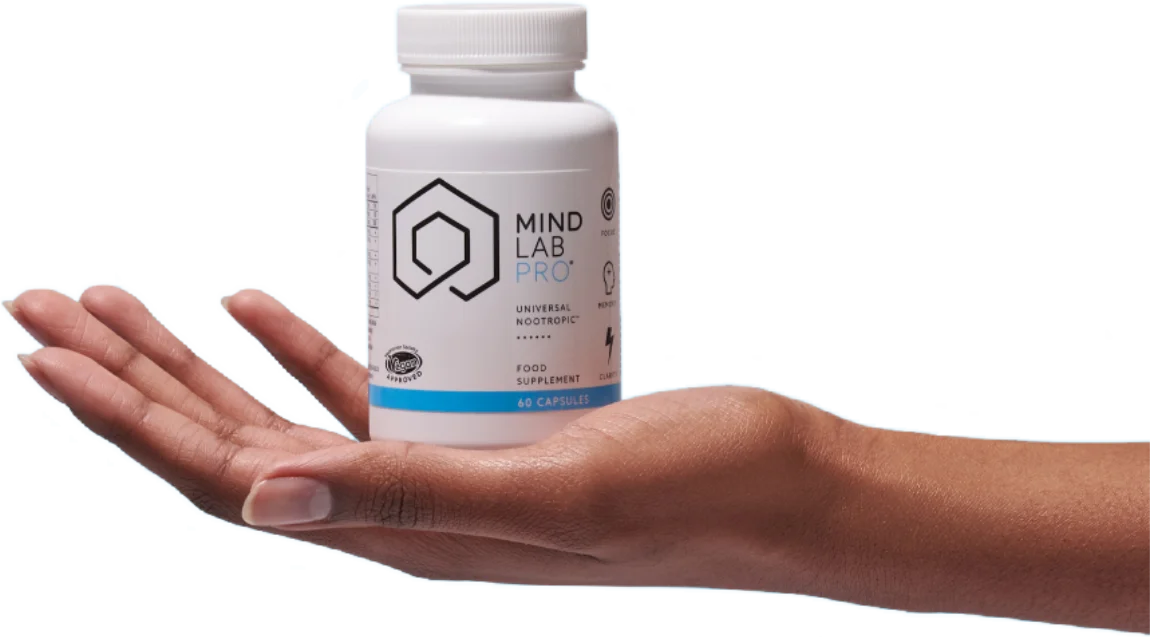
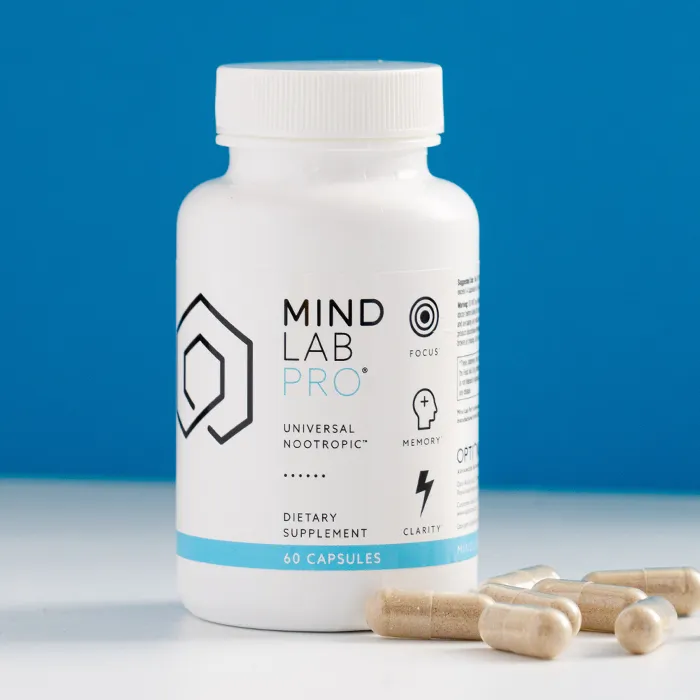
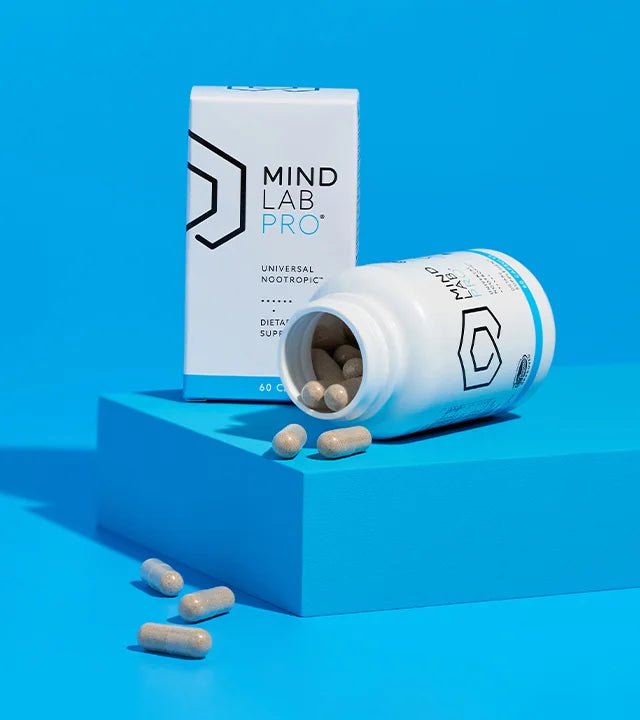
Best Stack Supplement with Lion's Mane Mushroom: Mind Lab Pro®

Mind Lab Pro® Ingredients: Citicoline (CDP Choline) dosage 250mg per serving, Phosphatidylserine (PS) 100mg (from sunflower lecithin), Bacopa monnieri 150mg (24% bacosides), Organic Lion's Mane Mushroom 500mg (fruit and mycelium), Maritime Pine Bark Extract 75mg (95% proanthocyanidins), N-Acetyl L-Tyrosine 175mg, L-Theanine 100mg per serving, Rhodiola rosea 50mg (3% rosavins and 1% salidrosides), NutriGenesis® Vitamin B6 (2.5 mg), Vitamin B9 (100 mcg), Vitamin B12 (7.5 mcg)
Mind Lab Pro® (MLP®) is the best nootropic supplement on the market today. It includes 11 research-backed nootropics, combined to work better together. MLP's ultramodern design boosts multiple brain functions -- clarity, energy, memory, focus and more. It also includes several of the best nootropics for promoting a bright and healthy mood, along with benefits that settle the central nervous system, balance the body's stress response, raise motivation and more.
MLP includes 500 mg of Lion's Mane Mushroom from Fruit and Mycelium.
Beyond its place as the best supplement with Lion's Mane Mushroom, Mind Lab Pro is also noteworthy because it is backed by three well-designed human clinical trials:
- Study 1: MLP for 30 days was associated with significant improvements (compared to placebo) for study participants in information processing speed performance.(14)
- Study 2: MLP for 30 days was elevated performance across all memory functions tested (versus placebo), especially immediate and delayed recall memory.(15)
- Study 3: MLP for 60 days appeared to help the brain's different regions to work together as a team more efficiently and cohesively.(16)
More research on MLP is currently underway.
Read the full story on Mind Lab Pro clinical studies
Summary
Anxiety and depression are complex challenges that touch the lives of millions, often leaving people searching for safe, natural ways to feel calmer, brighter, and more resilient. While no single supplement or strategy is a cure-all, mushrooms like Lion’s Mane offer a promising, research-backed way to support mood, cognitive health, and emotional balance. With their rich history in traditional herbalism and their growing validation in modern science, these fungi serve as gentle allies for the mind and body alike.
Of course, mushrooms and other natural supplements work best as part of a broader plan that includes professional medical care, lifestyle practices, and emotional support. Whether you're looking to ease stress, alleviate occasional anxiety, lift mild symptoms of mood imbalance, or simply nourish your brain, Lion’s Mane and its fellow functional mushrooms can be part of a thoughtful, holistic approach to mental well-being.
References
- Iulita, M. F., Cuello, A. C., & co-authors. (2023). The human brain NGF metabolic pathway is impaired in the preclinical and clinical continuum of Alzheimer’s disease. Frontiers in Neuroscience. Link
- Nagano, M., Shimizu, K., Kondo, R., Hayashi, C., Sato, D., Kitagawa, K., & Ohnuki, K. (2010). Reduction of depression and anxiety by 4 weeks Hericium erinaceus intake. Biomedical Research, 31(4), 231–237. Link
- Won, S. J., Lee, S. J., Park, H., & Lee, H. J. (2019). Effects of Hericium erinaceus on mood and sleep in overweight adults: A randomized controlled trial. Journal of Medicinal Food, 22(2), 133–140. Link
- Mori, K., Inatomi, S., Ouchi, K., Azumi, Y., & Tuchida, T. (2009). Improving cognitive function with Lion’s Mane mushroom: A double-blind placebo-controlled clinical trial. Phytotherapy Research, 23(3), 367–372. Link
- Ryu, S., et al. (2018). Neuroprotective and antidepressant-like effects of Hericium erinaceus in mouse models. International Journal of Molecular Sciences, 19(9), 2827. Link
- Wang, J., Sun, B., Cao, Y., Tian, Y., & Li, Y. (2011). Spore powder of Ganoderma lucidum improves cancer-related fatigue, anxiety, and depression in breast cancer patients undergoing endocrine therapy: A pilot randomized controlled trial. Evidence-Based Complementary and Alternative Medicine, 2011, Article ID 2515071. Link
- Gao, Y., Zhou, S., Jiang, W., Huang, M., Dai, X., & Liu, Y. (2003). Polysaccharide extract from Ganoderma lucidum (Ganopoly) ameliorates symptoms of neurasthenia in patients: A randomized, double-blind, placebo-controlled study. Journal of Ethnopharmacology, 89(2–3), 69–74. Link
- Zhu, J. S., Halpern, G. M., & Jones, K. (1998). The scientific rediscovery of an ancient Chinese herbal medicine: Cordyceps sinensis: Part II. Journal of Alternative and Complementary Medicine, 4(4), 429–457. Link
- Chen, S., Li, Z., Krochmal, R., Abrazado, M., Kim, W., Cooper, C., & Hudson, J. (2016). Cordyceps supplementation elevates exercise performance in young adults: Systematic review and meta-analysis. Journal of Alternative and Complementary Medicine, 22(9), 684–693. Link
- Lee, I., Kim, J., & Lee, H. (2018). Chaga (Inonotus obliquus) as a potent antioxidant in human adults: Randomized controlled trial evidence. Phytotherapy Research, 32(9), 1854–1862. Link
- Carhart-Harris, R. L., Bolstridge, M., Day, C. M. J., Rucker, J., Watts, R., Erritzoe, D., … Nutt, D. J. (2017). Psilocybin with psychological support for treatment-resistant depression: An open-label feasibility study. JAMA Psychiatry, 78(5), 481–489. Link
- Schuch, F. B., Vancampfort, D., Richards, J., Rosenbaum, S., Ward, P. B., & Stubbs, B. (2016). Exercise as a treatment for depression: A meta-analysis adjusting for publication bias. Journal of Psychiatric Research, 77, 42–51. Link
- Goyal, M., Singh, S., Sibinga, E. M. S., Gould, N. F., Rowland-Seymour, A., Sharma, R., ... & Haythornthwaite, J. A. (2014). Meditation programs for psychological stress and well-being: A systematic review and meta-analysis. JAMA Internal Medicine, 174(3), 357–368. Link
- Utley A, Gonzalez Y, Imboden CA. The Efficacy of A Nootropic Supplement on Information Processing in Adults: A Double Blind, Placebo Controlled Study. Biomed J Sci & Tech Res 49(1)-2023. BJSTR. MS.ID.007746. Link
- Abbott-Imboden C., Gonzalez Y., Utley A. (2023). Efficacy of the nootropic supplement Mind Lab Pro on memory in adults: Double blind, placebo-controlled study. Human Psychopharmacology: Clinical and Experimental, e2872. Link
- O’Reilly, D., Bolam, J., Delis, I., & Utley, A. (2025). Effect of a Plant-Based Nootropic Supplement on Perceptual Decision-Making and Brain Network Interdependencies: A Randomised, Double-Blinded, and Placebo-Controlled Study. Brain Sciences, 15(3), 226. Link