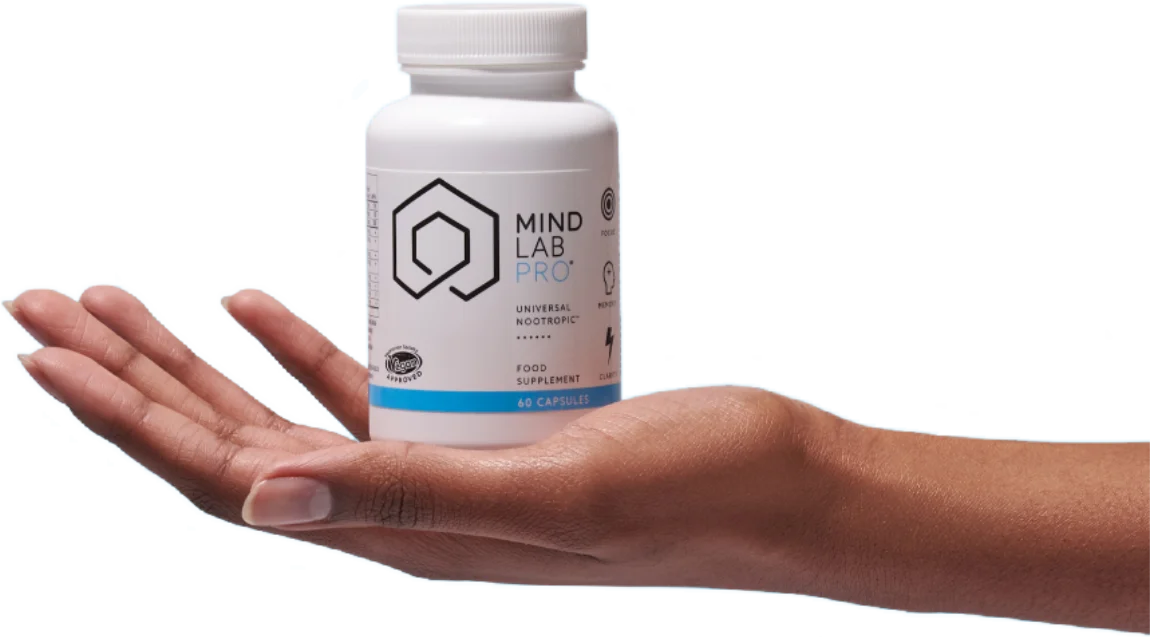
Herbal focus means using plant-based nootropics, mushrooms, teas and herbal extracts to support attention, mental clarity, energy levels and productivity.
Herbal cognitive supplements are part of a fast-growing brain-health market. According to a 2021 AARP survey, about 1 in 5 U.S. adults over age 50 report using supplements for memory, attention, or focus. Herbs are commonly used in these supplements.
If you're searching for "herbal focus," your goal is likely sharper focus, preferably without feeling overstimulated. You may want a cleaner alternative to high caffeine, fewer jitters, sharper daily clarity, or better concentration at work. In this article, we're delving into the top herbal focus supplements, specifically, and the focus benefits they may offer. Let's get to it!
Key Takeaways
- Herbal focus is not stimulation. Most herbs support focus indirectly through stress resilience, mental energy, memory, blood flow, calm alertness or brain protection.
- The best focus herbs include Bacopa monnieri, Rhodiola rosea, Lion’s Mane mushroom, Ginkgo biloba, Panax ginseng, sage, green tea (L-theanine) and maritime pine bark extract.
- Evidence varies by herb. Some have human studies for attention, fatigue, memory or cognitive function; others rely more on traditional use, mechanisms or mixed research.
- Safety remains key. Botanicals aren't always safe and comfortable. Herbs can interact with anticoagulant drugs, aspirin, warfarin, blood pressure medication, sedatives, stimulants and surgery planning.
- Stack design can yield good results. A broader herbal extract formula may support multiple focus pathways better than one plant alone.
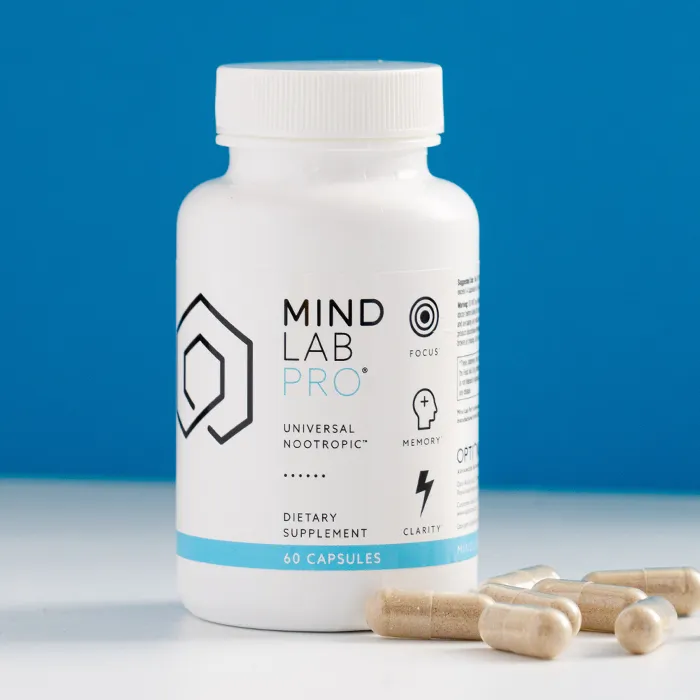
- Nootropic stack Mind Lab Pro combines focus herbs with other nootropics. Its formula includes Bacopa, Rhodiola, Lion’s Mane, L-theanine and maritime pine bark, plus nutrients that support focus-adjacent cognitive functions.
Disclaimer
This article is for educational purposes only and is not medical advice. Dietary supplements, herbs and nootropics do not diagnose, treat, cure or prevent disease. Talk with a qualified clinician before using herbal focus supplements if you take medication, use anticoagulant drugs such as warfarin, take aspirin regularly, have anxiety, depression, ADHD, sleep problems, high blood pressure, bleeding disorders, liver or kidney disease, or are expecting, nursing, giving supplements to children, preparing for surgery, or managing a medical condition. Discontinue supplements before surgery only under medical guidance. The FDA does not evaluate dietary supplement claims the same way it evaluates drugs, and manufacturers are responsible for product quality, labeling and safety.
What Is Herbal Focus?

Herbal focus is natural focus support using herbs, mushrooms, teas and plant extracts that may support cognitive performance.
The goal is not to increase brain capacity in a science-fiction sense. It is to help the brain perform everyday focus tasks more smoothly: paying attention, staying mentally alert, remembering priorities, resisting fatigue and returning to the task after distraction.
Herbs have been highly valued for centuries in traditional health systems. Bacopa monnieri has roots in Ayurveda. Panax ginseng has a long history in East Asian traditions. Ginkgo biloba leaf has been used traditionally and modern standardized extracts. Sage, green tea and gotu kola herb also have long histories as plants associated with mental clarity, alertness or longevity mental power.
Woven into this tapestry of traditional herbalism are nootropic applications for focus and focus-adjacent cognitive functions like concentration, attention and clarity.
For a broader look into the foundations of nootropics, check out our guides on what nootropics are, the benefits of nootropics, and this practical list of nootropics.
Did you know? “Natural” does not automatically mean risk-free. NCCIH notes that some herbs can interact with medicines, including ginkgo with anticoagulant drugs such as warfarin, which is why herb-medication caution matters for focus supplements.(1)
How Herbs May Support Focus
Herbs may support focus through several overlapping pathways. The key word is support. Herbs do not make attention effortless, replace sleep, or override poor daily habits. But the right plant-based nootropics may help the brain maintain better conditions for focus.
Stress Resilience
Stress can drain attention, increase fatigue and make concentration feel harder. Adaptogenic herbs such as Rhodiola rosea and Panax ginseng are often used to support stress response, endurance and mental performance under pressure.
Check out our guide on top nootropics for stress and burnout.
Neurotransmitters
Some herbs and plant compounds may influence neurotransmitter systems involved in mood, alertness, memory and attention. For example, green tea naturally provides caffeine and L-theanine, a combination associated with calm alertness.
Blood Flow and Circulation
The brain depends on oxygen levels, nutrients and circulation. Ginkgo biloba leaf and maritime pine bark extract are often discussed for circulation and antioxidant support. This does not mean they increase circulation in everyone or replace medical care for vascular problems.
Brain Energy
Focus requires energy. Herbs that help reduce fatigue or support endurance may indirectly support daily focus, especially when mental fatigue is the main problem.
Discover today's top nootropics & supplements for mental energy.
Neuroprotection and Healthy Brain Function
Some herbs contain antioxidants, polyphenols or other compounds studied for neuroprotection, oxidative stress and healthy brain function. These effects are usually gradual and should not be confused with an instant focus boost.
Memory and Learning
Focus and memory work together. If an herb may support memory, learning or recall, it may also help focus feel more productive because the brain can hold and use information more efficiently.
For deeper reading, explore nootropics for focus, nootropics for concentration, and nootropics for productivity.
Next up, let's take a closer look at some individual nootropic herbs that are associated with focus benefits.
Best Herbs for Focus
Bacopa Monnieri

Bacopa monnieri is one of the best-known herbal nootropics for memory, learning and cognitive function. It is not usually a fast-acting focus herb. It is more of a long-game plant, often studied over 8 to 12 weeks or longer.
In one 12-week randomized, double-blind, placebo-controlled study, healthy adults taking 300 mg/day of Bacopa monnieri extract showed improvements in attention, cognitive processing and working memory compared with placebo. The researchers also reported changes in acetylcholinesterase activity (related to neurotransmitter acetylcholine), suggesting a possible cholinergic mechanism relevant to attention and memory.(2)
Bacopa may be especially useful when the focus problem includes forgetfulness, slow learning, mental clutter or difficulty retaining information. It is less likely to be ideal for someone who wants immediate stimulation before a single work session.
Read more: Bacopa Monnieri
Rhodiola Rosea

Rhodiola rosea is an adaptogen herb traditionally used for fatigue, endurance and performance under stress. For herbal focus, Rhodiola makes sense when the focus problem is stress fatigue: you can concentrate early in the day, but mental energy fades under pressure.
In a randomized, double-blind, placebo-controlled study of people with stress-related fatigue, a standardized Rhodiola rosea extract reduced fatigue-related symptoms and improved attention measures compared with placebo. The authors concluded that the extract appeared to increase mental performance, particularly the ability to concentrate, under stress-related fatigue conditions.(3)
Rhodiola is more than a nootropic. Its stress-busting activities appear to apply equally well to physical performance. This combination of focus-enhancing and physical performance-enhancing benefits may be helpful for athletes, workers in physically demanding occupations, and really anybody who must perform effectively under stress.
Read more: Rhodiola Rosea
Lion’s Mane Mushroom

Lion’s Mane mushroom is a functional mushroom used for memory, nerve growth factor-related mechanisms and long-term brain health support. It is more “healthy brain function” than acute mental alertness, primarily via nerve growth factor (NGF) factors.
In a double-blind, placebo-controlled trial in older adults with mild cognitive impairment, participants took Lion’s Mane for 16 weeks and showed improved cognitive scores compared with placebo during supplementation. Scores declined after stopping, suggesting ongoing intake may have been important in that study context.(4)
This does not mean Lion’s Mane reverses cognitive decline or guarantees sharper focus in healthy adults. The safer point is that it has human research related to cognitive function and may belong in a long-term herbal focus strategy. It seems to
Read more: Lion’s Mane Mushroom
Ginkgo Biloba Leaf

Ginkgo biloba leaf is one of the most famous brain herbs. It is often positioned for memory, circulation, focus and mental clarity. However, evidence for healthy adults is mixed, and it should not be oversold as a universal smart herb.
One older acute study in healthy young volunteers reported sustained improvements in attention after Ginkgo biloba administration.(5) However, a later systematic review concluded that there was no convincing evidence that Ginkgo biloba improved cognitive performance in healthy people under age 60.(6)
Ginkgo may be relevant for circulation-oriented brain support, but it is not automatically the best herb for daily focus. It also has important safety considerations: NCCIH (National Center for Complementary and Integrative Health) notes that ginkgo may increase bleeding risk in people taking anticoagulant drugs such as warfarin and may interact with other medications.(1)
Panax Ginseng

Panax ginseng is an adaptogenic root traditionally used for energy, endurance and vitality. It is often used by adults and athletes looking for alertness, performance support and resilience during demanding periods.
In a randomized, placebo-controlled crossover study, Panax ginseng acutely improved aspects of working memory and mental arithmetic performance in healthy young adults, while also reducing mental fatigue during repeated cognitive tasks.(7)
Panax ginseng isn't right for everybody. Use caution with blood pressure issues, stimulant sensitivity, insomnia, diabetes medications, anticoagulant drugs or pregnancy and nursing. NCCIH notes uncertainties around ginseng interactions, including possible interaction with warfarin.(8)
Green Tea and L-Theanine

Green tea is a practical herbal focus option because it naturally contains caffeine plus L-theanine. Caffeine supports alertness and attention; L-theanine helps create a smoother calm-focus profile for many people.
In a randomized, placebo-controlled study, healthy adults took L-theanine for four weeks and showed improvements in stress-related symptoms and cognitive function measures. The authors suggested L-theanine may support mental health and cognitive performance in stress-related contexts.(10)
Green tea may be useful when you want mental alertness without the harsh edge of high-caffeine drinks. But caffeine still has an impact, especially in higher doses and in those with sensitivities. People with anxiety, insomnia, heart rhythm concerns, or pregnancy should watch dose and timing.
Read more: L-Theanine
Maritime Pine Bark Extract

Maritime pine bark extract provides active compounds called proanthocyanidins, along with other polyphenols. It is often discussed for antioxidant support, circulation and cognitive performance.
In a double-blind controlled study using a pine bark extract formulation, healthy adults showed improvements in several cognitive performance measures after five weeks of supplementation. The study suggests potential cognitive support, but extract type, dose and product standardization matter.(11)
While its mechanisms of action are still being investigated, pine bark's blood flow benefits are believed to enhance circulation to the brain, delivering oxygen and nutrition that is suggested to help with energized, active cognitive function.
Read more: Maritime Pine Bark Extract
Sage for Focus

Sage (Salvia officinalis and related Salvia species) is a culinary herb with a long history of use for memory and mental clarity. Its focus benefits are often linked to phenolic compounds, terpenes, and possible effects on acetylcholine, a neurotransmitter involved in attention, learning, and memory. Sage is not a stimulant, but research suggests it may support clearer, more accurate cognitive performance.
In a randomized, placebo-controlled study, healthy adults took a sage combination extract called Cognivia™ for 29 days. Researchers reported significant benefits in working memory and accuracy of cognitive performance compared with placebo, suggesting that sage may help support focus-related mental performance.(12)
Stacking Herbs for Focus
One herb may help one focus pathway. A smarter stack may support several. This is why herbal focus supplements often combine herbs with other nootropics.
For example, Bacopa may support memory and learning over time. Rhodiola may support fatigue resistance. L-theanine may support calm alertness. Lion’s Mane may support longer-term brain health. Maritime pine bark may support antioxidant and circulation pathways. A formula that includes nutrients or non-herbal nootropics may also support neurotransmitters, cell membranes and brain energy.
The big picture: A skillfully designed combination of herbs and nootropics may directly promote sharp focus while also supporting the overall healthy brain function associated with focus and every other cognitive function under the sun.
That said, more is not always better. Stacking increases the need for safety review. Start with a formula that is clear, standardized and designed by reputable manufacturers who provide transparent labels.
For a practical comparison of options, see these guides to the best supplements for focus and concentration, top herbs for mental clarity, brain herbs, and nootropics that actually work.
I was skeptical at first, but I can say that I feel sharper and more clear minded than as long as I can remember.John Y
FAQ
What is the best herb for focus?
There is no single best herb for everyone. Bacopa is strong for long-term memory and learning support, Rhodiola for fatigue-related focus, L-theanine/green tea for calm alertness, and Panax ginseng for short-term mental energy. The best choice depends on why your focus is slipping.
What herb works fastest for focus?
Green tea, caffeine plus L-theanine, Panax ginseng and some sage extracts may feel more acute for alertness or mental performance. Bacopa and Lion’s Mane are generally better framed as longer-term support.
Are herbal focus supplements safer than stimulants?
Not automatically. Herbs may feel gentler, but they can still cause side effects and interact with medications. Ginkgo, ginseng and pine bark require special caution around blood thinners, aspirin, surgery and some medications.
Can herbal focus supplements help with ADHD?
Some herbs have been studied in attention-related contexts, but herbal supplements do not treat ADHD and should not replace diagnosis, behavioral strategies or prescribed ADHD care. Adults and children with attention concerns should talk with a qualified professional.
Can I take herbs for focus every day?
Some herbs are used daily in studies, but safety depends on the herb, dose, extract, health status and medications. Follow product directions and ask a clinician if you are taking medicine, nursing, expecting, giving supplements to children or preparing for surgery.
Are herbs better than caffeine for focus?
They work differently. Caffeine can acutely increase alertness, while herbs may support stress resilience, memory, calm attention or long-term brain function. Some people prefer caffeine-free formulas; others do well with green tea or caffeine plus L-theanine.
What should I look for in an herbal focus formula?
Look for standardized extracts, clear ingredient amounts, third-party quality testing, transparent labels, realistic claims, caffeine information, medication warnings and a formula that supports multiple focus pathways without excessive overlap.
Mind Lab Pro for Herbal and Nootropic Focus Support
Mind Lab Pro

Herbal focus works best when it supports the real reasons attention fails: fatigue, stress, low mental energy, poor memory, distractibility and cognitive overload. A broader nootropic stack may help by combining herbs with nutrients and other compounds that support focus-adjacent cognitive functions.
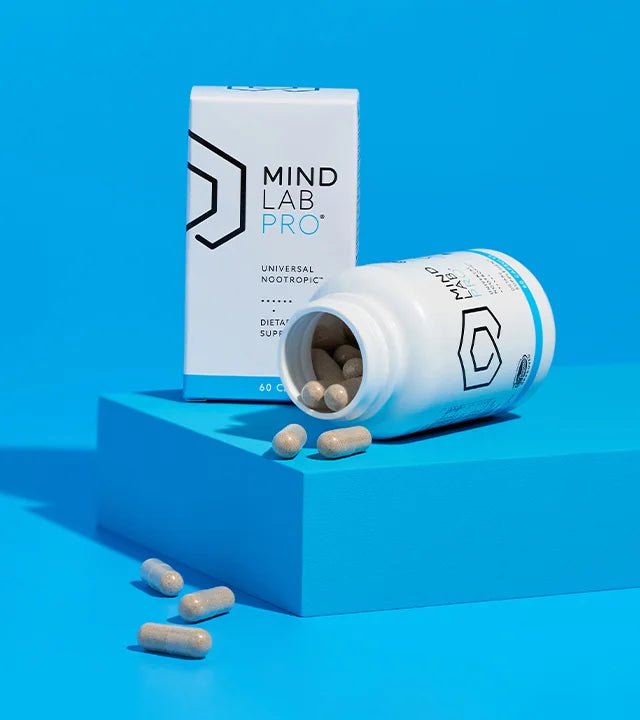
Mind Lab Pro is an industry-leading, research-backed nootropic stack for whole-brain support. It is caffeine-free and combines plant-based nootropics, mushrooms, amino acids, phospholipids and B vitamins to support focus, mental clarity, memory, mood, brain energy and stress resilience.
The full MLP formula: Citicoline as Cognizin® 250 mg, Phosphatidylserine from sunflower lecithin 100 mg, Bacopa monnieri full-spectrum extract standardized to 24% bacosides 150 mg, Organic Lion’s Mane Mushroom 500 mg, Rhodiola rosea standardized to 3% rosavins and 1% salidrosides 50 mg, N-Acetyl L-Tyrosine 175 mg, L-Theanine 100 mg, Maritime Pine Bark Extract standardized to 95% proanthocyanidins 75 mg, Vitamin B6 2.5 mg, Vitamin B9 100 mcg and Vitamin B12 7.5 mcg (all B-vitamins as NutriGenesis®).
For herbal focus, the most relevant Mind Lab Pro ingredients include Bacopa monnieri for memory and learning support, Rhodiola rosea for fatigue resistance and stress resilience, Organic Lion’s Mane Mushroom for long-term brain health support, L-Theanine for calm focus, and Maritime Pine Bark Extract for antioxidant and circulation-related support. Citicoline, Phosphatidylserine, N-Acetyl L-Tyrosine and B vitamins broaden the formula beyond herbs by supporting attention, cell membranes, stress performance, neurotransmitter metabolism and brain energy.
Mind Lab Pro has shown brain benefits in human research studies.
- In a double-blind, placebo-controlled information-processing study, adults taking Mind Lab Pro for 30 days showed improvements in simple reaction time, choice reaction time and anticipation compared with placebo, suggesting support for focus, attention and decision-making speed.(13)
- In a double-blind, placebo-controlled memory study, four weeks of Mind Lab Pro improved multiple areas of memory, including immediate and delayed recall, compared with placebo.(14)
- In a 2025 EEG brain-mapping study, researchers reported changes in perceptual decision-making and functional brain connectivity after 60 days of supplementation, suggesting effects on brain-network activity during cognitive performance tasks.(15)
Mind Lab Pro may support healthy adults who want a clean, caffeine-free herbal and nootropic formula for focus, clarity, memory and mental performance. It is an ideal stack for focus, overall cognition, and long-range brain health.
Summary
Herbal focus is best understood as plant-based cognitive support, not a quick fix. Herbs may support attention by helping with stress resilience, mental alertness, brain energy, memory, circulation, mood and fatigue.
The key takeaway: choose herbs based on your focus problem, not hype. Use standardized products, respect medication and surgery cautions, and combine herbal support with the basics that still matter most: sleep, food, movement, stress control and a daily routine that protects attention.
References
- National Center for Complementary and Integrative Health. Herb-drug interactions: What the science says. National Center for Complementary and Integrative Health. Link
- Peth-Nui, T., Wattanathorn, J., Muchimapura, S., Tong-Un, T., Piyavhatkul, N., Rangseekajee, P., Ingkaninan, K., & Vittaya-Areekul, S. (2012). Effects of 12-week Bacopa monnieri consumption on attention, cognitive processing, working memory, and functions of both cholinergic and monoaminergic systems in healthy elderly volunteers. Evidence-Based Complementary and Alternative Medicine, 2012, 606424. Link
- Olsson, E. M. G., von Schéele, B., & Panossian, A. G. (2009). A randomized, double-blind, placebo-controlled, parallel-group study of the standardized extract SHR-5 of the roots of Rhodiola rosea in subjects with stress-related fatigue. Planta Medica, 75(2), 105–112. Link
- Mori, K., Inatomi, S., Ouchi, K., Azumi, Y., & Tuchida, T. (2009). Improving effects of the mushroom Yamabushitake, Hericium erinaceus, on mild cognitive impairment: A double-blind placebo-controlled clinical trial. Phytotherapy Research, 23(3), 367–372. Link
- Kennedy, D. O., Scholey, A. B., & Wesnes, K. A. (2000). The dose-dependent cognitive effects of acute administration of Ginkgo biloba to healthy young volunteers. Psychopharmacology, 151(4), 416–423. Link
- Canter, P. H., & Ernst, E. (2007). Ginkgo biloba is not a smart drug: An updated systematic review of randomised clinical trials testing the nootropic effects of G. biloba extracts in healthy people. Human Psychopharmacology, 22(5), 265–278. Link
- Reay, J. L., Kennedy, D. O., & Scholey, A. B. (2005). Single doses of Panax ginseng reduce blood glucose levels and improve cognitive performance during sustained mental activity. Journal of Psychopharmacology, 19(4), 357–365. Link
- National Center for Complementary and Integrative Health. Use of natural products by children: What the science says. National Center for Complementary and Integrative Health. Link
- Wightman, E. L., Jackson, P. A., Khan, J., Forster, J., Heiner, F., Feistel, B., Suarez, C. G., Pischel, I., & Kennedy, D. O. (2021). The acute and chronic cognitive effects of a sage extract: A randomized, placebo controlled study in healthy humans. Nutrients, 13(1), 218. Link
- Hidese, S., Ogawa, S., Ota, M., Ishida, I., Yasukawa, Z., Ozeki, M., & Kunugi, H. (2019). Effects of L-theanine administration on stress-related symptoms and cognitive functions in healthy adults: A randomized controlled trial. Nutrients, 11(10), 2362. Link
- Pipingas, A., Silberstein, R. B., Vitetta, L., Van Rooy, C., Harris, E. V., Young, J. M., Frampton, C. M., Sali, A., & Nastasi, J. (2008). Improved cognitive performance after dietary supplementation with a Pinus radiata bark extract formulation. Phytotherapy Research, 22(9), 1168–1174. Link
- Wightman EL, Jackson PA, Khan J, Forster J, Heiner F, Feistel B, Suen M, Pischel I, Kennedy DO. The acute and chronic cognitive effects of a sage extract: A randomized, placebo controlled study in healthy humans. Nutrients. 2021;13(1):218. Link
- Utley, A., Gonzalez, Y., & Abbott Imboden, C. (2023). The efficacy of a nootropic supplement on information processing in adults: A double blind, placebo controlled study. Biomedical Journal of Scientific & Technical Research, 49(1), 40297–40305. Link
- Abbott-Imboden, C., Gonzalez, Y., & Utley, A. (2023). Efficacy of the nootropic supplement Mind Lab Pro on memory in adults: Double blind, placebo-controlled study. Human Psychopharmacology: Clinical and Experimental, 38(4), e2872. Link
- O’Reilly, D., Bolam, K., Delis, I., & Utley, A. (2025). Effect of a plant-based nootropic supplement on perceptual decision-making and functional brain connectivity. Nutrients, 17(5), 817. Link