Even the most health-conscious adults let loose once in a while and wake up feeling miserable due to a hangover. "The day after" isn't only uncomfortable. It can have a serious impact on productivity.
According to a nationally representative UK survey of working adults commissioned by IPPR (run by Public First), 32% said they had called in sick at least once in the past year after drinking with colleagues or at a work event, and 22% reported working while hungover in the past six months after workplace-related drinking.
Of course, the best hangover remedy is to not drink at all. But if there's anything at all that might reduce the buzzing in your brain, you'd take it, right?
If you're looking for effective hangover supplements—vitamins, electrolytes and maybe nootropics like L-theanine—that can help with hangover symptoms and next-day recovery, then this guide is for you. We will explore what hangovers are, how they work, and how it may be possible to reduce hangover symptoms with the right supplement strategies.Let's get to it!
Key Takeaways
- L-Theanine: Amino acid L theanine for hangover relief, sleep, cognition and liver health
- L-Tyrosine: Supports brain chemical balance and next-day performance
- B-Complex: Helps restore what alcohol depletes; key for brain chemicals and circulation
- Rhodiola Rosea: Stress-busting adaptogen helps restore the body to homeostasis
- Zinc: Clinically studied for its potential to help with hangover problems, specifically
- Omega-3 fatty acids: Help to balance out-of-range inflammatory responses that cause discomfort
- Prebiotic: Supports resistance to hangover effects via several gut-related benefits
- Melatonin: Maintains sleep and healthy circadian rhythms against alcohol-related disruptions
Best Hangover Supplements, Vitamins & Nootropics in 2026
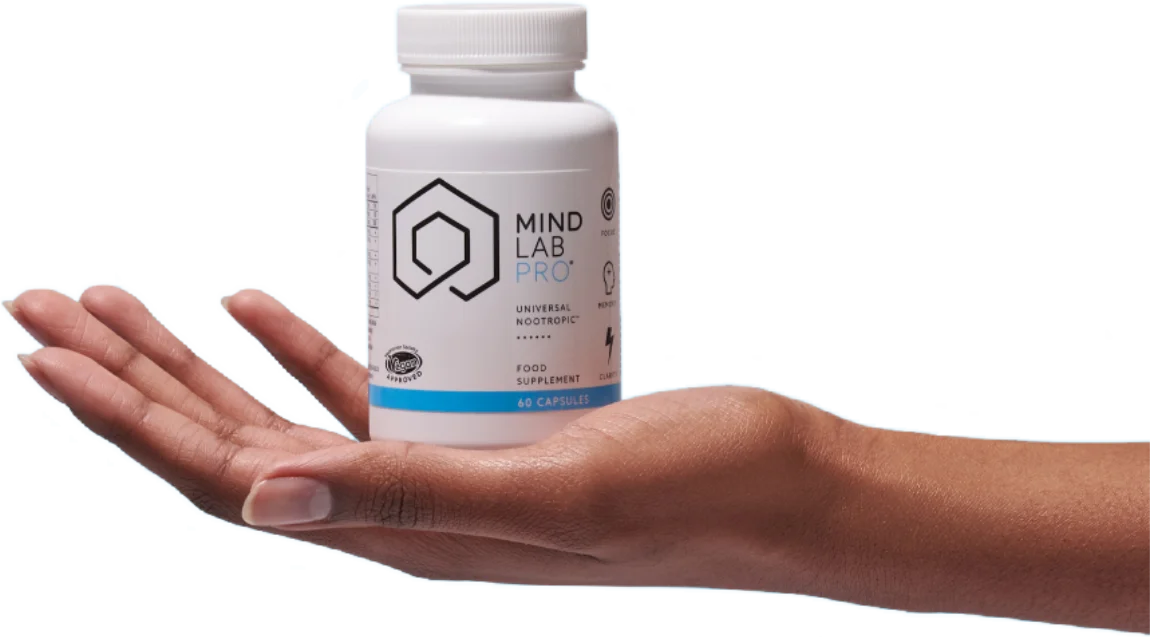
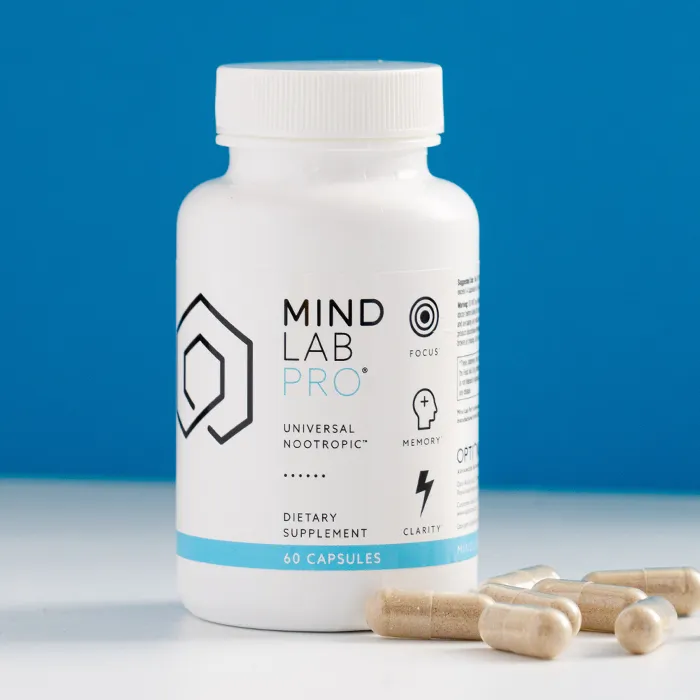
- Mind Lab Pro®: Supplies 11 ingredients, including several of the best for hangovers
- Caffeine 2: "Smart caffeine" to energize and restore you the day after drinking alcohol
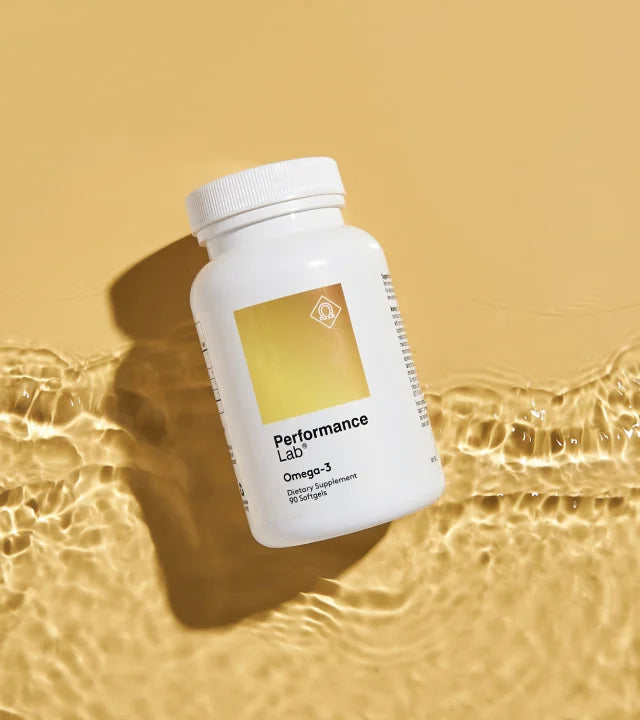
- Performance Lab® Omega-3: Clean, vegan Omega-3s naturally sourced from algae
- Performance Lab® Prebiotic: Supplies fiber and boosts microbiome to help metabolize alcohol
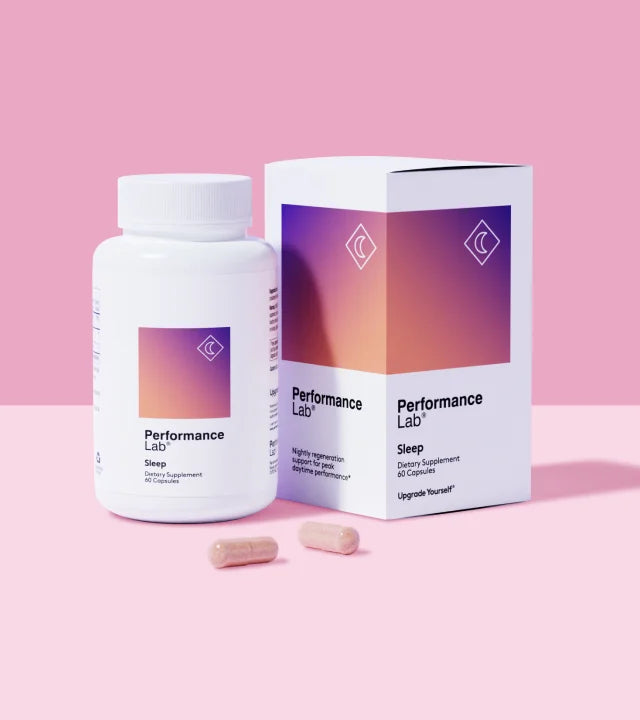
- Performance Lab® Sleep: Natural melatonin from tart cherry; promotes restful sleep after drinking
We'll cover each of these supplements for helping with hangovers (as well as the nutrients they deliver, including vitamins for hangovers) later in this article. But first, let's discuss what hangovers are and why they happen.
Disclaimer
Talk to a qualified healthcare provider before using any supplements for hangovers, especially if you have liver disease, take prescription medications, or drink heavily. Supplements are not drugs and are not a substitute for medical care, hydration, sleep, or safer drinking habits. Most importantly, alcohol misuse and alcohol use disorder are serious medical conditions—this is no laughing matter. If you regularly binge drink, black out, feel withdrawal symptoms, need alcohol to function, or can’t cut back, seek professional help right away; in the U.S., you can call or text 988 for immediate support, and for treatment resources call SAMHSA at 1-800-662-HELP (4357). If you have severe symptoms (confusion, seizures, trouble breathing, vomiting blood, or chest pain), seek emergency care.
Hangovers Defined: Symptoms to Avoid

A hangover is a collection of unpleasant physical and mental symptoms that occur after a period of heavy alcohol consumption. If you drink alcohol and consumed too much, you are likely familiar with the common adverse reactions of a hangover:
- Headache
- Nausea and vomiting
- Fatigue and weakness
- Increased sensitivity to light and sound
- Dizziness
- Decreased ability to concentrate
- Mood, psychological symptoms, mental health disturbances
- Thirst and dry mouth
- Rapid heartbeat
- Muscle aches
Hangover symptoms can vary from person to person. They also vary in severity, depending on how many drinks were consumed, how quickly they were consumed, and whether or not they were consumed on an empty stomach.
Similar hangover/jet lag effects can be felt after traveling on a flight for a long duration, especially if you drink alcohol on that flight.
It's also important to note that short-term hangovers are not the same as alcohol withdrawal symptoms, where the body has become dependent on alcohol over a longer time.
Alcohol withdrawal symptoms may mimic hangover symptoms. A simple hangover may be eased with smart use of nootropic supplements. Alcohol withdrawal symptoms, on the other hand, suggest a more serious health concern that should be addressed with a health practitioner.
Alright—let’s keep moving.
Why do hangovers happen?

A hangover is a complex biological response to excessive alcohol consumption, involving various systems and processes in the human body.
So what causes hangover symptoms to occur? It is a combination of many factors, some of which may be addressed with nootropics and other nutrients.
- Dehydration: Alcohol is a diuretic, meaning it increases urine production and leads to dehydration. Dehydration contributes to many common hangover symptoms like thirst, dizziness, light-headedness, and headache.
- Electrolyte Imbalance: The diuretic effect of alcohol can also lead to an imbalance of electrolytes - essential ions in the body necessary for normal cell function, which can contribute to feelings of weakness and being unwell.
- Gastrointestinal Disturbance: Alcohol irritates the stomach lining and increases the production of stomach acid, leading to nausea, vomiting, and stomach pain.
- Sleep Deprivation and Biological Rhythm Disruptions: Although alcohol can make people drowsy, it interferes with the quality of sleep, leading to fatigue and grogginess. This disruption can also affect the body's natural rhythms, exacerbating hangover symptoms.
- Alcohol Metabolism and Toxicity: When metabolized, alcohol is broken down into acetaldehyde, a toxic compound that can contribute to the feeling of a hangover. Eventually, acetaldehyde is broken down into acetic acid, but until then its buildup can cause harmful effects.
- Inflammation: Alcohol consumption can trigger an inflammatory response from the immune system. This inflammation can cause many hangover symptoms, including lack of concentration, memory problems, decreased appetite, and less interest in daily activities.
- Blood Sugar Levels: Alcohol's adverse effects may also affect blood sugar levels, leading to hypoglycemia (low blood sugar), which can cause fatigue, weakness, mood disturbances, etc.
- Neurotransmitters: Even one glass of alcohol can affect brain chemicals (neurotransmitters) like gamma-aminobutyric acid (GABA) and glutamate, leading to temporary changes in mood, behavior, and coordination. Brain chemical imbalances link to hangover symptoms like anxiety, irritability, and depression.
So what does this mean in practice?
Understanding these biological activities helps in recognizing why certain remedies and practices (like staying hydrated, eating before drinking to slow alcohol absorption, and moderating alcohol intake) are often advised to mitigate hangover effects.
Benefits of Nootropics for Hangovers
Whether you have a bad hangover or a mild hangover, it can really hold back your mental performance the next day.
Supplementing nootropics for hangovers, as well as other nutrients found in supplements, may help reduce the common symptoms after drinking by:
- Increasing the body's resistance to stress and recovery from stress
- Helping to promote better sleep for enhanced "bounce-back" after drinking
- Promoting a bright and balanced mood
- Enhancing cognitive functions typically diminished by hangovers
- Improving natural energy production for better focus and processing
- Replenishing brain chemical precursors to protect against neurotransmitter depletion
Here are a few nootropics to consider taking if you are planning a big night out.
Nootropics for Hangovers
L-Theanine

How-to-use: L-theanine prior to drinking for liver protection then L-theanine + caffeine the next morning for cognitive clarity.
L-Theanine is an amino acid found in green tea leaves (as well as black tea and other varieties) that may be the best nootropic for hangover.
L-Theanine may mitigate some adverse effects of excessive alcohol consumption and hangovers by:
- Promoting Relaxation: L-theanine and alcohol both have relaxing effects but work in separate pathways. L-Theanine crosses the blood brain barrier to increase the production of GABA, a neurotransmitter that has a calming effect on the brain.(1) This may help to counteract the anxiety and irritability often experienced during a hangover.
- Improving Sleep Quality: By promoting relaxation and reducing anxiety, L-theanine helps improve the quality of sleep.(2) In theory, this may help with alcohol's sleep disruptive effects.
- Enhancing Cognitive Function: L-Theanine may help mitigate the cognitive impairments (like decreased concentration and memory problems) often experienced during a hangover. It may support overall brain health and performance, offering neuroprotection, enhanced Alpha brain waves, sharpened attention, enhanced creativity and more.
Overall, with its calming, sleep-improving properties, L-Theanine makes you feel better and supports clear thinking the day after overindulging. As a bonus, some animal studies suggest L-theanine may protect liver cells against damage caused by excessive alcohol consumption.(3)
Did you know? If you drink coffee the morning after having too many alcoholic drinks, you should consider taking it with a side of L-Theanine. It has been shown to reduce caffeine's negative side effects (jitters, tension) while enhancing its cognitive benefits (alertness, focus).(4)
L-Tyrosine (as N-Acetyl L-Tyrosine)

Tyrosine, another of the amino acids on our list, may aid in alleviating hangover symptoms by influencing neurotransmitter levels in the brain. Alcohol consumption can disrupt the balance of neurotransmitters, leading to feelings of lethargy, moodiness, and cognitive impairment.
Tyrosine serves as a building block for several key neurotransmitters, including catecholamines like dopamine, norepinephrine, and epinephrine.(5)
Animal research suggests these catecholamines -- associated with alertness, mood regulation, and cognitive function -- are significantly depleted by alcohol.(6)
By potentially restoring or balancing catecholamine neurotransmitters, tyrosine may help improve mood, enhance cognitive clarity, and reduce the feeling of sluggishness often experienced during a hangover.
Note: N-Acetyl L-Tyrosine (NALT) is the form of this amino acid that is considered preferable because it is more bioavailable than other forms.
B Vitamins

Drinking alcohol depletes the body of B vitamins,(7) which play key roles in hundreds of metabolic pathways, from the production of catecholamine neurotransmitters (norepinephrine) to the protection of blood vessels against homocysteine build-up.
For the occasional binge drinker, the sudden depletion in B vitamin status may be linked to the "foggy" symptoms of the hangover. Supplementing a B vitamin complex may help both regular and irregular drinkers sustain healthy B vitamin levels to support brain chemicals, circulation and additional health benefits.
More on Vitamin B6, Vitamin B9, and Vitamin B12
Rhodiola Rosea

Research indicates that alcohol consumption is associated with the activation of the HPA (hypothalamus-pituitary-adrenal) axis, the body's primary stress hormone pathway. Likewise, Rhodiola rosea seems to have a direct impact on the HPA axis, balancing stress hormone cortisol release while boosting energy metabolism.(8)
While not directly studied for its impact on alcohol consumption or hangover symptoms, Rhodiola's stress management benefits (attributed to its active compounds called rosavins and salidrosides) may be useful in reducing the negative stress impact of drinking.
Further, its well documented benefits for natural energy and mental focus may help people to perform better when they are struggling with hangover symptoms. Rhodiola also improves mood and boosts work productivity, helping you to get things done even when you don't feel one hundred percent.
Prebiotics

Alcohol consumption can significantly disrupt the microbiome: the colony of beneficial bacteria (probiotics) that inhabit the gut and perform hundreds of health-supportive bioactivities.(9)
Prebiotic fiber is a gut health nutrient and nootropic that may help with hangovers through several mechanisms -- both by boosting gut probiotics and bringing helpful fiber benefits to the table:
Microbiome support: Prebiotic fiber feeds the colony of beneficial bacteria (microbiome) that inhabits the gut. A healthy microbiome helps the body process and detoxify alcohol, and may play a role in easing an upset stomach.
Slows alcohol absorption: Prebiotic fiber also absorbs water and swells in the digestive tract, which in turn inhibits the absorption of alcohol. By delaying the rate at which alcohol enters the system, the severity of a hangover may be reduced.
Blood Sugar Stabilization: Hangovers often involve blood sugar fluctuations. Fiber helps stabilize blood sugar levels by slowing the absorption of carbohydrates, which can alleviate some hangover symptoms like fatigue and irritability.
Hydration: Fiber can help maintain hydration levels in the body. Since dehydration is a key component of hangovers, proper hydration can alleviate symptoms like headache and dizziness.
Nutrient Absorption: Prebiotic fibers enhance nutrient absorption in the gut. Optimal nutrient uptake can support the body's recovery after alcohol consumption.
Researchers have suggested that supplement therapies like prebiotics that nourish the microbiome may be considered for people with alcohol-related health concerns.
SEE: Performance Lab® Prebiotic
Omega-3 Fatty Acids

Omega-3 fatty acids may help mitigate some symptoms of hangovers through several mechanisms. The Omega-3s, particularly EPA and DHA, have strong inflammation-modulating effects. Since inflammation is a key component of hangover symptoms, reducing inflammation can alleviate symptoms like headaches and muscle aches.
Omega-3 fatty acids are also vital for brain health and can help protect against neurotoxic effects of excessive alcohol consumption. They play a role in repairing and maintaining brain cells, which might help with cognitive functions affected by hangovers, such as memory and concentration.
Omega-3s are known to influence mood and mental health, too. Hangovers often include mood disturbances like anxiety or depression, and omega-3s, when taken over time, may help to promote a healthy and positive state of mind.
Researchers have suggested that supplementing with Omega-3 rich krill oil appears to help reduce hangover symptoms (nausea, thirst) and reduce alcohol concentrations, and may have potential as an anti-hangover supplement.(10)
Melatonin

Alcohol consumption is associated with serious negative effects when it comes to getting the rest you need to recover. This is especially true in the context of sleep disturbances and overall non-restorative sleep.
Researchers have also reported that drinking alcohol suppresses melatonin: the hormone that initiates a gentle drop in blood pressure, settles the central nervous system, promotes feelings of drowsy tranquility, and otherwise signals the brain to begin drifting off into sleep.(11)
Melatonin disruption is one of the reasons why you may get a poor night's sleep after overindulgence in alcoholic drink.
Melatonin supplements may help by directly introducing the hormone into the bloodstream and brain, thereby compensating for the pineal gland's alcohol-impaired production.
This strategy may help ease hangovers by enhancing the restorative, high-quality sleep that helps your mind and body bounce back.
Learn more about nootropics for sleep
Zinc

Zinc plays a crucial role in breaking down alcohol and eliminating it from the body. Researchers have suggested that zinc, by accelerating and optimizing the metabolism of ethanol (alcohol) may be associated with less severe hangovers.(12)
Zinc also contributes other benefits for overall wellness in drinkers, including helping to improve antioxidant status and promote immune health.
Electrolytes for Hangovers
Many hangover symptoms aren’t just “too much alcohol”—they’re the downstream effects of dehydration, electrolyte shifts, poor sleep, and metabolic stress. Alcohol acts as a diuretic (you pee more), which can leave you under-hydrated and low on key electrolytes. That imbalance can worsen headaches, fatigue, dizziness, weakness, and the “wired but dead” feeling the next day.
Why electrolytes can help
Electrolytes (especially sodium, potassium, magnesium, and chloride) help regulate fluid balance, nerve signaling, and muscle function. When you’re depleted, plain water can sometimes feel like it “goes right through you.” Rehydrating with electrolytes can improve fluid absorption and help you re-balance faster—especially if you’ve been sweating, vomiting, or have diarrhea.
- Sodium: Helps retain fluid and restore blood volume; often the most important electrolyte for “bounce back.”
- Potassium: Supports muscle/nerve function; low levels can contribute to weakness and palpitations.
- Magnesium: Involved in energy production and nervous system regulation; alcohol intake can lower magnesium status in some people.
- Glucose: Small amounts of sugar can improve absorption in oral rehydration solutions and may help if you’re also under-fueled.
Best way to use electrolytes
- Before bed (ideal): If you can, drink an electrolyte beverage after your last drink and before sleep.
- Upon waking: Sip steadily for 1–2 hours rather than chugging all at once.
- If nauseated: Take small sips every few minutes. Room-temperature fluids often go down easier.
What to choose: An oral rehydration-style product (balanced sodium + glucose) is often more effective than “sports drinks” that are mostly sugar. If you’re using powders/tablets, follow label directions—more isn’t better.
Can taking a multivitamin help a hangover?
A multivitamin isn’t a true “hangover cure,” but it can be a reasonable support tool—mainly because alcohol can interfere with nutrient metabolism and because many people eat poorly during (and after) drinking. The vitamins most relevant to next-day functioning tend to be B vitamins (energy metabolism) and vitamin C (general antioxidant support). That said, a single multivitamin dose won’t instantly reverse alcohol’s effects.
- Potential upside: If your baseline diet is inconsistent, a multivitamin may help cover gaps—especially B vitamins.
- Big limitation: It won’t correct dehydration/electrolyte loss on its own (electrolytes matter more for how you feel).
- Timing tip: If you take one, do it with food and water (or after a few sips of electrolytes) to reduce nausea.
Important cautions
- Avoid megadoses “to make up for drinking.” High-dose niacin can cause flushing; high-dose vitamin C can upset your stomach; too much vitamin A can be harmful.
- Be careful with iron: Many multivitamins include iron, which can worsen nausea for some people and isn’t necessary for everyone.
- Don’t mix with acetaminophen (Tylenol) after heavy drinking: This is a liver-safety issue—choose other strategies and talk to a clinician if unsure.
Bottom line: If you’re choosing one “hangover support” move, electrolytes (plus water and some carbs/protein) usually provide the most noticeable benefit. A multivitamin can help fill nutritional gaps, but it’s best viewed as background support—not a rescue button.
Performance Lab® NutriGenesis Multi
The world's most advanced multivitamin formula.
Shop Now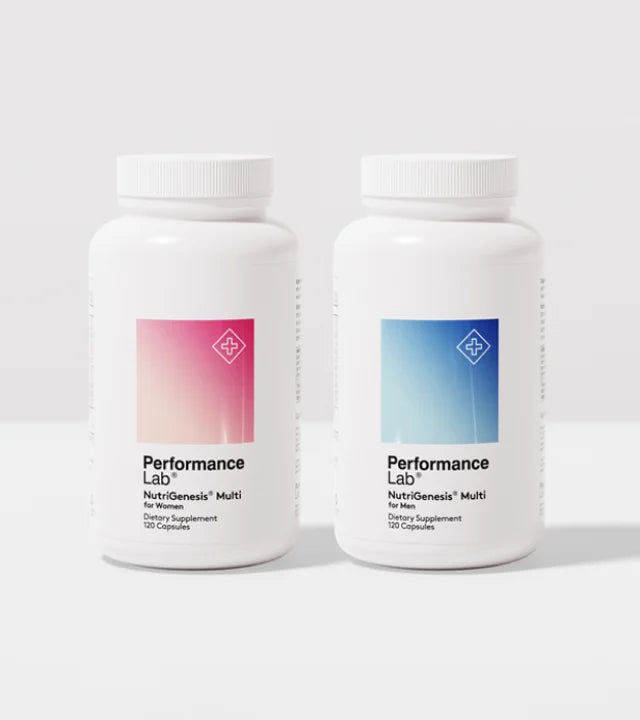
Best Hangover Supplements, Vitamins & Nootropics in 2026
Mind Lab Pro®: Best Nootropics for Hangover in One Stack

While the best strategy to avoid the hangover is to abstain from drinking altogether, Mind Lab Pro®'s unique Universal Nootropic™ design may help restore cognitive function following a late-night out.

“I felt foggy and tired. I wasn’t running at full steam.”
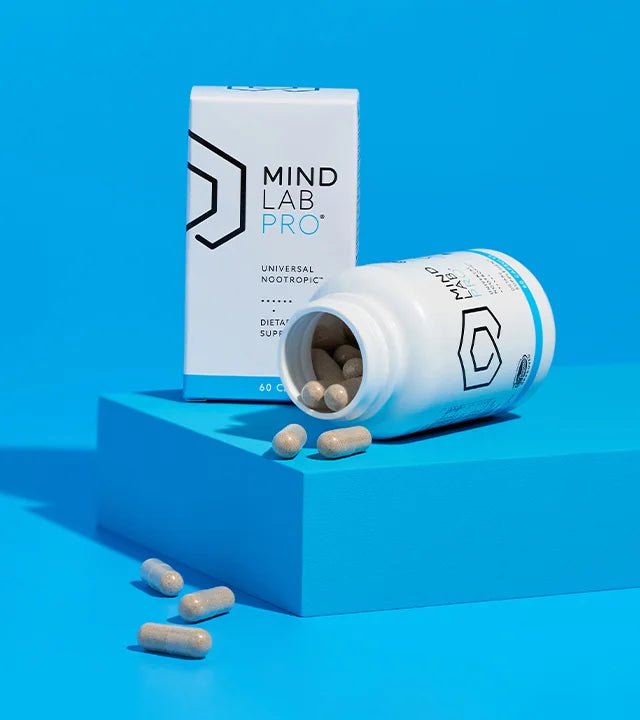
MLP is the most versatile nootropic ever developed, with far-reaching brain benefits from 11 research-backed nutrients, including 100 mg of the top nootropic for hangovers, L-Theanine. The full formula:
- Citicoline, 250 mg
- Phosphatidylserine (PS), 100 mg
- Bacopa monnieri, 150 mg (full-spectrum extract, 24% bacosides with 9 bioactives)
- Organic Lion's Mane Mushroom, 500 mg (fruit and mycelium)
- Maritime Pine Bark Extract, 75 mg: (Standardized to 95% proanthocyanidins)
- N-Acetyl L-Tyrosine, 175 mg
- L-Theanine, 100 mg
- Rhodiola rosea, 50 mg: Standardized to 3% rosavins and 1% salidrosides
- NutriGenesis® B-Vitamins: Vitamin B6 (2.5 mg), Vitamin B9 (100 mcg), Vitamin B12 (7.5 mcg)
MLP® is designed to be taken daily, with both short-term benefits (focus, attention, memory, clarity) and long-range benefits (brain health).
But it can also be taken for hangovers, specifically -- both leading up to a night of drinking, and the next morning to help you feel and perform better while you recover.
“Mind Lab Pro® has helped me a lot to be able to process this huge amount of information. Summarize it in a few sentences and pass it forward.”
Mind Lab Pro® is also rare nootropic supplement to be backed by two double-blind, placebo-controlled human trials. Both of these trials reflect its whole brain-booster benefits, including support for cognitive functions that can be impaired by hangovers:
Study 1: Subjects taking Mind Lab Pro improved performance on information processing tasks involving simple reaction time (SRT), choice reaction time (CRT) and anticipation.(13)
Study 2: Subjects taking Mind Lab Pro showed significant improvements across memory functions, including auditory, visual, visual working, immediate and delayed recall memory.(14)
Study 3: Researchers discovered via EEG testing that healthy adults taking MLP appeared to have their different brain regions coordinate and communicate more efficiently and effectively.(15)
MLP® is simple as 2-4 capsules per day. It typically starts working in around 30 minutes. It's also one of the cleanest formulas on the market: 100% vegan capsules, GMO-free, gluten-free, soy-free and synthetic additive-free.
Additional top supplements for helping to ease hangovers:
- Performance Lab® Prebiotic: Premium fiber in vegan capsules nourishes gut probiotics (the microbiome) that metabolize alcohol. Also helps with hangovers by buffering alcohol absorption and helping to maintain steady blood sugar.
- Performance Lab® Omega-3: Advanced plant-based Omega-3 fatty acids (DHA+EPA) nootropic. All of the brain health and cognition benefits Omega-3s, but in an ultraclean algae-sourced form. No fishy taste, gastric distress, or negative environmental impact like with fish oil.
- Performance Lab® Sleep: Delivers a big brainpower boost via perfect sleep quality. Low-dose melatonin from tart cherry means no synthetic megadose brain fog or grogginess. It also relaxes muscles, soothes body aches and settles the whole nervous system for easy deep sleep.
Love this product! Easy to swallow capsule with no aftertaste.Sarah A
An immediate change in quality and consistency of sleep. I highly recommend it.Stephanie B
Frequently Asked Questions
Is L-theanine good for hangovers?
Yes, L-theanine is highlighted as one of the best supplements for hangover relief, supporting sleep quality, cognition, and liver health after alcohol consumption. This amino acid helps calm the mind and may reduce the anxiety and restlessness that often accompany hangovers, making it easier to recover the next day.
Can you take L-theanine after drinking alcohol?
L-theanine can be taken after drinking alcohol to help with hangover symptoms and support better sleep quality. It is an amino acid that promotes relaxation without sedation and may help counter alcohol's disruptive effects on sleep patterns and next-day cognitive function.
What vitamins are good for hangovers?
B-complex vitamins are particularly beneficial for hangovers because they help restore nutrients that alcohol depletes and are essential for brain chemical production and circulation. Additionally, zinc has been clinically studied for hangover relief, while vitamin-rich supplements can support recovery after drinking.
Does melatonin help with hangovers?
Melatonin helps maintain healthy sleep patterns and circadian rhythms that alcohol can disrupt, potentially improving hangover recovery. Natural melatonin from sources like tart cherry may promote restful sleep after drinking, which is important for recovery the next day.
Does fish oil help with hangovers?
Omega-3 fatty acids are recommended for hangovers because they may help balance inflammatory responses that contribute to discomfort after drinking. Clean omega-3 supplements may also support overall recovery from alcohol-related inflammation.
What are the best supplements for hangover recovery in 2026?
Top supplements for hangover recovery include L-theanine for cognitive support, B-complex vitamins to restore depleted nutrients, zinc for studied hangover relief, and adaptogenic herbs like Rhodiola Rosea to help restore balance. Some formulas combine several of these ingredients in one product to support mental clarity and focus after drinking.
What are the best evidence-based hangover prevention supplements?
Evidence-based hangover prevention supplements include prebiotics to support alcohol metabolism through gut health, omega-3s to help manage inflammation, and L-tyrosine to support brain chemical balance. These supplements work best when combined with proper hydration and may help support cognitive function after social drinking.
FINAL THOUGHTS
Hangover pills that erase the consequences of excessive drinking do not really exist. While nootropics like L-Theanine and other dietary supplements may potentially ease hangover symptoms, they are not a cure for hangovers. The most effective way to avoid a hangover remains moderating alcohol intake or simply choosing to not consume alcohol at all. The only true way to prevent a hangover is to not start drinking in the first place.
Anyone whose hangovers progress to alcohol withdrawal symptoms should consider scaling back on excessive amounts of alcohol and getting evaluated by a health professional. Take simple steps. Drink less alcohol. Drink responsibly. Drink plenty of water. Alternate alcohol drinks with water.
In those who overindulge only occasionally, certain lifestyle practices -- including intelligent supplementation with nootropics -- can support greater comfort, sharper cognition and faster recovery the next day.
All of the nootropics and supplements discussed in this article can be part of a healthy diet that supports overall well-being and may help in recovery after consuming one alcoholic beverage too many.
Whether you like a mixed drink, beer, wine or other alcoholic drinks, smart practices like moderation, drinking glass after glass of water, and taking supplements can help you to enjoy a night out while maintaining your next-day performance and long-range overall health.
References
- Cleveland Clinic. (2021). L-theanine: What it is and 3 benefits. Link
- Rao, T. P., Ozeki, M., & Juneja, L. R. (2015). In search of a safe natural sleep aid. Journal of the American College of Nutrition, 34(5), 436–447. https://doi.org/10.1080/07315724.2014.926153 Link
- Li, G., Ye, Y., Kang, J., Yao, X., Zhang, Y., Jiang, W., Gao, M., Dai, Y., Xin, Y., Wang, Q., Yin, Z., & Luo, L. (2012). l-Theanine prevents alcoholic liver injury through enhancing the antioxidant capability of hepatocytes. Food and Chemical Toxicology, 50(2), 363–372. https://doi.org/10.1016/j.fct.2011.10.036 Link
- Dodd, F. L., Kennedy, D. O., Riby, L. M., & Haskell-Ramsay, C. F. (2015). A double-blind, placebo-controlled study evaluating the effects of caffeine and L-theanine both alone and in combination on cerebral blood flow, cognition and mood. Psychopharmacology, 232(14), 2563–2576. https://doi.org/10.1007/s00213-015-3895-0 Link
- Fernstrom, J. D., & Fernstrom, M. H. (2007). Tyrosine, phenylalanine, and catecholamine synthesis and function in the brain. The Journal of Nutrition, 137(6), 1539S–1547S. https://doi.org/10.1093/jn/137.6.1539S Link
- Deal, A. L., Park, J., Weiner, J. L., & Budygin, E. A. (2021). Stress alters the effect of alcohol on catecholamine dynamics in the basolateral amygdala. Frontiers in Behavioral Neuroscience, 15, 640651. https://doi.org/10.3389/fnbeh.2021.640651 Link
- UC San Diego Student Health Services. (n.d.). Nutrition for endurance. Link
- Olsson, E. M., von Schéele, B., & Panossian, A. G. (2009). A randomised, double-blind, placebo-controlled, parallel-group study of the standardised extract shr-5 of the roots of Rhodiola rosea in the treatment of subjects with stress-related fatigue. Planta Medica, 75(2), 105–112. https://doi.org/10.1055/s-0028-1088346 Link
- Engen, P. A., Green, S. J., Voigt, R. M., Forsyth, C. B., & Keshavarzian, A. (2015). The gastrointestinal microbiome: Alcohol effects on the composition of intestinal microbiota. Alcohol Research: Current Reviews, 37(2), 223–236. Link
- Kim, W. H., & Lee, H. J. (2022). Preventive effects of standardized krill oil on alcohol hangovers in a clinical trial. Journal of Functional Foods, 94, 105142. https://doi.org/10.1016/j.jff.2022.105142 Link
- Rupp, T. L., Acebo, C., & Carskadon, M. A. (2007). Evening alcohol suppresses salivary melatonin in young adults. Chronobiology International, 24(3), 463–470. https://doi.org/10.1080/07420520701420675 Link
- Verster, J. C., Vermeulen, S. A., van de Loo, A. J. A. E., Balikji, S., Kraneveld, A. D., Garssen, J., & Scholey, A. (2019). Dietary nutrient intake, alcohol metabolism, and hangover severity. Journal of Clinical Medicine, 8(9), 1316. https://doi.org/10.3390/jcm8091316 Link
- Utley, A., Gonzalez, Y., & Imboden, C. A. (2023). The efficacy of a nootropic supplement on information processing in adults: A double blind, placebo controlled study. Biomedical Journal of Scientific & Technical Research, 49(1). Link
- Abbott-Imboden, C., Gonzalez, Y., & Utley, A. (2023). Efficacy of the nootropic supplement Mind Lab Pro on memory in adults: Double blind, placebo-controlled study. Human Psychopharmacology: Clinical and Experimental, 38(3), e2872. https://doi.org/10.1002/hup.2872 Link
- O’Reilly, D., Bolam, J., Delis, I., & Utley, A. (2025). Neural mechanisms of cognitive enhancement with a nootropic supplement. Brain Sciences, 15(3), 226. https://doi.org/10.3390/brainsci15030226 Link